
Best Associate Degree Programs - Leading Certification Courses in Omaha for 2026

Co-Founder and Chief Data Scientist
Choosing the right associate degree program in Omaha can be a big step toward a brighter future. Whether you’re starting fresh or looking to boost your skills, finding the best fit matters.
This article presents an associate degree programs ranking created by the Research.com team of data scientists to guide you. Their data-driven approach ensures you get reliable insights into programs worth considering.
Reading this will help you make informed decisions and discover opportunities that can lead to rewarding careers. An associate degree is a valuable investment in yourself and your goals.
Key benefits of associate degrees in Omaha
- Associate degree graduates in Omaha can expect strong salaries in various fields, such as $147,310 for commercial pilots, $113,710 for electrical power-line installers, and around $45,100 for program associates, making it a smart financial move.
- Popular career paths include technical roles, healthcare positions, and law enforcement jobs, all offering solid opportunities for growth and stability based on examples from well-known local schools.
- Completing an online associate degree provides flexibility and convenience, allowing students to balance work and study better, just like graduates from Omaha's top online programs report.
- Best Associate Degree Programs - Leading Certification Courses in Omaha for 2026
- What can I expect from associate degree programs in Omaha?
- Where can I work after finishing associate degree programs in Omaha?
What can I expect from associate degree programs in Omaha?
Students pursuing an associate degree in Omaha generally face average total program costs ranging from approximately $8,000 to $12,000, depending on the institution and delivery format. Community colleges typically offer more affordable tuition compared to private universities, yet both provide valuable career-focused education designed for completion within about two years.
Graduates from schools like Metropolitan Community College report appreciating the balance between cost and flexibility, especially with evening and online classes accommodating working adults. Similarly, alumni from private institutions emphasize that although their investment was higher, the comprehensive advising and career support services enhanced their overall educational experience.
Many students find the financial commitment manageable, helped by access to financial aid, scholarships, and part-time job opportunities on or near campus. These factors contribute to a positive and confident outlook toward completing their degrees on time and entering the workforce prepared.
This cost-effective structure combined with quality education fosters optimism among students aiming for upward mobility through practical training and credential recognition across Omaha's growing job market.
Where can I work after finishing associate degree programs in Omaha?
Graduates from associate degree programs in Omaha find diverse job opportunities aligned with local market demands. Many enter healthcare roles such as Registered Nurse or Laboratory Technician, often hired directly by institutions like the University of Nebraska Medical Center. These positions provide steady employment and a meaningful career path supporting community health.
Others pursue administrative and business support jobs, becoming Administrative Assistants or Office Associates in university offices, healthcare systems, or private firms. Graduates frequently share satisfaction in quickly gaining responsibility and becoming integral members of their teams.
Technology fields in Omaha are expanding rapidly, with companies like Google and Mutual of Omaha offering entry-level IT roles that associate degree holders can fill. Graduates report excitement working as IT Desktop Support or junior network administrators in the city's growing tech hubs.
Additional career options include property management and human services. Graduates have noted the rewarding experience of managing residential properties or supporting social services, leveraging their associate education to build stable and fulfilling careers locally.
Graduates from Omaha's associate degree programs can expect a median annual salary of $49,500 as of May 2024, which offers a solid boost compared to typical high school earnings in the area. Those who studied at local institutions known for technical and healthcare training often report feeling motivated by these competitive wages, validating their decision to pursue a two-year degree.
Specialized fields stand out with notably higher incomes. For example, graduates working as commercial pilots earn about $147,310, while electrical power-line installers and nuclear medicine technologists earn upwards of $104,000. Many graduates from Omaha's community colleges note excitement about such high earnings, helping them comfortably support their families or save for homeownership.
More general roles like operations associates or office managers, common paths for many Omaha students, earn approximately $51,286 and $61,000 annually respectively. Hourly wages average around $18.94, with some positions reaching over $31 an hour, providing flexibility and positive financial growth as graduates settle into their careers.
- Jasmine: Earning my Associate Degree in Nursing from an Omaha trade school gave me hands-on clinical experience that textbooks can't offer. The smaller class sizes made learning personal, and soon after graduation, I secured a rewarding job at a local hospital. It truly jumpstarted my healthcare career.
- Carlos: Choosing an Associate Degree in Automotive Technology in Omaha was the best decision. The workshops were fully equipped, and instructors were industry pros. I landed a technician role at a top dealership, where I apply what I learned every day. Studying at a trade school was a practical and fulfilling path.
- Emily: With an Associate Degree in Business Administration from a trade school here in Omaha, I gained essential skills quickly and affordably. The curriculum focused on real-world applications, which helped me confidently start my career in local office management. I appreciated the flexible schedule and career support throughout.
- Applicants usually need a high school diploma or GED with core courses completed in English, math, social sciences, and natural sciences.
- Minimum admission requirements can include a cumulative GPA of 3.0, top 50% class ranking, or ACT score of 20 or higher.
- Specialized programs like radiography may require prerequisite coursework and a minimum GPA of 2.5, plus program-specific criteria.
- Conditional acceptance may be available but requires maintaining a set GPA and limits on credit hours until full admission criteria are met.
- Annual tuition costs range from $3,000 to $8,000 at public community colleges, with private schools typically charging more.
- Starting salaries for associate degree holders range from $35,000 to $50,000 per year, with experienced healthcare professionals earning $55,000 to $65,000 annually.
An associate degree program in Omaha typically requires about two years of full-time study to complete, aligning with national standards of 60 to 70 credit hours. Graduates from popular Omaha schools often share how enrolling in around 15 to 16 credits per semester helped them stay on track to finish within this timeframe.
Many students appreciate the flexibility Omaha institutions provide. For example, a graduate balancing work and family found that taking accelerated summer classes at a local college allowed completing the degree slightly earlier than two years, fueling a sense of accomplishment and motivation.
Part-time enrollment often extends the duration beyond two years, as some graduates taking fewer courses each semester found. However, Omaha's offering of night, weekend, and online classes supports such students in progressing steadily without sacrificing job or personal commitments.
Transfer credits from previous schooling can shorten the completion time, though some graduates also mention encountering additional prerequisite courses that require extra semesters. Overall, the combination of flexible scheduling and structured course loads at Omaha associate degree schools provides a realistic pathway to timely graduation.
The primary distinction between online and on-campus associate degree programs in Omaha lies in flexibility and learning environment. Online programs, like those offered at Metropolitan Community College, let students study anytime and anywhere, fitting coursework around jobs, families, or military duties. Graduates appreciate the autonomy of asynchronous classes where lectures are recorded and assignments submitted on personal schedules within deadlines. On the other hand, on-campus students follow fixed timetables requiring physical attendance, which benefits those who thrive with routine and face-to-face interaction.
Many on-campus learners at schools such as Clarkson College value direct access to faculty, labs, and campus resources, fostering an engaging community atmosphere. Online students rely on digital platforms for collaboration and receive instructor feedback within 48 hours, maintaining close engagement despite the remote format. Both approaches grant the same accredited degree, and transcripts do not differentiate delivery styles, assuring employers and transfer institutions of consistent academic quality.
Cost savings are notable in online programs through reduced commuting and free digital textbooks, a boon for Omaha students balancing budgets without sacrificing education standards.
The average associate degree cost in Omaha varies significantly depending on the type of institution you choose. Community colleges, such as Metropolitan Community College (MCC), offer the most affordable tuition rates, charging approximately $70 per credit hour for in-state students and $105 per credit hour for out-of-state students. For a typical 60-credit hour associate degree, graduates report tuition costs around $4,200 if they live in Nebraska, while out-of-state students pay closer to $6,300. These numbers exclude fees, books, and living expenses but provide a clear expectation for Omaha community college tuition and fees.
Graduates from MCC often express satisfaction with the value they receive, highlighting an accessible pathway to career-ready skills without overwhelming debt. In contrast, private colleges in Omaha present a stark tuition difference. The College of Saint Mary charges about $825 per credit hour for part-time studies, meaning tuition can easily exceed $49,000 for the full associate program. Full-time students at private institutions face semester billing, at rates upwards of $13,000 per semester, which can be intimidating for many.
Some students pursue associate-level coursework at public four-year universities such as the University of Nebraska Omaha (UNO), where resident tuition ranges from $251 to $264 per credit hour. Non-resident rates jump to over $790 per credit hour, which tends to limit affordability. Scholarships and financial aid programs, however, do help many students reduce costs significantly.
For those weighing options, it's useful to explore the financial benefits of shorter credential programs. Exploring programs that promise quick completion and solid employment prospects, such as best paying 6 month certifications, can complement an associate degree journey or serve as a cost-efficient alternative.
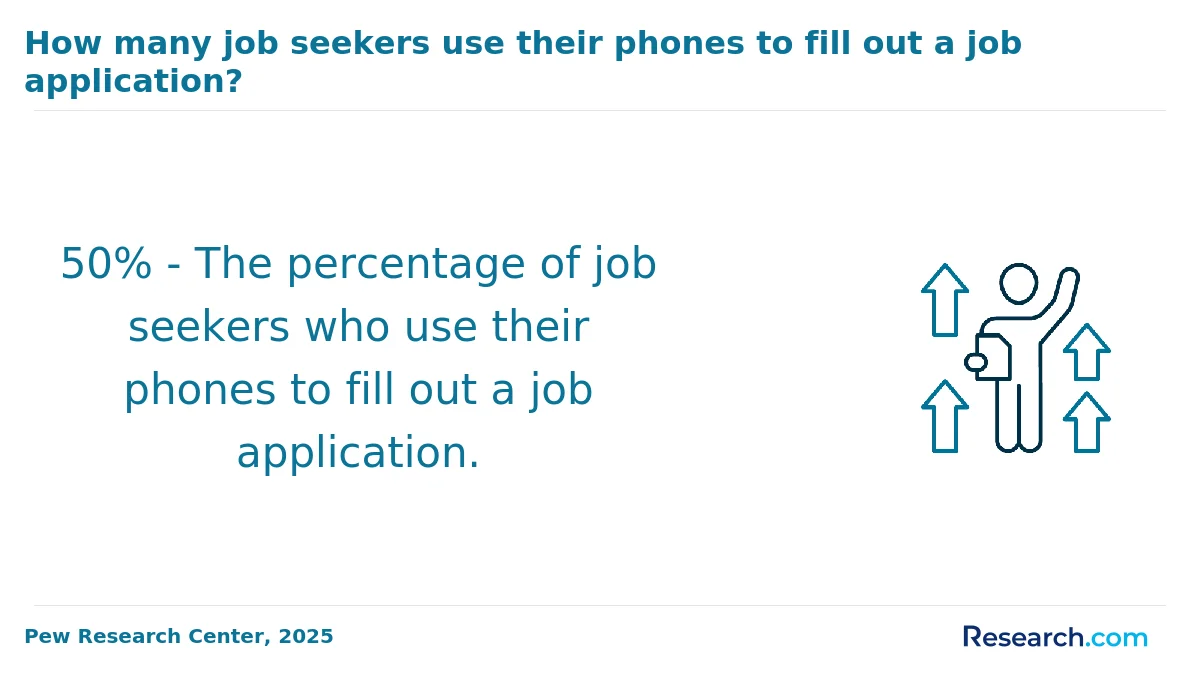
Students pursuing associate degrees in Omaha have access to diverse financial aid options that significantly ease the burden of tuition and related expenses. Completing the Free Application for Federal Student Aid (FAFSA) unlocks access to federal benefits like the Pell Grant, which offers up to $7,395 annually for those with demonstrated financial need, alongside eligibility for federal work-study and student loans.
Graduates from Metropolitan Community College (MCC) often highlight the value of submitting the FAFSA early to meet priority deadlines, ensuring maximum aid availability. Similarly, University of Nebraska Omaha (UNO) students report that institutional scholarships tailored specifically for associate degree pathways-ranging from merit- to need-based awards-have been crucial in supporting their academic journeys.
Nebraska's state grant programs further supplement federal aid, with distribution based on FAFSA information. Many students benefit from one-on-one counseling at MCC to navigate complex financial aid processes, while UNO's MavLINK portal offers transparent tracking of application statuses and disbursements, building confidence and reducing uncertainty.
Additionally, private scholarships from local nonprofits and employers provide vital supplemental funding, often with unique criteria that reward specific fields or community involvement, encouraging students to explore multiple sources of support.
Most associate degree programs in Omaha require applicants to have a high school diploma or GED, ensuring students are ready to tackle college-level work. Graduates from popular schools like the University of Nebraska Omaha (UNO) and Metropolitan Community College (MCC) often recall clear expectations, such as completing a core set of 16 high school units. These units typically include:
- Four years of English
- Three years of mathematics
- Three years of social sciences
- Three years of natural sciences including at least one lab
- Two years of world languages (at UNO)
Students meeting one of the following perform best and feel confident during admission:
- Ranking in the top 50% of their graduating class
- Achieving a composite ACT score of 20 or higher (or SAT equivalent)
- Maintaining a cumulative high school GPA of 3.0 or above
Some programs, especially in health sciences at MCC, have additional requirements like earning a "C" or better in prerequisite courses and completing nearly 100 credit hours including Medical Terminology and Human Relations Skills. Graduates often express satisfaction with these clear, structured prerequisites because they build a strong academic foundation, easing their transition into college success in Omaha.

Associate degree course requirements in Omaha consistently include a blend of general education and career-focused classes designed to equip students for both transfer and workforce readiness. Graduates from Omaha institutions like Metropolitan Community College (MCC) often highlight the balance of foundational courses in English composition, mathematics, social sciences, natural sciences, and humanities as essential to their academic growth and seamless transfer to four-year universities.
In addition, common classes in Omaha associate degree programs provide practical skills tied to local job markets. Many students pursuing degrees at MCC or Iowa Western Community College benefit from hands-on classes in fields such as health sciences, business administration, information technology, and skilled trades. These courses often involve labs, internships, or practicum experiences, fostering confidence and employability.
Students appreciate the flexibility in course delivery, including options for evenings or online formats, supporting diverse schedules. For those interested in expanding their options beyond Omaha, exploring open enrollment online colleges offers additional pathways to complete degree requirements efficiently.
Choosing the best associate degree program in Omaha requires assessing both your academic goals and financial considerations. Graduates from Metropolitan Community College often highlight the value of affordable tuition, with in-state rates below $100 per credit hour, positioning it among the best value associate degree programs in Omaha. These students appreciate how this cost-effectiveness allowed them to pursue education without overwhelming debt, especially when combined with strong FAFSA-driven financial aid.
Beyond price, the mode of delivery plays a crucial role. Many Omaha schools offer online or hybrid courses, enabling students to juggle work and family with study. For example, students in information technology programs praise the flexible schedules, while nursing graduates emphasize access to quality in-person clinical experiences aligned with high NCLEX pass rates. This flexibility ensures education fits real-life commitments.
When evaluating programs, consider how to compare Omaha associate degree costs in terms of tuition, fees, and potential financial aid. Investigate support services like tutoring and career counseling, which contribute to student success. Exploring outcomes data from popular programs and reviewing licensure results provide additional assurance of program quality. For those considering future education investments, researching the highest paying masters degrees related to your field can also inform your decision.
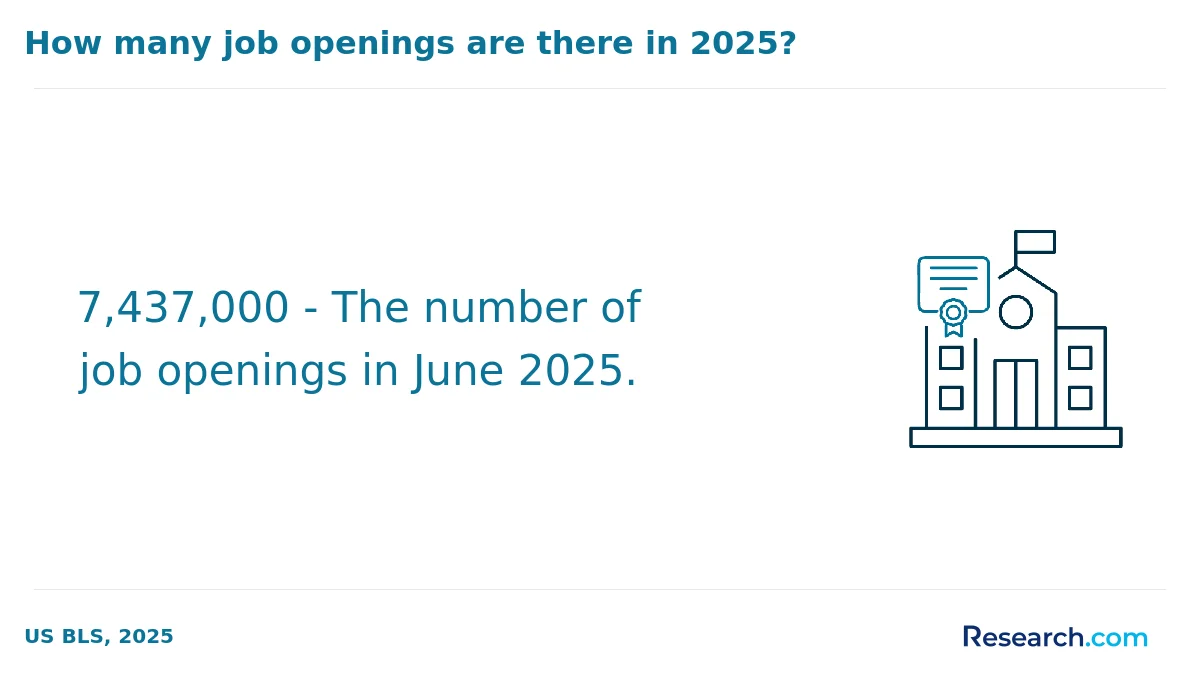
Associate degree graduates in Omaha have access to diverse career paths aligning with the city's workforce demands. Healthcare roles such as dental hygienist, laboratory technician, and staff registered nurse remain prominent, with local graduates frequently securing positions at hospitals and clinics. These jobs often provide salaries between $38,000 and $70,000, reflecting the strong demand for trained professionals.
Business and administrative pathways are also widely pursued. Graduates from popular programs at institutions like Metropolitan Community College find opportunities as administrative assistants or accounting specialists within public and private sectors, including large employers like the University of Nebraska Medical Center. This sector continues to offer steady employment and advancement possibilities.
- Skilled trades such as welding and automotive technology benefit from hands-on training widely available in Omaha.
- Information technology roles, including help desk technician and junior network administrator, are growing and supported by programs like MCC's Career Forward.
Graduates from Omaha's associate degree programs often report positive experiences securing meaningful jobs shortly after completion. For students seeking options to reduce upfront costs, exploring the top online accredited colleges with waived application fee can supplement on-campus training and enhance career opportunities. These pathways represent some of the highest paying associate degree jobs Omaha offers.
The job market for associate degree graduates in Omaha demonstrates strong demand across multiple industries, reflecting a healthy environment for new entrants. Graduates from well-known Omaha institutions often find rewarding opportunities in healthcare, technology, and business administration. For instance, many healthcare graduates secure positions as registered nurses or laboratory technicians at local hospitals, benefiting from consistent recruiting efforts due to the city's robust medical sector.
In Omaha's technology sector, where major companies and startups expand rapidly, associate degree holders frequently fill entry-level roles in IT support, cybersecurity, and data management. The tech unemployment rate is impressively low at 2.2%, with salaries averaging $81,000, which motivates graduates from local tech-focused programs to pursue these well-paid roles.
Key employment opportunities for associate degree graduates Omaha include:
- Healthcare roles such as bedside care and allied health technician positions
- Technology jobs in cybersecurity and IT support
- Business administration functions like office support and property management
Graduates often share positive experiences about the balance of affordable education and strong job prospects, especially from schools recognized for practical training linked to Omaha's employers. Hundreds of job postings regularly seek associate degree holders, demonstrating a vibrant and diverse job market. Students exploring educational options can also consider the most affordable online bachelor's degree pathways to further enhance their career potential within the Omaha area job market.
Best Associate Degree Programs - Leading Certification Courses in Omaha for 2026
# 1 position
Metropolitan Community College Area - Automobile/Automotive Mechanics Technology/Technician.
associateThe Automobile/Automotive Mechanics Technology/Technician program at Metropolitan Community College Area offers a hybrid learning format. It prepares students to repair, service, and maintain various automobile systems, including brakes, electrical, engines, transmissions, and heating/air conditioning. The program is accredited by the Higher Learning Commission. Annual in-state tuition is $3,285, and median earnings one year after completion reach $52,060.
# 2 position
Metropolitan Community College Area - Computer and Information Sciences, General.
associateThe Computer and Information Sciences, General program at Metropolitan Community College Area is fully online, offering flexible distance learning. The annual in-state tuition is $3,285. This general program covers computing, computer science, and information science and systems without focusing on specific specializations. Graduates have a median earnings of $48,719 one year after completion. The program is accredited by the Higher Learning Commission.
# 3 position
Metropolitan Community College Area - Electrician.
associateThe Electrician program at Metropolitan Community College Area offers a hybrid format with some distance education options. It prepares students to install, operate, maintain, and repair electrical systems and apparatus in residential, commercial, and industrial settings. The curriculum covers electronics principles, wiring, power transmission, safety, and applicable codes. Annual in-state tuition is $3,285, and median earnings one year after completion reach $64,751. The program is accredited by the Higher Learning Commission.
# 4 position
Metropolitan Community College Area - Legal Assistant/Paralegal.
associateThe Legal Assistant/Paralegal program at Metropolitan Community College Area is a hybrid course designed to prepare students for research, drafting, investigatory, and administrative tasks under attorney supervision. The curriculum includes legal research, document drafting, pleading, courthouse procedures, and legal specializations. Annual in-state tuition is $3,285. The program is accredited by the Higher Learning Commission, providing recognized credentials for students pursuing a legal support career.
# 5 position
Metropolitan Community College Area - Heating, Air Conditioning, Ventilation and Refrigeration Maintenance Technology/Technician.
associateThe Heating, Air Conditioning, Ventilation and Refrigeration Maintenance Technology/Technician program at Metropolitan Community College Area prepares students to repair, install, service, and maintain heating, air conditioning, and refrigeration systems. The hybrid program includes instruction in diagnostic techniques, testing equipment use, and principles of mechanics, electricity, and electronics. Annual in-state tuition is $3,285. The program is accredited by the Higher Learning Commission.
# 6 position
Metropolitan Community College Area - Industrial Mechanics and Maintenance Technology/Technician.
associateThe Industrial Mechanics and Maintenance Technology/Technician program at Metropolitan Community College Area offers hybrid learning with some distance-education options. It prepares students to repair and maintain industrial machinery and equipment, including cranes, pumps, engines, pneumatic tools, conveyor systems, and refinery systems. The program’s annual in-state tuition is $3,285. It is accredited by the Higher Learning Commission.
# 7 position
Metropolitan Community College Area - Accounting.
associateThe Accounting program at Metropolitan Community College Area prepares students for careers in accounting and related business functions. It covers principles and theory, financial and managerial accounting, cost accounting, tax accounting, auditing, and reporting procedures. Students learn about business information systems, professional standards, ethics, and applications in various organizations. Annual in-state tuition is $3,285. The program is accredited by the Higher Learning Commission.
# 8 position
Metropolitan Community College Area - Business Administration and Management, General.
associateMetropolitan Community College Area offers a fully online Business Administration and Management, General program. It prepares students to plan, organize, and direct organizational functions, covering management theory, human resources, accounting, purchasing, marketing, and business decision-making. The program is accredited by the Higher Learning Commission. Annual in-state tuition is $3,285, and median earnings one year after completion are $43,956.
# 9 position
Metropolitan Community College Area - Interior Design.
associateThe Interior Design program at Metropolitan Community College Area is a hybrid curriculum preparing students to professionally design and furnish residential and commercial spaces. It covers computer applications, drafting, lighting, acoustics, furniture, textiles, and design history. The program's annual in-state tuition is $3,285. Graduates earn a median salary of $29,902 one year after completion. The program is accredited by the Higher Learning Commission.
# 10 position
Metropolitan Community College Area - Criminal Justice/Safety Studies.
associateThe Criminal Justice/Safety Studies program at Metropolitan Community College Area is fully online, focusing on the criminal justice system, its organization, and legal and public policy contexts. It covers criminal law, police and correctional systems, justice administration, and public attitudes. The program is accredited by the Higher Learning Commission. Annual in-state tuition is $3,285, and median earnings one year after completion are $28,511.
Frequently Asked Questions about associate degree programs
Preparing for the job market after completing an associate degree in Omaha involves several important steps. First, students should leverage local resources such as Omaha's Nebraska Department of Labor, which reports that associate degree holders in the region earn a median annual wage of about $42,000, higher than those with only a high school diploma. Networking with Omaha's business community through internships and job fairs can improve employment prospects significantly.
Many community colleges in Omaha offer career services, including resume building and interview workshops, which are valuable to graduates entering the workforce. Additionally, obtaining relevant certifications aligned with your associate degree can enhance job readiness.
Finally, staying informed about industries with the highest growth in Omaha-like healthcare, manufacturing, and information technology-helps focus job search efforts on sectors actively hiring associate degree holders. According to the U.S. Bureau of Labor Statistics, these fields are projected to add thousands of new jobs regionally over the next decade.
Employers in Omaha actively seek associate degree graduates with strong technical and interpersonal skills. According to the Nebraska Department of Labor, skills in computer literacy, especially proficiency in Microsoft Office and basic data management, rank among the top requirements.
Problem-solving abilities and critical thinking are highly valued across industries such as healthcare, manufacturing, and business services.
Communication skills, including clear writing and teamwork, consistently appear in job postings for associate-level positions.
Additionally, adaptability and a willingness to learn new technologies remain crucial as Omaha's job market evolves.
These findings align with national trends reported by the National Association of Colleges and Employers (NACE).
Finding internships in Omaha relevant to your associate degree program involves several strategic steps. Start by visiting the career services offices at local community colleges like Metropolitan Community College, which often partner with Omaha employers to offer internships tailored for their students.
Online job platforms such as Handshake and Indeed list internship opportunities specific to Omaha. Filtering searches by industry and education level can help you find positions aligned with your degree.
Omaha's diverse economy, including health care, finance, and manufacturing sectors, offers many internship options. According to the Nebraska Department of Labor, internships in Omaha have grown by 8% annually over the past five years, indicating expanding opportunities for students.
Networking through local professional groups or events hosted by organizations such as the Omaha Chamber of Commerce can also uncover hidden internships and provide valuable contacts.
In Omaha, earning an associate degree significantly enhances career mobility and advancement opportunities. According to the U.S. Census Bureau, individuals with an associate degree earn approximately 18% more than those with only a high school diploma. This educational credential opens doors to mid-level positions in fields such as healthcare, technology, and business administration, which are prominent in Omaha's job market.
Employers in Omaha often prefer candidates with associate degrees due to their practical skills and specialized training. The Metro Area Economic Development report highlights that sectors like manufacturing and IT increasingly require this level of education for advancement.
Additionally, an associate degree can act as a stepping stone for further education, allowing students to transfer credits toward a bachelor's degree. This pathway can lead to higher-paying roles and leadership positions, further improving career prospects within the region.
Part-time job opportunities in Omaha can effectively complement associate degree education by providing practical experience and financial support. Healthcare roles such as medical assistants or phlebotomy technicians are common for students enrolled in health-related programs. According to the U.S. Bureau of Labor Statistics, Omaha's healthcare sector is growing steadily, offering stable part-time positions.
Retail and customer service jobs in Omaha's expanding commercial centers also align well with business or communications associate degrees. Additionally, internships and assistant roles in local tech firms provide valuable experience for IT students.
Balancing work and study helps students build relevant skills and improve their employability after graduation.
To find the best degree program near me in Omaha, NE, you can start by exploring local universities and colleges that offer the field of study you're interested in, such as University of Nebraska at Omaha or Creighton University. Utilize research resources like Research.com to compare programs based on faculty expertise, campus facilities, and potential career outcomes. Additionally, visiting campus open houses near Omaha, NE or arranging informational interviews with current students and faculty can provide valuable insights into the best fit for your academic goals.
- Best Trade School & Training Programs - Leading Certification Courses in Emporia for 2026
- Best Trade School & Training Programs - Leading Certification Courses in Springfield for 2026
- Best Trade School & Training Programs - Leading Certification Courses in Kyle for 2026
- Best Trade School & Training Programs - Leading Certification Courses in Little Rock for 2026
- Best Trade School & Training Programs - Leading Certification Courses in Angola for 2026
- Best Trade School & Training Programs - Leading Certification Courses in Adrian for 2026
- Best Trade School & Training Programs - Leading Certification Courses in Florence for 2026
- Best Trade School & Training Programs - Leading Certification Courses in Akron for 2026
- Online Associate Degree Programs | SNHU https://www.snhu.edu/online-degrees/associate
- Omaha World-Herald Scholarship https://www.mccneb.edu/foundation-give/about-the-mcc-foundation/full-list/omaha-world-herald-scholarship
- Associate Degree programs - United International Business School (UIBS) https://www.uibs.org/undergraduate/associate/
- Research - Most Affordable Online Bachelors Degrees https://research.com/degrees/most-affordable-online-bachelors-degrees
- Associate Degree in Mathematics | Creighton University https://www.creighton.edu/academics/programs/mathematics-associates
- An Associate in Omaha, NE Salary - September 2025 https://www.comparably.com/salaries/salaries-for-an-associate-in-omaha-ne
- Guide to Finding a Job in Omaha, Nebraska https://omahaguide.com/jobs/
- Find Your Program https://www.methodistcollege.edu/find-your-program
- Associate of Science in General Studies | Clarkson College https://www.clarksoncollege.edu/general-studies/degree-options/associate-of-science-in-general-studies/index
- Find the Job Training You Need in Omaha, NE - Livability.com https://livability.com/ne/omaha/education-careers-opportunity/find-the-job-training-you-need-in-omaha


