Best Plumber Training Programs & Trade Schools - Top Plumbing Schools in Florida for 2026

Co-Founder and Chief Data Scientist
Choosing the right plumber trade school in Florida can shape your future career and open doors to rewarding opportunities. This article introduces a plumber trade school programs ranking developed by the Research.com team of data scientists to guide you toward the best options available.
Whether you’re starting fresh or looking to upgrade your skills, earning a diploma or certification in plumbing offers stability and growth potential. By exploring these schools, you’ll gain valuable insights to make an informed decision that fits your goals and lifestyle.
Key benefits of finishing plumber trade school in Florida
- Graduates from Florida plumber trade schools can expect an average salary around $26 to $30 per hour, with opportunities to earn more as experience and certifications grow, making it a rewarding career choice.
- Career paths include becoming licensed plumbers, service technicians, or pipefitters, with many graduates from popular Florida trade schools quickly finding stable jobs in residential and commercial plumbing.
- Completing a plumber trade school online offers flexible learning schedules and faster entry into the workforce, as experienced by many online graduates who balance education with work and family commitments effectively.
- Best Plumber Training Programs & Trade Schools - Top Plumbing Schools in Florida for 2026
- What can I expect from plumber trade schools in Florida?
- Where can I work after finishing plumber trade schools in Florida?
What can I expect from plumber trade schools in Florida?
Enrolling in a plumber trade school program in Florida means committing to roughly 1,080 hours of focused study, often completed in about 10 months. Graduates from well-known Florida trade schools describe their days filled with a mix of hands-on shop work and classroom learning, tackling real plumbing tools and materials. They gain practical skills like pipe assembly, soldering, and blueprint reading, which are crucial for handling water distribution and waste systems.
Students frequently share how the program's structure, divided into four Occupational Completion Points, helps them build confidence by earning credentials progressively. This approach mirrors real job advancements, making it easier to secure employment even before program completion.
Beyond technical skills, many appreciate training in teamwork, communication, and safety protocols-essential for thriving on Florida job sites. Evening and part-time classes offered by some schools also help students balance work and study, easing stress during the program.
Graduates often feel prepared and optimistic, knowing their training aligns with state codes and industry standards, making the transition to a plumbing career smoother and more rewarding.
Where can I work after finishing plumber trade schools in Florida?
Graduates from plumber trade school programs in Florida often find themselves welcomed into diverse work environments, reflecting the state's strong demand for skilled plumbers. Many start their careers in residential plumbing companies, where they install and repair systems in homes and apartments. For instance, graduates from well-known Florida trade schools report feeling confident stepping into roles like plumbing technician or service plumber, often with employers such as Mr. Rooter Plumbing or Benjamin Franklin Plumbing. These positions provide hands-on experiences and clear paths for advancement.
Others pursue commercial plumbing jobs, working on projects in bustling cities like Tampa and Orlando. Here, graduates handle complex water and gas systems in offices, hospitals, and schools, earning between $22 and $30 per hour initially. Trade school alumni appreciate the challenge and variety of these roles, finding pride in contributing to large-scale infrastructure.
Some graduates secure positions in government facilities, such as the Florida Department of Corrections, where plumbing maintenance supports essential public services. Others choose independent contracting or staffing agencies for flexible schedules and diverse assignments, from new construction to historic renovations. These career paths highlight the practical, rewarding outcomes that Florida's plumber trade schools prepare students to achieve.
After completing a plumber trade school program in Florida, many graduates begin their careers as apprentice plumbers earning an average of around $15.04 per hour, though some report wages closer to $19.16 per hour. These figures reflect real experiences from popular Florida trade schools where apprentices balance hands-on learning with on-the-job training. One graduate shared how starting as an apprentice allowed them to steadily increase their income by taking on extra hours and overtime, resulting in annual earnings between $25,000 and $35,000.
As apprentices progress, pay increases gradually until they earn a journeyman plumber license. In Florida, journeymen typically make about $51,830 annually, with wages rising in urban areas. Graduates from well-regarded programs often find that specializing or gaining certifications can boost their earnings further.
For those who advance to master plumber status, the financial rewards become even more substantial. Experienced master plumbers in Florida report salaries near $102,000 per year, especially if they start their own businesses or tackle specialized projects. This pathway highlights how dedication and certification from Florida trade schools can translate into meaningful income growth.
- Applicants must be at least 18 years old with a high school diploma or GED and may need to pass an entrance test and interview.
- Full-time programs typically last 10 to 12 months, totaling about 1,080 instructional hours.
- Tuition for Florida residents ranges from $3,800 to $4,000, while non-residents may pay over $15,000, excluding books and tools.
- Programs teach technical skills like pipe joining and blueprint reading, plus employability skills such as communication.
- Graduates can take certification tests like NCCER Core and Plumbing Level I and II.
- Entry-level plumbers in Florida earn about $22.94 per hour, with opportunities for higher wages and job stability.
Completing a plumber trade school program in Florida typically takes between six months to one year, depending on the school and the intensity of the course. Many graduates from well-known Florida trade schools share that the fast-paced, hands-on learning keeps them engaged and motivated, making the time feel shorter than expected. For example, attending a program that offers evening or weekend classes allows students to balance work and study, helping them complete their training within a year while managing other responsibilities.
Some programs emphasize practical experience through apprenticeships, which can extend the timeline but provide valuable real-world skills. Graduates often describe this approach as rewarding because it boosts their confidence and readiness for the job market. In contrast, more accelerated courses focus on core plumbing skills and certification preparation, enabling students eager to start working quickly to finish in as little as six months.
Choosing a program in Florida means accessing industry-relevant training tailored to local codes and standards, which graduates find crucial for their success after completion.
The core difference between online and on-campus plumber trade school programs in Florida lies in how hands-on the training is. Graduates from Seminole State College and Fort Myers Technical College often praise the on-campus experience for its direct access to industry-standard equipment and supervised shop work. They describe the satisfaction of physically handling pipes and tools, which builds confidence and practical skills essential for Florida's licensing requirements.
In contrast, online students enjoy the flexibility to study at their own pace, fitting classes around work or family commitments. Many appreciate the convenience of recorded lectures and digital resources, especially when living far from physical campuses. However, these students frequently mention the challenge of lacking immediate, hands-on practice, which can make mastering practical plumbing tasks more difficult.
On-campus learners also value face-to-face interaction with instructors and peers, fostering motivation and stronger professional connections. Online students sometimes feel isolated, which may affect their engagement and persistence. Ultimately, the choice depends on personal circumstances and how much direct experience a student needs to thrive in Florida's plumbing field.
The average cost of plumbing programs in Florida varies widely depending on the type of school and program length. For example, graduates from Florida Technical College often mention the value of the 15-month comprehensive plumbing technology program that costs around $20,000. This investment reflects a robust curriculum and hands-on training that prepare students thoroughly for the field. On the other hand, community colleges offer more affordable options; students at Erwin Technical College in Tampa complete a 12-month program for about $4,700 and often appreciate the balance between cost and solid practical skills gained.
Tuition fees for Florida plumbing trade schools may also reflect part-time or evening classes, as seen at Miami Dade College where an 18-month program costs approximately $15,000, appealing to those who need flexibility while working. Some programs, like the Florida Plumbing Apprenticeship Program, provide tuition-free pathways that require apprentices to buy books and tools but offer hands-on experience over four years, making it an emotionally rewarding choice for many who prefer learning on the job.
It's important to note that additional fees for registration, supplies, and uniforms can add to the total expense. For instance, Pinellas Technical College incorporates these costs into a roughly $5,074 total, making it clear that prospective students should carefully factor in all associated expenses.
Students exploring these options often find success by assessing affordability alongside educational quality. Many turn to resources like Federal Student Aid for financial support or search for scholarships. For those seeking flexibility, exploring construction training programs online can also be a viable option to manage both costs and scheduling.
Plumber trade school students in Florida commonly rely on federal aid accessed through the Free Application for Federal Student Aid (FAFSA®). This essential step unlocks eligibility for grants, loans, and work-study programs tailored to vocational training. Many graduates from institutions like Seminole State College report that Pell Grants, which can provide up to $7,395 per academic year, significantly eased their financial burden, allowing them to focus on mastering their trade without overwhelming debt.
State and institutional scholarships further support students, with some Florida schools offering payment plans to make tuition more manageable. Seminole State students often share how these options made their education feel achievable and reduced upfront stress.
Veterans benefit from military programs such as the GI Bill®, which can cover tuition and living expenses, making plumbing programs accessible without financial strain.
However, not all pathways qualify for aid. For example, Daytona State College's apprenticeship program does not accept federal or state aid, but students earn wages during training, providing a practical way to cover living costs while gaining hands-on experience.
Enrolling in a plumber trade school program in Florida typically requires meeting a few clear prerequisites that ensure candidates are prepared for the hands-on learning ahead. Most Florida trade schools expect applicants to have a high school diploma or GED, which lays the foundation for understanding technical concepts and safety regulations essential in plumbing.
Beyond formal education, schools often require applicants to demonstrate basic math skills, as precise measurements and calculations are crucial on the job. Many graduates recall how this requirement helped them confidently tackle real-world tasks, like sizing pipes and reading blueprints, during their training at well-known Florida institutions.
Other common prerequisites include:
- Proof of residency or legal authorization to study in Florida
- Physical ability to handle manual labor, since plumbing demands strength and stamina
- Passing a basic aptitude or placement test, depending on the school
Some trade schools also recommend or require applicants to complete a brief interview or orientation to align expectations and foster motivation. Graduates often highlight how this step boosted their enthusiasm and commitment, making the learning experience more engaging and community-driven.
Plumber trade school programs in Florida typically include a structured sequence of courses totaling around 1,080 hours, designed to build skills progressively from basics to advanced applications. Graduates often recall starting with foundational training such as the Helper, Plumber, Pipefitter course (OCP A, 360 hours), where they gained hands-on experience with tools and safety protocols, essential for working confidently on job sites.
The residential plumbing course (OCP B, 240 hours) immerses students in real-world scenarios like reading blueprints and repairing water systems in homes, which many graduates found rewarding as they learned to solve everyday plumbing issues effectively. Following that, the commercial plumbing segment (OCP C, 240 hours) expands their expertise to more complex environments, preparing them for the challenges of commercial buildings with strict code compliance.
Finally, the Plumbing Applications course (OCP D, 240 hours) focuses on troubleshooting and specialized installation techniques. Students from well-regarded Florida technical colleges describe this phase as crucial for mastering the problem-solving skills needed on actual job sites.
- Helper, Plumber, Pipefitter - basic tools, safety, pipe fitting
- Residential Plumber - blueprint reading, water system repair
- Commercial Plumber - large-scale plumbing, code compliance
- Plumbing Applications - advanced troubleshooting, technical skills
Plumbing trade school specializations in Florida cover a broad range of skills tailored for diverse career paths in the plumbing industry. Graduates often highlight programs that include training in residential, commercial, and industrial plumbing systems, allowing them to handle everything from home repairs to large-scale installations. Key skills acquired typically involve soldering, blueprint reading, pipe cutting and joining, and mastering national and local plumbing codes. For example, students from Sheridan Technical College experience hands-on learning that prepares them well for real-world applications in varied plumbing environments.
Many Florida plumbing program specializations extend to areas such as gas fitting, medical gas piping, pipefitting, sprinkler fitting, and plumbing inspection, enhancing employability in specific sectors. Apprentices in the Florida Plumbing Apprenticeship Program appreciate the combination of classroom lessons with supervised fieldwork, making it easier to grasp complex systems.
The distinction between a trade school program and a vocational program is also notable in these curricula, which you can explore in detail at what is the difference between a trade school program and a vocational program. Graduates describe the confidence gained from programs like Clearwater Trade School's NCCER Plumbing Curriculum, where extensive job-training hours translate into certification readiness for journeymen or master plumbers.
When deciding on the best plumbing trade schools in Florida, start by confirming the program's accreditation and state approval to ensure your training meets industry standards. Graduates from popular programs like South Florida Institute of Technology often praise the strong hands-on experiences, where working with real tools under expert supervision builds confidence and job readiness. Comparing curriculum structures and practical labs is essential, as these shape your ability to handle real-world plumbing challenges effectively.
Consider program length and flexibility-Florida's trade schools typically offer courses from 9 to 13 months, with options for evening classes that accommodate working students. Those who balanced family commitments found this flexibility invaluable. Cost and financial aid availability also play a major role; public colleges tend to be more affordable, and some schools, such as Seminole State College, provide helpful payment plans and scholarships.
Investigate how to compare plumbing programs in Florida by assessing schools' industry connections and job placement rates. Graduates frequently mention that strong employer partnerships helped them secure apprenticeships quickly. For those seeking alternative paths, exploring easy online trade programs that leads to high paying jobs can also be worthwhile.
Graduates of plumber trade school programs in Florida find a variety of career opportunities that match both hands-on skills and long-term ambitions. Many start as residential or commercial plumbers, working on homes and businesses where foundational knowledge from Florida's leading trade schools prepares them to handle real-world challenges. These early roles often lead to advancement as journeyman or master plumbers, opening doors to higher pay and responsibility.
The spectrum of plumbing jobs and salaries in Florida is broad and includes roles such as pipefitters and steamfitters, who specialize in complex industrial piping systems. Some graduates choose steady employment as maintenance and repair workers in institutions like hospitals or schools, enjoying regular hours and benefits.
Others gain practical experience as helpers or assistants on job sites, while specialized positions such as septic tank servicers are available for those interested in environmental systems. Ambitious graduates pursue licensure to become plumbing contractors, enabling them to run businesses and lead projects.
Real-life experiences from Florida trade schools show that career opportunities for plumbing graduates in Florida come with strong job stability and financial prospects. Many recommend exploring easy trades to learn that pay well to ensure sustained growth in this rewarding field.
The plumber job demand in Florida remains steady, driven by population growth and ongoing construction, yet graduates from trade schools often notice a market that is stable but moderately competitive. Many recent graduates from popular plumber trade schools in Florida report entering a workforce where experienced plumbers are retiring, leaving openings that new installers, repairers, and maintenance workers can fill.
Key factors that shape the experience of plumber trade school graduates include:
- Florida's plumbing industry employs approximately 55,908 people, indicating a substantial presence across residential and commercial jobs.
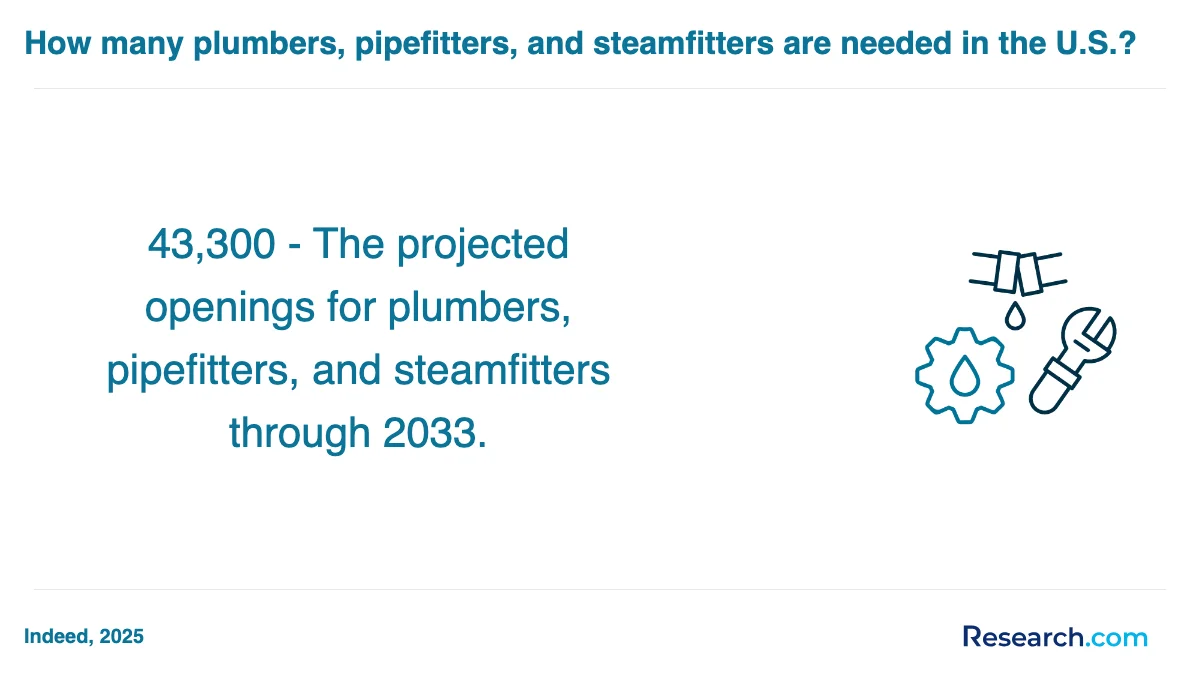
- A national shortage of qualified plumbers through 2027 creates openings and opportunities for those finishing their training.
- Job postings may not be abundant, but the ongoing demand from new construction and stricter regulations supports continued employment options.
Regarding plumber salary and employment outlook Florida offers an average hourly wage around $26.68, with many finding potential to increase earnings based on specialization and experience. Graduates from well-known programs often share stories of quick placements or apprenticeship openings that helped transition their training into practical career paths.
For those interested in balancing education with career prospects, researching the top trade schools in the us offers insight into programs well-regarded for connecting graduates to Florida's plumbing workforce.
Best Plumber Training Programs & Trade Schools - Top Plumbing Schools in Florida for 2026
# 1 position
Fort Myers Technical College - Plumbing Technology/Plumber.
certificate or diplomaFort Myers Technical College offers a hybrid Plumbing Technology/Plumber program designed to prepare students for licensed plumbing careers. The curriculum covers installation and maintenance of piping systems for various utilities, including steam, natural gas, and water. Instruction includes technical math, blueprint reading, welding, plumbing inspection, and relevant codes. The program is accredited by the Council on Occupational Education, blending hands-on skills with theoretical knowledge for practical application.
# 2 position
Pinellas Technical College-St. Petersburg - Plumbing Technology/Plumber.
certificate or diplomaPinellas Technical College-St. Petersburg offers a Plumbing Technology/Plumber program designed to prepare students for licensed plumber careers. The hybrid program includes instruction on installing and maintaining piping systems for various applications, along with technical mathematics, blueprint reading, welding, and plumbing codes. The curriculum covers critical skills such as water distribution, pressure adjustment, and plumbing inspection. The program is accredited by the Council on Occupational Education.
# 3 position
Suncoast Technical College - Plumbing Technology/Plumber.
certificate or diplomaSuncoast Technical College offers a hybrid Plumbing Technology/Plumber program that prepares students to become licensed plumbers. The curriculum covers technical knowledge and skills for installing and maintaining piping systems used in various environments. Instruction includes water distribution, pressure adjustment, blueprint reading, welding, plumbing inspection, and applicable codes. The program is accredited by the Council on Occupational Education and combines both hands-on and distance-education components.
# 4 position
South Florida Institute of Technology - Plumbing Technology/Plumber.
certificate or diplomaThe Plumbing Technology/Plumber program at South Florida Institute of Technology offers a hybrid format with some distance education. It prepares students to become licensed plumbers by teaching skills to install and maintain piping systems for various utilities. The curriculum covers water distribution, pressure adjustment, blueprint reading, welding, and applicable codes. Graduates earn a median salary of $35,252 one year after completion. The program is accredited by the Accrediting Commission of Career Schools and Colleges.
# 5 position
Manatee Technical College - Plumbing Technology/Plumber.
certificate or diplomaManatee Technical College offers a hybrid Plumbing Technology/Plumber program designed to prepare students for licensing by teaching technical skills to install and maintain piping systems for various uses including steam, natural gas, and hot water. The curriculum covers water distribution, pressure adjustment, blueprint reading, welding, plumbing inspection, and applicable codes. The program is accredited by the Council on Occupational Education.
# 6 position
Florida International Training Institute - Plumbing Technology/Plumber.
certificate or diplomaA program that prepares individuals to practice as licensed plumbers by applying technical knowledge and skills to lay out, assemble, install, and maintain piping fixtures and systems for steam, natural gas, oil, hot water, heating, cooling, drainage, lubricating, sprinkling, and industrial processing systems in home and business environments. Includes instruction in source determination, water distribution, waste removal, pressure adjustment, basic physics, technical mathematics, blueprint reading, pipe installation, pumps, welding and soldering, plumbing inspection, and applicable codes and standards. Accredited by the Accrediting Council for Continuing Education & Training.
# 7 position
Pensacola State College - Plumbing Technology/Plumber.
certificate or diplomaPensacola State College offers a hybrid Plumbing Technology/Plumber program that prepares students to become licensed plumbers. The curriculum covers installation and maintenance of piping systems for various applications, including steam, natural gas, and hot water. Instruction includes technical mathematics, blueprint reading, welding, plumbing inspection, and applicable codes. The program’s annual in-state tuition is $2,348 and it is accredited by the Southern Association of Colleges and Schools Commission on Colleges.
# 8 position
Santa Fe College - Plumbing Technology/Plumber.
certificate or diplomaSanta Fe College offers a fully online Plumbing Technology/Plumber program that trains students to become licensed plumbers. The curriculum covers installation and maintenance of piping systems for steam, natural gas, oil, water, and industrial processes. Instruction includes technical math, blueprint reading, welding, plumbing inspection, and applicable codes. The program is accredited by the Southern Association of Colleges and Schools Commission on Colleges. Annual in-state tuition is $2,563.
# 9 position
Erwin Technical College - Plumbing Technology/Plumber.
certificate or diplomaErwin Technical College offers a hybrid Plumbing Technology/Plumber program that prepares students to become licensed plumbers. The curriculum covers installation and maintenance of piping systems for steam, natural gas, oil, hot water, heating, cooling, and more. Instruction includes water distribution, waste removal, pressure adjustment, physics, mathematics, blueprint reading, welding, plumbing inspection, and relevant codes. The program is accredited by the Council on Occupational Education.
# 10 position
Seminole State College of Florida - Plumbing Technology/Plumber.
certificate or diplomaSeminole State College of Florida offers a hybrid Plumbing Technology/Plumber program that prepares students for licensure by teaching technical skills for installing and maintaining piping systems in residential and commercial settings. The curriculum covers water distribution, waste removal, pressure adjustment, blueprint reading, welding, and applicable codes. The program is accredited by the Southern Association of Colleges and Schools Commission on Colleges. Annual in-state tuition is $3,227.
Frequently Asked Questions about plumber
After completing plumber trade school in Florida, preparing for the job market involves several key steps. First, obtaining the necessary state license is crucial. Florida requires plumbers to pass the state certification exam, which tests knowledge in plumbing codes and safety standards. According to the Florida Department of Business and Professional Regulation, licensed plumbers earn a median annual salary of approximately $53,000.
Networking with local contractors and joining trade organizations like the Plumbing-Heating-Cooling Contractors Association of Florida can open job opportunities. Many graduates also benefit from apprenticeships, which provide hands-on experience and increase employability.
Continuing education is important to stay updated on new technologies and regulations in the plumbing field.
Employers in Florida seek plumber trade school graduates who demonstrate strong technical skills, including pipefitting, blueprint reading, and knowledge of local plumbing codes. According to the U.S. Bureau of Labor Statistics, practical experience with installation, maintenance, and repair of plumbing systems is essential. Communication skills are also highly valued, as plumbers often work with clients and construction teams.
Problem-solving abilities and attention to safety protocols are critical due to Florida's unique weather conditions and building regulations. Familiarity with green plumbing technologies is increasingly important as the state promotes sustainable construction practices.
Overall, graduates combining hands-on expertise with good interpersonal skills stand out in Florida's competitive plumbing job market.
Finding internships relevant to plumber trade school programs in Florida involves several strategic steps. Many technical colleges and trade schools partner with local plumbing companies to offer hands-on internship opportunities. Students should consult their school's career services or internship coordinator to access these partnerships.
The Florida Department of Education and workforce boards often list apprenticeship openings and internships on their websites, which can be valuable resources. According to the Florida Department of Economic Opportunity, the construction trades sector, including plumbing, is expected to grow 9% through 2030, increasing internship availability.
Networking at local trade unions and attending trade shows or job fairs can also help students connect directly with employers seeking interns. Additionally, online job portals specific to trade careers may list internships in plumbing across Florida.
Obtaining a plumber trade school diploma in Florida significantly enhances career mobility and advancement opportunities. According to the Florida Department of Education, graduates from accredited trade programs are more likely to secure apprenticeships and journeyman licenses, essential steps toward becoming licensed plumbers.
A diploma demonstrates foundational knowledge and practical skills, making candidates more competitive in the job market. The U.S. Bureau of Labor Statistics reports that Florida's plumbing industry is projected to grow by 10% from 2022 to 2032, faster than the national average, creating increased demand for qualified tradespeople.
Certification also opens doors to higher wages; Florida plumbers with formal training often earn 15-20% more than those without diplomas, according to the National Association of Plumbing-Heating-Cooling Contractors.
Part-time job opportunities in Florida that complement plumber trade school education often include positions such as plumbing apprentices, maintenance technicians, and helpers in construction or facilities management. These roles provide valuable hands-on experience while students continue their studies. According to the U.S. Bureau of Labor Statistics, Florida's employment for plumbers is projected to grow 10% from 2022 to 2032, reflecting steady demand.
Apprenticeships, often offered through unions or local contractors, are especially beneficial. They combine paid work with classroom learning, allowing students to earn while they gain practical skills. Additionally, roles in hardware stores or home improvement centers can enhance product knowledge essential for plumbing careers.
To find the best plumber degree program near me in Florida, you can start by exploring technical colleges and universities that offer plumbing-related certifications and associate degrees. There are specialized programs and institutions, such as those near Florida, that provide extensive training and coursework in plumbing technology. Consulting resources like Research.com may help you identify reputable programs and compare curricula, faculty, and hands-on training opportunities to make an informed choice.
- Best Plumber Training Programs & Trade Schools - Top Plumbing Schools in Georgia for 2026
- Best Plumber Training Programs & Trade Schools - Top Plumbing Schools in Alabama for 2026
- Best Plumber Training Programs & Trade Schools - Top Plumbing Schools in Mississippi for 2026
- Best Plumber Training Programs & Trade Schools - Top Plumbing Schools in Tennessee for 2026
- Best Plumber Training Programs & Trade Schools - Top Plumbing Schools in North Carolina for 2026
- Best Plumber Training Programs & Trade Schools - Top Plumbing Schools in Kentucky for 2026
- Best Plumber Training Programs & Trade Schools - Top Plumbing Schools in Missouri for 2026
- Best Plumber Training Programs & Trade Schools - Top Plumbing Schools in Ohio for 2026
- Best Plumber Training Programs & Trade Schools - Top Plumbing Schools in Illinois for 2026
- Best Plumber Training Programs & Trade Schools - Top Plumbing Schools in Pennsylvania for 2026
- How to Become a Plumber in Florida https://www.best-trade-schools.net/locations/florida/becoming-a-plumber/
- How to Become a Plumber in Florida | Gold Coast Construction https://goldcoastschools.com/career-opportunities/construction-careers/how-to-become-a-plumber-in-florida-a-complete-guide/
- Plumbing Technical School | Become a Plumber in Florida https://www.sheridantechnicalcollege.edu/plumbing-technology/
- How Long Is Plumbing School? Answers You Need to Know https://www.trade-schools.net/trades/how-long-is-plumbing-school
- Plumbing Technician Certification Training Program in FL https://www.atlantictechnicalcollege.edu/plumbing/
- Plumbing – Fort Myers Technical College https://fortmyerstech.edu/programs/architecture-and-construction/plumbing/
- Plumber Apprenticeship | Hillsborough Community College https://www.hccfl.edu/academics/associate-science/apprenticeships/plumber-apprenticeship
- A Guide to Skilled Trades Apprenticeships and Internships | BestColleges https://www.bestcolleges.com/trades/guide-to-skilled-trades-apprenticeships-internships/
- Choosing a Career in the Plumbing Trade | HoldRite https://www.holdrite.com/us/en/construction-careers
- Trade School vs. College: Pros and Cons | SharkBite https://www.sharkbite.com/ca/en/resources/blog/industry-insights/plumber-spotlights/trade-school-vs-college-heres-what-you-need-to-consider