
Best Physical Therapist Assistant Training Programs & Trade Schools - Top PTA Schools in Wisconsin for 2026

Co-Founder and Chief Data Scientist
Choosing the right physical therapist assistant trade school in Wisconsin can shape your future career in healthcare. This article presents a ranking of the top physical therapist assistant trade school programs, carefully developed by the Research.com team of data scientists. Their analysis helps you identify programs that truly stand out.
Whether you’re starting fresh or advancing your skills, earning a diploma or certification opens doors to rewarding opportunities. Reading this guide will give you clear insights and confidence to make an informed decision for 2026 and beyond.
Key benefits of finishing physical therapist assistant trade school in Wisconsin
- Graduates of physical therapist assistant trade schools in Wisconsin can expect starting salaries around $38,550 annually, with experienced professionals earning up to $66,000 or more, offering a solid foundation for financial growth.
- Career paths often include working in hospitals, outpatient clinics, or rehabilitation centers, with many graduates from popular Wisconsin trade schools quickly finding rewarding positions that help patients regain mobility and independence.
- Completing a physical therapist assistant program online provides flexibility for busy students and allows graduates to balance work and study, as seen in successful online program alumni who appreciate learning at their own pace without sacrificing quality.
- Best Physical Therapist Assistant Training Programs & Trade Schools - Top PTA Schools in Wisconsin for 2026
- What can I expect from physical therapist assistant trade schools in Wisconsin?
- Where can I work after finishing physical therapist assistant trade schools in Wisconsin?
What can I expect from physical therapist assistant trade schools in Wisconsin?
Enrolling in a physical therapist assistant trade school program in Wisconsin means preparing for a hands-on, immersive experience that balances classroom learning with real-world clinical practice. Graduates from popular Wisconsin schools often recall the challenge and reward of mastering anatomy, therapeutic exercises, and patient care techniques, all while maintaining a steady pace with a "C" grade or better to progress.
Many students describe the excitement of their clinical rotations in hospitals and outpatient clinics, where they apply skills like teaching exercises and using rehabilitation equipment under licensed therapists' guidance. These experiences bring the curriculum to life and build confidence in working with diverse patients.
Flexible scheduling options at Wisconsin trade schools allow students to manage day, evening, or weekend classes, though the hands-on labs and clinicals require in-person attendance. Graduates often reflect on how this blend of theory and practice prepared them well for the National Physical Therapist Assistant Examination and a fulfilling career in a field with strong job demand and a median wage around $45,756 in the state.
Where can I work after finishing physical therapist assistant trade schools in Wisconsin?
Graduates from physical therapist assistant trade schools in Wisconsin often find themselves stepping into a variety of fulfilling healthcare roles. Many begin their careers in hospitals, outpatient clinics, or rehabilitation centers where they assist patients recovering from surgery or injury. For example, a recent graduate shared how working at a Milwaukee outpatient orthopedic clinic allowed hands-on involvement in patient mobility improvement, creating a deeply rewarding daily experience.
Others discover opportunities in nursing homes or assisted living facilities, where the impact on elderly patients' quality of life feels especially meaningful. Some graduates choose home healthcare positions, providing therapy to those who cannot visit clinics, which adds a personal and compassionate dimension to their work.
Sports medicine centers and specialized pediatric clinics also attract PTAs, offering exciting chances to focus on specific patient groups. Whether in urban hubs like Madison or smaller towns such as Evansville, the demand for skilled PTAs remains strong, opening doors to diverse and stable career paths statewide.
After finishing a physical therapist assistant trade school program in Wisconsin, many graduates find themselves pleasantly surprised by the earning potential. On average, licensed PTAs in the state make about $66,132 per year, with salaries often ranging from $60,000 to over $72,000. This means that starting your career in places like Milwaukee or Madison can lead to a comfortable, stable income early on.
Graduates from well-regarded Wisconsin trade schools often share how their hourly wages fall around $30 to $32, with some earning as much as $44 per hour in specialized clinics. Imagine working in a bustling hospital or outpatient center, where your skills are valued and the pay reflects your dedication.
One common reflection among recent PTA graduates is how their income aligns well with the cost of living in Wisconsin, allowing them to feel financially secure while pursuing additional certifications or experience. The range of wages also means there's room to grow, especially in metropolitan areas or specialized care settings.
- Most physical therapist assistant programs in Wisconsin take about two years and lead to an associate degree.
- Applicants generally need a high school diploma or GED, a GPA of 2.5 or higher, and good grades in biology courses.
- Students must pass a background check and maintain CPR certification throughout the program.
- Tuition for a two-year PTA program typically ranges from $10,000 to $20,000 for in-state students, excluding books and personal expenses.
- Graduates can take the National Physical Therapist Assistant Examination to become licensed in Wisconsin.
- Starting salaries for PTAs in Wisconsin average between $50,000 and $55,000 per year, with experienced assistants earning over $60,000.
Completing a physical therapist assistant trade school program in Wisconsin typically takes about two years, a timeline that many graduates find both manageable and rewarding. At well-known trade schools in Wisconsin, students often share how this duration balances intensive hands-on training with classroom learning, allowing them to build confidence step by step.
One graduate described the experience as a journey where each semester brought new skills that felt immediately useful during clinical rotations. The structured yet supportive environment at these schools helps students maintain motivation, knowing that in roughly 24 months, they will be prepared to enter the workforce.
For many, the two-year completion time isn't just about earning a credential-it's about transforming their passion for helping others into a meaningful career. The blend of theory and practice within this timeframe makes the program feel like a personal investment rather than a distant goal, encouraging students to stay focused and excited throughout their studies.
The key difference between online and on-campus physical therapist assistant (PTA) programs in Wisconsin lies in how students engage with their coursework and hands-on training. Graduates from Southwest Wisconsin Technical College often appreciate the flexibility of online classes, allowing them to study lectures and complete assignments around work and family life. This flexibility helps reduce stress and makes education more accessible.
However, these same graduates emphasize the necessity of in-person clinical placements to develop practical skills. On the other hand, those who attend Northeast Wisconsin Technical College's on-campus sessions value the immediate feedback and camaraderie found in labs and face-to-face classes. Being physically present with instructors and peers fosters confidence and sharpens technical abilities through real-time guidance.
Both program types require in-person clinical experiences to meet Wisconsin's licensing standards, ensuring students gain essential hands-on practice. This blend of flexibility and practical training reflects a thoughtful balance that prepares students thoroughly for their future careers.
The average tuition for physical therapist assistant programs in Wisconsin varies among trade schools but generally falls between $9,252 and $13,329. Graduates from popular institutions like Gateway Technical College in Kenosha often highlight how the reasonable cost of the program aligned well with their budgets, enabling them to focus on developing hands-on skills without overwhelming financial stress. Some students share that the cost of a physical therapist assistant diploma in Wisconsin felt like a worthwhile investment, especially when considering the practical training and career support these schools provide.
At Northeast Wisconsin Technical College, residents pay around $12,389.55 in tuition, a figure many recall alongside manageable extra expenses for essentials like books and uniforms. Blackhawk Technical College students often discuss budgeting for additional costs of roughly $2,500, which cover books, supplies, and certification exam fees. These clear upfront costs help students prepare practically for their journey.
Prospective students often find comfort in learning there are financial aid options available to offset costs, making the path toward becoming a physical therapist assistant more accessible. Those aiming to understand how to balance educational expenses with future earning potential can explore the physical therapist assistant salary usa average, which encourages many to pursue this rewarding career despite initial costs.

Physical therapist assistant students in Wisconsin often find relief through a variety of financial aid options that make their education more attainable. Graduates from programs at Blackhawk Technical College or Northeast Wisconsin Technical College frequently share how federal aid, accessed via FAFSA, played a crucial role in covering tuition costs. This includes Pell Grants and Direct Subsidized Loans that ease the burden of the estimated $4,900 annual tuition, allowing students to focus on their studies rather than finances.
Many also benefit from the Wisconsin Grant, a state-specific award that supports residents with financial need, helping bridge the gap between tuition and living expenses, which can exceed $10,000 yearly. Beyond these, scholarships from the Wisconsin Physical Therapy Fund provide vital support, rewarding students who maintain good academic standing and participate actively in APTA Wisconsin. These funds often arrive just in time to cover unexpected expenses, reducing stress and fostering confidence during the demanding two-year programs.
Technical colleges themselves often serve as invaluable resources, guiding students step-by-step through aid applications and offering campus-specific scholarships, making the financial journey feel less daunting and more hopeful.
Enrolling in a physical therapist assistant trade school program in Wisconsin requires meeting several well-defined prerequisites that ensure readiness for the demanding yet rewarding journey ahead. Graduates from popular Wisconsin trade schools often reflect on how these initial steps helped build their confidence and foundation for success.
Typically, you will need:
- A high school diploma or GED, which confirms your basic academic skills and commitment.
- Completion of prerequisite courses such as biology, anatomy, and sometimes algebra-these prepare you for understanding the human body and essential calculations.
- Proof of immunizations and a current CPR certification, emphasizing the program's focus on safety and patient care.
- Background checks and drug screenings, common in healthcare fields to maintain trust and professionalism.
One graduate shared how meeting these requirements felt like a rite of passage, creating a sense of accomplishment even before classes began. Wisconsin trade schools also encourage shadowing or volunteer experiences in physical therapy settings, helping prospective students confirm their passion and readiness. These steps not only meet administrative needs but nurture a positive mindset, preparing you emotionally and intellectually for the hands-on, compassionate work ahead.
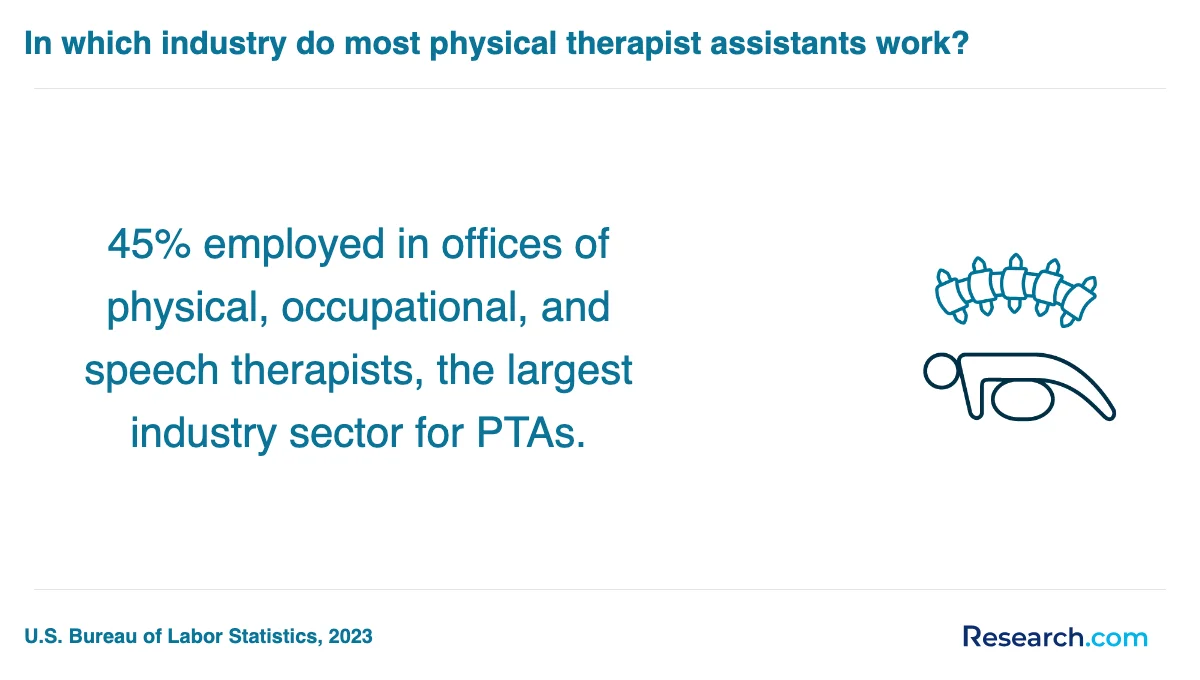
Physical therapist assistant trade school programs in Wisconsin focus on courses that build both knowledge and hands-on skills essential for patient care. Graduates from popular schools often recall how mastering General Anatomy & Physiology was a turning point, giving them a clear understanding of the human body's structure and function-knowledge they applied daily during clinical rotations. Maintaining a "B" grade in this course is common, as it sets the foundation for success.
Students also engage deeply with courses like PTA Professional Issues, which introduce the legal and ethical standards they will uphold in their careers. This course often sparks meaningful discussions among classmates about professionalism, making the learning experience feel personal and relevant.
Core clinical courses typically include:
- PTA Patient Interventions, where students practice assisting patients with exercises and mobility;
- PTA Applied Kinesiology I & II, exploring the mechanics of human movement;
- PTA Therapeutic Exercise, focusing on designing effective treatment plans;
- PTA Biophysical Agents, teaching the use of modalities like heat and electrical stimulation.
Hands-on labs and supervised clinical internships at well-known Wisconsin trade schools create a supportive environment where students gain confidence by helping real patients. Many graduates describe these experiences as both challenging and rewarding, often highlighting the moment they successfully applied documentation and communication skills in a busy healthcare setting. This blend of theory and practice prepares students well for the demands of the profession.
Physical therapist assistant trade school programs in Wisconsin offer a range of specializations that prepare students to confidently address various patient needs. Graduates often recall their hands-on experiences in programs renowned for their comprehensive curricula, such as Blackhawk Technical College and Chippewa Valley Technical College. Specializations typically include:
- Orthopedic Rehabilitation
- Neurological Rehabilitation
- Pediatric Physical Therapy
- Geriatric Physical Therapy
- Cardiopulmonary Rehabilitation
- Sports Medicine
These focused areas allow students to tailor their education toward the patient populations they feel passionate about helping. For example, a graduate from Northeast Wisconsin Technical College described deeply connecting with pediatric cases, crafting interventions designed to improve young lives. Others found the sports medicine emphasis energizing, working with athletes recovering from injuries in real-world clinical settings.
Many programs also incorporate Clinical Education and Internships, offering invaluable practical experience that brings theory to life. The variety of specializations reflects the dynamic nature of healthcare, where PTAs serve diverse roles across community health, home health care, and industrial rehabilitation.
Understanding these distinct paths helps students make informed decisions, especially when considering how to choose between occupational therapy and physical therapy careers.
Choosing the best physical therapist assistant programs in Wisconsin starts with confirming CAPTE accreditation, essential for eligibility to take the licensing exam. Graduates from schools like Northeast Wisconsin Technical College often praise the balance of rigorous coursework and hands-on clinical rotations, which helped them gain confidence and practical skills. Many appreciate the flexible scheduling options, such as evening or weekend classes, that accommodate working students and family life.
When you consider how to compare PTA schools in Wisconsin, look closely at admission requirements, including science prerequisites and CPR certification, which prepare you for the demands of the profession. Graduate employment rates can reveal how well a program connects students to local healthcare employers, a key factor for those eager to start their careers promptly.
Cost and location matter too-several programs involve travel between campuses or offer financial aid. Reflecting on these elements can help you find a program that fits your lifestyle and goals. For a clearer sense of the timeline, see how long does it take to become a physical therapist.
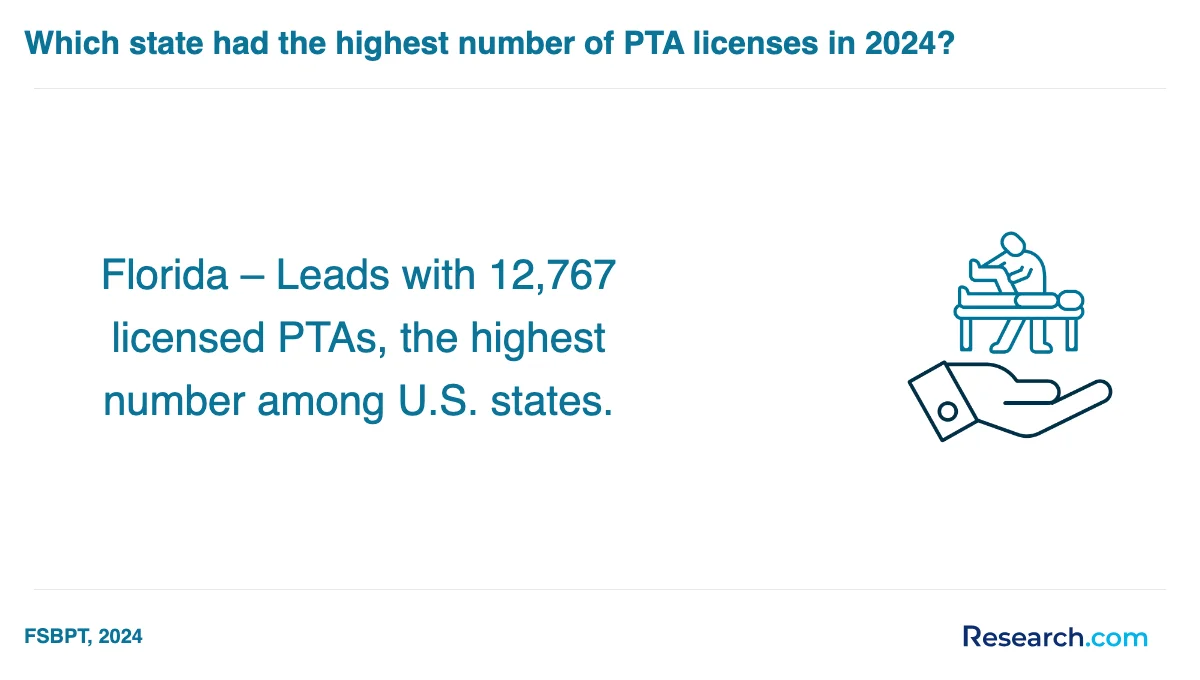
Graduates of physical therapist assistant trade school programs in Wisconsin find a variety of fulfilling career paths across both urban and rural healthcare settings. Many step confidently into roles in hospitals, outpatient clinics, rehabilitation centers, and skilled nursing facilities, where they collaborate directly with physical therapists to enhance patient mobility and recovery. Experiences shared by alumni from well-regarded trade schools in the state reveal how rewarding hands-on work in diverse environments, like Milwaukee's bustling rehab centers or small-town home health agencies, can be.
Common opportunities include:
- Full-time, part-time, and PRN physical therapist assistant jobs in Wisconsin, suiting those who value schedule flexibility
- Positions in rural communities providing vital support to aging populations
- Roles in specialized settings helping patients regain function after surgery or injury
For those eager to grow professionally, options to become therapy coordinators or pursue continued education abound, supported by Wisconsin's strong healthcare system. Many grads leverage certificates that make money to expand their expertise and open doors in physical therapy career opportunities Wisconsin truly offers.
The physical therapist assistant job outlook Wisconsin offers a competitive yet cautiously optimistic scenario for recent graduates from trade schools. Graduates often share stories of navigating a job market where openings are limited but the rewards are substantial. Those who completed their education at popular Wisconsin trade schools find that their initial job search requires persistence, especially in urban centers where many applicants compete for each role.
Despite this, the average hourly pay of $32.25 positions physical therapist assistant salary Wisconsin 2026 graduates comfortably within the national wage range. Real-life experiences highlight that patience and strategic choices-such as working in outpatient clinics or nursing homes-can lead to satisfying roles. Many grads report:
- Gaining experience in rehab hospitals to boost skillsets and earning potential
- Pursuing certifications or specialized training to open doors to leadership roles
- Leveraging flexible geographical options to increase job opportunities
For those considering how best to prepare, exploring medical degrees that take 2 years can provide insight into accelerated paths that complement PTA training. This approach can enhance both qualifications and appeal in Wisconsin's healthcare sector, ultimately enriching career prospects despite the moderate volume of available positions.
Best Physical Therapist Assistant Training Programs & Trade Schools - Top PTA Schools in Wisconsin for 2026
# 1 position
Chippewa Valley Technical College - Physical Therapy Assistant.
associateChippewa Valley Technical College offers a Physical Therapy Assistant program with a hybrid format, combining in-person and distance education. The program trains students to support physical therapists by implementing treatment plans, conducting interventions, and monitoring patient progress. Coursework covers anatomy, physiology, biomechanics, clinical documentation, and professional ethics. Annual in-state tuition is $4,724. Graduates earn a median income of $41,740 one year after completing the program. It is accredited by the Higher Learning Commission.
# 2 position
Northeast Wisconsin Technical College - Physical Therapy Assistant.
associateThe Physical Therapy Assistant program at Northeast Wisconsin Technical College is a hybrid course preparing students to assist physical therapists in treatment care plans, patient training, and clinical documentation. The curriculum covers anatomy, physiology, biomechanics, neuroscience, and professional ethics. Annual in-state tuition is $4,904. Graduates earn a median salary of $38,278 one year after completion. The program is accredited by the Higher Learning Commission.
# 3 position
Southwest Wisconsin Technical College - Physical Therapy Assistant.
associateSouthwest Wisconsin Technical College offers a Physical Therapy Assistant program designed to prepare students to implement treatment care plans under a physical therapist’s supervision. The curriculum includes applied anatomy, physiology, biomechanics, clinical documentation, and professional ethics. The program is accredited by the Higher Learning Commission. Annual in-state tuition is $4,796, and median earnings one year after completion reach $33,328.
# 4 position
Western Technical College - Physical Therapy Assistant.
associateThe Physical Therapy Assistant program at Western Technical College offers a hybrid format with some distance-education options. It prepares students to support physical therapists by implementing treatment plans, training patients, and documenting progress. The curriculum covers anatomy, physiology, biomechanics, and professional ethics. Annual in-state tuition is $4,716. Graduates have median earnings of $43,682 one year after completion. The program is accredited by the Higher Learning Commission.
# 5 position
Madison Area Technical College - Physical Therapy Assistant.
associateMadison Area Technical College offers a Physical Therapy Assistant program with a hybrid format including some distance education. The program trains students to implement physical therapy treatment plans, conduct interventions, and document patient progress under supervision. Coursework covers applied anatomy, physiology, biomechanics, neuroscience, and professional ethics. Annual in-state tuition is $4,780. Graduates have median earnings of $35,549 one year after completion. The program is accredited by the Higher Learning Commission.
# 6 position
Blackhawk Technical College - Physical Therapy Assistant.
associateBlackhawk Technical College offers a Physical Therapy Assistant program in a hybrid format with some distance-education options. This program trains students to assist physical therapists by implementing treatment plans, training patients, and recording progress. Instruction covers applied anatomy, biomechanics, clinical documentation, and professional ethics. The annual in-state tuition is $4,170. Graduates have a median earning of $33,144 one year after completion. The program is accredited by the Higher Learning Commission.
# 7 position
Gateway Technical College - Physical Therapy Assistant.
associateThe Physical Therapy Assistant program at Gateway Technical College offers a hybrid format with some distance-education options. It prepares students to assist physical therapists in treatment plans, patient training, and clinical documentation. The curriculum includes anatomy, physiology, biomechanics, neuroscience, and professional ethics. Annual in-state tuition is $4,853. Graduates earn a median salary of $29,121 one year after completion. The program is accredited by the Higher Learning Commission.
# 8 position
Milwaukee Area Technical College - Physical Therapy Assistant.
associateThe Physical Therapy Assistant program at Milwaukee Area Technical College offers a hybrid format, combining in-person and distance education. It trains students to assist physical therapists by implementing treatment plans, conducting interventions, and monitoring patient progress. The curriculum covers anatomy, physiology, biomechanics, clinical documentation, and professional ethics. Annual in-state tuition is $5,017. Graduates earn a median income of $34,030 one year after completing the program. The program is accredited by the Higher Learning Commission.
# 9 position
Rasmussen University-Wisconsin - Physical Therapy Assistant.
associateThe Physical Therapy Assistant program at Rasmussen University-Wisconsin prepares students to implement treatment care plans under a physical therapist’s supervision. The curriculum includes applied anatomy, physiology, biomechanics, neuroscience, and professional ethics. Annual in-state tuition is $11,982. Graduates have median earnings of $35,350 one year after completion. The program is accredited by the Higher Learning Commission.
# 10 position
Herzing University-Brookfield - Physical Therapy Assistant.
associateHerzing University-Brookfield offers a Physical Therapy Assistant program in a hybrid format, combining in-person and distance education. The program trains students to assist physical therapists by implementing treatment plans, conducting interventions, and monitoring patient progress. Coursework covers applied anatomy, physiology, biomechanics, neuroscience, and professional ethics. Annual in-state tuition is $13,420, with median earnings of $34,039 one year after completion. The program is accredited by the Higher Learning Commission.
Frequently Asked Questions about physical therapist assistant
After completing a physical therapist assistant (PTA) trade school in Wisconsin, graduates should focus on obtaining state licensure, which is mandatory to practice. The Wisconsin Department of Safety and Professional Services requires passing the National Physical Therapy Exam (NPTE) for PTAs. Preparing for this exam is crucial to enter the job market successfully.
Networking with local healthcare providers and joining professional organizations like the American Physical Therapy Association (APTA) Wisconsin chapter can enhance job prospects. According to the U.S. Bureau of Labor Statistics, Wisconsin's PTA employment is projected to grow by 14% from 2022 to 2032, reflecting strong demand.
Internships or clinical experience gained during schooling also improve employability, as employers value hands-on skills. Maintaining updated CPR certification and soft skills such as communication will further support career readiness.
Employers in Wisconsin value physical therapist assistant (PTA) graduates who demonstrate strong communication and interpersonal skills. These abilities are essential for effectively working with patients of all ages and collaborating with physical therapists.
Technical competence is also critical; graduates must be proficient in therapeutic exercises, modalities, and patient care techniques. According to the Wisconsin Department of Workforce Development, practical skills and hands-on experience significantly improve job prospects in this field.
Additionally, employers seek candidates who show critical thinking and problem-solving skills to adapt treatment plans based on patient progress. Time management and reliability are also highly regarded, ensuring efficient and consistent patient care.
Understanding healthcare regulations and maintaining accurate documentation are important administrative skills that enhance employability in Wisconsin's healthcare settings.
Finding internships in Wisconsin relevant to a physical therapist assistant (PTA) trade school program involves several strategic steps. Start by consulting your school's clinical education coordinator, as many trade schools maintain partnerships with local healthcare facilities. Wisconsin's Department of Workforce Development offers resources that connect students with healthcare internships, including PTAs.
Many internships are available in hospitals, rehabilitation centers, and outpatient clinics throughout the state. According to the American Physical Therapy Association, clinical experience is a required component of accredited PTA programs, ensuring that students gain hands-on training.
Networking through professional organizations like the Wisconsin Physical Therapy Association can also help uncover local internship opportunities. Early application and clear communication with potential sites increase chances of placement.
Obtaining a physical therapist assistant (PTA) diploma from a trade school in Wisconsin significantly impacts career mobility and advancement. Graduates meet state licensure requirements, which is essential for employment in clinical settings. According to the Wisconsin Department of Safety and Professional Services, licensed PTAs have access to a growing job market with an expected 18% employment growth through 2030, faster than the national average.
The diploma provides foundational skills and clinical experience, enabling graduates to qualify for entry-level positions in hospitals, rehabilitation centers, and nursing facilities. Additionally, many employers in Wisconsin prefer candidates with accredited PTA diplomas, which enhances hiring prospects.
Advancement opportunities often include specialization in areas like geriatrics or pediatrics, supported by continuing education. The diploma serves as a stepping stone for future pursuits such as bachelor's degrees in physical therapy or healthcare management, promoting upward career mobility within the state's healthcare sector.
Students enrolled in physical therapist assistant (PTA) trade schools in Wisconsin can benefit from part-time jobs that provide relevant experience. Common opportunities include working as physical therapy aides or rehabilitation assistants in clinics and hospitals. These roles help students develop hands-on skills while supporting licensed therapists. According to the Wisconsin Department of Workforce Development, physical therapy aide positions often pay between $12 and $16 per hour, offering both income and practical exposure.
Other complementary jobs include roles in fitness centers or nursing homes, where students assist with patient mobility and exercise programs. Such work enhances understanding of patient care and therapy techniques.
Part-time employment in these settings also helps build professional networks that can be valuable after graduation.
To find the best Physical Therapist Assistant degree program near me in Wisconsin, you can begin by exploring programs and universities that offer accredited PTA degrees in or near Wisconsin. You might consider using resources such as Research.com to compare institutions based on faculty expertise and program quality. Additionally, visiting nearby campuses and speaking with current students or alumni can provide valuable insights into the program's reputation and outcomes.
- Best Physical Therapist Assistant Training Programs & Trade Schools - Top PTA Schools in Minnesota for 2026
- Best Physical Therapist Assistant Training Programs & Trade Schools - Top PTA Schools in Iowa for 2026
- Best Physical Therapist Assistant Training Programs & Trade Schools - Top PTA Schools in Illinois for 2026
- Best Physical Therapist Assistant Training Programs & Trade Schools - Top PTA Schools in Michigan for 2026
- Best Physical Therapist Assistant Training Programs & Trade Schools - Top PTA Schools in Indiana for 2026
- Best Physical Therapist Assistant Training Programs & Trade Schools - Top PTA Schools in Missouri for 2026
- Best Physical Therapist Assistant Training Programs & Trade Schools - Top PTA Schools in Nebraska for 2026
- Best Physical Therapist Assistant Training Programs & Trade Schools - Top PTA Schools in Kentucky for 2026
- Best Physical Therapist Assistant Training Programs & Trade Schools - Top PTA Schools in Tennessee for 2026
- Best Physical Therapist Assistant Training Programs & Trade Schools - Top PTA Schools in West Virginia for 2026
- Becoming a Physical Therapist Assistant | APTA https://www.apta.org/your-career/careers-in-physical-therapy/becoming-a-pta
- Where Can Physical Therapist Assistants Work | Unitek College https://www.unitekcollege.edu/blog/where-can-physical-therapist-assistants-work/
- Where Do PTAs Work? Exploring Different Healthcare Settings - Villa Maria College https://www.villa.edu/where-do-physical-therapy-assistants-work/
- Physical Therapist Assistant and Aide Career | Explore Careers in Physical Therapy Assistance https://explorehealthcareers.org/careers/physical-therapy/physical-therapist-assistant/
- Physical Therapy Assistant Jobs: What Could I Do With My Degree? https://www.ecpi.edu/blog/physical-therapy-assistant-jobs-what-could-i-do-with-my-degree
- Physical Therapist Assistants and Aides : Occupational Outlook Handbook: : U.S. Bureau of Labor Statistics https://www.bls.gov/ooh/healthcare/physical-therapist-assistants-and-aides.htm
- Career as Physical Therapy Assistant: Harper College https://www.harpercollege.edu/academics/health/physical-therapist-assistant/careers.php
- Top 8 Physical Therapist Assistant Jobs | PTA Destinations https://www.provocollege.edu/blog/top-physical-therapist-assistant-jobs/
- Where a PTA Can Work | Concorde Career Colleges https://www.concorde.edu/blog/where-pta-can-work
- Physical Therapy Assistant Trade Schools & Training Programs https://www.best-trade-schools.net/programs/wellness/physical-therapy/


