
Best Phlebotomy Technician Training Programs & Trade Schools - Top Phlebotomy Tech Schools in Massachusetts for 2026

Co-Founder and Chief Data Scientist
Choosing the right phlebotomy technician trade school in Massachusetts can shape your future career in healthcare. This article introduces a ranking of phlebotomy technician trade school programs created by the Research.com team of data scientists to help you make an informed decision.
Discover programs that fit your goals and lifestyle, and learn how earning a diploma or certification can open doors to rewarding job opportunities. Whether you’re starting fresh or changing paths, this guide offers valuable insights to support your journey toward success.
Key benefits of finishing phlebotomy technician trade school in Massachusetts
- Graduates can expect competitive salaries, with average annual earnings between $43,865 and $48,270 in Massachusetts, and hourly rates averaging around $27.18, offering strong financial stability early in their careers.
- Career paths include roles in hospitals, outpatient centers, and labs, as shown by successful graduates from top Massachusetts trade schools who quickly find rewarding jobs in diverse healthcare settings.
- Completing a phlebotomy technician program online provides flexibility and convenience, allowing students to balance work and study, as experienced by online graduates who valued the ability to learn at their own pace without sacrificing quality.
What can I expect from phlebotomy technician trade schools in Massachusetts?
Enrolling in a phlebotomy technician trade school program in Massachusetts means diving into hands-on learning that builds real skills. Graduates from Springfield Technical Community College often share how their 164 hours of combined classroom and practical instruction gave them confidence in drawing blood safely and handling specimens accurately. You'll master venipuncture and capillary puncture techniques alongside studying anatomy, infection control, and patient communication-essential for working smoothly with both patients and healthcare teams.
Many students appreciate programs like Bunker Hill Community College's hybrid format, which blends online lessons with optional in-person externships. This flexibility helps balance busy schedules while still providing valuable clinical experience. Safety training aligned with OSHA standards is a key focus, so you'll feel prepared for real-world healthcare settings.
Tuition typically runs around $2,000, often covering liability insurance and certification exam fees. Graduates highlight how their training prepares them to take the national certification exam and step confidently into entry-level roles in hospitals or labs, motivated by growing job opportunities across Massachusetts.
Where can I work after finishing phlebotomy technician trade schools in Massachusetts?
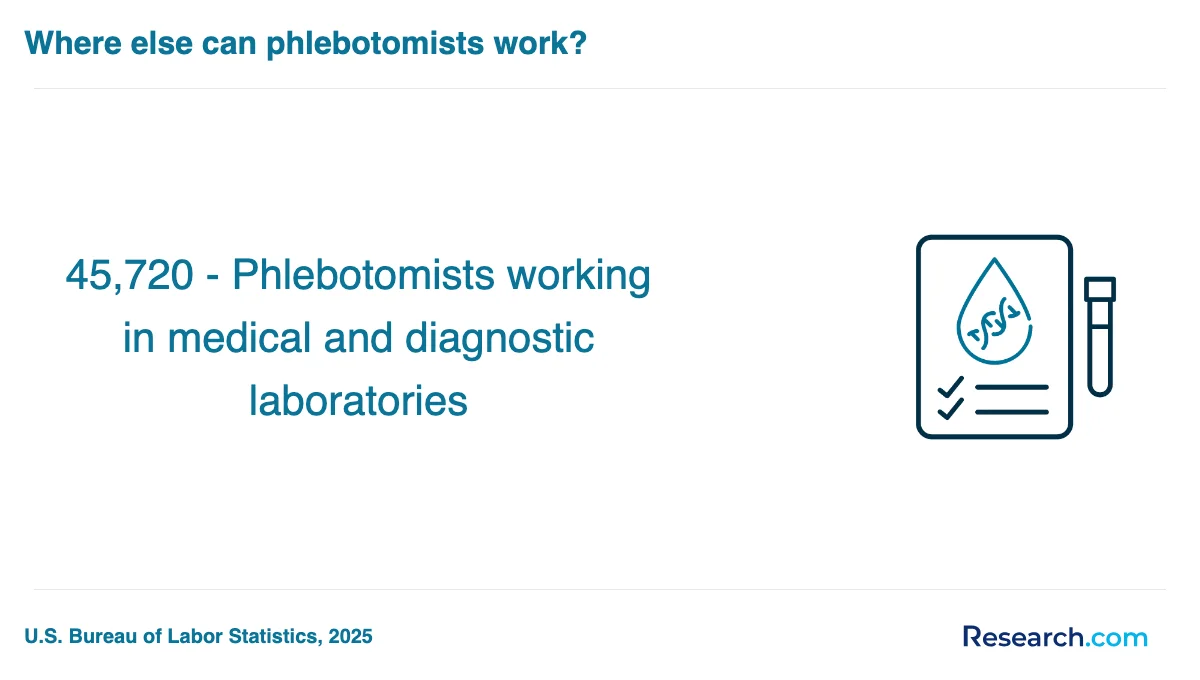
After finishing a phlebotomy technician trade school program in Massachusetts, graduates find a variety of rewarding job options. Many quickly secure positions in hospitals, such as those in Boston's major healthcare centers, where they confidently draw blood samples and assist busy medical teams. Others enjoy working in medical laboratories, gaining hands-on experience with specimen processing and advanced equipment.
Graduates from well-known Massachusetts trade schools often share how they valued roles in physician offices and community health centers, where they not only perform blood draws but also help with patient care and administrative duties. For those seeking flexible schedules, blood donation and plasma centers like BioLife provide entry-level jobs with paid training, ideal for recent graduates eager to build skills in a supportive environment.
Mobile phlebotomy positions, increasingly popular among program alumni, offer independence by allowing technicians to visit patients' homes or nursing facilities. With a valid Massachusetts state certification earned through accredited trade schools, graduates enter a strong job market filled with opportunities across cities like Worcester and Springfield.
How much can I make after finishing phlebotomy technician trade schools in Massachusetts?
Graduates of phlebotomy technician trade schools in Massachusetts often find themselves earning competitive salaries soon after completing their programs. Many alumni from popular local schools report starting salaries around $35,500 annually, which quickly rise as they gain experience. For example, a recent graduate working in a Boston outpatient care center shared how their hourly wage jumped from $18 to over $25 within the first year.
On average, phlebotomists in Massachusetts earn about $43,865 per year, with some reaching up to $53,000 in high-demand urban hospitals or research facilities. Hourly wages typically range from $20.82 to $27.18, reflecting the variety of employers and settings graduates enter. Those who earn certifications or take on supervisory roles often see even higher pay.
Students training in Massachusetts appreciate the hands-on experience and networking opportunities their trade schools provide, helping them secure jobs in well-paying labs and clinics. These real-world connections accelerate career growth and income potential in this rewarding healthcare field.
Best Phlebotomy Technician Training Programs & Trade Schools - Top Phlebotomy Tech Schools in Massachusetts for 2026
# 1 position
Middlesex Community College - Phlebotomy Technician/Phlebotomist.
certificate or diplomaThe Phlebotomy Technician/Phlebotomist program at Middlesex Community College is a hybrid program that prepares students to draw blood samples using various techniques under professional supervision. It covers vascular anatomy, blood physiology, venipuncture, specimen handling, and safety procedures. The program has an annual in-state tuition of $6,048 and is accredited by the New England Commission on Higher Education.
# 2 position
Quinsigamond Community College - Phlebotomy Technician/Phlebotomist.
certificate or diplomaQuinsigamond Community College offers a Phlebotomy Technician/Phlebotomist program in a hybrid format, combining distance education with on-site instruction. The program trains students to draw blood samples under medical supervision, covering vascular anatomy, blood physiology, skin puncture, venipuncture, specimen handling, safety, and regulations. Annual in-state tuition is $5,974. The program is accredited by the New England Commission on Higher Education.
# 3 position
Massasoit Community College - Phlebotomy Technician/Phlebotomist.
certificate or diplomaMassasoit Community College offers a Phlebotomy Technician/Phlebotomist program with a hybrid format, including some distance-education options. The program prepares students to draw blood samples using various techniques under medical supervision. Coursework covers vascular anatomy, blood physiology, venipuncture, specimen handling, safety, and regulations. Annual in-state tuition is $5,376. The program is accredited by the New England Commission on Higher Education.
# 4 position
Cape Cod Community College - Phlebotomy Technician/Phlebotomist.
certificate or diplomaCape Cod Community College offers a Phlebotomy Technician/Phlebotomist program in a hybrid format, combining in-person and distance education. The curriculum trains students to collect blood samples using various techniques under professional supervision. Key topics include vascular anatomy, blood physiology, venipuncture, specimen handling, safety, and regulatory standards. The program’s annual in-state tuition is $5,712 and it is accredited by the New England Commission on Higher Education.
# 5 position
Quincy College - Phlebotomy Technician/Phlebotomist.
certificate or diplomaQuincy College offers a Hybrid Phlebotomy Technician/Phlebotomist program designed to prepare students to draw blood samples under medical supervision. The curriculum covers vascular anatomy, blood physiology, skin puncture, venipuncture, specimen handling, safety, and regulatory standards. The annual in-state tuition is $7,536. This program is accredited by the New England Commission on Higher Education, providing essential training for careers in phlebotomy.
# 6 position
Laboure College of Healthcare - Phlebotomy Technician/Phlebotomist.
certificate or diplomaLaboure College of Healthcare offers a Phlebotomy Technician/Phlebotomist program that trains students to draw blood samples under medical supervision. The curriculum covers vascular anatomy, blood physiology, skin puncture, venipuncture, specimen handling, safety, and regulatory standards. The annual in-state tuition is $33,663. The program is accredited by the New England Commission on Higher Education.
Key Findings
- Applicants must be at least 18 years old, have a high school diploma or equivalent, and meet basic English skills.
- Programs include about 70 hours of classroom instruction plus 120 hours of clinical experience or a two-week full-time clinical placement.
- Program costs range from $1,759 to $2,025, often covering liability insurance and a certification exam voucher.
- Graduates can sit for national certification exams like the CPT through NHA, which is recommended but not required in Massachusetts.
- The average annual salary for phlebotomy technicians in Massachusetts is approximately $50,660 as of May 2024.
How long does it take to complete phlebotomy technician trade schools in Massachusetts?
Completing a phlebotomy technician trade school program in Massachusetts typically takes between 4 to 12 weeks, depending on the school and the format chosen. Many trade schools in the state offer flexible schedules that accommodate working adults or those balancing family commitments, which means you can often choose between accelerated full-time courses or part-time options.
Graduates from popular Massachusetts trade schools often share how completing their programs quickly helped them jumpstart their careers without long delays. For instance, some students found that finishing a program in just one month allowed them to start hands-on clinical experience sooner, boosting their confidence and skills early on.
Others appreciated programs that spread out the coursework over a few months, providing more time to absorb complex concepts and practice techniques. The practical training, combined with classroom instruction, ensures students feel ready to handle real patient interactions, making the completion time feel well spent and rewarding.
What's the difference between online and on-campus phlebotomy technician trade school programs?
Online and on-campus phlebotomy technician programs in Massachusetts differ mainly in how they deliver instruction and clinical training. On-campus programs, like Springfield Technical Community College's, require students to attend in-person classes and labs, fostering direct interaction with instructors and peers. Graduates often describe the hands-on practice and immediate feedback as invaluable for building confidence in skills like venipuncture.
In contrast, online programs from schools such as Bunker Hill Community College offer flexibility through self-paced virtual lessons combined with necessary hands-on components. Students appreciate the ability to study around work or family commitments, using lab kits and simulations to practice at home.
However, both formats must include in-person clinical experiences for Massachusetts certification. Online students often need to secure externships independently, which can be challenging but rewarding when they connect with local healthcare facilities. This blend of virtual and real-world training prepares graduates to succeed in Massachusetts's healthcare settings.
What is the average cost of phlebotomy technician trade schools in Massachusetts?
The average cost phlebotomy technician programs Massachusetts students consider typically ranges between $1,200 and $2,500 in tuition fees, depending on the school's program length and included resources. Graduates from well-known trade schools often describe their training experience as intensive but rewarding, especially at places like Quincy College, where a 10-week program costs $2,500 and covers both classroom learning and practical sessions, helping students build confidence quickly. Similarly, North Shore Community College offers a 90-hour program for $1,899, which many students find affordable while still providing comprehensive hands-on experience.
Besides tuition, students should plan for additional costs such as uniforms, books, certification exam fees, and background checks. Typical extra expenses can range from $50 for uniforms to around $300 for immunizations and supplies. Graduates emphasize the importance of budgeting for these fees to avoid surprises during their training journey. For instance, students at Pathway Vocational Institute of Health face a combined tuition and administrative fee of $2,550, which illustrates the typical financial scope of a Massachusetts trade program.
To ease financial stress, some schools provide flexible payment plans or financial aid options. Quincy College, for example, accepts funding through MassHire Career Centers, making it accessible for those meeting unemployment criteria. Students often value researching these opportunities before enrollment. Understanding the phlebotomist degree requirements and costs upfront helps many stay motivated and successfully complete their certification.
What financial aid is available for phlebotomy technician trade schools in Massachusetts?
Phlebotomy technician students in Massachusetts often find financial aid options that make training much more affordable and accessible. For example, many graduates from Springfield Technical Community College have benefited from grant funding if they qualify for programs like SNAP, which can cover part or all of their tuition. These grants ease the burden of upfront costs, allowing students to focus on learning without constant financial stress.
Lower-income residents may also qualify for support through MassHire Career Center funding, which covers phlebotomy training partially or fully based on income and residency. Graduates recall how this funding, combined with workforce board approval, helped them afford courses that otherwise seemed out of reach.
Scholarships and tuition assistance from local career centers like Franklin-Hampshire Career Center and organizations such as Mass Rehab provide additional relief, especially for those balancing work and study. Some employers even offer tuition reimbursement, boosting motivation and confidence for advancing careers in healthcare.
For students pursuing for-credit certificate programs at community colleges, federal aid such as Pell Grants and Massachusetts' MASSGrant may be available if the FAFSA is filed, adding another layer of financial support.
What are the prerequisites for enrolling in phlebotomy technician trade schools in Massachusetts?
To enroll in a phlebotomy technician trade school program in Massachusetts, applicants typically need to meet several straightforward prerequisites that set the stage for a successful learning experience. Most popular trade schools in the state require candidates to have a high school diploma or GED, ensuring a basic educational foundation.
Applicants often must be at least 18 years old, which reflects the hands-on nature of phlebotomy work involving patient interaction. Schools may also ask for a background check and up-to-date immunization records, including a TB test, to maintain a safe learning environment.
Graduates from Massachusetts trade schools share how these prerequisites helped them feel ready and confident walking into clinical settings. For example, one graduate recalled how having all vaccinations in place eliminated last-minute delays, letting them focus fully on learning.
Additional common prerequisites include:
- Basic CPR certification or willingness to obtain it before clinical practice
- Proof of residency or legal status in Massachusetts
- Completion of a health questionnaire or physical exam
These requirements ensure students are prepared physically, mentally, and legally, making their path smoother and more rewarding. By meeting these standards, students at well-known Massachusetts trade schools experience less stress and more excitement as they advance toward certification and new career opportunities.

What are the typical courses in phlebotomy technician trade schools in Massachusetts?
Phlebotomy technician trade school programs in Massachusetts focus on practical and essential courses that prepare students for real-world success. Graduates often share how mastering anatomy and physiology of the circulatory system gave them confidence in locating veins quickly during blood draws. Alongside this, medical terminology courses help students communicate clearly with healthcare teams, avoiding costly mistakes.
Key technical skills come from hands-on training in venipuncture and capillary puncture techniques, where students practice safely drawing blood and handling specimens. Safety courses covering infection control and OSHA regulations are emphasized to protect both patient and technician.
Students also appreciate learning about:
- Patient communication strategies to ease nervous patients, a highlight for many graduates in Massachusetts trade schools
- Proper labeling, documentation, and specimen transport to maintain sample integrity
- Clinical externships that provide real healthcare experience, often a turning point in students' confidence
Hands-on labs and externships at popular Massachusetts trade schools ensure students are ready to pass certification exams and thrive in healthcare environments.
What are the available specializations in phlebotomy technician trade schools in Massachusetts?
Phlebotomy technician trade school programs in Massachusetts offer several specialized tracks to fit various career goals. Graduates from popular trade schools often emphasize how these specializations expand their expertise and job prospects. For example, the Cardio-Phlebotomy Technician program is a 334-hour course combining phlebotomy with EKG training, CPR certification, and medical terminology. This specialization is ideal for students seeking broader skills in cardiovascular diagnostics and has received positive feedback for its comprehensive hands-on approach.
Other phlebotomy training programs Massachusetts commonly offer include a focused Phlebotomy Technician Certificate program. Graduates frequently highlight how the curriculum, covering venipuncture, skin puncture, special blood collections, and specimen handling, prepares them confidently for entry-level lab roles.
For licensed professionals aiming to upskill, programs like the Phlebotomy for Healthcare Workers Certificate at Springfield Technical Community College provide targeted training on patient interaction and phlebotomy computer operations. Many healthcare workers appreciate learning these practical skills, which enhance their workplace performance.
Students curious about whether are medical assistants trained to draw blood will find this field's specializations align well with these competencies, offering diverse opportunities within healthcare.
How do you choose the best phlebotomy technician trade school program in Massachusetts?
To choose the best phlebotomy technician trade school program in Massachusetts, start by checking accreditation. Graduates from programs at MassBay Community College often highlight how their NAACLS-accredited training gave them confidence during job interviews. Hands-on clinical experience matters greatly; students at Health and Home Care Training of New England appreciate the 120-hour externship that helped them master real-world skills.
Flexibility is another key factor. Many working individuals in Massachusetts select programs offering evening or weekend classes, like those at pathwayvoc.com, balancing work and study effectively. Cost also plays a major role-North Shore Community College's $1,899 tuition for a 90-hour program, combined with financial aid options, appeals to many first-time learners.
Location influences convenience; students often choose accessible colleges such as Massasoit Community College or Quincy College to reduce commute stress. Don't forget to ensure your program prepares you well for national certification exams, a requirement for most employers.
For those seeking to expand opportunities, exploring health care certification programs online can broaden your credentials and career prospects.
What career paths are available for phlebotomy technician trade school graduates in Massachusetts?
Graduates of Massachusetts phlebotomy technician trade schools often find diverse career opportunities for phlebotomy graduates in Massachusetts across healthcare settings. Many start as phlebotomists in hospitals, clinics, and diagnostic labs, gaining hands-on experience collecting blood and specimens. Others specialize in pediatric or mobile phlebotomy, with mobile technician roles allowing flexible schedules and travel to patients' homes or nursing facilities. Plasma collection centers in the state, such as those in Medford, actively hire entry-level technicians, offering paid training and clear advancement paths.
Career growth is common among graduates from popular trade schools, who share how certifications helped them transition into roles like patient care technician or medical assistant. These expanded positions combine phlebotomy skills with patient monitoring and basic clinical duties, broadening employment options and income potential. The demand for phlebotomy technician jobs in Massachusetts healthcare remains strong, especially in metro areas like Boston and Cambridge, with some full-time roles paying over $65,000 annually.
For those considering formal training, many turn to the most affordable online phlebotomy technician certificate programs as a practical stepping stone to enter this rewarding field.
What is the job market for phlebotomy technician trade school graduates in Massachusetts?
The phlebotomy technician job market in Massachusetts presents steady but competitive opportunities for trade school graduates. While job postings are relatively fewer compared to other states, graduates from popular trade schools in Boston and Worcester report that focusing on skills and certifications has helped them stand out. Many find roles in hospitals, outpatient clinics, or labs within urban centers like Cambridge or Brockton, where demand is highest. Key factors influencing hiring include location, experience, and additional certifications.
Salaries in Massachusetts align well with the upward phlebotomy technician salary trends Massachusetts, averaging around $27 hourly and $44,594 annually. Graduates note that gaining experience boosts pay, sometimes up to $48,000 depending on the employer. Those pursuing specialized training often access higher-level roles that reward advanced skills.
For students weighing options, exploring the easiest medical specialties related to phlebotomy can also open doors. Graduates emphasize that perseverance, networking in healthcare hubs, and continuous learning are essential to thriving in this market.
Frequently Asked Questions about phlebotomy technician
After completing a phlebotomy technician trade school in Massachusetts, preparing for the job market involves several key steps. First, obtaining certification from a nationally recognized organization, such as the American Society for Clinical Pathology (ASCP), significantly improves employment prospects. Massachusetts employers often prefer certified technicians due to strict state regulations and healthcare standards.
Networking with local healthcare facilities, including hospitals and clinics in Massachusetts, can provide valuable job leads. Many trade schools offer job placement assistance or internships, which help build practical experience and professional connections.
Additionally, staying informed about Massachusetts workforce trends is important. According to the Massachusetts Executive Office of Labor and Workforce Development, phlebotomy technician roles are expected to grow by 10% through 2030, reflecting steady demand.
Continuing education and maintaining certification ensures technicians remain competitive and comply with state requirements.
Employers in Massachusetts seek phlebotomy technician graduates who demonstrate strong technical skills and patient care abilities. Proficiency in venipuncture and capillary puncture techniques is essential, as 85% of job listings emphasize practical hands-on experience (Massachusetts Department of Labor, 2023). Attention to detail and adherence to safety protocols are critical to prevent contamination and ensure accurate specimen collection.
Effective communication skills are also highly valued, enabling technicians to comfort patients and work collaboratively with healthcare teams. Additionally, familiarity with electronic health records (EHR) systems is increasingly important, reflecting growing digitization in medical facilities.
Employers prefer candidates who have completed accredited programs that meet state certification requirements, highlighting the importance of formal training.
Finding internships relevant to phlebotomy technician trade school programs in Massachusetts often starts with contacting the schools themselves. Many accredited programs have established partnerships with local hospitals, clinics, and laboratories to provide students with practical experience. The Massachusetts Department of Higher Education supports such collaborations, helping students secure clinical placements during their training.
Additionally, students can explore internship opportunities through healthcare networks like Mass General Brigham and UMass Memorial Health Care, which frequently offer clinical internships for phlebotomy students. According to the National Healthcareer Association, approximately 70% of phlebotomy programs in Massachusetts include an internship or externship as part of their curriculum, emphasizing hands-on learning.
Networking with local healthcare providers and joining professional organizations such as the American Society of Phlebotomy Technicians can also open doors to internship opportunities. Online job boards focused on healthcare internships in Massachusetts are useful tools for discovering openings that may not be directly advertised by schools.
Obtaining a phlebotomy technician diploma from a trade school in Massachusetts significantly enhances career mobility within the healthcare sector. Graduates gain practical skills and certification eligibility that employers in hospitals, clinics, and laboratories actively seek. According to the Massachusetts Executive Office of Labor and Workforce Development, healthcare support occupations, including phlebotomists, are projected to grow by approximately 15% through 2030, indicating strong job prospects.
This diploma often serves as a foundation for advancement into specialized roles or supervisory positions. Additionally, certified phlebotomists in Massachusetts earn a median annual wage of about $38,000, with opportunities for pay increases linked to experience and additional certifications.
Trade school programs also facilitate networking with local healthcare providers, increasing employment chances. Overall, earning a diploma in phlebotomy from a Massachusetts trade school can be a strategic step toward stable employment and career growth in the region's expanding medical field.
Students enrolled in phlebotomy technician trade schools in Massachusetts often seek part-time jobs to gain practical experience and supplement their education. Common opportunities include working as medical assistants, patient service representatives, or laboratory aides. These roles help develop skills in patient interaction, specimen handling, and basic lab procedures.
According to the Massachusetts Executive Office of Labor and Workforce Development, healthcare support occupations are expected to grow by 15% through 2028, reflecting strong demand for phlebotomy-related jobs. Part-time roles in hospitals, clinics, and diagnostic laboratories provide valuable hands-on training while accommodating class schedules.
Additionally, some students find work in blood donation centers, where they can apply phlebotomy techniques under supervision. These positions often offer flexible hours and a professional environment conducive to skill development.
To choose the best Phlebotomy Technician degree program near me in Massachusetts, first consider the program's accreditation status, as this ensures it meets educational quality standards and can affect future certification opportunities. Next, evaluate the curriculum and practical components, ensuring they provide both comprehensive training and hands-on experience, which are critical for proficiency in phlebotomy. Lastly, research the universities near Massachusetts offering phlebotomy programs, leveraging resources like Research.com to compare factors such as program length, cost, and graduate success rates.
Related Phlebotomy Technician Rankings for Nearby States
- Best Phlebotomy Technician Training Programs & Trade Schools - Top Phlebotomy Tech Schools in New York for 2026
- Best Phlebotomy Technician Training Programs & Trade Schools - Top Phlebotomy Tech Schools in Maine for 2026
- Best Phlebotomy Technician Training Programs & Trade Schools - Top Phlebotomy Tech Schools in Pennsylvania for 2026
- Best Phlebotomy Technician Training Programs & Trade Schools - Top Phlebotomy Tech Schools in Ohio for 2026
- Best Phlebotomy Technician Training Programs & Trade Schools - Top Phlebotomy Tech Schools in West Virginia for 2026
- Best Phlebotomy Technician Training Programs & Trade Schools - Top Phlebotomy Tech Schools in North Carolina for 2026
- Best Phlebotomy Technician Training Programs & Trade Schools - Top Phlebotomy Tech Schools in South Carolina for 2026
- Best Phlebotomy Technician Training Programs & Trade Schools - Top Phlebotomy Tech Schools in Michigan for 2026
- Best Phlebotomy Technician Training Programs & Trade Schools - Top Phlebotomy Tech Schools in Georgia for 2026
- Best Phlebotomy Technician Training Programs & Trade Schools - Top Phlebotomy Tech Schools in Illinois for 2026
Top Trending Rankings
References
- Healthcare Blog | The Allen School https://www.allenschool.edu/phlebotomy-technician-training-what-to-expect/
- What to expect in Phlebotomy Training| Explore this career path! https://www.trainingdirectusa.com/blog/phlebotomy-training-what-to-expect/
- Phlebotomy Technician Technical Diploma | Northcentral Technical College https://www.ntc.edu/academics-training/programs/all/technical-diploma/phlebotomy-technician
- Phlebotomy Technician - Explore Healthcare Careers - Mayo Clinic College of Medicine & Science https://college.mayo.edu/academics/explore-health-care-careers/careers-a-z/phlebotomy-technician/
- Certified Phlebotomy Technician (CPT) — National Performance Specialists (NPS) https://npscerts.com/cpt-certification/
- Phlebotomy Technician | Houston Community College (HCC) | We are Houston's Community College http://www.hccs.edu/continuing-education/ce-programs/phlebotomy-technician/
- Phlebotomy Program - D-H Workforce Readiness Institute https://dhcareerinstitute.org/phlebotomy-training-program/
- Phlebotomy Training | U.S Colleges https://www.uscmed.com/healthcare-programs/phlebotomy-technician/
- Phlebotomy Technician – Athens Technical College https://www.athenstech.edu/programs/phlebotomy-technician
- Phlebotomy Technician | Education for professionals at PCC https://www.pcc.edu/professional/health/entry/phlebotomy/


