# 1 position
Best Pharmacy Technician Training Programs & Trade Schools in Colorado Springs for 2027
Audited and Verified:
Our Editorial and Data Verification Process
Research.com uses government datasets, official education statistics and primary institutional information to support its career and degree guides. Our review process checks factual accuracy, occupational definitions, source dates and the requirements associated with the credentials discussed.
How This Article Was Fact-Checked
Our editorial team verifies salary estimates, employment projections, education requirements and program information against original data providers and official organizations. Salary figures are checked against the relevant occupational definitions and reporting periods. Information about licensure, accreditation and required in-person training is reviewed separately.
Fact-checked and verified on:

Co-Founder and Chief Data Scientist

Reviewed by Karolina Broda
Fact-Checker and Data Verification
Choosing pharmacy technician training in Colorado Springs means comparing more than tuition: the program must build practical skills and fit Colorado's registration rules. The U.S. Bureau of Labor Statistics projects 6.4% national employment growth for pharmacy technicians from 2025 to 2035, making training quality worth examining. This guide accompanies the Best Pharmacy Technician Trade Schools in Colorado Springs for 2027 ranking, created by the Research.com team of data scientists to help students identify programs worth considering. It explains credentials, costs, work-based alternatives, and how to check whether a program fits your career goal.
Key findings about pharmacy technician degrees in Colorado Springs
- Colorado pharmacy technicians must meet state registration requirements; a school certificate and national certification are different credentials. Check the Colorado State Board of Pharmacy's current rules before enrolling.
- The national median annual wage for pharmacy technicians was $45,750 in May 2025, according to the U.S. Bureau of Labor Statistics. It is not an entry-level pay estimate for Colorado Springs.
- Compare a school program with provisional-registration and employer-training routes. The better investment depends on hands-on access, certification preparation, total cost, and whether you can earn while learning.
Table of Contents
- Best Pharmacy Technician Training Programs & Trade Schools in Colorado Springs for 2027
- What can I expect from a pharmacy technician trade school program in Colorado Springs?
- Where can I work with a pharmacy technician trade school training in Colorado Springs?
What can I expect from a pharmacy technician trade school program in Colorado Springs?
Expect instruction in dispensing workflow, medication terminology, calculations, inventory, insurance processing, and patient privacy, followed by supervised practice where available. Technicians work under pharmacists' supervision; training does not authorize independent clinical decisions or prescription verification (U.S. Bureau of Labor Statistics).
The main distinction is how you gain practical experience. A school certificate or diploma may combine classes, simulation labs, and an externship. An employer may train an eligible new hire at the worksite while the person follows Colorado's provisional-registration rules. A registered apprenticeship, if locally available, structures paid on-the-job learning with related instruction; confirm the sponsor and current openings rather than assuming every pharmacy job is an apprenticeship (Apprenticeship.gov; Colorado State Board of Pharmacy).
For a school comparison, ask Pikes Peak State College and Pima Medical Institute-Colorado Springs whether pharmacy technician training is currently offered at the relevant location, what credential it awards, and who arranges a local externship. Program names alone do not establish equivalent lab time or employer access.
Where can I work with a pharmacy technician trade school training in Colorado Springs?
Potential settings include community and grocery-store pharmacies, hospital pharmacies, and health-system outpatient pharmacies. Retail work often emphasizes customer service, claims, and prescription volume; hospital work may involve medication distribution and sterile-compounding duties that require additional supervised training. The U.S. Bureau of Labor Statistics identifies pharmacies and hospitals among major employers of technicians.
In Colorado Springs, choose practical training that resembles the setting you want to enter. If hospital work is the goal, ask whether the program teaches aseptic technique and whether a hospital placement is actually available; a retail-only externship can still be useful, but it is not the same experience. For broader context on how training choices connect to work, see Research.com's discussion of college majors employment prospects - then evaluate this occupation using technician-specific requirements and openings.
The U.S. Bureau of Labor Statistics reports a $45,750 national median annual wage for pharmacy technicians in May 2025. That is the midpoint for employed technicians across experience levels and settings, not a predicted first-year salary or a Colorado Springs wage. Use current local job postings to compare starting offers, shift premiums, benefits, and certification requirements before estimating your return on training.
A useful pay comparison matches like with like: retail trainee offers against retail trainee offers, and hospital technician offers against roles requiring similar experience. Higher posted pay may come with sterile-compounding responsibilities, inconvenient shifts, or prior experience. Do not use the national median as a guaranteed post-training income.
Duration depends on the credential, course load, clinical or externship schedule, and whether training occurs through an employer. A short certificate may move faster than a longer diploma or associate-degree pathway, but the quickest completion date matters less than when you can meet Colorado's registration requirements and perform the work competently.
There is no single school clock-hour total that can be assumed for every Colorado pharmacy technician route. Request each provider's written breakdown of classroom hours, lab hours, supervised work, and expected time to completion. If an employer offers paid training, compare the date you could begin earning with the school route's graduation and job-search dates; an externship may also require daytime availability even when classes run in the evening.
Online coursework can cover terminology, calculations, law, and billing. Campus labs can provide direct practice with dispensing systems, counting, packaging, and simulated workflows. Neither format should be assumed to replace supervised workplace experience or satisfy Colorado registration and certification conditions by itself.
The format comparison below focuses on what you can reasonably expect to complete remotely. Confirm the actual delivery and placement arrangements with each provider.
| Format | Potential advantage | Question to resolve before enrolling |
| Online coursework | Less travel for theory lessons | Where will hands-on practice and any externship occur? |
| Hybrid | Remote theory plus scheduled in-person practice | Can you attend every required lab and worksite shift? |
| On-campus | Regular access to instructors and equipment | Does the schedule and commute fit your budget? |
Online-school rankings can help assess general delivery and support, as Research.com's list of best colleges online illustrates. For this occupation, however, a convenient platform is not a substitute for documented practical training and a workable Colorado registration route.
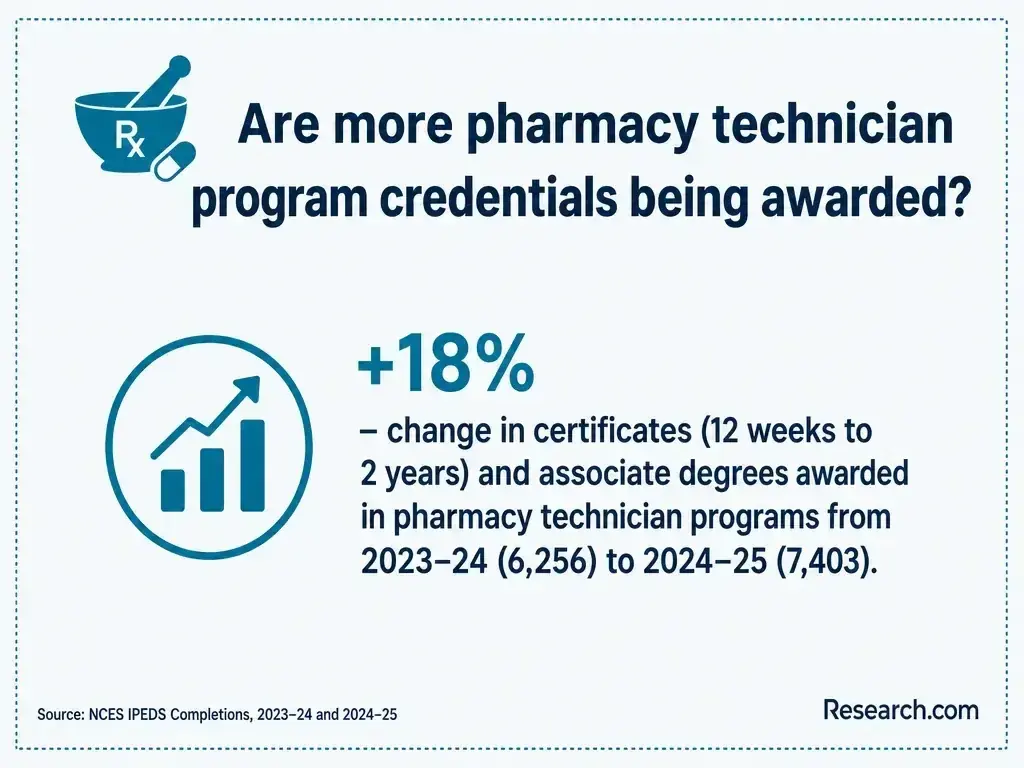
A reliable Colorado Springs program average is not available here: published prices can cover different credentials and exclude different expenses. Compare total cost to become job-ready, not an advertised tuition figure. Ask each school for an itemized current quote before making a deposit.
These cost categories matter because a lower tuition price can still lead to greater borrowing or lost earnings.
- Tuition, mandatory fees, books, software, uniforms, supplies, and any required background check or health documentation.
- Certification examination and Colorado application costs, plus travel to labs, externships, or work.
- Lost earnings during unpaid training, offset where applicable by grants, eligible aid, scholarships, or wages from employer-sponsored training.
Ask the provider whether its specific program qualifies for federal aid; school accreditation alone does not establish aid eligibility (Federal Student Aid). Compare debt and completion likelihood alongside price. General guides to an affordable online bachelors degree use a different cost and credential framework and should not be treated as pharmacy technician price benchmarks.
A provider may award a certificate, diploma, or - in a longer academic pathway - an associate degree. That school credential records completion; it is not the same as national technician certification or Colorado state registration. The Pharmacy Technician Certification Board offers the CPhT credential through its examination and eligibility routes; the National Healthcareer Association offers the ExCPT route. Verify current eligibility directly with the certifier and acceptance with the Colorado State Board of Pharmacy before paying for exam preparation (Pharmacy Technician Certification Board; National Healthcareer Association; Colorado State Board of Pharmacy).
If an associate-degree option includes broader coursework, ask whether the additional time and expense support your specific goal or transferable credits. Conversely, a short certificate may be enough preparation for one student but insufficient hands-on practice for another. An unrelated advanced academic credential - such as the one discussed in what is the easiest phd to get - does not replace technician certification or state registration.
School admission rules and workplace-entry rules are separate. Ask about minimum education, age, placement assessments, immunizations, background checks, and externship eligibility; requirements can differ by provider and worksite. Before committing to a placement, check whether its schedule and screening conditions are feasible for you.
Colorado's registration process is another checkpoint, even for someone entering through employer training. Review the Colorado State Board of Pharmacy's current application and provisional-registration instructions before accepting a trainee role or assuming a school will handle the application. A school's admission offer is not a determination of your eligibility to work (Colorado State Board of Pharmacy).
Core work includes interpreting prescription information for processing, medication names and dosage forms, calculations, inventory controls, claims, confidentiality, and identifying issues to refer to a pharmacist. Labs and supervised work should let you practice accuracy and safe handoffs, not merely memorize terms (U.S. Bureau of Labor Statistics).
Technology matters, but the choice is practical rather than speculative: ask which dispensing and claims workflows students practice and how instructors assess errors. If you want sterile-compounding work, request the syllabus and supervised-practice details instead of assuming a general technician certificate covers that specialty. Material about a doctorate degree online no dissertation describes a different educational route and cannot answer whether technician training includes these hands-on competencies.
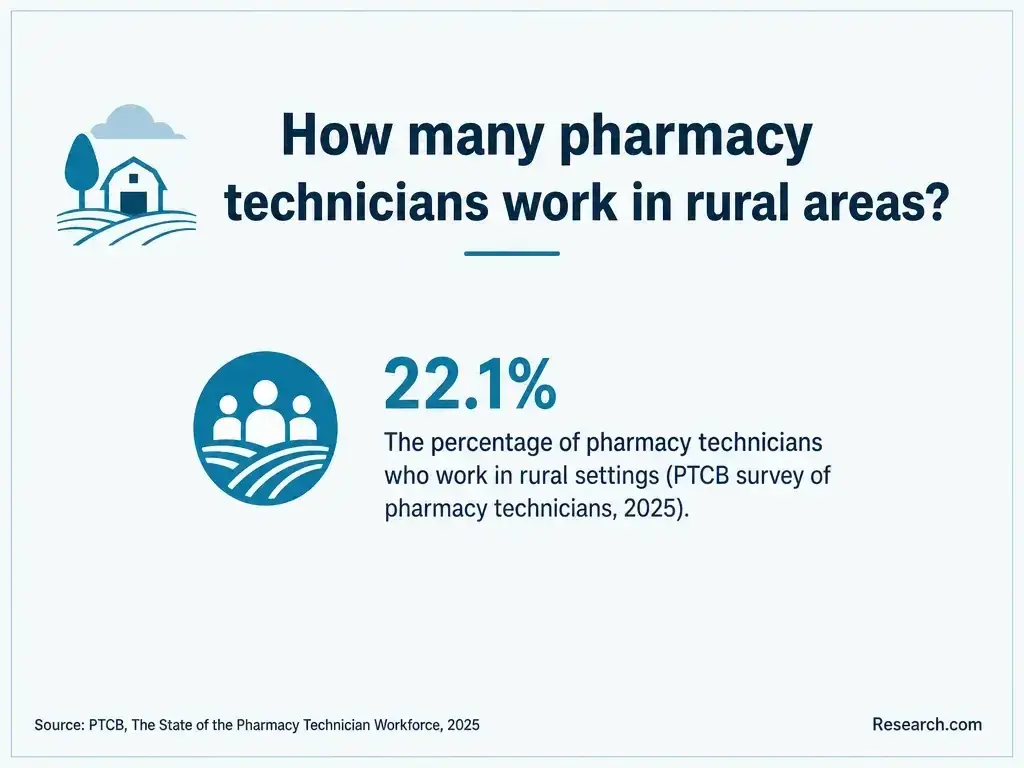
Colorado requires state registration for pharmacy technicians. Its rules distinguish provisional registration, which can permit eligible people to enter while working toward certification, from the requirements for continued registration. National certification and state registration are separate steps; completing a school program does not automatically confer either one. Check current deadlines, accepted certifications, applications, and renewal rules with the Colorado State Board of Pharmacy before relying on a training plan (Colorado State Board of Pharmacy).
Also distinguish institutional accreditation from occupational permission. Accreditation concerns an institution or program's reviewed standards; state school authorization concerns permission to operate; certification assesses an individual; and registration governs whether that individual may work in Colorado. Ask a provider to identify each status separately rather than accepting "accredited" as an answer to every eligibility question.
Start with the job you want - retail, hospital, or another pharmacy setting - then compare programs against the experience and credentials that job requires. A ranking can narrow the field, but it cannot confirm today's externship capacity, price, or schedule. Use the same questions with each provider so the answers are comparable.
The following checks help prevent the most costly enrollment mistakes.
- Confirm the program is currently offered, its award, its total classroom and practical hours, and who secures supervised placements.
- Verify institutional status, any relevant program recognition, certification-exam preparation, and Colorado registration eligibility as separate matters.
- Get an itemized total cost and aid estimate; compare it with a paid employer-training opportunity, including earnings you would forgo during school.
- Ask for recent completion, certification-exam, placement, and debt figures for the specific program, with their reporting periods and definitions.
Be wary of guaranteed jobs, an "online-only" claim that leaves hands-on training unexplained, or a price that excludes required fees. The right investment depends on completion probability, aid and debt, baseline and possible post-training earnings, time out of work, and how long you expect to benefit - not institution type alone.
Many technicians begin in community pharmacy or a supervised trainee role, then build experience in hospital distribution, inventory, purchasing, or specialized workflows. Advanced responsibilities may require employer training or additional certification. A school credential can help establish preparation, but advancement depends on demonstrated accuracy, experience, and the requirements of the particular role (U.S. Bureau of Labor Statistics; Pharmacy Technician Certification Board).
Choose initial training for the work you can realistically enter. Someone seeking prompt paid experience may favor an eligible employer-training route; someone needing structured labs and help obtaining a placement may prefer a school program. Ask prospective employers which credential and experience they require for the next role, not only the first one.
Nationally, pharmacy technician employment is projected to grow 6.4% from 2025 to 2035, according to U.S. Bureau of Labor Statistics Employment Projections. That indicates continued demand across the occupation, but it does not measure Colorado Springs openings or guarantee a local job after training.
To test the local market before enrolling, review current Colorado Springs postings by setting and note whether they accept trainees, require national certification, or ask for hospital experience. Compare those requirements with the program's labs and placements. If the openings you want consistently require skills the program does not teach, ask about additional training - or choose a route better aligned with that employer segment.
Best Pharmacy Technician Training Programs & Trade Schools in Colorado Springs for 2027
Education is a significant investment, so Research.com designed the ranking to help readers compare pharmacy technician programs with other reported programs in the same occupation and location - not with unrelated schools nationwide. The team reviews outcomes, costs, recognition, and support using multiple sources to improve the ranking's quality, credibility, and accuracy. Only programs with completions reported to IPEDS are included; an employer training route or unlisted provider should not be assumed inferior simply because it is absent.
Best-program rankings consider student completion and full- and part-time retention; median earnings one year after completion and earnings relative to annual attendance cost; tuition, attendance cost, debt - including debt held by students who withdrew - and federal loan default rates; and accreditation, occupation-relevant recognition, and student support. Programmatic accreditation or industry recognition carries 20% of the score, institutional accreditation 10%, and student support 10%. Outcomes, earnings, and costs account for the remaining 60%, allocated through an entropy-based method that gives more weight to indicators that vary more across programs. Most-affordable rankings instead score only tuition, attendance cost, debt, and default rates using entropy-based weights; accreditation and other quality measures are not part of that affordability score.
The following sources contribute to the ranking. Some cover occupations beyond pharmacy technology; inclusion here does not mean every organization accredits pharmacy technician programs.
- IPEDS database
- National Center for Education Statistics
- College Scorecard database
- Peterson's database
- Commission on Accreditation of Allied Health Education Programs (CAAHEP)
- Accrediting Bureau of Health Education Schools (ABHES)
- Commission on Dental Accreditation (CODA)
- Dental Assisting National Board (DANB)
- National Center for Construction Education and Research (NCCER)
- Apprenticeship.gov Partner Finder
Use the ranking to build a shortlist, then confirm each program's current schedule, total price, practical training, and Colorado registration pathway directly with the provider. Research.com explains its approach further on its methodology page.
# 2 position
Pikes Peak State College - Pharmacy Technician/Assistant.
certificate or diploma# 3 position
Pima Medical Institute-Colorado Springs - Pharmacy Technician/Assistant.
certificate or diplomaFrequently asked questions about pharmacy technician programs in Colorado Springs
Can I become a pharmacy technician without trade school?
Potentially. An employer-training route may be possible for an eligible person using Colorado's provisional-registration pathway. Confirm the current state rules and what training the employer provides before treating it as a substitute for school (Colorado State Board of Pharmacy).
Does a school certificate make me certified?
No. A school certificate documents program completion. National certification has separate eligibility and examination requirements, and Colorado state registration is a separate process (Pharmacy Technician Certification Board; National Healthcareer Association; Colorado State Board of Pharmacy).
Can I complete pharmacy technician training entirely online?
Some theory can be taught online, but verify how you will obtain practical skills and any required supervised experience. Do not assume an online certificate alone meets certification or Colorado work requirements.
Which is better: a short certificate or paid employer training?
Choose a certificate if its structured instruction, labs, and placement justify the full cost and time away from earnings. Consider employer training if you can enter an eligible paid role and receive adequate supervision and certification preparation. Compare both routes against your intended job.
What should I ask a school before enrolling?
Ask for the current total price, program and practical hours, externship arrangements, recent program-specific outcomes, certification preparation, and a clear explanation of the steps you must take for Colorado registration. Get the answers in writing.
- U.S. Bureau of Labor Statistics - Pharmacy Technicians
Used to verify salary, employment outlook, and typical education requirements.
https://www.bls.gov/ooh/healthcare/pharmacy-technicians.htm - NCES College Navigator (IPEDS)
Used to verify programs offered and institutional accreditation.
https://nces.ed.gov/collegenavigator/ - PTCB - Certified Pharmacy Technician (CPhT)
Professional certification reference for graduates of this occupation.
https://www.ptcb.org/credentials/certified-pharmacy-technician - Pikes Peak State College - official website
Official school website (programs, tuition, admissions).
https://www.pikespeak.edu/ - Pima Medical Institute-Colorado Springs - official website
Official school website (programs, tuition, admissions).
https://pmi.edu/