
Most Affordable Optician Schools & Training - Budget-Friendly Optician Trade Programs in Ohio for 2026

Co-Founder and Chief Data Scientist
Choosing the right optician trade school in Ohio can feel overwhelming, but it doesn’t have to be. This article introduces a carefully crafted optician trade school programs ranking developed by the Research.com team of data scientists to guide you toward the best options.
Whether you’re starting fresh or changing careers, earning a diploma or certification in this field opens doors to rewarding opportunities. Reading this guide will help you make an informed choice and take confident steps toward a fulfilling career in opticianry.
Key benefits of finishing optician trade school in Ohio
- Graduates from optician trade schools in Ohio can expect starting salaries around $29,180, with experienced opticians earning up to $61,317 annually, offering a promising financial future.
- Career paths for graduates include working as licensed opticians in retail or medical settings, with opportunities to advance into specialized roles or management, as seen with alumni from popular Ohio trade schools.
- Completing an optician trade school online allows for flexible learning schedules and faster completion, helping graduates balance work or family while gaining valuable skills, according to online program success stories.
What can I expect from optician trade schools in Ohio?
Enrolling in an optician trade school program in Ohio means diving into a hands-on learning journey where classroom theory meets real-world practice. Graduates from popular Ohio trade schools often describe the mix of studying eye anatomy, optics, and lens mechanics as both challenging and fascinating, especially when they first apply these concepts during lab sessions grinding lenses or fitting frames.
Expect to develop practical skills like interpreting prescriptions and mastering contact lens care, which many students find rewarding as they gain confidence helping "real" clients during externships or apprenticeships. These experiences, sometimes totaling up to 1,000 hours under supervision, give a taste of daily life in optical shops or clinics, where customer service skills are just as vital as technical know-how.
Ohio's strict licensure standards mean programs are carefully designed to prepare students for the ABO and NCLE exams. Graduates often share how this preparation, combined with understanding state regulations, makes them feel ready and proud to step into the profession, knowing they meet all board requirements.
Where can I work after finishing optician trade schools in Ohio?
Graduates of optician trade school programs in Ohio often find themselves stepping into diverse roles across the state's vibrant vision care industry. Whether starting as apprentice opticians or optical assistants, many quickly progress to licensed positions thanks to the state's clear licensing path. For example, those who trained at well-regarded Ohio trade schools report landing jobs at popular employers like Target Optical or My Vision Centers, where they engage directly with customers selecting frames or fitting contact lenses.
Working in settings that range from private optometry offices to bustling retail chains, Ohio graduates experience the satisfaction of helping people improve their vision daily. Some even manage optical departments or support clinical eye care, blending technical skills learned at trade school with hands-on problem-solving. The excitement of moving from classroom to real-world application is common among these new professionals, who appreciate Ohio's thriving job market in cities like Columbus or Cleveland as well as smaller communities.
These opportunities are not just jobs but career launchpads, offering competitive pay and professional growth. Graduates often remark on the rewarding balance between customer interaction and technical expertise that defines their work in Ohio's expanding vision care sector.
How much can I make after finishing optician trade schools in Ohio?
After completing an optician trade school program in Ohio, many graduates find their earning potential starts around $47,625 annually, with averages near $53,254. Picture a recent graduate from a well-known Ohio trade school stepping into their first role, excited to apply their new skills and already earning a solid wage that supports their ambitions.
For those who take the extra step to become licensed opticians, the financial outlook becomes even brighter. Licensed professionals in Ohio can earn about $65,230 per year, translating to roughly $31 per hour. Imagine the confidence of a licensed graduate knowing their advanced certification opens doors to higher pay, often between $55,814 and $74,464 annually.
Hourly wages reflect this progression as well: general opticians average $18.36, but licensed ones see around $23.81, with some making as much as $27.21 per hour. Graduates from popular Ohio trade schools often share how attaining licensing transformed their career trajectory, boosting not only income but also job satisfaction and stability.
Most Affordable Optician Schools & Training - Budget-Friendly Optician Trade Programs in Ohio for 2026
# 1 position
Cuyahoga Community College District - Opticianry/Ophthalmic Dispensing Optician.
associateThe Opticianry/Ophthalmic Dispensing Optician program at Cuyahoga Community College District offers a hybrid format with some distance education. It trains students to fit and adapt corrective eyewear, assist with frame selection, and prepare work orders. The curriculum covers optics, eye anatomy, prescription interpretation, contact lens fitting, and administrative tasks. The program is accredited by the Higher Learning Commission. Annual in-state tuition is $3,736.
# 2 position
Cuyahoga Community College District - Opticianry/Ophthalmic Dispensing Optician.
certificate or diplomaThe Opticianry/Ophthalmic Dispensing Optician program at Cuyahoga Community College District prepares students to fit corrective eyewear, assist in frame selection, and prepare work orders for ophthalmic technicians. This hybrid program includes instruction in optics, eye anatomy, prescription interpretation, contact lens fitting, and administrative tasks. Annual in-state tuition is $3,736. The program is accredited by the Higher Learning Commission.
Key Findings
- Admission requires a high school diploma or equivalent and being at least 18 years old.
- Program lengths vary from 6 months for certificate programs to 2 years for associate degrees, with some accelerated options available.
- Tuition ranges from $2,000 for shorter online courses to $14,000-$15,000 per year for campus programs, plus $800-$2,000 for materials.
- Graduates must pass the ABO-NCLE exams and apply for licensure within three years of passing.
- Entry-level salaries range from $33,000 to $38,000 per year, with mid-career salaries reaching $45,000-$55,000.
How long does it take to complete optician trade schools in Ohio?
Completing an optician trade school program in Ohio typically takes about one year, though some students finish in as little as nine months depending on the school's schedule and intensity. Graduates from popular Ohio trade schools often share how this relatively short timeframe allowed them to quickly transition from classroom learning to hands-on work, fueling their excitement as they crafted eyewear and helped clients select the perfect frames.
For example, those attending well-known Ohio programs describe their daily routines filled with practical labs and real-world training, which made the learning experience feel immediate and rewarding. One graduate recalls the satisfaction of fitting their first pair of glasses just months after starting classes-an achievement that turned dreams into tangible skills swiftly.
The focused, immersive nature of these programs means students don't just study theory but actively engage in tasks that mirror what they'll encounter in optical stores throughout Ohio. This fast-paced environment keeps motivation high, making the completion time feel like an energizing journey rather than a long haul.
What's the difference between online and on-campus optician trade school programs?
Choosing between online and on-campus optician trade school programs in Ohio often comes down to how you prefer to learn and balance your life. Online programs, like those offered through local trade schools, let you start anytime and study at your own pace, which graduates often praise for fitting around busy work or family schedules. Completing coursework in 6 to 8 months and paying around $2,000 makes this path accessible and flexible.
On the other hand, attending an on-campus program at places such as Mercy College of Ohio or Miami Valley Career Technology Center means committing to fixed schedules and gaining hands-on experience immediately. Graduates appreciate the direct mentorship and access to lab equipment, which builds confidence during clinical practice. These programs take longer-one to two years-and cost more, about $14,000 to $15,000 per year, but many find the immersive environment invaluable for mastering technical skills.
Both routes require completing supervised apprenticeship hours to meet Ohio's licensure standards, yet the way you fulfill those hours varies, shaping your educational journey uniquely.
What is the average cost of optician trade schools in Ohio?
The average tuition fees for optician programs in Ohio generally fall between $4,000 and $10,000 for a two-year associate degree. Many students find that the cost of optician trade school education in Ohio, while varying by institution and residency, is quite manageable when weighed against the specialized skills gained. Graduates often share how enrolling at popular schools, such as Cuyahoga Community College in Cleveland, provided not only affordable tuition-around $7,215 for families earning $48,000 to $75,000 annually-but also a valuable, hands-on learning experience that made the investment worthwhile.
Beyond tuition, expect additional expenses like books and supplies, which typically range from $300 to $800 per year. Many Ohio trade school students appreciate the availability of scholarships and grants that lighten this financial load, supporting their journey toward becoming proficient opticians. This mix of cost and support encourages a strong sense of optimism in students who see a clear path to both professional training and financial aid.
Choosing to study at an Ohio trade school for opticianry also means staying informed about evolving tuition rates, which can impact your budget. Since trade program costs can differ, students are encouraged to contact admissions directly for the latest updates. Those exploring related fields might also consider online construction trade programs as a point of comparison in their educational investment decisions.
What financial aid is available for optician trade schools in Ohio?
Optician trade school students in Ohio often find relief through federal financial aid like Pell Grants, which helped many graduates at Columbus State Community College cover tuition without the stress of repayment. Completing the FAFSA is the essential first step, unlocking not only grants but also federal loans and work-study programs that can ease daily expenses while studying.
State-level support through programs like the Ohio College Opportunity Grant (OCOG) further brightens the path, especially for those attending schools like Cincinnati State Technical and Community College. Many students recall how this aid bridged financial gaps, making their technical education feel achievable rather than out of reach.
Private scholarships from organizations such as the Foundation for Community Health provide vital funds, sometimes up to $10,000, rewarding dedication and community involvement. Graduates often share how these awards made a tangible difference, empowering them to focus fully on mastering their craft.
Institutions themselves frequently offer scholarships or payment plans tailored to optician students, so engaging with financial aid offices at your chosen Ohio trade school is crucial. For working students, employer tuition reimbursement and private loans remain important options, enabling career advancement without overwhelming debt.
What are the prerequisites for enrolling in optician trade schools in Ohio?
Enrolling in an optician trade school program in Ohio typically requires a high school diploma or GED, setting the foundation for a rewarding career. Graduates from well-known Ohio trade schools often recall the initial excitement when they met this basic yet crucial prerequisite, realizing their goal was within reach.
Beyond education, schools like those in Cleveland and Columbus appreciate candidates who showcase strong communication skills and a genuine interest in eye care. Imagine being in a classroom where hands-on training starts early, with instructors encouraging you to ask questions and connect with patients-this atmosphere is common in Ohio's programs.
Some programs may also require:
- Basic math proficiency to handle measurements and lens calculations
- Background checks ensuring a safe learning environment
- Proof of immunizations or health screenings, reflecting the clinical nature of the work
Graduates often mention how meeting these prerequisites felt like stepping stones, boosting their confidence as they moved closer to becoming skilled opticians in Ohio's supportive trade school settings.
What are the typical courses in optician trade schools in Ohio?
Optician trade school programs in Ohio immerse students in a series of practical and technical courses designed to build confidence and expertise. Graduates often recall how foundational classes in ocular anatomy and physiology helped them visualize the eye's intricate structure, making it easier to understand conditions like amblyopia or strabismus when assisting patients.
Hands-on learning is a hallmark of these programs, especially at well-known Ohio trade schools. Students quickly master:
- Interpreting optical prescriptions and selecting the right lenses, a skill that turns confusing numbers into clear patient solutions.
- Frame selection and precise adjustments, where aligning frames to a patient's face feels rewarding and tangible.
- Using manual tools like lensometers, which reinforce the connection between theory and daily practice.
Many graduates highlight the importance of math courses tailored to optics-calculating lens power or prism corrections feels less intimidating in this focused environment.
Contact lens fitting courses are often described as eye-opening experiences, literally and figuratively, as students learn to care for soft and gas-permeable lenses, preparing them for real patient interactions.
Finally, legal and ethical training specific to Ohio's licensure requirements ensures students feel ready to take the American Board of Opticianry exams and step confidently into their careers.
What are the available specializations in optician trade schools in Ohio?
Optician training programs in Ohio often offer targeted specialization options in Ohio that empower students to tailor their education toward specific career paths within the field. Many graduates recall how programs at well-known schools blend rigorous coursework with hands-on experience, particularly in areas like contact lens fitting and advanced optical technology. This focus not only enriches learning but also opens doors to emerging professional opportunities.
For example, students at leading trade schools in Ohio frequently dive into specialized training modules such as:
- Contact lens fitting and post-fitting care
- Ophthalmic lens design
- Lens grinding and edging techniques
- Measurement and inspection of lenses
These practical skills, combined with clinical practice, build confidence and competence. Many graduates describe the satisfaction of applying their knowledge directly with patients, especially during supervised clinical rotations. Such experiences at respected institutions reflect the positive impact of specialization on career readiness.
For prospective students assessing options, exploring the best vocational trade training schools available can provide insight into programs with strong specialization offerings that align with evolving industry demands. Choosing an optician trade school in Ohio with these specialization opportunities helps ensure a robust foundation for success.
How do you choose the best optician trade school program in Ohio?
Choosing the best optician trade school program in Ohio begins with verifying accreditation from the Ohio Optical Dispensers Board, ensuring the curriculum meets state licensure requirements. Graduates from programs like Cuyahoga Community College often share how their hands-on training in optical dispensing gave them confidence entering the workforce. Selecting programs with comprehensive courses-from applied optics to lens fitting-can transform your learning experience into a practical skill set that employers highly value.
Many students appreciate affordable optician programs in Ohio that balance quality instruction with reasonable tuition, allowing them to pursue education without overwhelming debt. For working adults, schools such as Hocking College offering evening classes provide flexible scheduling that fits busy lifestyles, enhancing both work and study satisfaction. Talk to current students and alumni about their graduation experiences and job placements to understand the true value of the program you choose.
Ultimately, investing in the best optician schools in Ohio is a step toward building a rewarding future. Exploring resources on a career in trades can also help clarify how this pathway aligns with your long-term goals.
What career paths are available for optician trade school graduates in Ohio?
Graduates of optician trade school programs in Ohio often step directly into licensed dispensing optician jobs Ohio, thanks to rigorous state requirements that include completing an approved program and passing licensing exams. Many find themselves thriving in retail optical stores, applying hands-on skills to fit and dispense eyewear while delighting customers with personalized service. Graduates from popular Ohio programs consistently share how rewarding it is to see the immediate impact of their work-helping someone find perfect vision boosts confidence and satisfaction.
Optician career opportunities in Ohio extend beyond retail, with many graduates joining optometry and ophthalmology offices. Here, they collaborate closely with eye care professionals to ensure precise eyewear solutions, growing their technical and clinical skills. Others explore roles as optometric assistants or optical lab technicians, gaining valuable experience that can lead to supervisory or management roles.
For those driven to innovate, Ohio's supportive environment allows experienced opticians to open independent practices, blending business leadership with expert care. The state's dynamic job market offers a vibrant selection of paths, nurturing both technical skill and entrepreneurial spirit.
For those exploring high earning potential and career stability, learning about the best trade school high paying jobs can further inspire commitment and growth within the field.
What is the job market for optician trade school graduates in Ohio?
The optician job outlook in Ohio 2026 shows a steady and promising market for graduates of optician trade school programs. Many who complete their studies at popular Ohio trade schools find themselves quickly placed in roles across cities like Columbus and Cleveland. These graduates often share how the practical skills gained during training directly translate to immediate job readiness, boosting confidence and job satisfaction early in their careers.
Ohio's demand for skilled opticians is reflected in diverse settings such as private eye care offices and retail eyewear shops. Salaries range widely, with hourly wages from $16.75 up to $27.50 depending on experience and location, making the profession financially attractive for dedicated graduates.
Many Ohio employers prefer candidates with certifications beyond a high school diploma. Graduates who pursue credentials through programs like the American Board of Opticianry distinguish themselves and unlock better paying or managerial roles.
For those weighing educational paths, understanding the difference between a trade program vs vocational program is essential, as it impacts employability and career growth.
Here's why the optician salary and employment trends Ohio reflects optimism:
- More than 400 active job postings across Ohio indicate robust hiring.
- Projected 3% job growth aligns with national averages, ensuring steady demand.
- Graduates report positive work environments and advancement opportunities in both urban and rural areas.
The real-life success stories from Ohio trade school graduates reinforce that investing in quality optician education here can open pathways to a stable and rewarding career.
Frequently Asked Questions about optician
After completing an optician trade school program in Ohio, preparing for the job market involves several important steps. First, obtaining certification is crucial. Ohio requires opticians to be licensed, which involves passing the American Board of Opticianry (ABO) exam and the Ohio State Opticianry Board exam. These certifications increase employability and demonstrate professional competence.
Building practical experience through internships or externships during training helps graduates develop hands-on skills that employers value. Networking with local optical businesses and joining professional associations, like the Ohio Opticians Association, can provide job leads and industry insights.
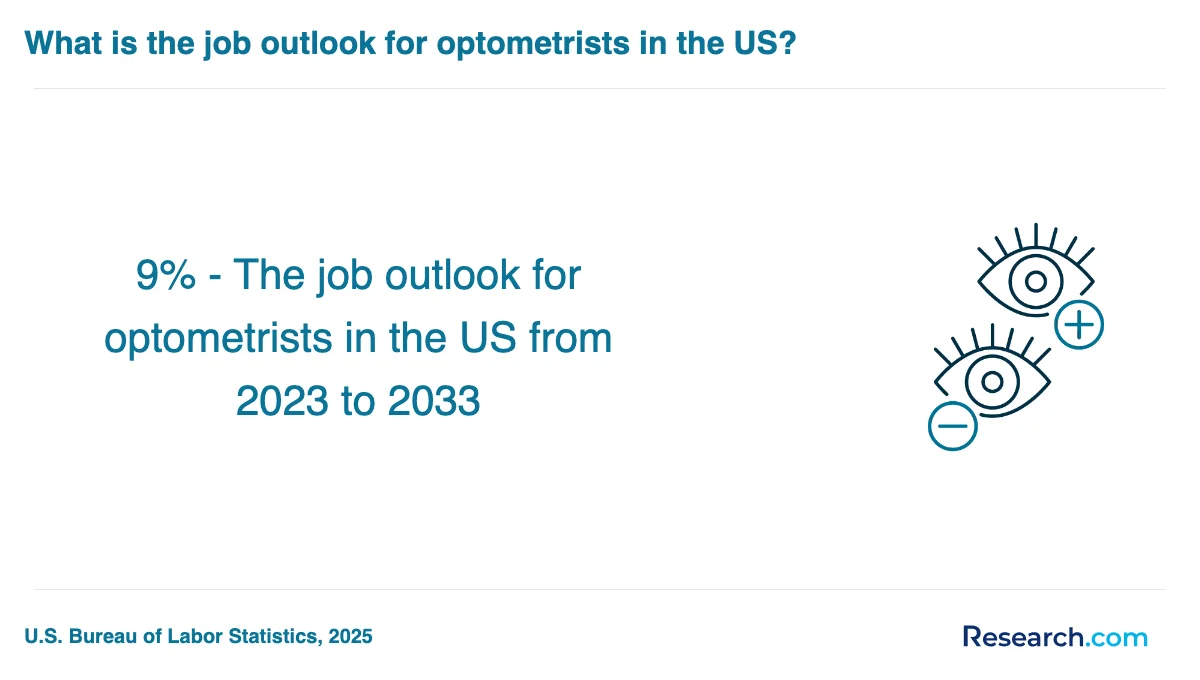
According to the U.S. Bureau of Labor Statistics, Ohio's employment of opticians is expected to grow by 9% from 2022 to 2032, suggesting favorable job prospects for well-prepared graduates.
Employers in Ohio seek optician trade school graduates who possess strong technical skills in lens fitting, frame adjustment, and use of optical instruments. Precision and attention to detail are critical, as even small errors can affect patient vision. According to the Bureau of Labor Statistics, practical experience with digital lens crafters and refraction equipment is highly valued.
Communication skills are also essential. Opticians must clearly explain fitting procedures and eyewear care to diverse patients. Ohio employers often look for graduates who demonstrate professionalism and customer service abilities, given the retail nature of many optician roles.
Knowledge of Ohio's licensing requirements and regulations is important. Graduates should understand state standards to ensure compliance and maintain certification. The Ohio Optometric Association highlights that employers prefer candidates familiar with both technical and legal aspects of the profession.
Finding internships in Ohio relevant to optician trade school programs involves multiple steps. Start by contacting your school's career services or internship coordinator, as many Ohio trade schools maintain partnerships with local optical shops and healthcare providers. These connections often lead to internship opportunities tailored to optician students.
Additionally, explore Ohio-based professional organizations such as the Ohio Optometric Association, which sometimes offers internship listings or networking events. Online job platforms like Handshake and Indeed frequently post optician internships specific to Ohio cities like Columbus, Cleveland, and Cincinnati.
According to the U.S. Bureau of Labor Statistics, Ohio's healthcare sector continues to grow, indicating steady demand for opticians and increasing internship availability. Reaching out directly to optometry offices and optical retailers in Ohio can also uncover unadvertised internships, providing valuable hands-on experience.
Obtaining a diploma from an optician trade school in Ohio significantly enhances career mobility and advancement opportunities. The Ohio State Board of Optometry requires formal education and training for licensure, making a diploma essential for entry-level positions. Graduates often find improved job prospects, with the Ohio Department of Job and Family Services projecting a 12% growth in optician jobs through 2030.
Trade school diplomas also provide practical skills, enabling graduates to qualify for higher-paying roles such as optician managers or specialized technicians. According to the Bureau of Labor Statistics, Ohio opticians earn an average annual wage of $41,000, with diploma holders more likely to access these earnings.
Continuing education and certification opportunities frequently require a diploma as a prerequisite, facilitating upward mobility within the field.
Students enrolled in optician trade schools in Ohio can benefit from part-time jobs that offer practical experience and industry insight. Positions such as optical assistants or eyewear sales associates are commonly available in retail optical shops and eye care centers. These roles help students develop skills in customer service, lens fitting, and frame adjustments, which complement classroom learning.
According to the U.S. Bureau of Labor Statistics, Ohio employed over 2,000 opticians as of 2023, with an average hourly wage around $18. Part-time roles in this sector often provide flexible hours, making them suitable for students balancing education and work.
Additionally, internships or trainee positions in ophthalmology offices can offer valuable hands-on experience with lens technology and patient care. Local job boards and community colleges often list such opportunities tailored to optician students.
To find the most affordable Optician degree program near me in Ohio, you should consider community colleges and technical schools, as these often have lower tuition rates compared to four-year universities. Conducting a search online with terms like "Optician degree program near Ohio," exploring Research.com, and visiting school websites can provide specific cost details and help you compare programs. There are multiple programs and universities available that can guide you in making an informed decision about where to study.
Related Optician Rankings for Nearby States
- Most Affordable Optician Schools & Training - Budget-Friendly Optician Trade Programs in Indiana for 2026
- Most Affordable Optician Schools & Training - Budget-Friendly Optician Trade Programs in Virginia for 2026
- Most Affordable Optician Schools & Training - Budget-Friendly Optician Trade Programs in North Carolina for 2026
- Most Affordable Optician Schools & Training - Budget-Friendly Optician Trade Programs in Georgia for 2026
- Most Affordable Optician Schools & Training - Budget-Friendly Optician Trade Programs in New Jersey for 2026
- Most Affordable Optician Schools & Training - Budget-Friendly Optician Trade Programs in New York for 2026
- Most Affordable Optician Schools & Training - Budget-Friendly Optician Trade Programs in Florida for 2026
- Most Affordable Optician Schools & Training - Budget-Friendly Optician Trade Programs in Nevada for 2026
- Most Affordable Optician Schools & Training - Budget-Friendly Optician Trade Programs in California for 2026
- Most Affordable Optician Schools & Training - Budget-Friendly Optician Trade Programs in Washington for 2026
Top Trending Rankings
References
- 6 Optician Certification Programs in OH - Hands-On & Awesome https://opticiancertification.org/oh/
- How to Become an Optician in Ohio - OH | School | Training | Salary | Certification https://www.opticianedu.org/ohio/
- Optician Certification | Continuing Education | Miami University https://miamioh.edu/global-initiatives/continuing-education/ed2go/optician-certification.html
- Online Optician Certification Training from Marion Technical College https://careertraining.mtc.edu/training-programs/optician-certification-training-course-online/
- Online Optician Certification Training from Rhodes State College https://careertraining.rhodesstate.edu/training-programs/optician-certification-training-course-online/
- Columbus, Ohio Optician Programs https://www.trade-school.com/programs/Optician/OH/Columbus
- How to Become an Optician in Ohio - Schools + Certification https://www.vocationaltraininghq.com/optician-schools-ohio/
- Optician 101 https://www.oao.org/aws/OAO/pt/sp/opticianry
- Opticians : Occupational Outlook Handbook: : U.S. Bureau of Labor Statistics https://www.bls.gov/ooh/healthcare/opticians-dispensing.htm
- Optician Jobs in Dayton, OH | iHireOptometry https://www.ihireoptometry.com/t-optician-s-ohio-c-dayton-jobs.html


