
Most Affordable Optician Schools & Training - Budget-Friendly Optician Trade Programs in North Carolina for 2026

Co-Founder and Chief Data Scientist
Choosing the right optician trade school in North Carolina can feel overwhelming. This article is here to simplify that journey for you.
We present a carefully crafted ranking of optician trade school programs created by the Research.com team of data scientists. Their work helps you identify schools that truly stand out, making your decision easier and more confident.
Reading this guide will highlight valuable opportunities and show how earning a diploma or certification can open doors to a rewarding career in opticianry. Your future starts here.
Key benefits of finishing optician trade school in North Carolina
- Graduates from optician trade schools in North Carolina can expect an average annual salary of around $52,274, with hourly wages typically between $17.55 and $22.76 depending on licensing and experience.
- Career paths include working in retail eyewear stores, medical offices, or advancing to supervisory roles, as seen with graduates from popular schools like the North Carolina School of Opticianry.
- Completing an optician trade school online offers flexible scheduling and the ability to learn at your own pace, which many graduates from programs like the Penn Foster Optician Program find especially helpful for balancing work and study.
What can I expect from optician trade schools in North Carolina?
Enrolling in an optician trade school program in North Carolina means immersing yourself in a hands-on learning journey that combines technical skills with real-world experience. Graduates from popular trade schools often recall the excitement of mastering lens surfacing techniques-blocking, polishing, and inspecting lenses in state-of-the-art labs-before moving on to benchwork like beveling and tinting. These moments build confidence, turning theory into tangible skills.
Students also appreciate the comprehensive coursework covering eye anatomy, physiology, and essential math, which lays a strong foundation for understanding patient needs. Many find themselves thriving during practicum experiences at local optical shops or medical centers, where adapting and fitting eyeglasses becomes second nature.
Beyond technical training, North Carolina programs emphasize customer relations and business fundamentals, preparing students to excel in fast-paced retail environments. Graduates feel empowered knowing their education aligns with state licensing requirements, opening doors to rewarding careers as licensed opticians.
Where can I work after finishing optician trade schools in North Carolina?
After completing an optician trade school program in North Carolina, graduates find exciting opportunities in diverse work environments that match their skills and ambitions. Many step confidently into roles at retail optical chains like LensCrafters or Walmart Vision Center, where they help customers select stylish eyewear and explain lens options, creating rewarding moments of improved vision and self-confidence.
Others thrive in private optometry or ophthalmology practices, collaborating closely with eye doctors to interpret prescriptions and provide personalized care. Graduates often share how rewarding it feels to guide patients through lens technology, turning complex information into clear, helpful advice.
Some graduates take pride in working behind the scenes in optical laboratories, crafting precision lenses and ensuring quality that transforms lives. Trade schools in North Carolina, such as those popular in Charlotte and Raleigh, prepare students with hands-on experience that employers highly value, fueling steady demand across the state.
This path opens doors to a fulfilling career where passion meets purpose, backed by competitive wages and a supportive community eager to welcome new opticians.
How much can I make after finishing optician trade schools in North Carolina?
Graduates from optician trade schools in North Carolina often find themselves stepping into rewarding careers with competitive salaries that reflect their skilled training. Many who complete programs at popular institutions across the state proudly share stories of earning around $52,000 annually, with hourly wages averaging about $31. This solid start offers both financial stability and the pride of joining a respected healthcare field.
Some graduates recall beginning with entry-level pay closer to $15 to $17 per hour but quickly advancing as they gain experience and additional certifications. Licensed opticians, for example, typically see their hourly wages rise to near $23, opening doors to even better opportunities.
Whether working in bustling cities like Charlotte or Raleigh or smaller communities like New Bern, optician graduates feel motivated by steady income ranges from about $35,000 to over $57,000. This real, attainable success makes trade school training in North Carolina a powerful choice for those eager to build a meaningful, well-paying career in healthcare.
Most Affordable Optician Schools & Training - Budget-Friendly Optician Trade Programs in North Carolina for 2026
# 1 position
Durham Technical Community College - Opticianry/Ophthalmic Dispensing Optician.
associateDurham Technical Community College offers a hybrid Opticianry/Ophthalmic Dispensing Optician program that prepares students to fit corrective eyewear and assist patients in frame selection. The curriculum covers optics, eye anatomy, prescription interpretation, and contact lens fitting. Annual in-state tuition is $1,986. Graduates earn a median of $61,860 one year after completion. The program is accredited by the Southern Association of Colleges and Schools Commission on Colleges.
# 2 position
Southwestern Community College - Opticianry/Ophthalmic Dispensing Optician.
associateSouthwestern Community College offers the Opticianry/Ophthalmic Dispensing Optician program, preparing students to fit corrective eyewear and assist patients in frame selection. The curriculum covers geometrical and ophthalmic optics, eye anatomy, contact lens fitting, and prescription interpretation. Students also learn optical instrumentation, prosthesis fitting, pathology identification, and administrative tasks. The program’s annual in-state tuition is $5,806 and is accredited by the Southern Association of Colleges and Schools Commission on Colleges.
Key Findings
- North Carolina requires opticians to be licensed by the State Board of Opticians before practicing.
- Three main education paths exist: a two-year Associate Degree in Opticianry, a 2.5- to 3.5-year apprenticeship, or a health-related bachelor's degree with optics courses.
- All candidates must pass a state licensure exam and complete a six-month internship at a Board-approved training site.
- The cost of an associate degree program ranges from $5,000 to $8,000 for in-state students, excluding books and supplies.
- Starting salaries for opticians in North Carolina are about $32,000 to $37,000 annually, with experienced opticians earning between $45,000 and $50,000.
How long does it take to complete optician trade schools in North Carolina?
Completing an optician trade school program in North Carolina typically takes about one year, making it an accessible and motivating path for those eager to start a rewarding career quickly. Many graduates from well-known trade schools in the state share how this focused timeframe allowed them to balance their studies with personal commitments while gaining hands-on experience essential for their future roles.
Imagine walking into a bustling classroom at a popular North Carolina trade school, where you learn the art of fitting glasses and understanding lenses within months. Students often describe the journey as empowering, as they see their skills develop rapidly through practical labs and real-world internships.
The compact duration means you can move from classroom learning to professional success with confidence and enthusiasm. Graduates frequently express pride in how this efficient program transformed their passion for eye care into a fulfilling profession in less than a year, setting a strong foundation for lifelong growth.
What's the difference between online and on-campus optician trade school programs?
Choosing between online and on-campus optician trade school programs in North Carolina comes down to how you want to learn and gain hands-on experience. Graduates from popular community colleges recall the energizing atmosphere of working side-by-side with instructors, honing skills like lens surfacing and eyewear fitting in well-equipped labs. This face-to-face training builds confidence through immediate feedback and structured internships required by the North Carolina State Board of Opticians.
On the other hand, many students thrive in online programs where flexibility allows them to balance work, family, and studies. These programs cover all essential theory-from ocular anatomy to optical math-while encouraging students to seek local internships to practice skills in real-world settings. Graduates often share how this path taught them independence and time management, crucial traits for success in North Carolina's optician field.
Both routes meet state licensing requirements and prepare you for certification exams, offering a personalized journey toward a rewarding career in optical care.
What is the average cost of optician trade schools in North Carolina?
The average cost optician trade school North Carolina offers varies widely, creating exciting options for hopeful students. Many graduates from Durham Technical Community College share how the Optical Apprentice Certificate, priced around $1,472, gave them a flexible, fully online path to launch their careers without breaking the bank. This approachable tuition fee presents a fantastic opportunity for those balancing work and life while pursuing their dreams.
On the other hand, aspiring opticians attending Duke University experience a more immersive journey through its Ophthalmic Technician Program, which costs approximately $11,305. Graduates often describe this six-month program as intense yet rewarding, with a comprehensive curriculum that primes them for success. While the tuition is higher, students recognize the value in the depth of training and professional connections gained along the way.
Other optician program tuition fees North Carolina students encounter include East Carolina University's online Optician Certification Training at $1,995. Those who have completed this program appreciate its balance of affordability and quality instruction, helping many transition smoothly into the optics field.
Beyond tuition, futures are bright but it's key to consider additional expenses such as books and living costs. Many students have found that exploring financial aid options and embracing the benefits of vocational education allows them to invest wisely in their training and step confidently into their new careers.
What financial aid is available for optician trade schools in North Carolina?
Optician trade school students in North Carolina have access to a variety of financial aid options that make their educational journey more affordable and achievable. Those enrolled in credit-eligible programs, like the popular associate degree at Durham Technical Community College, often benefit from federal aid such as Pell Grants and student loans, helping reduce costs to around $4,184 yearly with aid. Graduates frequently share how receiving these grants lifted the financial burden and allowed them to focus fully on mastering their craft.
For students in non-credit certification courses, while federal aid isn't available, state workforce development boards and vocational rehabilitation programs offer valuable support. Some schools also provide flexible financing plans, making tuition payments manageable over time. Many students find encouragement in knowing that part-time work or employer tuition reimbursement through state-registered training sites can further ease costs, creating a pathway to success that feels both practical and empowering.
North Carolina residents can also tap into state-funded grants and scholarships targeted at community college students, making dreams of becoming a skilled optician within reach. These financial resources reflect a vibrant community committed to helping students thrive.
What are the prerequisites for enrolling in optician trade schools in North Carolina?
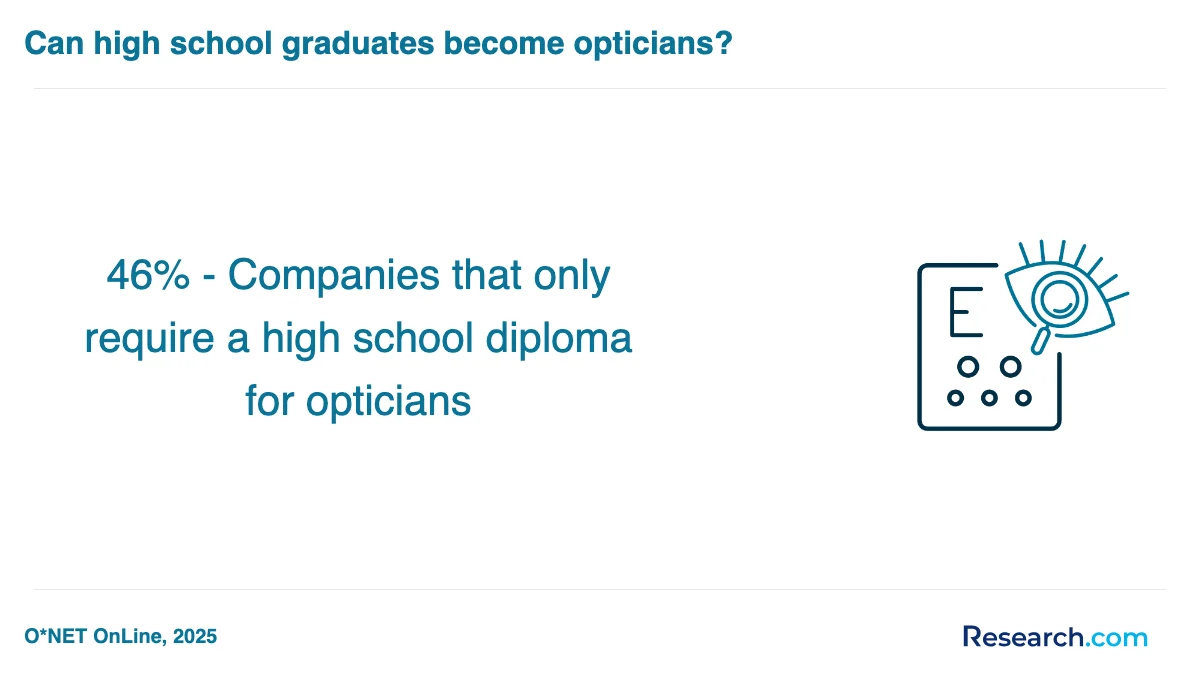
Enrolling in an optician trade school program in North Carolina typically begins with meeting some straightforward but meaningful prerequisites that set you up for success. Most schools look for candidates who have completed a high school diploma or GED, ensuring you have a solid foundation in core subjects like math and science.
Graduates from well-known North Carolina trade schools often share how this basic requirement helped them feel confident as they stepped into classes focusing on optics and eye care technology.
Beyond academics, many programs value strong communication skills and a genuine passion for helping others, which are essential when working closely with patients. Some schools may also request:
- A background check to ensure trustworthiness in clinical settings
- Proof of residency in North Carolina for in-state tuition benefits
- Basic computer literacy for handling modern optical equipment and software
These prerequisites are designed to prepare you not just academically but emotionally and practically, making your journey through North Carolina's trade schools both inspiring and achievable.
What are the typical courses in optician trade schools in North Carolina?
Optician trade school programs in North Carolina offer a dynamic range of courses that empower students to become skilled professionals ready to transform lives. Graduates from schools like Southwestern Community College often recall the excitement of mastering ocular anatomy, physiology, and pathology, which helped them confidently interpret prescriptions and understand vision conditions.
Hands-on technical classes such as Ophthalmic Laboratory and Advanced Optical Procedures bring optical concepts to life. Students learn to surface, polish, bevel, and mount lenses-skills that turn raw materials into perfectly crafted eyewear. Imagine the pride of fitting a patient with glasses that not only correct vision but fit comfortably and stylishly.
Dispensing and fitting courses teach how to measure and adapt eyeglasses and contact lenses, ensuring every patient leaves with clear sight and confidence. Business courses like Introduction to Business and Optical Business Management prepare students for success beyond the lab, nurturing customer service skills and regulatory knowledge essential in North Carolina's optical industry.
- Foundational science courses in eye anatomy and vision health
- Technical training in lens crafting and optical procedures
- Practical dispensing and fitting techniques
- Business and management classes tailored to optical retail
- Internships providing real-world experience in retail or medical optics
These programs also ready students for the ABO and NCLE certification exams, key steps to professional licensure. Graduates often describe their practicum experiences as transformational, where classroom knowledge met real patient care, fueling their passion and confidence to launch rewarding careers in North Carolina's optical field.
What are the available specializations in optician trade schools in North Carolina?
Optician trade school programs in North Carolina offer exciting opticianry program specializations in North Carolina that truly prepare students for success. Many graduates recall their hands-on experiences with ophthalmic laboratory technology, mastering advanced lens surfacing, polishing, and mounting techniques-skills that make a real difference in precision and craftsmanship. Others thrive in dispensing opticianry, where they learn to fit and customize eyewear perfectly, enhancing patient comfort and confidence every day.
North Carolina optician training focus areas often include:
- Contact lens technology, with specialized courses on fitting and patient care
- Optical business management, empowering students to excel in retail and leadership roles
- Practicums offering exposure to pediatric and geriatric opticianry, low vision aids, and advanced lens innovations
Graduates frequently describe the inspirational environment of popular North Carolina trade schools, where real-world experience and expert instruction merge. If you're exploring your options, understanding the distinctions between a trade vs vocational school can help guide a career that truly fits your passion.
How do you choose the best optician trade school program in North Carolina?
Choosing the best optician trade school program in North Carolina starts with ensuring the program is accredited and reputable. Graduates from institutions like Durham Technical Community College often share how their hands-on training and focused curriculum gave them the confidence to pass state licensure exams and excel in their careers. Many find that programs blending theory with practical labs make learning engaging and rewarding.
Consider programs that balance affordability with quality education. Affordable optician programs in North Carolina offer pathways such as a one-year certificate or a two-year associate degree, fitting diverse schedules and goals. Location matters too-commuting from home or relocating near well-regarded schools can reduce expenses and boost focus on studies.
Reflecting on these real student experiences helps highlight how choosing right can transform your future. For those looking to explore beyond local options, discovering a construction trade school online can provide additional perspective on choosing a skilled trade path.
What career paths are available for optician trade school graduates in North Carolina?
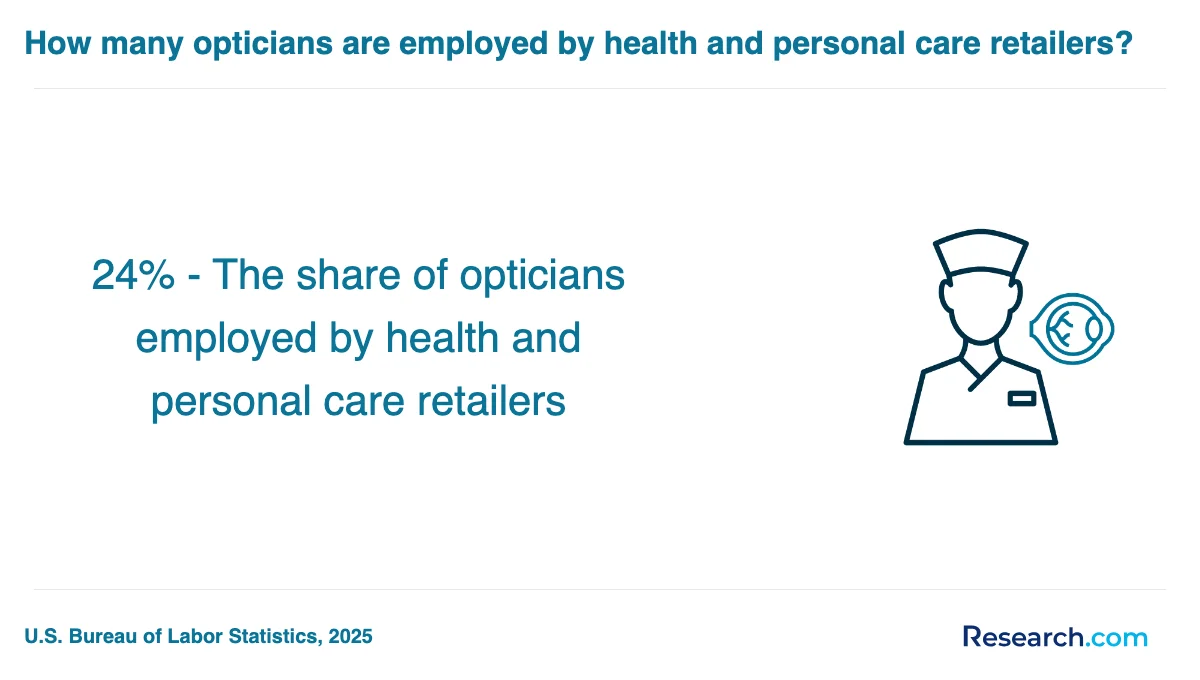
Optician trade school graduates in North Carolina enjoy a wealth of optician career opportunities in North Carolina that extend far beyond fitting glasses. Many find rewarding roles as licensed opticians, working directly in retail stores, medical offices, or optometry clinics. Graduates from respected programs like Southwestern Community College and Durham Technical Community College often share how their training empowered them to confidently interpret prescriptions, measure clients, and craft perfect lenses.
Other exciting pathways include positions as optometric or ophthalmic technicians, where graduates assist eye doctors with vision tests and patient care, making a meaningful difference in clinical settings. The expanding optical retail industry also offers roles such as optical sales associates and store managers, where graduates engage customers and lead teams.
For those with entrepreneurial spirit or technical skills, opportunities in optical laboratory work or starting eyewear businesses are within reach. Exploring these roles reveals the broad spectrum of opticianry jobs for graduates in North Carolina, creating a fulfilling career path full of growth.
To better understand which of these roles may offer the most rewarding future, many graduates look into highest paying trade school jobs, helping them align passion with earnings.
What is the job market for optician trade school graduates in North Carolina?
The optician job market in North Carolina is vibrant and welcoming for graduates of local trade schools, making it an excellent time to enter the field. Many graduates share how the hands-on training and customer service focus at popular North Carolina trade schools gave them confidence to thrive in diverse work environments, from busy retail optical stores in Raleigh to private optometry clinics in Charlotte. Employers are eager to hire both licensed and soon-to-be licensed opticians, recognizing the strong practical skills these graduates bring.
Wages and employment trends North Carolina show promising earning potential: hourly rates typically range between $31 to $41, with some roles offering up to $65,000 annually for those in specialized or leadership positions. Benefits like health insurance and tuition reimbursement further enhance the appeal.
Graduates often highlight these key advantages:
- Various job settings across urban and rural communities
- Opportunities to grow through customer-facing roles and technical expertise
- A supportive network encouraging career advancement
For students considering career paths, exploring best trade school degrees in North Carolina can be the first step toward joining a stable and rewarding profession that impacts people's lives every day.
Frequently Asked Questions about optician
After completing optician trade school in North Carolina, graduates should focus on obtaining certification to enhance job prospects. The American Board of Opticianry (ABO) certification is widely recognized and often preferred by employers. Preparing for the ABO exam involves reviewing clinical skills and optical theory covered in trade programs.
Networking within the local optical industry is also crucial. Joining professional organizations like the North Carolina Opticians Association can provide access to job openings and mentorship. According to the U.S. Bureau of Labor Statistics, North Carolina's optician employment is projected to grow moderately over the next decade, highlighting steady demand.
Practical experience through internships or externships, often offered by trade schools, further improves employability. Additionally, developing strong customer service and sales skills is important since many opticians work directly with clients in retail settings.
Employers in North Carolina seek specific skills when hiring optician trade school graduates. Technical proficiency in fitting and adjusting eyewear is critical, as most opticians spend significant time customizing lenses to meet patient needs. According to the North Carolina Department of Commerce, strong knowledge of lens types and frame materials is essential for job success.
Communication skills are also highly valued, enabling opticians to explain prescriptions and care instructions clearly to customers. Additionally, attention to detail is important for accuracy in measurements and lens preparation. Practical experience gained through internships or clinical training often enhances employability in this field.
Finding internships relevant to an optician trade school program in North Carolina involves several practical steps. Start by consulting your school's career services, which often maintain partnerships with local optometry offices and eyewear retailers. Networking through professional organizations, such as the North Carolina Opticians Association (NCOA), can also reveal internship opportunities.
Many optician programs require clinical hours, so contacting nearby healthcare providers directly can be effective. According to the U.S. Bureau of Labor Statistics, internships improve employment chances in this field. State workforce websites like NCWorks provide listings for optician internships and apprenticeships tailored to students.
Early application and clear communication about your program's requirements increase your chances of securing a valuable internship experience.
Obtaining a diploma from an optician trade school in North Carolina significantly enhances career mobility and advancement opportunities. According to the North Carolina Board of Opticians, formal education combined with state licensure is required to practice legally, making trade school diplomas essential for entry into the field.
Graduates with a diploma often qualify for higher starting wages compared to uncertified workers. The U.S. Bureau of Labor Statistics reports that licensed opticians in North Carolina earn a median annual wage above the national average, reflecting the value of formal training.
Additionally, completing a diploma program can open doors to supervisory roles and specialized positions, as employers tend to prefer candidates with verified technical skills and knowledge.
Students enrolled in optician trade schools in North Carolina can benefit from part-time jobs that build relevant skills and industry experience. Common opportunities include working as optical assistants, retail sales associates at eyewear stores, or customer service representatives in optometry offices. These roles help develop knowledge of lens types, frame fitting, and patient interaction.
According to the U.S. Bureau of Labor Statistics, North Carolina's employment of opticians is expected to grow about 10% from 2022 to 2032, indicating steady demand. Gaining experience through part-time work can improve job prospects after graduation.
Additionally, some employers may offer flexible schedules that accommodate class times, making these positions suitable for students pursuing certification or diplomas.
There are several affordable optician degree programs available near North Carolina, often offered through community colleges and technical schools. Research.com can be a helpful resource for identifying programs near me that provide cost-effective education in this field. Students should explore these institutions to find suitable options close to their location within the state for pursuing an optician degree.
Related Optician Rankings for Nearby States
- Most Affordable Optician Schools & Training - Budget-Friendly Optician Trade Programs in Virginia for 2026
- Most Affordable Optician Schools & Training - Budget-Friendly Optician Trade Programs in Georgia for 2026
- Most Affordable Optician Schools & Training - Budget-Friendly Optician Trade Programs in Florida for 2026
- Most Affordable Optician Schools & Training - Budget-Friendly Optician Trade Programs in Ohio for 2026
- Most Affordable Optician Schools & Training - Budget-Friendly Optician Trade Programs in New Jersey for 2026
- Most Affordable Optician Schools & Training - Budget-Friendly Optician Trade Programs in Indiana for 2026
- Most Affordable Optician Schools & Training - Budget-Friendly Optician Trade Programs in New York for 2026
- Most Affordable Optician Schools & Training - Budget-Friendly Optician Trade Programs in Nevada for 2026
- Most Affordable Optician Schools & Training - Budget-Friendly Optician Trade Programs in California for 2026
- Most Affordable Optician Schools & Training - Budget-Friendly Optician Trade Programs in Washington for 2026
Top Trending Rankings
References
- Opticianry Program in NC | Durham Technical Community College https://www.durhamtech.edu/programs-pathways/opticianry
- How to Become an Optician in North Carolina - NC | School | Training | Salary | Certification https://www.opticianedu.org/north-carolina/
- Optician Certification Schools in NC - Hands-On & Awesome https://opticiancertification.org/nc/
- Opticianry | SOUTHWESTERN COMMUNITY COLLEGE https://www.southwesterncc.edu/health-sciences/opticianry
- Online Optician Certification Training from Southern Crescent Technical College https://careertraining.sctech.edu/training-programs/optician-certification-training-course-online/
- EDG481 Optician Certification Training https://continuinged.charlotte.edu/search/publicCourseSearchDetails.do
- Optician Development Program - Training for Opticians https://opticaltraining.com/optician-development-program/
- Online Optician Certification Training from North Central State College https://careertraining.ncstatecollege.edu/training-programs/optician-certification-training-course-online/
- Optician to Optometrist: A Step-by-Step Guide to Success | Pacific University https://www.pacificu.edu/blog/optician-optometrist-step-step-guide-success
- 3 Tips to Further Your Optical Career https://www.2020mag.com/article/3-tips-to-further-your-optical-career


