
Best Optician Training Programs & Trade Schools - Top Optician Schools in West for 2026

Co-Founder and Chief Data Scientist
Choosing the right optician trade school is a big step toward a rewarding career in eye care. This article introduces the best optician trade schools in the West for 2026, featuring a ranking created by the Research.com team of data scientists. Their careful analysis helps you find programs that truly stand out.
Reading this guide will give you confidence in selecting a school that fits your goals. Earning a diploma or certification opens doors to exciting job opportunities and personal growth. Let’s explore the options that can shape your future.
Key benefits of finishing optician trade school in West
- Graduates in the West can expect starting salaries around $34,280 per year, with experienced opticians earning up to $67,480, making this a rewarding career path financially.
- Many optician trade school graduates find jobs in retail, healthcare clinics, or specialty eyewear stores, enjoying diverse opportunities to grow their skills and careers.
- Completing optician training online offers flexibility and convenience, as shown by graduates of top West Coast programs who balance work and study while quickly entering the workforce.
What can I expect from optician trade schools in West?
Students enrolling in an optician trade school program in the West can expect a well-structured curriculum designed to build practical skills quickly. Many graduates from schools like the College of Southern Nevada and American Career College note the balance between classroom learning and hands-on training as key. You'll study optical theory, eye anatomy, and lens technology, then apply this knowledge during lab sessions where you fit eyeglasses and adjust frames. This real-world practice helps build confidence early on.
Programs often include externships requiring 100 to 1,000 supervised hours, allowing you to work alongside licensed opticians. Graduates describe this as an invaluable experience that bridges theory and everyday patient care. You'll also prepare for certification exams like ABO and NCLE, essential for licensure in many Western states.
Certificate options can be completed in as little as 6 to 12 months, perfect for those eager to start their career, while associate degrees offer a more in-depth path over two years. Overall, students appreciate the supportive environment and job placement assistance that many West Coast schools provide, easing the transition into the workforce.
Where can I work after finishing optician trade schools in West?
After completing an optician trade school program in the West, graduates find a variety of rewarding employment opportunities. Many quickly secure positions in optometry or ophthalmology offices, where they assist patients by fitting eyeglasses and contact lenses, ensuring comfort and proper vision correction. Graduates often share how hands-on training at popular trade schools in the region helped them confidently support customers in selecting frames and understanding lens features.
Retail settings are another common path, including major chains like Walmart and Sam's Club, which together operate thousands of vision centers nationwide. Here, opticians enjoy fast-paced environments with direct customer interaction, helping people find stylish eyewear that fits well. Some graduates describe the satisfaction of managing repairs and performing lensometry, skills they honed through their programs.
In cities like San Francisco, licensed dispensing opticians earn $25 to $50 per hour, reflecting the strong demand in both private practices and retail. Many graduates emphasize the value of earning ABO certification or state licenses, which open doors to work in clinics, hospitals, and even mobile vision care services that serve schools and communities.
How much can I make after finishing optician trade schools in West?
Graduates from optician trade school programs in the Western United States often start with competitive salaries that reflect their specialized training. Many new opticians report beginning their careers earning around $34,000 annually, which aligns with averages found in states like California and Washington, where demand for licensed opticians is strong. These starting salaries can rise quickly as graduates gain experience and certifications.
For instance, those completing programs at well-known Western trade schools often find opportunities in urban centers offering hourly wages above the national average-some earning over $23 per hour in states like Arizona. This higher pay helps graduates feel confident about their career choice and motivated to develop their skills further.
Graduates commonly share that securing jobs in private medical practices or retail chains enhances their earning potential. Bonuses and raises also contribute, with seasoned opticians reporting salaries exceeding $60,000 annually, proving that completing a trade school program in the West is a practical step toward a rewarding healthcare career.
Best Optician Training Programs & Trade Schools - Top Optician Schools in West for 2026
# 1 position
College of Southern Nevada - Opticianry/Ophthalmic Dispensing Optician.
associateThe Opticianry/Ophthalmic Dispensing Optician program at College of Southern Nevada offers a hybrid format with some distance education. It prepares students to fit corrective eyewear, assist in frame selection, and prepare work orders for ophthalmic labs. Instruction covers optics, anatomy of the eye, prescription interpretation, contact lens fitting, and administrative tasks. Annual in-state tuition is $4,110. The program is accredited by the Northwest Commission on Colleges and Universities.
# 2 position
Seattle Central College - Opticianry/Ophthalmic Dispensing Optician.
associateSeattle Central College offers a hybrid Opticianry/Ophthalmic Dispensing Optician program that trains students to fit corrective eyewear, assist frame selection, and prepare work orders. The curriculum covers optics, eye anatomy, instrument use, contact lens fitting, pathology identification, and administrative skills. The program’s annual in-state tuition is $4,865 and is accredited by the Northwest Commission on Colleges and Universities.
# 3 position
American Career College-Ontario - Opticianry/Ophthalmic Dispensing Optician.
certificate or diplomaThe Opticianry/Ophthalmic Dispensing Optician program at American Career College-Ontario prepares students to fit corrective eyewear, assist in frame selection, and prepare work orders for ophthalmic technicians. The hybrid program includes training in optics, eye anatomy, prescription interpretation, contact lens fitting, pathology identification, and administrative tasks. Graduates have a median earning of $32,524 one year after completion. The program is accredited by the Accrediting Bureau of Health Education Schools.
# 4 position
American Career College-Los Angeles - Opticianry/Ophthalmic Dispensing Optician.
certificate or diplomaThe Opticianry/Ophthalmic Dispensing Optician program at American Career College-Los Angeles offers hybrid learning to prepare students for fitting corrective eyewear and assisting patients with frame selection. Coursework includes optics, anatomy of the eye, prescription interpretation, contact lens fitting, and business tasks. Graduates earn a median income of $27,698 one year after completion. The program is accredited by the Accrediting Bureau of Health Education Schools.
# 5 position
College of Southern Nevada - Opticianry/Ophthalmic Dispensing Optician.
certificate or diplomaThe College of Southern Nevada offers a hybrid Opticianry/Ophthalmic Dispensing Optician program that trains students to fit corrective eyewear and assist patients in frame selection. The curriculum covers optics, eye anatomy, prescription interpretation, contact lens fitting, and administrative tasks. Annual in-state tuition is $4,110. The program is accredited by the Northwest Commission on Colleges and Universities, combining practical skills with theoretical knowledge for professional readiness.
# 6 position
Highline College - Opticianry/Ophthalmic Dispensing Optician.
certificate or diplomaHighline College offers a hybrid Opticianry/Ophthalmic Dispensing Optician program that prepares students to fit corrective eyewear as prescribed by ophthalmologists or optometrists. The curriculum covers optics, eye anatomy, prescription interpretation, contact lens fitting, prosthesis fitting, and administrative tasks. The program includes instruction on optical instruments and patient care. Annual in-state tuition is $4,623, and it is accredited by the Northwest Commission on Colleges and Universities.
Key Findings
- Most optician trade school programs in the West are offered through community colleges or technical institutes, leading to a certificate or associate degree.
- Admission usually requires a high school diploma or GED, with some programs accepting students as young as 16 years old.
- Certificate programs typically take about one year, while associate degrees take two years; accelerated options can allow certificates in 6-8 months.
- The average cost for a certificate program is around $2,000, with financial aid or free training sometimes available.
- Graduates are prepared to take the ABO and NCLE certification exams, which many Western states require for licensing.
- Entry-level opticians earn about $39,000-$45,000 annually, with experienced professionals making up to $60,000 or more.
How long does it take to complete optician trade schools in West?
Completing an optician trade school program in the West typically takes between 12 to 18 months, depending on the school and whether you attend full-time or part-time. Many popular trade schools in the region offer hands-on training combined with classroom instruction, allowing students to quickly gain the skills needed to enter the workforce.
Graduates often share how immersive the experience feels, with some recalling the excitement of fitting their first pair of glasses during clinical practice just months into the program. This practical approach helps students build confidence early, making the relatively short duration feel both intensive and rewarding.
For example, at well-known Western trade schools, students appreciate the flexible schedules that accommodate working adults, making it possible to finish the program without sacrificing current jobs or family commitments. This balance often leads to a positive and motivating learning environment, where progress is visible every week.
Ultimately, the typical completion time in the West provides a swift path to a new career as an optician, combining efficient training with real-world experience.
What's the difference between online and on-campus optician trade school programs?
The main difference between online and on-campus optician trade school programs in the Western US is how the coursework and hands-on training are delivered. Online programs, like those through San Diego State University Global Campus, let students study remotely and at their own pace, completing about 150 course hours in six months. Graduates often appreciate the flexibility, especially those balancing work or family, as they can access lectures and assignments anytime. However, they must arrange local clinical experiences themselves, which sometimes means buying or accessing optical equipment independently.
On-campus programs offer a traditional learning environment with scheduled classes, labs, and supervised clinical rotations. Students benefit from immediate hands-on practice with optical tools provided by the school, plus face-to-face support from instructors. Graduates recall how this structure helped them build confidence quickly through in-person feedback and collaboration with peers.
Both formats prepare students for ABO and NCLE certification exams, but it's important to confirm the program meets your state's licensure requirements before enrolling.
What is the average cost of optician trade schools in West?
The average cost optician trade school program West 2026 typically ranges depending on the pathway chosen and the institution. Many students aiming for a one-year diploma find tuition fees between $600 and $4,000, while those pursuing a more comprehensive two-year associate degree can expect costs from $4,000 up to over $10,000. Graduates from Seattle Central College, a popular choice in Washington, often mention the manageable annual tuition of approximately $3,795 as a positive factor that made their studies less stressful.
Optician program tuition fees Western United States 2026 show similar patterns at schools like Spokane Community College, where annual tuition for the Vision Care Specialist Associate Program hovers around $3,460. Graduates appreciate how these rates allow them to focus on gaining hands-on skills without overwhelming financial pressure. Beyond tuition, budgeting for books and supplies, which may range from $300 to $800 annually, is essential for students excited about maximizing their practical learning.
Additional expenses like certification exams (NCLE or Contact Lens Registry Examination) add roughly $150 each, and study materials contribute about $400. Many graduates emphasize the value of these costs in advancing their careers. When weighing the investment, it's helpful to explore available financial aid and scholarships at your chosen trade school.
For those committed to entering trades in high demand, opting for an optician trade school program in the West is a promising step backed by achievable tuition fees and overall costs. Students appreciate how practical training in local programs connects directly to rewarding career paths.
What financial aid is available for optician trade schools in West?
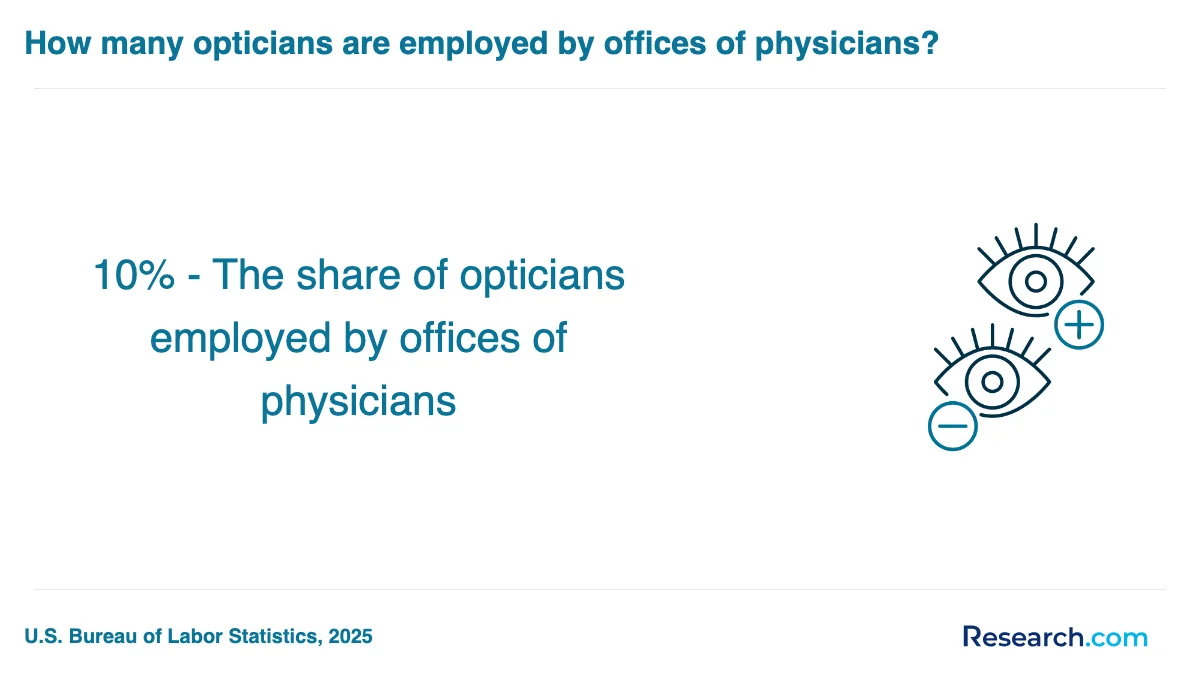
Optician trade school students in the West often find financial aid options that make pursuing their education achievable and less stressful. Many graduates from popular schools like the Pacific College of Opticianry share how federal aid, such as the Pell Grant, provided crucial support-offering up to $7,395 annually to those with financial need.
Completing the FAFSA unlocks access to low-interest federal loans like Direct Subsidized and Unsubsidized Loans, allowing students to focus on learning without immediate financial pressure. Beyond federal aid, scholarships like the Opening Your Eyes Scholarship Fund can cover $6,000 plus certification and exam fees, a relief many students appreciate when preparing for licensing.
Industry groups such as the American Academy of Optometry also offer scholarships and travel stipends, which graduates have found helpful for attending conferences and expanding their professional networks. Additionally, state-specific grants and school scholarships tailored to Western residents provide another layer of financial support, making it easier for students to invest in their future careers with confidence.
What are the prerequisites for enrolling in optician trade schools in West?
To enroll in an optician trade school program in the West, most schools expect candidates to meet a few straightforward prerequisites that set you up for success. Typically, a high school diploma or GED is required. This basic credential ensures you have the foundational skills to handle coursework involving math, anatomy, and optics.
Many graduates from well-known West Coast trade schools highlight how helpful it was to have completed some basic science or algebra classes beforehand. These subjects build confidence and prepare you for the technical aspects of the program.
Additional prerequisites often include:
- Proof of residency or eligibility to study in the U.S.
- Basic computer skills, since modern opticianry involves digital lens ordering and patient record management
- Passing a background check or drug screening, especially if the program includes clinical practice
Some programs in the West also recommend or require applicants to submit letters of recommendation or attend an interview to demonstrate commitment. Graduates report that preparing for these steps helped them clarify their career goals and boosted their motivation.
Trade schools in the West often emphasize practical readiness, so showing eagerness to learn and a strong work ethic can sometimes outweigh strict academic requirements, making the journey feel accessible and encouraging.
What are the typical courses in optician trade schools in West?
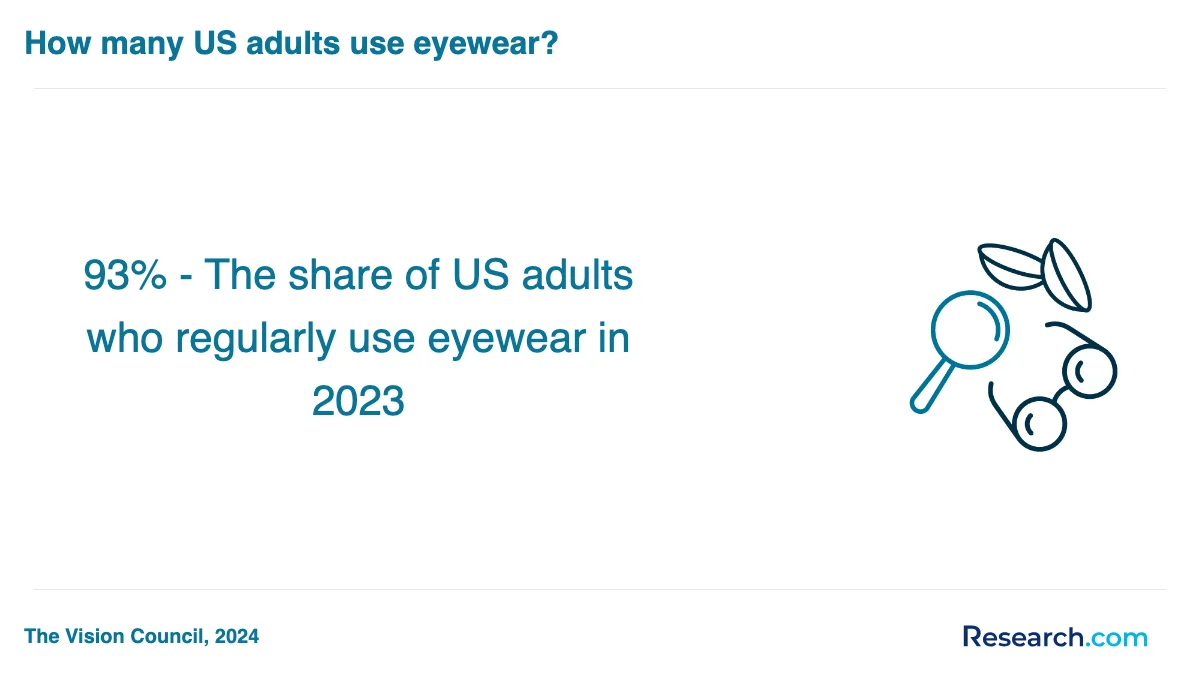
Optician trade school programs in the Western United States focus on practical, hands-on courses essential for launching a career in opticianry. Graduates from popular Western trade schools frequently highlight how foundational classes in eye anatomy and physiology helped them confidently understand vision problems they encounter daily in clinics.
Core coursework typically includes:
- Optical theory and lens technology-students learn how lenses correct vision issues and the impact of different materials.
- Ophthalmic dispensing-interpreting prescriptions, selecting frames, and fitting eyewear, often practiced in detailed lab sessions.
- Contact lens fitting-vital for those aiming to work with diverse patient needs.
- Optical office procedures-covering sales, billing, and HIPAA compliance to prepare students for real-world responsibilities.
Many students find the lab sessions and externships especially rewarding, as they simulate real clinical environments where they measure lenses and adjust frames, making learning feel tangible and exciting. This direct experience is praised for building confidence before entering the workforce in California, Oregon, or Washington.
What are the available specializations in optician trade schools in West?
Optician trade school programs in the Western United States typically offer a range of specializations designed to equip students with hands-on skills and practical knowledge. Graduates often highlight their training in key areas such as:
- Optical theory and lens technology
- Dispensing techniques involving eyeglasses and contact lenses
- Customer service tailored to patient needs
- Advanced fitting for contact lenses
For example, students at the College of Southern Nevada gain experience working directly with low vision aids and ophthalmic physician assisting skills, which makes their training comprehensive and career-ready. Similarly, trade schools in California like American Career College focus on optical dispensing and contact lens fitting, which graduates describe as both challenging and rewarding. These optician specialization courses in Western US provide a solid foundation to excel in certification exams and real-world roles.
Finding the right fit can be a turning point, and exploring top programs can help. Consider reviewing a list of top online trade schools for flexible options that match your goals.
How do you choose the best optician trade school program in West?
When choosing the best optician trade school program in West, focus first on program accreditation and how well it prepares you for certification exams like ABO and NCLE. Graduates from schools such as Cañada College and the College of Southern Nevada often share how these programs' clear certification pathways boosted their confidence entering the job market. Many students appreciate programs offering flexible delivery formats; for example, Sacramento City College's mostly online classes combined with hands-on labs allow working adults to balance life and study effectively. Considering how to compare optician schools in the West also means examining the availability of supervised clinical experience. Programs that include internships or externships, like those at the Optician Development Program, help students gain practical skills that employers value.
Cost and scheduling flexibility are equally important. Some programs can be completed in under a year, fitting well for those eager to start quickly. If you're unsure whether a trade school fits your goals, see is it better to go to a trade school or a vocational school for guidance on the best path forward.
What career paths are available for optician trade school graduates in West?
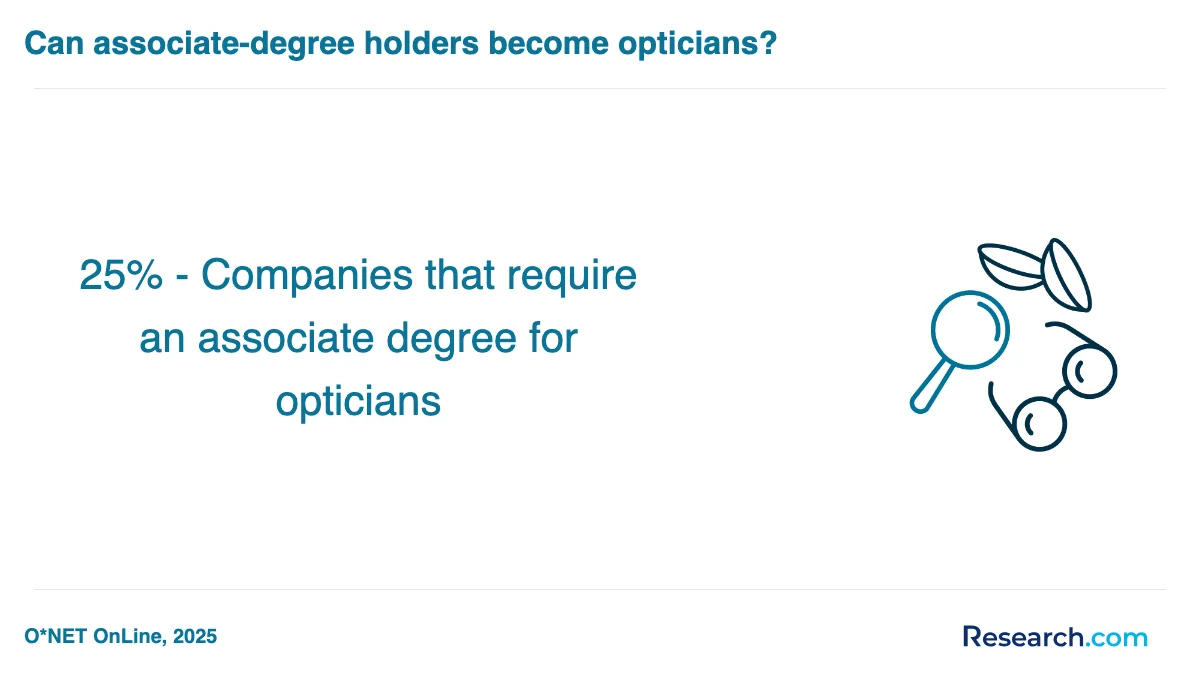
Optician trade school graduates in the West find a variety of career opportunities for opticians in the West, starting with dispensing optician roles where they help clients select and fit eyeglasses and contact lenses. Many graduates from popular trade schools in the region appreciate the practical training that prepares them for retail optical stores, optometry offices, and clinics. Some graduates advance by specializing in areas like low vision assistance or contact lens fitting, which often involves gaining additional certifications.
More experienced opticians frequently move into management roles at large optical chains, supervising staff and handling business operations. Others pursue entrepreneurship, opening their own optical shops after building clinical skills and business knowledge.
The optician job outlook and salary in Western states reflect these opportunities, with wages varying by location-such as $51,400 average annual pay in Washington. Graduates also leverage their training as a stepping stone to related careers, including ophthalmic medical technicians or even optometry with further education.
- Entry-level dispensing optician in retail and clinical settings
- Specializations in contact lenses and low vision care
- Management positions within optical companies
- Independent business ownership and entrepreneurship
- Related healthcare roles and further education paths
Networking through trade school connections and mentorship helps graduates identify these dynamic career options and thrive. For those weighing options, exploring high paying jobs trade school can provide valuable insights to align goals with market demand.
What is the job market for optician trade school graduates in West?
The optician job outlook in Western states remains steady, presenting encouraging opportunities for trade school graduates. Popular optician programs in the West prepare students with practical skills that align well with market needs, especially in bustling cities like Seattle, Spokane, and Riverside. Graduates often find positions in retail optical shops, optometrist offices, and eye care clinics where demand is high due to retirements and career shifts.
Many graduates share how hands-on training at well-regarded trade schools helped them confidently step into roles that offer:
- Competitive annual salaries ranging from $55,600 to $57,000, surpassing the national median
- Licensing in several Western states, which boosts employability and career growth
- Varied work environments from large health systems to private practices across urban and suburban settings
The average optician salary in the West reflects this positive trend, making it an attractive choice for career-focused students. For those balancing education with work, exploring options such as construction trade school online can offer flexibility while preparing for a rewarding optician career in the region.
Frequently Asked Questions about optician
Preparing for the job market after completing optician trade school in West requires strategic steps. First, graduates should pursue state licensure, as most states in the West mandate passing the American Board of Opticianry (ABO) exam or equivalent. This certification enhances employability by demonstrating professional competence.
Networking is essential; attending regional opticianry events and joining organizations like the American Optometric Association can connect students with employers. According to the U.S. Bureau of Labor Statistics, optician jobs in Western states are projected to grow about 6% through 2030, indicating steady demand.
Gaining practical experience through internships or apprenticeships during training can also improve job prospects.
Employers in West prioritize several key skills when hiring graduates from optician trade schools. Technical proficiency in lens fitting, frame adjustments, and understanding complex prescriptions is essential. According to the Bureau of Labor Statistics, opticians in the Western states must also be adept at using computerized equipment for lens crafting and eye measurements.
Strong communication skills are equally valued. Employers expect graduates to effectively explain eyewear options and care instructions to diverse customers. Attention to detail is critical, as small errors can affect vision quality and customer satisfaction.
Additionally, familiarity with state licensing requirements and continuing education is important. Employers prefer candidates who show commitment to professional development, reflecting the evolving technology in optical care.
Finding internships relevant to an optician trade school program in West involves several strategic steps. Begin by contacting local optometry offices and eyewear retailers, as many partner with trade schools to offer practical training. Networking through your school's career services is crucial, as they often maintain updated lists of internship opportunities.
The California Optometric Association and similar regional bodies provide resources and internship listings specific to the West. According to the National Federation of Opticianry Schools, approximately 60% of students in the West secure internships through school affiliations and local professional connections.
Additionally, attending industry job fairs and joining professional groups on platforms like LinkedIn can increase your chances. Internships typically last 3 to 6 months and provide hands-on experience required for certification exams in states like California and Oregon.
Obtaining a diploma from an optician trade school in West significantly enhances career mobility and advancement opportunities. According to the U.S. Bureau of Labor Statistics, certified opticians in the Western states experience a 7% faster employment growth rate than the national average. This diploma provides essential technical skills and knowledge, making graduates competitive for entry-level positions in optical retail, healthcare facilities, and manufacturing.
Employers in West often prefer candidates with formal diplomas, as this credential demonstrates proficiency in fitting, adjusting, and repairing eyewear. Additionally, diploma holders are better positioned to pursue licensure, which is mandatory in many Western states and necessary for career progression.
Data from the California Department of Consumer Affairs shows that licensed opticians earn 20-30% higher wages than non-certified workers, reflecting higher job stability and advancement potential. Thus, an optician trade school diploma is a valuable asset for those seeking upward mobility within the optical profession in West.
Students enrolled in optician trade schools in West can benefit from several part-time job opportunities that enhance their practical skills. Common roles include optical assistant positions, where students support licensed opticians by preparing lenses and helping customers select frames. These roles provide valuable hands-on experience with eyewear fitting and adjustments.
Retail positions in eyewear stores or optical departments of larger retailers also offer relevant experience. According to the U.S. Bureau of Labor Statistics, West has a growing demand for opticians, with job growth projected at 9% from 2022 to 2032, faster than the national average. This makes part-time work in the region particularly advantageous for networking and gaining industry insight.
Additionally, some students find opportunities in vision care clinics assisting with administrative tasks, further familiarizing themselves with patient care processes.
To choose the best optician degree program near me in West, start by considering programs that are fully accredited and offer comprehensive coursework in optical science and technology. Research.com can be a useful resource to compare programs' strengths, faculty expertise, and research opportunities near West. Additionally, look for universities that provide practical training and have strong connections with local optical practices, ensuring good internship and job placement rates for graduates.
Top Trending Rankings
References
- Optician https://www.sait.ca/programs-and-courses/diplomas/optician
- Optical Training Institute - Optician Training & Continuing Ed https://opticaltraining.com/
- Online Optician Certification Training from Hennepin Technical College https://careertraining.hennepintech.edu/training-programs/optician-certification-training-course-online/
- Optician Certification Training - Gwinnett Technical College https://gwinnetttech.edu/online-continuing-education/optician-certification-training/
- Online Optician School- Program Overview | Penn Foster https://www.pennfoster.edu/programs/healthcare/optician-career-diploma
- Online Optician Certification Training | Volunteer State Community College https://www.volstate.edu/workforce/online/optician-certification
- Licensed Optician Diploma Program | Stenberg College https://stenbergcollege.com/program/licensed-optician/
- Online Optician Certification Training – BMCC https://www.bmcc.cuny.edu/ce/online-courses/online-optician-certification-training/
- Online Optician Certification Training from Western Nevada College https://careertraining.wnc.edu/training-programs/optician-certification-training-course-online/
- Optician | Education | Schools By State | How to Become an Optician https://www.opticianedu.org/schools-by-state/


