
Most Affordable Optician Schools & Training - Budget-Friendly Optician Trade Programs in Florida for 2026

Co-Founder and Chief Data Scientist
Choosing the right optician trade school in Florida can be a big step toward a rewarding career. This article introduces a carefully crafted ranking of the most affordable optician trade school programs for 2026, created by the Research.com team of data scientists.
By exploring this ranking, you'll gain clear insights to help make an informed decision about which programs offer the best value and quality. Earning a diploma or certification in this field opens doors to steady work and personal growth, making your educational journey truly worthwhile.
Key benefits of finishing optician trade school in Florida
- Graduates from optician trade schools in Florida can expect an average annual salary around $51,729, with opportunities to earn up to $66,692 as experience and certifications grow.
- Many graduates find diverse career paths, including working in retail, healthcare, or specialized optical labs, offering flexibility and room for advancement.
- Completing an optician trade school online provides convenience and allows students to balance work or family, making it easier to start a rewarding career faster than a traditional degree.
What can I expect from optician trade schools in Florida?
Enrolling in an optician trade school program in Florida means immersing yourself in a curriculum that balances theory with practical skills essential for the optical field. Graduates from popular Florida trade schools often share how hands-on training with eyewear fabrication and fitting procedures boosted their confidence before entering the workforce. You'll dive into ocular anatomy, prescription interpretation, and customer service, preparing you for real-world interactions in optical labs or retail settings.
Many students appreciate that programs offer flexibility through online or hybrid classes, allowing them to juggle work and family commitments smoothly. The preparation for the American Board of Opticianry (ABO) and National Contact Lens Examiners (NCLE) exams is a key focus, with graduates recalling supportive instructors and tailored study resources that made passing these certifications achievable.
Expect to learn Florida-specific regulations and the importance of continuing education, which keeps licensed opticians up to date. Practical experience, such as supervised clinical sessions, helps many feel ready to confidently assist clients and handle technical equipment from day one.
Where can I work after finishing optician trade schools in Florida?
After finishing an optician trade school program in Florida, graduates often find themselves stepping into vibrant career paths filled with promising opportunities. Many begin working in optical retail stores, where they enjoy hands-on roles fitting eyeglasses and helping customers find the perfect frames. Imagine a recent graduate from a popular Florida trade school confidently adjusting lenses at a busy LensCrafters location, feeling proud to use their skills daily.
Others thrive in medical settings like ophthalmologists' or optometrists' offices, interpreting prescriptions and fitting contact lenses with care. Graduates often share how rewarding it feels to educate patients and improve their vision health in these clinical environments, especially in cities such as Cape Coral or Palm Beach Gardens.
Some choose to specialize in luxury eyewear boutiques, delivering personalized service and working with high-end frames. Picture a graduate in Palm Beach helping clients select bespoke eyewear, combining technical expertise with style advice.
Remote optician jobs are also growing, offering flexibility and the chance to assist clients virtually. Florida graduates report excitement about the freedom and variety that remote work provides, opening new doors beyond traditional workplaces.
How much can I make after finishing optician trade schools in Florida?
After finishing an optician trade school program in Florida, many graduates find themselves stepping into a career with promising financial rewards. For instance, graduates from well-known Florida trade schools often share how their starting salaries hover around $24 per hour, translating to an annual income near $51,700. This aligns with state averages and offers a solid foundation for new professionals.
Some grads recall landing their first jobs in bustling cities like Tampa or Orlando, where wages can range from about $23 to $34 per hour, depending on experience and certification. Imagine beginning your career earning $28 an hour in Hialeah, quickly gaining confidence as your skills improve and your paycheck grows.
These earnings reflect real opportunities to build a stable future through a hands-on trade education. Graduates often highlight the satisfaction of seeing their hard work pay off, knowing their skills are valued in Florida's growing healthcare and retail sectors. With dedication, the financial outlook after trade school can become even brighter over time.
Most Affordable Optician Schools & Training - Budget-Friendly Optician Trade Programs in Florida for 2026
# 1 position
Hillsborough Community College - Opticianry/Ophthalmic Dispensing Optician.
associateHillsborough Community College offers a fully online Opticianry/Ophthalmic Dispensing Optician program preparing students to fit corrective eyewear and assist patients in frame selection. The curriculum includes geometrical optics, contact lens adaptation, prescription interpretation, and patient and business administrative tasks. The program is accredited by the Southern Association of Colleges and Schools Commission on Colleges. Annual in-state tuition is $2,506, with median earnings of $48,106 one year after completion.
# 2 position
Hillsborough Community College - Opticianry/Ophthalmic Dispensing Optician.
certificate or diplomaThe Opticianry/Ophthalmic Dispensing Optician program at Hillsborough Community College is fully online and prepares students to fit corrective eyewear prescribed by ophthalmologists or optometrists. The curriculum covers optics, eye anatomy, prescription interpretation, contact lens fitting, and patient and business administration. Annual in-state tuition is $2,506. Graduates have a median earnings of $48,106 one year after completion. The program is accredited by the Southern Association of Colleges and Schools Commission on Colleges.
# 3 position
Miami Dade College - Opticianry/Ophthalmic Dispensing Optician.
associateThe Opticianry/Ophthalmic Dispensing Optician program at Miami Dade College is a hybrid program preparing students to fit corrective eyewear and assist patients in frame selection. It covers optics, eye anatomy, prescription interpretation, contact lens fitting, and administrative tasks. Accredited by the Southern Association of Colleges and Schools Commission on Colleges, the program has an annual in-state tuition of $2,838. Median earnings one year after completion are $57,932.
# 4 position
Broward College - Opticianry/Ophthalmic Dispensing Optician.
associateBroward College offers a hybrid Opticianry/Ophthalmic Dispensing Optician program that trains students to fit corrective eyewear and assist with frame selection. The curriculum covers geometrical and ophthalmic optics, eye anatomy, prescription interpretation, contact lens fitting, and related administrative tasks. The program includes hands-on skills in adjustment and cleaning tools. Annual in-state tuition is $2,830. It is accredited by the Southern Association of Colleges and Schools Commission on Colleges.
# 5 position
Daytona State College - Opticianry/Ophthalmic Dispensing Optician.
associateDaytona State College offers a hybrid Opticianry/Ophthalmic Dispensing Optician program designed to prepare students for fitting corrective eyewear as prescribed by ophthalmologists or optometrists. The curriculum covers optical instrumentation, prescription interpretation, contact lens fitting, prosthesis adaptation, and patient care. Annual in-state tuition is $3,106. The program is accredited by the Southern Association of Colleges and Schools Commission on Colleges.
Key Findings
- Optician programs in Florida include state-approved education at technical or community colleges and apprenticeships lasting up to five years with 6,240 hours of supervised training.
- Associate degrees typically take two years and require 60 to 72 credit hours, while certificate programs focus on specialized skills like ophthalmic lab work.
- Licensure requires passing the National Opticianry Competency Examination, the Contact Lens Registry Examination, a state practical exam, and proof of high school graduation or equivalent.
- Licensed opticians must complete 20 hours of continuing education every renewal period to maintain their license.
- Tuition for associate degrees at public colleges ranges from $6,000 to $10,000 for in-state students, excluding textbooks and fees.
- Entry-level opticians earn about $35,000 to $40,000 annually, with experienced professionals making $50,000 or more depending on location and specialization.
How long does it take to complete optician trade schools in Florida?
Completing an optician trade school program in Florida typically takes between 9 to 12 months, depending on the school's curriculum pace and whether students attend full-time or part-time. Graduates from well-known Florida trade schools often share how the immersive hands-on training accelerated their learning, allowing them to gain confidence quickly while balancing life commitments.
Many students appreciate that Florida's trade schools offer flexible schedules, enabling them to complete coursework in under a year if fully dedicated. One graduate described the feeling of finishing their program just in time to start a rewarding job at a local optical shop, highlighting how the practical experience gained during the program made the transition smooth and exciting.
Trade schools in Florida also emphasize real-world scenarios, like fitting lenses and adjusting frames, which helps students visualize their future career from day one. This focused approach often motivates students to complete their programs efficiently without sacrificing depth of knowledge.
What's the difference between online and on-campus optician trade school programs?
Online optician trade school programs in Florida, such as those at Hillsborough Community College, offer students unmatched flexibility by delivering lectures and coursework digitally. Graduates often share how they appreciated being able to balance family and work commitments while progressing through interactive modules and video lessons at their own pace. This format suits motivated learners who thrive on independence and can manage their own schedules effectively.
On the other hand, on-campus programs like Broward College's Vision Care Program immerse students in hands-on clinical practice with direct access to advanced ophthalmic equipment. Many graduates recall the confidence gained from immediate instructor feedback and small class sizes, which fostered personalized guidance. The in-person environment creates a dynamic learning space where students feel connected and supported by peers and faculty alike.
Both pathways fulfill Florida's licensure requirements, but the choice hinges on whether a student prefers the autonomy of online study or the immersive, tactile experience of traditional classrooms and clinics.
What is the average cost of optician trade schools in Florida?
The average tuition fees for optician programs in Florida typically range from $5,000 to $7,000 for in-state students, making these trade schools an accessible option for many aspiring opticians. Graduates from institutions like Hillsborough Community College and Broward College often share positive experiences about the balance between cost and quality education, emphasizing how the fees align with their career goals. For example, Hillsborough's Associate in Science in Opticianry program costs about $6,000 in tuition, with students appreciating the hands-on training that complements this investment.
Beyond tuition, the total cost of optician trade school in Florida often includes additional expenses such as books, supplies, and lab fees, which can add roughly $300 to $800 per year. Daytona State College graduates frequently mention that while these costs raise the overall price to near $8,000, the comprehensive program coverage for licensure and practical skills justifies the investment. This detailed awareness of expenses helps students budget effectively and feel confident about their financial commitment.
Many Florida students exploring these options find scholarships, grants, and loans easing the financial pressure, turning these programs into achievable stepping stones to rewarding careers. Prospective students seeking reputable options often consult curated lists of the best trade schools in the us to compare programs and costs, ensuring a well-informed decision about their education path.
What financial aid is available for optician trade schools in Florida?
Optician trade school students in Florida often find financial aid options that make pursuing their career goals more attainable and less stressful. Many graduates from programs like Daytona State College share how completing the FAFSA was the first key step in unlocking federal support, such as the Federal Pell Grant, which helped cover essential costs without the burden of repayment.
State aid also plays a crucial role. For instance, the Florida Bright Futures Scholarship Program rewards students who excel academically and can be applied toward optician training programs. Others have benefited from the Open Door Grant Program, which covers 100% of tuition and fees after other aid, easing financial worries significantly.
Beyond these, institutional scholarships and work-study opportunities at popular technical schools provide additional layers of support. Graduates often recall how these combined resources made it possible to focus more on learning the trade and less on financial strain, turning aspirations into real-world success stories.
What are the prerequisites for enrolling in optician trade schools in Florida?
To enroll in an optician trade school program in Florida, prospective students typically need a high school diploma or GED. Many graduates recall that having a solid foundation in math and biology helped them grasp optical concepts more quickly once classes began. Some trade schools in Florida also require applicants to pass a basic skills test or submit letters of recommendation, emphasizing responsibility and a genuine interest in eye care.
Practical experience or volunteer work in optical settings isn't always mandatory but is highly encouraged. Graduates often mention how shadowing licensed opticians before starting their program gave them confidence and a clearer sense of the profession's demands.
Common prerequisites include:
- High school diploma or GED
- Basic proficiency in math and science
- Passing an entrance exam or placement test (varies by school)
- Letters of recommendation or personal statements
- Optional-but recommended-experience in optical environments
Trade schools like those popular in Miami and Tampa often offer orientation sessions where hopeful students can ask about these requirements directly, making the process feel approachable and motivating. Many graduates reflect on how meeting these prerequisites prepared them well for the hands-on training ahead, boosting their excitement for the career path.
What are the typical courses in optician trade schools in Florida?
Optician trade school programs in Florida typically include a combination of practical and theoretical courses designed to prepare students thoroughly for the field. Graduates often recall how courses like Ocular Anatomy and Physiology helped them visualize the eye's complex structure, making patient care more intuitive during their clinical practice at popular trade schools.
Students frequently highlight these core courses:
- Optical Concepts and Principles: Understanding how light interacts with lenses and eyes, crucial for grasping vision correction.
- Refractometry: Hands-on training in measuring vision and prescribing lenses, which many find empowering for their confidence in patient exams.
- Eyewear Fabrication and Dispensing: Learning to craft and fit glasses and contact lenses, a favorite among students passionate about creating personalized eyewear solutions.
- Lens and Frame Materials and Designs: Exploring the latest materials and technology, keeping students ahead of industry trends.
- Optical Instrumentation and Regulations: Mastering specialized tools and Florida-specific laws, ensuring compliance and safety.
- Customer Service and Patient Care: Developing communication skills to build trust and rapport in retail or clinical settings.
Many graduates from Florida's top trade schools appreciate how these courses blend science with real-world application, preparing them not just for certification exams but for rewarding careers where they make a visible difference every day.
What are the available specializations in optician trade schools in Florida?
Florida optician trade school programs offer a spectrum of specializations that meet diverse career goals. Graduates from Broward College and Hillsborough Community College share how their studies unlocked practical skills and confidence. For those focused on rapid entry into the workforce, certificate options train students in essential roles like eye care technicians or ophthalmic lab technicians, emphasizing hands-on tasks such as spectacle fabrication and lens edging.
Many students pursuing optician program specializations in Florida take advantage of associate degree options. These include the Associate in Science (AS) in Opticianry, which deepens knowledge in eyewear fitting, prescription interpretation, and patient communication. Others opt for the AS in Optical Management Technology, preparing them for supervisory roles with coursework in business and inventory control.
Hands-on contact lens training Florida trade schools integrate is a standout benefit, equipping students to pass the National Contact Lens Registry Examination. Programs also blend clinical rotations to give real-world experience in optical settings, boosting readiness and enthusiasm for specialized careers.
Some hopefuls explore niche areas like pediatric eyewear or optical laboratory management, tailoring education to evolving industry demands. Those curious about expanding options might also consider a construction trade program, broadening their vocational skills portfolio.
How do you choose the best optician trade school program in Florida?
Choosing the best optician trade school program in Florida starts with finding affordable optician programs in Florida that offer solid accreditation by the Commission on Opticianry Accreditation (COA). Graduates from well-regarded programs at popular colleges often highlight how accreditation guaranteed their education met industry standards, helping them pass certification exams with confidence. Practical experience is equally important; programs that incorporate hands-on clinical training through partnerships with local optical practices around Miami or Orlando provide students with real-world skills and boost job readiness.
Many successful graduates speak positively about curriculum breadth, covering essential topics like optics and eyewear fabrication. Attending one of the best optician schools in Florida nearby can also mean better access to internships, networking, and employment opportunities. Additionally, consider tuition costs and available financial aid to make an informed choice without overwhelming debt. When weighing options, always check program reputation and employment outcomes to ensure strong industry connections.
To explore career paths after graduation, students interested in growth might research the best trade school jobs that pay well associated with opticianry and related fields, combining passion with financial stability.

What career paths are available for optician trade school graduates in Florida?
Graduates of optician trade school programs in Florida quickly discover a variety of promising options tailored to their skills and ambitions. Most start as licensed opticians, fitting eyeglasses and contact lenses while helping customers make confident eyewear choices in retail stores or private practices. Many graduates from popular Florida trade schools share how this hands-on work sparks a sense of fulfillment and connection with their community.
Beyond these core roles, specialized positions such as ophthalmic technicians or contact lens fitters offer exciting challenges for those seeking to deepen their expertise. Some graduates pursue management roles overseeing optical departments, where leadership skills complement clinical knowledge.
Entrepreneurially minded opticians find Florida's regulations encouraging, enabling them to open their own businesses and shape their career paths independently. This flexibility exemplifies the diverse career opportunities for opticians in Florida.
To understand whether a trade school suits your goals, consider researching the vocational vs trade school debate for clarity.
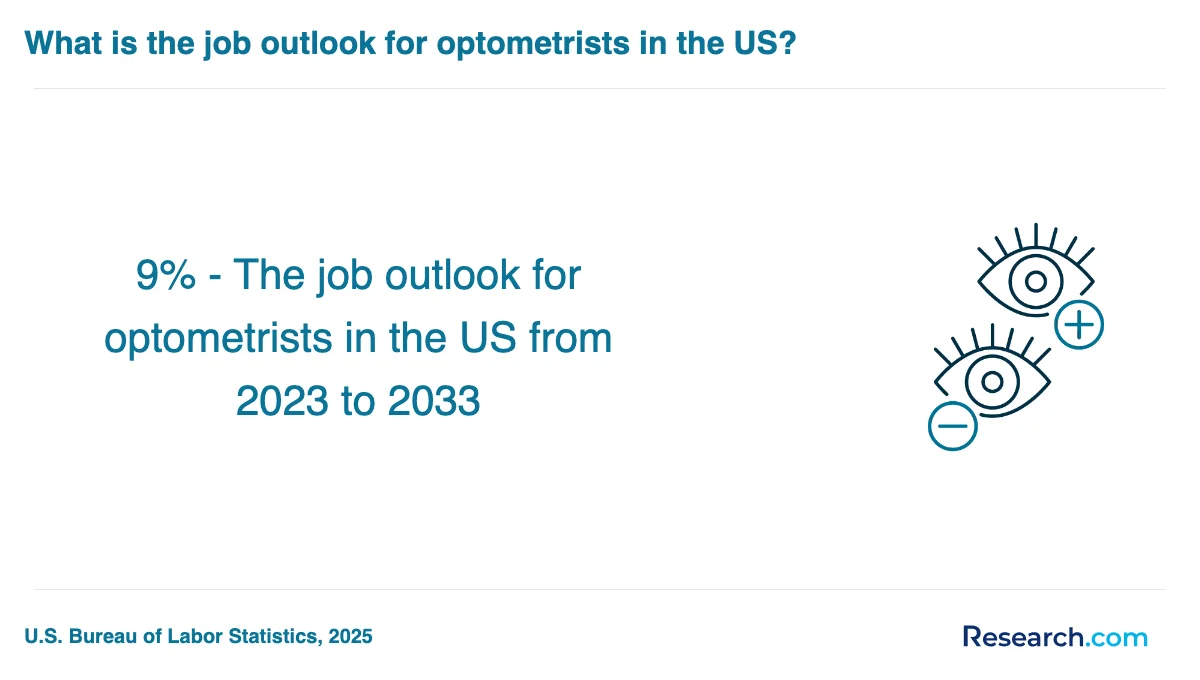
Additionally, exploring optician jobs and salaries in Florida reveals an encouraging job market with over 280 openings statewide and predicted growth of 11%, inspiring confidence for newcomers entering this field.
What is the job market for optician trade school graduates in Florida?
The job market for graduates of optician trade schools in Florida is promising, with numerous opportunities emerging statewide. Enrollment in well-known Florida programs regularly leads to success stories of graduates securing positions in bustling retail chains or specialty eyewear boutiques throughout cities like Tampa, Orlando, and Jacksonville. These graduates often highlight how their hands-on training and direct guidance from instructors prepared them for the realities of Florida optician employment outlook.
Entry-level roles remain abundant due to the need for licensed opticians who can handle dispensing licenses specific to Florida. Many jobs offer competitive wages ranging from $14 to $45 per hour, with additional benefits such as paid training, insurance, and employee discounts. Graduates appreciate the positive working environments where strong communication and technical skills learned at trade schools make a real difference.
Key factors boosting these optician job opportunities in Florida include:
- Population growth and an aging demographic driving demand for eyewear services
- Versatile career paths from retail to clinical optometry offices
- Support from organizations like the Professional Opticians of Florida Career Board
Students evaluating their options can find reassurance that completing a respected Florida trade school leads to practical qualifications and job-ready skills. For those weighing quick entry and good income potential, this field aligns perfectly with some of the best paying trade jobs that are easy to learn.
Frequently Asked Questions about optician
After completing an optician trade school in Florida, preparing for the job market involves several strategic steps. First, obtaining state licensure is essential, as Florida requires opticians to be licensed through the Florida Board of Opticianry. This ensures compliance with legal standards and improves employment prospects. Additionally, gaining practical experience through internships or externships offered by many trade schools can provide valuable hands-on skills.
Networking with local eye care professionals and joining organizations like the Florida Optometric Association can open job opportunities. According to the U.S. Bureau of Labor Statistics, Florida's employment of optical technicians is projected to grow 15% through 2031, signaling a positive job market.
Finally, building a strong resume that highlights technical skills, certifications, and customer service abilities will help graduates stand out to employers in competitive markets.
Employers in Florida seeking optician trade school graduates prioritize a mix of technical and interpersonal skills. Mastery of optical technology, including lens crafting, frame adjustments, and understanding prescriptions, is essential. According to the U.S. Bureau of Labor Statistics, practical knowledge of fitting eyeglasses and contact lenses accurately contributes significantly to job performance.
Communication skills are also highly valued, as opticians must explain complex information clearly to patients. Additionally, attention to detail is critical to avoid errors that could affect vision quality. Employers prefer candidates who demonstrate customer service abilities, as building rapport with clients enhances patient satisfaction and retention.
Familiarity with Florida's licensing requirements, which include passing the American Board of Opticianry exams, is another important factor. Overall, graduates who combine technical proficiency with strong interpersonal skills tend to be the most successful in Florida's competitive optician job market.
Finding internships relevant to optician trade school programs in Florida involves several key steps. Start by contacting your school's career services or internship coordinator, as many trade schools have established partnerships with local optical businesses and eye care centers. Networking through professional organizations such as the Florida Optometric Association can also provide leads on available internships.
Additionally, check listings on Florida's state job boards and healthcare-specific internship platforms. According to the Florida Department of Education, internships in health services, including opticianry, have increased by 12% over recent years, reflecting growing demand. Reaching out directly to eye care clinics and retail optical stores in your area can help uncover unadvertised opportunities.
Obtaining a diploma from an optician trade school in Florida significantly enhances career mobility and advancement opportunities within the state's optical industry. Florida requires opticians to be licensed, and completing a state-approved diploma program is a key step toward eligibility for the Florida State Board of Opticianry exam. According to the Florida Department of Health, licensed opticians often see higher wages and increased job stability compared to those without formal training.
Graduates with a diploma are better prepared for roles in retail optical stores, ophthalmology offices, and manufacturing, which increases their chances for promotions and specialized positions. The U.S. Bureau of Labor Statistics reports that Florida's employment of opticians is projected to grow by 10% from 2022 to 2032, reflecting steady demand.
Additionally, formal education provides essential skills in lens fitting and patient communication, which employers value highly, supporting both initial employment and upward mobility in the field.
Students enrolled in optician trade schools in Florida can benefit from several part-time job opportunities that complement their education. Working as optical assistants or in retail optical stores allows students to gain hands-on experience with eyewear fitting, customer service, and lens preparation. According to the U.S. Bureau of Labor Statistics, Florida employs over 4,000 opticians, with steady demand expected to grow by 10% through 2032. Part-time roles in eye care clinics or optometry offices also expose students to patient interactions and administrative tasks, enhancing their practical knowledge. These positions often offer flexible hours suited for balancing coursework and work commitments.
When choosing the most affordable Optician degree program near me in Florida, start by researching community colleges or technical institutes nearby as they often offer cost-effective programs. Research.com is a helpful resource to compare programs and costs, as it provides information on various programs near Florida. Additionally, consider the financial aid opportunities and graduate outcomes when making your decision.
Related Optician Rankings for Nearby States
- Most Affordable Optician Schools & Training - Budget-Friendly Optician Trade Programs in Georgia for 2026
- Most Affordable Optician Schools & Training - Budget-Friendly Optician Trade Programs in North Carolina for 2026
- Most Affordable Optician Schools & Training - Budget-Friendly Optician Trade Programs in Virginia for 2026
- Most Affordable Optician Schools & Training - Budget-Friendly Optician Trade Programs in Indiana for 2026
- Most Affordable Optician Schools & Training - Budget-Friendly Optician Trade Programs in Ohio for 2026
- Most Affordable Optician Schools & Training - Budget-Friendly Optician Trade Programs in New Jersey for 2026
- Most Affordable Optician Schools & Training - Budget-Friendly Optician Trade Programs in New York for 2026
- Most Affordable Optician Schools & Training - Budget-Friendly Optician Trade Programs in Nevada for 2026
- Most Affordable Optician Schools & Training - Budget-Friendly Optician Trade Programs in California for 2026
- Most Affordable Optician Schools & Training - Budget-Friendly Optician Trade Programs in Washington for 2026
Top Trending Rankings
References
- How to Become an Optician in Florida - FL | School | Training | Salary | Certification https://www.opticianedu.org/florida/
- 9 Optician Certification Programs in FL - Hands-On & Awesome https://opticiancertification.org/fl/
- Online Optician Certification Training from Florida State College at Jacksonville https://careertraining.fscj.edu/training-programs/optician-certification-training-course-online/
- How to Become an Optician in FL https://www.best-trade-schools.net/locations/florida/optician-in-fl/
- Optician Development Program - Training for Opticians https://opticaltraining.com/optician-development-program/
- Vision Care Technician/Opticianry https://www.broward.edu/academics/health-sciences/vision-care/
- Professional Opticians of Florida - Apprenticeship Requirements https://pof.org/Apprenticeship-Requirements
- Optician Certification Training | State College of Florida https://scf.augusoft.net/info/landing/Optician-Certification
- Online Optical Manager from FIU Online Learner Marketplace https://careertraining.fiu.edu/training-programs/optical-manager/
- Registering as an optician - The College of Opticians of Ontario - COO https://collegeofopticians.ca/applicants/registering-as-an-optician


