
Best Optician Training Programs & Trade Schools - Top Optician Schools in Northeast for 2026

Co-Founder and Chief Data Scientist
Choosing the right optician trade school in the Northeast can shape your future career and open doors to exciting opportunities. This article introduces a carefully crafted optician trade school programs ranking created by the Research.com team of data scientists to help you make an informed decision.
By exploring this guide, you’ll discover programs that offer valuable training and certification, setting you on the path to success. Whether you’re starting fresh or seeking to advance, a diploma in opticianry brings rewarding skills and confidence for your professional journey.
Key benefits of finishing optician trade school in Northeast
- Graduates from optician trade schools in the Northeast can expect competitive salaries, with averages reaching up to $60,740 annually in Massachusetts, well above the national average.
- Career paths often include roles in retail chains, private practices, or metropolitan healthcare centers, offering varied opportunities for growth and specialization.
- Completing an optician trade school online provides flexibility and convenience, allowing students to balance work and study, as shown by successful graduates from popular Northeast online programs.
What can I expect from optician trade schools in Northeast?
When you enroll in an optician trade school program in the Northeast, expect a mix of classroom learning, hands-on labs, and real-world clinical experience. Graduates from places like the Benjamin Franklin Institute of Technology in Boston often share how the two-year associate degree helped them confidently fit and dispense eyeglasses and contact lenses while mastering quality inspection and troubleshooting optical issues.
Some students choose shorter certificate programs, like those at Raritan Valley in New Jersey, which focus on core skills and pair perfectly with state-approved apprenticeships. This means you can actually earn while you learn, gaining practical experience that counts toward state licensing requirements.
Courses cover everything from optical principles and eye anatomy to lens materials and business practices. Many students appreciate the practicum opportunities where they get supervised time in real optical settings, boosting their confidence before graduation.
Plus, these programs often prep you for national certification exams like ABO and NCLE. Graduates frequently mention how helpful the job placement services are, with some schools boasting a 95% job placement rate. Overall, expect a supportive environment that sets you up for success in the Northeast's competitive healthcare market.
Where can I work after finishing optician trade schools in Northeast?
After finishing an optician trade school program in the Northeast, graduates find themselves stepping into a wide range of exciting job opportunities. Many quickly land roles in optometry offices, working closely with eye doctors to help customers pick the perfect glasses or contacts. It's rewarding work, especially when you see someone's face light up after trying on a frame that suits them just right.
Others jump into retail optical stores, including well-known chains and independent shops, where the pace is lively and you get to meet all sorts of people. For example, graduates from popular trade schools in Massachusetts often share how rewarding it is to balance technical skills with customer service, making each day different and engaging.
In cities like Boston and Jersey City, optician jobs range from apprenticeships to licensed positions, with flexible schedules that fit many lifestyles. Plus, benefits like health insurance and employee discounts make these roles even more appealing. Many grads feel proud knowing their Northeast training opens doors to careers that combine skill, creativity, and real-world impact.
How much can I make after finishing optician trade schools in Northeast?
After finishing an optician trade school program in the Northeast, many graduates find themselves earning well above the national average almost right away. For example, graduates from popular trade schools in Massachusetts and New York often share how landing a job with an average salary around $50,000 to $60,000 a year feels like a real win, especially when compared to other entry-level roles.
It's common to hear about new opticians starting around $21 per hour in places like New York, which is a solid paycheck for someone just beginning their career. One graduate mentioned how getting licensed in Massachusetts boosted their salary to over $60,000, making the extra effort totally worth it.
Many grads highlight how the hands-on training and certifications they earned at Northeast schools helped them quickly stand out to employers, leading to better pay and job satisfaction. Plus, with experience and extra credentials, those salaries can climb even higher in busy metro areas where demand for skilled opticians is strong.
Best Optician Training Programs & Trade Schools - Top Optician Schools in Northeast for 2026
# 1 position
Raritan Valley Community College - Opticianry/Ophthalmic Dispensing Optician.
associateRaritan Valley Community College offers a Hybrid Opticianry/Ophthalmic Dispensing Optician program that trains students to fit corrective eyewear and assist in frame selection. The curriculum covers geometrical optics, anatomy of the eye, prescription interpretation, contact lens fitting, and related administrative tasks. Annual in-state tuition is $5,520. The program is accredited by the Middle States Commission on Higher Education and includes instruction in both technical and patient care skills.
# 2 position
Camden County College - Opticianry/Ophthalmic Dispensing Optician.
associateThe Opticianry/Ophthalmic Dispensing Optician program at Camden County College offers hybrid learning with some distance-education options. It prepares students to fit corrective eyewear, assist with frame selection, and prepare work orders for ophthalmic technicians. The curriculum covers optics, eye anatomy, prescription interpretation, and patient care. Annual in-state tuition is $3,960. The program is accredited by the Middle States Commission on Higher Education.
# 3 position
Camden County College - Opticianry/Ophthalmic Dispensing Optician.
certificate or diplomaThe Opticianry/Ophthalmic Dispensing Optician program at Camden County College offers a hybrid format with some distance education. It prepares students to fit corrective eyewear, assist in frame selection, and prepare work orders for ophthalmic technicians. The curriculum covers optics, eye anatomy, prescription interpretation, contact lens fitting, and patient and administrative tasks. Annual in-state tuition is $3,960. The program is accredited by the Middle States Commission on Higher Education.
# 4 position
Essex County College - Opticianry/Ophthalmic Dispensing Optician.
associateEssex County College offers a hybrid Opticianry/Ophthalmic Dispensing Optician program preparing students to fit corrective eyewear and assist patients in frame selection. The curriculum covers optics, eye anatomy, prescription interpretation, contact lens fitting, and administrative tasks. Annual in-state tuition is $5,346. Graduates have a median earning of $37,740 one year after completion. The program is accredited by the Middle States Commission on Higher Education.
# 5 position
CUNY New York City College of Technology - Opticianry/Ophthalmic Dispensing Optician.
associateThe Opticianry/Ophthalmic Dispensing Optician program at CUNY New York City College of Technology offers a hybrid format with some distance education options. It prepares students to fit and adapt corrective eyewear, assist in frame selection, and manage ophthalmic work orders. The curriculum includes optics, eye anatomy, prescription interpretation, and patient care. Annual in-state tuition is $7,332, and the program is accredited by the Middle States Commission on Higher Education.
# 6 position
Erie Community College - Opticianry/Ophthalmic Dispensing Optician.
associateErie Community College offers a hybrid Opticianry/Ophthalmic Dispensing Optician program designed to prepare students to fit and adapt corrective eyewear prescribed by ophthalmologists or optometrists. The curriculum covers optics, anatomy, prescription interpretation, contact lens fitting, prosthesis fitting, and administrative tasks. Annual in-state tuition is $6,100. The program is accredited by the Middle States Commission on Higher Education. Median earnings one year after completion are $26,746.
# 7 position
Benjamin Franklin Cummings Institute of Technology - Opticianry/Ophthalmic Dispensing Optician.
associateThe Opticianry/Ophthalmic Dispensing Optician program at Benjamin Franklin Cummings Institute of Technology prepares students to fit corrective eyewear and assist patients in selecting frames. Instruction covers optics, eye anatomy, prescription interpretation, contact lens fitting, and administrative tasks. The hybrid program's annual in-state tuition is $18,906. Graduates earn a median salary of $44,504 one year after completion. The program is accredited by the New England Commission on Higher Education.
# 8 position
Connecticut State Community College - Opticianry/Ophthalmic Dispensing Optician.
associateThe Opticianry/Ophthalmic Dispensing Optician program at Connecticut State Community College is an on-campus course preparing students to fit corrective eyewear and assist patients in frame selection. Instruction covers geometrical optics, eye anatomy, prescription interpretation, contact lens fitting, and administrative tasks. The program includes training in adjustment tools and pathology identification. Annual in-state tuition is $5,092. The program is accredited by the New England Commission on Higher Education.
# 9 position
Essex County College - Opticianry/Ophthalmic Dispensing Optician.
certificate or diplomaEssex County College offers a hybrid Opticianry/Ophthalmic Dispensing Optician program preparing students to fit corrective eyewear and assist patients with frame selection. Instruction covers optics, eye anatomy, instrument use, and prescription interpretation. The program includes training in contact lens fitting, prosthesis, pathology identification, and administrative tasks. Annual in-state tuition is $5,346. Graduates have median earnings of $37,740 one year after completion. The program is accredited by the Middle States Commission on Higher Education.
Key Findings
- Admission usually requires a high school diploma or GED, with algebra, anatomy, physics, and trigonometry courses helpful for preparation.
- Programs are offered mostly through vocational schools or community colleges and take about one year for certificates and two years for associate degrees.
- State licensing rules vary; some require passing ABO and NCLE exams, while others need approved training or apprenticeships.
- Tuition ranges from $5,000 to $15,000 for certificates and $10,000 to $25,000 for associate degrees, often including instructional materials.
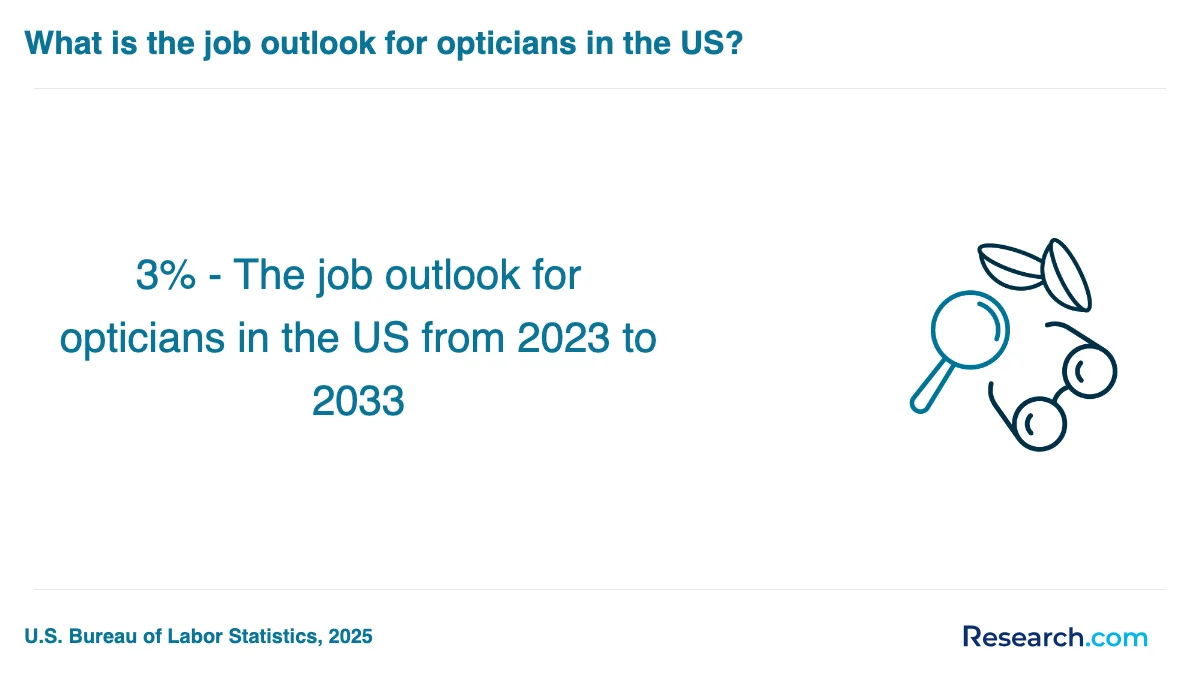
- Starting salaries for opticians in the Northeast are between $38,000 and $46,000, with experienced opticians earning up to $60,000 or more.
How long does it take to complete optician trade schools in Northeast?
Completing an optician trade school program in the Northeast typically takes about one year, though some programs might be a bit shorter or longer depending on the school's structure. Many students at popular Northeast trade schools find the pace just right-fast enough to keep things exciting but thorough enough to build solid skills.
Graduates often share how the hands-on training combined with classroom learning helped them gain confidence quickly. For example, students at well-known trade schools in the region describe balancing real-world practice fitting lenses and frames alongside studying optical theory, which makes the experience feel practical and rewarding.
Since these programs are designed to get you job-ready efficiently, it's common for students to finish within 9 to 12 months. This timeline fits well if you're eager to start working soon but still want a deep dive into the craft. Many find that by the time they graduate, they're excited and prepared to jump right into the workforce, making the time investment feel totally worthwhile.
What's the difference between online and on-campus optician trade school programs?
The main difference between online and on-campus optician trade school programs in the Northeast usually comes down to how you learn and get hands-on experience. For example, graduates from Benjamin Franklin Institute of Technology in Boston often talk about how being on campus helped them get immediate feedback during lab work and real clinical practice. They'd attend classes, try fitting eyewear right there with teachers guiding them, which made them feel confident stepping into jobs later.
On the other hand, many who chose online programs like those at Penn Foster College appreciated the flexibility to study at their own pace, especially if commuting or relocating wasn't an option. These students get materials shipped to them and cover all the essential topics remotely, but they usually have to find their own hands-on practicum nearby to meet licensing rules in states like New York or Massachusetts.
Graduates from on-campus programs often mention feeling better prepared for certification exams and jobs thanks to structured support and real-time mentorship, while online learners enjoy the convenience but need to be proactive in gaining practical skills.
What is the average cost of optician trade schools in Northeast?
Paying for optician trade school in the Northeast usually means budgeting between $5,000 and $15,000 depending on where you study and the program type. Many graduates from Connecticut programs share how manageable tuition fees were, often thanks to scholarships and grants they found through local organizations and FAFSA. Seeing real savings like these helps make the cost feel less daunting and more like a worthwhile investment in a future career.
Looking at examples in New Jersey, some students at Camden County College report tuition around $4,320 for in-state learners, with just a slight increase for out-of-state. On top of that, learning materials might cost roughly $1,800, which adds up but is usually anticipated in advance. The average tuition fees for optician programs in the Northeast reflect a balance of quality and affordability that appeals to many who want hands-on training without breaking the bank.
Over in Massachusetts, attending a place like the Benjamin Franklin Institute of Technology means budgeting close to $12,500 when you factor in all costs, including fees and supplies. Graduates often note their satisfaction with the support available and the program's reputation, which makes the expense feel justified. If you're considering your options, it's smart to dive into the details and even compare the cost of optician diploma programs in Northeastern United States carefully.
For those weighing trade school against other routes to becoming an optician, exploring the difference between trade vs vocational programs can clarify which path fits your budget and career goals best.
What financial aid is available for optician trade schools in Northeast?
If you're diving into an optician trade school in the Northeast, financial aid options can really lighten the load. Many students at places like the New England College of Optometry find relief through federal student aid-think Federal Pell Grants or federal student loans-which you can access by filling out the FAFSA every year. In fact, about 85% of students there tap into some form of aid, whether scholarships or loans, making the journey feel a bit less overwhelming.
State grants also play a big role. For example, Pennsylvania residents can snag the Pennsylvania State Grant if they meet financial need requirements. New York and New Jersey have their own scholarships too, like the Petry-Lomb Scholarship or the $2,000 New Jersey Optometric Association Scholarship, which many graduates say made a real difference during their studies.
At SUNY College of Optometry, students often share how institutional scholarships like the Dr. Sanford and Claire Levy Scholarship eased their financial stress, especially for those from Central New York. Even non-credit certification students can sometimes get help through state vocational programs or workforce boards, which is a huge boost if you're juggling work and school.
What are the prerequisites for enrolling in optician trade schools in Northeast?
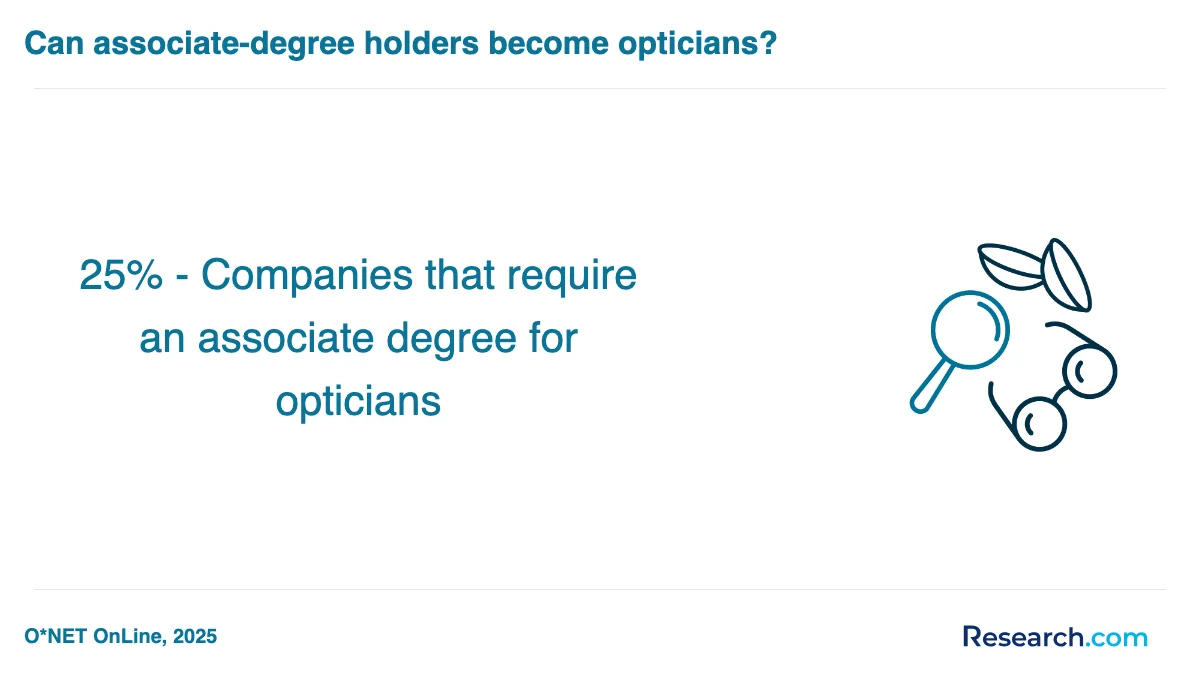
Enrolling in an optician trade school program in the Northeast usually means meeting a few straightforward prerequisites that set you up for success. Most schools expect you to have a high school diploma or GED-this is the basic ticket to get started. Some programs might ask for a background in math or science, since understanding optics and lenses can get pretty technical.
Graduates from popular Northeast trade schools often mention how being comfortable with customer service and communication really helped them thrive. After all, opticians don't just work with lenses-they work with people. Schools sometimes require a brief interview or a personal statement to make sure you're ready for the hands-on, interactive learning environment.
Here are typical prerequisites you can expect:
- High school diploma or GED
- Basic proficiency in math and science
- Strong communication skills or customer service experience
- Possibly an interview or personal statement
One graduate shared that coming from a retail background made the transition smooth because the program emphasized real-world scenarios, like helping customers pick frames that fit both style and prescription needs. This makes the prerequisites feel less like barriers and more like stepping stones toward a rewarding career in the Northeast's growing optician field.
What are the typical courses in optician trade schools in Northeast?
Courses in optician trade schools across the Northeast are designed to give you a solid mix of science, hands-on skills, and real-world know-how. Graduates from popular programs often talk about starting with foundational classes like ocular anatomy and physiology. This helps you understand how the eye works, which makes everything else click. Imagine being able to explain to a customer why their lenses need a specific coating-that's the kind of confidence these courses build.
Here's what you can typically expect:
- Ophthalmic optics and lens technology: Dive into different lens materials and designs, and learn how to interpret prescriptions accurately.
- Contact lens fitting: Get practical skills on selecting and fitting lenses, which is super rewarding when you see patients' vision improve.
- Basic math and algebra: Essential for calculating lens measurements and adjustments.
- State and federal regulations: Know the legal side to stay compliant and professional.
- Customer service and communication: Perfect for those who love working directly with people.
Many Northeast programs also include clinical practicums or apprenticeships. For example, students at well-known trade schools in the region often complete a multi-year apprenticeship, gaining hands-on experience that makes the classroom lessons come alive. This real-world training is a game-changer, making students feel ready and excited to start their careers.
What are the available specializations in optician trade schools in Northeast?
Optician trade school specializations in Northeast often blend hands-on skills with business savvy, making graduates ready for a variety of careers in optical fields. Many students find programs like the AS in Opticianry at Franklin Cummings Institute of Technology in Boston rewarding because they combine traditional optical training with business management courses. This means you're not just learning to fit glasses-you're also prepping for roles in optical business management or even opening your own shop.
Others who choose optician programs in Northeast with specializations appreciate the practical, hands-on approach. For example, graduates from City Tech in New York highlight how their Vision Care Technology AAS program gave them real-world experience adjusting eyewear and mastering ophthalmic instruments, which was crucial for passing state licensure exams.
For those who already hold a bachelor's degree, there's good news-accelerated programs available at schools like Franklin Cummings let you earn your associate degree in just 12 months, speeding up your path to a fulfilling career.
- Optical laboratory finishing and management
- Optical business management and independent ownership
- Ophthalmic dispensing with hands-on eyewear fitting
Many Northeast students appreciate how these specializations prepare them for rapidly changing industry needs, making their training both practical and exciting. To explore more about options and find some of the best trade schools in the region, it's great to research programs that match your career goals.
How do you choose the best optician trade school program in Northeast?
When choosing the best optician programs in Northeast, focus first on accreditation and certification prep. Graduates from popular trade schools in the region often mention how crucial it was that their program was accredited by recognized bodies and helped them pass the ABO and NCLE exams. This made the licensing process smoother and boosted their confidence landing their first jobs.
Look for programs that balance hands-on learning with flexible formats. Some students at well-known Northeast community colleges appreciated the blend of clinical rotations and internships with local optical shops, which made the transition to real work feel natural and exciting. Others preferred associate degrees for a broader education, while some chose faster certificates to jump into the workforce quickly.
Cost is a big factor too, especially for in-state students. Many found community colleges offered affordable tuition plus financial aid options. Checking out resources like the best vocational trade online training schools helped them compare programs and costs comprehensively.
Knowing how to compare optician trade schools in Northeast means weighing accreditation, exam prep, hands-on experience, program length, and cost. This approach makes the whole process less overwhelming and more tailored to your goals.

What career paths are available for optician trade school graduates in Northeast?
Graduates from popular optician trade schools in the Northeast often find a variety of optician career opportunities in Northeast that match their skills and interests. Many step right into roles as licensed opticians, working in places like optometry offices or retail optical chains, fitting glasses and contacts while helping customers find the perfect eyewear. For example, graduates from schools in Massachusetts often begin as apprentices before moving up, with some programs boasting up to 95% job placement.
Others explore hands-on roles in optical labs or become specialists in contact lens fitting. Some find themselves repairing frames or managing inventory in local optical boutiques. Many programs here prepare students for important certifications like the ABO or NCLE exams, giving them a leg up on the competition.
Thinking beyond the usual, a few graduates pursue medical sales or even eye care management, which keeps the work dynamic and people-focused. For those curious about the bigger picture of vision care and the best way to combine practical skills with higher education, there's always the option to check out the trade school vs college pros and cons.
If you're hunting for optician trade school jobs in Northeast, there's good news: demand is steady thanks to an aging population and growing awareness of eye health, creating plenty of friendly opportunities just waiting for you.
What is the job market for optician trade school graduates in Northeast?
The optician job outlook in Northeast is promising for trade school graduates ready to jump into the field. Many grads from popular Northeast trade schools share stories of finding solid positions quickly, often in busy urban centers or smaller towns where demand stays strong. For example, graduates commonly land roles in retail chains, independent optical shops, or healthcare clinics, enjoying the variety and hands-on experience these environments offer.
When you break down typical salaries, the optician salary trends Northeast show a range between $45,000 and $95,000 annually depending on experience and licensure. Benefits like health insurance, paid time off, and retirement plans make these jobs even more attractive. Here's what Northeast grads often highlight:
- Strong local demand driven by an aging population and increased screen time
- Employers valuing certification and comfort with new optical technologies
- Supportive work environments with steady benefits and bonus potential
Many grads from trade programs emphasize how completing their certification boosted confidence and job prospects. Keeping licensure current is key since many Northeast employers require it. There's a growing recognition that these roles are part of high demand trades, making it a stable and satisfying career choice that aligns well with regional workforce needs.
Frequently Asked Questions about optician
Preparing for the job market after completing an optician trade school in the Northeast requires focused steps to maximize employment opportunities. Graduates should prioritize obtaining certification from the American Board of Opticianry (ABO), as many employers in states like New York and Massachusetts prefer or require it. According to the U.S. Bureau of Labor Statistics, optician employment in the Northeast is projected to grow by 10% through 2030, indicating steady demand.
Networking with local eye care professionals and attending regional job fairs can provide valuable connections. Additionally, gaining hands-on experience through internships or externships during training improves practical skills and resumes. Staying updated on state licensing requirements, which vary across Northeast states, is essential to ensure compliance and readiness for employment.
Employers in the Northeast region prioritize several key skills when hiring optician trade school graduates. Strong technical proficiency in lens fitting and frame adjustments is essential, as is the ability to operate advanced optical equipment accurately. According to the U.S. Bureau of Labor Statistics, employers also value excellent customer service skills, since opticians frequently interact with clients to understand their vision needs.
Attention to detail and the capability to interpret prescriptions correctly are critical to avoid costly errors in lens fabrication. Many employers seek graduates familiar with computerized design software used in customizing lenses. Communication skills are also important, helping opticians explain product options clearly and build trust.
In summary, a combination of technical knowledge, customer interaction ability, and precision forms the foundation of top skills demanded in the Northeast optician job market.
Finding internships in the Northeast relevant to optician trade school programs involves targeted research and networking. Start by contacting the career services offices at opticianry schools, as they often have partnerships with local optical shops and healthcare providers. According to the American Optometric Association, many internships in this region are available through eye care clinics and retail optical chains, which provide hands-on experience in lens crafting and customer service.
Additionally, state optician boards in Northeast states such as New York and Massachusetts list licensed optical businesses, which can be potential internship sites. Many employers prefer students who have completed coursework aligned with state licensure requirements. Online platforms like the National Opticianry Competency Exam website also offer resources for locating approved training opportunities.
Networking at regional opticianry conferences and joining professional organizations like the Opticians Association of America can increase internship chances. Statistics from the Bureau of Labor Statistics show that internships improve employment prospects in this field by up to 30% in Northeastern states.
Obtaining a diploma from an optician trade school in the Northeast significantly enhances career mobility and advancement opportunities. According to the U.S. Bureau of Labor Statistics, opticians in this region see an average employment growth rate of 9% through 2031, which is faster than the national average for all occupations. Completing a formal diploma program equips students with essential technical skills and industry certifications, making them more competitive in the job market.
Graduates often qualify for positions with higher starting salaries and greater responsibilities, including supervisory roles. Additionally, many employers in the Northeast prefer or require candidates to hold a diploma from an accredited trade school as a prerequisite for advancement. This credential also facilitates eligibility for state licensure, which is mandatory in several Northeastern states, further broadening career options.
Students enrolled in optician trade schools in the Northeast can find various part-time job opportunities that enhance their education and practical skills. Positions such as optical assistants or eyewear sales associates in retail optical stores are common. These roles provide hands-on experience with customer service, lens fitting, and frame adjustments.
According to the U.S. Bureau of Labor Statistics, the Northeast region shows steady demand for optician-related roles, with retail optical stores employing many entry-level workers. Part-time work in eye care clinics or ophthalmology offices also offers exposure to clinical settings and patient interactions.
These opportunities allow students to apply classroom knowledge, build professional networks, and improve their resumes while pursuing their certification or diploma.
There are several accredited optician degree programs available for those looking to study near me in the Northeast region. Many community colleges and universities offer associate degree programs in opticianry that provide students with the necessary skills and knowledge to pursue a career as a licensed optician. Interested individuals can use Research.com to explore and compare different optician programs located near Northeast to find one that best meets their educational and career goals.
Top Trending Rankings
References
- Registering as an optician - The College of Opticians of Ontario - COO https://collegeofopticians.ca/applicants/registering-as-an-optician
- Apply for a Dispensing Optician License | Mass.gov https://www.mass.gov/how-to/apply-for-a-dispensing-optician-license
- Registering As An Optician | Opticians Association Of New Brunswick https://opticiansnb.com/registering-as-an-optician/
- Optician Trade School Programs & Certification Training https://www.best-trade-schools.net/programs/healthcare/optician/
- Optician - Florida Board of Opticianry https://floridasopticianry.gov/optician/
- Optician to Optometrist: A Step-by-Step Guide to Success | Pacific University https://www.pacificu.edu/blog/optician-optometrist-step-step-guide-success
- Dispensing Optician Salary in the North East - Check-a-Salary Latest Data https://www.checkasalary.co.uk/salary/dispensing-optician-north-east
- Optician Salary | Optician Average Salary | Licensed Optician Salary https://www.opticianedu.org/salaries/
- Optician salary in New Jersey ‐ CareerExplorer https://www.careerexplorer.com/careers/optician/salary/new-jersey/
- Optometrist jobs in North East England https://jobs.opticianonline.net/jobs/optometrist/north-east-england/


