
Most Affordable Optician Schools & Training - Budget-Friendly Optician Trade Programs in West for 2026

Co-Founder and Chief Data Scientist
Choosing the right optician trade school can feel overwhelming, especially when looking for affordable options in the West. This article introduces a carefully crafted optician trade school programs ranking created by the Research.com team of data scientists. It’s designed to help you make an informed choice about which programs truly stand out.
Reading this guide will give you confidence in finding a program that fits your goals and budget. Earning a diploma or certification in opticianry opens doors to rewarding career opportunities and personal growth.
Take the first step toward a bright future with trusted information tailored just for you.
Key benefits of finishing optician trade school in West
- Graduates from optician trade schools in the West can expect salaries ranging from $43,456 to $70,202 annually, with Washington averaging about $45,499 per year, offering a strong start in a growing field.
- Career paths often include roles in retail optical shops, specialized optical clinics, or luxury eyewear boutiques, as demonstrated by successful alumni from popular West Coast trade schools.
- Finishing optician programs online allows flexible learning schedules and quicker entry into the workforce, as experienced by many online program graduates who balance studies with work or family.
What can I expect from optician trade schools in West?
Students enrolling in optician trade school programs in the Western United States can expect a balanced combination of online coursework and hands-on training. Graduates from programs like Sacramento City College often describe the experience as both challenging and rewarding, especially when moving from foundational optical theory to practical labs where they adjust eyewear and fit contact lenses. These programs usually offer certificates or associate degrees, achievable in six months to two years, allowing students to progress at a pace that fits their lifestyle.
Expect a curriculum covering essential topics such as eye anatomy, lens technology, and interpreting prescriptions, paired with mandatory supervised apprenticeships ranging from 100 to 1,000 hours. Many students appreciate the real-world experience gained during internships at local optical practices, which helps build confidence and industry connections.
Graduates frequently share excitement about preparing for national certification exams like ABO and NCLE, knowing these credentials enhance their employment prospects across Western states. Tuition varies widely, so prospective students often find options that fit their budget, from community colleges to private institutions.
Where can I work after finishing optician trade schools in West?
Graduates from optician trade schools in the Western United States often find rewarding employment in diverse settings tailored to their skills. Many begin their careers in retail optical stores or private optometry practices, where they assist customers in selecting frames, fitting eyeglasses, and making precise adjustments. For example, those who trained at well-known West Coast trade schools frequently share positive experiences working in busy metropolitan areas like Los Angeles or Seattle, where both large retail chains and independent boutiques offer vibrant opportunities.
Others pursue roles in ophthalmology clinics or specialized eye care centers, collaborating closely with optometrists and ophthalmologists to provide comprehensive patient care. Remote or hybrid roles have also become increasingly common, especially in larger cities, allowing graduates to handle insurance processing or customer service while maintaining flexibility.
Beyond these traditional paths, graduates often find meaningful work in public health programs or nonprofit organizations supporting underserved communities, such as school-based vision initiatives. These roles provide a strong sense of purpose and community impact, making the optician career both professionally and personally fulfilling in the West.
How much can I make after finishing optician trade schools in West?
Graduates from optician trade schools in the West often find encouraging earning opportunities soon after completing their programs. Many start with salaries near $34,280 per year, reflecting entry-level roles that build a foundation for career growth. For example, graduates from well-known West Coast trade schools frequently share how their initial positions allowed them to gain valuable hands-on experience while earning hourly wages starting around $12 to $14.
As graduates become licensed and accumulate experience, their pay typically rises. Licensed opticians in western states like Arizona report average hourly wages of about $23.34, with some earning as much as $26 to $27 per hour. This translates to annual salaries ranging roughly from $38,000 to $55,000, depending on hours worked and certifications obtained.
The positive impact of these salary gains often motivates recent graduates, who appreciate the balance between meaningful work helping patients and financial stability. Many find that their trade school education in the West equips them well to pursue these rewarding opportunities promptly after graduation.
Most Affordable Optician Schools & Training - Budget-Friendly Optician Trade Programs in West for 2026
# 1 position
College of Southern Nevada - Opticianry/Ophthalmic Dispensing Optician.
associateThe Opticianry/Ophthalmic Dispensing Optician program at College of Southern Nevada offers a hybrid format with some distance education. It prepares students to fit corrective eyewear, assist in frame selection, and prepare work orders for ophthalmic labs. Instruction covers optics, anatomy of the eye, prescription interpretation, contact lens fitting, and administrative tasks. Annual in-state tuition is $4,110. The program is accredited by the Northwest Commission on Colleges and Universities.
# 2 position
College of Southern Nevada - Opticianry/Ophthalmic Dispensing Optician.
certificate or diplomaThe College of Southern Nevada offers a hybrid Opticianry/Ophthalmic Dispensing Optician program that trains students to fit corrective eyewear and assist patients in frame selection. The curriculum covers optics, eye anatomy, prescription interpretation, contact lens fitting, and administrative tasks. Annual in-state tuition is $4,110. The program is accredited by the Northwest Commission on Colleges and Universities, combining practical skills with theoretical knowledge for professional readiness.
# 3 position
American Career College-Los Angeles - Opticianry/Ophthalmic Dispensing Optician.
certificate or diplomaThe Opticianry/Ophthalmic Dispensing Optician program at American Career College-Los Angeles offers hybrid learning to prepare students for fitting corrective eyewear and assisting patients with frame selection. Coursework includes optics, anatomy of the eye, prescription interpretation, contact lens fitting, and business tasks. Graduates earn a median income of $27,698 one year after completion. The program is accredited by the Accrediting Bureau of Health Education Schools.
# 4 position
American Career College-Ontario - Opticianry/Ophthalmic Dispensing Optician.
certificate or diplomaThe Opticianry/Ophthalmic Dispensing Optician program at American Career College-Ontario prepares students to fit corrective eyewear, assist in frame selection, and prepare work orders for ophthalmic technicians. The hybrid program includes training in optics, eye anatomy, prescription interpretation, contact lens fitting, pathology identification, and administrative tasks. Graduates have a median earning of $32,524 one year after completion. The program is accredited by the Accrediting Bureau of Health Education Schools.
# 5 position
Highline College - Opticianry/Ophthalmic Dispensing Optician.
certificate or diplomaHighline College offers a hybrid Opticianry/Ophthalmic Dispensing Optician program that prepares students to fit corrective eyewear as prescribed by ophthalmologists or optometrists. The curriculum covers optics, eye anatomy, prescription interpretation, contact lens fitting, prosthesis fitting, and administrative tasks. The program includes instruction on optical instruments and patient care. Annual in-state tuition is $4,623, and it is accredited by the Northwest Commission on Colleges and Universities.
# 6 position
Seattle Central College - Opticianry/Ophthalmic Dispensing Optician.
associateSeattle Central College offers a hybrid Opticianry/Ophthalmic Dispensing Optician program that trains students to fit corrective eyewear, assist frame selection, and prepare work orders. The curriculum covers optics, eye anatomy, instrument use, contact lens fitting, pathology identification, and administrative skills. The program’s annual in-state tuition is $4,865 and is accredited by the Northwest Commission on Colleges and Universities.
Key Findings
- Admission usually requires a high school diploma or GED, and some programs may need an appraisal test or background check.
- Certificate programs can take 6 to 8 months, while associate degrees often require up to two years of study.
- Tuition ranges from $900 for online certificates to $2,000 for more comprehensive training, with financial aid and payment plans sometimes available.
- Hands-on training includes 100 to 1,000 supervised apprenticeship or externship hours under a licensed optician.
- Graduates can take the ABO and NCLE exams needed for licensure, with some states requiring extra licensing or apprenticeship hours.
- Starting salaries range from $37,000 to $48,000 annually, and experienced opticians can earn $60,000 or more.
How long does it take to complete optician trade schools in West?
Completing an optician trade school program in the West typically takes about 12 to 18 months. This timeframe allows students to gain comprehensive hands-on training alongside essential theoretical knowledge, preparing them efficiently for the workforce. Graduates from well-known trade schools in the region often share that this period strikes a perfect balance between depth of learning and timely entry into the job market.
Many students recount how the structured pace of these programs fits well with their personal lives, enabling them to stay motivated and engaged. For instance, attending a trade school in cities like Seattle or San Francisco offers immersive lab sessions and direct mentorship, which help students quickly build confidence in fitting lenses and interpreting prescriptions.
The relatively short duration also means graduates can enjoy the excitement of starting their careers sooner, often entering the field with a strong sense of accomplishment and readiness. The practical focus of these programs ensures that students feel capable and enthusiastic about their new skills as they transition from classroom to clinic.
What's the difference between online and on-campus optician trade school programs?
The primary difference between online and on-campus optician trade school programs in the West lies in how instruction and clinical experience are delivered. Graduates from popular Western trade schools often highlight that online programs offer unmatched flexibility, allowing them to balance work and family while accessing lectures and assignments from home or anywhere with internet. This flexibility appeals especially to those who need to move at their own pace, completing certification in as little as six to eight months.
On the other hand, students attending on-campus programs in the West appreciate the structured schedule and immediate hands-on access to optical equipment, which builds confidence through supervised labs and direct instructor feedback. Many recall how in-person clinical sessions at partner optical shops made mastering practical skills more intuitive, fostering a stronger sense of community and support.
Both pathways require completion of clinical hours, but online learners often coordinate externships themselves, which some find empowering though occasionally challenging. In contrast, on-campus students benefit from organized placements, easing that logistic burden. These distinctions shape students' experiences profoundly, depending on their lifestyle and learning preferences.
What is the average cost of optician trade schools in West?
The average tuition fees for optician programs in the Western United States vary significantly depending on the type and length of the course. One-year diploma programs generally cost between $600 and $4,000, while two-year accredited associate degree programs range from $4,000 to over $10,000. Graduates from popular trade schools in the West, such as Highline College, often recall how manageable tuition costs, paired with hands-on training, helped them build confidence quickly in their new career paths. These positive experiences highlight the accessibility of quality education in the region.
Aside from tuition, students should anticipate additional expenses like books and supplies, typically costing between $300 and $800 annually. Many Western optician trade schools emphasize the importance of licensing and certification exams, which can add approximately $150 per exam (including ABO and NOCE), plus around $400 for study materials. This cost structure enables students to plan thoroughly as they progress toward licensure and workforce readiness.
Choosing the right program involves a cost comparison of optician trade schools across Western states, which can drastically affect overall expenses. By researching specific schools, prospective students can find institutions that balance affordability with strong reputations and comprehensive curricula. Many graduates express satisfaction with their investment, praising practical learning environments and support systems within these programs.
For those exploring a trades job in opticianry, understanding these financial elements combined with state licensing requirements enhances decision-making. Accessing detailed information on local programs can provide clarity on the true cost of education, preparing students for a successful career in the Western United States.
What financial aid is available for optician trade schools in West?
Optician trade school students in the West benefit from multiple financial aid options that make pursuing their education more affordable and less stressful. Federal aid, accessible through FAFSA, offers grants like the Pell Grant, which can provide up to $7,395 annually for eligible students with financial need, easing the burden of tuition and living costs. Many graduates from programs such as Sacramento City College's Optical Technology certificate recall how these funds were crucial in managing expenses without overwhelming debt.
State grants also play a key role. For instance, California residents attending community colleges often qualify for the California College Promise Grant, which waives enrollment fees for low-income students, allowing them to focus on their studies rather than financial worries. Other Western states offer similar programs that have helped numerous students stay enrolled and succeed.
Institutional scholarships and work-study opportunities further lift financial barriers. Trade schools frequently provide these resources, with financial aid offices actively guiding students toward tuition waivers or campus jobs. Many graduates attribute their positive educational experience to the support received through these programs.
Additionally, private scholarships targeting opticianry and related health fields offer substantial awards, sometimes up to $24,000. Students who apply early and widely often find these scholarships invaluable for covering additional costs, making their paths to certification smoother and more hopeful.
What are the prerequisites for enrolling in optician trade schools in West?
Prospective students seeking enrollment in optician trade school programs in the West typically need to meet several foundational prerequisites that ensure readiness for this specialized training. Most trade schools require a high school diploma or GED as a baseline, confirming essential academic skills.
Applicants often share that having a background in biology or math from high school greatly eased their transition into the program, especially when mastering the technical aspects of lenses and eye anatomy.
- Proof of a high school diploma or equivalent
- Basic proficiency in math and science, particularly algebra and anatomy
- Strong communication skills for patient interaction
- Sometimes a background check or immunization records, depending on state regulations
Graduates from leading trade schools in the West frequently recount how these prerequisites prepared them for hands-on clinical experience, allowing them to confidently assist patients with precision and care. This foundation not only fosters technical competence but also builds the positive, rewarding connection students experience when helping others improve their vision.

What are the typical courses in optician trade schools in West?
Optician trade school programs in the Western United States typically include a well-rounded set of courses designed to equip students with practical skills and theoretical knowledge essential for success. Graduates from popular West Coast trade schools often highlight the balance between classroom learning and hands-on training.
Core courses usually cover:
- Introductory subjects such as optical terminology, customer service, and the history of opticianry, helping students understand their future role.
- Anatomy and physiology of the eye, including detailed study of refractive errors and common eye conditions like strabismus, which students find invaluable when explaining vision issues to patients.
- Prescription interpretation, where students learn to accurately read eyeglass and contact lens prescriptions, including math skills like prism calculations, critical for lens crafting.
- Technical training in frame selection, fitting, and lens adjustment; many graduates recall practicing frame alignments that prepared them for real-world patient interactions.
- Contact lens education focused on fitting, types, care, and follow-up, a favorite among students eager to master this specialized skill.
- Legal and ethical coursework emphasizing state-specific laws, which builds confidence for licensing exams and professional practice in the West.
These courses collectively prepare students for certification exams such as the ABO and NCLE, ensuring readiness for rewarding careers in local optical settings.
What are the available specializations in optician trade schools in West?
Optician trade school programs in the Western United States offer diverse specializations that prepare students for real-world challenges in the field. Graduates from well-known trade schools in the West often highlight how optician training programs in Western United States equip them with hands-on skills in areas like contact lens fitting, where they learn to assess patient needs and fit soft and rigid lenses expertly. Other popular optician specialization courses in Western US include ophthalmic dispensing, which covers precise frame fitting and lens selection essential for customer satisfaction.
- Contact Lens Fitting: mastering lensometry and patient assessments to ensure comfortable wear
- Ophthalmic Dispensing: delivering expert guidance on frame style, lens options, and prescriptions
- Ophthalmic Laboratory Technology: fabricating, finishing, and glazing lenses with precision
- Low Vision Aids: training to assist visually impaired individuals with specialized devices
- Ocular Prosthetics: fitting artificial eyes for patients requiring ocular rehabilitation
Students appreciate how these specialization courses meld theory with practical application, often recalling their positive experiences at institutions like American Career College and the College of Southern Nevada. This comprehensive approach ensures graduates feel confident engaging with patients daily and prepared for diverse career paths in opticianry. For prospective students seeking flexible options, exploring online vocational trade schools can also provide pathways to these specialized skills without geographical constraints.
How do you choose the best optician trade school program in West?
To choose the best optician trade school program in West, start by verifying accreditation, such as the Commission on Opticianry Accreditation (COA), which ensures programs meet professional standards. Graduates from accredited programs frequently express confidence in their preparedness for certification exams and employment. Many prefer schools that combine strong theoretical knowledge with hands-on training, like those offered at San Joaquin Valley College in California, where students develop practical skills essential for opticianry careers.
Location is another key factor, especially for those seeking affordable optician programs in Western US. Opting for nearby institutions, such as Highline College in Washington, minimizes commuting and supports work-life balance. Students often share how convenient proximity allowed them to focus better on studies and apprenticeships. Additionally, evaluating tuition costs and available financial aid helps balance quality with affordability in the region.
Understanding the difference between trade school and vocational programs is valuable when comparing options, as it clarifies curriculum depth and career paths. Graduates in Western states highlight the importance of programs with strong employment networks given the high demand for opticians locally, especially in California and Washington.
What career paths are available for optician trade school graduates in West?
Graduates of optician trade school programs in the West have a variety of rewarding career paths, starting with entry-level roles such as dispensing opticians. These professionals thrive in settings like optical retail stores or private eye care practices, helping customers select and fit eyeglasses and contact lenses. Many graduates from popular West trade schools describe a real sense of accomplishment when they see customers leave confident with their new eyewear.
Advancement opportunities include specialized roles such as contact lens fitting or optician technician, which involve more technical responsibilities like exam preparation and eyewear assembly. Experienced opticians often move into supervisory or management positions, gaining leadership experience within large vision care chains. This steady growth aligns well with the positive optician job outlook in California and Western states.
Further education offers options to become ophthalmic medical technicians or optometrists, expanding career scope and earning potential. Many graduates appreciate how their foundational training at trade schools prepares them well for these steps. For those wanting to explore beyond patient care, roles in optical manufacturing and product development are also viable. Comparing choices between trade school and a college degree can clarify career goals, and learning more about the differences is possible through resources focused on college vs trade school.
Optician career opportunities in the Western US benefit from ongoing demand, steady job openings, and the flexibility to build a satisfying, client-focused career.
What is the job market for optician trade school graduates in West?
The optician job outlook in Western states remains positive and stable, offering strong opportunities for graduates from optician trade school programs. Graduates often find employment in diverse settings such as private optical practices, large healthcare systems, and national retail chains, where flexible scheduling and comprehensive benefits are common. Many graduates from popular trade schools in the West share their experiences of securing roles quickly due to their formal training, which gives them an advantage in this competitive job market.
In terms of salary, the average optician salary in California and Nevada reflects this demand. Cities like Riverside, CA, offer average annual earnings around $55,623, while nearby metropolitan areas provide even higher wages, making these locales attractive for new professionals.
As a prospective student considering which trade school is the best, it is worth noting that your training can influence your access to approximately 7,400 annual national job openings, many of which arise from retirements and career changes. These schools equip you with practical skills sought by employers focused on healthcare access and eye care quality.
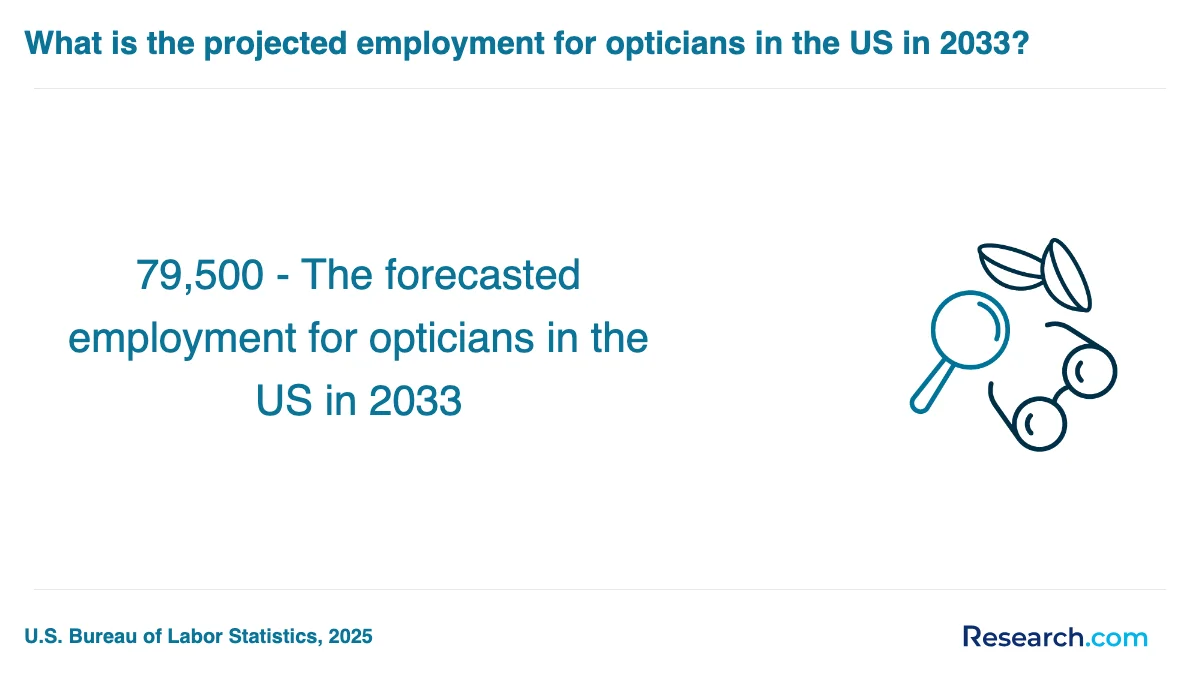
- Employment growth of about 3% nationally projected through 2033
- Positions available in both full-time and part-time roles, including weekend shifts
- Competitive salaries slightly above the national median of $46,560
Frequently Asked Questions about optician
After completing optician trade school in West, preparing for the job market involves several key steps. First, obtaining state licensure is crucial, as most Western states require opticians to be licensed or certified to practice legally. Check specific requirements through your state's licensing board.
Next, gaining practical experience through internships or externships can significantly improve job prospects. Many trade schools in West offer partnerships with local optical shops for hands-on training.
Networking is also important. Joining professional associations like the American Board of Opticianry (ABO) can provide access to job listings and industry events. According to the U.S. Bureau of Labor Statistics, employment for opticians in the Western region is expected to grow by 4% through 2030, indicating steady opportunities for well-prepared graduates.
Employers in the West seek optician trade school graduates with strong technical and interpersonal skills. Key technical abilities include precise lens fitting, frame adjustments, and knowledge of optical instruments. According to the Bureau of Labor Statistics, accuracy in measurements and understanding of vision correction technologies are essential for job success.
Communication skills are also crucial. Graduates must effectively explain lens options and care instructions to diverse customers. Customer service proficiency often distinguishes top candidates in this competitive field.
Additionally, familiarity with digital tools and electronic health records is increasingly valued. The Oregon Employment Department highlights that adaptability to new technology enhances employability in the region's optical industry.
Finding internships relevant to optician trade school programs in West involves leveraging local resources and industry connections. Many optician programs in the region partner with eye care clinics, optical retailers, and healthcare facilities to offer internship opportunities. Students should consult their school's career services or internship coordinators who often maintain updated lists of local placements.
Additionally, professional associations such as the American Board of Opticianry and National Contact Lens Examiners provide directories and networking events that can help students connect with potential internship sites. According to the Bureau of Labor Statistics, internships in optical services in the West region have grown by 8% over the past five years, reflecting increasing opportunities.
Online job portals and local job fairs can also be useful for finding internships. It is important to apply early and prepare a resume highlighting relevant coursework and skills to increase chances of securing a position.
Obtaining an optician trade school diploma in West significantly enhances career mobility and advancement opportunities. According to the U.S. Bureau of Labor Statistics, opticians with formal training tend to secure higher starting salaries and experience faster job placement compared to those without credentials.
Trade schools in West provide practical skills aligned with local industry demands, making graduates attractive to employers in optical retail, healthcare facilities, and private practices. The diploma also qualifies students to sit for certification exams, such as the American Board of Opticianry, which further improves job prospects and earning potential.
Moreover, data from the West Department of Labor shows that diploma holders see a 15-20% higher likelihood of promotion within five years relative to peers without formal education. This credential acts as a foundation for career growth in a competitive job market.
Students enrolled in optician trade schools in West can benefit from part-time jobs that provide relevant experience and complement their education. Positions such as optical assistant or retail associate in eyewear stores allow students to gain hands-on skills in fitting lenses and customer service. According to the U.S. Bureau of Labor Statistics, the West region shows steady demand for opticians and related roles, with an average hourly wage of about $18.50 as of 2023.
Other opportunities include working in eye care clinics where students can assist licensed opticians or ophthalmologists with administrative duties and basic optical tasks. These roles help develop familiarity with industry equipment and patient interaction.
Additionally, some students find internships or part-time roles in wholesale optical labs, where they learn about lens manufacturing and quality control processes. These experiences provide practical knowledge that enhances classroom learning and improves job prospects after graduation.
When choosing the most affordable Optician degree program near West, consider researching local community colleges or vocational schools that offer opticianry programs, which are often more cost-effective than four-year universities. Utilize resources like Research.com to compare tuition fees, financial aid options, and program specifics to find programs near me that align with your budget and career goals. Additionally, directly contacting the admissions offices of institutions near West can provide detailed information on costs and any scholarships or work-study opportunities available.
Top Trending Rankings
References
- Optometrist | Explore Careers | National Careers Service https://nationalcareers.service.gov.uk/job-profiles/optometrist
- Optician Salary | Optician Average Salary | Licensed Optician Salary https://www.opticianedu.org/salaries/
- Opticians : Occupational Outlook Handbook: : U.S. Bureau of Labor Statistics https://www.bls.gov/ooh/healthcare/opticians-dispensing.htm
- How to Become an Optician | Salary, Certification & Programs https://nurse.org/healthcare/optician/
- Optician to Optometrist: A Step-by-Step Guide to Success | Pacific University https://www.pacificu.edu/blog/optician-optometrist-step-step-guide-success
- Optical Training Institute - Optician Training & Continuing Ed https://opticaltraining.com/
- Online Optician School- Program Overview | Penn Foster https://www.pennfoster.edu/programs/healthcare/optician-career-diploma
- Optician Certification Training - Gwinnett Technical College https://gwinnetttech.edu/online-continuing-education/optician-certification-training/
- Online Optician Certification Training from Hennepin Technical College https://careertraining.hennepintech.edu/training-programs/optician-certification-training-course-online/
- Optician https://www.sait.ca/programs-and-courses/diplomas/optician


