
Best Optician Training Programs & Trade Schools - Top Optician Schools in Ohio for 2026

Co-Founder and Chief Data Scientist
Choosing the right optician trade school in Ohio is an important step toward a rewarding career. Our article introduces a carefully crafted ranking of optician trade school programs, developed by the Research.com team of data scientists to guide you in making a well-informed decision.
By exploring this ranking, you’ll discover programs that offer valuable training and certification, helping you build skills that employers seek. Whether you’re starting fresh or advancing your career, earning a diploma or certification in this field opens doors to exciting opportunities and personal growth.
Key benefits of finishing optician trade school in Ohio
- Graduates from optician trade schools in Ohio can expect an average annual salary between $45,000 and $53,000, with licensed opticians earning up to $23.81 per hour or more, offering strong financial potential early in their careers.
- Career paths include working in retail optical shops, healthcare facilities, or advancing to licensed optician roles, as demonstrated by successful alumni from popular Ohio trade schools who find rewarding opportunities across the state.
- Completing an optician trade school online provides flexibility and convenience, allowing students to balance work or family, as shown by graduates who appreciate earning their credentials without relocating or pausing their lives.
What can I expect from optician trade schools in Ohio?
Enrolling in an optician trade school program in Ohio means diving into a curriculum that balances technical knowledge with practical skills. Graduates from popular Ohio schools often describe the hands-on training as eye-opening-literally. They spend hundreds of hours fitting eyewear, interpreting prescriptions, and learning the anatomy of the eye, which makes the classroom theory come alive. For example, students at community colleges report gaining confidence through supervised externships where licensed opticians guide them in real optical shops.
Expect to engage deeply with laboratory procedures and office management, preparing you not just for dispensing glasses but also for managing patient interactions and regulatory compliance. Many students feel a sense of accomplishment mastering communication skills crucial for helping customers choose eyewear that fits both vision needs and style preferences.
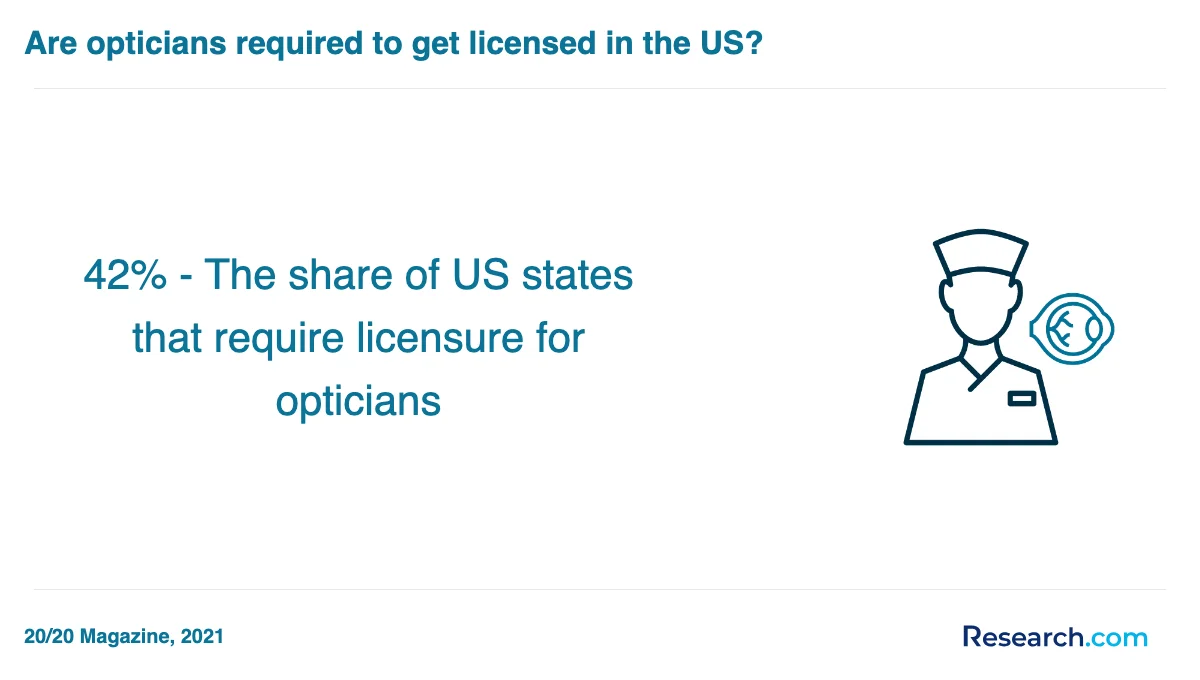
Ohio programs also emphasize preparing students for the ABO and NCLE certification exams, essential for state licensure. Graduates appreciate how this focus makes the transition into professional roles smoother, knowing their training aligns with Ohio's licensing requirements and industry standards.
Where can I work after finishing optician trade schools in Ohio?
Graduates from optician trade schools in Ohio often find themselves working in diverse settings, reflecting the state's broad demand for skilled professionals. Many start their careers in retail optical stores such as Target Optical or Visionworks, where they assist customers in selecting and fitting eyewear. These roles provide hands-on experience, helping new opticians build confidence while earning competitive wages-typically between $16.50 and $21.25 per hour in cities like Cleveland.
Others pursue positions in private optometry or ophthalmology offices, where they collaborate closely with eye care specialists to perform measurements and adjustments. Working in hospital eye care clinics or optical laboratories is another common path, offering graduates exposure to advanced equipment and patient care environments. These varied opportunities allow graduates from Ohio's well-regarded trade programs, like those in Cleveland or Columbus, to choose workplaces that match their interests and career goals.
The career trajectory often begins with apprenticeship or technician roles before advancing to licensed optician or managerial positions. This progression not only builds skill but also brings greater responsibility and higher pay, making the trade school investment feel rewarding and practical.
How much can I make after finishing optician trade schools in Ohio?
After finishing an optician trade school program in Ohio, graduates can expect varying earnings depending on experience and certification. For example, recent graduates from well-known Ohio trade schools often start with salaries between $30,000 and $45,000 annually. This range reflects entry-level positions where hands-on skills learned during training translate directly into job readiness.
Hourly wages tell a similar story: many new opticians earn around $18 per hour, with some metropolitan areas like Columbus offering slightly higher rates near $19.50 per hour. Graduates who pursue licensure find their hourly pay increasing substantially, often reaching above $23. This boost makes licensure a valuable goal for those seeking financial growth beyond their initial training.
One graduate shared that the practical experience gained at their Ohio trade school helped them quickly secure a job with competitive pay, reinforcing the positive impact of local programs. These earnings, combined with the satisfaction of helping customers improve their vision, make the career path rewarding both financially and personally.
Best Optician Training Programs & Trade Schools - Top Optician Schools in Ohio for 2026
# 1 position
Cuyahoga Community College District - Opticianry/Ophthalmic Dispensing Optician.
associateThe Opticianry/Ophthalmic Dispensing Optician program at Cuyahoga Community College District offers a hybrid format with some distance education. It trains students to fit and adapt corrective eyewear, assist with frame selection, and prepare work orders. The curriculum covers optics, eye anatomy, prescription interpretation, contact lens fitting, and administrative tasks. The program is accredited by the Higher Learning Commission. Annual in-state tuition is $3,736.
# 2 position
Cuyahoga Community College District - Opticianry/Ophthalmic Dispensing Optician.
certificate or diplomaThe Opticianry/Ophthalmic Dispensing Optician program at Cuyahoga Community College District prepares students to fit corrective eyewear, assist in frame selection, and prepare work orders for ophthalmic technicians. This hybrid program includes instruction in optics, eye anatomy, prescription interpretation, contact lens fitting, and administrative tasks. Annual in-state tuition is $3,736. The program is accredited by the Higher Learning Commission.
Key Findings
- Applicants must have a high school diploma or GED and be at least 18 years old to enter an optician program in Ohio.
- Programs are offered at community colleges or trade schools, with certificate courses lasting 6 to 12 months and associate degrees taking about two years.
- Annual tuition for certificate programs ranges from $14,700 to $15,300, with additional materials costing between $825 and $2,000; some online options are available for around $2,000.
- Graduates must pass the ABO-NCLE exams and apply for licensure within three years to work legally as opticians in Ohio.
- Starting salaries for entry-level opticians range from $32,000 to $38,000 annually, while experienced opticians can earn $45,000 or more.
How long does it take to complete optician trade schools in Ohio?
Completing an optician trade school program in Ohio typically takes about one year, though some programs may extend up to 18 months depending on the curriculum's depth and whether the student attends full-time or part-time. Graduates from well-known Ohio trade schools often share how this timeframe allowed them to balance hands-on training with classroom learning effectively. For example, students at Cincinnati's popular trade schools describe immersive labs that simulate real-world optical settings, helping them feel confident and prepared within months.
Many Ohio trade schools structure their programs to fit busy schedules, which means students working part-time can still progress steadily without feeling overwhelmed. Graduates often express satisfaction with this pacing, noting it helped them absorb critical skills like lens fitting and frame adjustments without rushing. This blend of practical experience and manageable duration makes the typical one-year timeline feel achievable and rewarding for aspiring opticians in Ohio.
What's the difference between online and on-campus optician trade school programs?
The difference between online and on-campus optician trade school programs in Ohio centers on flexibility, learning style, and hands-on training. Online students appreciate the freedom to start anytime and progress at their own pace, which is ideal for those balancing work or family. Many graduates from Ohio's online programs share how the virtual lectures and interactive modules fit smoothly into busy schedules, allowing them to learn without sacrificing daily responsibilities.
On the other hand, on-campus programs at Ohio community colleges offer structured schedules with face-to-face instruction and immediate feedback. Graduates often highlight the value of in-person labs where they practiced fitting lenses and using equipment under direct supervision, creating a confidence that's hard to replicate online.
Both options require a practical apprenticeship locally, which online students arrange themselves and on-campus students typically integrate into their curriculum. Tuition costs also differ markedly, with online programs averaging around $2,000 for certificates while on-campus programs can cost upwards of $14,000 per year.
Choosing between these paths depends on whether you prefer flexible, self-paced learning or immersive, traditional classroom experiences in Ohio's optician trade schools.
What is the average cost of optician trade schools in Ohio?
The average tuition fees for optician programs in Ohio reveal a clear picture for prospective students budgeting their education. For example, graduates from the well-known Cuyahoga Community College District in Cleveland report that the cost of optician associate degree in Ohio typically runs around $7,215 annually for in-state students. Out-of-state students can expect this number to rise to about $8,784 per year, reflecting the common tuition gap between residents and non-residents in state-funded institutions.
Students often share that, beyond tuition, the cost of books and supplies can catch many by surprise. Practical experience is vital in optician programs, and necessary tools, textbooks, and lab materials add an estimated $300 to $800 annually. This reality becomes clearer when hearing from a graduate describing how investing in quality supplies made hands-on learning more effective, turning the classroom theory into confidence-building real-world skills.
Certification fees also factor into the total expense. Certification exams such as the National Opticianry Competency Examination and the Contact Lens Registry Examination each carry a $150 fee, leading many students to prepare financially in addition to academically. However, the prospect of passing these exams often fills students with pride and motivation as they move closer to a rewarding career.
Moreover, Ohio students looking for financial assistance can access scholarships, grants, or aid through the Federal Student Aid program or their institution's financial aid office. Those who successfully navigate these options frequently express relief and encouragement as it lightens their financial load.
For those curious about career outcomes, it's valuable to explore resources like best paying trade jobs, which illustrate how investing in an optician degree in Ohio can lead to fulfilling and well-compensated employment paths.
What financial aid is available for optician trade schools in Ohio?
Optician trade school students in Ohio often find federal student aid to be a vital resource, especially when attending accredited programs at well-known institutions. Completing the FAFSA is a crucial first step, unlocking access to Pell Grants, federal loans, and work-study options. Graduates from Ohio trade schools frequently share how federal aid eased their financial burden, allowing them to focus more on mastering their craft rather than stressing over tuition fees.
State-based financial aid also plays a significant role. Ohio residents enrolled in qualifying programs can apply for state grants and scholarships, which many students report as game-changers in covering costs that federal aid might not fully address. Early and accurate applications increase chances of success, a lesson many alumni emphasize from their experience.
Beyond government aid, scholarships from professional organizations and local workforce boards often help. For example, some graduates from popular Ohio optician schools recall receiving scholarships from optical foundations, making the path to certification more affordable and motivating.
What are the prerequisites for enrolling in optician trade schools in Ohio?
Enrolling in an optician trade school program in Ohio typically requires a high school diploma or equivalent, which ensures students have the foundational knowledge needed for technical training. Many graduates from well-known Ohio trade schools emphasize how this basic prerequisite prepared them for the detailed coursework ahead.
Additional prerequisites often include:
- Passing a placement test to assess skills in math and reading, which are crucial for accurately interpreting prescriptions and fitting eyewear.
- Submitting proof of immunizations or health clearances, reflecting the hands-on, patient-facing nature of the training.
- Some programs may require a background check or drug screening, especially when clinical externships are involved.
Students share that meeting these requirements felt manageable and motivated them to commit fully. For example, those attending trade schools in cities like Cleveland or Columbus found that fulfilling these prerequisites helped them confidently transition into practical training, where precision and patient care are paramount.
What are the typical courses in optician trade schools in Ohio?
Optician trade school programs in Ohio typically include a blend of theoretical and practical courses designed to equip students with essential skills for their careers. Graduates from schools like Cuyahoga Community College often recall how courses on anatomy and physiology of the eye helped them understand the complex workings of vision, making patient interactions more meaningful.
Core coursework usually covers:
- Optical concepts explaining how lenses correct vision and the physics behind them
- Measurement and fitting of eyewear, ensuring precise alignment with prescriptions
- Ophthalmic lens design and materials, including lens coatings and selection based on patient needs
- Contact lens fitting and care, emphasizing safe handling and patient education
- Laboratory procedures such as lens edging, shaping, and frame repairs
- Office and business procedures covering patient records, insurance processing, and customer service
Students often describe how hands-on labs and clinical practice bring these lessons to life, transforming textbook knowledge into real-world confidence. For example, practicing lens edging in a campus lab allows students to feel the satisfaction of creating perfectly finished eyewear, a skill highly valued by Ohio optical employers.
Additionally, many Ohio programs prepare students for the ABO and NCLE certification exams, essential steps for licensure. Graduates appreciate how review courses and externships offered by these schools provide direct exposure to optical businesses, bridging classroom learning with professional experience.
What are the available specializations in optician trade schools in Ohio?
Optician trade school programs in Ohio typically offer several practical specializations critical for career readiness. Graduates from popular Ohio schools often highlight opticianry specializations in Ohio trade schools such as ophthalmic dispensing, where students gain skills in fitting and adjusting eyeglasses based on precise prescriptions-an experience that builds confidence when dealing with real patients.
Contact lens technology training is another key focus, encompassing the fitting, adaptation, and care instruction for lenses. Many programs include preparation for the National Contact Lens Examiners (NCLE) exam, which enhances employability in this specialty. Hands-on exposure during clinical placements helps students apply these skills meaningfully.
Programs also introduce students to low vision rehabilitation, equipping them to assist patients with severe visual impairments through customized optical aid solutions. This expands practical understanding beyond routine dispensing.
- Anatomy and physiology of the eye
- Geometric optics
- Ophthalmic business practices
Some graduates stress how Ohio optician diploma contact lens training integrates these varied aspects into a cohesive, career-ready program. For those seeking flexible pathways, top online trade schools also offer options that complement in-person study, deepening expertise while managing work or personal commitments.
How do you choose the best optician trade school program in Ohio?
When selecting the best optician trade schools in Ohio, accreditation stands out as a fundamental factor. Graduates from accredited programs report feeling confident entering the workforce, knowing their education meets Ohio's licensing criteria set by the Optical Dispensers Board. Optician training programs in Ohio often blend theoretical knowledge with hands-on practice, teaching eye anatomy, optical lab work, and patient interaction. For example, students from well-known Ohio colleges highlight how practical sessions on fitting eyewear closely mirrored real work environments, which boosted their readiness and enthusiasm.
Location plays a significant role, especially for those balancing work or family obligations. Several schools offer flexible schedules or online components, easing commute stress and allowing personalized pacing. Financial considerations also matter; exploring scholarships and financial aid helped many grads manage tuition without added anxiety. Additionally, understanding the value of vocational training in Ohio is vital-check out this resource on what trades are in demand to see how opticianry fits into broader career goals.
What career paths are available for optician trade school graduates in Ohio?
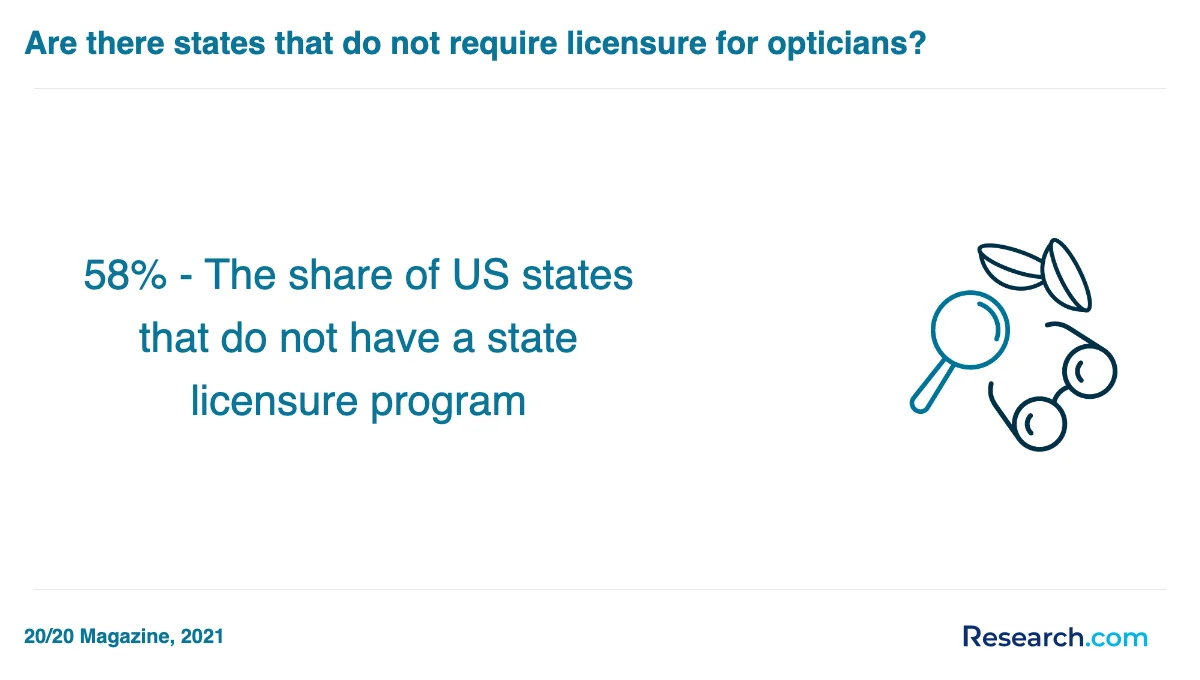
Optician trade school graduates in Ohio have access to diverse optician career opportunities in Ohio, shaped by the state's licensing requirements through the Ohio Optical Dispensers Board. Many graduates begin as Licensed Dispensing Opticians (LDOs), fitting and dispensing eyewear in settings ranging from retail optical stores to private optometry or ophthalmology practices. For example, graduates from popular Ohio trade schools often share how hands-on training helped them confidently assist customers in frame selection and lens fitting in bustling retail environments.
Entry-level roles such as Optical Sales Associate, Optometric Assistant, or Optical Lab Technician offer practical skills and can lead to full licensure. Graduates appreciate how these positions provide foundational experience that builds competence and customer service expertise. Some move into optical laboratories, focusing on manufacturing and repair, while others find satisfaction in independent shops or established vision care chains.
For those career-oriented, advancement to roles like Optical Manager or Store Manager is common, presenting leadership challenges and financial growth. Specializing in contact lens fitting or low-vision aids adds further professional value. Ohio's robust market includes over 140 openings, indicating solid jobs for optician graduates in Ohio and a promising future for motivated individuals focused on this field.
- Start as Licensed Dispensing Opticians in retail or clinical settings
- Gain experience in optometric assistant or lab technician roles
- Advance to store or optical management positions
- Specialize in contact lenses or low-vision aid fitting
For prospective students evaluating their paths, understanding these options is crucial when choosing an Ohio trade school. Many graduates from local programs emphasize the supportive learning environment and strong career services that connect them to employers. You can explore detailed data on trade school careers salary to align your goals with market demand and ensure a rewarding optician career trajectory in Ohio.
What is the job market for optician trade school graduates in Ohio?
The optician job outlook in Ohio 2026 remains promising for graduates of trade school programs. Many report securing roles quickly in cities like Columbus or Dayton, where demand stems from a mixture of urban and suburban employers. Graduates from popular Ohio trade schools often find employment in settings ranging from retail optical stores to ophthalmologists' offices, highlighting diverse career paths available immediately after training.
Ohio's job market offers benefits such as competitive wages, with salaries typically ranging from $16.75 to $27.50 per hour. For example, in Dayton, optician salary trends in Ohio show rates from $19.50 to $27.50 depending on experience and certification levels. Employers value candidates holding certifications or associate degrees, while some provide on-the-job training, easing the transition from education to employment.
Successful graduates frequently share these insights:
- Trade school certification significantly improves chances for entry-level jobs.
- Hands-on experience gained through internships is invaluable for quick hires.
- Career advancement opportunities exist, especially in management or specialized optical sales roles.
Those exploring options should consider the variety of programs available, including online trade school programs for flexible learning tailored to Ohio students balancing work and study.
Frequently Asked Questions about optician
After completing an optician trade school in Ohio, preparing for the job market involves several important steps. First, obtaining state licensure is essential; Ohio requires opticians to pass the American Board of Opticianry (ABO) exam and the Ohio Jurisprudence exam. These certifications validate your skills and increase employability.
Networking is also crucial. Joining professional organizations like the American Opticians Association can provide job leads and industry updates. Additionally, gaining hands-on experience through internships or apprenticeships enhances practical skills and resumes.
According to the U.S. Bureau of Labor Statistics, Ohio's demand for opticians is expected to grow by 7% through 2030, signaling promising job opportunities.
Employers in Ohio seek optician trade school graduates with a strong foundation in both technical and interpersonal skills. Precision in measuring and fitting eyewear is critical, as accuracy directly impacts patient satisfaction and vision quality. According to the Ohio Department of Job and Family Services, attention to detail and manual dexterity rank among the top skills for opticians statewide.
Effective communication is also essential, enabling opticians to explain lens options and frame adjustments clearly to diverse clients. Knowledge of optical technology and familiarity with state licensing requirements further enhance employability.
Graduates who demonstrate problem-solving abilities and a commitment to continuing education tend to have better job prospects within Ohio's competitive optical industry.
Finding internships relevant to an optician trade school program in Ohio involves several strategic steps. Start by contacting your trade school's career services, as many have partnerships with local optical shops and eye care providers. Ohio hosts numerous independent optician businesses and larger chains, such as LensCrafters, that often offer internships.
Utilize online job platforms like Handshake and Indeed, filtering for optician internships specifically in Ohio. Additionally, explore the Ohio Optometric Association's resources, which sometimes list internship opportunities or can connect students with licensed opticians.
Networking is crucial; attending state opticianry events or joining professional groups can open doors. According to the U.S. Bureau of Labor Statistics, Ohio's demand for opticians is expected to grow by 11% through 2032, indicating increasing internship availability in the region.
Obtaining a diploma from an optician trade school in Ohio significantly enhances career mobility by providing essential technical skills and state-recognized credentials. According to the Ohio Department of Higher Education, graduates with trade diplomas experience higher employment rates within their fields compared to those without formal training. This credential allows individuals to qualify for entry-level optician roles and prepares them for licensure exams required by the Ohio Optical Dispensers Board.
Career advancement often depends on both experience and formal education. A diploma can open doors to supervisory positions or specialized roles such as lenscutter or fitting specialist. Additionally, Ohio's growing healthcare sector, projected to increase optician demand by 10% through 2030 per the U.S. Bureau of Labor Statistics, supports upward mobility for trained professionals.
Part-time job opportunities in Ohio that complement optician trade school education primarily include roles in optical retail stores, eye care clinics, and healthcare facilities. Positions such as optical assistants or customer service representatives in eyewear shops provide practical experience with lens fitting and frame adjustments. These jobs enhance skills learned in class and build professional networks.
According to the U.S. Bureau of Labor Statistics, Ohio employed approximately 1,200 opticians in 2023, with many working part-time while completing their training. Additionally, internships or externships at optometry offices often offer paid or unpaid part-time options, allowing students to apply theoretical knowledge in real-world settings.
Such roles improve technical competencies and increase employability upon graduation, making them valuable for students balancing education and work commitments in Ohio.
To find the best Optician degree program near you in Ohio, consider exploring local universities and colleges that offer specialized optician training and optometry programs, as they can provide tailored education and hands-on experience. Searching for programs "near me" with a focus on your geographic location can help narrow down the options that are most accessible to you. Additionally, checking educational resources like Research.com for rankings or reviews of Optician degree programs near Ohio can offer valuable insights into program quality and reputation.
Related Optician Rankings for Nearby States
- Best Optician Training Programs & Trade Schools - Top Optician Schools in Indiana for 2026
- Best Optician Training Programs & Trade Schools - Top Optician Schools in Virginia for 2026
- Best Optician Training Programs & Trade Schools - Top Optician Schools in North Carolina for 2026
- Best Optician Training Programs & Trade Schools - Top Optician Schools in Georgia for 2026
- Best Optician Training Programs & Trade Schools - Top Optician Schools in New Jersey for 2026
- Best Optician Training Programs & Trade Schools - Top Optician Schools in New York for 2026
- Best Optician Training Programs & Trade Schools - Top Optician Schools in Florida for 2026
- Best Optician Training Programs & Trade Schools - Top Optician Schools in Nevada for 2026
- Best Optician Training Programs & Trade Schools - Top Optician Schools in California for 2026
- Best Optician Training Programs & Trade Schools - Top Optician Schools in Washington for 2026
Top Trending Rankings
References
- Internship Program in Optical Technologies and Clinical Optometry - TECH Poland https://www.techtitute.com/pl/medicine/internship-program/internship-program-optical-technologies-clinical-optometry
- Internships and Student Programs | National Eye Institute https://www.nei.nih.gov/grants-and-training/training-nei/internships-and-student-programs
- Optician School | Training | Certified | Salary | Education https://www.opticianedu.org/optician-school/
- Applying as an Intern - The College of Opticians of Ontario - COO https://collegeofopticians.ca/applicants/applying-as-an-intern
- Optometry Summer Programs – ASCO https://optometriceducation.org/diversity/optometry-summer-programs/
- Early Careers in Optometry - Specsavers Careers UK https://join.specsavers.com/uk/discover-optometry
- Internship Program https://www.cvoptical.com/internship
- Optician Part Time Jobs August, 2025 (Hiring Now!) - Zippia https://www.zippia.com/optician-jobs/part-time-jobs/
- How to Become a Licensed Optician in CA https://www.best-trade-schools.net/locations/california/optician-in-ca/
- Learn A Trade - SUNY https://www.suny.edu/trades/


