
Best Optician Training Programs & Trade Schools - Top Optician Schools in Midwest for 2026

Co-Founder and Chief Data Scientist
Choosing the right optician trade school in the Midwest can shape your future career in eye care. This article introduces the best optician trade school programs for 2026, ranked by the Research.com team of data scientists to help you make an informed decision.
Whether you’re starting fresh or seeking certification, finding a reputable program is key. Earning a diploma or certification opens doors to rewarding job opportunities and professional growth.
Explore these top programs and take confident steps toward a bright and fulfilling career in opticianry.
Key benefits of finishing optician trade school in Midwest
- Graduates from optician trade schools in the Midwest can expect starting salaries around $43,456, with experienced opticians earning up to $71,815 annually, offering strong financial stability early in their careers.
- Many graduates find rewarding career paths in retail eyewear, ophthalmology clinics, or optical labs, as seen with alumni from popular Midwest trade schools who quickly secure diverse job roles.
- Completing an optician trade school online provides flexibility and allows students to balance work or family, with online graduates from well-known Midwest programs successfully entering the workforce without the time commitment of traditional degrees.
What can I expect from optician trade schools in Midwest?
Enrolling in an optician trade school program in the Midwest means diving into a well-rounded mix of classroom learning and hands-on practice. Graduates from popular schools like Ivy Tech Community College often describe their days filled with studying optical theory, eye anatomy, and lens technology before moving to practical labs where they fit and measure eyewear. This balance helps build confidence quickly.
Expect to spend a significant portion of your time in clinical practicum or externships at local optometry clinics or eyewear dispensaries. Midwest students commonly complete between 100 and 1,000 supervised hours, gaining real-world experience under licensed professionals. This exposure is invaluable and often mentioned by graduates as a key factor in feeling prepared for the workforce.
Additionally, coursework covers critical skills like interpreting prescriptions and understanding state and federal regulations. Many students appreciate how these programs align with licensing exams such as the ABO and NCLE, making the path to certification clearer and more achievable.
Where can I work after finishing optician trade schools in Midwest?
After finishing an optician trade school program in the Midwest, graduates often find work in optometry offices, ophthalmology clinics, and retail optical stores. These environments blend clinical tasks with customer service, such as helping patients choose eyeglass frames or fitting contact lenses. Many alumni from well-known Midwest trade schools share how they quickly secured roles at private optometry practices or eye care groups, where starting wages range from $13 to $21 per hour based on experience and location.
In cities like Chicago and Kalamazoo, graduates frequently find opportunities with eye care clinics and vision partners, benefiting from steady demand in both urban and smaller markets. Some prefer specialty retail stores focusing on eyeglasses and contact lenses, where strong communication skills and product knowledge are essential. Others enjoy flexible hours working with mobile eye care services, visiting nursing homes and assisted-living facilities, especially in Michigan.
Graduates also pursue roles as ophthalmic or optometric technicians, leveraging their training for diverse career paths. This range of options makes Midwest trade school programs a practical choice for students eager to enter a stable field with multiple employment avenues.
How much can I make after finishing optician trade schools in Midwest?
After completing an optician trade school program in the Midwest, graduates typically start earning around $14 to $16.50 per hour, reflecting entry-level wages seen nationally. For many who train at well-known Midwest trade schools, this means stepping into jobs with solid hourly pay that quickly grows as they gain experience. For example, new opticians from these programs often find positions in Illinois where the average hourly wage is about $19.40, with Chicago offering slightly higher pay near $19.90 an hour.
Graduates often share how starting salaries feel rewarding right out of school, especially in bustling healthcare markets like Chicago. As they earn licenses and sharpen skills, their wages can rise to $25 or more per hour, with some seasoned opticians making close to $38 an hour. This progression can boost annual incomes beyond $50,000, making the trade school investment worthwhile for those focused on stable, growing careers in the Midwest's optical industry.
Best Optician Training Programs & Trade Schools - Top Optician Schools in Midwest for 2026
# 1 position
Cuyahoga Community College District - Opticianry/Ophthalmic Dispensing Optician.
associateThe Opticianry/Ophthalmic Dispensing Optician program at Cuyahoga Community College District offers a hybrid format with some distance education. It trains students to fit and adapt corrective eyewear, assist with frame selection, and prepare work orders. The curriculum covers optics, eye anatomy, prescription interpretation, contact lens fitting, and administrative tasks. The program is accredited by the Higher Learning Commission. Annual in-state tuition is $3,736.
# 2 position
Ivy Tech Community College - Opticianry/Ophthalmic Dispensing Optician.
associateIvy Tech Community College offers a hybrid Opticianry/Ophthalmic Dispensing Optician program that trains students to fit corrective eyewear and assist patients in frame selection. The curriculum covers ophthalmic optics, eye anatomy, prescription interpretation, contact lens fitting, and administrative skills. The program is accredited by the Higher Learning Commission. Annual in-state tuition costs $4,912, providing an affordable path to gain essential technical and patient care skills in this field.
# 3 position
Cuyahoga Community College District - Opticianry/Ophthalmic Dispensing Optician.
certificate or diplomaThe Opticianry/Ophthalmic Dispensing Optician program at Cuyahoga Community College District prepares students to fit corrective eyewear, assist in frame selection, and prepare work orders for ophthalmic technicians. This hybrid program includes instruction in optics, eye anatomy, prescription interpretation, contact lens fitting, and administrative tasks. Annual in-state tuition is $3,736. The program is accredited by the Higher Learning Commission.
# 4 position
Ivy Tech Community College - Opticianry/Ophthalmic Dispensing Optician.
certificate or diplomaIvy Tech Community College offers a hybrid Opticianry/Ophthalmic Dispensing Optician program that prepares students to fit and adapt corrective eyewear as prescribed by ophthalmologists or optometrists. The curriculum covers geometrical optics, anatomy of the eye, prescription interpretation, contact lens fitting, and patient and business administrative tasks. The program’s annual in-state tuition is $4,912 and is accredited by the Higher Learning Commission.
Key Findings
- Optician trade school programs in the Midwest generally require a high school diploma or GED and applicants must be at least 18 years old.
- Many states do not require optician licensing, but certification from the American Board of Opticianry (ABO) and National Contact Lens Examiners (NCLE) is preferred by employers.
- Tuition for Midwest optician programs ranges from $2,000 to $15,000, with some schools charging extra for textbooks and materials.
- Entry-level opticians earn between $33,000 and $42,000 per year, while experienced opticians can make over $55,000 annually in larger cities or with extra certifications.
- Completing an accredited trade school program prepares students for national certification exams recognized by employers across the Midwest.
How long does it take to complete optician trade schools in Midwest?
Optician trade school programs in the Midwest typically take between 9 months to 2 years to complete, depending on whether you choose a certificate or an associate degree track. Many trade schools in this region offer flexible schedules that allow students to balance work and study, which is especially helpful for those managing family or part-time jobs.
Graduates from popular Midwest trade schools often share how quickly they were able to gain practical skills and start working in optical stores or clinics. For example, a graduate from a well-known Illinois trade school mentioned finishing their program in just under a year, which allowed them to enter the workforce with confidence and solid hands-on experience.
Programs usually combine classroom learning with lab work, giving students a real feel for fitting lenses and adjusting frames. This fast-paced yet manageable timeline helps students stay motivated and see their progress, making the whole experience feel rewarding and achievable.
What's the difference between online and on-campus optician trade school programs?
Online optician trade school programs in the Midwest stand out for their flexibility, letting students study at their own pace from home. Graduates often praise how they could balance coursework with jobs or family, using digital platforms filled with videos and quizzes. For instance, those enrolled in programs linked with OpticianWorks found the open enrollment convenient, starting whenever they were ready. However, these students still needed hands-on experience, usually by completing 100 to 1,000 supervised hours at local optical shops through externships or apprenticeships. This blend made learning practical skills manageable without full-time campus attendance.
On the other hand, on-campus programs require you to attend classes and labs regularly at Midwest trade schools. Graduates often mention the benefit of real-time interaction with instructors and peers, which helped them grasp complex techniques faster. The structured schedule and direct access to specialized equipment create a focused environment that many find motivating. While less flexible, this format suits those who thrive on routine and hands-on mentorship during their optician training.
What is the average cost of optician trade schools in Midwest?
The average tuition fees for optician programs in the Midwest vary widely depending on the type of program and specific state. For example, one-year diploma programs typically cost between $600 and $4,000, making them an affordable option for students eager to enter the field quickly. Many graduates from well-known trade schools in Illinois and Missouri recall feeling motivated by the manageable tuition costs combined with solid hands-on training.
Two-year associate degree programs, often preferred for their depth and accreditation, usually range from $4,000 to over $10,000. In states like Kansas and Missouri, the average tuition and fees for trade schools hover around $15,500 to $15,600 per year, which can seem steep but typically include comprehensive materials and experienced instruction. Graduates from these programs often express satisfaction, noting that the investment translates into better job prospects and readiness.
Besides tuition, the cost of optician diploma programs in Midwest states includes roughly $300 to $800 annually for books and supplies. Living expenses add another layer, with places like Kansas averaging about $22,400 per year for housing, food, and essentials. Many students have shared how budgeting carefully in these areas helped them manage the overall costs while staying focused on coursework.
Additionally, some Midwest states mandate optician licensure exams, such as the National Opticianry Competency Exam or the Contact Lens Registry Examination, each costing around $150. For those planning ahead, these fees are a necessary step towards certification. Those interested in complementary career paths might explore a construction manager trade school as well for future flexibility in trades.
What financial aid is available for optician trade schools in Midwest?
Optician trade school students in the Midwest can tap into various financial aid options to make their education more affordable. Most start by completing the Free Application for Federal Student Aid (FAFSA), which opens doors to Pell Grants, Federal Direct Loans, and Federal Work-Study programs. For instance, graduates from Midwest Technical Institute often share how federal aid helped them cover tuition without overwhelming debt, noting that the school allows FAFSA submissions up until the program's start date, giving flexibility to late deciders.
State aid is also crucial. In Iowa, eligible students must complete both FAFSA and the Iowa Financial Aid Application by March 1 to access state scholarships. Many recent graduates recall this deadline as key to securing extra funding that eased their financial stress during training.
Scholarships add another layer of support. The American Optometric Association's $1,500 Opportunities in Optometry Grant is a popular example, especially among underrepresented minority students aiming to enter opticianry. Trade schools frequently encourage students to explore scholarships tied to academic performance, community involvement, or financial need.
Consulting the financial aid office at your chosen Midwest trade school is a smart move to uncover all available resources and deadlines early, increasing your chances of receiving aid that makes your optician education achievable.
What are the prerequisites for enrolling in optician trade schools in Midwest?
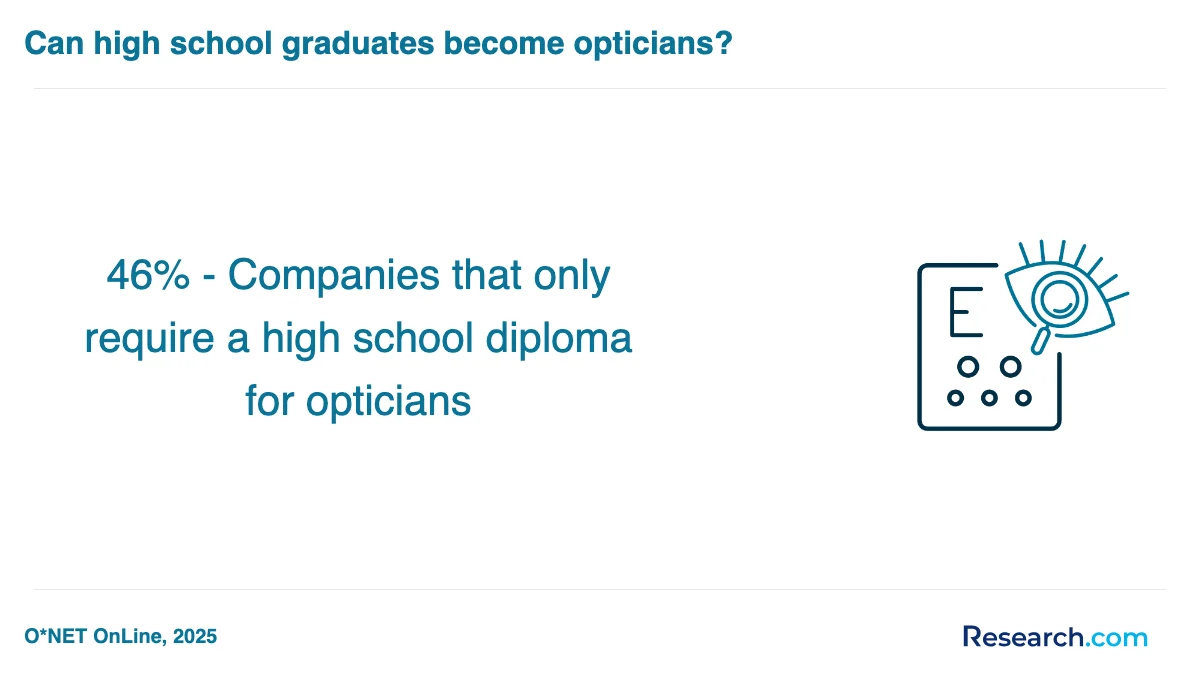
To enroll in an optician trade school program in the Midwest, candidates typically need a high school diploma or GED. This baseline ensures you have the foundational skills necessary for technical training. Graduates from well-known Midwest trade schools often mention that meeting this requirement was straightforward but essential for success.
Some programs may require or recommend basic proficiency in math and science, as these subjects are crucial for understanding lens measurements and eye anatomy. For example, students at popular Midwest institutions recall that brushing up on algebra helped them feel more confident during coursework.
Additionally, many schools ask for a completed application and sometimes an interview or placement test. This step helps assess your readiness and commitment. Graduates often describe this process as a positive opportunity to express their passion for eye care and clarify their goals.
Common prerequisites include:
- High school diploma or GED
- Basic math and science skills
- Completed application and possible interview or test
These realistic expectations make the journey manageable and set you up for a fulfilling career as an optician in the Midwest. Knowing what's required upfront lets you prepare effectively and start your training with confidence.

What are the typical courses in optician trade schools in Midwest?
Optician trade school programs in the Midwest typically include a mix of theoretical and practical courses designed to prepare students for real-world roles. Graduates from popular Midwest trade schools often recall how foundational classes in eye anatomy and eye physiology helped them understand the essentials of vision health before moving on to complex topics.
Core courses usually cover:
- Anatomy and physiology of the eye, including common conditions like refractive errors and strabismus
- Optical theory and lens technology, teaching how to read prescriptions and understand lens functions
- Hands-on frame styling, fitting, and adjustment skills
- Contact lens fitting for both soft and gas-permeable lenses
- Essential dispensing practices to ensure patient satisfaction
- Basic math tailored for opticians, along with legal and ethical standards
Many students share how practicing with tools like the manual lensometer in labs made the transition to jobs smoother. The coursework also includes preparation for certification exams like ABO and NCLE, which are crucial for licensure in Midwest states. This hands-on, exam-focused approach taken by trade schools ensures graduates feel confident stepping into private practices or retail optical environments.
What are the available specializations in optician trade schools in Midwest?
Optician trade school programs in the Midwest offer a variety of practical tracks tailored to real-world career goals. Graduates from well-known Midwest institutions often highlight the value of choosing from several focused pathways within their training. A popular direction is contact lens fitting and management, where students gain confidence in fitting various lenses, including specialty ones for astigmatism or keratoconus, preparing them for the NCLE certification exam.
Another major area involves ophthalmic lens design and dispensing. Here, students get hands-on experience selecting materials and coatings while mastering the latest digital lens technologies. This specialization appeals to those eager to work with cutting-edge tools and assist patients with unique vision needs.
Midwest optician trade school concentrations also include pediatric opticianry, helping graduates develop skills for fitting children's eyewear and understanding developmental vision care. Vision rehabilitation trains students to support patients with low vision using adaptive devices.
Some schools in larger cities add electives like optical business management, ideal for those aiming to run or support optical practices efficiently. These options reflect a broad scope of practical skills essential for success.
Exploring what are considered trade jobs can further clarify career opportunities in this field for students committed to hands-on, specialized training.
How do you choose the best optician trade school program in Midwest?
When choosing the best optician programs in Midwest, focus first on accreditation and hands-on training. Graduates from programs like those at Indiana University praise the quality curriculum accredited by multiple bodies, ensuring readiness for certification exams and real-world skills. Consider schools that provide practical experience, such as Triton College in Illinois, where students find flexible scheduling valuable when balancing work and study. Their graduates often highlight how accessible location and convenient transportation made daily commutes easy, which matters for students within the Midwest region.
Cost is another key factor. For example, Madison Area Technical College offers affordable tuition that appeals to many local students seeking quality training without excessive debt. Also, examine employment connections; Triton College's strong industry ties help graduates confidently enter a growing job market.
Finally, understanding licensing and certification requirements prepares you for success. To compare trade schools vs college options effectively, consider all these factors carefully to find the top optician schools in Midwest that fit your goals.
What career paths are available for optician trade school graduates in Midwest?
Graduates of optician trade school programs in the Midwest find a variety of optician job opportunities in the Midwest that suit different skills and interests. Many begin as dispensing opticians in retail shops or medical offices, where they fit glasses and contacts directly with customers. For example, graduates from popular trade schools often share how rewarding it is to help clients pick the perfect frames, making a real impact in their daily lives.
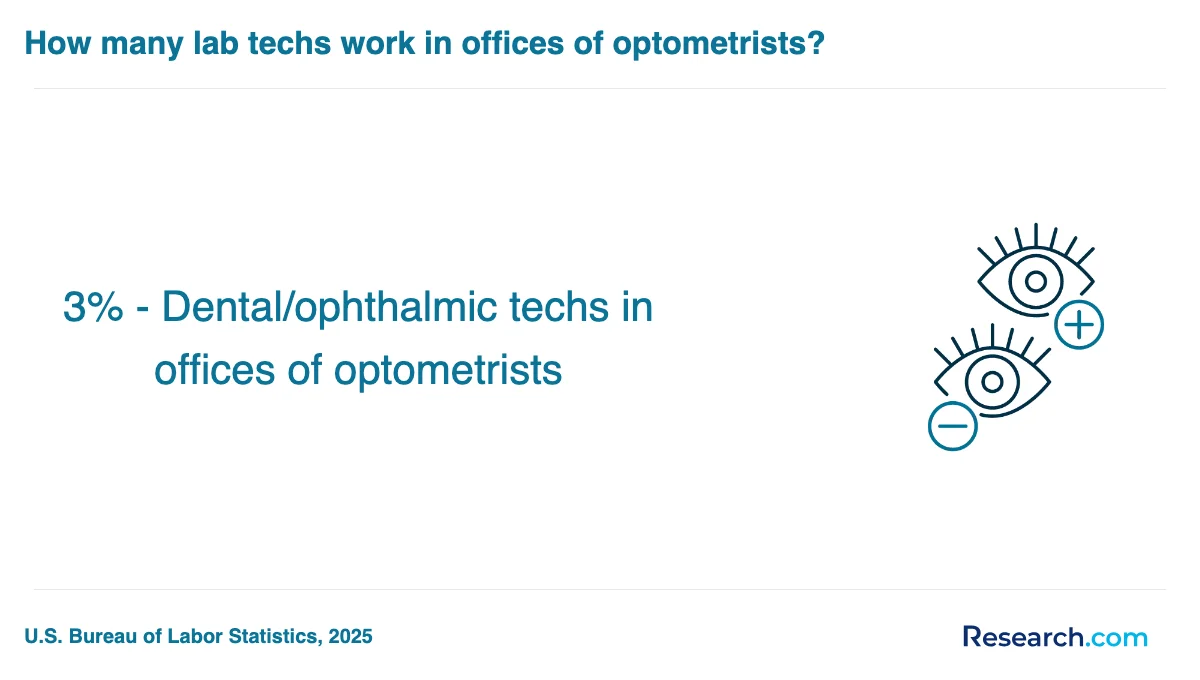
Others move into specialized roles like ophthalmic medical or laboratory technicians, working behind the scenes with eye exams and lens production. These positions provide steady employment, especially in states like Illinois and Missouri.
Career paths for optician graduates in Illinois and Missouri also include supervisory roles or focusing on contact lens fitting, offering higher responsibility and pay. Some graduates even pursue becoming optometrists, a demanding but lucrative path.
Many appreciate that a solid foundation in a trade school-well explained in trade school and vocational school differences research-allows flexibility to explore these diverse career options.
What is the job market for optician trade school graduates in Midwest?
The optician job outlook in Midwest remains steady, with growth fueled by retirements and evolving consumer needs. Graduates from popular optician trade schools in the region often report early success finding jobs in private practices, retail optical stores, or medical offices. Many share stories about quickly adapting skills learned in their programs to handle rising demands for lenses, contact lenses, and lens add-ons-segments growing rapidly in Midwest optical retail.
Average wages support a comfortable lifestyle; for example, optician salaries in Midwest typically hover around $16.83 hourly in states like Michigan, reflecting competitive pay enhanced by the region's affordable housing market. Graduates appreciate how this balance of wages and living costs enables them to plan for the future confidently.
Hands-on training through trade school programs makes graduates well-prepared for real-world challenges, such as the increasing interest in myopia management. Those seeking to boost employability often compare programs on the list of the best trade school in usa.
- Stable demand due to sustained optical service needs
- Growing job openings-about 7,400 annually nationwide
- Opportunities tied to evolving eyewear and clinical care trends
Frequently Asked Questions about optician
After completing an optician trade school in the Midwest, preparing for the job market involves several key steps. First, graduates should pursue certification, such as the American Board of Opticianry (ABO) and the National Contact Lens Examiners (NCLE), which are often required by employers in states like Illinois and Ohio. According to the Bureau of Labor Statistics, optician employment in the Midwest is expected to grow by 10% through 2030, indicating a healthy demand.
Networking through local optician associations and attending job fairs can also provide valuable connections. Additionally, building a strong resume that highlights hands-on training and internships gained during school increases hiring prospects. Finally, staying updated on state licensure requirements is essential for legal employment.
Employers in the Midwest seek several key skills when hiring graduates from optician trade schools. First, strong technical abilities are essential, including proficiency in lens fitting, frame adjustments, and understanding of optical instruments. According to the Bureau of Labor Statistics, attention to detail significantly impacts job performance in this field.
Communication skills are also highly valued, as opticians must explain lens options and care instructions clearly to clients. Additionally, knowledge of state regulations and certification requirements is important, given that many Midwest states require opticians to be licensed.
Problem-solving skills and customer service experience further enhance employability, helping graduates meet diverse client needs effectively.
Finding internships related to optician trade school programs in the Midwest involves several strategic steps. Start by contacting the career services departments of your trade school, as many maintain partnerships with local optical stores and eye care centers. According to the American Optometric Association, approximately 40% of optician internships in the Midwest occur through such school-industry collaborations.
Next, explore state optician licensing boards and professional associations like the Illinois Optometric Association or Ohio Optometric Association, which often list internship opportunities. Networking through these organizations can connect you with employers seeking interns.
Additionally, online job platforms and local health clinics may post relevant openings. Securing an internship enhances practical skills and increases employability after graduation.
Obtaining a diploma from an optician trade school in the Midwest can significantly enhance career mobility and advancement opportunities. According to the Bureau of Labor Statistics (BLS, 2023), opticians with formal training and certifications tend to have higher employment rates and better wages compared to those without such credentials. Trade school programs provide practical skills and prepare students for licensure exams required in many Midwestern states, which is crucial for professional recognition.
Graduates often find entry-level positions more accessible and have a clearer path to supervisory roles or specialized fields like contact lens fitting. The Midwest's growing healthcare market, especially in states like Illinois and Ohio, shows a steady demand for trained opticians, supporting upward mobility.
The National Center for Education Statistics (NCES) reports that career-focused diplomas in technical fields can increase earnings by 15-20% within five years post-completion. This benefit applies notably in regions with established healthcare infrastructure, such as the Midwest.
Part-time job opportunities in the Midwest that complement optician trade school education often include roles in retail optical shops, eye care clinics, and healthcare facilities. Working as an optical assistant or sales associate allows students to gain hands-on experience with eyewear fitting, frame adjustments, and customer service. According to the U.S. Bureau of Labor Statistics, the demand for opticians in the Midwest is expected to grow by about 8% through 2032, indicating good job prospects.
Many students also find internships or part-time roles at ophthalmology offices, where they learn about lens prescriptions and patient care. These jobs provide practical skills that align well with trade school curricula. Additionally, some employers offer flexible hours, which helps students balance work and study effectively.
There are numerous universities and community colleges that offer reputable optician degree programs, with several options potentially available near your location. Many of these institutions are near Midwest regions, where students can pursue both associate and bachelor’s degree programs in optical sciences and dispensing. For additional information on which programs might be best suited for your career goals, Research.com can serve as a helpful resource to explore options near me.
Top Trending Rankings
References
- Optician Certification Training - Gwinnett Technical College https://gwinnetttech.edu/online-continuing-education/optician-certification-training/
- Optician https://www.sait.ca/programs-and-courses/diplomas/optician
- Optical Training Institute - Optician Training & Continuing Ed https://opticaltraining.com/
- Online Optician Certification Training from Hennepin Technical College https://careertraining.hennepintech.edu/training-programs/optician-certification-training-course-online/
- Online Optician Certification Training | Volunteer State Community College https://www.volstate.edu/workforce/online/optician-certification
- Online Optician School- Program Overview | Penn Foster https://www.pennfoster.edu/programs/healthcare/optician-career-diploma
- Online Optician Certification Training – BMCC https://www.bmcc.cuny.edu/ce/online-courses/online-optician-certification-training/
- Licensed Optician Diploma Program | Stenberg College https://stenbergcollege.com/program/licensed-optician/
- Optician salary in Indiana ‐ CareerExplorer https://www.careerexplorer.com/careers/optician/salary/indiana/
- Optician Salary | Optician Average Salary | Licensed Optician Salary https://www.opticianedu.org/salaries/


