
Best Optician Training Programs & Trade Schools - Top Optician Schools in South for 2026

Co-Founder and Chief Data Scientist
Choosing the right optician trade school in the South can shape your future career and open doors to rewarding opportunities. This article features an optician trade school programs ranking created by the Research.com team of data scientists to help you make an informed choice.
Discover programs that match your goals and learn about the benefits of earning a diploma or certification in this growing field. Whether you’re starting fresh or seeking to advance, this guide offers valuable insights to support your journey.
Take the first step toward a bright and fulfilling career in opticianry.
Key benefits of finishing optician trade school in South
- Graduates from optician trade schools in South Carolina can expect starting salaries around $29,000 to $43,000, with experienced professionals earning up to $64,000, offering a strong return on investment.
- Many graduates find rewarding careers in retail opticianry, ophthalmic labs, or healthcare settings, as seen with alumni from Midlands Technical College who quickly secure stable, fulfilling jobs.
- Completing an optician trade school online provides flexibility and allows students, like those from Palmetto Online, to balance work and study while gaining the same valuable skills as traditional programs.
What can I expect from optician trade schools in South?
Enrolling in an optician trade school program in the South means immersing yourself in a curriculum tailored to equip you for state licensure and practical work. Graduates from schools like Broward College and Hillsborough Community College often reflect on how the focused courses-covering eye anatomy, refractive errors, and contact lens fitting-built a solid foundation. Imagine spending hours mastering optical mathematics and learning to handle diagnostic equipment, which quickly transforms theory into hands-on skills.
Many students appreciate the real-world experience gained through externships with local optical businesses, where classroom concepts come alive. For example, a graduate recalls how fitting lenses during a clinical rotation boosted confidence and readiness for professional challenges. Admission requires a high school diploma or GED, and those opting for online or hybrid formats must be comfortable with technology and reliable internet.
Completing approved programs can even reduce apprenticeship time, as seen in Florida, where it substitutes for one year of on-the-job training. Graduates often feel a sense of accomplishment preparing for the ABO and NCLE certification exams, knowing they're steps closer to fulfilling licensure requirements across the Southern states.
Where can I work after finishing optician trade schools in South?
Graduates from optician trade schools in the South often find themselves welcomed into diverse and rewarding workplaces. Many begin their careers in retail optical stores like LensCrafters or Walmart Vision Center, where they gain hands-on experience fitting and dispensing eyewear while building strong customer relationships. This entry-level work is both challenging and gratifying, as recent graduates share how rewarding it feels to help someone see clearly for the first time.
Others take paths into medical centers or ophthalmology clinics, such as Lexington Medical Center or Clemson Eye, where teamwork with eye care professionals offers deeper insight into patient care. Graduates from notable Southern trade schools often describe this environment as an enriching blend of technical skill and compassionate service.
Some opt to join independent optometry practices or corporate eye care providers, advancing to specialized roles like ophthalmic technician or assistant manager. The variety of options in the South's job market means graduates can tailor their careers to fit their passions and strengths, making the journey from student to professional both exciting and fulfilling.
How much can I make after finishing optician trade schools in South?
After finishing an optician trade school program in the South, many graduates find themselves stepping into a promising salary range that reflects their new skills and certifications. Typically, starting salaries hover around $34,000 to $48,000 annually, with potential growth up to $67,000 or more as experience and licensing increase. For example, graduates from well-known Southern trade schools often share stories of landing jobs near or above the national average of about $54,000, feeling both proud and motivated by their rapid progress.
Hourly wages for licensed opticians in the region usually fall between $19 and $29, which can translate into steady, reliable income especially for those working full-time. Those working in urban areas like Atlanta or Charlotte often report salaries at the higher end, while rural placements may start closer to entry-level figures.
Many graduates highlight how gaining additional certification or licensure after school boosted their confidence and earnings, making the investment in their education feel truly worthwhile. The sense of accomplishment and financial independence after completing a Southern optician program resonates deeply with new professionals eager to grow.
Best Optician Training Programs & Trade Schools - Top Optician Schools in South for 2026
# 1 position
Durham Technical Community College - Opticianry/Ophthalmic Dispensing Optician.
associateDurham Technical Community College offers a hybrid Opticianry/Ophthalmic Dispensing Optician program that prepares students to fit corrective eyewear and assist patients in frame selection. The curriculum covers optics, eye anatomy, prescription interpretation, and contact lens fitting. Annual in-state tuition is $1,986. Graduates earn a median of $61,860 one year after completion. The program is accredited by the Southern Association of Colleges and Schools Commission on Colleges.
# 2 position
Southwestern Community College - Opticianry/Ophthalmic Dispensing Optician.
associateSouthwestern Community College offers the Opticianry/Ophthalmic Dispensing Optician program, preparing students to fit corrective eyewear and assist patients in frame selection. The curriculum covers geometrical and ophthalmic optics, eye anatomy, contact lens fitting, and prescription interpretation. Students also learn optical instrumentation, prosthesis fitting, pathology identification, and administrative tasks. The program’s annual in-state tuition is $5,806 and is accredited by the Southern Association of Colleges and Schools Commission on Colleges.
# 3 position
Wiregrass Georgia Technical College - Opticianry/Ophthalmic Dispensing Optician.
associateWiregrass Georgia Technical College offers a hybrid Opticianry/Ophthalmic Dispensing Optician program that trains students to fit corrective eyewear and assist patients in frame selection. The curriculum covers geometrical optics, anatomy of the eye, prescription interpretation, contact lens fitting, and prosthesis adaptation. Students also learn laboratory work orders, adjustment tools, and business tasks. The program's annual in-state tuition is $3,212 and is accredited by the Southern Association of Colleges and Schools Commission on Colleges.
# 4 position
Miami Dade College - Opticianry/Ophthalmic Dispensing Optician.
associateThe Opticianry/Ophthalmic Dispensing Optician program at Miami Dade College is a hybrid program preparing students to fit corrective eyewear and assist patients in frame selection. It covers optics, eye anatomy, prescription interpretation, contact lens fitting, and administrative tasks. Accredited by the Southern Association of Colleges and Schools Commission on Colleges, the program has an annual in-state tuition of $2,838. Median earnings one year after completion are $57,932.
# 5 position
Ogeechee Technical College - Opticianry/Ophthalmic Dispensing Optician.
associateOgeechee Technical College offers a hybrid Opticianry/Ophthalmic Dispensing Optician program that trains students to fit corrective eyewear and assist patients in frame selection. The curriculum covers optics, anatomy of the eye, prescription interpretation, contact lens fitting, and administrative tasks. The program includes practical skills in adjustment, cleaning tools, and pathology identification. Annual in-state tuition is $3,170. It is accredited by the Southern Association of Colleges and Schools Commission on Colleges.
# 6 position
Daytona State College - Opticianry/Ophthalmic Dispensing Optician.
associateDaytona State College offers a hybrid Opticianry/Ophthalmic Dispensing Optician program designed to prepare students for fitting corrective eyewear as prescribed by ophthalmologists or optometrists. The curriculum covers optical instrumentation, prescription interpretation, contact lens fitting, prosthesis adaptation, and patient care. Annual in-state tuition is $3,106. The program is accredited by the Southern Association of Colleges and Schools Commission on Colleges.
# 7 position
Hillsborough Community College - Opticianry/Ophthalmic Dispensing Optician.
associateHillsborough Community College offers a fully online Opticianry/Ophthalmic Dispensing Optician program preparing students to fit corrective eyewear and assist patients in frame selection. The curriculum includes geometrical optics, contact lens adaptation, prescription interpretation, and patient and business administrative tasks. The program is accredited by the Southern Association of Colleges and Schools Commission on Colleges. Annual in-state tuition is $2,506, with median earnings of $48,106 one year after completion.
# 8 position
Hillsborough Community College - Opticianry/Ophthalmic Dispensing Optician.
certificate or diplomaThe Opticianry/Ophthalmic Dispensing Optician program at Hillsborough Community College is fully online and prepares students to fit corrective eyewear prescribed by ophthalmologists or optometrists. The curriculum covers optics, eye anatomy, prescription interpretation, contact lens fitting, and patient and business administration. Annual in-state tuition is $2,506. Graduates have a median earnings of $48,106 one year after completion. The program is accredited by the Southern Association of Colleges and Schools Commission on Colleges.
# 9 position
Broward College - Opticianry/Ophthalmic Dispensing Optician.
associateBroward College offers a hybrid Opticianry/Ophthalmic Dispensing Optician program that trains students to fit corrective eyewear and assist with frame selection. The curriculum covers geometrical and ophthalmic optics, eye anatomy, prescription interpretation, contact lens fitting, and related administrative tasks. The program includes hands-on skills in adjustment and cleaning tools. Annual in-state tuition is $2,830. It is accredited by the Southern Association of Colleges and Schools Commission on Colleges.
# 10 position
Southwest Virginia Community College - Opticianry/Ophthalmic Dispensing Optician.
certificate or diplomaSouthwest Virginia Community College offers a hybrid Opticianry/Ophthalmic Dispensing Optician program that prepares students to fit corrective eyewear and assist patients in frame selection. The curriculum covers optics, eye anatomy, prescription interpretation, contact lens fitting, and administrative tasks. Annual in-state tuition is $4,901. The program is accredited by the Southern Association of Colleges and Schools Commission on Colleges.
Key Findings
- A high school diploma or GED is required to enter most optician trade school programs in the South.
- Certificate programs usually take about one year, while associate degrees require around two years to complete.
- Some states like Florida and Tennessee allow program hours to count toward apprenticeship requirements, with up to 2,080 and 1,750 hours respectively.
- Licensing requirements vary by state and may include passing ABO and NCLE exams, state exams, or completing apprenticeships.
- Certificate program costs range from $2,000 to $10,000, with associate degrees generally costing more, especially at private schools.
- Entry-level opticians in the South earn between $32,000 and $38,000 annually, with experienced professionals making up to $50,000 or more.
How long does it take to complete optician trade schools in South?
Completing an optician trade school program in the South typically takes about one year, though some programs may extend up to 18 months depending on the curriculum and part-time options. Graduates from well-known Southern trade schools often reflect on how this focused timeframe allowed them to quickly gain hands-on skills without the lengthy commitment of a traditional college degree.
Many students share stories of balancing work and study, appreciating that the structured yet flexible schedules made it possible to learn the essential craft of fitting and dispensing eyewear efficiently. For example, those attending popular Southern trade schools mention how their programs combine classroom learning with practical labs, creating a dynamic environment that keeps motivation high throughout the course.
This relatively short duration also means graduates can step into the workforce sooner, feeling confident and prepared. The fast-paced journey often brings a sense of accomplishment and excitement, as students see their skills develop with each session, making the experience both rewarding and realistic for those eager to start their careers in optical services.
What's the difference between online and on-campus optician trade school programs?
Online and on-campus optician trade school programs in the South differ mainly in how students experience their education. Graduates from popular Southern trade schools often describe online programs as highly flexible-allowing them to study from home or work around busy schedules. These programs typically take 6 to 8 months and cost around $2,000, making them accessible for many. However, even online students recall the importance of hands-on experiences, like spending time in optical labs or completing externships with 100 to 1,000 hours of supervised practice, which connect theory to real-world skills.
On-campus graduates, in contrast, emphasize the value of face-to-face learning and immediate feedback from instructors. Attending scheduled classes and labs on campus fosters a sense of community and direct mentorship. Many Southern community colleges blend online coursework with mandatory on-site labs and internships, creating a balanced approach that suits those who thrive in structured environments.
Both paths prepare students for essential certifications like the ABO and NCLE, but the choice often hinges on personal learning style and lifestyle needs.
What is the average cost of optician trade schools in South?
The average tuition fees for optician programs in the South can vary widely depending on the educational path chosen. Many students find that opting for a one-year diploma program at a local trade school offers a more affordable entry into the field, with costs often ranging from $3,000 to $6,000. Graduates of these programs frequently share how this shorter commitment allowed them to quickly start working while feeling confident about their skills.
Conversely, associate degree programs, which typically span two years, see tuition rise closer to $8,000 to $10,000, especially at more established community colleges or specialized institutions within Southern states. Students across these programs often reflect positively on the deeper knowledge and clinical experience they gained, which helped them feel thoroughly prepared for their licensing exams and eventual careers.
Beyond tuition, it's essential to factor in other expenses such as books, tools, and licensing exams like the ABO and NCLE, each costing about $150. Considering the total cost paints a realistic picture for anyone exploring the cost of optician trade school diplomas in Southern states. Many hopeful opticians in the South find support through financial aid and scholarships available at their schools, and for those looking to balance education with other commitments, exploring community college online options can offer flexibility and cost savings. These choices often inspire a sense of accomplishment and optimism about future opportunities in the field.
What financial aid is available for optician trade schools in South?
Optician trade school students in the South often find relief through a variety of financial aid options tailored to their unique needs. Many graduates recall how federal grants, like the Pell Grant, helped bridge the gap between tuition costs and their limited budgets, especially at well-known Southern trade schools. These grants consider financial need and enrollment status, making them accessible to those dedicated to their optician training.
State-based scholarships and tuition grants also play a crucial role. Students attending popular Southern programs share stories of receiving merit-based awards that recognized their academic effort, easing financial pressure and boosting their confidence to focus on hands-on learning.
Institutional scholarships, such as those from the American Optometric Association, offer targeted support. Graduates appreciate how the $1,500 AOA/AOSA grant specifically uplifts underrepresented minorities, fostering a sense of belonging and encouragement in the field.
Work-study opportunities provide hands-on experience while earning income, a benefit many Southern trade school students find invaluable. Meanwhile, federal and private loans remain a practical resource, though graduates advise borrowing cautiously to avoid future debt stress.
Using the Net Price Calculator before enrollment is a frequent recommendation among Southern students for clear financial planning and peace of mind.
What are the prerequisites for enrolling in optician trade schools in South?
Enrolling in an optician trade school program in the South typically requires a few clear prerequisites that prepare prospective students for success. Most programs expect applicants to have a high school diploma or a GED, which serves as a foundational stepping stone. Graduates often recall that this basic educational background helped them confidently tackle the technical coursework ahead.
Beyond formal education, trade schools in the South commonly look for candidates who demonstrate strong communication skills and an aptitude for detail-oriented work. For example, students from popular Southern trade schools describe how their ability to engage empathetically with clients and focus during hands-on training made a significant difference in their learning experience.
Other common prerequisites include:
- Passing an entrance exam or placement test to assess basic math and reading skills
- Providing letters of recommendation or a brief personal statement explaining motivation to pursue opticianry
- Being at least 18 years old, aligning with licensing requirements in many Southern states
These prerequisites ensure that students arrive ready to embrace the challenges and rewards of an optician career, just as many graduates from Southern trade schools reflect on their own journey with pride and enthusiasm.
What are the typical courses in optician trade schools in South?
Optician trade school programs in the South offer a carefully designed curriculum that balances theory and practical skills, preparing students to confidently enter the workforce. Graduates often recall the rewarding challenge of mastering optical theory and eye physiology, foundational courses that explain how light interacts with the eye and the intricate workings of vision. These fundamental lessons make the complex world of lenses and frames much more approachable.
Students at well-known Southern trade schools describe hands-on lab sessions where they practice:
- Reading and interpreting prescriptions for refractive errors
- Working with diverse lens materials and ophthalmic lens designs
- Fitting and adjusting frames to suit individual face shapes
- Contact lens fitting, a crucial skill for passing the NCLE exam
- Using specialized instrumentation while understanding regulatory guidelines
Many find the customer service and patient care training equally valuable, as it builds the confidence to interact warmly and professionally with clients. This blend of technical knowledge and real-world practice is what Southern trade schools emphasize, fostering both competence and pride in their students' journey toward becoming licensed opticians.
What are the available specializations in optician trade schools in South?
Optician trade school specializations in Southern United States often include core subjects designed to build practical and technical skills essential for success. Graduates from programs like Miami Dade College's Associate in Science appreciate the hands-on experience in areas such as:
- Geometric optics, crucial for understanding lens behavior in real-world applications
- Ocular anatomy, which helps students grasp the structure and function of the eye
- Dispensing, teaching precise fitting and adjustment of eyewear
- Fabrication, involving crafting lenses tailored to prescriptions
- Refractometry, focusing on measuring refractive errors accurately
- Contact lenses, covering both fitting and patient management
Such optician program specializations in Southern states are designed to prepare students thoroughly for immediate entry into the workforce, reflecting the positive feedback from graduates about their readiness in professional settings.
Exploring the differences between a vocational school vs college can also help future students decide which path aligns best with their personal and career goals while studying optician programs in the South.
How do you choose the best optician trade school program in South?
Choosing from the best optician trade schools in Southern United States requires careful attention to accreditation and curriculum quality. Graduates from programs like Broward College speak highly of the hands-on Vision Care Technology experience, which blends theory with practical internships, making learning feel relevant and exciting. Knowing that the curriculum covers essential areas such as optics and dispensing procedures reassures many students as they prepare for rewarding careers.
Location plays a significant role for students balancing work and study. For example, those attending Hillsborough Community College appreciate the flexibility of online courses, allowing them to manage their time effectively while pursuing their goals. When exploring how to select top optician programs in Southern states, licensing preparation is vital; programs in Georgia and Florida often emphasize readiness for ABO and NCLE exams, boosting confidence for career entry.
Financial aid options offered by accredited schools help ease the burden of tuition, leaving students more focused on mastering skills. Many graduates value the strong job placement support found at institutions like Georgia Piedmont Technical College, where career counseling and networking opportunities generate optimism about future employment. For those seeking easy online trade programs that leads to high paying jobs, detailed research and firsthand feedback from current students provide reassuring guidance.
What career paths are available for optician trade school graduates in South?
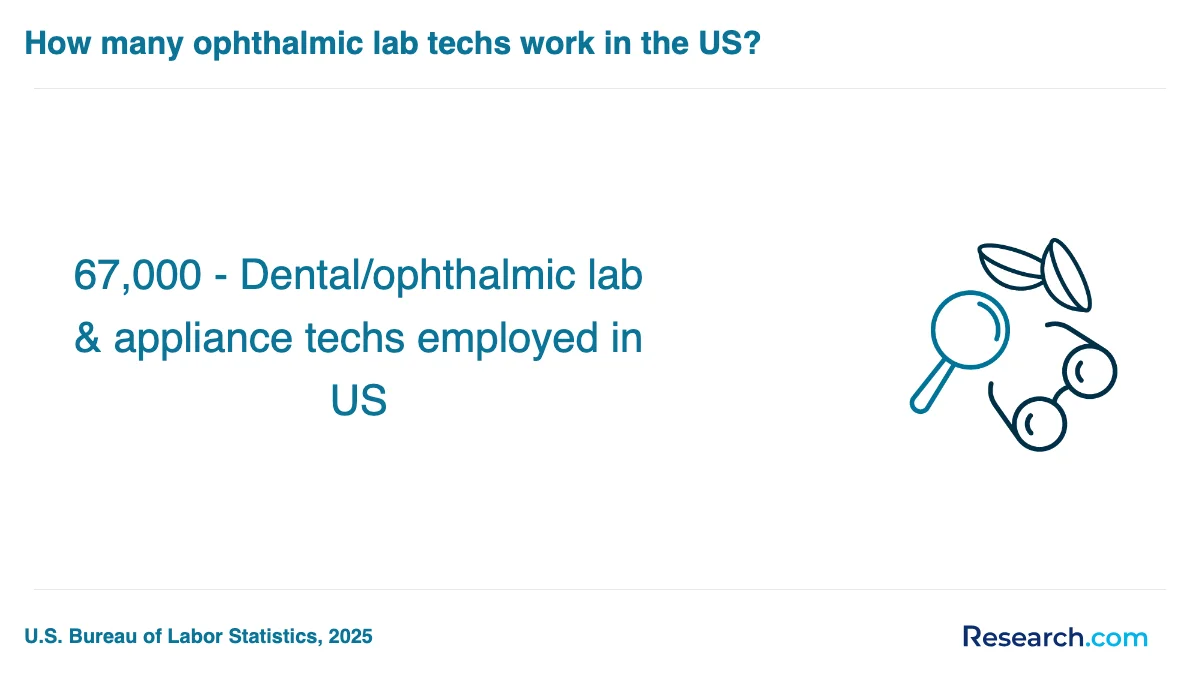
Graduates of popular optician trade schools in South often step into a variety of fulfilling roles immediately after completing their programs. Many become licensed dispensing opticians, a career that combines customer interaction with technical skills in fitting eyeglasses and contact lenses. Those working in Charleston or Greenville appreciate the steady demand and competitive wages, reflecting the promising optician career opportunities in the South.
Others find rewarding positions in optometry offices or ophthalmology clinics, where they support eye care professionals or work as ophthalmic medical or laboratory technicians. Experienced graduates describe their daily work helping patients select the perfect frames or assisting in eye exams, which brings a meaningful sense of contribution.
For graduates seeking growth, advancing into roles like optometric or ophthalmic technicians is common. Some even pursue further education to become optometrists, enjoying a significant salary increase and new challenges. The steady expansion of eye care technician jobs in Southern states ensures promising futures for dedicated professionals.
Many students exploring these paths start with vocational trade online schools, which offer flexible options tailored to hands-on skills and regional job markets, making it easier to launch a career in this rewarding field. For those interested, check out vocational trade online schools to find suitable programs that fit your lifestyle and ambitions.
What is the job market for optician trade school graduates in South?
The optician job market in the South offers steady opportunities for graduates of trade school programs, especially those who pair their education with certification. Many Southern states, including Florida, Georgia, and Texas, have a strong network of optical retail stores, private optometry practices, and healthcare clinics that actively seek qualified opticians. Graduates from popular Southern trade schools often report positive hiring experiences, benefiting from employer preference for candidates familiar with cutting-edge eyewear technology and exceptional customer service.
Real-life success stories reflect that completing a program at a Southern trade school can lead to rewarding roles, such as optical sales associates and office managers, in cities like Miami and Houston. The optician employment outlook Southern states remains favorable, thanks in part to an aging population and increased screen use, which drive demand for specialized eyewear. Advantages include:
- Competitive salaries close to the national average of $46,560 annually
- Regular openings due to retirements and industry growth
- Advancement opportunities for technically skilled graduates
For those exploring career paths, the trade school careers list and salaries provides useful guidance on job prospects and earning potential in this growing field.
Frequently Asked Questions about optician
After completing optician trade school in South, graduates should focus on gaining certification to improve job prospects. The American Board of Opticianry (ABO) certification is widely recognized and often required by employers. Preparing for this exam includes reviewing practical skills and theoretical knowledge gained during training.
Networking with local eye care professionals and attending job fairs can open doors in the South's competitive market. According to the U.S. Bureau of Labor Statistics, employment for opticians is projected to grow 4% nationally from 2022 to 2032, with some southern states showing slightly higher demand.
Internships or apprenticeships offer hands-on experience that many employers prioritize. Finally, maintaining up-to-date knowledge about lens technology and customer service helps candidates stand out.
Employers in the South prioritize several key skills when hiring optician trade school graduates. Technical proficiency in lens cutting, fitting, and frame adjustments is essential, as these tasks directly impact patient satisfaction and vision quality. According to the Bureau of Labor Statistics, hands-on skills in using optical equipment remain a top requirement.
Strong communication skills are also critical. Graduates must effectively explain eyewear options and care instructions to diverse clients. In South states, where customer service heavily influences repeat business, this skill is especially valued.
Attention to detail and accuracy in measurements ensure proper lens prescriptions, reducing errors and improving patient outcomes. Employers often seek candidates with demonstrated reliability and problem-solving abilities.
Finally, familiarity with state licensing requirements and continuing education is important, as South's optician regulations vary widely. Staying updated helps graduates maintain compliance and advance their careers.
Finding internships relevant to optician trade school programs in the South involves leveraging both educational resources and local industry connections. Many trade schools in this region partner with optical retailers, eye care clinics, and hospitals to offer internship opportunities. According to the American Optometric Association, nearly 60% of optician internships in southern states occur through school-arranged placements.
Students should also explore state opticianry boards and professional associations such as the Southern Optometric Association, which often list internship openings. Networking at local eye care events and job fairs can further increase chances of securing a position.
Contacting nearby optical businesses directly may reveal unadvertised internship spots. Additionally, online platforms like Handshake and Indeed occasionally feature optician internships specific to southern states.
Obtaining a diploma from an optician trade school in South significantly enhances career mobility and advancement opportunities within the region's optical industry. According to the U.S. Bureau of Labor Statistics, opticians with formal training have a higher chance of securing positions in retail stores, ophthalmology offices, and specialized labs. The South, with its growing healthcare sector, shows a 7% projected employment increase for opticians through 2030, indicating expanding job options for diploma holders.
Trade school graduates often qualify for state licensure exams required in South, which is essential for practicing legally and advancing to supervisory roles. Those with diplomas tend to earn salaries above the regional median, reflecting improved economic mobility. Additionally, specialized training can open pathways to roles in optical sales, management, or technical fields, offering long-term career growth.
Part-time job opportunities in South that complement optician trade school education often include roles such as optical assistants, retail sales associates in eyewear stores, and customer service representatives in optical clinics. These positions provide hands-on experience with frame selection, lens fitting, and basic eye care knowledge, which are crucial for optician students.
According to the U.S. Bureau of Labor Statistics, South's optical retail sector continues to grow, offering flexible part-time hours that accommodate class schedules. Working in these roles helps students develop communication skills and understand industry standards, enhancing their employability after graduation.
Additionally, some students find part-time internships or externships in ophthalmology offices, which provide valuable clinical exposure alongside their technical training.
To choose the best optician degree program near you, consider exploring programs and universities that offer comprehensive coursework and practical experience in opticianry, and Research.com can help identify institutions near South that have strong reputations in this field. Look for programs that provide hands-on training and have accreditation from relevant professional bodies, ensuring the education meets industry standards. Additionally, inquire about the success rate of graduates in obtaining state licensing and employment, as these factors will guide you in finding a suitable program near me.
Top Trending Rankings
References
- Optician Trade School Programs & Certification Training https://www.best-trade-schools.net/programs/healthcare/optician/
- Online Optician Certification Training from University of South Alabama Center for Continuing Education https://careertraining.southalabama.edu/training-programs/optician-certification-training-course-online/
- Optician Certification Schools in SC - Hands-On & Awesome https://opticiancertification.org/sc/
- How to Become an Optician in South Carolina - SC | School | Training | Salary | Certification https://www.opticianedu.org/south-carolina/
- Optician Development Program - Training for Opticians https://opticaltraining.com/optician-development-program/
- Online Optician Certification Training from FIU Online Learner Marketplace https://careertraining.fiu.edu/training-programs/optician-certification-training-course-online/
- SCLLR https://llr.sc.gov/opti/faq.aspx
- Internship Program in Optical Technologies and Clinical Optometry - TECH Poland https://www.techtitute.com/pl/medicine/internship-program/internship-program-optical-technologies-clinical-optometry
- Internships and Student Programs | National Eye Institute https://www.nei.nih.gov/grants-and-training/training-nei/internships-and-student-programs
- Applying as an Intern - The College of Opticians of Ontario - COO https://collegeofopticians.ca/applicants/applying-as-an-intern


