
Best Optician Training Programs & Trade Schools - Top Optician Schools in Washington for 2026

Co-Founder and Chief Data Scientist
Choosing the right optician trade school in Washington can shape your future career in eye care. This article introduces a carefully crafted ranking of optician trade school programs, developed by the Research.com team of data scientists. It’s designed to help you make a confident and informed decision about where to study.
By exploring these top programs, you’ll discover opportunities to gain valuable skills and certifications that open doors in a growing industry. Whether you’re starting fresh or advancing your education, this guide supports your journey toward a rewarding profession.
Key benefits of finishing optician trade school in Washington
- Graduates of optician trade schools in Washington can expect strong earning potential, with average salaries ranging from $52,000 to $75,000 annually and hourly wages between $25 and $38, reflecting solid financial stability.
- Many graduates pursue diverse career paths, such as becoming licensed opticians, working in retail eyewear stores, or advancing to specialized roles, showcasing the flexibility and growth opportunities in the field.
- Completing an optician trade school online offers convenience and flexibility, allowing students to balance work and life while gaining hands-on skills remotely, making it a practical choice for busy learners in Washington.
What can I expect from optician trade schools in Washington?
If you're thinking about an optician trade school program in Washington, expect a hands-on experience that mixes classroom learning with real-world skills. Most students start by earning an Associate's Degree in Opticianry or Ophthalmic Dispensing at community colleges or technical schools, which usually takes about two years. Graduates often talk about how much they appreciated the balance of lectures on eye anatomy and lens technology, combined with practical lab sessions where they actually handle lenses and frames.
Many programs also include online modules, so you get some flexibility. If you prefer learning on the job, Washington offers a state-approved apprenticeship option requiring 6,000 hours over at least three years-perfect for those who want direct mentorship from a licensed optician.
Students at popular trade schools often mention feeling confident after covering topics like optical terminology, contact lens dispensing, and state regulations. Plus, they're well-prepared for the ABO and NCLE certification exams, which are crucial steps before getting licensed in Washington. It's a rewarding journey that blends science, skill, and a bit of art, setting you up for a fulfilling career helping people see better.
Where can I work after finishing optician trade schools in Washington?
After finishing an optician trade school program in Washington, many graduates find themselves working in retail optical stores. Imagine helping a customer at a LensCrafters or a local shop pick out the perfect frames and adjusting them just right-it's a hands-on, rewarding experience that many new opticians enjoy. These places often welcome beginners and provide on-the-job training to sharpen skills like repairs and sales, making it a great spot to start your career.
Others land jobs in medical settings, such as clinics like Kaiser Permanente in Vancouver. There, opticians work closely with patients, fitting prescription eyewear and assisting with contact lens fittings. The pay is competitive, often between $29 and $39 an hour, which feels great after completing your program at one of Washington's popular trade schools.
Some graduates also work in ophthalmology or optometry offices, where they combine customer service and technical skills to support eye care professionals. Starting as an optical sales associate or lab technician is common too-providing a solid foundation for future growth in the field.
How much can I make after finishing optician trade schools in Washington?
After finishing an optician trade school program in Washington, you can expect to start earning around $52,000 to $67,000 a year, which is pretty solid for an entry-level healthcare career. Many graduates from popular Washington trade schools share how quickly they moved up the pay scale, especially after gaining some hands-on experience or getting licensed. For example, some begin with hourly wages near $22 but can see that jump to over $30 as they become more skilled.
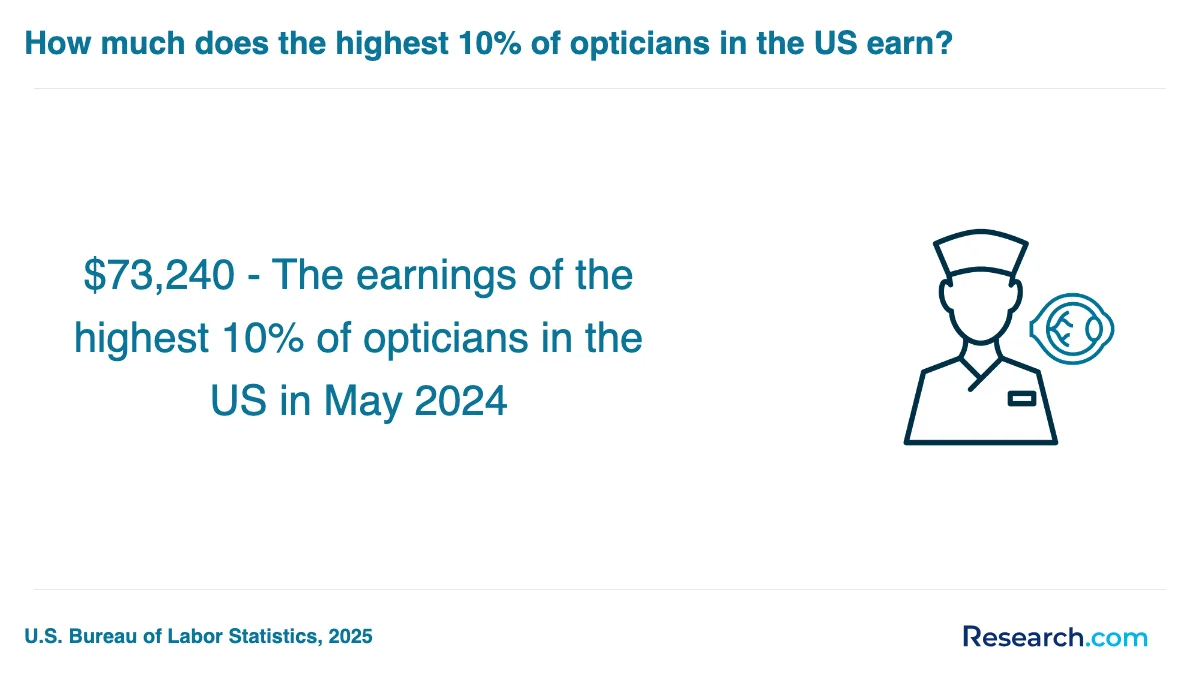
In cities like Seattle, the pay is even better-average annual salaries hover around $75,740, with hourly rates often hitting $28 or more. Graduates often mention how working in private practices or branded retailers can affect their pay, with some earning between $17 and $38 per hour depending on their role.
Even though Washington ranks last nationally for optician salaries, many grads feel encouraged knowing that with experience and certifications, there's room to grow both professionally and financially.
Best Optician Training Programs & Trade Schools - Top Optician Schools in Washington for 2026
# 1 position
Seattle Central College - Opticianry/Ophthalmic Dispensing Optician.
associateSeattle Central College offers a hybrid Opticianry/Ophthalmic Dispensing Optician program that trains students to fit corrective eyewear, assist frame selection, and prepare work orders. The curriculum covers optics, eye anatomy, instrument use, contact lens fitting, pathology identification, and administrative skills. The program’s annual in-state tuition is $4,865 and is accredited by the Northwest Commission on Colleges and Universities.
# 2 position
Highline College - Opticianry/Ophthalmic Dispensing Optician.
certificate or diplomaHighline College offers a hybrid Opticianry/Ophthalmic Dispensing Optician program that prepares students to fit corrective eyewear as prescribed by ophthalmologists or optometrists. The curriculum covers optics, eye anatomy, prescription interpretation, contact lens fitting, prosthesis fitting, and administrative tasks. The program includes instruction on optical instruments and patient care. Annual in-state tuition is $4,623, and it is accredited by the Northwest Commission on Colleges and Universities.
Key Findings
- Applicants must be at least 18 years old and have a high school diploma or GED equivalency with official transcripts.
- Opticianry programs usually last two years and result in an Associate's Degree, offered at community and technical colleges.
- An apprenticeship requires 6,000 hours of training over three to six years under a licensed optician.
- Graduates must pass the ABO and NCLE exams and complete at least four hours of AIDS education for licensure.
- Tuition ranges from $4,000 to $10,000 for in-state students at public colleges.
- Starting salaries range from $38,000 to $45,000 annually, with experienced opticians earning up to $65,000.
How long does it take to complete optician trade schools in Washington?
In Washington, completing an optician trade school program usually takes about one year, which is perfect if you're eager to jump into the workforce quickly. Many students who attend popular trade schools in the state share how this timeframe allowed them to balance hands-on training with classroom learning without feeling overwhelmed.
For example, graduates often mention how the intensive but manageable pace helped them stay motivated. Picture yourself spending mornings fitting lenses and afternoons learning about optical theory - it's a busy schedule, but it keeps things exciting and practical.
Some trade schools even offer flexible schedules or part-time options, which can extend the program up to 18 months. This is great if you need to work or manage other commitments while studying. Graduates frequently say this flexibility made the experience less stressful and more adaptable to real life.
Overall, the typical completion time in Washington sets you up for success without a long wait, making it a smart choice for future opticians ready to start their careers.
What's the difference between online and on-campus optician trade school programs?
The main difference between online and on-campus optician trade school programs in Washington comes down to how you experience learning. Online programs, like the one at Shoreline Community College, let you study at your own pace from anywhere, which is perfect if you're juggling work or family. Graduates often appreciate the freedom to fit classes around their busy lives. But don't expect to skip hands-on work-most online students have to spend time in optical labs or shops to get real-world practice, so you still get that crucial hands-on experience.
On the other hand, on-campus programs, such as those at Highline College, are all about face-to-face learning. Students attend classes in person, benefiting from direct feedback and the chance to build connections with instructors and classmates. This setup helps many learners stay motivated and sharpen their people skills, which is key when working with patients.
Some programs, like Portland Community College's, mix both styles by offering mostly online lessons combined with a few Saturdays of in-person training. Many Washington students find this blend ideal, as it balances flexibility with real-world experience.
What is the average cost of optician trade schools in Washington?
When looking at the average tuition fees for optician programs in Washington, many students find that costs typically range from around $3,460 to $3,936 annually. For example, graduates from Spokane Community College often mention that their tuition hovered near $3,460 per year, with supplies costing a bit extra-sometimes around $1,100. Meanwhile, those who attended Highline College in Des Moines recall paying roughly $3,936 plus about $840 for books and materials. It's great to hear that despite these costs, many felt the investment was worth it, enjoying hands-on experiences that prepared them well for their careers.
Seattle Central College graduates talk about tuition fees close to $3,795, with an additional $825 or so for study materials. That total feels manageable for those who want quality education right in Washington. In some cases, students combine these expenses with scholarships like the Washington State Opportunity Scholarship, which can help cover up to $1,500 per quarter, easing worries about the full cost of earning a trade school diploma in this field.
It's important to remember that while some online programs, like the one from Eastern Washington University priced at $2,295, seem cheaper, they might not meet Washington's licensing board requirements. If you're wondering about cost differences or trying to figure out if is trade school the same as vocational school, be sure to consider how those distinctions impact your total investment and career goals.
What financial aid is available for optician trade schools in Washington?
If you're diving into optician trade school in Washington, you'll find plenty of financial aid options to ease the cost. Many students attending popular schools like the Northwest College of Art & Design or the Seattle Central College share how federal aid programs made a huge difference. Completing the FAFSA opens doors to the Pell Grant, FSEOG, and federal loans, which helped some graduates cover tuition without stressing over bills.
State aid is a big plus here too. The Washington College Grant offers need-based help for residents enrolled in accredited optician programs, with awards depending on your family income and enrollment status. One recent grad recalled how this grant covered a chunk of their fees, making their dream feel achievable.
Not all programs qualify for federal aid, especially online or non-credit courses, but there are still options. Vocational rehab services and local workforce boards sometimes step in to cover costs. Plus, some schools offer flexible payment plans, which many students appreciate to manage expenses month-to-month.
Scholarships from groups like the Opticians Association of Washington add another layer of support, rewarding dedication and academic effort. Staying on top of deadlines and working with your school's financial aid office can really boost your chances of snagging these funds.
What are the prerequisites for enrolling in optician trade schools in Washington?
If you're thinking about enrolling in an optician trade school program in Washington, the good news is that the prerequisites are pretty straightforward and manageable. Most schools want to see that you've completed a high school diploma or GED, which sets a solid foundation for the technical skills you'll learn later. For example, graduates from popular Washington trade schools often mention how having a basic understanding of math and science helped them breeze through the optical math and anatomy parts of the course.
Here are some typical prerequisites you can expect:
- High school diploma or GED
- Basic proficiency in math and science
- Clear background check (some programs require this due to clinical placements)
- Proof of residency or legal status in Washington
Many students share that having a genuine interest in helping people with vision challenges gives them extra motivation. One graduate recalled how the hands-on training at a well-known Washington trade school made the learning feel real and exciting, not just textbook stuff. So, if you're someone who enjoys practical work and connecting with patients, these programs in Washington are designed to support you every step of the way.

What are the typical courses in optician trade schools in Washington?
If you're diving into optician trade school programs in Washington, expect a mix of science, hands-on skills, and legal know-how designed to get you ready for the real world. Many students at popular spots like Highline College share how starting with core science courses-think eye anatomy, physiology, and optical theory-really helped them understand what's behind vision and eye health.
From there, the curriculum shifts to practical skills, including:
- Ophthalmic lens design and materials, giving you the know-how to craft and adjust lenses.
- Dispensing practices, where you learn to fit glasses and contacts and work directly with customers.
- Refractive errors like myopia and astigmatism, so you can grasp common vision issues.
- Math and algebra tailored for opticians, which comes in handy calculating lens powers and frame measurements.
- Legal and regulatory standards specific to Washington, keeping you compliant with state rules.
Many graduates mention how lab sessions and real-world practice made the learning feel alive-adjusting frames or fitting lenses during class felt just like on the job. Plus, some programs blend online work with hands-on modules, making it easier to juggle life and study. All these courses gear you up to pass key licensing exams like the NOCE and CLRE, so you can confidently step into your career in Washington's optical field.
What are the available specializations in optician trade schools in Washington?
Optician trade school programs in Washington often focus on several key specializations that prepare students for real-world optical work. For example, many graduates from Seattle Central College praise the comprehensive training they received in lens technology and optical terminology, which made them confident in handling customer needs. Others attending Spokane Community College highlight their experience with advanced optical technology and patient education, skills crucial for thriving in today's optical industry.
Typical optician training specializations Washington students can explore include:
- Contact lens fitting, learning to evaluate and fit different lenses comfortably
- Customer service and patient education, essential for building trust with clients
- Hands-on dispensing and eyewear adjustments through apprenticeships, like those at Highline College
Many students find that choosing between structured programs and apprenticeships allows them to tailor their journey in opticianry programs in Washington. If you're balancing work or want flexibility, exploring a construction trade school-style approach might inspire your training path too.
How do you choose the best optician trade school program in Washington?
When choosing the best optician programs in Washington, start by checking if the school is properly accredited and offers an Associate's Degree in Opticianry or Ophthalmic Dispensing. Graduates from popular community colleges often share how the hands-on training with up-to-date equipment made a big difference in feeling ready for real-world jobs. Many programs last about two years, but some also offer flexible formats like online classes combined with practical labs, which is perfect if you're juggling work and study.
It's smart to look into how schools support passing the State Optician Board Examination since that's required to get licensed in Washington. Graduates often mention that schools with high exam pass rates and extra tutoring really boosted their confidence. Also, consider programs that have strong connections with local eye care employers and provide internships-these can open doors right after graduation.
To figure out how to compare optician schools in Washington, ask about admission criteria, financial aid, and credit transfers. Remember, you must be at least 18 with a high school diploma or GED. And if you're curious about trade programs that pay well, opticianry can be a great path to explore.
What career paths are available for optician trade school graduates in Washington?
Graduates of optician trade school programs in Washington often find a wide array of career opportunities for optician graduates in Washington, beyond just the role of a licensed dispensing optician. Many start in private optometry offices or retail optical stores, where they help customers pick and fit eyeglasses based on prescriptions. Others explore roles in ophthalmology clinics or large healthcare networks, gaining hands-on experience and growing their skills. Some graduates share how working as optometric technicians or ophthalmic assistants opened doors to leadership roles in these settings.
Career paths can also include:
- Optical sales positions, blending technical know-how with customer service
- Office management roles that leverage organizational skills
- Technical roles as optical research technicians focused on developing new eyewear products
Students from well-known Washington trade schools often highlight continuing education requirements that keep them sharp and up-to-date, especially with the latest in contacts and lens tech. This commitment to learning helps maintain strong job security in Washington's growing market. For those curious about what skilled trades are in high demand, the optician field definitely stands out.
When it comes to the optician jobs and salary outlook in Washington State, the numbers are appealing. The average salary sits around $45,100 annually, with some regions offering even more. This reflects a rewarding profession both financially and professionally, making the path attractive for new grads excited to start their careers.
What is the job market for optician trade school graduates in Washington?
Optician trade school graduates in Washington are stepping into a thriving job market with plenty of openings, especially in cities like Seattle, Bellevue, and Redmond. Popular trade schools here prepare students well for these roles, and many grads quickly find opportunities with employers like Kaiser Permanente or local optical retailers. Graduates often share exciting experiences about landing jobs shortly after completing their training, buoyed by the demand for skilled professionals.
The optician job opportunities in Washington are not just numerous but also rewarding.
- Over 24 positions are actively posted statewide, with Seattle listing more than 140 job openings for licensed opticians.
- Companies like LensCrafters offer sign-on bonuses, showing how competitive the market is for skilled talent.
- Roles involve hands-on work, such as fitting glasses and dispensing contacts, which graduates find fulfilling and varied.
Regarding optician salary and employment trends Washington grads enjoy, pay ranges from $22 up to $55 per hour, reflecting the specialized skills learned at trade schools. Full-time roles often come with compensation well above the national average, making Washington an attractive state to start a career. For those exploring options before enrolling, checking out trade schools online offers flexibility while preparing for strong local employment prospects.
Frequently Asked Questions about optician
After completing optician trade school in Washington, preparing for the job market involves several key steps. First, obtaining state licensure is essential. Washington requires opticians to pass the American Board of Opticianry (ABO) exam and complete an application with the Washington State Department of Health.
Next, gaining practical experience through internships or apprenticeships can improve job prospects. Many employers value hands-on skills alongside formal education. Networking within local professional organizations, such as the Washington Optometric Association, also helps graduates learn about job openings.
According to the U.S. Bureau of Labor Statistics, Washington's optician employment is projected to grow about 7% through 2031, slightly above the national average.
Employers in Washington seeking optician trade school graduates prioritize both technical and interpersonal skills. Key technical abilities include precise lens fitting, frame adjustments, and knowledge of optical instruments. According to the U.S. Bureau of Labor Statistics and Washington Workforce Training data, proficiency in interpreting prescriptions and using digital measurement tools is essential for job readiness.
Strong communication skills are also critical, as opticians must explain eyewear options and care instructions clearly to diverse clients. Additionally, attention to detail and problem-solving capabilities help graduates meet the high accuracy standards demanded in optical work.
Familiarity with state licensing requirements, including passing the American Board of Opticianry exam, is often expected by employers in Washington.
Finding internships in Washington relevant to optician trade school programs involves several strategic steps. Start by contacting local optometry offices and optical retailers, as many offer practical internship opportunities for students. The Washington State Optometric Association is a useful resource for locating licensed practitioners who may provide internships.
Additionally, community colleges with opticianry programs often have partnerships with local businesses, helping students secure internships. According to the U.S. Bureau of Labor Statistics, hands-on experience is crucial for licensure as an optician in Washington, making internships vital.
Online job boards like those from the Washington State Department of Labor and Industries also list internships tailored to healthcare fields, including opticianry.
In Washington, earning a diploma from an optician trade school significantly enhances career mobility and opportunities for advancement. The state requires opticians to be licensed, which typically involves completing an accredited training program and passing the American Board of Opticianry exams. A diploma demonstrates the necessary skills and knowledge, often making graduates more competitive in the job market.
According to the Washington State Employment Security Department, optician jobs are projected to grow by 12% from 2020 to 2030, faster than the average for all occupations. This growth creates new chances for certified opticians to move into supervisory or managerial roles.
Additionally, employers in Washington tend to prefer candidates with formal education credentials, as these reduce training time and improve service quality. Graduates can also pursue further certifications, increasing their earning potential and job security within the optical industry.
Students enrolled in optician trade schools in Washington can benefit from part-time jobs that provide relevant experience in the optical field. Common opportunities include working as optical assistants or sales associates in eyewear retail stores. These roles help students develop customer service skills and gain hands-on experience with frame selection and lens fitting.
Additionally, some students find positions in eye care clinics supporting optometrists or ophthalmologists. These jobs often involve administrative tasks and basic patient care, which complement classroom learning.
According to the U.S. Bureau of Labor Statistics, Washington employed over 1,000 opticians in 2022, with a median hourly wage around $19.50. This suggests local demand for skilled optical workers, making part-time roles more accessible for students.
Finding the best optician degree program near Washington can involve researching local community colleges and technical schools, many of which offer programs or degrees focused on opticianry and related fields. Various universities and institutions provide both practical and theoretical training essential for becoming a certified optician, such as the programs that might be available near me. To locate specific programs and assess their quality, resources such as Research.com can be particularly helpful in evaluating the reputation and curriculum of these educational opportunities.
Related Optician Rankings for Nearby States
- Best Optician Training Programs & Trade Schools - Top Optician Schools in California for 2026
- Best Optician Training Programs & Trade Schools - Top Optician Schools in Nevada for 2026
- Best Optician Training Programs & Trade Schools - Top Optician Schools in Indiana for 2026
- Best Optician Training Programs & Trade Schools - Top Optician Schools in Florida for 2026
- Best Optician Training Programs & Trade Schools - Top Optician Schools in Georgia for 2026
- Best Optician Training Programs & Trade Schools - Top Optician Schools in North Carolina for 2026
- Best Optician Training Programs & Trade Schools - Top Optician Schools in Ohio for 2026
- Best Optician Training Programs & Trade Schools - Top Optician Schools in Virginia for 2026
- Best Optician Training Programs & Trade Schools - Top Optician Schools in New Jersey for 2026
- Best Optician Training Programs & Trade Schools - Top Optician Schools in New York for 2026
Top Trending Rankings
References
- Optical Training Institute - Optician Training & Continuing Ed https://opticaltraining.com/
- Optician https://www.sait.ca/programs-and-courses/diplomas/optician
- Optician Certification Training - Gwinnett Technical College https://gwinnetttech.edu/online-continuing-education/optician-certification-training/
- Online Optician Certification Training from Hennepin Technical College https://careertraining.hennepintech.edu/training-programs/optician-certification-training-course-online/
- Online Optician School- Program Overview | Penn Foster https://www.pennfoster.edu/programs/healthcare/optician-career-diploma
- Online Optician Certification Training | Volunteer State Community College https://www.volstate.edu/workforce/online/optician-certification
- Licensed Optician Diploma Program | Stenberg College https://stenbergcollege.com/program/licensed-optician/
- Online Optician Certification Training – BMCC https://www.bmcc.cuny.edu/ce/online-courses/online-optician-certification-training/
- How to Become an Optician in Washington - WA | School | Training | Salary | Certification https://www.opticianedu.org/washington/
- Online Optician Certification Training from Shoreline Community College https://careertraining.shoreline.edu/training-programs/optician-certification-training-course-online/


