
Most Affordable Optician Schools & Training - Budget-Friendly Optician Trade Programs in Midwest for 2026

Co-Founder and Chief Data Scientist
Choosing the right optician trade school in the Midwest can feel overwhelming, but this article is here to help. We present a carefully crafted ranking of optician trade school programs, developed by the Research.com team of data scientists. This ranking highlights the most affordable and reputable options for 2026.
By exploring these programs, you’ll find valuable information to make an informed decision that suits your goals. Earning a diploma or certification in this field opens doors to rewarding career opportunities. Let’s take the next step toward your future together.
Key benefits of finishing optician trade school in Midwest
- Graduates of optician trade schools in the Midwest can expect starting salaries around $34,280 per year, with experienced opticians earning up to $67,480, offering a solid income in a skilled trade.
- Many graduates find careers in retail optical shops, medical practices, or specialty eyewear stores, enjoying diverse opportunities to grow and specialize their skills.
- Completing an optician trade school online provides flexibility for busy students and allows faster entry into the workforce, as shown by successful graduates balancing work and study effectively.
What can I expect from optician trade schools in Midwest?
Enrolling in an optician trade school program in the Midwest means diving into a hands-on learning adventure where classroom theory meets real-world practice. Graduates from popular community colleges and vocational schools often describe the excitement of mastering how to interpret prescriptions and fit eyewear during their externships at local optical shops. Imagine spending hundreds of hours alongside licensed opticians, honing skills like measuring for corrective lenses and troubleshooting vision issues in bustling clinics.
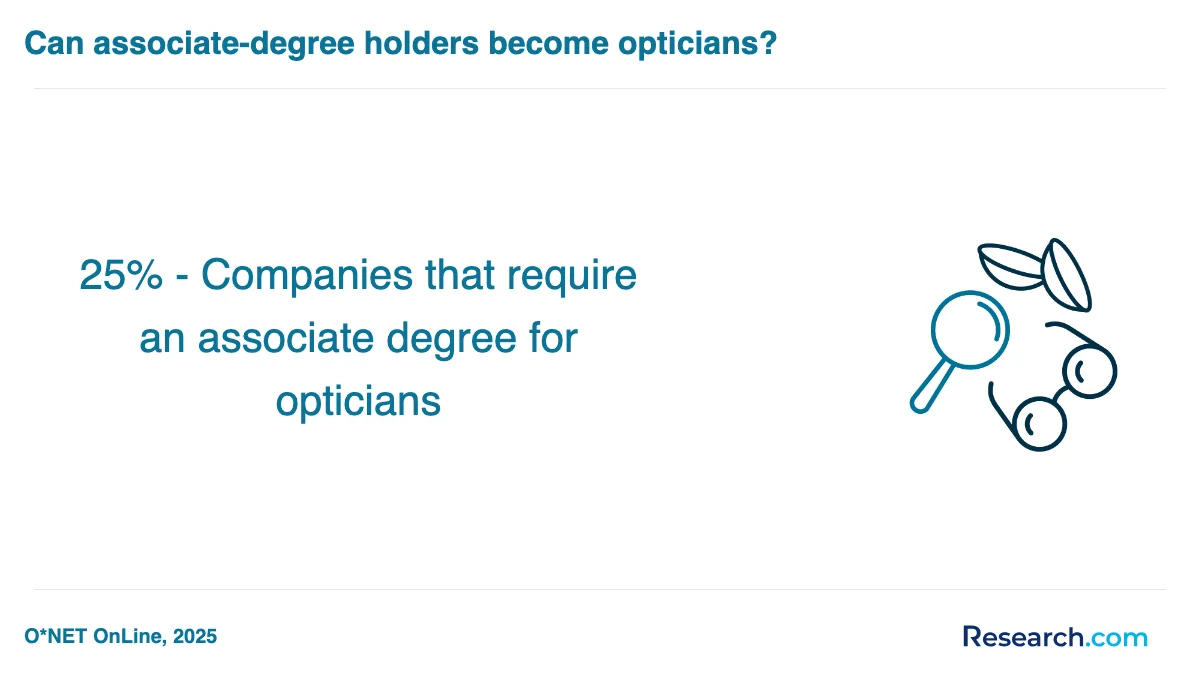
The curriculum covers everything from ocular anatomy to the physics of lenses, with plenty of math and optics theory woven in. Many students recall the rewarding challenge of applying these concepts directly during apprenticeships, making the learning personal and practical. Programs typically offer one-year certificates or two-year associate degrees, giving you options to match your pace and goals.
Midwest programs emphasize preparing you for crucial certifications like the ABO exam, often a state licensure requirement. Graduates often share a sense of accomplishment when they pass these tests, knowing their training was comprehensive and relevant. Plus, continuing education requirements, such as Michigan's 40-hour biannual mandate, ensure your skills stay sharp long after graduation.
Where can I work after finishing optician trade schools in Midwest?
After finishing an optician trade school program in the Midwest, many graduates find themselves stepping into bustling retail optical stores, from well-known national chains to cozy local boutiques. Imagine helping customers pick the perfect frames or guiding someone through the lens options-they quickly discover how rewarding it is to blend style with vision care.
Others dive into the clinical side, working in optometrists' or ophthalmologists' offices. Here, graduates experience the thrill of collaborating with eye doctors, measuring faces, and ensuring lenses fit just right. This hands-on environment often leads to deeper patient connections and a sense of pride in improving lives.
Some adventurous grads take their skills on the road with mobile eye care services, visiting nursing homes or corporate sites. This path offers variety and the satisfaction of reaching those who can't easily access traditional offices.
Popular Midwest trade schools prepare students well for these exciting roles, and graduates often share how their training turned curiosity into confidence, opening doors to vibrant careers full of daily human connection and growth.
How much can I make after finishing optician trade schools in Midwest?
After finishing an optician trade school program in the Midwest, graduates often find themselves pleasantly surprised by the paycheck waiting at the end of their hard work. Many new opticians step into roles earning around $18 an hour, which means an annual salary close to $54,000 - right in line with the national average. Imagine landing your first job in a bustling Chicago optical shop where starting pay is about $55,785 yearly, just as several recent graduates from well-known Midwest trade schools have experienced.
One graduate shared how, after just a couple of years, their hourly wage climbed from roughly $14 to over $16, reflecting growing skills and confidence. Licensed opticians in cities like Chicago can earn even more, with hourly rates soaring past $25 and top earners pulling in nearly $38. These numbers show that dedication and licensing can turn your passion for helping others see clearly into a rewarding career with steady growth.
Most Affordable Optician Schools & Training - Budget-Friendly Optician Trade Programs in Midwest for 2026
# 1 position
Cuyahoga Community College District - Opticianry/Ophthalmic Dispensing Optician.
associateThe Opticianry/Ophthalmic Dispensing Optician program at Cuyahoga Community College District offers a hybrid format with some distance education. It trains students to fit and adapt corrective eyewear, assist with frame selection, and prepare work orders. The curriculum covers optics, eye anatomy, prescription interpretation, contact lens fitting, and administrative tasks. The program is accredited by the Higher Learning Commission. Annual in-state tuition is $3,736.
# 2 position
Cuyahoga Community College District - Opticianry/Ophthalmic Dispensing Optician.
certificate or diplomaThe Opticianry/Ophthalmic Dispensing Optician program at Cuyahoga Community College District prepares students to fit corrective eyewear, assist in frame selection, and prepare work orders for ophthalmic technicians. This hybrid program includes instruction in optics, eye anatomy, prescription interpretation, contact lens fitting, and administrative tasks. Annual in-state tuition is $3,736. The program is accredited by the Higher Learning Commission.
# 3 position
Ivy Tech Community College - Opticianry/Ophthalmic Dispensing Optician.
associateIvy Tech Community College offers a hybrid Opticianry/Ophthalmic Dispensing Optician program that trains students to fit corrective eyewear and assist patients in frame selection. The curriculum covers ophthalmic optics, eye anatomy, prescription interpretation, contact lens fitting, and administrative skills. The program is accredited by the Higher Learning Commission. Annual in-state tuition costs $4,912, providing an affordable path to gain essential technical and patient care skills in this field.
# 4 position
Ivy Tech Community College - Opticianry/Ophthalmic Dispensing Optician.
certificate or diplomaIvy Tech Community College offers a hybrid Opticianry/Ophthalmic Dispensing Optician program that prepares students to fit and adapt corrective eyewear as prescribed by ophthalmologists or optometrists. The curriculum covers geometrical optics, anatomy of the eye, prescription interpretation, contact lens fitting, and patient and business administrative tasks. The program’s annual in-state tuition is $4,912 and is accredited by the Higher Learning Commission.
Key Findings
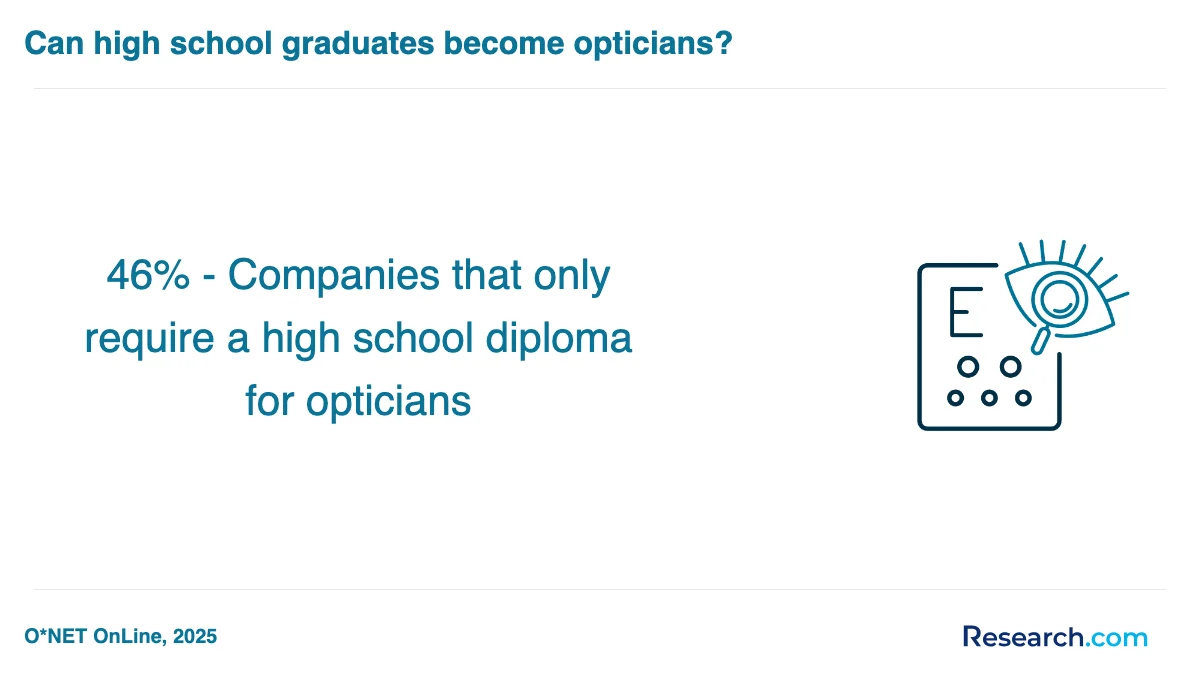
- Most optician programs require applicants to be at least 18 years old and have a high school diploma or GED.
- Program length ranges from 6 to 12 months, with options for accelerated and online courses featuring open enrollment.
- The average tuition cost for Midwest optician trade schools is about $2,000, including materials and textbooks.
- State licensing is not required in Illinois and some other Midwest states, but ABO-NCLE certification is often preferred by employers.
- The average annual salary for dispensing opticians in Illinois is approximately $36,770, with a mean hourly wage of $17.68.
How long does it take to complete optician trade schools in Midwest?
Completing an optician trade school program in the Midwest usually takes about 1 to 2 years, depending on the specific school and whether you choose full-time or part-time study. Graduates from popular Midwest trade schools often share how quickly they moved from classroom lessons to hands-on training, making the learning journey feel fast-paced yet rewarding.
Imagine stepping into a bustling workshop at a Midwest trade school, adjusting lenses and fitting frames under the guidance of experienced instructors. Many students find the focused curriculum helps them gain real-world skills in less than two years, fitting perfectly into their busy lives or career changes.
Some graduates recall balancing study with family or jobs, appreciating how flexible schedules at schools in states like Illinois or Ohio allowed them to complete their certification without overwhelming pressure. The exciting part? You can start seeing results and even working in optical settings shortly after finishing, which keeps motivation high and the experience engaging.
What's the difference between online and on-campus optician trade school programs?
Diving into optician trade school programs in the Midwest, the choice between online and on-campus formats shapes your entire learning adventure. Imagine a graduate from Penn Foster College, juggling work and family while tackling an online optician exam prep diploma in just seven months. This flexibility lets students study anywhere, anytime, blending digital lessons with videos and quizzes. Yet, hands-on practice remains crucial-they still visit local optical shops for real-world experience, bridging theory with skilled craftsmanship.
Contrast this with a day in the life of a student at Milwaukee Area Technical College, where mornings start with hands-on lens grinding and frame adjustments in a buzzing lab. The on-campus vibe offers structured schedules, live demos, and instant access to expert instructors and equipment. It's a full immersion that some find energizing, making every lesson tangible and immediate.
Both paths prepare you for key certifications like ABO and NCLE, but your experience will vary: online programs prioritize flexibility, while on-campus schools deliver direct support and immersive practice. Whichever you choose, Midwest programs emphasize meeting state licensing rules and ensuring you get those vital apprenticeship hours.
What is the average cost of optician trade schools in Midwest?
The average tuition fees for optician programs in the Midwest can vary widely, reflecting the diversity of trade schools and program lengths. Many students find that one-year diploma programs range from about $600 to $4,000, providing a quick path to entering the field with hands-on experience. Others aiming for a more comprehensive education pursue two-year associate degrees which typically cost between $4,000 and $10,000 or even more. For example, graduates of Coffeyville Community College in Kansas often speak about their rewarding experience at a tuition cost near $4,680, while others attending Bellus Academy manage higher fees around $20,064 but benefit from specialized resources.
Cost of optician trade school education in Midwest states like Missouri and Illinois highlights similar patterns. Missouri's average tuition hovers around $15,610, with institutions such as Poplar Bluff Technical Career Center charging $7,334, offering a balance between affordability and quality. Meanwhile, students at Stellar Career College in Illinois encounter higher tuition of $29,000, yet their stories emphasize gaining essential skills that launch their careers. Even with the range of tuition fees, many graduates mention the excitement and optimism of investing in their futures despite these costs.
Beyond tuition, it's key to consider additional expenses like books and supplies, usually $300 to $800 yearly, and possible licensing exam fees required by some states. Curious learners often wonder about the what is the difference between a trade school and a vocational program, which can influence their path and expenses. Understanding these details helps prospective students navigate upfront costs while focusing on the vibrant journey toward becoming a skilled optician in the Midwest.
What financial aid is available for optician trade schools in Midwest?
Optician trade school students in the Midwest unlock a treasure trove of financial aid options that can turn the dream of becoming a skilled optician into reality. Many graduates recall how completing the Free Application for Federal Student Aid (FAFSA) was their first key step, unlocking access to Pell Grants, Federal Supplemental Educational Opportunity Grants (FSEOG), and Direct Student Loans. Schools like Midwest Technical Institute use FAFSA results to tailor aid packages, making education affordable and personalized.
State aid adds another layer of support. For example, students in Iowa cheerfully share how meeting the March 1 deadline for both FAFSA and the Iowa Financial Aid Application opened doors to valuable state grants and scholarships.
Trade schools and community colleges across the region also offer institutional scholarships based on merit or need, often aimed at first-time students or underrepresented groups. Some lucky recipients mention a $1,500 stipend from the American Optometric Association, a boon for minority students passionate about optometry.
Private scholarships from local organizations and employers add yet more fuel to this financial fire. With dedicated financial aid offices ready to guide them, Midwest students feel supported every step of their optician journey.
What are the prerequisites for enrolling in optician trade schools in Midwest?
Diving into an optician trade school program in the Midwest means gearing up with some straightforward but important prerequisites that set you on the right path. Graduates from popular Midwest trade schools often recall the excitement of meeting these requirements before starting hands-on training.
Typically, schools expect you to have:
- A high school diploma or GED-this is the foundation that opens the door to your optician journey.
- Basic proficiency in math and English, since you'll need to measure lenses accurately and communicate clearly with clients.
- A genuine passion for helping others, which shines through in interviews or application essays.
- Sometimes, a background check or health clearance, especially because you'll work closely with patients.
Imagine stepping into a bustling classroom in a Midwest trade school, where a recent graduate shares how meeting these prerequisites wasn't just a checklist but a confidence booster. It made them feel ready to master lens fitting and frame adjustments, knowing they had the basics down.
This blend of practical entry standards paired with an adventurous spirit prepares you for the rewarding challenge of becoming an expert optician right here in the heartland.
What are the typical courses in optician trade schools in Midwest?
Jumping into optician trade school programs in the Midwest means diving into a mix of hands-on learning and solid theory designed to get you job-ready fast. Graduates often recall how essential courses like Optical Theory unlocked the mysteries of light and lenses, making the science behind glasses click instantly.
Midwest programs typically include:
- Ocular Anatomy and Physiology, where you explore the eye's structure, helping you understand vision challenges up close.
- Lens Technology and Ophthalmic Dispensing, teaching you how to interpret prescriptions and craft perfect lenses-a favorite for many who love working directly with eyewear.
- Contact Lens Fitting, offering hands-on practice selecting and caring for lenses, which graduates say builds confidence before seeing real patients.
- Vision Care Procedures, focusing on client communication and advising on eyewear choices, sharpening interpersonal skills in bustling Midwest community colleges.
- Math for Opticians, where algebra becomes your secret weapon in decoding lens specs accurately.
- Preparation for Certification Exams, ensuring you're ready for ABO and NCLE tests that open doors to licensed practice.
- Clinical and Laboratory Practice, often through externships, where students spend 100 to 1,000 hours applying skills under pros' guidance-an experience graduates describe as a thrilling bridge between classroom and career.
Many trade schools popular in the Midwest emphasize this blend, making sure you graduate not just with knowledge but with confidence to thrive in the optical world.
What are the available specializations in optician trade schools in Midwest?
Optician trade school programs in the Midwest open exciting doors with a range of optician specialization options in Midwest that truly prepare you for the diverse optical field. Graduates from Madison Area Technical College often share how hands-on courses in contact lens fitting made their learning vivid and practical, teaching them to expertly tailor lenses to individual needs.
Many students pursuing optician training programs in Midwest find opportunities to dive deep into optometric technology at places like St. Catherine University, where associate degrees blend classroom theory with clinical experience. This balance builds confidence in real-world settings, from measuring patients' eyes to assisting in advanced eye care procedures.
- Contact Lens Fitting: Learning the art and science behind custom lens adaptations.
- Optometric Technology: Gaining skills through immersive clinical practice.
- Optical Sales and Customer Service: Engaging with customers to select the perfect eyewear and maintain patient records efficiently.
These specialized paths energize students, making the journey through Midwest trade schools not just educational but truly transformative. For those eager to explore the best trade schools in America and discover tailored career pathways, visiting best trade schools in america can provide valuable insights.
How do you choose the best optician trade school program in Midwest?
Choosing from the best optician trade schools in Midwest means looking beyond just the curriculum. Graduates from Moraine Valley Community College rave about the strong foundation their accredited Optician Certification Training gave them, boosting both confidence and job readiness. Meanwhile, students at Ferris State University's Michigan College of Optometry enjoy hands-on lessons in lens types and repairs, preparing them for real-world challenges and certifications like those from ABO and NCLE.
Consider affordable optician programs in Midwest such as Madison Area Technical College, where the certificate program fits busy schedules and offers practical experience with modern labs, helping students feel fully prepared to step into eye care clinics.
Location matters too-a nearby campus with state-of-the-art facilities and on-site clinics, like Illinois College of Optometry in Chicago, creates a dynamic environment perfect for immersive learning and job connections.
For those seeking guidance on career options, exploring the growing trades job market can shine light on rewarding optician paths. Embarking on this journey with the right Midwest school sets the stage for a bright future.
Explore more about the exciting trades job possibilities as you map your educational choices.
What career paths are available for optician trade school graduates in Midwest?
Optician trade school graduates in the Midwest step into an exciting realm of optician job opportunities in Midwest that stretch far beyond basic frame fitting. Many find themselves as dispensing opticians in busy optical shops or ophthalmology offices in vibrant cities like Milwaukee and Chicago, where every day involves helping someone see the world more clearly. Graduates from schools like Madison Area Technical College start out by mastering customer care-selecting frames, adjusting lenses, and providing personalized vision solutions.
Others pursue specialized roles such as optometric technicians, assisting with eye exams and educating patients on contact lens care, thanks to hands-on programs focused on these enhanced skills. For those seeking variety, career paths for optician graduates in Midwest also open doors to:
- Optical sales positions, where interpersonal skills shine
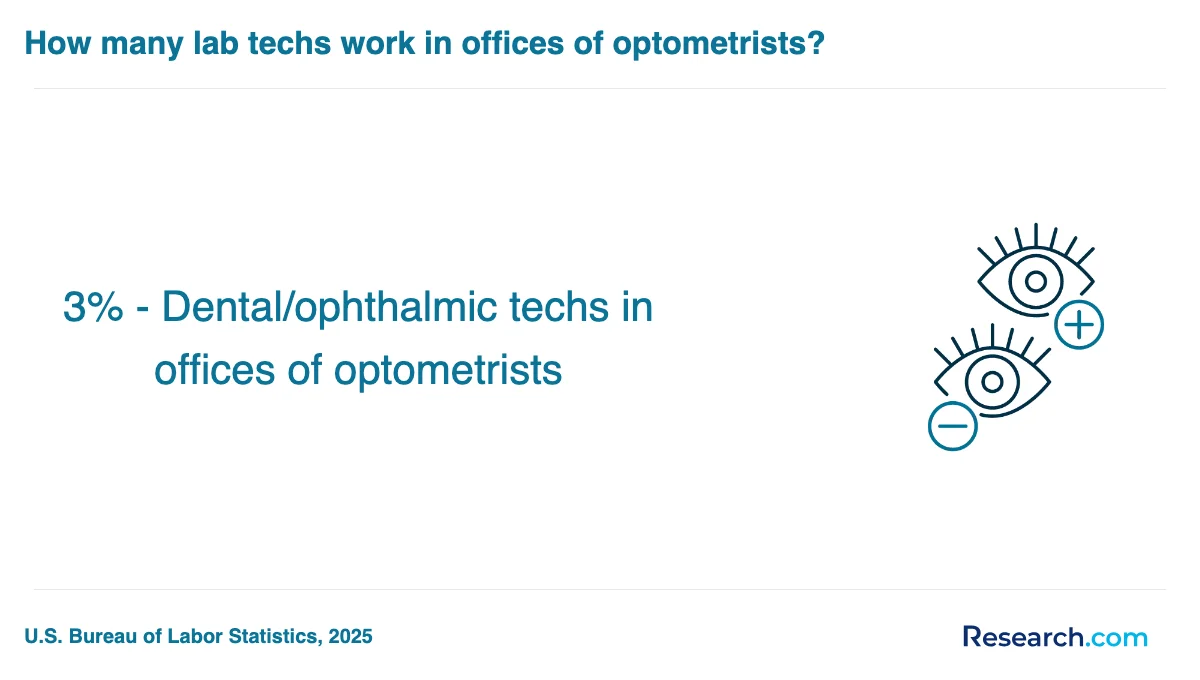
- Lab technician jobs creating and fine-tuning lenses
- Office management in thriving vision care practices
Because some states don't require licensing, apprenticeships and internships become vital, allowing graduates to gain real-world experience measuring eyes and mastering frame adjustments. The steady job growth-especially a 19% increase expected in Illinois-is a thrilling sign that careers in this field are expanding throughout urban and rural communities alike. Curious students looking for trade school high paying jobs find a promising future in these diverse roles supporting vision care across the Midwest.
What is the job market for optician trade school graduates in Midwest?
The optician job outlook Midwest shows a steady and inviting path for trade school graduates eager to enter the optical industry. Students from popular Midwest trade schools often share stories of landing roles in thriving practices that embrace moderately priced products and innovative myopia management services. These sectors are expanding, fueling demand for skilled opticians who can guide patients through evolving eyewear options.
The optician salary trends Midwest add to the appeal - average wages hover around $21.83 per hour in states like Michigan, where graduates enjoy competitive pay and room to grow. Even as some areas report quieter job postings, numerous employers continue hiring to meet patient needs amid population growth and affordable living costs.
Key opportunities for new grads include:
- Joining optical practices with steady sales growth despite economic fluctuations
- Supporting patient care in emerging areas like myopia control
- Adapting skills learned at trade schools to meet real-world demands
For those considering career options, exploring the best construction management trade school list may offer insights into the value of specialized training that can similarly enhance job prospects in trades like opticianry.
Frequently Asked Questions about optician
After completing optician trade school in the Midwest, preparing for the job market involves several key steps. First, graduates should pursue certification through the American Board of Opticianry (ABO) and the National Contact Lens Examiners (NCLE), as many employers prefer certified candidates. According to the Bureau of Labor Statistics, certified opticians in the Midwest earn higher wages and have better job prospects.
Networking is also crucial; attending regional industry events and joining professional groups like the American Opticians Association can connect new opticians with employers. Additionally, gaining experience through internships or entry-level positions helps build practical skills sought by local employers.
Employers in the Midwest seek optician trade school graduates with a strong foundation in technical skills, including lens crafting, frame adjustments, and fitting accuracy. Practical knowledge of optical instruments and familiarity with industry standards are essential. According to the U.S. Bureau of Labor Statistics, precision and attention to detail are critical, given the high demand for quality eyewear fitting in the region.
Communication skills also rank highly, as opticians must explain product options and care instructions clearly to clients. Additionally, proficiency in basic business software assists with inventory and customer management. The Illinois Department of Employment Security highlights that problem-solving abilities and customer service experience improve job prospects in this field.
Finding internships relevant to optician trade school programs in the Midwest involves leveraging multiple local resources. Start by contacting your school's career services or internship coordinator, as many trade schools maintain partnerships with regional optical shops and eye care centers. According to the American Optometric Association, states like Illinois, Ohio, and Michigan have numerous licensed optician employers offering internships that provide hands-on experience.
Online job portals such as Indeed or Glassdoor can also list optician internships specific to Midwest cities. Additionally, professional organizations like the Optical Laboratories Association and the Illinois Optometric Association often promote internship opportunities.
Networking at local industry events and reaching out directly to optician businesses increases your chances of securing a position. Keep in mind that some internships may be unpaid but valuable for skill development and certification requirements.
Obtaining an optician trade school diploma in the Midwest significantly enhances career mobility and advancement opportunities. According to the U.S. Bureau of Labor Statistics, optician positions in Midwestern states like Illinois, Ohio, and Michigan are growing at an average rate of 7% through 2030, faster than many other occupations. A diploma demonstrates practical skills and knowledge essential for certification exams such as the American Board of Opticianry (ABO), which employers often require.
Graduates with a diploma can access higher-paying roles; median annual wages for certified opticians in the Midwest range from $40,000 to $55,000, per regional labor reports. Furthermore, trade schools often provide job placement support, which helps graduates enter the workforce quickly and progress into supervisory or specialized positions.
Part-time jobs that complement optician trade school education in the Midwest often include roles in optical retail stores, clinics, and healthcare facilities. Positions such as optical assistants or eyewear sales associates provide hands-on experience with customer service, frame selection, and basic lens fitting. According to the U.S. Bureau of Labor Statistics, the Midwest region shows steady demand for optician-related roles, with optical stores frequently hiring part-time staff to accommodate flexible schedules.
Working in medical offices as receptionists or patient coordinators can also build relevant skills in patient interaction and healthcare administration. These roles allow students to understand the workflow of eye care providers while maintaining their studies.
Additionally, some students find internships or part-time technician roles in ophthalmology clinics, where they assist with lens preparation and equipment maintenance. These opportunities enhance practical knowledge crucial for certification exams and future employment.
Yes, there are affordable optician degree programs available near Midwest that may meet your needs for proximity and budget. Programs such as associate degree courses in optical dispensing and ophthalmic procedures are offered by community colleges and universities near me, providing both theoretical and practical training. Research.com might be a useful resource for finding specific institutions offering these programs to suit your location criteria.
Top Trending Rankings
References
- Internships https://www.corning.com/emea/en/careers/locations/poland/strykow/Internships.html
- Internships and Student Programs | National Eye Institute https://www.nei.nih.gov/grants-and-training/training-nei/internships-and-student-programs
- Internship Program in Optical Technologies and Clinical Optometry - TECH Poland https://www.techtitute.com/pl/medicine/internship-program/internship-program-optical-technologies-clinical-optometry
- Applying as an Intern - The College of Opticians of Ontario - COO https://collegeofopticians.ca/applicants/applying-as-an-intern
- Optician School | Training | Certified | Salary | Education https://www.opticianedu.org/optician-school/
- Optometry Summer Programs – ASCO https://optometriceducation.org/diversity/optometry-summer-programs/
- Optician Assistant Training | Education for professionals at PCC https://www.pcc.edu/professional/health/entry/optician-training/
- Internship Program https://www.cvoptical.com/internship
- Online Optician School- Program Overview | Penn Foster https://www.pennfoster.edu/programs/healthcare/optician-career-diploma
- Optical Training Institute - Optician Training & Continuing Ed https://opticaltraining.com/


