
Most Affordable Nursing Assistant Schools & Training - Budget-Friendly Nursing Assistant Trade Programs in Pennsylvania for 2026

Co-Founder and Chief Data Scientist
Choosing the right trade school is an important step toward a rewarding career in healthcare. This article introduces the most affordable nursing assistant aide and patient care assistant trade schools in Pennsylvania for 2026, based on a ranking developed by the Research.com team of data scientists.
By exploring these programs, you’ll discover options that fit your budget and career goals. Earning a diploma or certification in this field opens doors to meaningful work, job stability, and personal fulfillment. Let this guide help you make an informed decision with confidence.
Key benefits of finishing nursing assistant aide and patient care assistant trade school in Pennsylvania
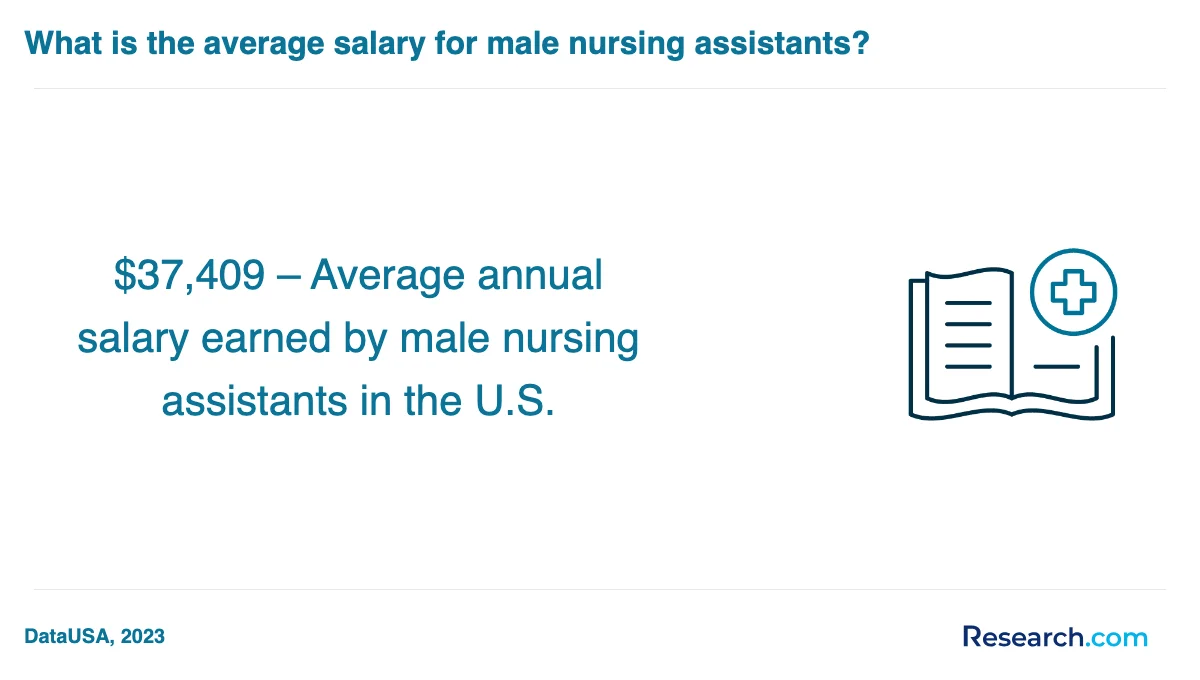
- Graduates can expect to earn between $15 and $22 per hour, with annual salaries generally ranging from $31,000 to $39,000, offering a solid start in a growing healthcare field.
- Career paths include nursing assistant aide, patient care assistant, and specialized roles like hospice care, providing diverse opportunities to grow and find fulfilling work.
- Completing the program online offers flexibility and convenience, allowing graduates to balance studies with personal commitments while entering the workforce faster than traditional degrees.
What can I expect from nursing assistant aide and patient care assistant trade schools in Pennsylvania?
When enrolling in a nursing assistant aide or patient care assistant trade school program in Pennsylvania, expect an intensive, hands-on experience lasting four to six weeks. Graduates from popular trade schools often share how they quickly adapted to real-world settings by practicing skills like bathing patients, assisting with mobility, and monitoring vital signs during supervised clinical rotations in local hospitals or nursing homes.
Classroom time covers essential theories, but the real confidence comes from lab practice and clinical exposure, which prepare you to work alongside registered nurses effectively. You'll also navigate state requirements, including a physical exam and background checks, which graduates say helped them feel prepared and professional from day one.
Tuition usually stays under $2,500, often including textbooks and uniforms, relieving financial stress. After earning your certificate, you'll be eligible to take the Pennsylvania Nurse Aide Competency Exam, opening doors to jobs in hospitals, home health agencies, and rehabilitation centers, where many graduates find rewarding, stable employment.
Where can I work after finishing nursing assistant aide and patient care assistant trade schools in Pennsylvania?
Graduates of nursing assistant aide and patient care assistant trade school programs in Pennsylvania find diverse employment opportunities across the state's healthcare sector. Many start their careers in long-term care facilities like nursing homes and assisted living centers, where the demand for certified nursing assistants (CNAs) is consistently high. These roles involve hands-on patient care, helping with daily activities, and supporting nursing staff, which many graduates from popular trade schools quickly appreciate as rewarding and impactful.
Hospitals are another common workplace, including large systems such as Penn Medicine and regional community hospitals. Graduates often share that their training prepared them well for bedside care, assisting with patient mobility, and monitoring vital signs during varied shifts. Wages here typically range from $19 to $25 per hour, motivating students who want both stable income and meaningful work.
Some graduates choose home health agencies or hospice care, valuing the flexibility and personal connection of working in patients' homes. Others find fulfilling roles in rehabilitation centers, mental health facilities, or Pennsylvania's state-run healthcare institutions, where maintaining registry status is crucial. These paths reflect the broad, practical career outlook for graduates from Pennsylvania's accredited nursing assistant and patient care assistant trade schools.
How much can I make after finishing nursing assistant aide and patient care assistant trade schools in Pennsylvania?
After finishing a nursing assistant aide or patient care assistant trade school program in Pennsylvania, graduates typically start earning between $16 and $22 per hour. Many report feeling relieved and excited when they land their first Certified Nursing Assistant (CNA) position earning around $20.11 per hour, which can translate to about $39,780 annually working full-time. For example, graduates from popular Pennsylvania trade schools often share how this steady income quickly eased financial worries.
Hourly wages vary by location and employer. Entry-level roles might start closer to $10.84 per hour, while some experienced CNAs in high-demand areas earn up to $29.40. Many graduates notice that overtime boosts their pay significantly-sometimes by an extra $4,500 annually. This extra income can make a real difference for those balancing bills and family life.
Though Pennsylvania ranks 50th nationally for CNA salaries, graduates appreciate the clear path for raises and advancement as they gain experience, which helps build confidence and long-term financial stability.
Most Affordable Nursing Assistant Schools & Training - Budget-Friendly Nursing Assistant Trade Programs in Pennsylvania for 2026
# 1 position
Bucks County Community College - Nursing Assistant/Aide and Patient Care Assistant/Aide.
certificate or diplomaThe Nursing Assistant/Aide and Patient Care Assistant/Aide program at Bucks County Community College is a hybrid program designed to prepare students for routine nursing-related duties under nurse supervision. The program offers an annual in-state tuition of $5,021 and is accredited by the Middle States Commission on Higher Education. Graduates have a median earning of $54,103 one year after completion, reflecting strong job market outcomes.
# 2 position
Commonwealth Technical Institute - Nursing Assistant/Aide and Patient Care Assistant/Aide.
certificate or diplomaThe Nursing Assistant/Aide and Patient Care Assistant/Aide program at Commonwealth Technical Institute offers hybrid learning with some distance-education options. It prepares students to provide routine nursing-related care under the supervision of registered or licensed practical nurses in hospitals or long-term care facilities. Annual in-state tuition is $7,714. The program is accredited by the Accrediting Commission of Career Schools and Colleges.
Key Findings
- Candidates must be at least 16 years old to start classes, with most employers preferring those 18 or older and having a high school diploma or GED.
- A physical exam and up-to-date immunizations, including a negative two-step Mantoux test or chest x-ray, are required before enrollment.
- Pennsylvania law requires a clear Criminal History Record Information (CHRI) report, and an FBI background check if the applicant has not lived in the state for two years.
- Programs typically last 120 hours, combining classroom, lab, and clinical experience, with a nurse aide competency exam fee of $102-$135.
- Graduates can take the National Nurse Aide Assessment Program (NNAAP) exam to be listed on the Pennsylvania Nurse Aide Registry.
- Certified nursing assistants earn an average starting salary of $32,000-$37,000 per year, with strong job demand in various healthcare settings.
How long does it take to complete nursing assistant aide and patient care assistant trade schools in Pennsylvania?
Completing a nursing assistant aide or patient care assistant program in Pennsylvania typically takes between four to twelve weeks, depending on the trade school and the intensity of the course schedule. Many graduates from well-known Pennsylvania trade schools share that the condensed timeline allows them to quickly move from training into paid healthcare roles, which feels both motivating and practical.
For example, students often describe their experience as a focused commitment-balancing hands-on clinical practice with classroom learning. This approach builds confidence fast, especially when practicing skills like vital signs monitoring or patient hygiene in real clinical settings. The short duration is ideal for those eager to enter the workforce without long delays.
Trade schools in Pennsylvania frequently offer flexible schedules, including evenings and weekends, making it easier for students juggling work or family responsibilities. Graduates consistently highlight how this flexibility helped them stay on track while feeling supported by instructors who understand their unique commitments.
What's the difference between online and on-campus nursing assistant aide and patient care assistant trade school programs?
The core difference between online and on-campus nursing assistant aide and patient care assistant trade school programs in Pennsylvania lies in how instruction and hands-on training are delivered. Graduates from on-campus programs at schools like HACC and Community College of Philadelphia often recall the value of face-to-face classes where they practiced skills directly under instructor supervision. For example, HACC's program includes nearly 49 hours of classroom theory, 33 hours in labs, and 38.5 hours of clinical experience, allowing students to build confidence through real patient interactions.
Online programs offer more flexibility by letting students complete theoretical coursework remotely, which appeals to those balancing work or family commitments. However, Pennsylvania requires all nurse aide programs to include in-person clinical training at approved facilities. Graduates often share that while online lectures on patient rights or infection control were convenient, the real learning came during hands-on clinical rotations.
This blend means fully online certification isn't possible in Pennsylvania. Prospective students should ensure their chosen online program includes the mandatory on-site clinical hours to qualify for the Nurse Aide Registry and state certification.
What is the average cost of nursing assistant aide and patient care assistant trade schools in Pennsylvania?
The average cost nursing assistant aide Pennsylvania programs typically range from $800 to $3,000 depending on the institution and course length. Graduates from Northern Pennsylvania Regional College, for example, note that their 129-hour Nurse Aide program cost $2,419.50 and packed comprehensive training into just four weeks. This kind of focused schedule allows students to quickly enter the workforce with confidence.
In Philadelphia, patient care assistant trade school tuition Pennsylvania programs like those at CareBridge Academy offer courses at $1,845, including all necessary training materials and even a set of scrubs-something many students appreciated as it eased upfront expenses and helped them feel ready for clinical settings. Some graduates found the option to be reimbursed for their tuition particularly motivating, as CareBridge supports students who commit to working with partner healthcare facilities after completion.
Community colleges also present accessible pricing, with Bucks County Community College and Lehigh Carbon Community College offering CNA training priced around $1,250. Students shared that these programs strike a good balance between cost and quality, although additional fees for textbooks might apply, making it important to budget accordingly.
For those wondering what degree do you need to be a nursing assistant, these trade school programs provide a practical path to certification. Considering factors like program length and included materials alongside tuition ensures you choose a program that fits your schedule and financial plans well.
What financial aid is available for nursing assistant aide and patient care assistant trade schools in Pennsylvania?
Financial aid for nursing assistant aide and patient care assistant students in Pennsylvania is unique due to the short-term, non-degree nature of these programs. Most trade schools, like those popular in Philadelphia or Pittsburgh, do not qualify for traditional federal aid such as Pell Grants or federal loans. However, graduates often find relief through federal reimbursement programs. For example, if you pay upfront for your training and testing, working at a long-term care facility within 12 months can mean full reimbursement-often split into two payments after completing specific hours of work. This has helped many recent graduates effectively eliminate their out-of-pocket costs.
Scholarships, like the Mae W. Langan Scholarship at Reading Area Community College, provide another helpful avenue, covering a significant part of tuition costs. Graduates recall how this eased their financial stress during training.
State programs such as KEYS support students receiving TANF or SNAP benefits, while Pennsylvania CareerLink assists with training funds and job placement, making the journey more manageable and hopeful for many entering this rewarding field.
What are the prerequisites for enrolling in nursing assistant aide and patient care assistant trade schools in Pennsylvania?
To enroll in nursing assistant aide and patient care assistant trade school programs in Pennsylvania, candidates must meet specific prerequisites that ensure readiness for the hands-on training ahead. Most trade schools, including well-known ones in Philadelphia and Pittsburgh, require students to have a high school diploma or a GED. This baseline education equips you with essential reading and communication skills crucial for patient care.
Beyond academic credentials, schools often ask for:
- Proof of age-typically 18 years or older, reflecting the maturity needed for clinical settings
- Health screenings and immunization records to protect both students and patients
- Background checks, since you'll be working closely with vulnerable populations
- Basic English proficiency to ensure clear communication with patients and staff
Graduates often share how meeting these requirements felt like the first step toward a rewarding career. One recalled how submitting immunization records before starting clinical rotations at a trade school in Harrisburg gave them confidence in the program's professionalism.
These prerequisites may seem detailed but serve a practical purpose: preparing you to thrive in rigorous training and real-world patient care environments.

What are the typical courses in nursing assistant aide and patient care assistant trade schools in Pennsylvania?
Nursing assistant aide and patient care assistant trade school programs in Pennsylvania typically include a well-rounded set of courses designed to build practical skills and confidence. Graduates often recall starting with about 48 to 50 hours of classroom instruction covering essential topics such as basic nursing skills, infection control, patient rights, and communication within healthcare teams. This foundational knowledge prepares students to handle real patient needs effectively.
Hands-on lab sessions, lasting around 30 to 35 hours, give students the chance to practice personal care tasks like bathing, feeding, and dressing patients-key duties they'll perform on the job. Many graduates mention how these labs helped them feel ready before stepping into clinical settings.
The clinical training, which usually takes 35 to 40 hours at local hospitals or nursing facilities, provides supervised real-world experience. It's where students apply their skills, such as recognizing symptoms and responding to emergencies, under professional guidance. This component is crucial for passing Pennsylvania's Nurse Aide Registry exam and gaining employment.
- Classroom theory on nursing basics and patient communication
- Skills lab practice with hands-on patient care
- Supervised clinical rotations in healthcare facilities
Students from popular Pennsylvania trade schools emphasize how this mix of theory and practice made them feel capable and ready on day one of their healthcare careers.
What are the available specializations in nursing assistant aide and patient care assistant trade schools in Pennsylvania?
Nursing assistant specializations in Pennsylvania trade schools typically include restorative care, mental health support, infection control, nutrition, and career advancement training. Graduates often highlight how learning restorative care techniques, like assisting with mobility and range-of-motion exercises, made them feel confident in rehabilitation settings. This approach is common in programs at well-known Pennsylvania schools, preparing students for hands-on roles in long-term care and hospitals.
Other popular patient care assistant program options in Pennsylvania focus on mental health and social services. These specializations teach students to recognize psychological distress and assist patients with cognitive challenges, which many graduates find rewarding, especially when working with older adults or special needs populations.
The emphasis on infection control ensures students understand protocols critical to safety in healthcare environments. Practical lessons on personal protective equipment and sanitary procedures give learners a real advantage on the job. Nutrition and personal care specializations also equip students to handle dietary needs and hygiene care confidently.
For those aiming higher, some programs include career awareness modules that guide students toward further qualifications, like LPN or RN, creating a clear path for growth. Many Pennsylvania trade schools support smooth transitions, with graduates sharing that these opportunities made their career progression more achievable. Exploring medical degrees that take 2 years can complement these specialized skills and boost employability.
How do you choose the best nursing assistant aide and patient care assistant trade school program in Pennsylvania?
Choosing an affordable nursing assistant program in Pennsylvania starts with verifying accreditation, as graduates from Pennsylvania College of Technology attest to the value accreditation adds to their resumes. When evaluating schools, consider the curriculum and hands-on training; many grads of the Department of Labor & Industry's Nurse Aide diploma program highlight the benefit of 348 hours of combined theory and clinical instruction, which builds confidence before entering the field. Flexibility is key-some students appreciated programs like CareBridge Academy's part-time and full-time Home Health Aide options, allowing them to balance work or family commitments while advancing their careers.
Cost matters too, and graduates often discuss how programs like Penn State Hazleton's Nurse Aide Program, costing $1,250 with possible reimbursement, provided financial relief. Prospective students should also ensure their choice prepares them well for Pennsylvania's certification exams, such as the NNAAP, a critical step to secure employment. Location and quality of facilities also influence success; students trained with modern equipment at the Department of Labor & Industry feel better prepared for real-world situations.
Understanding the career differences between cna and lpn helps clarify your path, making it easier to pick programs aligned with your goals. Opting for top-rated patient care assistant schools in Pennsylvania ensures access to strong employer networks, aiding smooth transitions from training to employment.
What career paths are available for nursing assistant aide and patient care assistant trade school graduates in Pennsylvania?
Graduates of nursing assistant aide and patient care assistant trade schools in Pennsylvania commonly step into roles as Certified Nursing Assistants (CNAs) or Nursing Assistants in diverse healthcare environments, such as nursing homes, hospitals, and assisted living centers. Many graduates recall starting their careers providing hands-on patient support-assisting with daily tasks and vital signs monitoring under nurse supervision, which builds both confidence and crucial skills.
Career opportunities for nursing assistants in Pennsylvania also include flexible job settings like part-time, per diem, or travel contracts, which accommodate varied lifestyles. Some graduates find specialized opportunities in rehabilitation or memory care units, expanding their experience and job satisfaction.
Popular trade schools in Pennsylvania often provide credits transferable toward further nursing education, enabling graduates to pursue roles like Licensed Practical Nurse or Registered Nurse later on. Additionally, working in Medicare/Medicaid-approved skilled nursing facilities within a year may qualify new CNAs for training cost reimbursement-a practical benefit for many.
For those curious about earning potential, exploring the highest medical assistant salary can offer motivation for advancing credentials and career growth in patient care assistant jobs in Pennsylvania.
What is the job market for nursing assistant aide and patient care assistant trade school graduates in Pennsylvania?
The nursing assistant job outlook in Pennsylvania remains strong, with over 5,700 nursing assistant roles and 1,200 nurse aide positions currently available across hospitals, skilled nursing facilities, and rehabilitation centers. Graduates from popular trade schools in Pennsylvania often share how their certification opened doors quickly, enabling them to start earning between $19.00 and $21.50 per hour. Flexible shifts and weekend differentials add to overall compensation, appealing to those balancing work and life commitments.
Typical graduate experiences include prompt eligibility to sit for the Pennsylvania Nurse Aide Competency Evaluation, a necessary step to be listed on the state registry. Many find that completing their trade school program equips them well for the realities of providing patient care under nurse supervision, a skill set highly sought by local employers. Recent growth in job postings-up 42% in central Pennsylvania during 2020-confirms sustained demand.
For students comparing career paths, understanding the difference between related roles can be important; those interested should explore resources detailing distinctions between cna and ma.
Patient care assistant salary Pennsylvania trends align with this positive outlook, further motivating trade school grads to pursue advancement in healthcare settings offering varied schedules and benefits.
Frequently Asked Questions about nursing assistant aide and patient care assistant
After completing a nursing assistant aide or patient care assistant trade school in Pennsylvania, preparing for the job market involves several key steps. First, obtaining certification through the Pennsylvania Nurse Aide Registry is essential, as employers require this credential for employment. The state mandates passing the Nurse Aide Competency Exam, which includes written and clinical components.
Building a professional resume highlighting clinical experience gained during training improves job prospects. Networking with local healthcare providers and attending job fairs can connect graduates with potential employers.
According to the Pennsylvania Department of Labor, employment for nursing assistants is projected to grow 9% from 2022 to 2032, reflecting strong demand in hospitals and long-term care facilities.
Employers in Pennsylvania highly value practical and interpersonal skills in nursing assistant aide and patient care assistant graduates. Key abilities include effective communication, as aides must clearly understand and relay patient needs to healthcare teams. According to the Pennsylvania Department of Labor & Industry, employers prioritize strong patient care skills, such as assisting with daily living activities and monitoring vital signs accurately.
In addition, reliability and attention to detail are critical, ensuring patient safety and adherence to care plans. Knowledge of infection control and proper hygiene practices is also essential, especially in long-term care facilities, which employ many aides across the state. These skills improve patient outcomes and contribute to workplace efficiency.
Finally, emotional resilience and empathy help aides manage stressful environments while providing compassionate support to patients, a quality Pennsylvania healthcare employers consistently emphasize.
Finding internships in Pennsylvania related to nursing assistant aide and patient care assistant trade school programs involves several practical steps. Start by contacting the career services office of your trade school, as many have established relationships with local healthcare facilities. Hospitals, nursing homes, and assisted living centers in Pennsylvania often offer internships or externships for students in these fields.
The Pennsylvania Department of Health and the Pennsylvania Department of Education provide resources and listings of approved healthcare facilities suitable for internships. According to the Bureau of Labor Statistics, healthcare support roles are growing by 11% annually in Pennsylvania, increasing internship opportunities.
Networking with local healthcare professionals and joining relevant associations, such as the Pennsylvania Health Care Association, can also help uncover internship openings. Additionally, online job boards specific to healthcare in Pennsylvania sometimes list internship positions for nursing assistant aides and patient care assistants.
Obtaining a nursing assistant aide or patient care assistant diploma from a trade school in Pennsylvania significantly enhances career mobility and advancement opportunities. According to the Pennsylvania Department of Labor & Industry, certified nursing assistants (CNAs) experience faster job placement rates, with a projected 15% growth in employment through 2030. This credential is often a prerequisite for entry-level healthcare roles, allowing graduates to enter hospital, nursing home, or home health settings quickly.
Trade school diplomas also provide essential skills that employers value, increasing chances for promotion to roles such as lead aide or medical assistant. Additionally, Pennsylvania's training programs align with state certification requirements, which is crucial for professional recognition and wage increases. Earning this diploma can be a stepping stone to further education in nursing or allied health fields, supporting long-term career development.
Part-time job opportunities in Pennsylvania that complement nursing assistant aide and patient care assistant trade school education include roles such as home health aide, personal care aide, and medical receptionist. These positions allow students to gain practical experience while continuing their studies. According to the U.S. Bureau of Labor Statistics, Pennsylvania employs over 70,000 nursing assistants and patient care aides, with steady growth expected through 2030.
Working in nursing homes, hospitals, or private residences helps students develop essential skills like patient communication and basic care techniques. These jobs typically offer flexible hours suited for part-time work, supporting students' educational schedules.
To find the most affordable Nursing Assistant Aide and Patient Care Assistant degree program near me, consider exploring local community colleges and vocational schools, as they often provide lower-cost programs with flexible schedules. Research.com can be a helpful resource for identifying accredited programs near Pennsylvania, offering valuable insights into tuition fees and program lengths. Additionally, contacting local healthcare facilities may yield recommendations for reputable and cost-effective programs within the region.
Related Nursing Assistant Aide And Patient Care Assistant Rankings for Nearby States
- Most Affordable Nursing Assistant Schools & Training - Budget-Friendly Nursing Assistant Trade Programs in Maryland for 2026
- Most Affordable Nursing Assistant Schools & Training - Budget-Friendly Nursing Assistant Trade Programs in West Virginia for 2026
- Most Affordable Nursing Assistant Schools & Training - Budget-Friendly Nursing Assistant Trade Programs in Ohio for 2026
- Most Affordable Nursing Assistant Schools & Training - Budget-Friendly Nursing Assistant Trade Programs in Massachusetts for 2026
- Most Affordable Nursing Assistant Schools & Training - Budget-Friendly Nursing Assistant Trade Programs in Kentucky for 2026
- Most Affordable Nursing Assistant Schools & Training - Budget-Friendly Nursing Assistant Trade Programs in Tennessee for 2026
- Most Affordable Nursing Assistant Schools & Training - Budget-Friendly Nursing Assistant Trade Programs in South Carolina for 2026
- Most Affordable Nursing Assistant Schools & Training - Budget-Friendly Nursing Assistant Trade Programs in Michigan for 2026
- Most Affordable Nursing Assistant Schools & Training - Budget-Friendly Nursing Assistant Trade Programs in Georgia for 2026
- Most Affordable Nursing Assistant Schools & Training - Budget-Friendly Nursing Assistant Trade Programs in Illinois for 2026
Top Trending Rankings
References
- Nurse Aide | Department of Labor and Industry | Commonwealth of Pennsylvania https://www.pa.gov/agencies/dli/programs-services/disability-and-vocational-rehabilitation/cti-at-hgac/programs/healthcare/nurse-aide.html
- CNA Classes & Programs in Pennsylvania https://www.registerednursing.org/certified-nursing-assistant/programs/pennsylvania/
- GROW Career Pathways | Penn State Health https://www.pennstatehealth.org/grow-career-pathways
- Nurse Aide https://www.hacc.edu/ProgramsandCourses/Programs/HealthCareers/Nurse-Aide.cfm
- CNA Classes in Pennsylvania: A Guide - Care Bridge Academy https://www.carebridgeacademy.com/cna-classes-in-pennsylvania-a-guide/
- Certified Nursing Assistant (CNA) Training Program | Good Shepherd Rehabilitation — Where Potential Becomes Reality https://www.goodshepherdrehab.org/careers/certified-nursing-assistant-cna-training-program/
- Nurse Aide Training Program | Holy Family University https://www.holyfamily.edu/academics/programs/nurse-aide-training-program
- Nurse Aide Training Program https://www.ccac.edu/workforce-and-community/workforce-development/nurse-aide-training-program.php
- CNA Training Program | Home Health Aide Training | PANAT https://www.mypanat.com/about-panat-program/become-a-certified-nursing-assistant/
- Nursing Internships And Practicums | NurseJournal.org https://nursejournal.org/resources/nursing-internships-and-practicums/


