
Most Affordable Nursing Assistant Schools & Training - Budget-Friendly Nursing Assistant Trade Programs in Michigan for 2026

Co-Founder and Chief Data Scientist
Choosing the right nursing assistant trade school in Michigan can feel overwhelming. This article introduces a helpful ranking of nursing assistant aide and patient care assistant trade school programs, developed by the Research.com team of data scientists. It’s designed to guide you in making an informed decision about which programs truly stand out.
By exploring affordable and quality options, you can take confident steps toward earning a valuable diploma or certification. This achievement opens doors to meaningful careers where you make a real difference in people’s lives.
Key benefits of finishing nursing assistant aide and patient care assistant trade school in Michigan
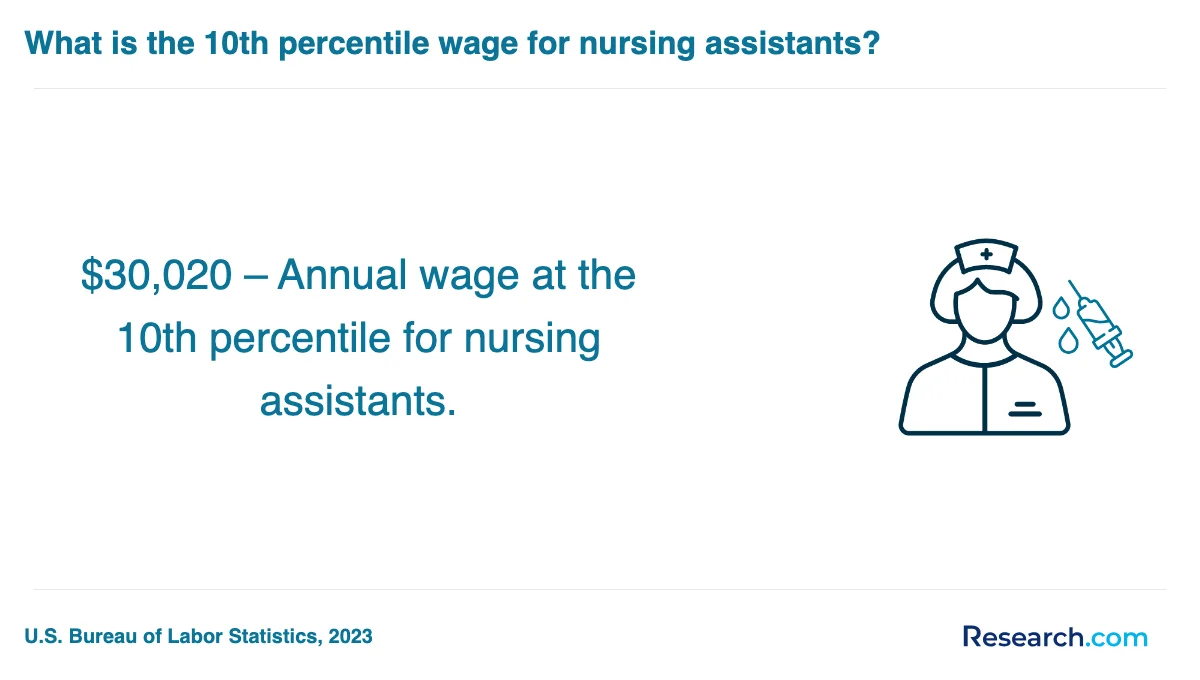
- Graduates of nursing assistant aide and patient care assistant trade schools in Michigan can expect starting salaries around $15.86 to $21.16 per hour, with opportunities to earn up to $38,930 or more annually as they gain experience.
- Career paths after graduation include working in hospitals, nursing homes, and home healthcare, offering rewarding roles that help patients daily and build a strong foundation for future healthcare opportunities.
- Completing a trade school program online provides flexibility and faster completion times, allowing students to balance work or family while gaining hands-on skills recognized by Michigan employers.
What can I expect from nursing assistant aide and patient care assistant trade schools in Michigan?
Jumping into a nursing assistant aide or patient care assistant program in Michigan means gearing up for about 90 hours of hands-on training that mixes classroom lessons with real-life clinical experience. Graduates from popular trade schools often share how exciting it is to move from practicing vital signs in the lab to helping actual patients with daily tasks like bathing or feeding during clinical rotations.
Expect a blend of lectures, group activities, and video demos that make learning both engaging and practical. Many students find the focus on professional communication and understanding patients' emotional needs especially rewarding-it really prepares you for the realities of healthcare work.
Programs typically wrap up in 3 to 12 weeks, depending on your schedule, and cost around $2,000. Once you finish, you'll be ready to take Michigan's Competency Evaluation Exam, a must to become a Certified Nursing Assistant and start working in hospitals, nursing homes, or home healthcare. Graduates often highlight how this training opened doors to steady jobs paying $15 to $25 an hour, making the effort feel truly worthwhile.
Where can I work after finishing nursing assistant aide and patient care assistant trade schools in Michigan?
After finishing a nursing assistant aide or patient care assistant trade school program in Michigan, you'll find a variety of job options waiting for you. Many graduates quickly land roles as Certified Nursing Assistants (CNAs), which are in high demand across the state. For example, graduates from popular Michigan trade schools often start working in skilled nursing facilities, helping elderly residents with their daily needs. These jobs offer a rewarding chance to make a real difference in people's lives.
Others find fulfilling positions in hospitals, where they support nurses by assisting patients with mobility, hygiene, and even feeding. Imagine working in a busy hospital unit, knowing your care helps patients recover faster. Assisted living facilities and rehab centers also hire CNAs, offering a more personal, hands-on work environment.
Some graduates choose home health care jobs, providing one-on-one care in patients' homes, which often allows for flexible hours. Whether you prefer a bustling hospital or a quieter home care setting, Michigan's trade schools prepare you well for these rewarding career paths.
How much can I make after finishing nursing assistant aide and patient care assistant trade schools in Michigan?
After finishing a nursing assistant aide or patient care assistant trade school program in Michigan, you can expect to start earning around $33,000 a year on average. Many recent graduates from popular Michigan trade schools tell us they land jobs paying between $15.86 and $17 per hour, which feels pretty encouraging as a first step into healthcare.
Some grads share how they started in nursing homes or long-term care facilities with salaries near $30,600 but quickly saw raises as they gained experience. Others who found positions in busy hospitals or specialized clinics reported salaries climbing closer to $42,000 annually. The difference often depends on where you work and your comfort level in handling more advanced patient care tasks.
Hourly wages can also vary, with some graduates earning around $21 per hour, especially when factoring in overtime. Many students from well-known Michigan trade schools find this wage progression motivating-it means your hard work pays off, literally, as you build confidence and skills on the job.
Most Affordable Nursing Assistant Schools & Training - Budget-Friendly Nursing Assistant Trade Programs in Michigan for 2026
# 1 position
Schoolcraft Community College District - Nursing Assistant/Aide and Patient Care Assistant/Aide.
certificate or diplomaSchoolcraft Community College District offers a hybrid Nursing Assistant/Aide and Patient Care Assistant/Aide program that prepares students to provide routine nursing services under supervision in hospitals or long-term care facilities. The program’s annual in-state tuition is $4,448. Graduates have median earnings of $75,104 one year after completion. The program is accredited by the Higher Learning Commission.
# 2 position
Delta College - Nursing Assistant/Aide and Patient Care Assistant/Aide.
certificate or diplomaThe Nursing Assistant/Aide and Patient Care Assistant/Aide program at Delta College offers a hybrid format with some distance-education options. It prepares students to perform routine nursing-related services under the supervision of registered or licensed practical nurses in hospitals or long-term care facilities. The program is accredited by the Higher Learning Commission. Annual in-state tuition is $4,640, and median earnings one year after completion reach $54,108.
# 3 position
Lansing Community College - Nursing Assistant/Aide and Patient Care Assistant/Aide.
certificate or diplomaLansing Community College offers a Nursing Assistant/Aide and Patient Care Assistant/Aide program with a hybrid format, including some distance education options. The program prepares students to perform routine nursing-related tasks under the supervision of registered or licensed practical nurses. Annual in-state tuition is $4,010. The program is accredited by the Higher Learning Commission.
# 4 position
West Shore Community College - Nursing Assistant/Aide and Patient Care Assistant/Aide.
associateWest Shore Community College offers a Nursing Assistant/Aide and Patient Care Assistant/Aide program with a hybrid format that includes some distance-education options. The program prepares individuals to perform routine nursing-related tasks under supervision in hospitals or long-term care facilities. Annual in-state tuition is $4,320. The program is accredited by the Higher Learning Commission.
# 5 position
West Shore Community College - Nursing Assistant/Aide and Patient Care Assistant/Aide.
certificate or diplomaWest Shore Community College offers a hybrid Nursing Assistant/Aide and Patient Care Assistant/Aide program that prepares students to perform routine nursing-related services under nurse supervision. The program is accredited by the Higher Learning Commission. Annual in-state tuition is $4,320. This program includes some distance-education options, allowing flexible learning for students pursuing certification or a diploma in this field.
# 6 position
North Central Michigan College - Nursing Assistant/Aide and Patient Care Assistant/Aide.
certificate or diplomaNorth Central Michigan College offers a hybrid Nursing Assistant/Aide and Patient Care Assistant/Aide program that prepares students to perform routine nursing-related services under supervision in hospitals or long-term care facilities. The program is accredited by the Higher Learning Commission. Annual in-state tuition is $5,267, providing an accessible option for those seeking certification in this field with some distance-education components.
# 7 position
Alpena Community College - Nursing Assistant/Aide and Patient Care Assistant/Aide.
certificate or diplomaAlpena Community College offers a hybrid Nursing Assistant/Aide and Patient Care Assistant/Aide program that prepares students to perform routine nursing-related tasks under the supervision of registered or licensed practical nurses. The program focuses on patient care in hospitals or long-term care facilities. Annual in-state tuition is $5,130. The program is accredited by the Higher Learning Commission.
# 8 position
Keweenaw Bay Ojibwa Community College - Nursing Assistant/Aide and Patient Care Assistant/Aide.
certificate or diplomaKeweenaw Bay Ojibwa Community College offers a Nursing Assistant/Aide and Patient Care Assistant/Aide program designed to prepare students for routine nursing-related tasks under nurse supervision. The program features a hybrid format with some distance education. Annual in-state tuition is $5,000. This program is accredited by the Higher Learning Commission, ensuring it meets quality educational standards for training in healthcare support roles.
# 9 position
Glen Oaks Community College - Nursing Assistant/Aide and Patient Care Assistant/Aide.
certificate or diplomaGlen Oaks Community College offers a Nursing Assistant/Aide and Patient Care Assistant/Aide program designed to prepare students for routine nursing-related tasks under supervision. The hybrid program includes some distance education options. Annual in-state tuition is $4,128. This program is accredited by the Higher Learning Commission and trains individuals to assist patients in hospitals or long-term care facilities under licensed nurse supervision.
# 10 position
Michigan Career and Technical Institute - Nursing Assistant/Aide and Patient Care Assistant/Aide.
certificate or diplomaThe Nursing Assistant/Aide and Patient Care Assistant/Aide program at Michigan Career and Technical Institute offers hybrid training designed to prepare individuals to perform routine nursing-related services under supervision. The program’s annual in-state tuition is $8,300. It is accredited by the Council on Occupational Education, ensuring recognized standards of quality education in healthcare support roles.
Key Findings
- Applicants must be at least 16 or 17 years old and pass a criminal background check with no recent misdemeanors or felonies within five to ten years.
- Training programs include 75 to 90 hours of classroom, lab, and clinical experience supervised by licensed nurses.
- Graduates can take the Michigan Nurse Aide Competency Evaluation Exam, which costs about $125 and allows three attempts within 24 months.
- Tuition ranges from $900 to $1,500, excluding fees for applications, testing, uniforms, and immunizations.
- Starting salaries for CNAs in Michigan average $30,000 to $35,000 annually, with high demand in long-term and acute care settings.
How long does it take to complete nursing assistant aide and patient care assistant trade schools in Michigan?
In Michigan, completing a nursing assistant aide or patient care assistant trade school program usually takes about 4 to 12 weeks, depending on the school and the pace you choose. Many graduates from popular trade schools in Detroit and Grand Rapids share how quickly they moved through the program, especially when balancing work or family.
One common story is about students juggling part-time jobs who still managed to finish in just a couple of months by attending evening classes. Others who took full-time programs appreciated finishing fast, jumping straight into the workforce with confidence and hands-on skills. Imagine wrapping up your training in time to start a new job and begin making a difference in patient care sooner than you expected!
Trade schools in Michigan focus on practical experience and classroom learning, so you get real-world skills in a short timeframe. For many, the quick completion time means less stress and a faster path to a rewarding healthcare career.
What's the difference between online and on-campus nursing assistant aide and patient care assistant trade school programs?
The main difference between online and on-campus nursing assistant aide and patient care assistant trade school programs in Michigan comes down to where and how you complete your classes and hands-on training. Online programs let you do most of your classroom work from home, which is great if you're juggling a job or family. You'll still have real-time sessions with instructors, so it doesn't feel like you're studying alone. But when it comes to labs and patient care, you have to be onsite at an approved facility to get that in-person experience.
On the other hand, on-campus programs, like the ones at Bay College, have you attending all lectures, labs, and clinicals in person. Graduates often say they love the immediate feedback from instructors and the chance to practice skills in a hands-on environment every day.
Both paths meet Michigan's standards for classroom hours and clinical practice, so you're equally prepared for certification. Many students appreciate the flexibility of online study but also enjoy the close-knit vibe and direct supervision of on-campus learning.
What is the average cost of nursing assistant aide and patient care assistant trade schools in Michigan?
The average cost of nursing assistant programs in Michigan generally sits around $4,480 for vocational training that covers both nursing assistant aide and patient care assistant courses. Many graduates recall starting their journey by enrolling in popular trade schools here, which typically require about 75 hours of hands-on and classroom training over 3 to 8 weeks. For example, some students find programs like the Certified Nurse Assistant course at Heart to Heart Healthcare Training especially affordable, costing roughly $1,050, while still meeting all state requirements.
These tuition fees, however, don't always tell the whole story. Students often mention budgeting for extra expenses such as textbooks (which range from $50 to $100) and uniforms costing about $30 to $45. Then there are fees for exams, background checks, and mandatory medical tests like TB screenings. Despite these added costs, many trainees feel encouraged knowing financial aid options like the Workforce Investment and Opportunity Act (WIOA) might ease the burden, especially if they qualify.
Understanding tuition fees for patient care assistant courses in Michigan can feel overwhelming, but hearing from those who've been through it helps. Graduates often share how the combination of practical training and supportive instructors made the investment worthwhile, fueling their passion to work in healthcare. For anyone wondering about career paths after training, learning more about what is the highest paying job in the medical field can also provide great motivation.

What financial aid is available for nursing assistant aide and patient care assistant trade schools in Michigan?
If you're looking into nursing assistant aide or patient care assistant programs at popular Michigan trade schools, you'll want to know that federal aid like Pell Grants usually isn't available for these short-term CNA courses. That surprised a lot of grads who expected to get federal loans but found out they had to explore other options.
Many students found relief through partnerships between schools and local healthcare employers. For example, some employers cover tuition if you commit to working for them after certification-one graduate shared how a local hospital paid for her training and even gave her an hourly wage during the course.
Michigan Works! agencies are also a big help. Programs like WIOA and PATH helped another grad pay for books, uniforms, and fees. Plus, if you're already working as a CNA in a Medicare or Medicaid facility, you might get up to $1,100 back from your employer.
Detroit students receiving food assistance have even more options through special local funding, making these programs feel a lot more accessible and encouraging.
What are the prerequisites for enrolling in nursing assistant aide and patient care assistant trade schools in Michigan?
Getting into a nursing assistant aide or patient care assistant program in Michigan is pretty straightforward, but there are a few key prerequisites you'll want to have lined up before you start. Most trade schools in Michigan expect you to have a high school diploma or a GED. This basic requirement sets you up with the foundational skills you'll need for training and communicating effectively on the job.
Many graduates from popular Michigan trade schools share that having a clear criminal background check is crucial, especially since you'll be working in healthcare settings where patient safety is top priority. Schools often ask for proof of immunizations too, so be ready to show your vaccination records.
Here's a quick checklist based on what many Michigan programs require:
- High school diploma or GED
- Background check clearance
- Up-to-date immunizations
- Basic English proficiency for reading and communication
One graduate from a well-known Detroit trade school remembers feeling nervous about the background check but was relieved when the school's staff helped guide them through the process. Others mention that having these prerequisites sorted out early made the hands-on training and clinical experiences much more enjoyable and less stressful.
So, if you're thinking about enrolling, get these basics ready. It's all about building a smooth path toward this rewarding career helping patients every day in Michigan's healthcare facilities.

What are the typical courses in nursing assistant aide and patient care assistant trade schools in Michigan?
In Michigan, nursing assistant aide and patient care assistant programs focus on practical, hands-on skills that really prepare you for the job. For example, graduates from Lake Michigan College often mention how helpful the mix of classroom lessons and clinical practice was. You get to learn essential skills like bathing, dressing, and helping with mobility-things you'll do every day in a care facility.
Typical courses include:
- Basic nursing skills such as feeding and toileting, which build your confidence in caring for patients.
- Measuring and recording vital signs like blood pressure and pulse, so you can monitor patient health accurately.
- Infection control techniques that keep both you and residents safe in real-world settings.
- Communication skills that help you connect with patients and work smoothly with healthcare teams.
- Safety procedures and emergency response, teaching you how to stay calm and act fast.
- Documentation and observation, so you can notice changes in patients and report them correctly.
Students at Michigan Healthcare Academy often highlight how the clinical weeks, usually spent in local long-term care centers, make the classroom theory come alive. It's one thing to learn about patient rights and another to see how important respectful, compassionate care is every day. This balance makes the programs not only educational but genuinely rewarding.
What are the available specializations in nursing assistant aide and patient care assistant trade schools in Michigan?
Nursing assistant specializations in Michigan often include focused training that prepares students for specific roles beyond basic care. For example, graduates from Baker College enjoy the Certified Medication Aide (CMA) program, where they learn to safely administer medications-a skill that truly boosts confidence in clinical settings. Oakland Community College offers a popular Patient Care Technician (PCT) program, combining wound care, ostomy management, and EKG testing, allowing students to take on more advanced responsibilities. A hands-on experience in these areas helps students feel ready to deliver quality care with greater independence.
In patient care assistant programs Michigan, some schools, like Progressive Academic Learning, LLC, provide comprehensive training covering medical terminology, phlebotomy, and EKG techniques. This means students graduate with multiple certifications, opening doors to varied healthcare roles. Many graduates share how these broad skills enhance their employability and satisfaction at work.
Those exploring options might also want to check out affordable pathways by exploring cheap online cna degree programs, which can be a great way to get specialized training with flexibility and cost savings.
How do you choose the best nursing assistant aide and patient care assistant trade school program in Michigan?
Choosing the right nursing assistant aide and patient care assistant trade school program in Michigan starts with looking for accreditation, so you know the training meets local standards. Graduates from well-respected schools, like the Patient Care Academy at Kalamazoo Valley Community College, often mention how the hands-on clinical experience gave them real confidence when starting work in hospitals or nursing homes. This practical exposure makes a big difference.
Cost matters too-many students appreciate programs that offer affordable nursing assistant programs in Michigan and have financial aid options like scholarships or payment plans. Flexibility in scheduling is another plus for those balancing life and work. Schools such as Heart to Heart Healthcare Training have hybrid options that fit busy lifestyles.
Also, consider job placement rates and support after graduation. Many graduates from Top Tier Healthcare Training Center felt reassured by the job help they received, including resume reviews and interview prep. If you want to know more about how to enter this field, check out how can i become a nursing assistant for useful tips.
Finally, location plays a role-choosing one of the best patient care assistant schools in Michigan near you can save on commute and make studying easier.
What career paths are available for nursing assistant aide and patient care assistant trade school graduates in Michigan?
Graduates from nursing assistant aide and patient care assistant trade schools in Michigan have plenty of exciting career options right after certification. Most quickly become Certified Nursing Assistants (CNAs), landing jobs in hospitals, nursing homes, and rehab centers throughout the state. Trade schools like those in Detroit and Grand Rapids often connect students directly with employers such as Bronson Commons, where new CNAs gain hands-on experience and steady work.
Beyond entry-level roles, many graduates pursue specialized positions like patient care assistants or home health aides. Several employers, including Henry Ford Health, offer apprenticeship programs that blend paid work with training-making it easier to build skills without sacrificing income. These programs can open doors to career advancement for nursing assistants in Michigan, moving up into supervisory roles or even nursing degrees.
Many graduates appreciate the ongoing support through mentorship programs at facilities like MediLodge, which boost healthcare job opportunities for CNA graduates in Michigan. Plus, experienced CNAs can qualify to become nurse aide trainers, sparking new career paths in education. For those wondering how to get your cna license online, Michigan's fast certification process makes it accessible within weeks.
What is the job market for nursing assistant aide and patient care assistant trade school graduates in Michigan?
The nursing assistant job outlook in Michigan is looking solid, especially for those coming out of popular trade schools where hands-on training is a big focus. Graduates often find themselves quickly hired by facilities like MediLodge or Ciena Healthcare, which are always on the lookout for reliable patient care assistants. Many students share how their paid training programs not only helped them gain confidence but also made it easier to step into roles with competitive pay ranging from $21.40 to $32.72 per hour depending on experience and location.
Here's why patient care assistant employment opportunities Michigan graduates find are so encouraging:
- Over 1,600 nursing assistant positions actively advertised statewide as of early 2025
- Job openings available in both bustling cities and smaller towns
- Facilities offering health benefits and career advancement programs to support growth
Many graduates from Michigan trade schools in this field mention the real-world readiness they gain, making transitions into hospitals, rehab centers, or long-term care seamless. With the state's population aging and a steady 4% job growth expected through 2033, the prospects stay bright. If you're curious about the broader list of medical professions, this path packs both stability and fulfillment.
Frequently Asked Questions about nursing assistant aide and patient care assistant
After completing nursing assistant aide and patient care assistant trade school programs in Michigan, preparing for the job market involves several key steps. First, graduates must pass the Michigan Nursing Assistant Competency Exam to become certified nursing assistants (CNAs), a requirement to work in most healthcare settings. According to the Michigan Department of Health and Human Services, CNAs in Michigan earn a median hourly wage of about $14.50, with demand expected to grow by 12% through 2030.
Building a professional resume highlighting clinical training and internships is essential. Networking through local healthcare facilities and job fairs can improve job prospects. Additionally, maintaining certifications and seeking continuing education boosts employability in competitive markets.
Employers in Michigan highly value nursing assistant aide and patient care assistant graduates who demonstrate strong clinical skills and compassionate patient care. According to the Michigan Department of Health and Human Services, proficiency in vital signs measurement, basic wound care, and infection control is essential. Effective communication skills are also critical, as assistants must interact clearly with patients and healthcare teams.
Attention to detail and reliability are key traits, supported by the state's emphasis on patient safety and compliance with health regulations. Additionally, employers look for graduates familiar with electronic health records, reflecting growing digital documentation demands in healthcare settings.
To find internships relevant to nursing assistant aide and patient care assistant trade school programs in Michigan, start by contacting the career services department of your chosen school. Many trade schools have partnerships with local healthcare facilities, including hospitals and nursing homes, which offer internship opportunities. Additionally, the Michigan Department of Health and Human Services provides resources and listings for clinical placements and internships in healthcare settings.
Networking through local professional organizations such as the Michigan Health & Hospital Association can also help connect students with internship openings. Online job boards like the Michigan Talent Connect often list internships specifically for healthcare support roles. Securing an internship is essential as many programs require hands-on clinical experience for state certification.
In Michigan, earning a diploma from a nursing assistant aide or patient care assistant trade school can significantly improve career mobility. These programs typically take a few months to complete and prepare students for the state certification exam required to work in healthcare facilities. According to the Michigan Department of Licensing and Regulatory Affairs, certified nursing assistants earn a median wage of approximately $14 to $16 per hour, with opportunities to advance by gaining experience or pursuing further education.
Trade school diplomas open doors to entry-level positions in hospitals, nursing homes, and clinics, which are crucial starting points for healthcare careers.
Graduates often find that certification increases job stability and access to better-paying roles, as the demand for qualified aides in Michigan's aging population grows. The Bureau of Labor Statistics projects a 10% growth rate for nursing assistants in Michigan through 2032, indicating strong job prospects for diploma holders.
Moreover, credentials earned at these trade schools can serve as a stepping stone toward advanced roles, such as licensed practical nurse (LPN) or registered nurse (RN), when combined with additional education and training.
In Michigan, part-time job opportunities that complement nursing assistant aide and patient care assistant trade school education include roles such as home health aides, medical assistants, and caregiver positions in assisted living facilities. These jobs provide practical experience in patient care, enhancing both skills and employability. According to the U.S. Bureau of Labor Statistics (2023), Michigan employs over 35,000 nursing assistants and patient care aides, with steady job growth expected.
Working part-time in healthcare settings allows students to apply classroom knowledge in real-world environments. Additionally, positions in hospitals, nursing homes, and outpatient clinics offer flexible hours suitable for students balancing education and work.
To find the most affordable Nursing Assistant Aide and Patient Care Assistant degree program near me in Michigan, consider researching local community colleges and vocational schools that offer these programs as they typically have lower tuition rates. Many universities near Michigan also have partnerships with healthcare facilities, providing practical experience opportunities that can be cost-effective. Research.com can be a helpful resource to compare program costs and find options that meet educational and financial needs.
Related Nursing Assistant Aide And Patient Care Assistant Rankings for Nearby States
- Most Affordable Nursing Assistant Schools & Training - Budget-Friendly Nursing Assistant Trade Programs in Ohio for 2026
- Most Affordable Nursing Assistant Schools & Training - Budget-Friendly Nursing Assistant Trade Programs in Illinois for 2026
- Most Affordable Nursing Assistant Schools & Training - Budget-Friendly Nursing Assistant Trade Programs in Minnesota for 2026
- Most Affordable Nursing Assistant Schools & Training - Budget-Friendly Nursing Assistant Trade Programs in Pennsylvania for 2026
- Most Affordable Nursing Assistant Schools & Training - Budget-Friendly Nursing Assistant Trade Programs in Kentucky for 2026
- Most Affordable Nursing Assistant Schools & Training - Budget-Friendly Nursing Assistant Trade Programs in West Virginia for 2026
- Most Affordable Nursing Assistant Schools & Training - Budget-Friendly Nursing Assistant Trade Programs in Missouri for 2026
- Most Affordable Nursing Assistant Schools & Training - Budget-Friendly Nursing Assistant Trade Programs in Tennessee for 2026
- Most Affordable Nursing Assistant Schools & Training - Budget-Friendly Nursing Assistant Trade Programs in Maryland for 2026
- Most Affordable Nursing Assistant Schools & Training - Budget-Friendly Nursing Assistant Trade Programs in Massachusetts for 2026
Top Trending Rankings
References
- Navigating the Job Market After CNA Certification https://www.laskillsacademy.com/post/navigating-the-job-market-after-cna-certification
- CNA Career Path: Ideas for Advancement | IntelyCare https://www.intelycare.com/career-advice/cna-career-path-ideas-for-advancement/
- Career Paths after Completing a Nursing Assistant Course https://www.astronecollege.com/blogs/career-paths-after-completing-a-nursing-assistant-course/
- 3 Ways to Advance Your CNA Career Path - CareerStaff Unlimited https://www.careerstaff.com/clinician-life-blog/nursing/how-to-further-your-cna-career/
- Get started with your healthcare career with CNA school! https://www.trainingdirectusa.com/blog/cna-school-could-be-the-first-step-in-a-healthcare-career/
- PHAP Perspective: My Experience as a Certified Nurse Aide (CNA)/Patient Care Technician | UVA Career Center https://career.virginia.edu/phap-perspective-my-experience-certified-nurse-aide-cnapatient-care-technician
- WorkBC Site Maintenance - Service Temporarily Unavailable https://www.workbc.ca/career-profiles/nurse-aides-orderlies-and-patient-service-associates
- Nursing Careers | Healthcare Workforce Training Institute https://www.healthcareworkforcetraining.org/careers.phtml
- The Health Care Assistant Career After Graduating in Canada https://selcedu.com/health-care-assistant/health-care-assistant-career/
- Nurse Aide Training Program https://www.michigan.gov/lara/bureau-list/bchs/nurse-aide-training-program


