
Best Nursing Assistant Training Programs & Trade Schools - Top Nursing Assistant Schools in Kansas for 2026

Co-Founder and Chief Data Scientist
Choosing the right nursing assistant trade school in Kansas can shape your future career and open doors to rewarding healthcare opportunities. This article introduces a carefully crafted ranking of nursing assistant aide and patient care assistant trade school programs, developed by the Research.com team of data scientists.
By exploring this guide, you’ll gain valuable insights to make an informed decision about your education. Earning a diploma or certification in this field offers meaningful work helping others and strong job prospects. Your journey to a fulfilling healthcare career starts here.
Key benefits of finishing nursing assistant aide and patient care assistant trade school in Kansas
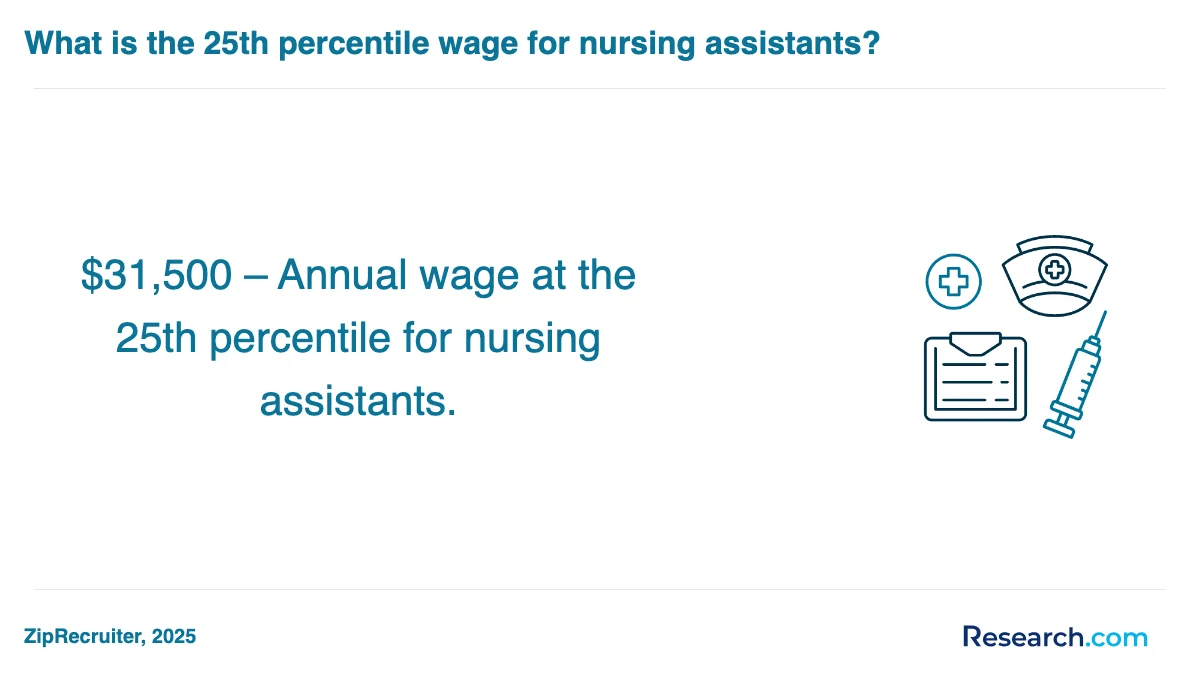
- Graduates can expect an average salary around $33,746 to $35,261 annually, with hourly wages between $16.22 and $17.75, offering a stable income right after completing their program.
- Many graduates find rewarding career paths in hospitals, long-term care facilities, or home health services, gaining valuable experience that can lead to advanced nursing roles over time.
- Finishing the program online provides flexibility to balance work and study, as shared by successful online graduates from Kansas trade schools who appreciated saving time and learning at their own pace.
What can I expect from nursing assistant aide and patient care assistant trade schools in Kansas?
Enrolling in a nursing assistant aide or patient care assistant program in Kansas means diving into a hands-on, immersive experience that blends classroom learning with real-world clinical practice. Graduates from popular schools in Kansas often recall the balance of theory and practice-half the time spent mastering topics like vital signs, body mechanics, and communication skills, and the other half gaining confidence in local care facilities or simulated labs. Imagine yourself assisting residents with daily activities, under the watchful eye of licensed instructors who provide instant feedback and encouragement.
Expect a flexible schedule designed for busy lives, with options like evening or hybrid classes that fit around work or family commitments. Many students appreciate how programs at Kansas trade schools, such as Cowley College, offer specialized tracks like restorative aide or medication aide to expand their skillsets and job prospects.
Completing around 90 clock hours of training, you'll be ready and eager to take the Kansas CNA State Exam, opening doors to a rewarding healthcare career. Financial aid options, like the Kansas Promise Act Scholarship, make this journey even more accessible, fueling dreams of making a real difference.
Where can I work after finishing nursing assistant aide and patient care assistant trade schools in Kansas?
After completing a nursing assistant aide or patient care assistant trade school program in Kansas, graduates often find themselves stepping into bustling hospitals, cozy assisted living communities, or dynamic rehabilitation centers. Imagine starting your day helping patients with daily tasks like bathing and dressing in a major hospital, just like many recent graduates from popular Kansas trade schools who describe the experience as both rewarding and eye-opening.
Many alumni share stories of working in long-term care facilities or home health settings, where the one-on-one support they provide creates meaningful connections. Whether it's assisting in emergency rooms or supporting licensed nurses in outpatient clinics, the variety of environments keeps the work exciting and fulfilling.
Trade schools in Kansas prepare students for these roles with hands-on training that builds confidence to tackle real-world challenges. From urban hospitals to rural care centers, the demand is strong, and the career paths are full of possibilities that inspire a sense of purpose every day.
How much can I make after finishing nursing assistant aide and patient care assistant trade schools in Kansas?
After finishing a nursing assistant aide or patient care assistant trade school program in Kansas, many graduates find themselves earning between $16.22 and $17.89 per hour. This range feels like a rewarding start for those stepping into healthcare, especially from well-known Kansas trade schools where hands-on training prepares you for real-world challenges.
Imagine clocking in at a busy hospital or clinic, starting with an hourly wage that translates to about $33,700 to $37,200 annually. Some graduates excitedly share how overtime bumps up their paychecks by roughly $4,500 a year, turning a modest start into something more substantial.
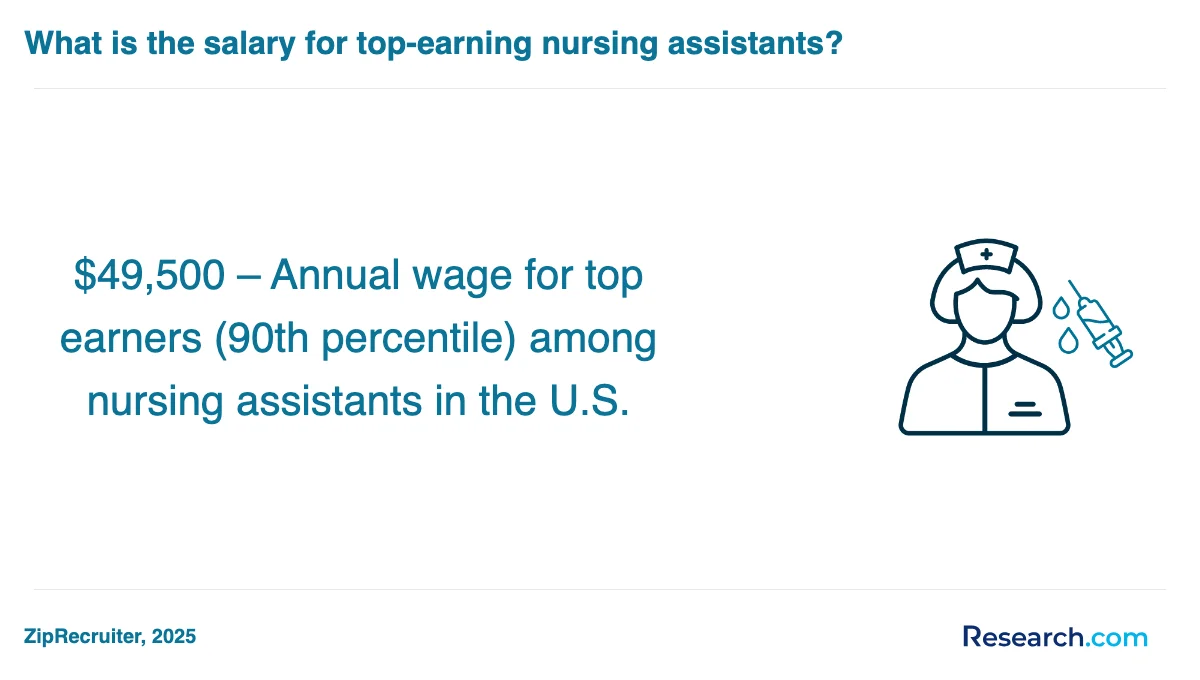
It's true that pay varies widely-some employers offer as low as $13 per hour, while others, especially for Certified Nursing Assistants, can reach up to $26.15. Veterans Affairs roles in Kansas can even stretch from $37,500 to $61,218, a thrilling prospect for those willing to pursue extra credentials.
Though Kansas ranks last nationally for CNA pay, many graduates feel proud knowing their earnings support local communities, and with experience, their pay climbs steadily. Starting your career here means stepping into a field where your skills are valued and your paycheck can grow as you do.
Best Nursing Assistant Training Programs & Trade Schools - Top Nursing Assistant Schools in Kansas for 2026
# 1 position
Hutchinson Community College - Nursing Assistant/Aide and Patient Care Assistant/Aide.
certificate or diplomaThe Nursing Assistant/Aide and Patient Care Assistant/Aide program at Hutchinson Community College offers a hybrid format with some distance education options. It prepares students to perform routine nursing-related services under supervision in hospitals or long-term care facilities. The program is accredited by the Higher Learning Commission. Annual in-state tuition is $3,420, and median earnings one year after completion are $45,344.
# 2 position
Rasmussen University-Kansas - Nursing Assistant/Aide and Patient Care Assistant/Aide.
certificate or diplomaThe Nursing Assistant/Aide and Patient Care Assistant/Aide program at Rasmussen University-Kansas prepares students to perform routine nursing-related services in hospitals or long-term care facilities under nurse supervision. The program’s annual in-state tuition is $15,340. Graduates earn a median income of $45,271 one year after completion. This program is accredited by the Higher Learning Commission.
# 3 position
Highland Community College - Nursing Assistant/Aide and Patient Care Assistant/Aide.
certificate or diplomaHighland Community College offers a hybrid Nursing Assistant/Aide and Patient Care Assistant/Aide program designed to prepare students for routine nursing-related duties in hospitals or long-term care settings under nurse supervision. The program is accredited by the Higher Learning Commission. Annual in-state tuition is $4,116, and some coursework is available through distance education, providing flexible learning options for students.
Key Findings
- Applicants must be at least 16 years old, with parental approval required if under 18, and must provide a valid state ID, Social Security Number, and a negative tuberculosis test.
- Programs require a minimum of 90 hours split evenly between classroom and clinical practice, with CPR/BLS certification and proof of immunizations often needed.
- Tuition costs around $750, with total expenses including fees and supplies averaging about $910 for in-state students; out-of-state tuition is typically the same.
- Graduates become eligible to take the Kansas Nurse Aide state exam for certification and registry inclusion.
- Kansas employs over 22,000 CNAs with a job growth rate of 11% through 2026, and entry-level salaries range from $28,000 to $35,000 annually.
- Experienced CNAs in the Kansas City area can earn up to $45,000 or more per year, especially with additional experience or education.
How long does it take to complete nursing assistant aide and patient care assistant trade schools in Kansas?
Completing a nursing assistant aide or patient care assistant program in Kansas often feels like an exciting sprint rather than a marathon. Most trade schools in the state offer programs that wrap up in just 6 to 12 weeks, making it possible to jump into the healthcare world quickly. Imagine starting a program in Wichita or Topeka, diving into hands-on training one week, and by the next, confidently assisting patients in real medical settings.
Graduates frequently share how the compact timeline keeps their motivation high-they appreciate how the program's pace mirrors the fast, dynamic environment of healthcare itself. At popular Kansas trade schools, students balance classroom learning with clinical experiences that build real skills efficiently. This means you're not just waiting around; you're actively gaining expertise every day.
For many, this short completion time is a game-changer, blending eagerness with practical achievement. It's the perfect pathway if you're ready to embrace a new career with energy and a sense of adventure right here in Kansas.
What's the difference between online and on-campus nursing assistant aide and patient care assistant trade school programs?
Imagine juggling the flexibility of studying nursing assistant aide courses from your living room versus the hands-on thrill of learning directly in a bustling Kansas trade school classroom. On-campus programs, like those at popular schools in Kansas, immerse students fully: 90 clock hours split between lectures, labs, and clinical rotations, where graduates vividly recall the excitement of practicing vital signs on real patients under expert eyes. This direct engagement builds confidence and sharpens skills in ways online alone can't match.
Online programs offer adventurous learners the freedom to absorb theory remotely, perfect for balancing work or family. Yet, Kansas rules require every student to dive into in-person labs and clinical sessions, so even online enrollees experience that vital hands-on connection. Graduates often share how hybrid models, such as those at Mid-America College of Health Sciences, blend convenience with essential face-to-face training, making learning both flexible and deeply rewarding.
What is the average cost of nursing assistant aide and patient care assistant trade schools in Kansas?
Curious about the average cost of nursing assistant programs in Kansas? Many students embarking on their journey as nursing assistant aides find that tuition fees typically range between $700 and $1,500, depending on the trade school they choose. Graduates from popular institutions like Pratt Community College often share how flexible formats such as their hybrid Nurse Aide Certification program, which lasts about one semester, help balance learning with life while keeping costs reasonable.
Considering tuition fees for patient care assistant courses in Kansas means looking beyond just the classroom. Materials like books, uniforms, and testing fees can add to the total cost. For example, graduates from Bethel House Training praise the weekend hybrid course priced at $850 for covering all these essentials, making the investment straightforward and less stressful.
Many future healthcare heroes in Kansas also appreciate that financial aid options like the Kansas Promise Scholarship Act help cover tuition, fees, and books, making these rewarding career paths even more accessible. These supports turn the dream of becoming a CNA into an achievable reality.
For those exploring a certified nursing assistant career, understanding these costs and supports offers a clear path forward in the vibrant and caring world of patient care assistance.
What financial aid is available for nursing assistant aide and patient care assistant trade schools in Kansas?
Imagine starting your journey at one of Kansas's top trade schools, eager to become a nursing assistant aide or patient care assistant, but worried about tuition costs. Fortunately, a variety of financial aid options can turn that worry into excitement. Many students discover community-based grants and workforce programs, like those from Kansas Workforce Partnership or Kansas Works Centers, which often cover tuition and even certification exam fees. Graduates recall how these programs, especially for those in Johnson, Leavenworth, and Wyandotte counties, made their dreams feel reachable.
In Sedgwick County, the Wichita Sedgwick County Community Action Partnership (WSCCAP) Grant is a lifesaver for many, while organizations such as Catholic Charities of Northeast Kansas and the Kansas Department for Children and Families offer crucial support that sometimes extends to childcare and transportation. Enrolling at a popular Kansas trade school, students often take advantage of tuition installment plans, spreading payments comfortably over time, making education feel lighter on the wallet. Some even tap into tailored loan options from private lenders like Fortify, designed specifically for healthcare trainees. These aids transform the challenge of financing education into a hopeful, manageable adventure.
What are the prerequisites for enrolling in nursing assistant aide and patient care assistant trade schools in Kansas?
Enrolling in a nursing assistant aide or patient care assistant trade school in Kansas often feels like stepping into a new world full of opportunity, but first, there are a few key prerequisites that open the door. Most Kansas trade schools expect students to have a high school diploma or GED. This foundational requirement ensures you're prepared for the hands-on, fast-paced learning ahead.
Beyond academics, some schools ask for a clear background check and immunization records-because working closely with patients means safety and trust come first. Imagine a graduate who felt relieved knowing these steps were straightforward and appreciated how the school guided them through the process.
Here are common prerequisites you'll encounter:
- High school diploma or GED
- Proof of immunizations (like flu and TB tests)
- Background check clearance
- Basic English proficiency and communication skills
Trade schools in Kansas, known for their supportive environments, often provide orientation sessions to help students navigate these requirements easily. Graduates recall how these practical steps made them feel confident and ready to dive into patient care training with excitement and enthusiasm.
What are the typical courses in nursing assistant aide and patient care assistant trade schools in Kansas?
Diving into nursing assistant aide and patient care assistant programs in Kansas means immersing yourself in courses designed to build real-world skills from day one. Graduates from popular Kansas trade schools often recall the thrill of mastering basic nursing skills-like measuring vital signs and assisting patients with grooming and mobility-which gave them confidence to step into clinical settings.
Hands-on learning is key, and courses emphasize:
- Infection control, where students learn to protect themselves and patients by preventing disease spread through strict protocols.
- Patient safety and emergency procedures, preparing students to act swiftly and safely when moving patients or responding to urgent situations.
- Communication skills, essential for connecting with patients, families, and healthcare teams in meaningful, compassionate ways.
- Documentation and reporting, teaching precise record-keeping that's crucial for quality care.
- Legal and ethical responsibilities, clarifying the boundaries and values guiding nursing assistants in Kansas' healthcare system.
Many students appreciate hybrid options blending online theory with hands-on labs and clinical sessions, offering flexibility while maintaining that vital in-person experience. These courses reflect the Kansas Department for Aging and Disability Services curriculum, ensuring graduates are ready and excited to take their certification exam and begin making a difference in local care facilities.
What are the available specializations in nursing assistant aide and patient care assistant trade schools in Kansas?
Nursing assistant specializations in Kansas trade schools often begin with the essential Certified Nurse Aide (CNA) certification, a key stepping stone widely praised by graduates who felt empowered by gaining practical skills like patient hygiene and vital sign monitoring. From there, exciting paths open up, including specialized roles such as Certified Medication Aide (CMA) and Home Health Aide (HHA). Students from popular Kansas trade schools describe the CMA track as thrilling, where they learn to manage medication safely in long-term care settings, expanding their clinical expertise and confidence.
Others share inspiring experiences pursuing the HHA specialization, where they develop skills to support patient independence at home, delivering personal care, and providing essential nutrition guidance. Kansas students appreciate the diverse patient care assistant program options Kansas offers, with hands-on laboratory and clinical rotations that bring real-life exposure to nursing homes and hospitals, enhancing their readiness and joy in caregiving.
Many students find themselves curious about the starting point, often guided by resources like how to get a cna license to embark on their healthcare journey with confidence.
How do you choose the best nursing assistant aide and patient care assistant trade school program in Kansas?
Choosing the best nursing assistant programs in Kansas means diving into more than just course listings. Graduates often praise the practical, hands-on experiences they gained at schools like Kansas College of Nursing, where clinical rotations in nursing homes bring lessons to life. Imagine balancing day or evening classes with work-flexibility offered by these top patient care assistant schools in Kansas transforms busy schedules into achievable goals. Consider the cost too; a Certified Nurse Aide course around $790 at Kansas College of Nursing shows that investment in your future can be manageable.
Accreditation matters deeply-graduates from accredited institutions like Kansas City Kansas Community College feel confident that their credentials are recognized and respected by local employers. Plus, programs connected with healthcare systems, such as The University of Kansas Health System's Gold Standard Program, often open doors to immediate job opportunities. Curious about whether to pursue nursing assistant or a medical assistant path? Exploring what is the difference between a cna and a cma can help you decide your ideal route in healthcare.
What career paths are available for nursing assistant aide and patient care assistant trade school graduates in Kansas?
Graduates of nursing assistant aide and patient care assistant trade school programs in Kansas dive into a world full of rewarding roles. Many jump right into Certified Nursing Assistant (CNA) positions, providing essential care in nursing homes, assisted living centers, and hospitals. Imagine the satisfaction of helping residents with daily needs, from bathing to monitoring vital signs, all while becoming an indispensable part of the healthcare team.
Others explore patient care assistant jobs in Kansas by becoming Home Health Aides, supporting independence for elderly or disabled clients in their own homes - a truly fulfilling and personal way to make a difference. Trade schools across the state, such as those in Wichita and Topeka, give graduates options to pursue certifications as Certified Medication Aides, increasing responsibilities and pay by safely administering medications under supervision.
Some graduates assist in rehabilitative services as Restorative Aides, contributing to therapy teams in hospitals and long-term care settings. Ambitious students often use their experience as a springboard to Licensed Practical Nurse or Registered Nurse programs, sometimes benefiting from employer tuition aid or bridge courses.
With healthcare booming in Kansas, these nursing assistant career opportunities in Kansas promise stability and growth. And if you're curious about earnings, check out what is the highest paid medical assistant to explore financial prospects in this exciting field.
What is the job market for nursing assistant aide and patient care assistant trade school graduates in Kansas?
The nursing assistant job market in Kansas is buzzing with opportunity, especially for graduates from popular trade schools across the state. Those who recently completed their nursing assistant aide or patient care assistant programs share stories of quick job offers, thanks to the high demand in Kansas City and beyond. Hospitals, nursing homes, and rehab centers actively seek these trained professionals, with more than 300 nursing assistant roles open in Kansas City alone. Graduates often land positions that come with benefits like health insurance and tuition reimbursement, making the transition from classroom to care environment both exciting and rewarding.
For anyone eyeing this career, the patient care assistant employment outlook Kansas shows strong growth, fueled by an aging population and the need to replace retiring staff. Non-certified job openings also provide a way to start gaining experience while finishing certification.
Popular trade schools prepare students not just with skills but with confidence to thrive in real settings. Many graduates find joy in hands-on roles delivering daily patient support, and the steady wages encourage them to keep growing. For those curious how this career stacks up against others, exploring what medical field makes the most money offers valuable insight.
Frequently Asked Questions about nursing assistant aide and patient care assistant
After completing a nursing assistant aide or patient care assistant trade program in Kansas, preparing for the job market involves several important steps. First, obtaining certification as a Certified Nurse Aide (CNA) through the Kansas Department for Aging and Disability Services is essential. This certification is required to work in most healthcare settings across the state.
Next, building a professional resume that highlights clinical training, practical skills, and any hands-on experience gained during the program can improve job prospects. Networking with local healthcare providers and attending job fairs in Kansas can also open doors to employment opportunities.
According to the Kansas Department of Labor, employment for nursing assistants is expected to grow by 12% through 2030, faster than the average for all occupations. This growth is driven by an aging population needing long-term care. Staying updated on industry trends and continuing education can further enhance employability.
Employers in Kansas highly value practical skills and interpersonal abilities when hiring nursing assistant aide and patient care assistant trade school graduates. According to the Kansas Department of Labor, strong communication skills are essential, as assistants must effectively interact with patients and healthcare teams.
Technical competencies such as vital signs monitoring, infection control, and basic patient hygiene are fundamental. The Kansas Board of Nursing emphasizes that certified nursing assistants (CNAs) demonstrate proficiency in these areas to ensure patient safety and quality care.
Additionally, employers look for reliability, empathy, and the ability to handle stressful situations calmly. Time management and teamwork are also critical, as assistants often work in fast-paced environments requiring coordination with nurses and other staff.
Finding internships in Kansas relevant to nursing assistant aide and patient care assistant trade school programs involves several strategic steps. Start by contacting the trade schools directly, as many maintain partnerships with local healthcare providers for clinical training. These internships often take place in hospitals, nursing homes, and assisted living facilities.
The Kansas Department for Aging and Disability Services and the Kansas Board of Nursing are valuable resources for locating approved internship sites. According to the Kansas Board of Nursing, clinical experiences are required for certification and typically range from 75 to 120 hours.
Networking through school career services and attending local healthcare job fairs can also connect students with internship opportunities. Additionally, some programs assist students in placing internships based on location preferences and program requirements.
Obtaining a nursing assistant aide or patient care assistant diploma from a trade school in Kansas significantly enhances career mobility within the healthcare sector. These programs typically take a few months to complete, providing students with essential clinical skills recognized by employers statewide.
Graduates become eligible to take the Kansas Nurse Aide Competency Exam, a requirement for certification and employment in long-term care facilities and hospitals. According to the Kansas Department for Aging and Disability Services, certified nurse aides in Kansas earn a median wage of around $14 to $16 per hour, with opportunities for wage growth as experience and additional certifications are acquired.
Trade school diplomas also open pathways to advanced roles such as Licensed Practical Nurse (LPN) or Registered Nurse (RN) through bridge programs, supporting upward mobility. The Kansas Board of Nursing reports that former nursing assistants who continue education have higher retention and promotion rates.
Overall, the diploma serves as a foundational credential, facilitating entry-level employment and providing a stepping stone for career advancement in Kansas's growing healthcare environment.
Part-time job opportunities in Kansas that complement nursing assistant aide and patient care assistant trade school education include roles such as home health aide, caregiver, and medical receptionist. These positions provide valuable hands-on experience while allowing flexible schedules for students. According to the Kansas Department of Labor, home health aide jobs are expected to grow by 23% through 2030, reflecting strong demand in the state.
Working in assisted living facilities or nursing homes is also common for students seeking practical skills. These roles help build patient interaction and basic care abilities that align with trade school training. Additionally, some students find opportunities in outpatient clinics assisting with patient intake and non-clinical support.
Part-time employment in these areas can enhance skills, build professional networks, and increase employability upon program completion.
To choose the best Nursing Assistant Aide and Patient Care Assistant degree program near me in Kansas, begin by researching local colleges and training centers that offer accredited programs tailored to these fields. Consider factors such as the program’s curriculum, its clinical placement opportunities, and success rates of graduates finding employment in the healthcare sector. Utilizing a resource like Research.com can provide valuable insights into the quality of programs near Kansas, helping you make an informed decision.
Related Nursing Assistant Aide And Patient Care Assistant Rankings for Nearby States
- Best Nursing Assistant Training Programs & Trade Schools - Top Nursing Assistant Schools in Oklahoma for 2026
- Best Nursing Assistant Training Programs & Trade Schools - Top Nursing Assistant Schools in Missouri for 2026
- Best Nursing Assistant Training Programs & Trade Schools - Top Nursing Assistant Schools in Arkansas for 2026
- Best Nursing Assistant Training Programs & Trade Schools - Top Nursing Assistant Schools in Texas for 2026
- Best Nursing Assistant Training Programs & Trade Schools - Top Nursing Assistant Schools in Illinois for 2026
- Best Nursing Assistant Training Programs & Trade Schools - Top Nursing Assistant Schools in New Mexico for 2026
- Best Nursing Assistant Training Programs & Trade Schools - Top Nursing Assistant Schools in Louisiana for 2026
- Best Nursing Assistant Training Programs & Trade Schools - Top Nursing Assistant Schools in Wisconsin for 2026
- Best Nursing Assistant Training Programs & Trade Schools - Top Nursing Assistant Schools in Mississippi for 2026
- Best Nursing Assistant Training Programs & Trade Schools - Top Nursing Assistant Schools in Tennessee for 2026
Top Trending Rankings
References
- CNA Career Path: Ideas for Advancement | IntelyCare https://www.intelycare.com/career-advice/cna-career-path-ideas-for-advancement/
- PHAP Perspective: My Experience as a Certified Nurse Aide (CNA)/Patient Care Technician | UVA Career Center https://career.virginia.edu/phap-perspective-my-experience-certified-nurse-aide-cnapatient-care-technician
- 3 Ways to Advance Your CNA Career Path - CareerStaff Unlimited https://www.careerstaff.com/clinician-life-blog/nursing/how-to-further-your-cna-career/
- WorkBC Site Maintenance - Service Temporarily Unavailable https://www.workbc.ca/career-profiles/nurse-aides-orderlies-and-patient-service-associates
- Is Becoming a CNA Worth It? Pros vs. Cons of Certified Nursing Assistant Careers https://www.registerednursing.org/articles/cna-worth-it/
- Certified Nursing Assistant Job Options | UMA https://www.ultimatemedical.edu/blog/work-as-a-cna-what-kind-of-jobs-can-i-get-as-a-nursing-assistant/
- Nursing Assistant Salary Guide | 2025 https://nurse.org/education/nursing-assistant-salary/
- Patient Care Assistant (PCA) Salary | Goodwin University https://www.goodwin.edu/enews/patient-care-assistant-salary/
- Nursing Assistants and Orderlies : Occupational Outlook Handbook: : U.S. Bureau of Labor Statistics https://www.bls.gov/ooh/healthcare/nursing-assistants.htm
- CNA Versus PCT | What Are the Similarities and Differences Between the Two Careers http://slchc.edu/nursing/nursing-career/cna-versus-pct/


