
Most Affordable Nursing Assistant Schools & Training - Budget-Friendly Nursing Assistant Trade Programs in Alaska for 2026

Co-Founder and Chief Data Scientist
Choosing the right nursing assistant trade school in Alaska can feel overwhelming, but it’s a crucial step toward a rewarding healthcare career. This article introduces a carefully crafted ranking of nursing assistant aide and patient care assistant programs, developed by the Research.com team of data scientists to guide you in making an informed decision.
By exploring these affordable options, you’ll discover programs that fit your goals and budget. Earning a diploma or certification opens doors to meaningful work, personal growth, and stable employment in healthcare. Your future starts here.
Key benefits of finishing nursing assistant aide and patient care assistant trade school in Alaska
- Graduates can expect a competitive salary, with average earnings around $40,749 annually and hourly wages up to $21.61, making this career financially rewarding in Alaska.
- Career paths include working in hospitals, nursing homes, and specialized care facilities, offering diverse opportunities for growth and experience.
- Completing the program online offers flexibility and convenience, allowing students to balance work and study while gaining skills quickly compared to traditional degrees.
What can I expect from nursing assistant aide and patient care assistant trade schools in Alaska?
Students enrolling in nursing assistant aide and patient care assistant programs in Alaska can expect a hands-on, state-approved curriculum designed to prepare them quickly for healthcare roles. Graduates from popular trade schools often describe starting with a blend of classroom lessons and skills labs, such as the four weeks of hybrid learning offered by the Alaska CNA Program, which balances theory and practice perfectly. Following this, two weeks in clinical settings let students apply their knowledge directly, building confidence and empathy while working alongside experienced healthcare professionals.
Small class sizes, often capped at eight to twenty students, create a supportive environment where personalized attention helps overcome challenges like mastering medical terminology or patient interaction skills. Many students appreciate the dual enrollment opportunities at high school-based programs, gaining credits while gaining supervised clinical experience in local nursing homes or assisted living facilities.
Fees around $100 for licensing exams and materials are common, though some programs like the Denali Center CNA Trainee Program cover these costs and even offer paid training with job placement prospects. Graduates feel empowered knowing their training aligns with Alaska's certification requirements, opening doors to meaningful healthcare careers statewide.
Where can I work after finishing nursing assistant aide and patient care assistant trade schools in Alaska?
Graduates of nursing assistant aide and patient care assistant trade school programs in Alaska often find themselves stepping directly into rewarding roles within the state's healthcare system. Many begin their careers in hospitals, working as Patient Care Technicians or Dialysis Patient Care Technicians, where they collaborate closely with nurses to support patients' daily needs and monitor vital signs. Alumni from popular Anchorage and Fairbanks trade schools frequently share how these positions offer both hands-on experience and a sense of purpose that fuels their passion for caregiving.
Others choose to work in nursing homes or long-term care facilities, supporting residents with everyday activities like dressing and mobility. These environments often allow graduates to form meaningful relationships with residents, bringing comfort through restorative care or engaging activities. The flexibility of roles and the chance to specialize, such as becoming a Restorative Nursing Assistant, appeals to many who trained in Alaska's trade programs.
Home health agencies also provide dynamic career paths. Graduates report feeling proud delivering personalized care in patients' homes across Alaska's diverse communities. The option to take travel CNA assignments offers excitement and variety, matching the adventurous spirit of many Alaskan students. With Alaska's highest national CNA salaries and flexible scheduling, trade school graduates are optimistic about a stable, fulfilling future in healthcare.
How much can I make after finishing nursing assistant aide and patient care assistant trade schools in Alaska?
Graduates from nursing assistant aide and patient care assistant trade schools in Alaska often find themselves earning an average hourly wage of about $19.59, translating to an annual salary near $40,749. Many who trained at well-known Alaskan trade schools share stories of starting with salaries around $33,900, feeling encouraged by steady growth toward $44,700 within a few years. Some top performers even reach salaries exceeding $53,000, which feels like a rewarding payoff for their dedication.
For Certified Nursing Assistants (CNAs), the average hourly wage is even higher, around $21.61, with some contract roles in remote areas offering $35 to $45 per hour. Graduates often speak positively about how overtime and shift differentials, like night or weekend shifts, boost their income by thousands annually, sometimes adding an extra $4,500 or more.
These earnings reflect Alaska's unique healthcare needs and cost of living, giving trade school grads a competitive edge in a stable but selective job market. Many feel proud knowing their skills directly impact patient care while providing a solid financial foundation.
Most Affordable Nursing Assistant Schools & Training - Budget-Friendly Nursing Assistant Trade Programs in Alaska for 2026
# 1 position
University of Alaska Southeast - Nursing Assistant/Aide and Patient Care Assistant/Aide.
certificate or diplomaThe University of Alaska Southeast offers a hybrid Nursing Assistant/Aide and Patient Care Assistant/Aide program designed to prepare individuals for routine nursing-related duties under the supervision of registered or licensed practical nurses. The program's annual in-state tuition is $6,960. It is accredited by the Northwest Commission on Colleges and Universities and includes some distance education options.
# 2 position
University of Alaska Fairbanks - Nursing Assistant/Aide and Patient Care Assistant/Aide.
certificate or diplomaThe University of Alaska Fairbanks offers a Nursing Assistant/Aide and Patient Care Assistant/Aide program with a hybrid format, including some distance education options. This program prepares students to perform routine nursing-related services under the supervision of a registered or licensed practical nurse. Annual in-state tuition is $8,640. The program is accredited by the Northwest Commission on Colleges and Universities.
Key Findings
- Alaska requires a state-approved training program with at least 140 hours, including 60 hours of classroom instruction and 80 hours of clinical practice.
- Programs include medical terminology, anatomy, first aid, and supervised clinical rotations in long-term care or assisted living facilities.
- Applicants often need to submit an application, letters of recommendation, and pass basic skills screening in reading, writing, and math.
- Program costs vary; clinical fees and CNA exam costs can be around $100, with total expenses ranging from several hundred to a few thousand dollars.
- Graduates must pass the Alaska CNA exam administered by Pearson VUE to become certified and eligible for work.
- Average annual salaries for CNAs in Alaska range from $37,000 to $44,000, often higher than the national average due to the cost of living.
How long does it take to complete nursing assistant aide and patient care assistant trade schools in Alaska?
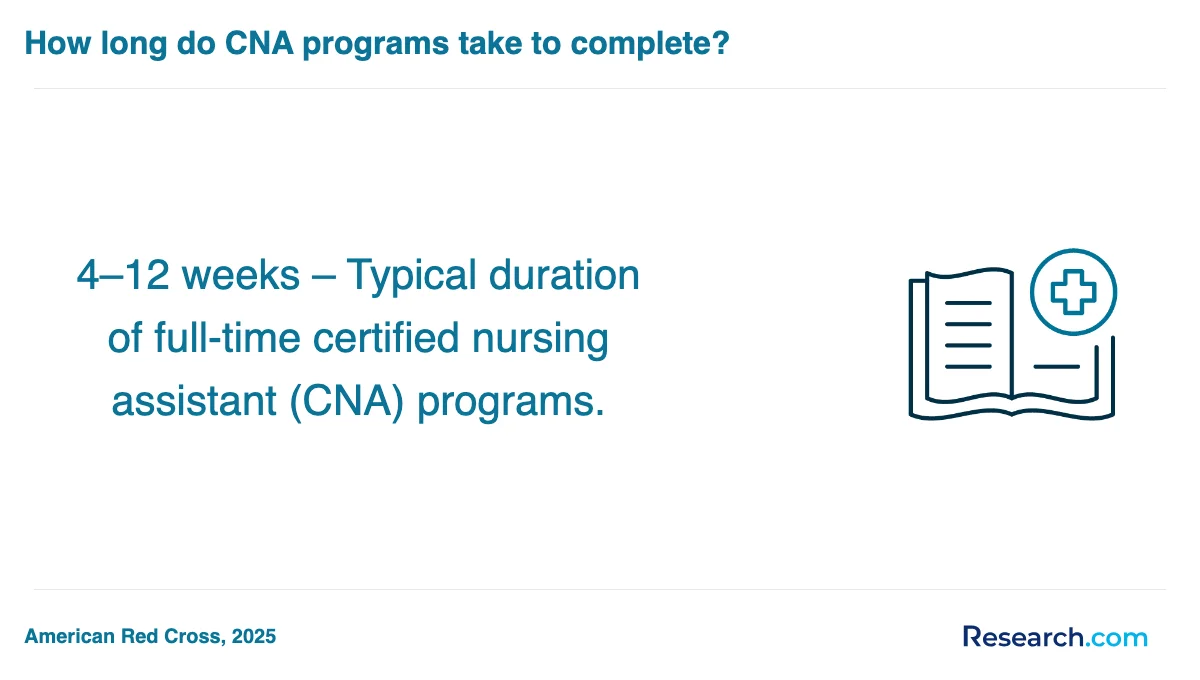
Completing a nursing assistant aide or patient care assistant program in Alaska typically takes between 6 to 12 weeks, depending on the trade school and course intensity. Graduates from popular Alaskan trade schools often share how this timeframe allows them to quickly enter the workforce and start gaining hands-on experience in healthcare settings. For example, many students recall the excitement of finishing their clinical rotations in local hospitals or care facilities just a few months after starting classes.
This relatively short duration is ideal for those eager to begin meaningful work without long delays. Trade schools in Alaska emphasize practical skills, so students spend much of their time engaged in real patient care scenarios, which helps build confidence early on. Graduates often speak about how the immersive training made them feel prepared and valued when they first interacted with patients and healthcare teams.
For prospective students in Alaska, this swift program completion means less time away from family and community, making the path to a rewarding healthcare career accessible and motivating.
What's the difference between online and on-campus nursing assistant aide and patient care assistant trade school programs?
Online nursing assistant aide and patient care assistant programs in Alaska offer a flexible way for students, especially those in remote areas, to complete their coursework. Graduates from programs at the University of Alaska Southeast or the University of Alaska Fairbanks often share how studying lecture materials online allowed them to balance family, work, and education without the daily commute. This flexibility makes it possible to learn at your own pace while staying connected through virtual discussions.
However, both online and on-campus students must still complete hands-on clinical hours in person at approved healthcare settings, like local hospitals or nursing homes. Graduates frequently describe these clinical experiences as rewarding opportunities to apply their skills and build confidence under real supervision.
On-campus programs, by contrast, immerse students directly in classroom and lab environments, fostering immediate interaction with instructors and peers. Many find this traditional model energizing, as it offers instant feedback and camaraderie.
Ultimately, whether remote or in-person, trade schools in Alaska ensure that practical, patient-centered training remains the heart of nursing assistant education.
What is the average cost of nursing assistant aide and patient care assistant trade schools in Alaska?
The average cost of nursing assistant programs in Alaska typically ranges from $1,200 to $1,800, making these trade school paths relatively accessible for local students. Graduates from popular institutions like the University of Alaska Anchorage share how the tuition fees-around $1,404 for a six-credit CNA course-felt like a manageable investment toward a fulfilling and stable career. Similarly, those enrolled at the University of Alaska Southeast have experienced the full 9-credit course fee of about $1,763, appreciating the comprehensive training provided at these trade schools.
Tuition fees for patient care assistant courses in Alaska often include additional expenses such as background checks, uniforms, and essential supplies, which can add approximately $200 to the overall amount. A graduate from Kenai Peninsula College mentioned that fees totaling $201 beyond tuition helped cover testing and other necessary costs, but still left them feeling well-prepared and supported throughout their training. These clear costs help students plan their budgets realistically, preventing surprises during their studies.
Many students find comfort knowing financial assistance options, such as Pell Grants and the Alaska Performance Scholarship, are frequently accepted by these programs, easing the pressure of upfront costs. In some cases, on-the-job training programs offered by employers allow aspiring aides to earn wages while learning practical skills. Exploring such pathways can open doors to understanding what is the highest paying job in the medical field.
What financial aid is available for nursing assistant aide and patient care assistant trade schools in Alaska?
Students pursuing nursing assistant aide and patient care assistant programs in Alaska often find a range of financial aid options that make training feel within reach. Graduates from popular trade schools have shared how scholarships from local health foundations, like those offered by the Mat-Su Health Foundation, covered their full tuition-sometimes between $600 and $2,500-lifting a huge financial weight off their shoulders.
Grants also provide critical support, especially for those committed to serving Alaska's rural communities. Many schools connect students to state and local organizations that offer these no-repayment funds, giving hopeful trainees a real chance to focus on their studies instead of worrying about money.
Payment plans are another lifeline. Students appreciate flexible monthly options, some with low or zero interest, helping them manage costs without stress. While federal loans are less common for certificate programs, those in credit-bearing courses sometimes qualify, adding another hopeful avenue for funding.
Overall, reaching out to school financial aid offices or local healthcare foundations often reveals personalized support opportunities, making the dream of becoming a nursing assistant aide or patient care assistant in Alaska more achievable every day.
What are the prerequisites for enrolling in nursing assistant aide and patient care assistant trade schools in Alaska?
To enroll in nursing assistant aide and patient care assistant trade school programs in Alaska, candidates typically need to meet several straightforward prerequisites that set the stage for success. Most popular trade schools in Alaska require applicants to have a high school diploma or GED, reflecting the essential foundation in basic education.
Graduates often share that having a clear background check and up-to-date immunizations is crucial, ensuring safety in clinical environments. Many programs also ask for proof of residency, especially for state-supported schools, which helps maintain local community focus.
Applicants often benefit from demonstrating strong communication skills and a genuine passion for caregiving, which instructors at Alaska's trade schools note as key to thriving in hands-on patient care settings. Some schools might request a brief personal statement or interview to gauge motivation and readiness.
Typical prerequisites include:
- High school diploma or GED
- Background check clearance
- Current immunizations
- Proof of Alaska residency (for certain programs)
- Basic communication skills or interview
Graduates recall that meeting these requirements was a positive first step, opening doors to rewarding experiences at Alaska's well-regarded trade schools. This foundation supports students as they engage in practical training, building confidence in real patient care situations across diverse Alaskan communities.

What are the typical courses in nursing assistant aide and patient care assistant trade schools in Alaska?
Students enrolled in nursing assistant aide and patient care assistant trade school programs in Alaska typically engage in a well-rounded curriculum designed to build confidence and competence in healthcare settings. Graduates often recall how foundational courses like medical terminology and basic anatomy and physiology became essential tools for understanding patient needs clearly and communicating effectively with medical teams.
Core coursework frequently includes:
- First aid training, creating readiness for emergency situations.
- Infection control practices, ensuring safety for both patients and caregivers.
- Hands-on skills labs, where students practice vital competencies such as bathing, dressing, feeding, and taking vital signs.
- Mobility assistance techniques, which graduates say make them feel empowered to improve patient quality of life.
At trade schools like Mat-Su CNA, the blend of four weeks of hybrid classroom instruction with skills labs, followed by two weeks of clinical experience, allows students to transition smoothly from theory to real-world application. Graduates from programs such as the Denali Center CNA Trainee Program emphasize how completing 60 hours of classroom or online learning plus 80 hours of supervised clinical work helped them gain hands-on confidence by working directly with patients and healthcare staff.
Many students cherish the opportunity to earn additional credits in health and life sciences, often through partnerships with institutions like the University of Alaska Anchorage, making their education feel both comprehensive and forward-looking. These courses not only prepare students for the Alaska Certified Nursing Assistant exam but also foster a genuine passion for compassionate patient care.
What are the available specializations in nursing assistant aide and patient care assistant trade schools in Alaska?
Trade schools in Alaska offering nursing assistant aide and patient care assistant programs often include several specializations designed to meet the state's unique healthcare demands. Graduates frequently share how programs at popular Alaskan schools prepare them beyond the Certified Nurse Aide (CNA) core curriculum, giving students a competitive edge and flexibility in their careers.
Typical nursing assistant specializations in Alaska include:
- Patient Care Technician, which trains students in advanced clinical tasks like EKG monitoring and phlebotomy, enhancing job prospects in hospitals and specialty clinics.
- Critical Care Technician, focusing on acute care support involving emergency response and close monitoring in intensive care contexts.
- Home Health Aide, emphasizing in-home safety and chronic disease management, crucial for Alaska's rural and aging populations.
- Qualified Medication Aide, allowing CNAs to administer medications under nurse supervision, a sought-after skill in long-term care.
- Travel CNA, addressing the flexibility needed for roles across Alaska's remote regions with seasonal and contract-based assignments.
Students often appreciate how these patient care assistant program options Alaska incorporate real-world clinical experiences and dual credit opportunities with local colleges. Those looking to advance might also explore the best paying medical assistant jobs linked to specialized skills learned during these programs, highlighting the practical advantages of focused training in Alaska's healthcare environment.
How do you choose the best nursing assistant aide and patient care assistant trade school program in Alaska?
When choosing the best nursing assistant programs in Alaska, accreditation and state approval are non-negotiable. Graduates from popular institutions like the University of Alaska Anchorage often share how state-approved curricula gave them confidence entering clinical settings. Imagine balancing a schedule with 60 hours of classroom instruction and 80 hours of hands-on training, as required in Alaska, which ensures you gain both theoretical knowledge and real-world experience.
Many affordable patient care assistant schools in Alaska offer flexible options, including part-time or hybrid courses to fit busy lifestyles. Graduates frequently express relief at finding programs that accommodate work or family commitments without compromising quality. Selecting schools with strong reputations and proven job placement rates can significantly ease the transition into employment.
Additionally, understanding how to get cna certified through programs that prepare students for the National Nurse Aide Assessment Program exam is crucial. Students report feeling empowered knowing their training aligns with certification requirements, enhancing their career prospects in Alaska's healthcare field.
What career paths are available for nursing assistant aide and patient care assistant trade school graduates in Alaska?
Graduates of nursing assistant aide and patient care assistant trade schools in Alaska often find diverse career opportunities that extend well beyond the basic nursing assistant roles. Popular trade schools equip students with skills applicable in high-demand healthcare settings, including hospitals, long-term care facilities, and tribal health organizations. Many graduates quickly secure positions as Certified Nursing Assistants, earning competitive wages-sometimes up to $40 per hour in places like Anchorage for specialized roles.
Furthermore, evolving CNA career paths in Alaska include roles such as Restorative Nursing Assistant or Activities Coordinator, where graduates engage closely with patient rehabilitation and daily living support. Patient care assistant job opportunities Alaska highlight roles like Patient Care Technician, which offer increased responsibilities including clinical and clerical tasks under nurse supervision.
Trade school graduates often share positive experiences about the supportive environments found in local programs, where hands-on practice prepares them for both urban and remote healthcare settings. For many, working as a CNA becomes a stepping stone toward advanced nursing roles, supported by employer tuition assistance and on-the-job training. To explore options, prospective students often ask how can i become a nursing assistant and discover the rewarding paths available.
What is the job market for nursing assistant aide and patient care assistant trade school graduates in Alaska?
Graduates of nursing assistant aide and patient care assistant trade schools in Alaska find a notably positive nursing assistant job outlook in Alaska, with over 100 open positions statewide as of early 2025. Popular programs in Anchorage and Fairbanks report graduates quickly securing roles in hospitals and long-term care centers. These students often share stories of daily hands-on training that build confidence to handle real patient care scenarios, boosting their employability.
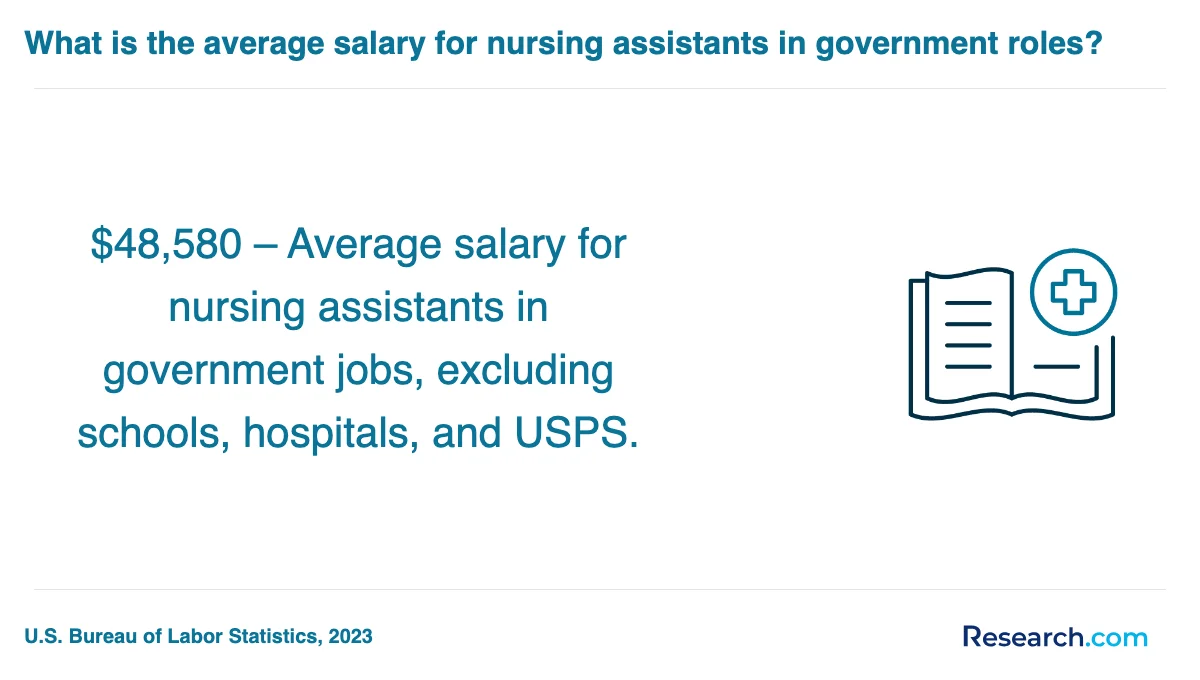
Wages reflect a strong CNA demand and salaries Alaska-wide, with full-time positions offering annual pay between $38,600 and $58,500, and some assignments in urban hubs reaching up to $40 per hour. Many employers add benefits such as health insurance and flexible scheduling, making these roles financially and personally rewarding.
Graduates appreciate the support from programs like those partnered with the Alaska Native Tribal Health Consortium, where flexible shifts and specialized training ease the transition into work. For those curious about career pathways, understanding what is the difference between ma and cna also helps clarify long-term goals in healthcare careers.
- Strong demand across urban and rural Alaska ensures job security.
- Competitive wages with meaningful benefits increase job satisfaction.
- Trade school training and certifications greatly improve hiring prospects.
Frequently Asked Questions about nursing assistant aide and patient care assistant
After completing a nursing assistant aide or patient care assistant trade school in Alaska, graduates should focus on obtaining certification through the Alaska Board of Nursing. The Certified Nursing Assistant (CNA) credential is essential for most healthcare employers in the state. Preparing for the job market also involves gaining practical experience; many trade schools offer clinical rotations that help build hands-on skills valued by employers.
Networking with local healthcare facilities, such as hospitals and long-term care centers, can improve job prospects. According to the Alaska Department of Labor, demand for nursing assistants is expected to grow by 9% through 2030, reflecting strong employment opportunities.
Continuing education and maintaining certification through regular training updates are critical for career advancement and compliance with state regulations.
Employers hiring nursing assistant aides and patient care assistants in Alaska prioritize a combination of technical and interpersonal skills. According to the Alaska Department of Labor and Workforce Development, strong patient care abilities, such as monitoring vital signs and assisting with daily living activities, are essential. Communication skills are equally critical, enabling aides to effectively interact with patients and healthcare teams.
Attention to detail and the ability to follow strict protocols ensure patient safety and compliance with healthcare regulations. Physical stamina is also important due to the demands of lifting and moving patients. Finally, adaptability and cultural awareness are valued, reflecting Alaska's diverse population and healthcare settings.
Finding internships in Alaska relevant to nursing assistant aide and patient care assistant trade school programs involves several strategic steps. First, students should contact their school's career services or internship coordinator, as many Alaska trade schools have partnerships with local healthcare facilities. These partnerships often facilitate placements in hospitals, nursing homes, and clinics.
Additionally, the Alaska Department of Labor and Workforce Development provides resources and listings for healthcare internships statewide. According to recent data, Anchorage and Fairbanks offer the highest number of internships for nursing assistants due to their larger healthcare infrastructures.
Networking with local healthcare providers and joining professional organizations like the Alaska Nurses Association can further increase internship opportunities. Online job boards specific to Alaska's healthcare sector also regularly post relevant internships.
Obtaining a diploma from a nursing assistant aide or patient care assistant trade school in Alaska significantly enhances career mobility and advancement opportunities. These programs provide essential clinical skills and state-required certification, qualifying graduates for entry-level roles in healthcare facilities across Alaska. According to the Alaska Department of Labor and Workforce Development, employment for nursing assistants is projected to grow by 8.5% through 2030, reflecting strong demand.
With certification, graduates can pursue specialized roles or further education, such as licensed practical nurse programs. Employers value the hands-on training these diplomas represent, often leading to higher wages and promotion potential. This credential acts as a key stepping stone in Alaska's healthcare sector.
In Alaska, students enrolled in nursing assistant aide and patient care assistant trade schools can find several part-time job opportunities that enhance their education. Common roles include home health aide, personal care attendant, and medical receptionist positions. These jobs provide practical experience in patient interaction and basic care tasks, which align with classroom learning.
The Alaska Department of Labor reports steady growth in healthcare support jobs, with nursing assistants earning an average hourly wage of $18.50 as of 2023. Part-time roles in assisted living facilities or clinics often offer flexible hours, making them ideal for students.
Additionally, volunteering or working as a caregiver in community health programs can improve skills and networking. Such positions complement training programs and improve employability post-graduation.
To choose the most affordable Nursing Assistant Aide and Patient Care Assistant degree program near me in Alaska, start by researching programs and universities near Alaska that offer these degrees, considering factors like tuition costs, financial aid options, and program reputation. Since location is an important factor, focus on institutions near me offering competitive tuition rates and convenient access to campus resources. Utilize resources such as Research.com to compare different programs' costs and benefits, ensuring you select the best affordable option available.
Related Nursing Assistant Aide And Patient Care Assistant Rankings for Nearby States
- Most Affordable Nursing Assistant Schools & Training - Budget-Friendly Nursing Assistant Trade Programs in Washington for 2026
- Most Affordable Nursing Assistant Schools & Training - Budget-Friendly Nursing Assistant Trade Programs in California for 2026
- Most Affordable Nursing Assistant Schools & Training - Budget-Friendly Nursing Assistant Trade Programs in Arizona for 2026
- Most Affordable Nursing Assistant Schools & Training - Budget-Friendly Nursing Assistant Trade Programs in Colorado for 2026
- Most Affordable Nursing Assistant Schools & Training - Budget-Friendly Nursing Assistant Trade Programs in New Mexico for 2026
- Most Affordable Nursing Assistant Schools & Training - Budget-Friendly Nursing Assistant Trade Programs in Kansas for 2026
- Most Affordable Nursing Assistant Schools & Training - Budget-Friendly Nursing Assistant Trade Programs in Oklahoma for 2026
- Most Affordable Nursing Assistant Schools & Training - Budget-Friendly Nursing Assistant Trade Programs in Texas for 2026
- Most Affordable Nursing Assistant Schools & Training - Budget-Friendly Nursing Assistant Trade Programs in Minnesota for 2026
- Most Affordable Nursing Assistant Schools & Training - Budget-Friendly Nursing Assistant Trade Programs in Missouri for 2026
Top Trending Rankings
References
- CNA - LTC Activities Aide in Ketchikan, Alaska, United States https://careers.peacehealth.org/jobs/14997713
- Nursing Assistant Staffing Agency in Alaska | CNA Medical Staffing Services - Truecare24 https://www.truecare24.com/healthcare-staffing/nursing-assistant-cna/ak/
- 13 Common Challenges Nursing Assistants Face and How to Overcome Them? https://uk.hfonline.org/13-common-challenges-nursing-assistants-face-and-how-to-overcome-them/
- 7 Challenges Faced By CNAs (Nursing Assistants) in Healthcare https://nursa.com/blog/7-major-challenges-cnas-face-in-healthcare
- Is Becoming a CNA Worth It? Pros vs. Cons of Certified Nursing Assistant Careers https://www.registerednursing.org/articles/cna-worth-it/
- The Wide World of CNA Training https://www.providermagazine.com/Issues/2025/Summer/Pages/The-Wide-World-of-CNA-Training.aspx
- Becoming a Nursing Assistant: Skills, Training and Job Prospects https://iomh.co.uk/becoming-a-nursing-assistant-skills-training-and-job-prospects/
- Nurse Aide Occupational Endorsement – UAF Community & Technical College https://www.ctc.uaf.edu/programs/nurse-aide/
- Alaska CNA Program https://alaskacnaprogram.com/
- Career Technical Education / Certified Nurse Aide https://www.asdk12.org/Page/8243


