Most Affordable Diagnostic Medical Sonographer Schools & Training - Budget-Friendly Sonography Trade Programs in University Center for 2026

Co-Founder and Chief Data Scientist
Choosing the right medical sonographer trade school in University Center can feel overwhelming. This article makes that decision easier by featuring a medical sonographer trade school programs ranking developed by the Research.com team of data scientists.
By exploring these top programs, you’ll discover affordable options that match your goals and budget. Earning a diploma or certification in this growing field opens doors to rewarding career opportunities and personal fulfillment.
Read on to find trusted guidance designed to help you confidently take the next step toward a bright future in medical sonography.
Key benefits of finishing medical sonographer trade school in University Center
- Graduates from medical sonographer trade schools in University Center can expect an average salary close to $39,259 per year, aligning with Michigan's steady healthcare job market and offering a promising start.
- Career paths often include roles in hospitals, outpatient care centers, or specialty clinics, providing diverse opportunities to grow and specialize after graduation.
- Completing a medical sonographer program online offers flexibility and convenience, allowing students to balance studies with personal commitments while still preparing for rewarding local job prospects.
- Most Affordable Diagnostic Medical Sonographer Schools & Training - Budget-Friendly Sonography Trade Programs in University Center for 2026
- What can I expect from medical sonographer trade schools in University Center?
- Where can I work after finishing medical sonographer trade schools in University Center?
What can I expect from medical sonographer trade schools in University Center?
Expect a full-time, two-year commitment when enrolling in a medical sonographer trade school program in University Center. Graduates often recall the balance of about 15-20 hours of personal study weekly, alongside 40 hours spent in classrooms and clinical settings. For example, students at Delta College describe early mornings operating ultrasound machines in busy hospital wings, gaining hands-on experience that's both challenging and rewarding.
The curriculum covers a wide range of essential topics, including anatomy, ultrasound physics, and patient care, preparing you well for specialties like abdominal and obstetric sonography. Many graduates emphasize how rigorous coursework combined with real-life clinical rotations helped build their confidence and professional judgment.
Programs here are accredited by CAAHEP, which means you'll be eligible to take the ARDMS certification exams-a key milestone for starting your career. Admission is competitive, so expect prerequisite courses and possibly an interview, but the supportive environment in University Center's trade schools makes the journey feel achievable and worthwhile.
Where can I work after finishing medical sonographer trade schools in University Center?
After completing a medical sonographer trade school program in University Center, many graduates find themselves working in diverse healthcare settings like regional hospitals, imaging clinics, and women's health centers. For example, graduates from popular local trade schools often share how they transitioned smoothly into roles as diagnostic medical sonographers, gaining hands-on experience by performing ultrasound scans on patients in outpatient clinics or physician offices.
Several students highlight the advantage of becoming ARDMS-certified during or shortly after their program, which employers in University Center and across Michigan highly value. This certification opens doors to various specialties such as OB/GYN, vascular, or cardiac sonography, allowing graduates to tailor their careers based on personal interests.
Many alumni recall the excitement of securing positions with competitive hourly wages ranging from $35 to $38, sometimes in flexible full-time or part-time roles. Some even pursue opportunities in mobile imaging or travel assignments, expanding their experience and job satisfaction beyond the local area.
After finishing a medical sonographer trade school program in University Center, you can expect to start with an average annual salary around $39,259, which breaks down to about $18.87 per hour. Many graduates from popular local trade schools find this entry-level pay reflects the typical starting point for new sonographers in Michigan.
Some of your classmates who began at this level quickly advanced by gaining hands-on experience and certifications, pushing their salaries to the $42,000 to $47,500 range within a few years. Imagine moving from a classroom in University Center to working in a busy hospital where your skills directly impact patient care-and your paycheck grows as your confidence and expertise increase.
Graduates employed in hospital systems like the University of Michigan Health often report hourly wages higher than the state average, with some earning up to $43.87 per hour. This shows that investing in a trade school here can open doors to rewarding, well-paying opportunities close to home.
With dedication, the potential to earn significantly more over time is very real, just like many successful former students from your local programs have experienced.
- Most medical sonographer programs in University Center take about two years to complete and typically lead to an Associate's Degree in Diagnostic Medical Sonography.
- Admission is competitive, often requiring strong science and math skills, prerequisites, and sometimes attendance at an information session.
- Programs should be accredited by the Commission on Accreditation of Allied Health Education Programs (CAAHEP) to ensure quality and eligibility for the American Registry for Diagnostic Medical Sonography (ARDMS) exam.
- Costs for a two-year program range from $6,000 to $15,000 for in-district students, with financial aid and scholarships often available.
- Entry-level salaries for medical sonographers in the area average about $63,800 annually, with median salaries around $81,100 and top earners making over $96,300.
Completing a medical sonographer trade school program in University Center typically takes about 18 to 24 months. Many graduates from well-known local trade schools share that this timeframe strikes a perfect balance between gaining solid hands-on experience and progressing quickly enough to enter the workforce without unnecessary delay.
For example, students often describe their journey as intense but rewarding, attending classes and clinical rotations that build confidence with ultrasound equipment and patient care. The close-knit environment at these University Center schools allows for personalized mentorship, which helps keep motivation high throughout the program.
One graduate mentioned how completing the program in just under two years gave them the chance to start working in a hospital setting sooner than expected, turning their passion into a career rapidly. This is common among students here, who appreciate that the curriculum is designed to prepare them efficiently without cutting corners.
Overall, the 18 to 24 month period feels manageable and energizing, fitting well with the busy lives of aspiring medical sonographers in University Center.
The key difference between online and on-campus medical sonographer trade school programs in University Center lies in how you experience the hands-on training. On-campus programs, like those at Baker College and Oakland Community College, immerse you fully in person. Graduates often recall the energy of working side-by-side with instructors during labs and clinical rotations, where immediate feedback sharpened their skills quickly. The full-time schedule, sometimes up to 40 hours a week, builds confidence through real patient interactions in local healthcare facilities.
Online programs offer flexibility, letting you complete theoretical coursework remotely, which many find convenient if balancing work or family. However, even online students must attend physical labs and clinical externships to gain essential practical experience. One graduate mentioned how Baker College's "OnlineLive" courses helped manage study time effectively, but the in-person clinical sessions were where they truly felt prepared for the sonography profession.
Both formats meet accreditation standards, ensuring you receive the rigorous clinical training necessary to succeed in this hands-on field.
The average cost of medical sonographer programs in University Center generally varies, but a typical certificate program might range from around $5,000 to $25,000. Many graduates from local trade schools recall investing about $13,000 for a focused, one-year certificate, which felt manageable given the hands-on experience and direct pathway to employment. Those pursuing longer associate degree programs often face tuition fees between $6,000 and $40,000, reflecting different lengths and depths of study. Students from these programs appreciate how the investment matched the quality of education and support they received, especially with resident tuition rates being more affordable.
If you aim for a bachelor's degree level, tuition fees can climb to $30,000-$48,000. Graduates from collaborative programs in and near University Center shared how spreading payments over several academic years helped, with some programs charging $16,000 annually at first, then decreasing in later years. It's important to remember that the average cost includes additional expenses like books, which can add $500 to $1,000, and essential equipment costing a few thousand dollars.
For those exploring an efficient path, consider a diagnostic medical sonography accelerated program, which balances time and cost smartly. Many University Center students find this approach energizing as they start working sooner while managing tuition fees effectively. Understanding tuition fees for sonography schools in University Center helps you plan wisely for your education journey while keeping the end goal of becoming a skilled sonographer in clear focus.
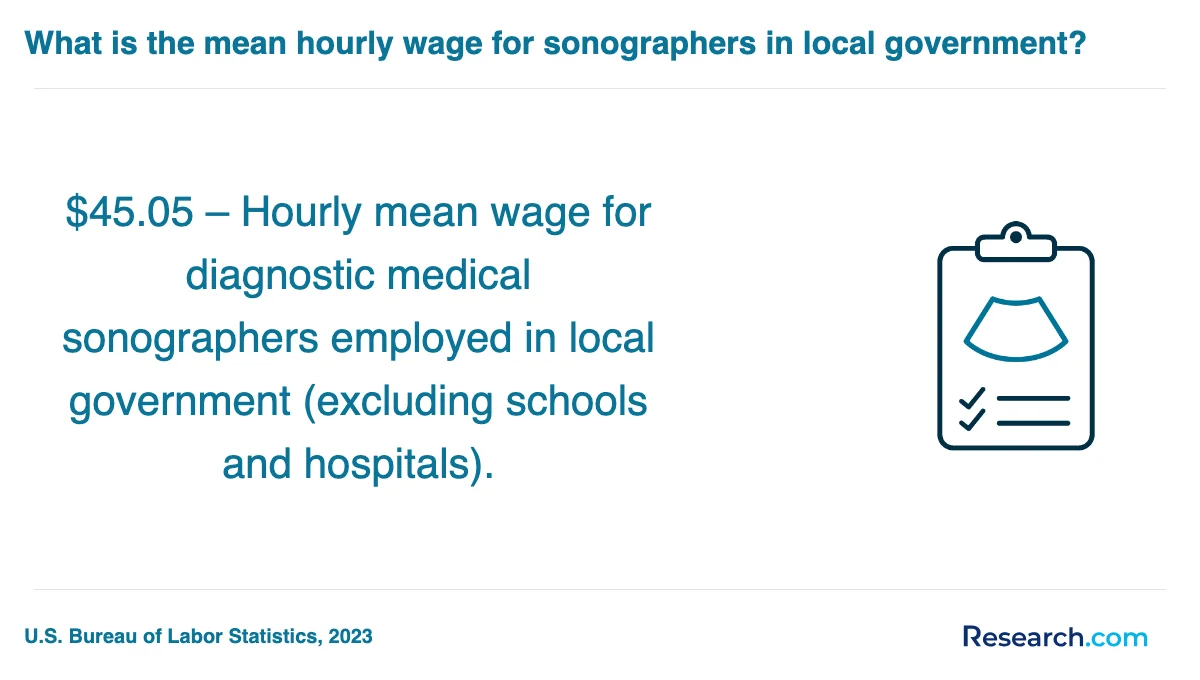
If you're studying medical sonography in University Center, understanding financial aid options is crucial. Many graduates from popular programs like UMBC's Diagnostic Medical Sonography Program share that federal aid isn't available for their trade school path. Instead, private student loans from lenders such as Sallie Mae or College Ave become essential. These loans often require a credit check and sometimes a co-signer, but they can cover tuition costs like UMBC's $27,820 fee for the 2026-2027 year.
Other trade schools affiliated with universities, like the University of Nebraska Medical Center or University of Kansas Medical Center, offer federal financial aid options including grants, student loans, and work-study opportunities. Graduates appreciate the dedicated financial aid offices that help with scholarships, technology grants, and housing allowances, making the financial journey smoother.
Additionally, many students find relief through institutional scholarships and external awards from organizations such as the Society of Diagnostic Medical Sonography. Keep in mind, extra costs like licensing exams and health insurance are usually not covered, so plan ahead to avoid surprises.
To enroll in a medical sonographer trade school program in University Center, you'll typically need to meet several key prerequisites that set you up for success. Most programs require a high school diploma or GED, as this foundational education ensures you're ready for the technical coursework ahead.
Beyond that, many graduates from popular University Center trade schools share that having a background in biology or anatomy really helps. Some schools might ask for prerequisite courses such as:
- Basic biology
- Algebra or math proficiency
- Introduction to medical terminology
These requirements prepare you for the practical, hands-on training sonographer programs emphasize. For example, graduates often mention how understanding anatomy made ultrasound scanning much more intuitive during clinical rotations.
Additionally, some programs in University Center may require passing a background check and submitting immunization records, reflecting the healthcare environment's safety standards. Graduates often recall that completing these steps early eased their transition into clinical settings.
If you're motivated and ready to engage with both classroom learning and real-world practice, these prerequisites are manageable milestones on your way to becoming a skilled medical sonographer in University Center's trade schools.
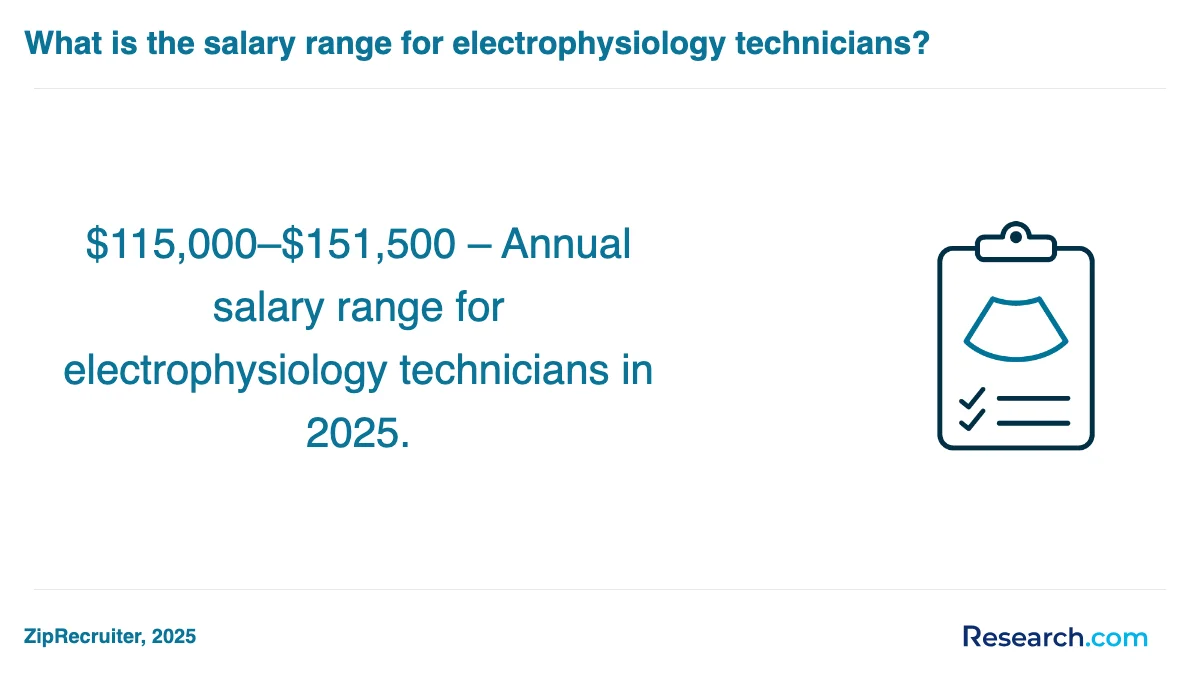
In medical sonographer trade school programs in University Center, you'll dive into courses designed to build both your knowledge and confidence in the field. Graduates often recall how the core classes like Sonography Theory, Fundamentals of Sonography, and Sonography Practice gave them a solid grasp of ultrasound technology and equipment handling-skills essential for daily clinical work.
Expect a strong focus on anatomy and physiology, with courses such as Cross-Sectional Anatomy helping you visualize the body's structures through ultrasound images. Popular programs also include specialized classes like Abdominal and OB/GYN Pathological Imaging, where students learn to identify normal versus abnormal findings, preparing them for real patient scenarios.
Patient care is more than a concept here. You'll learn how to communicate effectively with patients, gather histories, and ensure comfort during exams-skills graduates say made a real difference during their clinical rotations at local hospitals and healthcare centers around University Center.
- Hands-on lab training to master scanning techniques
- Clinical assignments in diverse healthcare settings
- Courses focused on image analysis and clinical judgment
Many graduates describe this combination of theory and practice as challenging but incredibly rewarding, especially when they first apply what they've learned in real-world clinical environments.
Medical sonographer trade school programs in University Center offer several rewarding specializations designed for students eager to make a difference in clinical imaging. Graduates from popular schools in the area often highlight tracks such as Abdominal Sonography, where they learn to image key organs like the liver and kidneys-an essential skill for diagnosing abdominal illnesses. Another common focus is Obstetric and Gynecologic (OB/GYN) Sonography, which equips students to support prenatal care and women's health through detailed fetal and reproductive system imaging.
Other University Center diagnostic medical sonographer program tracks include:
- Vascular Sonography, emphasizing blood flow analysis and vascular health.
- Cardiac (Echocardiography) Sonography, specializing in heart imaging.
Many students appreciate how these programs blend core science courses with hands-on clinical rotations at local hospitals, building confidence and practical skills. Some even pursue dual degrees combining sonography with management to open leadership doors in healthcare. If you're aiming for high paying jobs in healthcare that require little schooling, focusing on a specialized track within these University Center medical sonography specializations can be a great step forward.
When choosing the best medical sonographer trade school program in University Center, prioritize accredited programs recognized by entities like CAAHEP or JRC-DMS. Graduates from well-known local colleges often share that accreditation made a huge difference in their confidence and readiness for certification exams.
Look closely at the curriculum to ensure it covers core areas such as abdominal and obstetric sonography. Some programs also offer specialties like cardiac sonography, which can open more doors. Affordable sonography schools in University Center often balance cost and quality, making them accessible without sacrificing valuable hands-on experience.
Clinical rotations in diverse healthcare settings are essential. Many graduates recall how real-world practice during their clinicals built their skills and helped them feel prepared for daily work challenges.
Additionally, check job placement rates; programs with strong connections in University Center healthcare facilities tend to have higher success rates for graduates securing jobs quickly after completing their training.
For those needing flexibility, consider options like sonography online programs that still meet rigorous standards but allow you to balance study with life commitments.

Graduates of medical sonographer trade school programs in University Center step into a vibrant job market filled with diverse medical sonographer job opportunities in University Center. Most graduates find themselves working as diagnostic medical sonographers, using ultrasound technology to help doctors diagnose conditions across specialties like abdominal, cardiac, and vascular imaging. Many share how the hands-on training in local trade schools gave them confidence to enter fast-paced hospital settings or outpatient centers.
There are also specialized career paths available, such as becoming a vascular technologist, cardiac sonographer (echocardiographer), or breast sonographer. These roles often require additional certification, but many University Center programs prepare students for these transitions smoothly. Graduates often describe excitement about flexible job options, including mobile imaging or contract positions that fit their lifestyle.
Here are typical workplaces where graduates thrive:
- Hospitals and specialty clinics
- Outpatient imaging centers
- Physician offices
- Educational roles training future sonographers
Beyond working in clinical settings, some alumni pursue careers as diagnostic medical sonography lab technicians at nearby colleges, feeling rewarded by contributing to the next generation's growth. This is just one example of how diagnostic medical sonography career paths University Center spans different environments. If you're wondering how to become an ultrasound tech, these trade schools offer solid foundations with opportunities for certification like ARDMS, valued by nearly all Michigan employers.
Graduates from medical sonographer trade school programs in University Center find themselves entering a buoyant job market. Employers in the area regularly seek out capable sonographers, partly due to a steady influx of positions in nearby Michigan Center and the University of Michigan region. Many graduates share stories of receiving multiple interviews and job offers shortly after completing their certification, which reflects the strong demand in the field.
The medical sonographer job outlook in University Center is bolstered by factors like:
- A projected 10% growth in employment nationally for diagnostic medical sonographers between 2022 and 2032
- Local healthcare providers such as hospitals and imaging centers consistently looking for credentialed graduates
- Comprehensive benefits and competitive wages that make this career especially rewarding
One major motivator for many students is the competitive diagnostic medical sonographer salary University Center graduates enjoy. Median earnings exceed $81,000 annually, with top performers reaching above $96,000, making this an appealing career move. Trade school programs here are designed to prepare students for the national certification exam, a critical step employers emphasize.
For those weighing their options, consider the growing need for skilled sonographers combined with an attractive salary and positive job outlook. It's no surprise that graduates feel confident launching their careers. If you're curious about what is the highest paying medical job, sonography ranks quite well, reflecting both strong demand and lucrative compensation.
Most Affordable Diagnostic Medical Sonographer Schools & Training - Budget-Friendly Sonography Trade Programs in University Center for 2026
# 1 position
Delta College - Diagnostic Medical Sonography/Sonographer and Ultrasound Technician.
associateDelta College offers a Diagnostic Medical Sonography/Sonographer and Ultrasound Technician program with a hybrid format, combining in-person and distance education. The program trains students to use medical ultrasound techniques under physician supervision to diagnose conditions. Instruction covers patient care, sonographic data processing, and professional ethics. Annual in-state tuition is $4,640. Graduates earn a median salary of $52,791 one year after completion. The program is accredited by the Higher Learning Commission.
# 2 position
Delta College - Diagnostic Medical Sonography/Sonographer and Ultrasound Technician.
certificate or diplomaDelta College offers a Diagnostic Medical Sonography/Sonographer and Ultrasound Technician program with a hybrid format, including some distance education. The curriculum prepares students to perform medical ultrasound techniques for diagnosing various conditions under physician supervision. Instruction covers patient care, sonographic data processing, equipment operation, and professional ethics. The program’s annual in-state tuition is $4,640, and median earnings one year after completion are $52,791. It is accredited by the Higher Learning Commission.
Frequently Asked Questions about medical sonographer
After completing a medical sonographer trade school in University Center, preparing for the job market involves several key steps. First, obtaining professional certification is crucial; organizations like the American Registry for Diagnostic Medical Sonography (ARDMS) offer credentials that employers highly value. According to the Bureau of Labor Statistics, certified sonographers tend to have better job prospects and higher salaries.
Next, gaining clinical experience through internships or externships during training enhances practical skills and builds professional networks. Networking with local healthcare providers and attending job fairs in University Center can connect graduates with potential employers.
Finally, crafting a strong resume and practicing interview skills tailored to sonography positions will improve chances of employment in this competitive field.
Employers in University Center highly value medical sonographer graduates who demonstrate strong technical skills, including proficiency in operating ultrasound equipment and interpreting diagnostic images accurately. According to the Bureau of Labor Statistics, attention to detail and knowledge of anatomy are critical for reducing errors in patient exams. Communication skills are also essential, as sonographers must explain procedures clearly and comfort patients during scans. Additionally, adaptability and continuous learning are important due to evolving ultrasound technologies. Local healthcare employers often seek graduates with hands-on clinical experience from accredited trade schools, emphasizing practical skills alongside theoretical knowledge.
Finding internships in University Center relevant to a medical sonographer trade school program involves several strategic steps. Start by contacting the career services offices of local trade schools and community colleges, as they often maintain partnerships with nearby hospitals and clinics. These healthcare facilities provide hands-on training essential for sonography students.
The University Center area includes several medical centers where internships are commonly offered, such as Trinity Health and McLaren Bay Region. According to the Bureau of Labor Statistics, clinical internships are a required component of most accredited sonography programs, ensuring students gain practical experience.
Additionally, students should explore listings on state healthcare job boards and network with professionals through local medical associations to identify internship opportunities.
Obtaining a medical sonographer trade school diploma in University Center significantly enhances career mobility and advancement opportunities. Graduates gain specialized skills recognized by local healthcare employers, increasing their employability in hospitals, clinics, and diagnostic centers. According to the Bureau of Labor Statistics, sonography jobs are projected to grow 14% nationally through 2032, reflecting strong demand.
Locally, certification from accredited programs can lead to higher starting salaries and eligibility for advanced roles such as lead sonographer or specialist. Trade schools in University Center often provide clinical experience, which is crucial for job placement and career progression. Moreover, many employers prefer candidates with formal diplomas due to strict licensing and credentialing standards.
Students enrolled in medical sonographer trade schools in University Center can benefit from several part-time job opportunities that complement their education. Positions such as ultrasound technician assistants or medical office receptionists provide practical experience in healthcare settings. These roles enhance understanding of patient care and medical imaging workflows.
The U.S. Bureau of Labor Statistics notes that healthcare support roles in Michigan, including University Center, are projected to grow by 15% through 2030, indicating ample job availability. Additionally, internships or externships offered by local hospitals and clinics can provide hands-on experience while studying.
Working in diagnostic imaging departments helps students apply theoretical knowledge and build professional networks, improving future employment prospects.
Yes, there are affordable Medical Sonographer degree programs near University Center, MI, typically offered at community colleges and technical institutes. Programs near me may include those that provide financial aid opportunities to help manage costs, making it easier for many students to attend. Research.com can be a helpful resource to explore and compare different programs and institutions for this field.
- Most Affordable Diagnostic Medical Sonographer Schools & Training - Budget-Friendly Sonography Trade Programs in Houston for 2026
- Most Affordable Diagnostic Medical Sonographer Schools & Training - Budget-Friendly Sonography Trade Programs in Rome for 2026
- Most Affordable Diagnostic Medical Sonographer Schools & Training - Budget-Friendly Sonography Trade Programs in Springfield for 2026
- Diagnostic Medical Sonographers and Cardiovascular Technologists and Technicians : Occupational Outlook Handbook: : U.S. Bureau of Labor Statistics https://www.bls.gov/ooh/healthcare/diagnostic-medical-sonographers.htm
- What Can I do With a Diagnostic Medical Sonography Degree https://www.cambridgehealth.edu/dms-diagnostic-medical-sonography/dms-degree/what-can-i-do-with-a-diagnostic-medical-sonography-degree/
- Diagnostic Medical Sonographer - Explore Healthcare Careers - Mayo Clinic College of Medicine & Science https://college.mayo.edu/academics/explore-health-care-careers/careers-a-z/diagnostic-medical-sonographer/
- What Can I Do With a DMS Degree? - Casa Loma College Casa Loma College https://casalomacollege.edu/what-can-you-do-with-a-diagnostic-medical-sonography-degree/
- Sonographer | Explore Careers | National Careers Service https://nationalcareers.service.gov.uk/job-profiles/sonographer
- Where can Sonographers Work in Modern Medical Settings? https://www.ecpi.edu/blog/where-can-sonographers-work-in-modern-medical-settings
- Sonography Career Paths https://www.ultrasoundschoolsinfo.com/sonography-career-paths/
- WorkBC Site Maintenance - Service Temporarily Unavailable https://www.workbc.ca/career-profiles/medical-sonographers
- Diagnostic Medical Sonography – Institute of Extended Learning – UMBC https://instituteofextendedlearning.umbc.edu/sonography/
- Sonography Program | New York School of Career and Applied Studies | Touro University https://nyscas.touro.edu/academics/sonography/