Best Diagnostic Medical Sonographer Training Programs & Trade Schools - Top Sonography Schools in Austin for 2026

Co-Founder and Chief Data Scientist
Picking a medical sonographer trade school in Austin is mainly a decision about program quality, clinical access, total cost, certification eligibility, and how quickly you can enter the workforce. Sonography is a hands-on healthcare field, so the best program is not simply the cheapest or fastest option; it is the one that prepares you to scan safely, work with patients, complete clinical requirements, and sit for the credentials employers expect.
This guide reviews medical sonographer trade school options and training considerations for students who want to study in or near Austin. It is designed for first-time college students, career changers, working adults comparing flexible formats, and healthcare workers considering an imaging specialization.
Use the sections below to understand program length, costs, prerequisites, course topics, specializations, financial aid, likely workplaces, salary expectations, and the local job market. The goal is to help you compare schools with a clear view of return on investment, not just a list of program names.
Key benefits of finishing medical sonographer trade school in Austin
- Strong early-career earning potential: Graduates from medical sonographer trade schools in Austin can expect an average starting salary around $87,900 annually, with hourly wages typically between $32.79 and $42.16. For many students, that makes sonography a healthcare pathway with a comparatively strong financial foundation.
- Clear healthcare career pathways: Common roles include Registered Diagnostic Medical Sonographer I and II. With experience and certification, graduates may move into specialty imaging areas, lead roles, training positions, or departments that require advanced scanning skills.
- Practical, patient-facing work: Sonographers use ultrasound technology to help physicians evaluate injuries, pregnancies, organs, blood flow, and cardiac function. The work combines technical skill, anatomy knowledge, and patient communication.
- Some flexible learning options: Completing a medical sonographer trade school online can help working students manage lectures or general coursework, but sonography still requires in-person labs and clinical training. Online flexibility is useful, but it does not replace hands-on scanning practice.
- Best Diagnostic Medical Sonographer Training Programs & Trade Schools - Top Sonography Schools in Austin for 2026
- What can I expect from medical sonographer trade schools in Austin?
- Where can I work after finishing medical sonographer trade schools in Austin?
What can I expect from medical sonographer trade schools in Austin?
Medical sonographer trade schools in Austin generally combine classroom instruction, scanning lab practice, and supervised clinical rotations. Students should expect a demanding program that builds from anatomy and ultrasound physics into hands-on imaging procedures and patient care.
Coursework typically covers anatomy, medical terminology, patient positioning, ultrasound physics, instrumentation, cross-sectional imaging, and specialty procedures such as abdominal, obstetric, gynecologic, vascular, or cardiac sonography. The classroom portion matters because sonographers must understand what they are imaging, why the exam is ordered, and when findings may need immediate attention.
The hands-on portion is equally important. Students practice with ultrasound equipment before working with patients in clinical settings. Clinical rotations at hospitals, outpatient imaging centers, or specialty clinics help students learn workflow, documentation, professionalism, infection control, and communication with patients who may be anxious, uncomfortable, or in pain.
Programs in Austin, including options at community colleges and career-focused schools, may differ in schedule, admission selectivity, credential awarded, clinical placement model, and specialty focus. Before enrolling, ask each school how clinical sites are assigned, whether the program is accredited, what certification exams graduates are prepared to take, and how many students complete the program on time.
Where can I work after finishing medical sonographer trade schools in Austin?
After finishing a medical sonographer trade school program in Austin, graduates may work in several types of healthcare settings. The best fit depends on whether you prefer a fast-paced hospital environment, a more predictable outpatient schedule, a specialty clinic, or contract-based travel work.
- Hospitals: Hospitals often employ sonographers in departments such as radiology, emergency care, obstetrics, vascular imaging, and cardiac services. These roles can expose graduates to a wide range of patients and exam types.
- Outpatient imaging centers: Imaging centers may offer more structured schedules and a steady volume of diagnostic exams. These settings can be a good fit for sonographers who want consistency and focused imaging work.
- Specialty clinics: Clinics focused on women’s health, cardiology, vascular care, fertility, or orthopedics may hire sonographers with relevant training or certification interests.
- Physician offices and private practices: Some practices use ultrasound as part of routine diagnostic care, especially in obstetrics, cardiology, vascular medicine, and sports medicine.
- Travel sonography: Graduates with experience may pursue short-term assignments. Travel roles can offer variety and competitive pay, but they also require adaptability and comfort with changing facilities.
New graduates should pay close attention to job postings. Some employers prefer or require ARDMS certification, specific specialty credentials, prior clinical experience, or graduation from an accredited program.
After finishing a medical sonographer trade school program in Austin, earnings can be competitive for an allied health career. Recent data cited for Austin shows an average hourly wage of around $39.48.
Many recent graduates enter the workforce with annual salaries typically between $70,000 and $90,000. Actual pay can vary based on employer type, shift, specialty, certification status, clinical experience, and whether the role is full-time, part-time, per diem, or contract-based.
With experience, sonographers may earn more, sometimes reaching upwards of $95,000 to $115,000 annually. Specializations such as vascular sonography can be associated with higher earning potential, especially when paired with strong clinical skills and recognized credentials.
When comparing schools, do not evaluate salary alone. A program with lower tuition, strong clinical placement, and good certification preparation may deliver better value than a more expensive option with limited support. Ask schools for graduate employment outcomes, certification exam pass rates, and typical job titles secured by recent completers.
- Admission to sonographer trade programs in Austin requires completing prerequisite courses and a selective application process, often beginning with acceptance to the college and declaration of a related major.
- Programs may offer associate degrees and advanced technical certificates in diagnostic, cardiac, and vascular sonography. Training combines classroom instruction and clinical practice, with program lengths ranging from 18 months to four years.
- The average cost for a typical 70-week sonography course is about $10,200, with additional expenses for textbooks, uniforms, and certification exams.
- Graduates can take the national certification exam from ARDMS, which is important for job placement because Texas does not require state licensure.
- The median annual salary for sonographers in the Austin-Round Rock area ranges from $80,000 to $90,000, reflecting strong local demand across hospitals, clinics, and imaging centers.
Medical sonographer trade school programs in Austin typically take about 18 to 24 months to complete, although the exact timeline depends on the credential, course load, prerequisites, and clinical schedule. Students who already have required general education or science courses may move faster than those starting from the beginning.
A shorter program can be attractive if your goal is to enter the workforce quickly. However, speed should not come at the expense of clinical preparation or certification eligibility. Sonography is a skill-based profession, and students need enough supervised scanning time to become accurate, safe, and confident.
Students should also plan for time outside scheduled classes. Anatomy review, image interpretation practice, lab preparation, clinical paperwork, and exam preparation can add a significant weekly workload. If you work or have family responsibilities, ask whether the program offers predictable schedules, part-time options, evening requirements, or flexibility during clinical rotations.
The main difference between online and on-campus medical sonographer trade school programs is how much of the learning can be completed remotely. Sonography cannot be learned fully online because students must practice scanning techniques, patient positioning, equipment use, and clinical workflow in person.
On-campus programs, such as those associated with Austin Community College (ACC), usually provide direct access to scanning labs, instructors, classmates, and structured hands-on practice. This format can be especially valuable for students who learn best through demonstration, immediate feedback, and repeated lab sessions.
Hybrid programs may place lectures, assignments, or theory-based coursework online while still requiring in-person labs and clinical rotations. This can help students manage commuting and work schedules, but it does not eliminate the need to be physically present for core skill development.
- Choose on-campus learning if you want frequent lab access, face-to-face coaching, and a structured weekly routine.
- Consider a hybrid format if you need some flexibility for lecture-based content but can still attend required labs and clinical placements.
- Be cautious with fully online claims: In Austin, no fully online accredited sonography programs exist because physical practice is required for the profession.
The average cost of medical sonographer trade schools in Austin depends heavily on residency status, credential level, school type, and required fees. Tuition is only one part of the total price; students should also budget for textbooks, uniforms, supplies, background checks, health requirements, transportation to clinical sites, and certification exams.
At Austin Community College (ACC), the cited in-district tuition is $4,355. Students from outside the district but within Texas may pay about $27,040, while out-of-state students face approximately $35,944. Students who add the Advanced Technical Certificate should plan for roughly $1,273 in additional cost.
Nearby options may have different pricing. Temple College offers an AAS program in General Sonography with in-district tuition around $9,700. These differences show why applicants should compare programs using total cost, not just advertised tuition.
Before enrolling, ask each school for a full cost sheet that includes tuition, fees, clinical expenses, books, uniforms, technology requirements, exam fees, and any nonrefundable deposits. If you are still exploring the broader healthcare field, reviewing different types of healthcare jobs can help you compare sonography with other medical career paths.
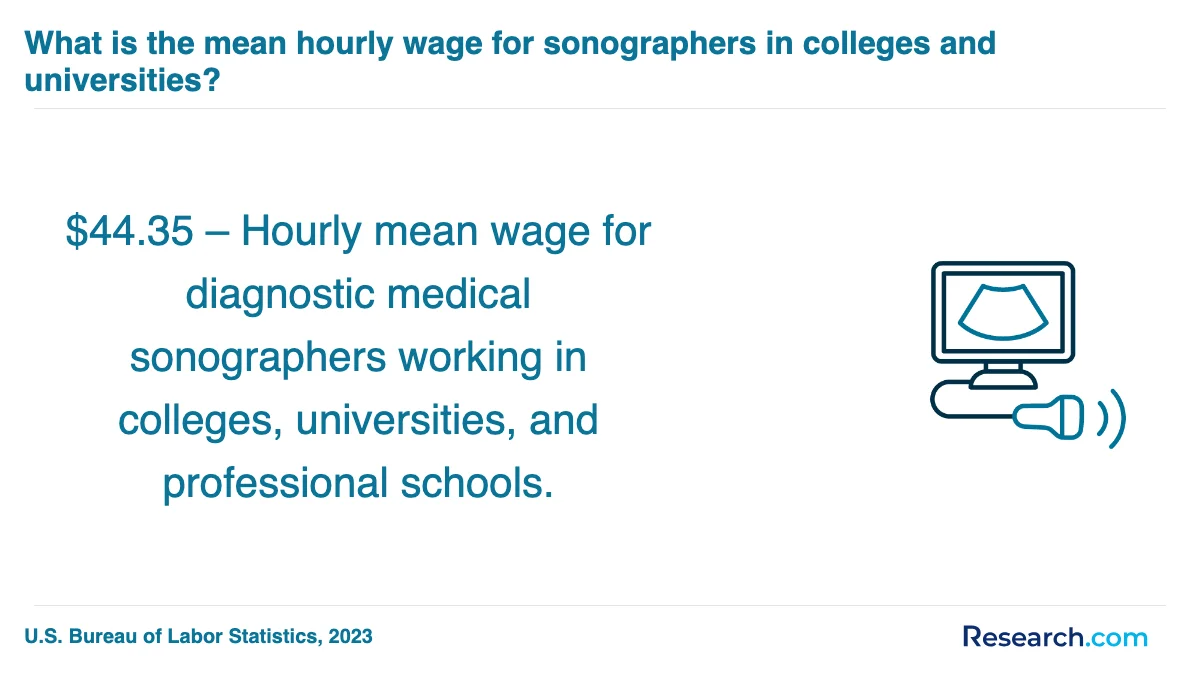
Financial aid for medical sonographer trade schools in Austin may include federal aid, state grants, institutional scholarships, private scholarships, loans, and payment plans. The first step for many students is completing the FAFSA, because it determines eligibility for federal grants and loans and may also be used by schools when awarding need-based aid.
Students at public colleges such as Austin Community College (ACC) may be considered for state and institutional aid. Examples cited include the Texas Educational Opportunity Grant (TEOG), the ASE Foundation Scholarship, and the SDMS Foundation Sonography Student Scholarship. Scholarship availability, eligibility, deadlines, and award amounts can change, so students should verify details directly with the school and scholarship provider.
Private trade schools may offer different financing structures. Austin Medical Assistant Training (AMAT), for example, is cited with $28,600 tuition and may provide financial aid counseling, loans, or payment plan guidance for eligible students.
When comparing aid packages, focus on net cost rather than the size of the award. A school with a larger scholarship can still be more expensive if tuition and fees are higher. Also review loan terms carefully, including interest, repayment timing, and whether you can afford payments if your first job is at the lower end of the expected salary range.
Prerequisites for medical sonographer trade schools in Austin usually include a high school diploma or GED, college admission requirements, prerequisite coursework, and health or background documentation. Programs can be selective because clinical seats are limited.
Common requirements include:
- High school diploma or GED: This is the baseline requirement for most programs.
- College admission or program application: Some schools require students to be accepted to the institution before applying to the sonography program.
- Prerequisite courses: Applicants may need biology, anatomy, physiology, physics, math, or related science coursework before entering the professional sonography sequence.
- Minimum grades or GPA: Selective programs may rank applicants by prerequisite performance or overall academic record.
- Health documentation: Proof of immunizations and a basic health screening are commonly required before clinical placement.
- Background check and drug screening: These are standard in many healthcare training programs because students work with patients in clinical settings.
A common mistake is applying before prerequisites are complete or before understanding how the school ranks applicants. Ask admissions staff which courses must be finished before application, whether repeated courses are accepted, and how competitive the most recent applicant pool was.
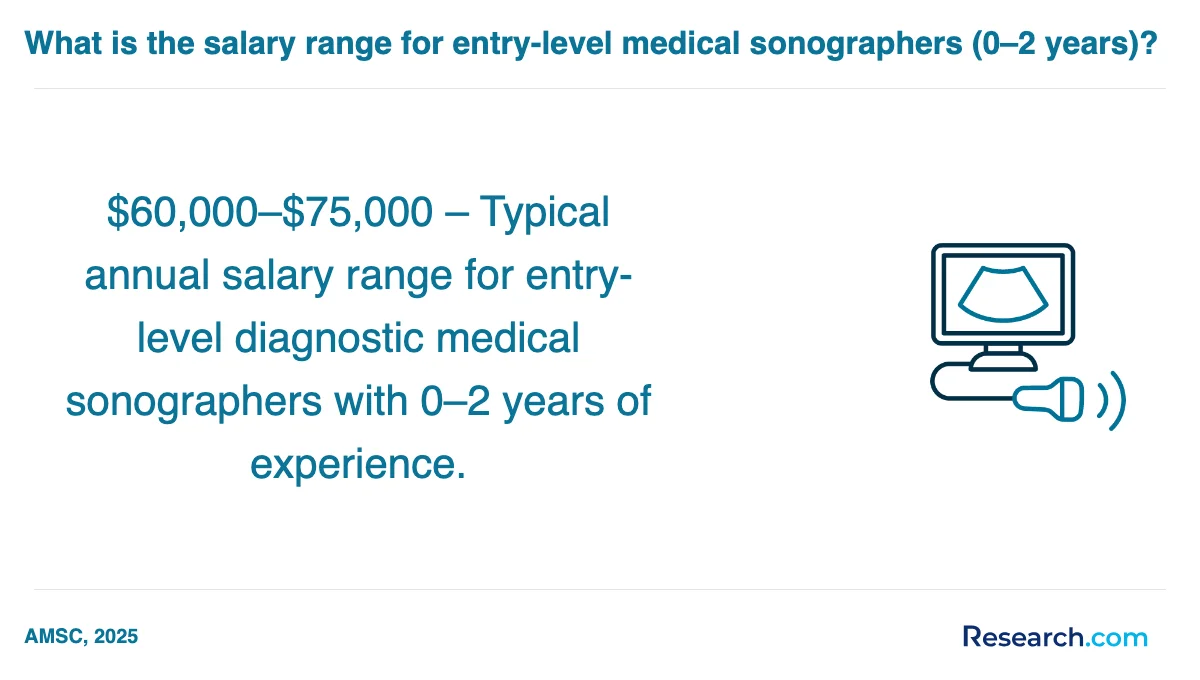
Typical courses in Austin medical sonographer trade school programs are designed to build clinical judgment, scanning skill, patient care ability, and readiness for certification exams. Students move from foundational healthcare knowledge into specialty imaging and supervised clinical practice.
- Medical Terminology: Introduces the vocabulary used in imaging orders, reports, anatomy, pathology, and patient records.
- Patient Care: Covers communication, safety, infection control, patient positioning, professionalism, and working with people in vulnerable situations.
- Ultrasound Physics and Instrumentation: Explains sound waves, image production, Doppler principles, equipment settings, artifacts, and quality control. Students may spend over 100 hours mastering the science behind the images.
- Cross-Sectional Anatomy and Physiology: Helps students connect body structures to the images they produce and interpret during exams.
- Abdominal, pelvic, obstetric, gynecological, and vascular imaging: Specialty courses teach normal and abnormal findings, protocols, patient preparation, and documentation standards.
- Clinical externship or practicum: Students apply classroom and lab learning in real healthcare settings under supervision.
Hands-on clinical time is a major part of training. AMAT students, for instance, spend 1,090 hours in real healthcare settings. When evaluating programs, ask how clinical hours are scheduled, whether evening or weekend rotations are possible, and which facilities commonly host students.
Medical sonographer trade schools in Austin may offer specializations that prepare students for different imaging roles. Choosing a specialization should depend on your interests, local employer demand, certification goals, and the type of patient care you want to provide.
- Diagnostic Medical Sonography: Focuses on general imaging of organs, tissues, and body systems. This is often the broadest entry point into the field.
- Diagnostic Cardiac Sonography: Prepares students to image the heart and support cardiovascular diagnosis.
- Vascular Sonography: Teaches imaging of arteries and veins to help evaluate circulatory conditions.
- Musculoskeletal Sonography: Focuses on muscles, tendons, ligaments, joints, and soft tissue injuries.
- Pediatric Echocardiography: Provides heart imaging knowledge for pediatric patients, though clinical facility access may be limited.
Austin Community College is cited for Diagnostic Medical Sonography and Diagnostic Cardiac Sonography tracks. The College of Health Care Professions offers an Associate of Applied Science in Diagnostic Medical Sonography. Some programs include extensive clinical rotations, sometimes totaling over 1,300 hours.
If you are still mapping the route into the field, this overview of how to become ultrasound tech can help you understand education, certification, and career steps.
To choose the best medical sonographer trade school program in Austin, start with accreditation, clinical training, certification preparation, and total cost. A convenient schedule or low tuition will not help much if the program does not prepare you for the credentials and skills employers expect.
- Verify accreditation: Look for programs with recognized sonography accreditation, such as CAAHEP accreditation. Graduates from CAAHEP-accredited schools like Austin Community College often use that pathway to pursue ARDMS certification.
- Confirm certification eligibility: Ask which exams graduates are eligible to take and whether the curriculum aligns with ARDMS expectations.
- Review clinical placement quality: Strong programs should provide supervised experience in real healthcare settings, not only lab simulations.
- Compare total cost: Include tuition, fees, books, uniforms, transportation, exam costs, and lost work time. Sonography school costs Austin Texas can vary widely by residency status and institution.
- Check outcomes: Request graduation rates, certification pass rates, employment rates, and recent employer partners if available.
- Match the timeline to your life: Options may range from a fast-track 18-month certificate to a comprehensive four-year degree at Concordia University Texas.
- Visit before committing: Campus visits, lab tours, and conversations with faculty can reveal whether the equipment, schedule, and support services fit your needs.
If flexibility is important, compare local requirements with the best online sonography associate's programs, but remember that accredited sonography training still requires in-person labs and clinical experience.

Medical sonographer trade school graduates in Austin can pursue several diagnostic imaging career paths. The right path depends on the exams you enjoy performing, the patients you want to serve, and the specialty credentials you plan to earn.
- General diagnostic medical sonographer: Performs a range of ultrasound exams in hospitals, clinics, or imaging centers.
- OB/GYN sonographer: Supports pregnancy imaging and gynecologic ultrasound exams.
- Echocardiography technician: Works with cardiac imaging and supports cardiology teams.
- Vascular sonographer: Images blood vessels to help evaluate circulation and vascular conditions.
- Travel sonographer: Takes contract assignments in different facilities, often after building experience.
- Specialty imaging professional: May focus on abdominal, musculoskeletal, pediatric, vascular, or cardiac imaging depending on training and employer needs.
Texas's lack of a state license can streamline entry into the workforce, but employers may still expect national certification. Graduates should treat certification as a major career step, not an optional extra.
For salary planning, it is useful to understand what type of ultrasound tech makes the most money. Earnings can vary by specialty, location, work setting, shift, experience, and credential level.
The job market for medical sonographer trade school graduates in Austin is active across hospitals, outpatient clinics, and specialized imaging centers. As of early 2025, at least 57 open positions were cited, with demand in areas such as obstetrics, vascular imaging, and abdominal sonography.
Graduates may find full-time, part-time, contract, and travel roles. Travel sonographer roles are cited with competitive weekly pay averaging $1,732. Some positions may also include health insurance, retirement plans, flexible scheduling, or paid continuing education.
Employers often look for candidates who can scan accurately, communicate well with patients, adapt to different clinical environments, and meet credential expectations. New graduates can strengthen their prospects by completing a reputable program, preparing for ARDMS certification, building strong clinical references, and being open to entry-level roles that provide broad exam experience.
Austin's broader imaging and healthcare environment also supports related career growth. Students interested in adjacent imaging roles can explore a career path for radiology tech. Specialized or research-focused roles are cited with salaries exceeding $109,000 annually, but those positions typically require experience, advanced skills, or a focused specialty background.
Best Diagnostic Medical Sonographer Training Programs & Trade Schools - Top Sonography Schools in Austin for 2026
# 1 position
Austin Community College District - Diagnostic Medical Sonography/Sonographer and Ultrasound Technician.
associateAustin Community College District offers a Diagnostic Medical Sonography/Sonographer and Ultrasound Technician program with a hybrid format including some distance education. The program trains students to use medical ultrasound techniques for diagnosing conditions, covering patient care, data recording, and equipment operation. Annual in-state tuition is $2,550. Graduates have median earnings of $66,380 one year after completion. The program is accredited by the Southern Association of Colleges and Schools Commission on Colleges.
# 2 position
The College of Health Care Professions-Austin - Diagnostic Medical Sonography/Sonographer and Ultrasound Technician.
associateThe Diagnostic Medical Sonography/Sonographer and Ultrasound Technician program at The College of Health Care Professions-Austin offers a hybrid format with some distance education. It prepares students to use medical ultrasound techniques under physician supervision to gather diagnostic sonographic data. The curriculum covers patient care, data integration, sonography equipment operation, and professional ethics. Graduates have a median earning of $30,375.60 one year after completion. The program is accredited by the Accrediting Bureau of Health Education Schools.
# 3 position
Austin Community College District - Diagnostic Medical Sonography/Sonographer and Ultrasound Technician.
certificate or diplomaAustin Community College District offers a Diagnostic Medical Sonography/Sonographer and Ultrasound Technician program with a hybrid format that includes some distance education. The program prepares students to use medical ultrasound technology to collect sonographic data for diagnosing conditions. Coursework covers patient care, data processing, and professional ethics. Annual in-state tuition is $2,550. Graduates have a median income of $66,380 one year after completion. The program is accredited by the Southern Association of Colleges and Schools Commission on Colleges.
Frequently Asked Questions about medical sonographer
To gain practical experience while studying at a medical sonographer trade school in Austin, seek programs offering clinical placement opportunities. Engage in internships or externships arranged by the school, and participate in hands-on lab sessions to enhance your practical skills and employability upon graduation.
Employers in Austin seek medical sonographer graduates who demonstrate strong technical skills, including proficiency with ultrasound equipment and imaging software. According to the Bureau of Labor Statistics, attention to detail is crucial for accurate diagnostics. Communication skills are also highly valued, as sonographers must explain procedures clearly to patients and collaborate with healthcare teams.
Knowledge of anatomy and physiology is essential, supporting precise image interpretation. Additionally, adaptability and problem-solving skills help graduates manage diverse patient needs and equipment challenges in busy medical settings.
Local healthcare providers emphasize professionalism and a commitment to continuing education, reflecting the evolving technology in sonography.
Finding internships in Austin relevant to medical sonographer trade school programs involves several key steps. First, students should consult their school's career services or internship coordinators, as many programs have established partnerships with local hospitals and clinics. Facilities such as St. David's Medical Center and Seton Medical Center often offer clinical internship opportunities for sonography students.
Networking through professional organizations like the Society of Diagnostic Medical Sonography (SDMS) Texas chapter can also provide leads on internships. According to the Bureau of Labor Statistics, internships are critical for gaining hands-on experience required for certification and employment.
Additionally, online platforms such as Handshake and local healthcare job boards list available sonographer internships in Austin. Applying early and maintaining good academic standing increases the chances of securing a position.
To choose the best diagnostic medical sonographer training program in Austin for 2026, consider program accreditation, faculty expertise, clinical training opportunities, and graduation rates. Research each school’s curriculum to ensure it aligns with your career goals and consult current student reviews for firsthand insights.
The best sonography schools in Austin provide robust career services, including job placement assistance, networking opportunities, and partnerships with local healthcare facilities to help students transition smoothly from education to employment. They also offer job fairs and resume workshops to prepare graduates for the workforce.
Medical sonographer trade school students in Austin often face challenges such as balancing coursework with clinical hours, finding relevant internship opportunities, and managing financial obligations. Additionally, staying updated with evolving sonography technologies is essential, demanding continuous learning and adaptation. Schools strive to provide support through counseling, career services, and flexible learning formats to address these issues.
- Best Diagnostic Medical Sonographer Training Programs & Trade Schools - Top Sonography Schools in Houston for 2026
- Best Diagnostic Medical Sonographer Training Programs & Trade Schools - Top Sonography Schools in Fort Worth for 2026
- Best Diagnostic Medical Sonographer Training Programs & Trade Schools - Top Sonography Schools in Tyler for 2026
- Best Diagnostic Medical Sonographer Training Programs & Trade Schools - Top Sonography Schools in Tulsa for 2026
- Best Diagnostic Medical Sonographer Training Programs & Trade Schools - Top Sonography Schools in Las Cruces for 2026
- Best Diagnostic Medical Sonographer Training Programs & Trade Schools - Top Sonography Schools in Joliet for 2026
- Best Diagnostic Medical Sonographer Training Programs & Trade Schools - Top Sonography Schools in Cincinnati for 2026
- Best Diagnostic Medical Sonographer Training Programs & Trade Schools - Top Sonography Schools in Orlando for 2026
- Sonographer in Austin, TX Salary - August 2025 https://www.comparably.com/salaries/salaries-for-sonographer-in-austin-tx
- Registered Diagnostic Medical Sonographer I Salary in Austin, TX (August 01, 2025) | Salary.com https://www.salary.com/research/salary/alternate/registered-diagnostic-medical-sonographer-i-salary/austin-tx
- Sonography | Academic and Career Programs | Austin Community College District https://programs.austincc.edu/health-sciences/sonography/
- Diagnostic Medical Sonography Program in Texas | CHCP https://www.chcp.edu/degrees-certificates/on-campus/diagnostic-medical-sonography-aas-degree/
- Diagnostic Medical Sonography - Blake Austin College https://blakeaustincollege.edu/course/diagnostic-medical-sonography/
- Sonography | Health Sciences https://sites.austincc.edu/health/sono/
- Accredited Ultrasound Technician Schools in Texas https://www.ultrasoundschoolsinfo.com/texas/
- The Diagnostic Medical Sonography/Sonographer and Ultrasound Technician Major at The College of Health Care Professions - Austin - Trade College https://tradecollege.org/colleges/the-college-of-health-care-professions-austin/health-professions/allied-health-professions/sonographer-ultrasound-technology/
- How To Become A Sonographer - ARDMS https://www.ardms.org/how-to-become-a-sonographer/
- Medical Sonography Student Resources https://www.accreditedschoolsonline.org/healthcare/ultrasound-technician/resources/