Most Affordable Maintenance Technician Schools & Training - Budget-Friendly Maintenance Tech Trade Programs in North Dakota for 2026

Co-Founder and Chief Data Scientist
Choosing the right maintenance technician trade school in North Dakota can feel overwhelming. This article aims to simplify that decision by presenting a carefully crafted ranking of maintenance technician trade school programs, created by the Research.com team of data scientists.
By exploring these top programs, you’ll discover options that fit your goals and budget. Earning a diploma or certification as a maintenance technician opens doors to stable careers and hands-on skills. This guide is designed to help you confidently take the next step toward a rewarding future in this essential field.
Key benefits of finishing maintenance technician trade school in North Dakota
- Graduates can expect an hourly wage between $23.48 and $23.78, with opportunities to earn up to $33.10 per hour in high-demand areas, making this a rewarding career choice.
- Career paths include working as maintenance technicians in manufacturing, healthcare, or energy sectors, with many graduates from popular North Dakota trade schools quickly finding stable jobs.
- Completing a maintenance technician trade school online offers flexibility and faster completion times, allowing graduates to enter the workforce sooner and balance learning with personal commitments.
- Most Affordable Maintenance Technician Schools & Training - Budget-Friendly Maintenance Tech Trade Programs in North Dakota for 2026
- What can I expect from maintenance technician trade schools in North Dakota?
- Where can I work after finishing maintenance technician trade schools in North Dakota?
What can I expect from maintenance technician trade schools in North Dakota?
When you enroll in a maintenance technician trade school program in North Dakota, expect hands-on, career-focused training tailored to local industries like manufacturing and energy. Graduates often recall working directly with mechanical and electrical systems, learning to troubleshoot real equipment such as conveyors and hydraulic drives, which makes the learning practical and immediately applicable.
Coursework typically covers mechanical fundamentals, fluid and drive systems, pneumatics, and basic electronics. Many students mention that learning to read schematics and use technical manuals builds confidence in diagnosing and fixing problems. Communication and safety protocols are emphasized, reflecting the teamwork needed on actual job sites.
Flexibility is a common highlight. Some programs offer self-paced options, allowing students to balance work or family responsibilities while completing around 250 course hours in 18 months. Graduates appreciate that these programs align with what North Dakota employers expect, preparing them well for entry-level roles and potential advancement within their careers.
Where can I work after finishing maintenance technician trade schools in North Dakota?
After finishing a maintenance technician trade school program in North Dakota, graduates find themselves in high demand across various industries. Many land jobs in manufacturing plants and industrial facilities, where they handle equipment repairs and preventive maintenance daily. These roles often involve hands-on troubleshooting, which aligns well with the practical training received at local trade schools.
Others move into agriculture, working with companies like CHS Dakota Agronomy Partners, maintaining equipment and facilities on farms and agronomy sites. Graduates appreciate how their welding and machinery skills directly impact operations in these settings.
Oil and gas fields also offer solid opportunities. Positions such as Oilfield Automation I&E Tech require maintaining complex electrical systems, a perfect fit for students trained in the technical programs offered throughout North Dakota.
Property management is another common path, where graduates help keep apartment complexes and commercial buildings running smoothly. Many report job satisfaction from solving real-world problems and the steady demand for their skills.
Overall, trade school graduates enjoy diverse career paths with competitive wages and the chance to advance in industries critical to North Dakota's economy.
Graduates from maintenance technician trade schools in North Dakota typically start earning around $23.78 per hour, which aligns closely with reports from local employers and job sites. Many alumni from popular programs across the state share that initial pay often falls between $19.57 and $27.21 per hour, depending on the employer and location.
For example, graduates working in cities like Minot report hourly wages reaching up to $30.10, especially when they bring specialized skills or take on more responsibility. This kind of wage can make a real difference, turning overtime hours into an extra $6,000 to $9,000 annually, which many find motivating as they build their careers.
While North Dakota ranks lower nationally for maintenance technician salaries, many graduates appreciate the steady demand and hands-on experience gained from training at well-known trade schools. They often describe their work as rewarding and stable, with room to grow into higher-paying roles as skills deepen and experience accumulates.
- Maintenance technician programs in North Dakota typically require a high school diploma or GED and focus on skills like equipment repair, hydraulics, and basic electricity.
- Program lengths range from one to two years, with some offering flexible online or self-paced options allowing up to 18 months for completion.
- Textbook costs at Bismarck State College are approximately $345 for the first semester, $190 for the second, and $185 for the third, with additional supplies costing around $150.
- Bismarck State College graduates report a 100% job placement rate and earn an average of $38 per hour shortly after graduation.
- Programs prepare students for entry-level jobs and offer pathways to advanced roles like lead technician or maintenance manager with further experience and training.
Completing a maintenance technician trade school program in North Dakota typically takes about 9 to 12 months, depending on whether you choose a full-time or part-time schedule. Many trade schools in the state offer flexible pacing, which allows students to balance work or family commitments while gaining hands-on skills efficiently. Graduates often mention how this timeframe felt just right-long enough to build confidence with real equipment yet short enough to jump into the workforce quickly.
For instance, students at well-regarded North Dakota technical colleges describe their programs as intensive but manageable. They recall starting with foundational training on electrical and mechanical systems and moving steadily to more complex troubleshooting. This steady progression helps maintain motivation and creates a clear path toward certification and employment.
Choosing a program that fits your schedule is key. Some graduates appreciate evening and weekend classes that allow them to earn while they learn, making the typical 9 to 12 months both productive and rewarding.
The main difference between online and on-campus maintenance technician programs in North Dakota is how instruction is delivered and the hands-on experience offered. Graduates from North Dakota State University's online program often praise the flexibility to study at their own pace, fitting coursework around jobs or family commitments. They learn core skills like robotics and automation through virtual modules, which works well for self-motivated students. However, some mention missing the chance to work directly with equipment during training.
On the other hand, students at Bismarck State College value the in-person setup where they get immediate access to industry-grade tools and labs. They frequently share how working side-by-side with instructors and peers helped them troubleshoot real mechanical and fluid systems confidently. This hands-on approach builds practical skills quickly and creates a supportive learning environment that many find motivating.
Choosing between these formats depends on your need for flexibility versus direct, supervised practice in a North Dakota trade school setting.
The average cost maintenance technician trade school North Dakota students face varies widely depending on the institution and program structure. For example, graduates from North Dakota State University often mention how affordable their online Maintenance Technician course is at $1,695, though this price does not include tools. Those opting for the more comprehensive option with tools included report paying $3,095, a reasonable investment that covers essential training equipment as well.
On the other end of the spectrum, private trade schools in North Dakota, such as Josef's School of Hair, Skin & Body in Grand Forks, have tuition fees reaching $19,420. Graduates from these schools often reflect on the intensive, hands-on experience they gained despite the higher tuition fees. This range demonstrates how tuition fees maintenance technician programs North Dakota can vary significantly based on program offerings and school type.
Students pursuing maintenance technician training consider these costs alongside personal budgets and career goals. Many appreciate knowing that affordable opportunities exist without sacrificing quality. For those seeking additional options, exploring online construction trade programs can provide flexibility and cost-efficiency, broadening the scope of accessible education. Understanding the spectrum of costs helps prospective students plan realistically for their future in the maintenance technician field.

Maintenance technician students in North Dakota often rely on a mix of financial aid to cover costs at schools like Bismarck State College or Dakota College at Bottineau. The North Dakota Scholarship is a standout option, offering up to $6,000, which helps ease the financial burden by distributing funds per semester or apprenticeship term. Graduates recall how maintaining a 2.75 GPA made this scholarship accessible, making full-time study feel more manageable.
Local scholarships, such as the Cass County Electric Cooperative Line Workers Scholarship, provide targeted support, especially for those attending trade schools near Fargo or Minot. These awards can boost confidence by reducing out-of-pocket expenses.
Federal aid, including Pell Grants and FSEOG, is essential for many, with FAFSA completion unlocking these opportunities. Veterans and active military personnel benefit from Military Tuition Assistance and VA Benefits, which often extend to family members, creating peace of mind for those balancing service and study.
Vocational Rehabilitation programs assist students with disabilities, ensuring inclusive access to education. Tuition waivers for nonresidents and scholarships through external organizations round out the financial toolkit, making maintenance technician training in North Dakota a realistic goal for many.
To enroll in a maintenance technician trade school program in North Dakota, most schools expect applicants to meet a few straightforward prerequisites that set you up for success. Typically, you'll need a high school diploma or GED, which ensures you have the basic math and reading skills needed for the technical coursework.
Beyond formal education, schools often look for:
- Basic mechanical aptitude - graduates often recall hands-on experience with tools or machines before starting, which made the learning curve smoother.
- Good problem-solving skills - because maintenance techs troubleshoot real equipment daily, schools value applicants who enjoy practical challenges.
- Physical fitness - programs can include hands-on labs involving lifting or moving parts, so being physically prepared helps.
Trade schools in North Dakota, such as those in Fargo or Bismarck, emphasize readiness over prior experience. Graduates frequently share how having a positive attitude and eagerness to learn mattered more than an extensive background. This pragmatic approach means if you're motivated and meet these basic criteria, you're well positioned to thrive in the program and launch a rewarding career.
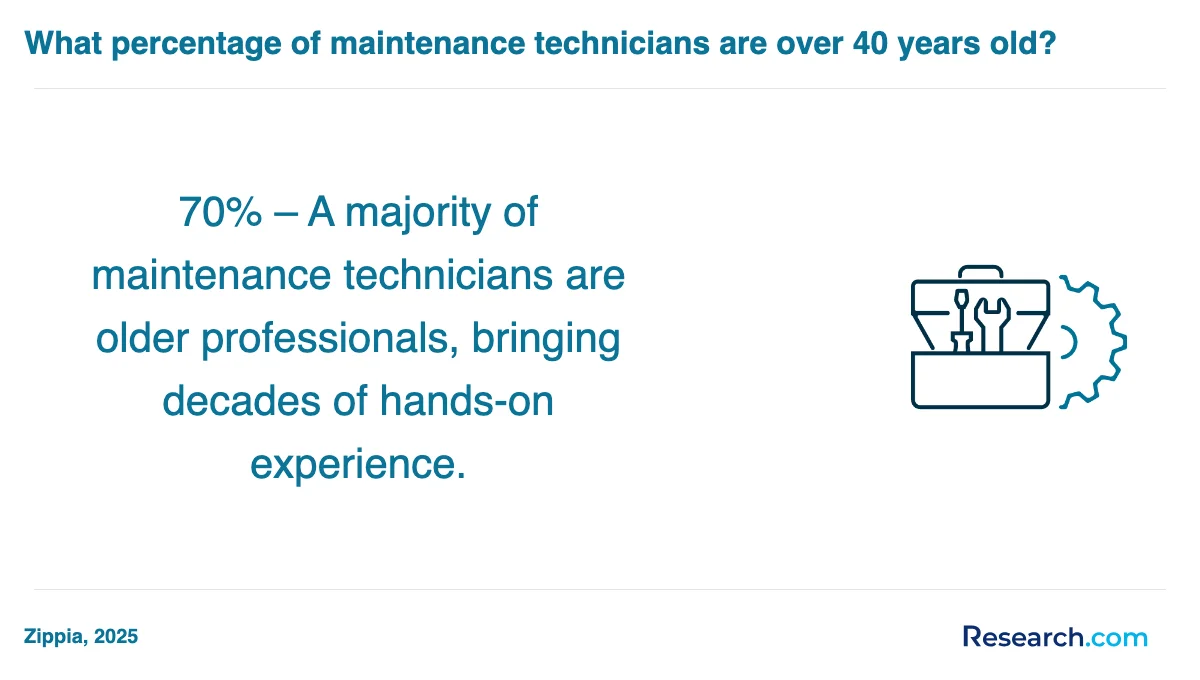
Maintenance technician trade school programs in North Dakota focus on practical, job-ready skills valued by local industries. Graduates from popular schools in the state often highlight how courses prepare them for real-world challenges on the shop floor.
Core courses include:
- Basic Mechanics: Understanding motion, force, and simple machines helps students troubleshoot faulty conveyor belts or hydraulic lifts in manufacturing plants.
- Measurements: Learning to use dial indicators and gauge blocks ensures precise adjustments, crucial when maintaining milling machines or assembly equipment.
- Schematics, Symbols, and Blueprints: Interpreting electrical and hydraulic diagrams equips students to quickly diagnose issues in complex systems.
- Industrial Rigging: Teaches safe handling of heavy equipment, a skill often used during machine installations or repairs.
- Lubrication, Bearings, and Seals: Mastery here extends equipment lifespan by preventing costly downtime.
- Basic Electricity and Electronics: Provides essential knowledge to manage and repair electrical components on factory floors.
Modern programs also incorporate automation, robotics, and PLC training, reflecting North Dakota's evolving industrial landscape. Graduates often express confidence entering the workforce, knowing their education aligns with employer expectations and offers strong job placement prospects.
Maintenance technician trade school programs in North Dakota offer several practical specializations tailored to meet local workforce needs. Graduates often choose paths that prepare them for immediate hands-on roles in key industries such as manufacturing and heavy equipment maintenance. Mechanical maintenance, a popular specialization at schools like Bismarck State College, trains students to handle material handling systems, hydraulics, and valve repairs-skills used daily in industries from agriculture to power plants.
Another sought-after area is diesel technology, where students at institutions like Williston State College learn to diagnose and repair diesel engines, including brakes and electrical components. This specialization is ideal for careers in transportation and construction sectors.
Key maintenance technician specializations in North Dakota trade schools also include heavy equipment maintenance, emphasizing repairs on bulldozers and cranes, and industrial maintenance technology, which covers robotics, automation, and motor controls at colleges like North Dakota State College of Science.
For anyone weighing options, understanding these paths helps clarify what to expect and how to align career goals. Considering the benefits of a trade-focused education compared to more traditional routes? Check out this detailed comparison of trade school vs 4 year college.
- Mechanical maintenance: conveyors, hydraulics, steam traps
- Diesel technology: engine diagnostics, electrical systems
- Heavy equipment: welding, hydraulics, electrical circuitry
- Industrial maintenance: automation, robotics, quality control
When selecting the best maintenance technician trade school program in North Dakota, prioritize affordable maintenance technician programs in North Dakota that balance cost with solid accreditation. Graduates from leading state colleges often highlight how accredited schools opened doors for federal financial aid and ensured their qualifications were recognized by employers. Hands-on training is essential; successful students share that programs offering real-world lab experience prepared them confidently for job demands.
Industry-experienced instructors make a significant difference. Alumni recall how guidance from seasoned professionals helped them understand complex systems quickly, boosting their confidence. Consider schools like those in main North Dakota cities, where flexible class schedules accommodate working students or parents, enhancing your ability to complete the program without stress.
Job placement support matters too. Former students often mention how resume workshops and local employer connections facilitated fast employment after graduation. To find one of the best maintenance technician trade schools in North Dakota, verify reputation through reviews and alumni success stories.
If you're aiming for high paying trades that are easy to learn, this pragmatic approach will help you make an informed choice tailored to your career goals.
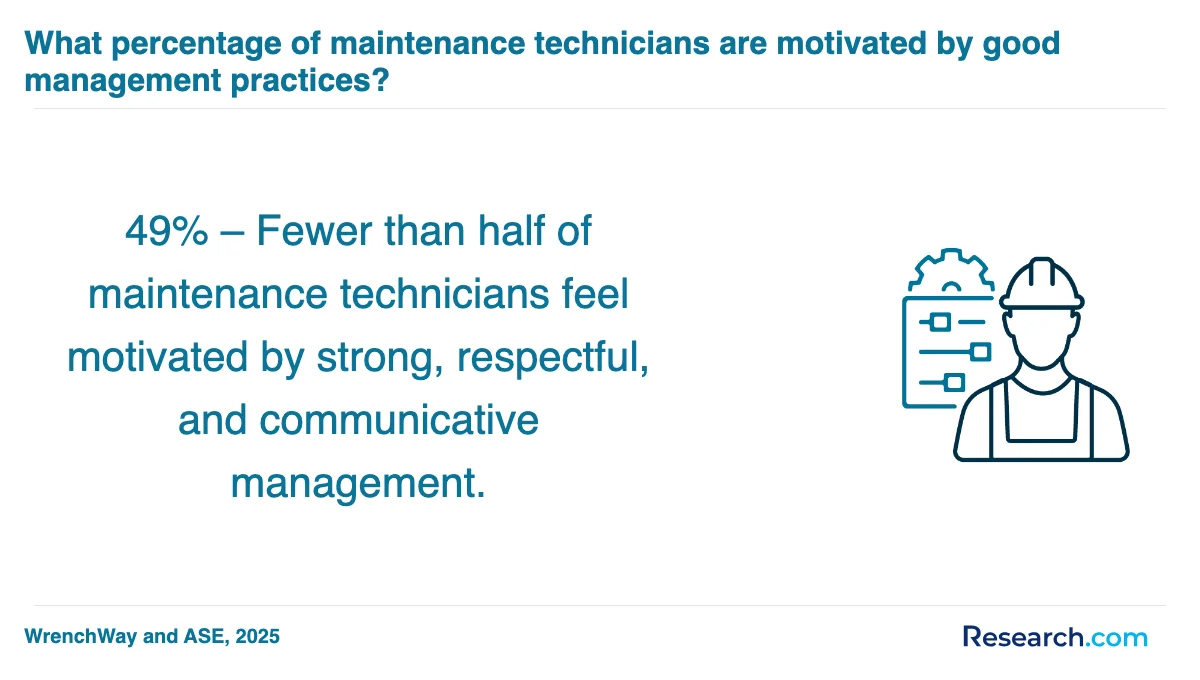
Graduates from maintenance technician trade school programs in North Dakota often start with maintenance technician jobs in North Dakota, gaining hands-on experience in settings like manufacturing plants, healthcare facilities, and agriculture. For instance, many find themselves troubleshooting and repairing HVAC, electrical, or plumbing systems at places similar to Sanford Health or CHS Dakota Agronomy Partners, earning $20 to $29 per hour. These entry roles build a foundation in equipment upkeep and system diagnostics.
With experience, graduates can move into specialized maintenance mechanic career paths North Dakota industries value, such as HVAC/R technician roles or critical facilities technician positions that command wages near $50 per hour. These careers demand well-rounded skills gained through trade schools popular in the state, offering graduates pride in managing preventive maintenance programs and high-stakes equipment repairs.
Advancement also includes supervisory roles like maintenance manager, overseeing teams and ensuring compliance, or transitioning into project management and environmental services with additional certifications. Graduates from some of the best trade schools in the US report that local employers actively seek their skill sets, reinforcing a career path with security and strong growth potential.
Exploring maintenance technician programs through resources like best trade schools in the us can help prospective students identify training options that align with these dynamic career paths.
The maintenance technician job demand in North Dakota is strong, offering graduates from local trade schools promising employment opportunities. Graduates from popular programs in Fargo and Bismarck report securing full-time positions within weeks of completing hands-on training, benefiting from high demand in industries like agribusiness, manufacturing, and energy sectors. These roles often come with competitive hourly wages, ranging from $18.85 to $30.10, depending on experience and location, with advanced positions in oilfields paying upwards of $50 per hour.
Employers in the state value graduates who combine practical skills with certifications earned at trade schools, making the transition to the workforce seamless. Common job benefits include health insurance, paid time off, and 401(k) plans. Flexible schedules and opportunities for on-the-job training make these roles attractive, especially for recent graduates eager to grow their careers.
For those debating their education path, exploring differences between a trade school vs vocational school can clarify what fits best. The market in North Dakota expands as infrastructure demands rise, ensuring steady openings across cities like Minot and Williston and rural areas supporting energy and agricultural operations.
Most Affordable Maintenance Technician Schools & Training - Budget-Friendly Maintenance Tech Trade Programs in North Dakota for 2026
# 1 position
Bismarck State College - Industrial Mechanics and Maintenance Technology/Technician.
associateBismarck State College offers a Hybrid Industrial Mechanics and Maintenance Technology/Technician program designed to equip students with skills to repair and maintain industrial machinery such as cranes, pumps, engines, and conveyor systems. The program is accredited by the Higher Learning Commission. Annual in-state tuition is $5,195, providing a cost-effective option for technical training in maintaining equipment used in various industrial and marine applications.
# 2 position
Bismarck State College - Industrial Mechanics and Maintenance Technology/Technician.
certificate or diplomaBismarck State College offers a hybrid Industrial Mechanics and Maintenance Technology/Technician program designed to prepare students to repair and maintain industrial machinery and equipment. The curriculum covers cranes, pumps, engines, pneumatic tools, conveyor systems, and more. The program is accredited by the Higher Learning Commission. Annual in-state tuition is $5,195, and some distance-education options are available for flexible learning.
Frequently Asked Questions about maintenance technician
After completing a maintenance technician trade school in North Dakota, preparing for the job market involves several key steps. First, obtaining industry-recognized certifications, such as OSHA safety credentials or HVAC licenses, can significantly improve employability. According to the North Dakota Department of Commerce, maintenance technician roles are expected to grow by 5% through 2030, highlighting steady demand.
Networking with local employers, attending job fairs, and utilizing school career services can help graduates connect with hiring companies, especially in manufacturing and energy sectors prominent in the state. Additionally, gaining hands-on experience through internships or apprenticeships is highly recommended to complement classroom learning.
Staying updated with evolving technologies and continuing education can also enhance job prospects in this competitive field.
Employers in North Dakota prioritize several key skills when hiring maintenance technician trade school graduates. Technical proficiency in mechanical systems, electrical components, and hydraulics is essential, as these areas form the core of daily maintenance tasks. According to the U.S. Bureau of Labor Statistics, practical knowledge of troubleshooting and repair significantly increases job readiness.
Additionally, employers seek candidates with strong problem-solving abilities and attention to detail, which help in preventing downtime and costly equipment failures. Communication skills are also valued, enabling technicians to work effectively with teams and document maintenance activities clearly.
Familiarity with safety protocols and compliance standards is critical, especially in industrial and manufacturing settings common in North Dakota. According to the North Dakota Department of Commerce, these competencies directly impact a graduate's employability in the state's growing maintenance technician job market.
Finding internships relevant to maintenance technician trade school programs in North Dakota often begins with contacting your school's career services or internship coordinator. Many trade schools maintain partnerships with local industries such as manufacturing plants, oil refineries, and agricultural equipment companies, which frequently offer hands-on training opportunities.
Online resources such as the North Dakota Job Service website provide listings of internships and apprenticeships in technical fields. According to the U.S. Bureau of Labor Statistics, North Dakota's manufacturing and energy sectors continue to grow, increasing demand for skilled maintenance technicians and internship placements.
Networking through local trade unions and industry associations, like the North Dakota Petroleum Council, can also help students secure internships. Additionally, attending job fairs and industry expos in cities such as Fargo or Bismarck can connect students with employers offering practical experience.
Obtaining a maintenance technician trade school diploma in North Dakota significantly enhances career mobility and advancement. According to the North Dakota Department of Commerce, skilled trade jobs, including maintenance technicians, are expected to grow by 8% through 2030, reflecting strong demand in industries like manufacturing and energy.
A diploma demonstrates practical skills and technical knowledge, often required by employers and linked to higher starting wages compared to those without formal training. Graduates gain eligibility for certifications such as OSHA or EPA, which further improve job prospects and promotion potential.
Trade school programs also provide networking opportunities with local employers, helping graduates enter the workforce more quickly and advance within companies.
Students enrolled in maintenance technician trade schools in North Dakota can benefit from various part-time job opportunities that offer relevant experience. Common roles include entry-level maintenance workers, janitorial staff, or assistant technicians in manufacturing and agricultural settings. According to the North Dakota Department of Labor, maintenance and repair occupations are projected to grow by about 5% through 2030, highlighting steady demand.
Positions in local manufacturing plants or farms provide hands-on experience with equipment troubleshooting and preventive maintenance. Additionally, some students find roles in facility management or HVAC assistance, which complement their coursework. These jobs typically pay between $12 and $18 per hour, offering practical skills while supporting education expenses.
To find the most affordable Maintenance Technician degree program near you, consider looking into community colleges and vocational schools that offer technical training programs near North Dakota. These institutions often provide cost-effective education options with practical, hands-on learning experiences. Utilizing resources like Research.com can help you compare programs and identify those that best suit your budget constraints and educational goals.
- Most Affordable Maintenance Technician Schools & Training - Budget-Friendly Maintenance Tech Trade Programs in Minnesota for 2026
- Most Affordable Maintenance Technician Schools & Training - Budget-Friendly Maintenance Tech Trade Programs in Montana for 2026
- Most Affordable Maintenance Technician Schools & Training - Budget-Friendly Maintenance Tech Trade Programs in Nebraska for 2026
- Most Affordable Maintenance Technician Schools & Training - Budget-Friendly Maintenance Tech Trade Programs in Iowa for 2026
- Most Affordable Maintenance Technician Schools & Training - Budget-Friendly Maintenance Tech Trade Programs in Wisconsin for 2026
- Most Affordable Maintenance Technician Schools & Training - Budget-Friendly Maintenance Tech Trade Programs in Kansas for 2026
- Most Affordable Maintenance Technician Schools & Training - Budget-Friendly Maintenance Tech Trade Programs in Illinois for 2026
- Most Affordable Maintenance Technician Schools & Training - Budget-Friendly Maintenance Tech Trade Programs in Indiana for 2026
- Most Affordable Maintenance Technician Schools & Training - Budget-Friendly Maintenance Tech Trade Programs in Oklahoma for 2026
- Most Affordable Maintenance Technician Schools & Training - Budget-Friendly Maintenance Tech Trade Programs in Arkansas for 2026
- Is Becoming an Industrial Maintenance Technician a Good Career Plan? | UTI https://www.uti.edu/blog/industrial-maintenance/industrial-maintenance-good-career-plan
- 10 Signs a Maintenance Technician Career is a Good Choice! - Unmudl https://www.unmudl.com/blog/signs-a-maintenance-technician-career-is-a-good-choice
- What You Need to Know Before a Maintenance Technician Job Interview https://www.aerotek.com/en/insights/what-you-need-to-know-maintenance-technician-job-interview
- Careers as a Maintenance Technician: Skills, Certifications & Outlook https://aviationmaintenance.edu/blog/careers-as-a-maintenance-technician/
- What Does a Career Progression Look Like for a Maintenance Technician? https://upkeep.com/learning/career-progression-for-maintenance-technician/
- Working as a maintenance technician | Randstad USA https://www.randstadusa.com/job-seeker/career-advice/job-profiles/maintenance-technician/
- Industrial Maintenance Career Pathway - Northeast Wisconsin Manufacturing Alliance https://newmfgalliance.org/manufacturing-careers/industrial-maintenance-career-pathway/
- Mechanical Maintenance Technology | Bismarck State College https://bismarckstate.edu/academics/programs/mechmain/
- Construction and Trades https://www.ndsu.edu/continued-learning/workforce-development/course-catalog/construction-and-trades
- RUReadyND - Explore Programs and Majors https://secure.ruready.nd.gov/College_Planning/Explore_Programs_and_Majors/Program_Keyword_Search/Program_Keyword_Search.aspx