Best Maintenance Technician Training Programs & Trade Schools - Top Maintenance Tech Schools in Midwest for 2026

Co-Founder and Chief Data Scientist
Choosing the right maintenance technician trade school is an important step toward a rewarding career in the Midwest. This article introduces a carefully crafted ranking of the best programs, developed by the Research.com team of data scientists to guide you in making an informed decision.
Exploring these top schools will help you find a program that fits your goals and lifestyle. Earning a diploma or certification opens doors to stable jobs and skill growth, making your future brighter and more secure.
Read on to discover opportunities tailored to your success in 2026 and beyond.
Key benefits of finishing maintenance technician trade school in Midwest
- Graduates from Midwest maintenance technician trade schools can expect competitive pay, with average hourly wages ranging from about $19 to $24, and opportunities for overtime that boost annual earnings.
- Career paths after graduation include roles in industrial maintenance, facility management, and specialized technician positions, offering diverse and stable job opportunities.
- Completing a maintenance technician program online provides flexibility and faster completion times, allowing students to balance work and study while gaining practical skills valued by employers.
- Best Maintenance Technician Training Programs & Trade Schools - Top Maintenance Tech Schools in Midwest for 2026
- What can I expect from maintenance technician trade schools in Midwest?
- Where can I work after finishing maintenance technician trade schools in Midwest?
What can I expect from maintenance technician trade schools in Midwest?
Enrolling in a maintenance technician trade school program in the Midwest means diving into a hands-on learning environment where you quickly gain practical skills. Graduates often recall working directly with industry-standard machinery in labs, simulating real workplace challenges. These programs, some as short as seven months, are designed for fast entry into the workforce, which many find both motivating and empowering.
Expect to tackle a broad curriculum covering electrical theory, hydraulics, welding, and safety compliance, all taught by instructors with real industry experience. Students frequently share how learning to read schematics and perform diagnostics felt like unlocking a new language, making complex equipment approachable.
Many appreciate the accessibility of these programs-no prior experience is needed-and the opportunity to build connections through internships and site visits to local employers. This exposure often turns into job offers, fueling a sense of confidence and excitement about future career prospects in manufacturing, healthcare, or agriculture across the Midwest.
Where can I work after finishing maintenance technician trade schools in Midwest?
Graduates of maintenance technician trade schools in the Midwest step into a job market teeming with opportunities across diverse industries. Many find themselves employed in bustling manufacturing plants or large warehousing facilities where their hands-on skills keep complex machinery running smoothly. For example, graduates from well-known Midwest trade schools often share how quickly they secured roles in healthcare facilities or educational institutions, troubleshooting equipment crucial to daily operations. The excitement of walking into a hospital knowing your work directly supports patient care is a common sentiment.
Positions range from Maintenance Technician to Industrial Mechanic or Facility Technician, offering varied career paths. In cities like Chicago, over 1,000 openings pay between $19 and $43 per hour, reflecting rewarding compensation for skilled work. Graduates appreciate the chance to advance into supervisory roles or specialize further, driven by the stability and respect these jobs command. Whether preventing downtime in food processing plants or managing repairs in eldercare centers, graduates feel a strong sense of pride in contributing to their community's infrastructure.
After completing a maintenance technician trade school program in the Midwest, graduates often find themselves earning competitive wages that reflect the high demand for their skills. Many report starting hourly wages around $17.60 to $21.38, especially in states like Indiana, where the average hourly pay hovers near $21.38. This is a significant jump from minimum wage jobs and offers a rewarding start to a new career.
Graduates from well-known Midwest trade schools frequently share stories of quickly advancing from entry-level roles earning about $19 per hour to more experienced positions paying upwards of $24 per hour. One common experience is landing a job in manufacturing or automotive maintenance, where specialization can push earnings even higher. For example, industrial maintenance technicians in this region can make around $25.79 per hour or about $53,647 annually, showcasing clear financial growth opportunities.
These wages not only provide financial stability but also fuel a sense of pride and accomplishment among graduates who see real returns on their hard work and training. The pathway from classroom to a well-paying job in the Midwest is both tangible and inspiring for those dedicated to mastering this trade.
- Maintenance technician certificate programs in the Midwest typically take 8 to 18 months and require 17 to 28 credit hours.
- Curriculum includes mechanical drives, electrical systems, hydraulics, pneumatics, troubleshooting, and safety training.
- Admission usually requires a high school diploma or equivalent and basic math skills, often at the elementary algebra level.
- Tuition ranges from $4,200 to $4,400 for in-district students, excluding supplies and fees, with financial aid options available.
- Job opportunities include roles like industrial maintenance technician and electro-mechanical technician, with starting salaries between $40,000 and $50,000 per year.
Completing a maintenance technician trade school program in the Midwest typically takes between 6 months and 1 year, depending on the school and the student's schedule. Many graduates from popular Midwest trade schools describe the experience as intense but rewarding, emphasizing how quickly they gained hands-on skills that made them job-ready.
For example, students at well-known technical schools often balance classroom instruction with practical labs, working on real machinery that mirrors what they'll encounter in the workforce. This approach accelerates learning and builds confidence, making the time investment feel worthwhile and energizing.
Some graduates recall how being able to see their progress each week fueled their motivation, especially when they moved from basic electrical systems to troubleshooting complex equipment. The focused, compact nature of these programs means students don't waste time on unnecessary theory, but instead develop concrete abilities that employers in the Midwest highly value.
Choosing a program that fits your pace-whether full-time or part-time-lets you tailor the experience to your life while still completing the training within a year. This flexibility and direct pathway to employment are why many find maintenance technician trade schools in the Midwest both practical and inspiring.
Online and on-campus maintenance technician programs in the Midwest differ mainly in how students engage with their training. Graduates from online courses, like those at Chicago State University, often praise the flexibility to study around work or family commitments. They can absorb core topics such as electrical systems and PLCs at their own pace through virtual modules, which fits well for those balancing busy lives. However, many online learners find themselves craving the hands-on experience that only comes from working directly with machinery.
On the other hand, students at schools like Illinois Valley Community College describe the on-campus environment as energizing and immersive. They get to troubleshoot real industrial equipment daily, gaining confidence while receiving immediate feedback from instructors. This tactile, problem-solving approach helps them develop skills that employers in the Midwest highly value.
Many graduates recommend hybrid models that blend online theory with on-campus labs, offering both convenience and practical expertise. Choosing the right format depends on your personal circumstances and learning preferences.
The average cost maintenance technician trade school Midwest varies widely, reflecting differences in institution types and program length. Graduates from Western Technical College in La Crosse, Wisconsin, frequently share that their net tuition hovered around $7,768 when coming from families earning $30,000 to $48,000 annually, illustrating a mid-range expense for hands-on industrial mechanics and maintenance training.
Those pursuing more affordable options often look to community colleges like Elgin Community College in Illinois, where tuition fees maintenance technician programs Midwest can drop to an average net price near $2,878. Such graduates appreciate the balance of cost and quality, allowing them to start careers with less financial pressure.
Online diploma programs, such as those offered by Penn Foster Career School, further broaden accessibility with costs close to $999, attracting students who seek flexibility and affordability without compromising essential skills. These varied price points emphasize how prospective students can find options tailored to their financial circumstances while preparing for a lucrative career.
Many sharing their success stories point out that while tuition is a key factor, registration fees, tools, safety gear, and certification expenses add to the total investment. It's encouraging to know that financial aid is available to ease this burden. For those exploring paths, checking out the list of high paying trades that are quick to learn can provide motivational insight and opportunities that complement maintenance technician training.

Maintenance technician students in the Midwest often find relief through federal financial aid, a vital resource accessed by completing the FAFSA. This step unlocks grants like the Pell Grant, which many graduates recall as a game-changer that eased their financial burden without adding debt.
At schools such as Illinois Central College, students share how institutional scholarships provided targeted support tailored to industrial maintenance programs, sometimes opening doors they hadn't imagined. A single scholarship application there can connect students to numerous awards, making the process less daunting.
Many graduates highlight apprenticeship programs that allow them to earn wages while learning, with employers covering tuition and materials. This earn-and-learn model not only lightens costs but also boosts confidence through hands-on experience, creating a strong foundation for future careers.
Beyond school aid, national organizations like the National Business Aviation Association and SMRP offer scholarships that Midwest students find invaluable, helping cover significant expenses and motivating them to excel.
Finally, flexible payment plans and financial counseling at local trade schools round out the support network, helping students balance costs while pursuing certificates that typically run from $4,200 to $11,500.
Enrolling in a maintenance technician trade school program in the Midwest usually requires meeting a few key prerequisites that ensure you're ready to succeed in this hands-on field. Most programs expect students to have a high school diploma or GED, which lays the foundation for understanding technical concepts and safety protocols.
Beyond formal education, schools often look for:
- Basic math and reading skills, essential for interpreting manuals and blueprints.
- A genuine interest in mechanical systems and problem-solving, which many graduates say helped them stay motivated through challenging coursework.
- Physical ability to handle tools and equipment safely.
Trade schools in the Midwest, known for their practical approach, sometimes ask applicants to complete placement tests or attend orientation sessions. Graduates frequently recall how these steps helped them gauge their readiness and eased their transition into the program.
Imagine starting your day fixing real machinery rather than just reading about it-this hands-on focus is common in Midwest programs, emphasizing that being prepared both mentally and physically is crucial for success.
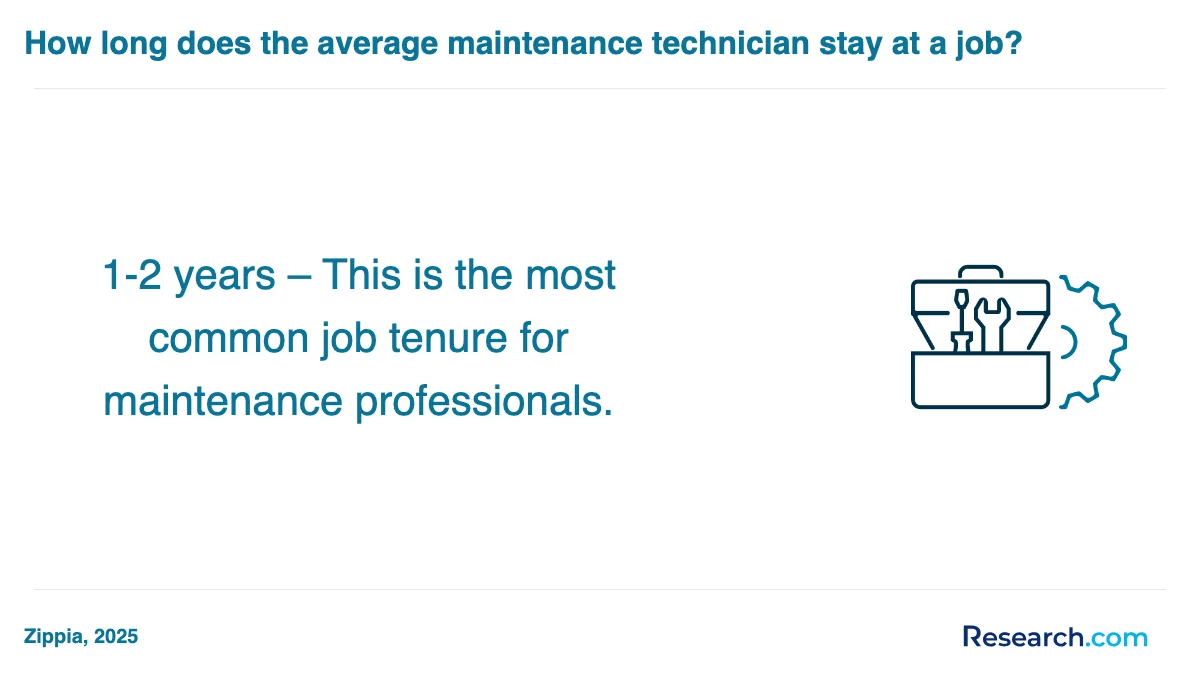
Maintenance technician programs in the Midwest focus on hands-on, practical courses that prepare students for real-world industrial challenges. Graduates often recall starting with essential safety practices and workplace procedures, a key foundation that protects them and their coworkers from risks in fast-paced factory settings.
The curriculum typically includes:
- Mechanical fundamentals such as machine operation and repair, where students learn to handle lathes, drill presses, and common hand tools.
- Electrical systems training covering motor controls, transformers, and reading electrical schematics-skills vital for troubleshooting modern equipment.
- Programmable logic controllers (PLCs) courses, reflecting how automation shapes Midwest manufacturing.
- Fluid power systems, including hydraulics and pneumatics, essential for maintaining heavy machinery.
- Welding and fabrication, giving students confidence in repairing metal components on the job.
Many graduates from schools like Northwood Technical College and WCTC emphasize the value of labs that simulate real factory environments, where theory meets hands-on practice. They describe the blend of predictive maintenance techniques and blueprint reading as empowering, enabling them to anticipate issues before costly breakdowns occur.
Maintenance technician specializations in Midwest trade schools typically revolve around practical and high-demand skills, ensuring students graduate with job-ready expertise. Graduates from programs like Madison College experience comprehensive training in electrical systems, HVAC, plumbing, and general facilities upkeep, preparing them for roles such as building engineers or facilities maintenance technicians. Others, like those completing the Maintenance Technician Apprenticeship at Lakeshore College, benefit from a blend of on-the-job training and technical instruction, focusing on machine repair and equipment management essential for facilities managers.
Students pursuing Midwest maintenance technician program specializations at schools like Midwest Technical Institute dive into HVAC/R technologies-covering air conditioning, heat pumps, and gas heating systems-gaining hands-on experience that fuels confident entry into the HVAC workforce.
Such programs foster enthusiasm by aligning real-world skills with career paths that offer stability. Across the board, students appreciate how these specializations build both technical knowledge and problem-solving abilities, opening doors to rewarding career opportunities in maintenance technology. For those curious about earning potential and career prospects, exploring trade school jobs salary insights can be quite motivating and informative.
Choosing the best maintenance technician trade schools in Midwest means focusing on programs that offer strong accreditation and real-world hands-on training. Graduates from popular Midwest colleges often share how their instructors, who bring extensive industry expertise, made learning engaging and practical, not just theoretical. Picture a typical day working with industry-standard equipment, guided by mentors who have faced the same challenges graduates now tackle confidently in their careers.
Flexibility matters too: many students balance evening or weekend classes while managing family or work. Schools in the region that understand these commitments tend to offer better scheduling options, resulting in less stress and more success. Career support is another key factor-programs providing job placement assistance and resume help ensure smooth transitions into local industries.
When deciding how to select top maintenance technician programs in Midwest, look beyond cost; investigate financial aid and scholarships that can ease tuition burdens. Ultimately, real student testimonials show that choosing the right program transforms nervous beginners into skilled technicians ready to thrive. For a broader perspective on quality community colleges and trade schools, consider exploring what is the best community college in the united states.
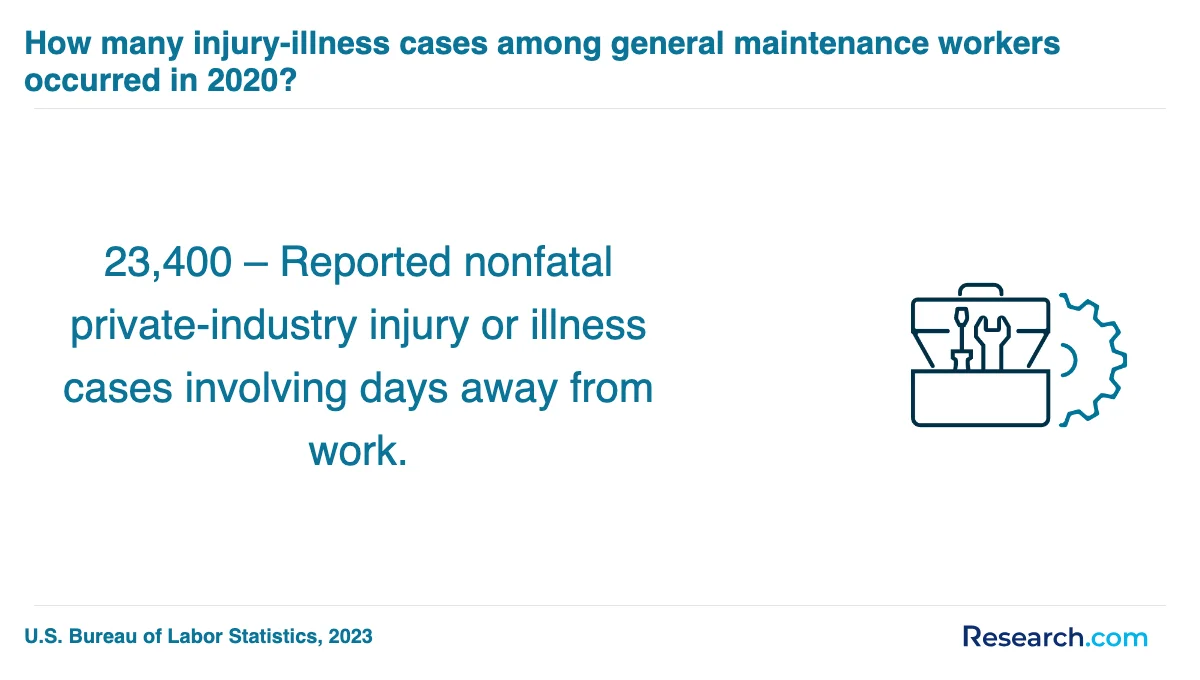
Graduates of maintenance technician trade school programs in the Midwest find themselves at the gateway to diverse career opportunities. Industrial maintenance technician jobs Midwest remain particularly abundant, with manufacturers and industrial plants urgently seeking skilled workers to manage and troubleshoot complex systems like HVAC, electrical, and pneumatic equipment. Many graduates from well-known trade schools share stories of stepping directly into roles where they quickly learn to maintain vital machinery, increasing their confidence and earning potential.
Beyond entry-level positions, graduates often pursue specializations such as electrical systems or plumbing maintenance, allowing them to tailor their careers. Some take advantage of apprenticeship programs that combine hands-on experience with classroom learning, moving towards roles like millwrights or pipe fabricators.
Career opportunities for maintenance technicians in Midwest go beyond technical work. Many graduates advance into supervisory roles or facilities management, where they lead teams and ensure regulatory compliance. Others may leverage their experience into consulting or entrepreneurship, confident in the practical skills honed at popular Midwest trade schools.
For students weighing their options, it's worth considering why a trade school better than college can provide faster routes to rewarding careers, especially in this high-demand field.
The maintenance technician job outlook Midwest is exceptionally promising, driven by a strong demand in manufacturing hubs and industrial centers. Graduates from popular trade schools in the region frequently share stories of quick job placement and competitive salaries, reflecting the real-world value of their hands-on training. Practical skills in mechanical and electrical systems mastered during their programs often give them an edge in securing roles at warehouses, hospitals, and production plants.
Midwestern states like Illinois and Wisconsin offer attractive wages, with many reporting industrial maintenance technician salaries Midwest above $50,000 annually. Graduates often highlight benefits such as:
- Steady employment opportunities in cities with manufacturing and logistics industries
- Room for career growth as experience and technical expertise deepen
- Supportive employer demand for trade school graduates with hands-on skills
Many students benefit from enrolling in vocational trade online training schools as a flexible option to build in-demand competencies before entering the vibrant Midwest job market.
Best Maintenance Technician Training Programs & Trade Schools - Top Maintenance Tech Schools in Midwest for 2026
# 1 position
Warren County Career Center - Industrial Mechanics and Maintenance Technology/Technician.
certificate or diplomaThe Industrial Mechanics and Maintenance Technology/Technician program at Warren County Career Center is a hybrid course designed to teach technical skills for repairing and maintaining industrial machinery such as cranes, pumps, engines, and conveyor systems. Graduates have a median earning of $70,305 one year after completion. The program is accredited by the Council on Occupational Education and includes some distance-education options.
# 2 position
Pickaway Ross Joint Vocational School District - Industrial Mechanics and Maintenance Technology/Technician.
certificate or diplomaPickaway Ross Joint Vocational School District offers a Hybrid Industrial Mechanics and Maintenance Technology/Technician program. This program prepares students to repair and maintain industrial machinery and equipment, including cranes, pumps, engines, pneumatic tools, conveyor systems, and refinery systems. The program is accredited by the Council on Occupational Education.
# 3 position
Montcalm Community College - Industrial Mechanics and Maintenance Technology/Technician.
associateMontcalm Community College offers a hybrid program in Industrial Mechanics and Maintenance Technology/Technician, preparing students to repair and maintain industrial machinery such as cranes, pumps, engines, and conveyor systems. The annual in-state tuition is $4,860. Graduates have a median earning of $66,358 one year after completing the program. The program is accredited by the Higher Learning Commission.
# 4 position
Montcalm Community College - Industrial Mechanics and Maintenance Technology/Technician.
certificate or diplomaMontcalm Community College offers a hybrid Industrial Mechanics and Maintenance Technology/Technician program preparing students to repair and maintain industrial machinery such as cranes, pumps, engines, and conveyor systems. The program is accredited by the Higher Learning Commission. Annual in-state tuition is $4,860. Graduates earn a median income of $66,358 one year after completion, reflecting strong employment outcomes in technical fields.
# 5 position
Rend Lake College - Industrial Mechanics and Maintenance Technology/Technician.
associateRend Lake College offers a hybrid Industrial Mechanics and Maintenance Technology/Technician program focused on repairing and maintaining industrial machinery and equipment, including cranes, pumps, engines, and conveyor systems. The program is accredited by the Higher Learning Commission. Annual in-state tuition is $4,500. Graduates have median earnings of $61,677 one year after completing the program.
# 6 position
Rend Lake College - Industrial Mechanics and Maintenance Technology/Technician.
certificate or diplomaRend Lake College offers a hybrid Industrial Mechanics and Maintenance Technology/Technician program designed to equip students with skills to repair and maintain industrial machinery like cranes, pumps, engines, and conveyor systems. The program is accredited by the Higher Learning Commission. Annual in-state tuition is $4,500. Graduates have a median earning of $61,677 one year after completing the program, reflecting strong job market potential in this technical field.
# 7 position
EHOVE Career Center - Industrial Mechanics and Maintenance Technology/Technician.
certificate or diplomaThe Industrial Mechanics and Maintenance Technology/Technician program at EHOVE Career Center offers a hybrid format with some distance education options. It trains students to repair and maintain industrial machinery such as cranes, pumps, engines, pneumatic tools, and conveyor systems. The program is accredited by the Council on Occupational Education and prepares individuals for technical roles in various industrial settings including marine and refinery systems.
# 8 position
Northwood Technical College - Industrial Mechanics and Maintenance Technology/Technician.
certificate or diplomaNorthwood Technical College offers a fully online Industrial Mechanics and Maintenance Technology/Technician program designed to prepare students for repairing and maintaining industrial machinery and equipment. Graduates can expect median earnings of $55,793 one year after completion. The program is accredited by the Higher Learning Commission and features an annual in-state tuition of $4,524.
# 9 position
Chippewa Valley Technical College - Industrial Mechanics and Maintenance Technology/Technician.
associateChippewa Valley Technical College offers a Hybrid Industrial Mechanics and Maintenance Technology/Technician program designed to train students in repairing and maintaining industrial machinery such as cranes, pumps, engines, and conveyor systems. The program is accredited by the Higher Learning Commission. Annual in-state tuition is $4,724. Graduates have a median earnings of $62,438 one year after completion, reflecting strong job market potential.
# 10 position
Chippewa Valley Technical College - Industrial Mechanics and Maintenance Technology/Technician.
certificate or diplomaChippewa Valley Technical College offers a hybrid Industrial Mechanics and Maintenance Technology/Technician program. It prepares students to repair and maintain industrial machinery including cranes, pumps, engines, and conveyor systems. The program is accredited by the Higher Learning Commission. Annual in-state tuition is $4,724. Graduates earn a median income of $62,438 one year after completion.
Frequently Asked Questions about maintenance technician
After completing a maintenance technician trade school in the Midwest, preparing for the job market involves several key steps. First, graduates should obtain relevant certifications such as OSHA safety training or HVAC licenses, which are highly valued by employers. According to the U.S. Bureau of Labor Statistics, the Midwest has seen a steady demand for maintenance technicians, with a projected 5% job growth through 2031.
Networking is essential; attending local industry job fairs and joining trade associations can open opportunities. Additionally, creating a strong resume highlighting hands-on experience and technical skills gained during training can improve job prospects. Many trade schools in the region also offer placement assistance to help graduates connect with employers.
Employers in the Midwest highly value maintenance technician graduates who possess strong mechanical and electrical skills. According to the U.S. Bureau of Labor Statistics, proficiency in troubleshooting, repair, and preventive maintenance is essential for these roles.
Technical knowledge of HVAC systems, hydraulics, and PLCs (programmable logic controllers) is often required, reflecting the industrial focus of Midwest manufacturing sectors. Additionally, soft skills such as effective communication and teamwork are critical, as technicians regularly collaborate with engineers and supervisors.
Attention to safety protocols and the ability to read technical manuals accurately are also prioritized, ensuring compliance with workplace regulations.
Finding internships relevant to maintenance technician trade school programs in the Midwest involves several strategic steps. Many trade schools have partnerships with local manufacturers, utilities, and industrial firms that offer internship opportunities to enrolled students. Contacting your school's career services or internship coordinator is essential, as they often maintain updated lists of available placements.
Additionally, organizations like the National Association of Manufacturers report that Midwest companies employ thousands of maintenance technicians and frequently seek interns for hands-on training. Online job platforms such as Indeed or state workforce development sites also list internships by region and sector.
Networking through local trade unions and attending career fairs in cities like Chicago or Minneapolis can further increase your chances of securing a position. The U.S. Department of Labor's Apprenticeship Finder tool can help identify registered programs offering combined classroom and paid work experience in maintenance fields.
Obtaining a maintenance technician trade school diploma in the Midwest significantly enhances career mobility and advancement opportunities. According to the National Center for Education Statistics, graduates with such diplomas often experience faster job placement rates compared to those without formal training. Employers in manufacturing and industrial sectors commonly prioritize candidates with certified technical skills, which improves hiring prospects.
The Midwest's economy, with its strong manufacturing base, values practical expertise. Data from the U.S. Bureau of Labor Statistics shows that maintenance technician roles in states like Illinois and Ohio are projected to grow by 5% through 2030, driven by industry demand.
Graduates often qualify for higher wages and supervisory positions, as the diploma demonstrates both technical competence and commitment to the trade. Furthermore, trade school credentials can facilitate lateral moves into specialized fields like HVAC or electrical maintenance, broadening career paths.
Students enrolled in maintenance technician trade schools in the Midwest can benefit from various part-time job opportunities that align with their education. Common roles include entry-level maintenance assistant positions in manufacturing plants, warehouses, and facilities management companies. According to the U.S. Bureau of Labor Statistics, the Midwest has a strong industrial base, with states like Ohio and Illinois showing steady demand for maintenance workers.
Other part-time options involve roles such as equipment operators, HVAC helpers, and custodial technicians, providing hands-on experience with machinery and tools. These jobs help students develop practical skills while earning income. Local unions and trade organizations often list apprenticeship openings that complement technical schooling.
Additionally, many community colleges partner with area employers to facilitate student placements, enhancing both learning and networking opportunities. Such part-time work not only reinforces classroom knowledge but also improves employment prospects after graduation.
To find the best Maintenance Technician degree program near me, start by researching technical colleges and community colleges near Midwest, which offer specialized training programs. These institutions often provide hands-on training and relevant certifications, helping students build the skills necessary for a successful career as a Maintenance Technician. Using Research.com as a resource can assist in comparing programs and identifying top-rated schools in the area that align with your professional goals.
- Maintenance Technician - Job Duties, Skills, Responsibilities & Salary https://limblecmms.com/learn/maintenance-operations/technician-job-description/
- Engineering maintenance technician | Explore Careers | National Careers Service https://nationalcareers.service.gov.uk/job-profiles/engineering-maintenance-technician
- Working as a maintenance technician | Randstad Canada https://www.randstad.ca/job-seeker/job-profiles/maintenance-technician/
- Becoming a Facilities Maintenance Technician | Penn Foster https://www.pennfoster.edu/blog/becoming-a-facilities-maintenance-technician-online
- Working as a maintenance technician | Randstad USA https://www.randstadusa.com/job-seeker/career-advice/job-profiles/maintenance-technician/
- The Average Salary of a Maintenance Technicians: What You Need to Know https://www.hotfootrecruiters.com/the-average-salary-of-a-maintenance-technicians-what-you-need-to-know/
- Is Becoming an Industrial Maintenance Technician a Good Career Plan? | UTI https://www.uti.edu/blog/industrial-maintenance/industrial-maintenance-good-career-plan
- 10 Signs a Maintenance Technician Career is a Good Choice! - Unmudl https://www.unmudl.com/blog/signs-a-maintenance-technician-career-is-a-good-choice
- What You Need to Know Before a Maintenance Technician Job Interview https://www.aerotek.com/en/insights/what-you-need-to-know-maintenance-technician-job-interview
- Careers as a Maintenance Technician: Skills, Certifications & Outlook https://aviationmaintenance.edu/blog/careers-as-a-maintenance-technician/