
Most Affordable Maintenance Technician Schools & Training - Budget-Friendly Maintenance Tech Trade Programs in Arkansas for 2026

Co-Founder and Chief Data Scientist
Considering a career as a maintenance technician in Arkansas? Finding the right trade school can be overwhelming, but this article is here to help.
We present a ranking of maintenance technician trade school programs, created by the Research.com team of data scientists, designed to guide you toward the best options available.
Discover schools that offer quality training and affordable tuition, helping you earn a valuable diploma or certification.
Reading this will empower you to make informed decisions and take confident steps toward a rewarding career in maintenance technology.
Key benefits of finishing maintenance technician trade school in Arkansas
- Graduates can expect an average annual salary around $42,233 in Arkansas, with opportunities to earn up to $53,680 in specialized roles, offering a solid financial foundation right after school.
- Career paths include roles in industrial maintenance, facilities management, or utility companies, providing a variety of options for growth and specialization based on skills and interests.
- Completing an online maintenance technician program offers flexibility and convenience, allowing graduates to gain valuable skills without disrupting their current work or family commitments.
- Most Affordable Maintenance Technician Schools & Training - Budget-Friendly Maintenance Tech Trade Programs in Arkansas for 2026
- What can I expect from maintenance technician trade schools in Arkansas?
- Where can I work after finishing maintenance technician trade schools in Arkansas?
What can I expect from maintenance technician trade schools in Arkansas?
Enrolling in a maintenance technician trade school program in Arkansas means diving into a hands-on, career-focused experience that truly prepares you for real-world industrial roles. Graduates from schools like Black River Technical College often describe how the blend of classroom learning and practical workshops built their confidence in handling mechanical systems and electrical circuits. Imagine spending mornings mastering programmable logic controllers and afternoons troubleshooting actual equipment-this balance makes learning tangible and exciting.
Expect a curriculum that covers everything from welding to industrial hydraulics, often taught by instructors with genuine industry experience. Many students appreciate how safety training is emphasized, making them feel ready and secure for future job sites. Program lengths vary, with some lasting about nine months and scheduling options that fit your life, whether you prefer evenings or self-paced study.
Graduates frequently highlight the value of earning certifications like OSHA safety or forklift operation alongside technical certificates, boosting their job prospects in Arkansas's manufacturing and maintenance sectors. The journey is challenging but rewarding, offering solid skills and clear pathways to employment.
Where can I work after finishing maintenance technician trade schools in Arkansas?
After finishing a maintenance technician trade school program in Arkansas, graduates find themselves stepping into a world full of diverse career paths. Many start in industrial settings like manufacturing plants or food processing facilities, where they keep heavy machinery humming and solve mechanical puzzles daily. Graduates often share how their hands-on training at popular Arkansas trade schools made them confident tackling real equipment issues from day one.
State and local government roles provide another fulfilling option. For example, working with the Arkansas Department of Corrections offers steady employment with competitive starting salaries near $39,000. Graduates appreciate the stability and benefits that come with these positions, often citing a sense of pride in maintaining important public infrastructure.
Residential and commercial property management also attracts many, especially those who enjoy variety. Apartment complexes and hotels need skilled technicians to manage HVAC, plumbing, and quick repairs. Some graduates recall starting in Little Rock with pay up to $22 per hour, enjoying predictable weekday schedules and close-knit work environments.
These varied opportunities reflect the true value of completing a maintenance technician program in Arkansas-equipping students to confidently enter industries that need their skills across the state, from urban centers to smaller communities.
Graduates of maintenance technician trade schools in Arkansas often find that their specialized skills translate into solid earning potential right out of the gate. Many who completed programs at popular institutions like Arkansas State or Pulaski Technical College report starting salaries around $42,000 annually, which can feel rewarding after months of focused training.
One graduate shared how landing a role as a Facility Maintenance Technician I came with a starting salary in the range of $37,600 to $47,500, allowing them to quickly cover living expenses while gaining hands-on experience. Others pursuing Industrial Maintenance Technician positions enjoy hourly wages averaging $20.63, which adds up to about $42,900 a year when working full-time.
Some of these graduates found that opportunities with employers like the University of Arkansas or Arkansas Electric Cooperative offer even higher pay-up to $53,600 annually-encouraging many to aim for advancement through certifications and overtime.
This financial outlook, combined with Arkansas's affordable cost of living, makes completing a maintenance technician trade program a practical and motivating step toward a stable, well-paying career.
- Most maintenance technician programs in Arkansas require a high school diploma or equivalent for admission.
- Program length is typically around 64 weeks for full-time students, with about 60 credit hours needed for an Associate of Applied Science or technical certificate.
- Some certificate programs can be completed in as little as six months, with options for daytime, evening, hybrid, or online classes.
- Northwest Technical Institute offers an Industrial Maintenance Technology certificate at no cost for in-state students, possibly covered by state or federal funding.
- Entry-level maintenance technicians in Arkansas earn between $33,000 and $40,000 annually, while experienced technicians can make $45,000 to $55,000 or more.
Completing a maintenance technician trade school program in Arkansas typically takes between 9 months to 12 months, a timeframe that many graduates find both efficient and motivating. For those attending well-known Arkansas trade schools, this duration strikes a balance between gaining hands-on skills and quickly entering the workforce.
Many students share how immersive the experience feels, with classes designed to mirror real-world maintenance challenges. Imagine starting your day fixing industrial machinery or troubleshooting electrical systems, then heading to class where instructors guide you through similar tasks. This blend of practical and classroom learning makes the time fly by.
Graduates often express pride in how swiftly they transition from novices to confident technicians. The concise program lengths mean they can support their families sooner or pursue advanced certifications without delay. Choosing a trade school in Arkansas means embracing a path that respects your time while equipping you with valuable, market-ready skills.
The core difference between online and on-campus maintenance technician trade school programs in Arkansas lies in the learning environment and hands-on experience. Graduates from on-campus programs at places like SAU Tech and Northwest Technical Institute often recall the value of working directly with industrial machinery and welding equipment, feeling the confidence that comes from real-time instructor guidance and immediate feedback during lab sessions. This face-to-face training builds not only skills but strong connections with instructors and peers, making troubleshooting and mastering safety procedures more intuitive.
In contrast, online or hybrid students appreciate the flexibility to study theory on their own schedules, especially when balancing work or family commitments. Black River Technical College's hybrid model allows students to absorb complex concepts remotely while still attending essential in-person labs. However, many graduates emphasize the importance of these hands-on sessions to truly grasp electrical diagnostics and equipment repair-skills that digital learning alone can't fully convey.
For Arkansas residents, choosing between formats means weighing convenience against immersive skill-building that local employers value. Those who thrive in on-campus settings often feel more prepared entering the workforce, while online learners must ensure they meet practical requirements to earn industry certifications.
The average tuition fees for maintenance technician programs in Arkansas usually fall between $5,000 and $20,000, depending heavily on the institution and program length. For instance, a graduate from Northwest Technical Institute in Springdale recalls the affordability of their training with tuition around $5,184 at this public school, helping them start their career without overwhelming debt. On the other hand, private institutions like Arkansas Technical School in North Little Rock can charge tuition fees close to $19,400, a figure that some students considered a worthwhile investment in their future prospects.
Graduates emphasize that while tuition is a significant part of the investment, the cost of maintenance technician trade school programs in Arkansas extends beyond just tuition fees. For example, students completing their program at Arkansas Welding Academy in Jacksonville pay tuition fees of about $16,713, but they also need to budget for additional expenses such as books and supplies, which total approximately $11,097. Understanding these extra costs is vital to forming a clear picture of the overall financial commitment involved in these programs.
Many students find that this comprehensive view of expenses helps them prepare better financially and emotionally for the journey. Those exploring careers in this field often wonder what is a vocation or trade school and discover that detailed knowledge about the cost of maintenance technician trade school programs in Arkansas is essential for making an informed decision towards a rewarding career path.
For students pursuing maintenance technician training in Arkansas, financial aid often begins with the Federal Pell Grant, a lifeline that doesn't need to be repaid. Many graduates from schools like Northwest Technical Institute recall how completing the FAFSA opened doors to this grant, easing the burden of tuition and allowing them to focus on hands-on learning rather than finances.
Federal student loans are another common resource, helping students cover costs beyond what grants provide. While repayment is required, many find these loans manageable, especially with the guidance offered by schools such as Pulaski Tech. These loans fill the gap when unexpected expenses arise during training.
State-specific aid, like the Arkansas Career Pathways Initiative, resonates deeply with low-income parents balancing family and education by providing tuition support and even childcare assistance. Graduates from Southern Arkansas University Tech often mention scholarships and military benefits that further lighten their financial load, making education feel truly attainable.
Additionally, WIOA-approved programs offer workforce training grants, a beacon for those shifting careers or seeking new skills in industrial maintenance. These layered financial options create a supportive environment, empowering Arkansas maintenance technician students to advance confidently toward their careers.
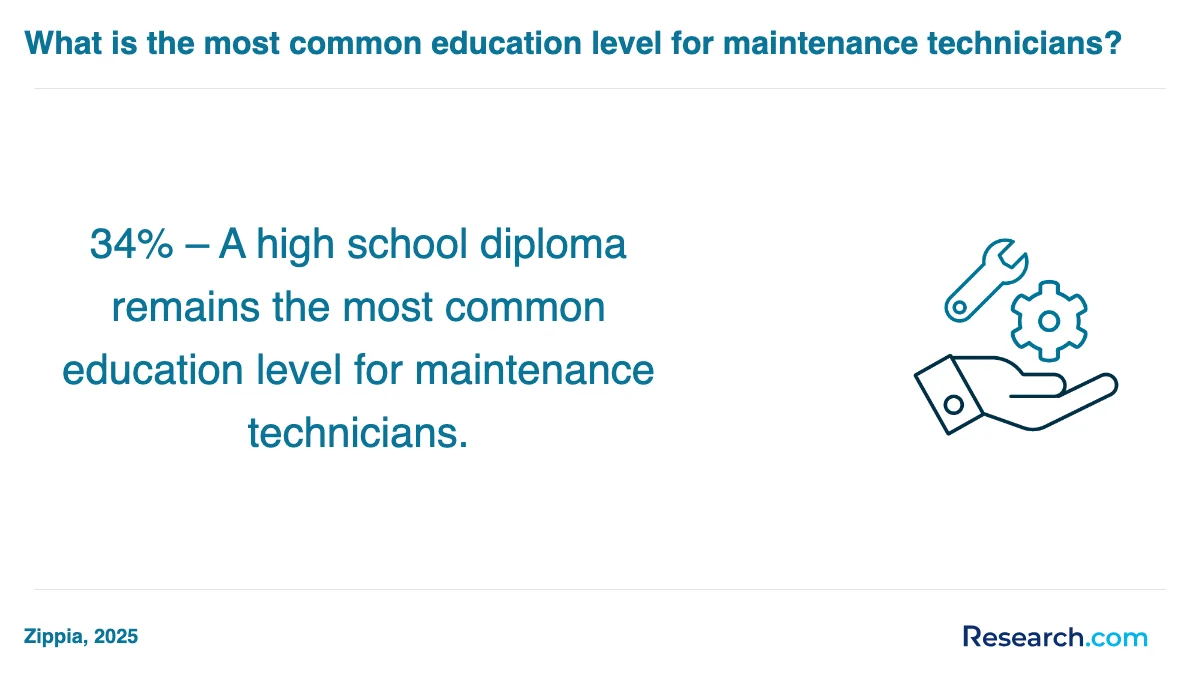
To enroll in a maintenance technician trade school program in Arkansas, applicants typically need a high school diploma or a GED. This foundational requirement ensures students are prepared for the technical curriculum and hands-on training. Many graduates recall how having solid math and science skills made a difference when tackling courses on electrical systems or machinery diagnostics.
Beyond formal education, schools often look for these prerequisites:
- Basic mechanical aptitude demonstrated through assessments or prior work experience
- A clear background check, especially for programs tied to industrial sites
- Physical fitness and the ability to work in various environments, such as confined spaces or heights
Students at well-known Arkansas trade schools share that being eager to learn and having a positive attitude can sometimes weigh just as heavily as formal prerequisites. One graduate mentioned how persistence in mastering troubleshooting skills helped him stand out during internships arranged by his school.
Most programs encourage applicants to visit campuses or speak with advisors to understand the physical demands and safety protocols involved, allowing students to envision themselves thriving in this dynamic career path.
Maintenance technician trade school programs in Arkansas focus on practical, job-ready skills that graduates find immediately valuable in the workforce. Core courses often include:
- Basic electricity and motor controls: Graduates from Northwest Technical Institute praise the hands-on training in safely handling electrical systems and troubleshooting motors, essential for manufacturing roles.
- Mechanical maintenance: Southern Arkansas University Tech students gain confidence repairing machinery and using industrial tools, preparing them for real-world equipment challenges.
- Blueprint reading and industrial math: Black River Technical College emphasizes interpreting technical drawings and solving math problems, crucial for accurate maintenance work.
Other common courses cover hydraulics, pneumatics, electrical safety, and troubleshooting techniques. Many students also benefit from training in programmable logic controllers (PLCs), reflecting automation trends in Arkansas industries.
Opportunities to earn certifications like OSHA and forklift licenses add to graduates' employability, making these programs a rewarding pathway to a hands-on, skilled career.
Maintenance technician specializations in Arkansas provide diverse pathways tailored to hands-on learners eager to enter dynamic industrial roles. Graduates from popular programs often highlight the immediate application of skills like troubleshooting and preventive maintenance, which underscores the practical nature of Arkansas maintenance technician training programs. Key specializations include:
- Industrial Maintenance Technology: training covers multi-craft maintenance, mechanical and electrical troubleshooting, and safety protocols, preparing graduates for roles such as industrial maintenance mechanics and machine service electricians.
- Industrial Electricity: students master electrical system installation, motor controls, and programmable logic controllers (PLCs), gearing up for careers as industrial electricians and electrical maintenance technicians.
- Industrial Technology: focused on welding, motor controls, and industrial electricity, equipping students to tackle diverse industrial equipment repairs.
- Ammonia Refrigeration Maintenance: a specialized track training students on maintaining industrial ammonia refrigeration systems, a vital niche in Arkansas's industrial sector.
Graduates often recount how these specializations allowed them to confidently step into roles that support critical infrastructure in Arkansas's industries. By enrolling at reputable schools like the University of Arkansas Community College at Morrilton or the Arkansas Construction Education Foundation, students immerse themselves in collaborative, real-world training environments. For prospective students researching pathways, resources such as what is the top 1 community college in the us? offer valuable insights into top institutions to consider.
Choosing the right maintenance technician trade school in Arkansas means prioritizing accreditation and program reputation to ensure your education is respected by employers. Graduates from schools like the Don Tyson School of Innovation often praise the real-world skills they gained through hands-on training, which directly boosted their confidence on the job. Tuition and associated fees vary widely; for example, Arkansas State University Three Rivers offers affordable rates that made continuing education possible without financial strain. Many students highlight the availability of financial aid and scholarships, such as those from the Arkansas Workforce Challenge, as crucial support during their studies.
Job placement rates and industry connections matter deeply-graduates from East Arkansas Community College report high employment success because of the school's local partnerships. Location and convenience are also vital; students juggling family or work favor programs offering online and blended courses, like those at North Arkansas College. Consider exploring the top vocational trade programs nationwide to compare options beyond Arkansas, helping you find the perfect balance of quality and flexibility.
Graduates of maintenance technician trade school programs in Arkansas often step directly into thriving industrial maintenance career paths in Arkansas that promise stability and growth. Many begin their journey in entry-level maintenance technician jobs in Arkansas, gaining hands-on experience with machinery inspections, repairs, and preventative upkeep in manufacturing plants, hospitals, or commercial facilities. These roles open doors to diverse industries such as utilities, advanced manufacturing, and facilities management.
Typical career progressions include moving into supervisory positions like lead maintenance technician or facilities supervisor. Trade schools popular in Arkansas, including SAU Tech, collaborate with local industries to offer stackable credentials, empowering graduates to build on their skills and pursue higher-paying roles. Specializations in HVAC, welding, or electrical maintenance also unlock lucrative opportunities with broader responsibilities.
Graduates often share stories of how their training enabled them to take on challenging industrial maintenance career paths in Arkansas, feeling confident tackling complex equipment and troubleshooting in fast-paced environments. Some leverage their skills for self-employment ventures, providing repair services locally. For those seeking further advancement, trade school programs can serve as a foundation for degrees in engineering or applied sciences, illustrating why is trade school better than college for many aspiring technicians.
The maintenance technician job market in Arkansas is notably strong, offering graduates from local trade schools promising employment prospects. Graduates often share how training programs at well-known Arkansas schools equipped them with essential skills, from mechanical troubleshooting to HVAC systems, making them highly attractive to employers. With over 800 job openings across the state, including 230+ in Little Rock alone, opportunities abound for those completing trade school programs. This demand cuts across industries such as manufacturing, logistics, and food processing.
Many graduates enter roles in companies like Tyson Foods and FedEx, appreciating that their hands-on experience gained in schools closely matches real workplace needs. Key factors contributing to this positive outlook include:
- Competitive salaries ranging from $39,000 starting to nearly $58,000 for experienced technicians
- Skills in preventive maintenance and PLC systems highly valued by employers
- Employers' preference for trade school credentials that provide practical, job-ready training
For students curious about pathways with strong future potential, understanding the maintenance technician job market in Arkansas confirms why training here is a smart choice. Explore more about trades with high demand to see how this field aligns with your career plans.
Most Affordable Maintenance Technician Schools & Training - Budget-Friendly Maintenance Tech Trade Programs in Arkansas for 2026
# 1 position
East Arkansas Community College - Industrial Mechanics and Maintenance Technology/Technician.
certificate or diplomaEast Arkansas Community College offers a hybrid Industrial Mechanics and Maintenance Technology/Technician program designed to train individuals in repairing and maintaining industrial machinery and equipment. The curriculum covers cranes, pumps, engines, pneumatic tools, conveyor systems, marine deck machinery, and refinery and pipeline-distribution systems. The program is accredited by the Higher Learning Commission and features an annual in-state tuition of $3,960.
# 2 position
University of Arkansas Hope-Texarkana - Industrial Mechanics and Maintenance Technology/Technician.
certificate or diplomaThe Industrial Mechanics and Maintenance Technology/Technician program at University of Arkansas Hope-Texarkana offers a hybrid learning option. It trains students to repair and maintain industrial machinery like cranes, pumps, engines, and conveyor systems. The program is accredited by the Higher Learning Commission. Annual in-state tuition is $3,400, providing a cost-effective pathway to gain technical skills for various industrial applications.
# 3 position
Cossatot Community College of the University of Arkansas - Industrial Mechanics and Maintenance Technology/Technician.
certificate or diplomaCossatot Community College of the University of Arkansas offers a Hybrid Industrial Mechanics and Maintenance Technology/Technician program. This program trains students to repair and maintain industrial machinery and equipment, including cranes, pumps, engines, pneumatic tools, and conveyor systems. The annual in-state tuition is $3,906. The program is accredited by the Higher Learning Commission, providing a quality educational experience with some distance-education options available.
# 4 position
Arkansas State University-Newport - Industrial Mechanics and Maintenance Technology/Technician.
certificate or diplomaArkansas State University-Newport offers a hybrid Industrial Mechanics and Maintenance Technology/Technician program that prepares students to repair and maintain industrial machinery such as cranes, pumps, engines, and conveyor systems. The program focuses on technical skills for various equipment including pneumatic tools and refinery systems. Annual in-state tuition is $2,856. The program is accredited by the Higher Learning Commission.
# 5 position
Arkansas State University Three Rivers - Industrial Mechanics and Maintenance Technology/Technician.
certificate or diplomaArkansas State University Three Rivers offers a Hybrid Industrial Mechanics and Maintenance Technology/Technician program that trains students to repair and maintain industrial machinery like cranes, pumps, engines, and conveyor systems. The program is accredited by the Higher Learning Commission. Annual in-state tuition is $3,568, providing an affordable option for technical education focused on essential industrial equipment and systems maintenance.
# 6 position
University of Arkansas Community College-Morrilton - Industrial Mechanics and Maintenance Technology/Technician.
associateThe Industrial Mechanics and Maintenance Technology/Technician program at University of Arkansas Community College-Morrilton offers a hybrid learning format with some distance education options. The program trains students to repair and maintain industrial machinery, including cranes, pumps, engines, pneumatic tools, and conveyor systems. Annual in-state tuition is $3,504. The program is accredited by the Higher Learning Commission.
# 7 position
University of Arkansas Community College-Morrilton - Industrial Mechanics and Maintenance Technology/Technician.
certificate or diplomaThe Industrial Mechanics and Maintenance Technology/Technician program at University of Arkansas Community College-Morrilton offers a hybrid format with some distance-education options. It prepares students to repair and maintain various industrial machinery, including cranes, pumps, engines, and conveyor systems. The program’s annual in-state tuition is $3,504. It is accredited by the Higher Learning Commission, ensuring quality and recognized standards in technical education.
# 8 position
Southeast Arkansas College - Industrial Mechanics and Maintenance Technology/Technician.
associateSoutheast Arkansas College offers a Hybrid Industrial Mechanics and Maintenance Technology/Technician program designed to train students in repairing and maintaining industrial machinery and equipment. The curriculum covers cranes, pumps, engines, pneumatic tools, conveyor systems, and refinery systems. The program’s annual in-state tuition is $4,960. It is accredited by the Higher Learning Commission, ensuring recognized educational standards.
# 9 position
National Park College - Industrial Mechanics and Maintenance Technology/Technician.
certificate or diplomaNational Park College offers a hybrid Industrial Mechanics and Maintenance Technology/Technician program designed to prepare students to repair and maintain industrial machinery and equipment, including cranes, pumps, engines, and conveyor systems. The program is accredited by the Higher Learning Commission. Annual in-state tuition is $5,600. This program combines technical knowledge and practical skills essential for working with various industrial systems and machinery.
# 10 position
University of Arkansas at Monticello - Industrial Mechanics and Maintenance Technology/Technician.
associateThe Industrial Mechanics and Maintenance Technology/Technician program at University of Arkansas at Monticello offers a hybrid format with some distance education options. It prepares students to repair and maintain industrial machinery such as cranes, pumps, engines, and conveyor systems. The annual in-state tuition is $8,868. Graduates have a median earning of $49,589 one year after completion. The program is accredited by the Higher Learning Commission.
Frequently Asked Questions about maintenance technician
After completing a maintenance technician trade school program in Arkansas, preparing for the job market involves several key steps. First, obtaining relevant certifications such as OSHA safety training or EPA refrigerant handling can improve employability. The U.S. Bureau of Labor Statistics highlights that Arkansas's demand for maintenance technicians is expected to grow by about 6% through 2030, reflecting steady job opportunities.
Networking with local employers and joining trade associations in Arkansas can provide valuable job leads. Many schools offer career services and job placement assistance, which should be utilized actively. Additionally, building a strong resume showcasing hands-on skills and internships gained during training will help candidates stand out.
Staying updated on emerging technologies in maintenance and continuing education can further enhance job prospects in Arkansas's evolving industrial sectors.
Employers in Arkansas highly value maintenance technician graduates who demonstrate strong technical skills. Proficiency in mechanical systems, electrical troubleshooting, and HVAC maintenance is essential. According to the Arkansas Department of Workforce Services, nearly 70% of maintenance technician positions require knowledge of electrical controls and programmable logic controllers (PLCs).
In addition to technical expertise, employers seek graduates with strong problem-solving abilities and adaptability. The fast-paced industrial environment in Arkansas demands technicians who can quickly diagnose and repair equipment to minimize downtime.
Soft skills like communication and teamwork are also important. Many employers report that effective collaboration with other departments improves maintenance efficiency and safety.
Finding internships relevant to maintenance technician trade school programs in Arkansas involves leveraging several local resources. Start by contacting the career services office at your trade school, as many schools maintain partnerships with regional employers in manufacturing, utilities, and facility management sectors. The Arkansas Department of Workforce Services offers listings and assistance for technical internships statewide, including those in cities like Little Rock and Fort Smith.
Additionally, networking through local trade associations such as the Arkansas Chapter of the International Maintenance Institute can connect students with industry professionals offering internship opportunities. Online platforms like Arkansas JobLink also provide updated postings on maintenance technician internships. According to the Arkansas Economic Development Commission, the technical trade sector is expected to grow by 5% annually, increasing available internships for students.
Obtaining a maintenance technician trade school diploma in Arkansas significantly enhances career mobility and advancement opportunities. According to the Arkansas Department of Workforce Services, the state's manufacturing and industrial sectors continue to grow, increasing demand for skilled maintenance technicians. A diploma demonstrates practical skills and technical knowledge, making graduates more competitive for entry-level and supervisory roles.
Employers in Arkansas often prefer candidates with formal training, as it reduces onboarding time and improves job performance. Data from the U.S. Bureau of Labor Statistics shows that maintenance technicians with postsecondary certificates earn approximately 15% more on average than those without formal credentials.
Additionally, trade school graduates gain access to industry certifications and professional networks, which further support career progression. This credential can open doors to higher-paying positions and opportunities for specialization within Arkansas's evolving industrial landscape.
Part-time job opportunities that complement maintenance technician trade school education in Arkansas often include roles such as equipment maintenance assistant, facility technician, and entry-level HVAC helper. These positions allow students to apply classroom knowledge to real-world environments, gaining hands-on experience while earning income.
According to the Arkansas Department of Workforce Services, industries like manufacturing, utilities, and construction are significant employers of maintenance technicians, providing various part-time openings. Students working in these sectors can develop skills in troubleshooting, repair, and preventive maintenance, which align well with trade school curricula.
Additionally, some local businesses and institutions offer internships or part-time roles tailored to technical students, further enhancing practical learning opportunities.
Finding an affordable Maintenance Technician degree program near me requires researching local community colleges and technical schools, which often offer practical and budget-friendly training. Near Arkansas, institutions such as Arkansas State University and Northwest Arkansas Community College have been recognized for their cost-effective degree programs and hands-on training in fields like maintenance technology. Research.com can serve as a helpful resource for locating programs near Arkansas that align with your educational and financial needs.
- Most Affordable Maintenance Technician Schools & Training - Budget-Friendly Maintenance Tech Trade Programs in Oklahoma for 2026
- Most Affordable Maintenance Technician Schools & Training - Budget-Friendly Maintenance Tech Trade Programs in Tennessee for 2026
- Most Affordable Maintenance Technician Schools & Training - Budget-Friendly Maintenance Tech Trade Programs in Mississippi for 2026
- Most Affordable Maintenance Technician Schools & Training - Budget-Friendly Maintenance Tech Trade Programs in Texas for 2026
- Most Affordable Maintenance Technician Schools & Training - Budget-Friendly Maintenance Tech Trade Programs in Kentucky for 2026
- Most Affordable Maintenance Technician Schools & Training - Budget-Friendly Maintenance Tech Trade Programs in Kansas for 2026
- Most Affordable Maintenance Technician Schools & Training - Budget-Friendly Maintenance Tech Trade Programs in Illinois for 2026
- Most Affordable Maintenance Technician Schools & Training - Budget-Friendly Maintenance Tech Trade Programs in Iowa for 2026
- Most Affordable Maintenance Technician Schools & Training - Budget-Friendly Maintenance Tech Trade Programs in Indiana for 2026
- Most Affordable Maintenance Technician Schools & Training - Budget-Friendly Maintenance Tech Trade Programs in Georgia for 2026
- Online Maintenance Technician from Arkansas State University https://ed2go.degree.astate.edu/training-programs/maintenance-technician/
- UACCM | Academics | Industrial Mechanics and Maintenance Technology https://www.uaccm.edu/academics/degree_prog/immt.html
- Industrial Maintenance | Southeast Arkansas College (SEARK) https://www.seark.edu/industrial-maintenance
- Industrial Maintenance - General https://www.asun.edu/programs/industrial_maintenance_general_GTAAS.php
- Mechanical Maintenance | SAU Tech | Camden, AR https://www.sautech.edu/programs-degrees/mechanical-maintenance
- How to Become a Maintenance Technician in Arkansas | Dreambound https://dreambound.com/blog/how-to-become-a-maintenance-technician-in-arkansas
- Industrial Electronics & Electrical Maintenance - Tech. Certificate https://uafs.edu/programs/technical-certificates/industrial-electronics-and-electrical-maintenance.php
- Online Maintenance Technician from University of Arkansas - Little Rock https://onlinecareertraining.ualr.edu/training-programs/maintenance-technician/
- Trade Schools in Arkansas | Top Trade Schools https://toptradeschools.com/states/arkansas/
- Trails Trade School and Construction Technology - Northwest Arkansas Community College - Modern Campus Catalog™ https://coursecatalog.nwacc.edu/content.php


