
Best Interior Design Training Programs & Schools - Top Interior Design Schools in Sanford for 2026

Co-Founder and Chief Data Scientist
Choosing the right interior design trade school in Sanford can shape your future career and unlock exciting opportunities. This article introduces a carefully crafted ranking of interior designer trade school programs, developed by the Research.com team of data scientists to guide you toward the best options available.
By exploring these programs, you’ll gain valuable insights to make an informed decision that fits your goals and lifestyle. Earning a diploma or certification in interior design opens doors to creative and rewarding professions. Let’s help you take the first step toward building a bright future in design.
Key benefits of finishing interior designer trade school in Sanford
- Graduates of interior designer trade schools in Sanford can expect starting salaries around $26,000 per year, with experienced designers earning up to $90,000, offering strong financial growth opportunities.
- Career paths include residential design, commercial projects, and specialized consulting, as seen with successful Sanford graduates who quickly build diverse portfolios.
- Completing an online trade school program offers flexibility and affordability, allowing graduates to balance work and study while gaining practical skills recognized by local employers.
- Best Interior Design Training Programs & Schools - Top Interior Design Schools in Sanford for 2026
- What can I expect from interior designer trade schools in Sanford?
- Where can I work after finishing interior designer trade schools in Sanford?
What can I expect from interior designer trade schools in Sanford?
Choosing an interior designer trade school program in Sanford means diving into a dynamic mix of creativity and technical skill-building. Graduates often share how hands-on projects-like crafting design boards or developing real client presentations-made their learning feel immediately relevant and exciting. Expect to master tools like AutoCAD and SketchUp, essential for drafting and visualizing spaces, alongside courses on color theory and sustainable design that prepare you for today's industry demands.
Students frequently mention the value of internships and collaborative projects with local businesses, which provide a real-world glimpse into residential and commercial design challenges. Imagine working on a showroom merchandising plan or a healthcare facility layout while still in school-these experiences build confidence and a strong portfolio.
Many Sanford trade schools offer a welcoming environment for both fresh high school grads and career changers, with no prerequisites and materials included. This accessibility paired with a focus on current technologies and business practices helps students feel ready for diverse roles in design firms, hospitality, or government sectors upon graduation.
Where can I work after finishing interior designer trade schools in Sanford?
After completing an interior designer trade school program in Sanford, graduates often find themselves stepping confidently into entry-level roles like Interior Designer, Design Consultant, or Design Manager. These positions, commonly listed across local architectural firms and interior design studios, allow new designers to apply their skills in space planning and digital design software right away. One graduate shared how their hands-on training at a popular Sanford trade school helped them secure a role at a well-known furniture store, where they quickly gained real-world experience.
Many graduates also explore architectural design, collaborating on residential and commercial projects. With over 23 openings currently in Sanford, this path offers diverse salary ranges and the chance to work alongside skilled professionals. For those eager to start without prior experience, Sanford's 44+ no-experience-required listings provide mentorship opportunities, enabling graduates to build confidence and expertise.
Trade school grads often branch into real estate staging, kitchen and bath showrooms, or freelance consulting, enjoying the flexibility to tailor their careers while contributing to renovation projects and new builds locally. These varied options make Sanford a promising place to launch an interior design career.
After finishing an interior designer trade school program in Sanford, many graduates find themselves stepping into the workforce with an average annual salary around $50,000, which feels encouraging for those just starting out. For example, recent graduates from popular Sanford trade schools often share how landing their first role as an Interior Designer I brought paychecks ranging from about $40,000 to $56,000, which aligns well with local market expectations.
One graduate described the excitement of securing a position where early earnings hovered near $50,000, allowing them to confidently cover living expenses while gaining valuable experience. Others appreciate that with a couple of years on the job, salaries can rise above $52,000, opening doors to more challenging projects and higher pay.
In Sanford, combined roles such as Architect and Interior Designer report earnings closer to $64,000, showing potential for growth if you expand your skill set. Graduates often feel optimistic about the future, knowing that hard work and continued learning can lead to roles paying $65,000 and beyond, especially in nearby metro areas.
- Applicants typically need a high school diploma or GED to start an Associate in Science degree in Interior Design, with advanced admission possible for those holding a college degree.
- Programs cover residential, commercial, and hospitality design, plus technical drafting, design software like AutoCAD and SketchUp, color theory, and business practices.
- Tuition for trade school programs in Sanford ranges from $2,500 to $4,000 per year for in-state students, with total costs between $5,000 and $10,000 for a two-year A.S. degree, excluding materials and fees.
- Students often complete a portfolio and internships to gain real-world experience before graduating.
- Entry-level interior designers in Sanford can expect starting salaries between $38,000 and $45,000, with median salaries for experienced designers ranging from $55,000 to $65,000 annually.
Completing an interior designer trade school program in Sanford typically takes about 12 to 18 months, depending on the pace and specific curriculum of the school you choose. Graduates from well-known Sanford trade schools often share how this time frame allowed them to balance hands-on projects with theory, making the learning process both efficient and engaging.
Many students appreciate how immersive programs in Sanford emphasize real-world applications, such as designing mock living spaces or collaborating on community projects, which accelerates skill acquisition. The relatively short duration compared to traditional degrees means you can quickly transition into the workforce feeling confident and prepared.
For example, graduates frequently mention the excitement of seeing their designs come to life within months, fueling motivation and a sense of accomplishment. This momentum is especially helpful in Sanford's tight-knit trade school community, where networking and mentorship happen naturally during the program.
Choosing a program with flexible scheduling options in Sanford can also help you complete your studies faster without sacrificing quality, allowing you to jumpstart your interior design career on your own terms.
In Sanford, interior designer trade school programs split distinctly between online and on-campus formats, each shaping students' experiences uniquely. Graduates from local on-campus schools often recall the energizing buzz of studio labs where they crafted models and sketched designs side-by-side with peers. This hands-on environment fosters immediate feedback, making the learning process feel dynamic and collaborative.
Conversely, online students appreciate the flexibility to study at their own pace, fitting coursework around jobs or family life. Many mention how digital tools like AutoCAD and SketchUp became second nature through weekly online modules and discussion boards, accessed anytime via platforms like Moodle. Some hybrid options even blend these benefits by requiring occasional on-site sessions in Sanford, offering a tangible connection to the design community.
The contrast extends to scheduling and duration: on-campus programs often follow semester calendars with fixed class times, while online options can be completed in as little as six months. Both pathways evoke a sense of accomplishment but cater to different lifestyles and learning preferences in Sanford's vibrant trade school scene.
The average tuition fees for interior design programs in Sanford reflect a balance between affordability and quality education, especially at well-regarded trade schools like Seminole State College of Florida. Graduates often describe their experience as rewarding not only because of the hands-on curriculum but also due to the manageable cost. For in-state students, tuition and fees amount to approximately $3,597 per year, making it an appealing choice for local residents seeking an accessible pathway into the interior design industry. Additional costs such as books and supplies hover around $1,000 annually, which students typically budget carefully to avoid surprises.
Out-of-state students, while facing higher tuition fees around $5,954 per year at Seminole State, still find the investment worthwhile, as many share that the commuter-friendly nature of the institution eliminates room and board expenses that typically escalate overall costs. This practical setup enables students to focus more on mastering design principles and less on financial strain. Such trade schools in Sanford have built a reputation for nurturing creativity while remaining sensitive to the cost of interior design diploma in Sanford, Florida.
Positive reflections from alumni emphasize how these expenses position students for success without overwhelming debt, allowing them to pursue career opportunities confidently. For those considering accelerated learning options, some students explore alternatives such as an accelerated architecture degree online, which can complement their interior design skill set and expand job prospects in less time.
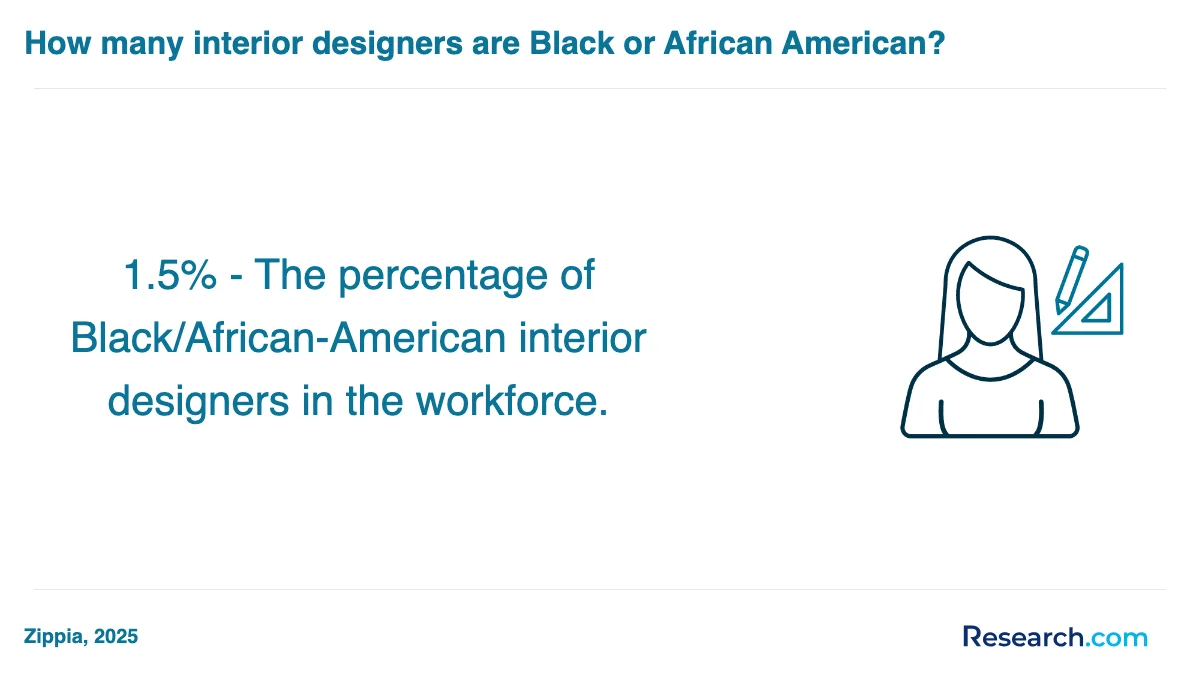
Students pursuing interior designer trade school programs in Sanford often find financial aid options that make their education more affordable and accessible. Many graduates recall how completing the Free Application for Federal Student Aid (FAFSA) unlocked access to federal grants like the Pell Grant, which can award up to $7,395 for the 2025-2026 school year depending on enrollment status and financial need. This support lightened their financial burden while studying at local institutions such as Seminole State College.
Additionally, federal student loans-both subsidized and unsubsidized-offer flexible borrowing options. Some students appreciated that subsidized loans helped reduce interest costs while they focused on mastering interior design skills. State grants and scholarships specific to Florida residents often complemented these federal aids, providing extra funds that many found crucial for covering materials and project expenses.
Work-study programs also offered practical benefits, allowing students to gain experience and offset costs by working part-time on campus. Graduates often highlight how combining these aids created a balanced, hopeful path through their Sanford interior design education.
Enrolling in an interior designer trade school program in Sanford typically requires a mix of academic background and creative passion. Most popular trade schools here ask for a high school diploma or GED as a basic prerequisite. Graduates often recall how this foundational step allowed them to dive into more specialized learning without unnecessary delays.
Alongside formal education, schools in Sanford highly value portfolios showcasing your design ideas-even simple sketches or mood boards created at home can set you apart.
- Basic proficiency in math and geometry, since these skills help with spatial planning and measurements.
- Strong communication abilities, which graduates find crucial when collaborating on projects or presenting concepts.
- A genuine enthusiasm for creativity and problem-solving, often demonstrated through personal projects or volunteer work.
Trade schools in Sanford frequently encourage prospective students to attend informational sessions or complete short pre-enrollment workshops, helping them get a feel for the hands-on nature of the coursework. Graduates describe this as an eye-opening experience that boosted their confidence before starting the full program.

Students enrolled in interior designer trade school programs in Sanford dive into a blend of practical and creative courses that build confidence and skill. Graduates often describe the foundational classes on design principles, color theory, and the elements of aesthetics as eye-opening, helping them immediately see how color and space influence mood and atmosphere in real homes and offices.
Technical skills are emphasized through hands-on courses such as:
- Architectural drafting and computer-aided design (CAD), where students master software like AutoCAD and SketchUp to create precise plans and digital visuals.
- Space planning that trains them to arrange furniture efficiently while meeting building codes, which they find invaluable when working on actual Sanford residential or commercial projects.
- Lighting design and materials selection, teaching choices that balance beauty and sustainability.
Many Sanford trade school graduates highlight history courses covering the history of interiors and furnishings, which deepen their appreciation of design trends and inspire their personal styles.
Finally, students gain essential business acumen through professional practice and graphic presentation classes, which prepare them to confidently manage client relationships and showcase their ideas effectively-skills praised by those who started their careers right after completing their programs in Sanford.
Interior designer trade school programs in Sanford often offer specializations that reflect both local demand and emerging design trends. Graduates from notable Sanford schools speak enthusiastically about how courses like Autism and the Built Environment have transformed their understanding of creating spaces that genuinely enhance well-being for people with sensory sensitivities. This emotional connection to design exemplifies the hands-on, human-centered learning environment they experienced.
Popular Sanford programs also provide avenues in:
- Residential Design in Sanford, where students explore creating functional, stylish living spaces that resonate with the local community.
- Sustainable Design in Sanford, focusing on eco-friendly materials and energy-efficient techniques to meet 21st-century environmental challenges.
Courses like Furniture Design and technology-driven electives such as Revit for Interiors allow students to combine creativity with practical, software-based skills, preparing them for diverse roles in interior design. Many graduates recall the empowerment of mastering these tools and tailoring designs from concept to reality.
For those motivated by career potential, these specializations align well with degrees that earn the most money, making Sanford's trade programs a promising investment in design education.
Choosing the best interior designer trade school program in Sanford means prioritizing hands-on experience and community connections. Graduates from local Sanford colleges often share how real-world projects and internships shaped their confidence and skill set, preparing them for a thriving career. Imagine working alongside seasoned professionals in studios that mimic real client environments, giving you a taste of the industry's fast-paced demands.
Look for programs that emphasize both creativity and technical skills, where you can explore materials, lighting, and space planning in fully equipped labs. Many students appreciate schools that foster collaborative learning, sparking inspiration through peer feedback and faculty mentorship.
Also, consider how the school supports your future-does it offer networking events or job placement services? This connection is crucial as you navigate your career paths for interior designers in Sanford's competitive market.
Ultimately, the best program aligns with your passion and offers a vibrant learning environment that feels like a stepping stone to your dream career.
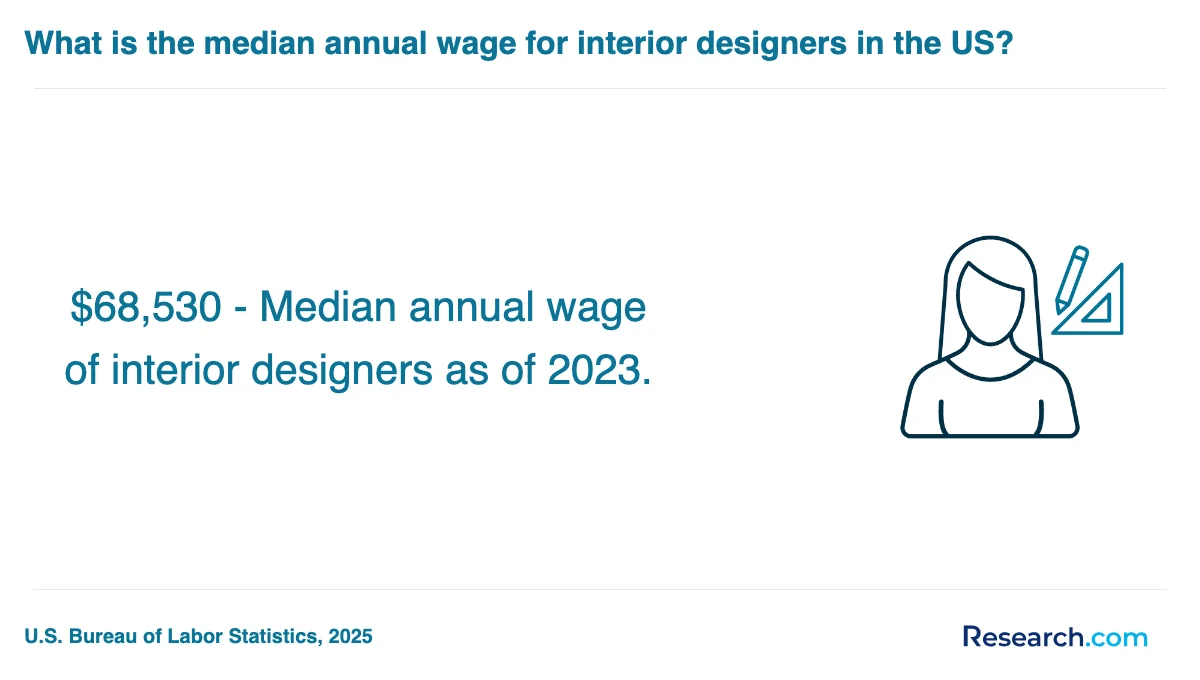
Graduates of interior designer trade school programs in Sanford unlock diverse interior design jobs in Sanford FL that extend well beyond the traditional interior designer role. Many alumni from the area's popular trade schools find rewarding opportunities as design consultants, helping clients envision complete renovations or simple refreshes by offering expert advice that perfectly suits each lifestyle. Others embrace the role of design manager, coordinating projects and teams while building leadership skills within local firms or startups. A notable path includes working as independent contractors or launching personalized design businesses, where hourly rates can range from $17 to $50, reflecting growing client demand and portfolio strength.
Trade school graduates also explore related sectors such as architectural design-enhanced by pursuing an architecture online degree-or collaborate with home renovation experts, integrating hands-on project experience. These varied interior designer career opportunities Sanford encourage bold, creative professionals to shape a flexible, satisfying future within Sanford's vibrant market and beyond.
The interior designer job opportunities in Sanford FL present a promising landscape for trade school graduates eager to launch their careers locally. Many graduates from well-regarded Sanford trade schools describe stepping confidently into roles such as Interior Design Intern or Assistant, with salaries starting around $35,400 to $46,285 per year. Their hands-on training aligns closely with actual job duties-space planning, material selection, and contractor coordination-helping them quickly adapt and contribute to projects. Employers' openness to fresh talent is evident from the 44 "no experience" listings currently available, encouraging optimism among new graduates.
Trade school alumni often find their education sufficient to compete in a market where 10.5% of interior designers in Sanford hold associate degrees, reflecting a healthy acceptance of vocational credentials. The Sanford FL interior design career outlook includes access to both local roles and opportunities in nearby cities, expanding the potential job pool.
Graduates frequently appreciate how their programs connect classroom knowledge to real-world demands. Those curious about careers in the arts and design fields will find Sanford's steady demand and practical training synergy encouraging for early career growth.
Best Interior Design Training Programs & Schools - Top Interior Design Schools in Sanford for 2026
# 1 position
Seminole State College of Florida - Interior Design.
associateSeminole State College of Florida offers a Hybrid Interior Design program with an annual in-state tuition of $3,227. The curriculum covers applied visual arts for planning and furnishing residential and commercial spaces, including computer applications, drafting, interior lighting, acoustics, and color coordination. Students learn furniture, textiles, building codes, and design history. Graduates earn a median salary of $31,347 one year after completion. The program is accredited by the Southern Association of Colleges and Schools Commission on Colleges.
# 2 position
Seminole State College of Florida - Interior Design.
certificate or diplomaThe Interior Design program at Seminole State College of Florida is a hybrid course offering both in-person and distance education options. It prepares students to professionally plan, design, and furnish interior spaces, covering computer applications, drafting, lighting, acoustics, and color coordination. The program includes instruction on structural design, building codes, and various commercial and residential applications. Annual in-state tuition is $3,227, and median earnings one year after completion are $31,347.
Frequently Asked Questions about interior designer
After completing an interior designer trade school in Sanford, preparing for the job market involves several key steps. First, graduates should build a strong portfolio showcasing their design projects, as employers in the US often prioritize practical skills and creativity. Networking is essential; joining local design organizations like the American Society of Interior Designers (ASID) can connect you with professionals and job leads. Additionally, obtaining certification such as the National Council for Interior Design Qualification (NCIDQ) can improve employment prospects. According to the Bureau of Labor Statistics, interior design jobs in Florida are expected to grow by 6% through 2032, reflecting steady demand.
Internships or apprenticeships during or after school provide valuable hands-on experience and can lead to job offers. Also, developing familiarity with industry-standard software like AutoCAD and SketchUp is critical. Job seekers should tailor resumes to highlight both technical and soft skills, as employers value communication and client management abilities. Lastly, staying informed about local market trends in Sanford can help graduates target employers more effectively.
Employers in Sanford seeking interior designer trade school graduates prioritize a mix of creative and technical skills. According to the U.S. Bureau of Labor Statistics, spatial awareness and proficiency in computer-aided design (CAD) software are essential for success in this field. Graduates must also demonstrate strong communication skills to collaborate effectively with clients and contractors.
Knowledge of building codes and materials is crucial, as it ensures that designs are both safe and practical. Additionally, problem-solving and project management abilities help graduates meet deadlines and budgets, qualities highly valued in local Sanford firms.
Data from the National Association of Schools of Art and Design (NASAD) highlights that 78% of employers favor candidates with hands-on experience gained through internships or trade school projects. This practical background often distinguishes graduates in Sanford's competitive job market.
Finding internships in Sanford relevant to interior designer trade school programs involves several strategic steps. Start by contacting local interior design firms and architecture companies, as they often offer internships to students seeking practical experience. Networking events hosted by professional organizations like the American Society of Interior Designers (ASID) Florida chapter can connect students with potential employers.
Many trade schools also maintain partnerships with businesses in Sanford, offering internship placement assistance. Checking job boards such as Handshake or Indeed filtered by "interior design internships in Sanford" can reveal current openings. According to the U.S. Bureau of Labor Statistics, internships increase job placement rates by about 15%, highlighting their value.
Additionally, Sanford's proximity to Orlando expands opportunities in larger firms and design studios. Students should prepare a portfolio and resume tailored to interior design roles to improve their chances. Local community colleges and trade schools may also provide career counseling to guide internship searches.
Obtaining a diploma from an interior designer trade school in Sanford can significantly enhance career mobility and advancement opportunities. According to the U.S. Bureau of Labor Statistics, interior designers with formal training and credentials typically experience faster job placement and higher earning potential than those without.
In Sanford, local employers often prefer candidates with trade school diplomas because these programs focus on practical skills and industry standards. Graduates are more competitive for entry-level and mid-level positions in design firms, construction companies, and real estate development.
Trade school diplomas also provide networking opportunities through internships and local partnerships, which can lead to promotions or specialized roles. Data from the National Association of Schools of Art and Design shows that certified graduates in Florida see a 15% higher chance of upward career movement within five years.
Students enrolled in interior designer trade schools in Sanford can benefit from several part-time job opportunities that complement their education. Retail positions at home improvement stores or furniture outlets allow hands-on experience with materials, styles, and customer preferences. These roles foster practical knowledge relevant to interior design.
Additionally, internships or assistant roles with local design firms provide valuable exposure to project management and client communication. According to the U.S. Bureau of Labor Statistics, the demand for interior designers in the Florida region is projected to grow by 5% through 2031, indicating opportunities for students to gain relevant work experience.
Other options include event styling and home staging, which develop spatial planning and aesthetic skills essential for a successful interior design career in Sanford.
Yes, there are several universities and colleges near Sanford, FL, that offer interior design degree programs. Degree seekers can find programs at local institutions both near me and near Sanford, FL, that cater to aspiring interior designers, providing comprehensive curricula and professional development opportunities. For detailed rankings and insights into these programs, Research.com can be a helpful resource.
- Best Interior Design Training Programs & Schools - Top Interior Design Schools in Jacksonville for 2026
- Best Interior Design Training Programs & Schools - Top Interior Design Schools in Athens for 2026
- Best Interior Design Training Programs & Schools - Top Interior Design Schools in Lawrenceville for 2026
- Best Interior Design Training Programs & Schools - Top Interior Design Schools in Marietta for 2026
- Interior Design Trade Schools & Training Programs https://www.best-trade-schools.net/programs/arts-design/interior-design/
- Interior Design School Requirements & How Long Does It Take https://planner5d.com/blog/design-school-requirements/
- Interior designer | Explore Careers | National Careers Service https://nationalcareers.service.gov.uk/job-profiles/interior-designer
- Interior Design Schools & Career Information https://www.trade-schools.net/design/interior-design
- Your Guide to Becoming an Interior Designer - Villa Maria College https://www.villa.edu/heres-what-you-need-to-know-about-becoming-an-interior-designer/
- Interior Designers : Occupational Outlook Handbook: : U.S. Bureau of Labor Statistics https://www.bls.gov/ooh/arts-and-design/interior-designers.htm
- How to Become an Interior Designer https://newschoolarch.edu/how-to-become-an-interior-designer/
- Interior designers: who are they, what they do and how to become one https://www.ied.edu/profession/interior-designer
- 8 Ways to Find an Interior Design Internship for Design Students https://www.behindthedesignco.com/blog/8-ways-to-find-an-interior-design-internship
- 5 Transformative Internships - New York School of Interior Design https://www.nysid.edu/atelier-mag/five-internships


