
Best Interior Design Training Programs & Schools - Top Interior Design Schools in Charlotte for 2026

Co-Founder and Chief Data Scientist
Choosing the right interior design trade school in Charlotte can shape your future career in exciting ways. This article presents a comprehensive ranking of interior designer trade school programs developed by the Research.com team of data scientists. Their analysis helps you identify the best options tailored to your goals.
By exploring these programs, you’ll find valuable insights to make an informed decision. Earning a diploma or certification in interior design opens doors to creative opportunities and personal growth. Let this guide inspire confidence as you take the next step toward a rewarding profession.
Key benefits of finishing interior designer trade school in Charlotte
- Graduates from interior designer trade schools in Charlotte can expect starting salaries around $45,000 to $56,000 per year, with opportunities to grow toward $93,000 or more as they gain experience and specialize.
- Career paths for trade school graduates include roles like home interior designer, junior designer, or project coordinator, offering a variety of ways to enter the creative and rewarding design industry locally.
- Completing an interior designer trade school online provides flexibility and convenience, allowing graduates to balance work and study while gaining practical skills recognized by employers in Charlotte's design market.
- Best Interior Design Training Programs & Schools - Top Interior Design Schools in Charlotte for 2026
- What can I expect from interior designer trade schools in Charlotte?
- Where can I work after finishing interior designer trade schools in Charlotte?
What can I expect from interior designer trade schools in Charlotte?
Step into an interior designer trade school in Charlotte, and you're diving into a world where creativity meets precision. Picture yourself sketching out floor plans one day and mastering AutoCAD or Revit the next, just like many graduates from Central Piedmont Community College who balance technical wizardry with artistic flair. You'll find yourself surrounded by projects that challenge you to blend color theory and textiles with real-world building codes-skills that make your designs not just beautiful, but buildable.
Imagine collaborating with industry pros through internships or work-based learning, a highlight of Charlotte's programs, where Queens University's CIDA-accredited curriculum opens doors to local design firms. Graduates often share how these connections transformed their portfolios and sparked confidence walking into their first jobs.
Expect a curriculum that feels alive, where history of interiors meets hands-on software training, and where your passion for design is sharpened by business ethics and presentation techniques. This journey is as much about discovering your style as it is about preparing you for a dynamic, fulfilling career in Charlotte's vibrant design scene.
Where can I work after finishing interior designer trade schools in Charlotte?
Graduates from interior designer trade schools in Charlotte often find themselves stepping into dynamic roles where creativity meets real-world impact. Imagine collaborating with clients at a bustling design firm downtown, turning blank spaces into cozy homes or sleek offices. Many grads start as interior design consultants or assistants, gaining hands-on experience with drafting software and client consultations learned during their programs.
Others dive into the vibrant local market by joining retail furniture stores or home staging companies, where they transform houses into irresistible listings ready to sell. Trade school alumni frequently share how rewarding it feels to see their design ideas boost a home's appeal and help families find their dream spaces.
Charlotte's booming real estate scene also opens doors in remodeling firms and property management, where graduates apply their skills to enhance functionality and style. Some lucky grads even land hybrid roles with corporate design teams, balancing office space planning and remote creativity-proof that trade school training here prepares you for flexible, exciting careers.
After finishing an interior designer trade school program in Charlotte, many graduates find themselves stepping into a world where their creativity starts to pay off quite literally. Entry-level designers often rake in between $46,302 and $56,602 per year, a range that feels like a solid reward for their hustle and fresh skills. Imagine a recent graduate from one of Charlotte's top trade schools, excitedly landing their first role and earning around $22 per hour-enough to cover rent and still enjoy the city's vibrant scene.
As they gain experience, those early paychecks often grow into something more substantial. Early-career pros with a few years under their belt typically pull in about $53,366 annually, and mid-career designers can see salaries close to $55,859. This progression reflects the real stories of Charlotte graduates who, armed with hands-on training, move confidently from junior roles to respected positions.
For some, the journey leads to even higher peaks-senior interior designers in Charlotte can earn $77,000 or more, with top-level architects and senior designers surpassing $126,000 annually. These figures show that investing in a trade school here isn't just about learning-it's about launching a career with exciting financial possibilities.
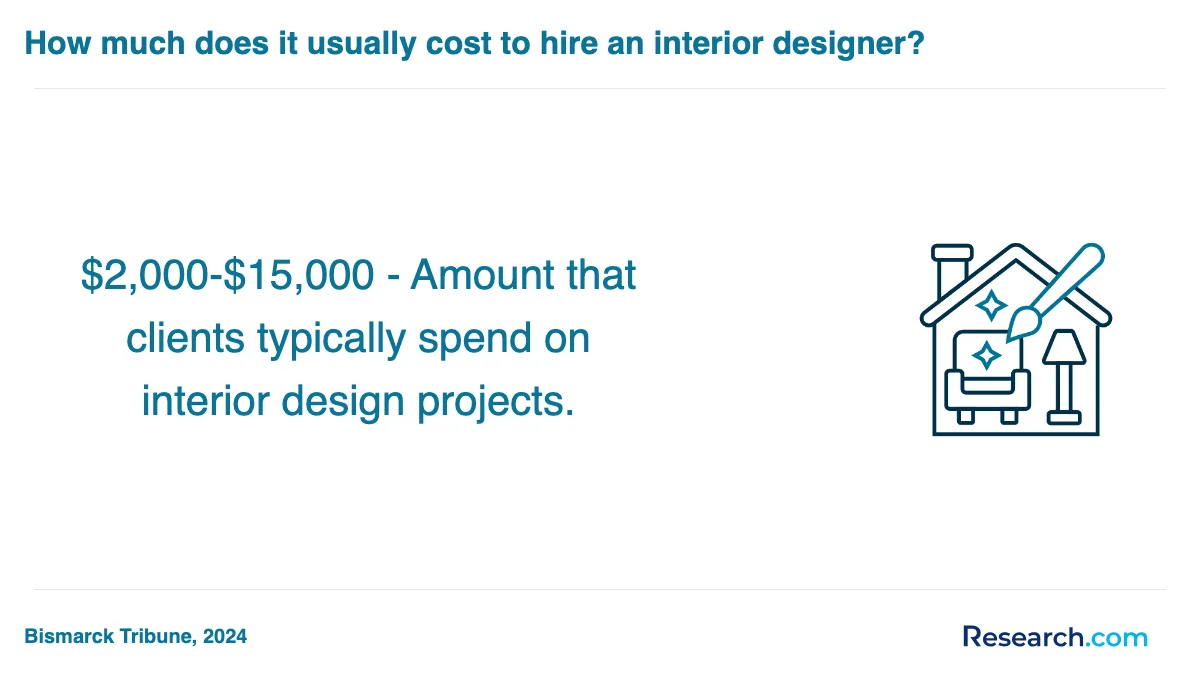
- Programs in Charlotte range from certificate courses costing $3,000 to $8,000 to associate degrees up to $15,000 or more.
- Most programs require a high school diploma or GED; some certificate programs are available through dual-enrollment for high school students.
- Queens University offers the only CIDA-accredited interior design program in Charlotte, important for professional certification eligibility.
- Entry-level interior designers earn between $38,000 and $45,000 annually, with experienced designers making $60,000 to $75,000 or higher.
- Curricula include space planning, color theory, material selection, and hands-on design projects for practical experience.
- Networking opportunities like internships and workshops are key parts of programs to help students build industry connections.
Completing an interior designer trade school program in Charlotte typically takes about 9 to 18 months, depending on whether you choose full-time or part-time study. Many graduates from well-known Charlotte trade schools recall how their intensive, hands-on classes felt like a creative sprint, packing months of learning into a vibrant, fast-paced experience. One graduate described juggling work and study, completing the program in just over a year, while another enjoyed the flexibility of evening classes, stretching their journey closer to 18 months without sacrificing the depth of knowledge.
These programs focus on practical skills-think sketching layouts, selecting materials, and mastering software-that you can immediately apply in real Charlotte homes and businesses. The short yet immersive timeline means you're quickly stepping into the world of interior design, fueled by excitement and a portfolio full of local projects. Imagine walking through a trendy South End loft you helped transform, knowing your training was tailored to Charlotte's unique style and market needs.
Imagine stepping into a vibrant studio at Queens University in Charlotte, surrounded by the hum of CAD labs and the scent of fresh paint-this is the heartbeat of on-campus interior design programs. Graduates often recall the thrill of molding physical models with classmates, the instant feedback from instructors, and spontaneous chats during site visits to local design firms. The camaraderie of cohort-based learning creates a tight-knit community that online can't quite replicate.
Contrast that with the flexible rhythm of online programs like UNC Charlotte's Certified Residential Interior Designer course. Here, students savor the freedom to design on their own schedule, submitting digital projects from coffee shops or cozy corners at home. Graduates cherish how this format blends practical business skills with creative capstone projects, all while preparing for certifications like the RIDQC. Though missing the tactile buzz of studios, the online path offers a unique blend of independence and professional connection, perfect for those juggling life's many facets in Charlotte.
When exploring the average tuition fees for interior design programs in Charlotte NC, you quickly realize that costs vary widely depending on where you enroll. Graduates from Central Piedmont Community College often describe the experience as a budget-friendly launchpad into design, highlighting the affordable tuition that makes stepping into the world of interior design less intimidating. While exact numbers shift with residency and course loads, many find the cost of interior design diploma programs in Charlotte North Carolina to be manageable, especially when compared to private institutions.
At Queens University of Charlotte, students dive deep into design communication and studio work, appreciating the investment required for a Bachelor of Arts in Interior Architecture & Design. Though the tuition leans higher, graduates often recall it as an essential stepping stone where creativity met professional rigor, preparing them for specialized workplace environments with confidence.
Meanwhile, the University of North Carolina at Charlotte blends art and technology across its programs, meeting CIDA and NCIDQ standards, which appeals to those who want comprehensive and accredited education. Graduates from these programs recount balancing tuition with the comprehensive skills gained, affirming it as a worthy commitment. Prospective students curious about detailed pricing might also consider exploring available online interior design programs for added flexibility and potential savings by checking online interior design programs.
Ultimately, tuition fees are subject to change and can differ by program length and fees, but students from popular trade schools in Charlotte often emphasize how investing in their education there enabled them to step boldly into their design careers, armed with practical skills and passion.
Imagine stepping into Central Piedmont Community College, excitement buzzing as you discover federal financial aid like Pell Grants and Direct Student Loans are within reach-if your interior design program ticks the right boxes. Many graduates recall the relief of filing FAFSA and unlocking these funds, making the dream of designing spaces a reality without drowning in debt.
State grants, such as the North Carolina Education Lottery Scholarship, often feel like a secret weapon for Charlotte students. One graduate shared how this support trimmed tuition costs, letting them focus on mastering color palettes instead of worrying about bills. Meanwhile, local scholarships from groups like the IIDA Carolinas Chapter add a personal touch-mentors and awards that feel like community cheerleaders rooting for your success.
It's worth noting, some online or non-credit courses don't qualify for these aids, but even then, vocational rehabilitation funds might offer a lifeline. The key? Check your program's accreditation and chat with your school's aid office early-these steps turned anxious applicants into confident creatives in Charlotte's interior design scene.
To dive into an interior designer trade school program in Charlotte, you'll need more than just a flair for colors and patterns-you'll need a few practical steps to get started. Most popular trade schools here ask for a high school diploma or GED, which graduates often describe as their first proud milestone before jumping into hands-on creativity.
Beyond that, expect to showcase your passion with a simple portfolio or a personal statement. Imagine sitting down in a cozy Charlotte classroom, sharing your sketches or ideas about transforming a space, just like many alumni who found this moment thrilling and affirming.
Some schools might ask for basic math skills-don't worry, it's mostly about measurements and proportions, like figuring out if that sofa really fits next to the bay window.
- High school diploma or GED
- Personal portfolio or statement of interest
- Basic math proficiency
- Sometimes an interview or orientation session
Graduates often recall how these prerequisites felt less like hurdles and more like stepping stones, fueling their excitement to transform Charlotte homes and offices with style and function.

Charlotte's interior designer trade schools pack their courses with everything a budding designer craves to thrive in the bustling US market. Graduates often recall diving headfirst into foundational design principles, mastering space planning and color theory-imagine sketching a cozy family room that feels both functional and inviting, just like the projects at Central Piedmont Community College.
Technical skills come alive with hands-on training in CAD for Interior Design and Digital Applications, empowering students to transform ideas into digital blueprints. These classes are the secret sauce that employers in Charlotte truly value.
- History-based courses, like the History of Interiors and Furnishings, help students appreciate timeless styles and inspire culturally rich designs.
- Studio projects push creativity with real-life challenges, such as designing a living space reviewed by industry pros.
- Business courses teach client relations and project management, so graduates confidently launch their own design practices.
Throw in general education classes on writing and psychology, and you have a curriculum that builds sharp, adaptable designers ready to impress Charlotte's vibrant design scene.
Charlotte's interior designer trade school programs open doors to vibrant specializations that spark creativity and sharpen technical prowess. Graduates from the Interior Architecture and Design program at Queens University of Charlotte often rave about how blending architectural insight with hands-on projects made spatial planning and aesthetics come alive in real-world scenarios.
At Central Piedmont Community College, the interior design certificate specializations in Charlotte give students targeted paths such as:
- Professional Interior Design, prepping for the CIDQ exam with deep dives into advanced color theory and CAD.
- Sustainable Design, where eco-friendly material choices and energy-efficient solutions inspire passion for green interiors.
- Furniture Design and Selection, focusing on seamlessly integrating styles and materials for truly personalized spaces.
Imagine tackling kitchen and bath design programs Charlotte NC that empower you to transform everyday rooms into stunning showcases, a favorite among CPCC students aiming to impress local employers. Other niches include commercial and residential design, architectural drafting, and lighting-perfect for those who want to stand out in Charlotte's booming market.
The dynamic offerings here reflect more than just education-they're the foundation for thrilling interior designer careers, and if you ever wonder which degree makes the most money, diving into these programs could light your way.
Choosing the best interior design programs in Charlotte means diving deep into what truly counts: hands-on curriculum and real-world vibes. Graduates from top-rated interior design schools in Charlotte often rave about how studios buzzing with creative energy and access to nearby design hubs transform learning into an exhilarating journey. Imagine attending a class where you sketch ideas inspired by Charlotte's skyline or experiment with sustainable materials sourced from local artisans-this kind of immersive experience can't be overstated.
Faculty matter too: seasoned pros who've walked the interior design trenches bring fresh mentorship that sparks confidence. Alumni reflect on their network of creatives and employers, which has opened doors to dream internships and jobs. Always weigh financial aid options versus tuition costs and long-term career payoff-many students tap into resources that turn dreams into results. For those eager to combine speed and quality, exploring fast architecture programs online can complement hands-on Charlotte training perfectly.
Graduates of Charlotte's interior designer trade school programs dive into a whirlwind of exciting career paths where creativity meets opportunity. Many find themselves in full-service design firms, mastering everything from space planning to the artful selection of lighting and furnishings. Imagine starting out as a CAD drafter or junior designer, bringing ideas to life while learning from seasoned pros. Some graduates thrive as design consultants in retail showrooms, guiding clients through home makeovers, or pivot into the bustling world of commercial interiors-crafting sleek office spaces and welcoming healthcare environments.
Career opportunities for interior designers in Charlotte also include niche specializations such as kitchen and bath design, sustainable interiors, and historic preservation. Others embrace dynamic roles in real estate staging or product showrooms, where design expertise enhances market appeal. A few even step up to project management, steering large-scale renovations.
- Work as a design consultant or project manager in local firms
- Join manufacturers or commercial furniture dealerships as product specialists
- Pursue adjunct instructor roles in institutions like Queens University of Charlotte
Trade school grads often share stories of how Charlotte's vibrant real estate scene fuels interior design jobs in Charlotte NC with openings ranging from junior designer to senior project lead. For more insight on different jobs in interior design, explore different jobs in interior design.
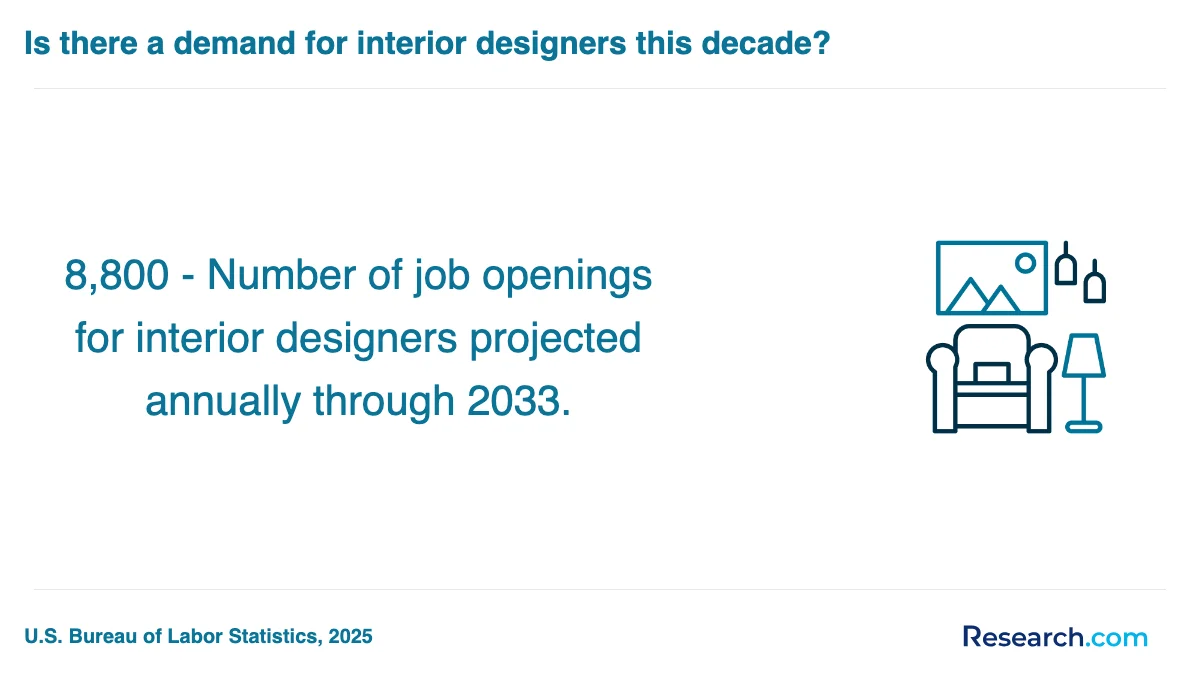
Charlotte's interior designer job market in Charlotte NC is buzzing with opportunity for trade school graduates, boasting over 70 active positions that span from hands-on design consulting to evolving fields like home staging and retail environment styling. Graduates from local trade schools often share stories of landing entry-level spots where their skills in space planning and client relations shine immediately, proving the city's demand for fresh, creative talent.
Working in Charlotte means joining a community where employers range from cozy independent firms to large retailers and creative set designers for broadcasts. Alumni frequently highlight benefits such as flexible schedules and 401(k) plans that add stability as they build their careers. The interior design career opportunities Charlotte 2026 scene is thriving, with salaries stretching from $56,000 to $110,000 annually, reflecting both growth potential and diverse specialization avenues.
Trade school grads also tap into local gems like the IIDA Carolinas chapter, linking them to mentorship, exclusive jobs, and professional development. For those balancing work with continued education, many explore paths like the most affordable online masters degree in architecture, making Charlotte's design career landscape both accessible and dynamic.
Best Interior Design Training Programs & Schools - Top Interior Design Schools in Charlotte for 2026
# 1 position
Central Piedmont Community College - Interior Design.
associateCentral Piedmont Community College offers a fully online Interior Design program focusing on applying artistic principles to residential and commercial spaces. The curriculum covers computer applications, drafting, lighting, acoustics, furniture, textiles, and building codes. Graduates earn a median salary of $30,979 one year after completion. The program is accredited by the Southern Association of Colleges and Schools Commission on Colleges, with an annual in-state tuition of $2,792.
# 2 position
Central Piedmont Community College - Interior Design.
certificate or diplomaThe Interior Design program at Central Piedmont Community College is fully online and covers professional planning, designing, and furnishing of interior spaces. It includes training in computer applications, drafting, lighting, acoustics, color coordination, textiles, and building codes. The program is accredited by the Southern Association of Colleges and Schools Commission on Colleges. Annual in-state tuition is $2,792, and median earnings one year after completion are $30,979.
Frequently Asked Questions about interior designer
After completing an interior designer trade school in Charlotte, preparing for the job market involves several key steps. First, gaining practical experience through internships or apprenticeships is crucial. Many local firms in Charlotte value hands-on skills combined with formal education. According to the U.S. Bureau of Labor Statistics, the demand for interior designers in North Carolina is projected to grow by 5% from 2022 to 2032, indicating a steady job market.
Building a professional portfolio showcasing completed projects can significantly improve job prospects. Networking within Charlotte's design community, including attending events hosted by the American Society of Interior Designers (ASID) Carolinas chapter, can provide valuable connections.
Additionally, consider obtaining certification from the National Council for Interior Design Qualification (NCIDQ), which enhances credibility and employability nationwide.
Employers in Charlotte seek interior designer trade school graduates with a strong mix of technical and creative skills. Proficiency in computer-aided design (CAD) software, such as AutoCAD and SketchUp, is essential, as many local firms require digital drafting abilities. According to the U.S. Bureau of Labor Statistics, visualization and spatial awareness are key skills for successful designers nationwide, which holds true in Charlotte's competitive market.
Additionally, communication skills are highly valued since designers must collaborate with clients, contractors, and suppliers. Knowledge of building codes and sustainable design principles is increasingly important, reflecting Charlotte's growing focus on eco-friendly construction. Trade schools that emphasize practical experience through internships often see better graduate employment rates in the region.
Finding internships in Charlotte relevant to an interior designer trade school program involves several strategic steps. Start by contacting career services at your trade school, as many have established connections with local design firms and businesses. According to the Charlotte Chamber of Commerce, the city hosts over 150 interior design and architectural firms, creating ample internship opportunities.
Utilize online job boards such as Handshake, which many schools partner with, or local platforms like CharlotteJobs.com to find postings specifically for design internships. Networking events and design expos in Charlotte also offer valuable chances to meet potential employers.
Additionally, professional organizations like the American Society of Interior Designers (ASID) Carolinas Chapter provide resources and mentorship programs that can lead to internships.
Obtaining a diploma from an interior designer trade school in Charlotte can significantly enhance career mobility and advancement opportunities. According to the U.S. Bureau of Labor Statistics, interior design jobs in the Charlotte metropolitan area have grown by approximately 7% over the last decade, reflecting a steady demand for qualified professionals.
Trade school diplomas focus on practical skills and industry standards, which employers in Charlotte's competitive design market highly value. Graduates often gain quicker access to entry-level jobs compared to those pursuing longer academic routes.
Additionally, many trade programs include portfolio development and internships, increasing graduates' chances for promotions and higher salaries. Data from the National Association of Schools of Art and Design suggests diploma holders in interior design can expect a 10-15% faster career progression in urban areas like Charlotte.
Students enrolled in interior designer trade schools in Charlotte can benefit from part-time jobs that offer practical experience and industry insight. Retail positions at home furnishing stores like IKEA or local boutiques allow students to understand consumer preferences and product selection. Additionally, internships or assistant roles with local design firms provide exposure to project management and client communication.
According to the U.S. Bureau of Labor Statistics, Charlotte has a growing demand for interior designers, with a 7% projected job growth through 2031. Part-time work in furniture showrooms or architectural firms can help students build relevant skills and professional networks. These opportunities support hands-on learning alongside academic training.
To choose the best Interior Design degree program near you, consider factors such as accreditation, faculty qualifications, curriculum, and facilities. Near Charlotte, NC, many universities and colleges offer reputable programs where you can gain both theoretical knowledge and practical experience. Research.com can be a helpful resource to compare programs and decide which aligns best with your career goals and educational needs.
- Best Interior Design Training Programs & Schools - Top Interior Design Schools in Athens for 2026
- Best Interior Design Training Programs & Schools - Top Interior Design Schools in Lawrenceville for 2026
- Best Interior Design Training Programs & Schools - Top Interior Design Schools in Marietta for 2026
- Best Interior Design Training Programs & Schools - Top Interior Design Schools in Jacksonville for 2026
- 2025 Interior Designer Cover Letter Example (+Free Template) https://www.tealhq.com/cover-letter-example/interior-designer
- 14 Entry Level Interior Designer Cover Letter Examples: Plus Recruiter Insights (Updated for 2025) https://resumeworded.com/cover-letter-samples/entry-level-interior-designer
- Interior Designer Cover Letter Examples & Guide for 2025 https://enhancv.com/uk/cover-letter-examples/interior-designer/
- Interior Design Cover Letter [Example for Download] https://resumegenius.com/cover-letter-examples/interior-design-cover-letter
- Interior Design Trade Schools & Training Programs https://www.best-trade-schools.net/programs/arts-design/interior-design/
- Interior Design https://www.fitnyc.edu/academics/academic-divisions/art-and-design/interior-design/index.php
- How to Become an Interior Designer https://newschoolarch.edu/how-to-become-an-interior-designer/
- Academic Programs - New York School of Interior Design https://www.nysid.edu/academic-programs
- Interior Design School | Heritage School of Interior Design https://www.heritageschoolofinteriordesign.com/
- Interior Design at PCC https://www.pcc.edu/programs/interior-design/


