Most Affordable HVAC Technician Schools & Training - Budget-Friendly HVAC Trade Programs in Washington for 2026

Co-Founder and Chief Data Scientist
Choosing the right HVAC technician trade school in Washington can be overwhelming. This article will guide you through the most affordable and reputable programs available in 2026.
The HVAC technician trade school programs ranking, created by the Research.com team of data scientists, offers valuable insights to help you make an informed decision. Whether you’re starting fresh or seeking certification, this resource highlights schools that provide quality education at a great value.
Getting a diploma or certification opens doors to a rewarding career with steady demand and growth opportunities. Let’s explore your options together.
Key benefits of finishing HVAC technician trade school in Washington
- Graduates from HVAC technician trade schools in Washington can expect strong starting salaries, often ranging from $25 to $36 per hour, with experienced technicians earning even higher wages up to $44 per hour.
- Career paths for graduates include roles such as residential or commercial HVAC technician, service specialist, or system installer, offering diverse opportunities in growing markets like Seattle and Spokane.
- Completing an online HVAC trade school program provides flexibility and faster completion times, allowing students to balance work and study while gaining hands-on skills through local apprenticeships.
- Most Affordable HVAC Technician Schools & Training - Budget-Friendly HVAC Trade Programs in Washington for 2026
- What can I expect from HVAC technician trade schools in Washington?
- Where can I work after finishing HVAC technician trade schools in Washington?
What can I expect from HVAC technician trade schools in Washington?
Enrolling in an HVAC technician trade school program in Washington means diving into a hands-on learning adventure where classroom lessons meet real-world HVAC systems. Imagine balancing online coursework with in-person labs, carefully sizing pipes or troubleshooting high-efficiency equipment under expert guidance. Programs, like those at Bellingham Technical College, often wrap up in about 10 months for certificates, or two years for associate degrees, giving you a clear timeline to jumpstart your career.
Graduates often share excitement about mastering skills such as electrical work, system maintenance, and interpreting construction drawings-tools that make them invaluable to Washington employers. Many feel proud knowing their training leads to promising job prospects, with some programs boasting nearly 90% placement rates and starting wages above $50,000.
You'll also navigate licensing essentials, including specialty electrician credentials and EPA certification, preparing you to work legally and confidently across the state. This blend of theory, practice, and professional readiness makes the journey both challenging and rewarding.
Where can I work after finishing HVAC technician trade schools in Washington?
After finishing an HVAC technician trade school program in Washington, the job possibilities open wide and exciting. Graduates from well-known schools like Renton Technical College and Clover Park Technical College often find themselves stepping straight into roles as HVAC technicians or installers, working hands-on to install and repair heating and cooling systems in homes, offices, and public buildings.
Many share stories of joining established companies such as Greenwood Heating and Home Services, where they quickly gain valuable experience and enjoy benefits like health insurance and paid leave. Others land positions with city governments or school districts, maintaining systems in bustling Seattle facilities-a real sense of pride and responsibility.
Beyond the basics, adventurous grads explore specialized paths as refrigeration technicians or HVAC sales specialists, expanding their skills in commercial refrigeration or technical support. The variety means that every day on the job brings new challenges and growth, making the career journey both rewarding and dynamic.
After finishing an HVAC technician trade school program in Washington, many graduates find themselves stepping into one of the highest-paying entry-level roles in the country. Imagine clocking in your first day with a starting wage anywhere between $25 and $40 per hour, just like recent grads from well-known trade schools across the state. It's not uncommon for apprentices to quickly move up, earning up to $44 per hour as their skills sharpen.
One graduate shared how overtime boosted their yearly paycheck by nearly $7,000, turning a solid base salary into a comfortable income. Many fresh technicians report annual earnings between $58,000 and $72,340, with the potential to climb even higher as experience and certifications grow.
In cities like Seattle or Spokane, HVAC pros often enjoy wages above the state average, with specialized roles such as mechanics pulling in around $39 per hour and supervisors reaching salaries close to $100,000. These numbers reflect Washington's strong demand and the rewarding career path that HVAC trade schools open.
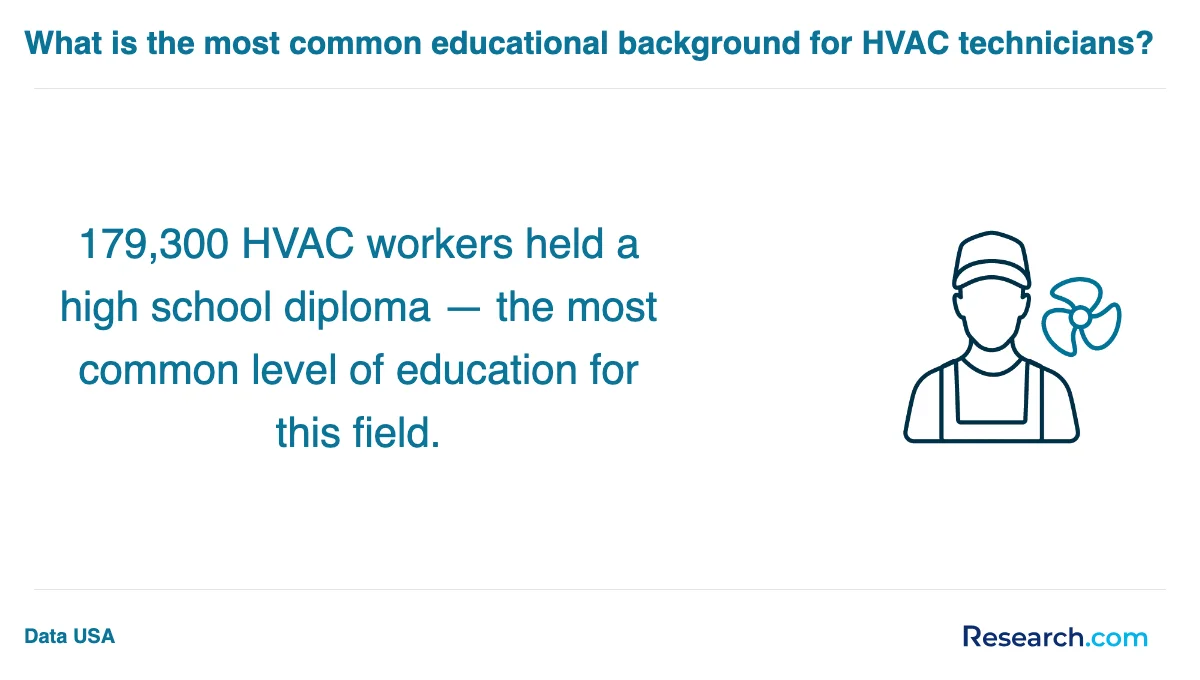
- A high school diploma or equivalent is required for admission into most HVAC technician trade school programs in Washington.
- Program lengths range from 10 to 12 months for diplomas or certificates, and about two years for associate degrees.
- Licensing requires 4,000 hours of work and 48 hours of classroom instruction for the 6A license, or 2,000 hours and 24 hours for the 6B license.
- The EPA Section 608 certification is mandatory for handling refrigerants, with many programs offering preparation for this and other certifications like NATE.
- Costs for programs typically range from $15,000 to $20,000, with financial aid and scholarships available.
- Job placement rates can be as high as 89%, with starting salaries around $52,540 and experienced technicians earning up to $88,920 annually.
In Washington, completing an HVAC technician trade school program typically takes anywhere from 6 months to about 1 year, depending on the school and the intensity of the course. Imagine diving into hands-on training at well-known trade schools in Seattle or Spokane, where graduates often share how quickly they moved from classroom learning to real-world skills. One graduate described the experience as an exciting whirlwind-starting with basics like system diagnostics and swiftly progressing to mastering complex installations all within a single year.
Many students find the fast-paced nature energizing because it means entering the workforce sooner, earning a paycheck, and feeling the pride of fixing homes and businesses around Washington. These programs are designed to fit into busy lives, often featuring flexible schedules or evening classes to accommodate those balancing other responsibilities.
For those eager to jump into this field, the blend of classroom knowledge and hands-on practice makes the journey feel dynamic and rewarding right from the start, turning curiosity into career readiness in less than a year.
Imagine juggling a busy work schedule while diving into HVAC theory from your living room-this is the reality for many Washington students choosing online HVAC programs. These self-paced courses cover essentials like safety, system design, and regulations, letting students study when it fits their hectic lives. Graduates often appreciate the flexibility and lower tuition, sometimes around $1,539, making it easier to manage finances. However, these programs usually expect some prior HVAC experience, so they're perfect for career upgraders rather than fresh beginners.
On the flip side, on-campus HVAC programs in Washington bring an electric excitement-the buzz of hands-on labs and direct instructor feedback. Graduates often recall the thrill of working with real HVAC systems, getting immediate tips, and building confidence for the field. This face-to-face training is invaluable, especially since Washington employers tend to favor proof of practical skills and classroom hours that count toward the 06A electrical license.
Some adventurous students opt for hybrid programs, blending online lessons with in-person labs, striking a balance between convenience and hands-on mastery-a perfect fit for many Washington learners.
The average cost HVAC technician trade school Washington students encounter varies widely depending on the program chosen. Certificate programs, favored for their focused training and shorter duration, usually cost between $1,200 and $15,000. Graduates from popular technical schools in Washington often share how the balance of price and practical skills made their investment feel worthwhile, especially when attending programs like the one-year certificate at Spokane's Northwest HVAC/R Association and Training Center, priced around $6,500.
For those wanting a deeper dive, associate degree programs blend HVAC training with general education across roughly two years and typically range from $15,000 to $35,000. Many Washington community college graduates appreciate this pathway for offering broader knowledge that opens multiple career doors but acknowledge the higher tuition fees involved. Apprenticeships offer a more hands-on, gradual learning experience, costing $500 to $2,000 per year over 3 to 5 years, allowing students to earn while they learn-a favorite approach for those eager to get quickly involved in the workforce.
Besides tuition fees HVAC technician programs Washington students should budget for additional costs like specialty electrical licenses ($75-$300) and certification exams such as EPA 608 Universal Certification, which costs $155-$205. Many aspiring technicians researching their options find valuable insights and cost comparisons through resources like most affordable online hvac certification options to make informed decisions tailored to their goals.
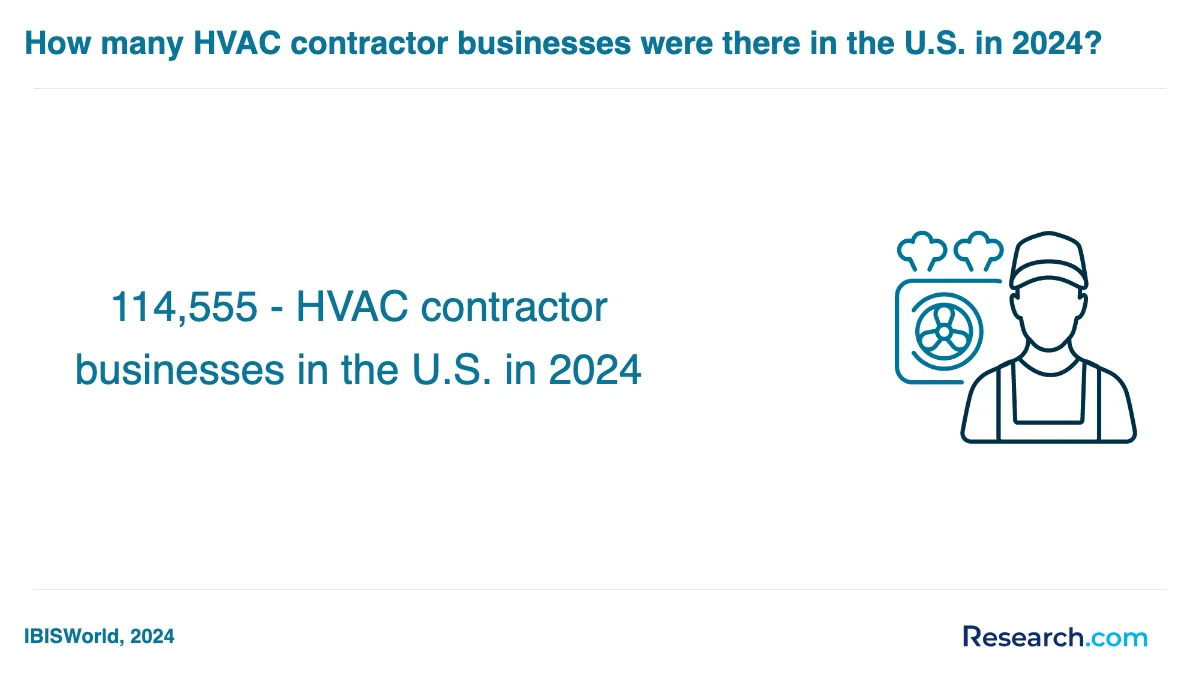
Landing financial aid as an HVAC technician student in Washington can feel like unlocking a treasure chest. Many graduates from well-known trade schools in the state recall the relief of applying for the Free Application for Federal Student Aid (FAFSA) or the Washington Application for State Financial Aid (WASFA). These forms open doors to the Washington College Grant (WA Grant), a flexible gem that supports apprenticeships and certificate programs, not just traditional degrees.
One graduate shared how the Federal Pell Grant helped cover tuition when attending an accredited HVAC program with credit courses, a vital boost since not all programs qualify for federal aid. For those in non-credit courses, state and local workforce boards often step in, offering support through workforce training initiatives or vocational rehab funds.
Many apprenticeships registered with Washington's Department of Labor & Industries provide paid on-the-job training, sometimes even covering tuition costs. Another inspiring example is an HVAC student who received the Washington Award for Vocational Excellence (WAVE), fueling their technical training journey with both recognition and financial aid.
To dive into an HVAC technician trade school program in Washington, most schools expect a straightforward set of prerequisites that open the door to your new career adventure. Graduates often recall how meeting these initial steps felt like unlocking the first level in a game-challenging, yet totally doable and exciting.
Typically, you'll need:
- A high school diploma or GED to prove you've mastered basic skills.
- Passing a background check to ensure safety in hands-on training environments.
- Sometimes, a basic math and reading assessment to confirm you're ready for technical coursework.
For instance, students from well-known Washington trade schools share stories of how these prerequisites prepared them for real-life HVAC tasks, like calculating airflow or reading system blueprints. The schools' friendly admissions teams often guide you through the process, making it feel less like paperwork and more like stepping stones to a rewarding profession.
These clear entry points fuel a sense of accomplishment and anticipation-just imagine walking into your first class knowing you're already part of a community focused on mastering the cool and warm world of HVAC systems!
Diving into HVAC technician trade school programs in Washington reveals a rich blend of courses that fuel both curiosity and hands-on skill development. Graduates often share how their journey began with understanding HVAC science and electrical work, mastering the basics of circuits that power heating and cooling systems. Imagine confidently diagnosing electrical faults during on-site labs at popular Washington trade schools!
Core courses typically include:
- Basic refrigeration and air properties-exploring the magic behind refrigeration cycles and airflow.
- Refrigeration, pipe, duct, and flue systems-where students cut and install vital components with precision.
- Refrigerants and oils-learning safe handling and environmental care that grads find essential for real-world jobs.
- Commercial and residential controls-equipping students to troubleshoot thermostats and smart systems in homes and businesses.
Many also recall the thrill of working with gas and oil heating systems, boilers, chillers, and cooling tower systems, which push their technical limits. Courses on construction drawings and building specs sharpen skills to interpret blueprints, a must-have in the field.
Energy conservation and air quality classes resonate deeply, as students embrace Washington's green ethos. Soft skills like communication and problem-solving are woven throughout, making graduates ready to tackle challenges with confidence and enthusiasm.
Exploring HVAC technician specializations in Washington reveals an exciting variety of focused training paths designed to match different career ambitions. Graduates from Spokane Community College, for example, dive into electrical fundamentals and troubleshooting heat pumps, gaining qualifications that set them up for real-world challenges in HVAC/R. Others at Perry Technical Institute enjoy blending refrigeration basics with digital control systems, a combo perfect for tackling modern commercial HVAC demands. Bates Technical College grads often share how mastering electrical troubleshooting alongside residential system skills gave them a strong edge in the job market.
Washington HVAC training program specializations don't stop there-Wenatchee Valley College shines by blending environmental system knowledge with refrigeration technology, creating technicians ready for innovative green HVAC roles. These programs often include:
- Electrical and refrigeration fundamentals
- Commercial and industrial HVAC/R systems
- Direct digital controls and environmental systems
For students eager to advance, these hands-on experiences foster confidence through practical application, as they prepare for certifications and exciting industry opportunities. To explore career options further, check out the detailed hvac technician career path available.
Choosing the best HVAC technician trade school program in Washington means diving into details that truly matter for your future. Graduates from places like Bates Technical College rave about how accreditation and state approval gave them a solid foundation to pass Washington's specialty electrician licensing exams. Imagine feeling confident walking into the Department of Labor and Industries after completing a program designed specifically to meet those rigorous standards.
When you compare HVAC technician programs Washington offers, think about format and pace. Some students loved the accelerated 10-month hybrid courses at UEI College, balancing hands-on labs with online learning, perfect for those eager to jump into the workforce quickly. Others found two-year associate degrees at Bellingham Technical College rewarding, praising the depth of hands-on training and strong job placement through industry connections like ASHRAE.
Flexibility matters too-programs with frequent start dates can fit around your busy life. To explore more options and find the right fit, check out best online vocational trade programs that help many Washington students launch their HVAC careers.
Graduates of HVAC technician trade schools in Washington hit the ground running with a broad spectrum of HVAC job opportunities in Washington. Most begin as entry-level technicians, lending their skills to residential repairs or commercial system installations. Many remember their first on-the-job moments handling real equipment through internship programs popular at local trade schools, feeling both the thrill and challenge of the hands-on learning environment.
From there, adventurous technicians often dive into apprenticeship programs offered by unions or contractors, blending paid training with classroom lessons over three to five years. This path opens doors to journey-level technician roles or even supervisory positions, especially for those eager to gain specialized licenses or electrician certifications.
For those inspired by business, HVAC contractor career paths in Washington offer exciting chances to become independent contractors or launch small businesses, often after mastering specialized areas like refrigeration or energy management. Graduates frequently share enthusiasm for expanding into sales, project management, or system inspection, leveraging their technical background in new ways.
With Washington ranking among the highest paying states, students dreaming of a rewarding career can find motivation in the robust earning potential that awaits skilled HVAC technicians. To explore more about high paying trades and the opportunities HVAC training unlocks, prospective students often research pathways before enrolling.
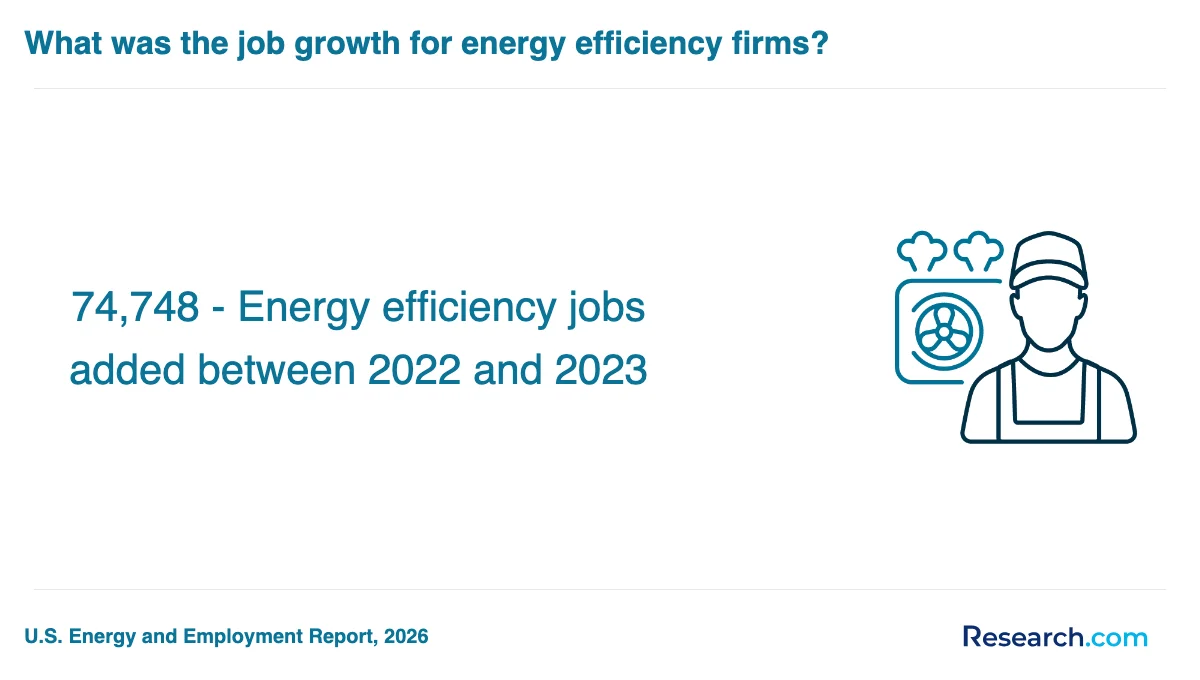
The HVAC technician job outlook in Washington is vibrant and full of opportunity, especially for trade school graduates eager to dive into this hands-on career. Graduates from popular HVAC programs around Seattle and Spokane often share that entering the workforce felt exciting, with over 380 job openings statewide as of early 2025. Employers there are urgently seeking technicians for installation, repair, and supervision roles, creating a dynamic environment where new skills directly turn into well-paying jobs.
Consider the experience of recent grads who stepped from classrooms into roles earning from $31.03 per hour starting to as much as $39.17 per hour with experience. This solid wage foundation grows substantially with added certifications or leadership roles, making the HVAC technician salary in Washington state a strong motivator. Many report benefits like paid training and flexible schedules that add real-life comfort beyond the paycheck.
For those still honing their skills, popular trade school online courses blend practical training with flexible learning, boosting career readiness and positioning students to seize Washington's growing demand for energy-efficient climate solutions.
- High demand sustained by urban development and environmental standards
- Average annual wages around $72,340
- Supervisors earning nearly $100,000 across the state
Most Affordable HVAC Technician Schools & Training - Budget-Friendly HVAC Trade Programs in Washington for 2026
# 1 position
Spokane Community College - Heating, Air Conditioning, Ventilation and Refrigeration Maintenance Technology/Technician.
associateSpokane Community College offers a hybrid program in Heating, Air Conditioning, Ventilation and Refrigeration Maintenance Technology/Technician. This program trains students to repair, install, service, and maintain HVAC and refrigeration systems, including diagnostic techniques and the use of testing equipment. Instruction covers mechanics, electricity, and electronics principles related to these systems. Annual in-state tuition is $4,057. The program is accredited by the Northwest Commission on Colleges and Universities, with median earnings one year after completion at $42,862.
# 2 position
Wenatchee Valley College - Heating, Air Conditioning, Ventilation and Refrigeration Maintenance Technology/Technician.
associateWenatchee Valley College offers a hybrid Heating, Air Conditioning, Ventilation and Refrigeration Maintenance Technology/Technician program that trains students to repair, install, service, and maintain HVAC and refrigeration systems. The curriculum covers diagnostic techniques, testing equipment, and principles of mechanics, electricity, and electronics. Annual in-state tuition is $5,118. Graduates earn a median of $50,579 one year after completion. The program is accredited by the Northwest Commission on Colleges and Universities.
# 3 position
Wenatchee Valley College - Heating, Air Conditioning, Ventilation and Refrigeration Maintenance Technology/Technician.
certificate or diplomaWenatchee Valley College offers a hybrid program in Heating, Air Conditioning, Ventilation and Refrigeration Maintenance Technology/Technician. This program prepares students to repair, install, service, and maintain HVAC and refrigeration systems, focusing on diagnostic techniques, testing equipment, and principles of mechanics, electricity, and electronics. The annual in-state tuition is $5,118. Graduates earn a median salary of $50,579 one year after completion. The program is accredited by the Northwest Commission on Colleges and Universities.
# 4 position
Lower Columbia College - Heating, Air Conditioning, Ventilation and Refrigeration Maintenance Technology/Technician.
certificate or diplomaLower Columbia College offers a hybrid program in Heating, Air Conditioning, Ventilation and Refrigeration Maintenance Technology/Technician. The curriculum prepares students to repair, install, service, and maintain heating, air conditioning, and refrigeration systems using diagnostic techniques and testing equipment. Instruction covers mechanics, electricity, and electronics principles relevant to system repair. Annual in-state tuition is $4,346. The program is accredited by the Northwest Commission on Colleges and Universities.
# 5 position
North Seattle College - Heating, Air Conditioning, Ventilation and Refrigeration Maintenance Technology/Technician.
associateNorth Seattle College offers a hybrid Heating, Air Conditioning, Ventilation and Refrigeration Maintenance Technology/Technician program. It prepares students to repair, install, service, and maintain HVAC and refrigeration systems using diagnostic techniques and testing equipment. Instruction covers mechanics, electricity, and electronics principles related to these systems. The program’s annual in-state tuition is $5,058 and it is accredited by the Northwest Commission on Colleges and Universities.
# 6 position
UEI College-Tacoma - Heating, Air Conditioning, Ventilation and Refrigeration Maintenance Technology/Technician.
certificate or diplomaUEI College-Tacoma offers a program in Heating, Air Conditioning, Ventilation and Refrigeration Maintenance Technology/Technician. This program prepares students to repair, install, service, and maintain heating, air conditioning, and refrigeration systems. Instruction covers diagnostic techniques, testing equipment use, and principles of mechanics, electricity, and electronics related to these systems. The program is accredited by the Accrediting Commission of Career Schools and Colleges.
# 7 position
Bellingham Technical College - Heating, Air Conditioning, Ventilation and Refrigeration Maintenance Technology/Technician.
associateBellingham Technical College offers a Hybrid program in Heating, Air Conditioning, Ventilation, and Refrigeration Maintenance Technology/Technician. The curriculum prepares students to repair, install, service, and maintain heating, air conditioning, and refrigeration systems. Instruction covers diagnostic techniques, testing equipment, and principles of mechanics, electricity, and electronics. Annual in-state tuition is $4,226. The program is accredited by the Northwest Commission on Colleges and Universities.
# 8 position
Renton Technical College - Heating, Air Conditioning, Ventilation and Refrigeration Maintenance Technology/Technician.
associateRenton Technical College offers a hybrid program in Heating, Air Conditioning, Ventilation and Refrigeration Maintenance Technology/Technician. The curriculum trains students to repair, install, service, and maintain HVAC and refrigeration systems, covering diagnostic techniques, testing equipment, and principles of mechanics, electricity, and electronics. Annual in-state tuition is $6,723. The program is accredited by the Northwest Commission on Colleges and Universities.
# 9 position
Renton Technical College - Heating, Air Conditioning, Ventilation and Refrigeration Maintenance Technology/Technician.
certificate or diplomaRenton Technical College offers a hybrid program in Heating, Air Conditioning, Ventilation and Refrigeration Maintenance Technology/Technician. The curriculum prepares students to repair, install, service, and maintain HVAC and refrigeration systems, focusing on diagnostic techniques and the principles of mechanics, electricity, and electronics. The annual in-state tuition is $6,723. The program is accredited by the Northwest Commission on Colleges and Universities.
# 10 position
Bates Technical College - Heating, Air Conditioning, Ventilation and Refrigeration Maintenance Technology/Technician.
associateBates Technical College offers a hybrid program in Heating, Air Conditioning, Ventilation and Refrigeration Maintenance Technology/Technician. The curriculum prepares students to repair, install, service, and maintain heating, air conditioning, and refrigeration systems with instruction in diagnostic techniques, testing equipment, and principles of mechanics, electricity, and electronics. The annual in-state tuition is $5,569. The program is accredited by the Northwest Commission on Colleges and Universities.
Frequently Asked Questions about HVAC technician
After completing an HVAC technician trade school in Washington, preparing for the job market involves several key steps. First, obtaining EPA Section 608 certification is essential, as it is federally required for handling refrigerants. Many trade schools incorporate this certification into their programs. Networking with local contractors and joining professional associations like the Air Conditioning Contractors of America (ACCA) Washington chapter can open job opportunities. According to the Washington State Employment Security Department, HVAC jobs are expected to grow about 10% through 2030, reflecting steady demand. Graduates should also build a strong resume highlighting hands-on training and any internships completed during their studies.
Employers in Washington seek HVAC technician graduates who demonstrate strong technical skills and practical knowledge. Proficiency in installing, maintaining, and repairing heating, ventilation, and air conditioning systems is essential. According to the U.S. Bureau of Labor Statistics, practical experience with refrigeration and electrical systems ranks highly among required skills.
Additionally, employers value troubleshooting abilities and familiarity with EPA regulations, especially related to refrigerant handling. Soft skills such as communication and customer service are important, as technicians often interact with clients. The Washington State Department of Labor emphasizes safety awareness and adherence to industry standards as critical competencies for new technicians entering the workforce.
Finding internships in Washington related to HVAC technician trade school programs involves several key steps. Start by contacting your school's career services or internship coordinator, as many trade schools maintain partnerships with local HVAC companies. According to the Washington State Department of Labor & Industries, the construction and HVAC sectors are growing steadily, increasing internship opportunities.
Utilize local workforce development centers, such as WorkSource Washington, which provide job listings and apprenticeship programs specifically for skilled trades. Networking through professional associations like the Washington Sheet Metal and Air Conditioning Contractors' National Association (SMACNA) can also connect you with potential internships.
Online platforms like Indeed or Glassdoor often list HVAC internships in Washington, but verify these through trusted school or state resources to ensure legitimacy. Many internships combine paid work with hands-on training, preparing students for certification exams required in Washington.
In Washington, earning a diploma from an HVAC technician trade school significantly enhances career mobility and advancement opportunities. The state's construction and maintenance sectors consistently demand skilled HVAC professionals, with the Washington State Employment Security Department projecting a 9% growth in HVAC jobs through 2030. A diploma demonstrates technical competence and practical skills, which employers highly value when considering promotions or higher-paying roles.
Graduates often qualify for certifications like EPA Section 608, essential for working with refrigerants, further improving job prospects. Additionally, trade school credentials can lead to apprenticeships and journeyman status, critical steps toward supervisory positions. According to the Bureau of Labor Statistics, HVAC technicians in Washington earn a median annual wage above the national average, reflecting the diploma's impact on earning potential.
Students enrolled in HVAC technician trade schools in Washington can benefit from various part-time job opportunities that complement their education. Positions such as HVAC apprenticeships, maintenance assistant roles, and entry-level technician jobs provide hands-on experience while studying. According to the U.S. Bureau of Labor Statistics, Washington's HVAC job market is projected to grow by 9% from 2022 to 2032, highlighting the demand for skilled workers.
Apprenticeships, often offered through unions or local contractors, allow students to earn wages while gaining practical skills. Maintenance assistant roles in commercial or residential buildings help students understand system operations. These jobs reinforce classroom learning and improve employability after graduation.
To find the most affordable HVAC Technician degree programs near you in Washington, begin by researching local community colleges and technical schools as they often offer competitive tuition rates. Consider utilizing Research.com, where you may find valuable insights and rankings on HVAC programs near Washington tailored to your budget needs. Additionally, contacting admissions offices directly can provide more specific information about tuition, financial aid options, and program specifics available near your location.
- Most Affordable HVAC Technician Schools & Training - Budget-Friendly HVAC Trade Programs in Oregon for 2026
- Most Affordable HVAC Technician Schools & Training - Budget-Friendly HVAC Trade Programs in California for 2026
- Most Affordable HVAC Technician Schools & Training - Budget-Friendly HVAC Trade Programs in New Mexico for 2026
- Most Affordable HVAC Technician Schools & Training - Budget-Friendly HVAC Trade Programs in South Dakota for 2026
- Most Affordable HVAC Technician Schools & Training - Budget-Friendly HVAC Trade Programs in Kansas for 2026
- Most Affordable HVAC Technician Schools & Training - Budget-Friendly HVAC Trade Programs in Oklahoma for 2026
- Most Affordable HVAC Technician Schools & Training - Budget-Friendly HVAC Trade Programs in Minnesota for 2026
- Most Affordable HVAC Technician Schools & Training - Budget-Friendly HVAC Trade Programs in Iowa for 2026
- Most Affordable HVAC Technician Schools & Training - Budget-Friendly HVAC Trade Programs in Missouri for 2026
- Most Affordable HVAC Technician Schools & Training - Budget-Friendly HVAC Trade Programs in Arkansas for 2026
- HVAC Technician in Seattle, WA | GovernmentJobs.com https://www.governmentjobs.com/jobs/4033220-0/hvac-technician
- Heating, Air Conditioning, and Refrigeration Mechanics and Installers : Occupational Outlook Handbook: : U.S. Bureau of Labor Statistics https://www.bls.gov/ooh/installation-maintenance-and-repair/heating-air-conditioning-and-refrigeration-mechanics-and-installers.htm
- HVAC School in Washington | Training for HVAC Jobs in WA https://www.hvacschool.org/washington/
- HVAC Schools in Washington State (WA) - Programs & Certifications https://www.hvacclasses.org/schools/washington
- HVAC/R Technician (Voucher Included) - CE | University of the District of Columbia | University of the District of Columbia https://www.udc.edu/academics/continuing-education/certifications-and-trainings/hvac-r-technician
- Online HVAC/R Technician (Voucher Included) from Renton Technical College https://careertraining.rtc.edu/training-programs/hvacr-technician/
- Central Washington University | HVAC/R Certified Technician (Voucher Included) https://www.cwu.edu/academics/specialized-programs/continuing-education/course-information/professional-development/ed2go-career-training-courses/hvac-r-certified-technician.php
- Heating, Ventilation, Air Conditioning and Refrigeration Technician - BatesTech - BatesTech https://www.batestech.edu/programs/hvac-2/
- Top HVAC Training Program in Washington, DC | Su'Coy CLC https://sucoyclc.com/
- HVAC Technician Training Program | UEI College https://www.uei.edu/trade-school-programs/heating-ventilation-air-conditioning/