Best HVAC Technician Training Programs & Trade Schools - Top HVAC Tech Schools in Hillsboro for 2026

Co-Founder and Chief Data Scientist
Choosing the right HVAC technician trade school in Hillsboro can shape your future career. This article introduces a carefully crafted ranking of HVAC technician programs created by the Research.com team of data scientists. Their work helps highlight which schools stand out based on reliable data, so you can make an informed decision.
Whether you’re starting a new path or advancing your skills, earning a diploma or certification opens doors to rewarding job opportunities. Reading this guide will give you confidence and clarity on the best programs to consider for 2026.
Key benefits of finishing HVAC technician trade school in Hillsboro
- Graduates in Hillsboro can expect an average hourly wage around $32 to $34, with opportunities to earn overtime pay that boosts annual income significantly, making the trade rewarding financially.
- Many HVAC trade school graduates find diverse career paths, such as service technician roles at top companies like Genentech, where advanced skills lead to higher salaries and job stability.
- Completing HVAC training online offers flexibility and convenience, allowing students to balance work or family while gaining practical skills, which recent online graduates in Hillsboro have praised for jumpstarting their careers quickly.
- Best HVAC Technician Training Programs & Trade Schools - Top HVAC Tech Schools in Hillsboro for 2026
- What can I expect from HVAC technician trade schools in Hillsboro?
- Where can I work after finishing HVAC technician trade schools in Hillsboro?
What can I expect from HVAC technician trade schools in Hillsboro?
Enrolling in an HVAC technician trade school program in Hillsboro means diving into a hands-on learning experience that blends essential classroom theory with real-world practice. Graduates often share how mastering refrigeration principles, heating systems, and electrical troubleshooting during their courses gave them the confidence to tackle complex HVAC-R challenges on the job. Many Hillsboro programs, ranging from quick 14-credit certificates to two-year associate degrees, allow students to progress at their own pace while gaining valuable skills that employers seek.
Students can expect supportive instructors who are seasoned industry professionals, guiding them through system design, installation, and maintenance with personalized coaching. Intensive practicum sessions, like those offered by popular Hillsboro trade schools, immerse students in authentic installation projects, making the transition to the workforce smoother and more exciting.
Certification preparation is integral, with programs helping students earn EPA 608 and NATE Ready to Work credentials-key milestones that open doors to rewarding careers. Graduates often reflect on the pride and readiness they feel stepping into Hillsboro's strong job market, equipped with both technical expertise and soft skills like communication and problem-solving.
Where can I work after finishing HVAC technician trade schools in Hillsboro?
After completing an HVAC technician trade school program in Hillsboro, graduates quickly discover a variety of fulfilling career opportunities right in their community. Many find rewarding positions with local HVAC contractors, where they install and maintain systems in homes and businesses, gaining hands-on experience that builds confidence and skill.
Others join large facilities management companies, working on complex systems in corporate offices or hospitals, which provides a dynamic work environment and steady career growth. Some graduates appreciate the excitement of construction firms, contributing to new buildings and seeing their work come to life from the ground up.
Trade school alumni often share how their training prepared them for roles as HVAC service technicians or installers, opening doors to specialized paths like refrigeration or quality assurance. The ability to start as an apprentice and advance to lead technician or project manager demonstrates a clear, achievable career ladder that many find motivating.
With Hillsboro's strong job market and nearby city opportunities, graduates feel empowered to build a stable, prosperous future doing work they genuinely enjoy.
After finishing an HVAC technician trade school program in Hillsboro, graduates often find themselves stepping into a career with impressive earning potential. Many report starting wages in the low-to-mid $30s per hour, which comfortably translates to about $71,000 annually based on a full-time schedule. This immediate financial reward reflects the valuable, hands-on skills gained at popular local schools, where students learn everything from system installation to advanced troubleshooting.
Graduates share stories of quickly advancing beyond entry-level pay by gaining experience and certifications, with some securing positions at major employers like Genentech, where annual salaries can soar close to $95,000. The fast-paced Hillsboro market, supported by a booming construction industry, means overtime opportunities are plentiful, adding thousands more to take-home pay.
Envision yourself confidently servicing homes and businesses, knowing your skills are in demand and well compensated. The journey through Hillsboro's trade schools opens the door to a stable, rewarding career where your paycheck truly reflects your expertise and dedication.
- HVAC programs in Hillsboro combine classroom learning with hands-on training covering refrigeration, heating, air conditioning, electrical systems, and troubleshooting.
- Program lengths range from six months to two years, depending on whether you pursue a certificate, diploma, or associate degree.
- Admission usually requires a high school diploma or GED and being at least 18 years old; some apprenticeships require one year of high school algebra with a grade of C or better.
- Costs vary, with certificate programs costing several hundred to a few thousand dollars; for example, a 14-credit HVAC certificate at Portland Community College requires about $675 for books and tools.
- Entry-level HVAC technicians in Hillsboro earn competitive wages, with the average journey-level wage in Oregon around $38.45 per hour or about $80,000 annually for full-time work.
- Many programs offer career support services like job placement assistance, resume building, and connections to local employers.
Completing an HVAC technician trade school program in Hillsboro typically takes anywhere from six months to a year, depending on the pace you choose and the specific school you attend. Many students find that this timeframe is perfect for balancing life's demands while gaining hands-on skills quickly. Graduates from popular Hillsboro trade schools often share how the focused curriculum helps them confidently step into the workforce without unnecessary delay.
Imagine starting your mornings at a Hillsboro trade school workshop, working alongside instructors who bring real-world HVAC problems to life. The practical training, combined with classroom knowledge, accelerates learning and keeps motivation high. Many graduates mention feeling energized by seeing their progress every day, knowing that in as little as six months, they're able to install, maintain, and troubleshoot complex HVAC systems.
Choosing a program in Hillsboro means joining a community of learners driven by the same goal-to launch a rewarding career in HVAC swiftly and successfully. This manageable timeframe fits well for those eager to transform their future and start earning sooner rather than later.
The difference between online and on-campus HVAC technician trade school programs in Hillsboro lies mainly in how you experience learning. Graduates from the Swan Island Trades Center often recall the energy of hands-on labs, where they practiced electrical testing and sheet metal fabrication under the watchful eye of expert instructors. The classroom buzz, the feel of real tools, and the immediate feedback helped them build confidence quickly in a supportive, focused environment.
On the other hand, online students appreciate the flexibility to study on their own schedule, balancing work and life while accessing rich video lessons and digital materials. Yet, many find that the true breakthrough happens when they attend required in-person labs or externships nearby, where theory transforms into skill. For Hillsboro learners, this blend of remote study with essential practical experience ensures they meet Oregon's certification standards and feel prepared to excel in the field.
Choosing between these paths depends on your lifestyle and learning style, but both routes lead to rewarding careers in HVAC with the solid foundation that Hillsboro's programs provide.
In Hillsboro, the average cost HVAC technician trade school program offers an accessible pathway for many aspiring technicians eager to build rewarding careers. Local community colleges, such as those in the greater Portland area, provide tuition rates that typically range around $13,000 to $15,000 for in-state students. Graduates often recall how manageable these costs felt when considering the investment in hands-on skills and certifications that opened doors to steady employment.
Private trade schools in Hillsboro present a slightly higher tuition fee, with program costs ranging between $15,000 and $25,000. These programs include not only tuition but also necessary books and materials, all tailored to deliver a fully immersive learning experience. For many students, these immersive environments stimulate confidence and professional growth, making the tuition feel like an investment rather than an expense.
It's important to remember that additional expenses such as tools and equipment, which can range from $500 up to $5,000, and living accommodations might add to the overall cost. Many graduates reflect on how financial aid and scholarships played a crucial role in their journey, helping to soften the financial load and make their dreams tangible.
For anyone wondering how long does it take to become a hvac technician, understanding these costs lays the groundwork for planning a successful career. The clarity about HVAC technician program tuition fees Hillsboro residents face equips prospective students to move forward confidently and with purpose.
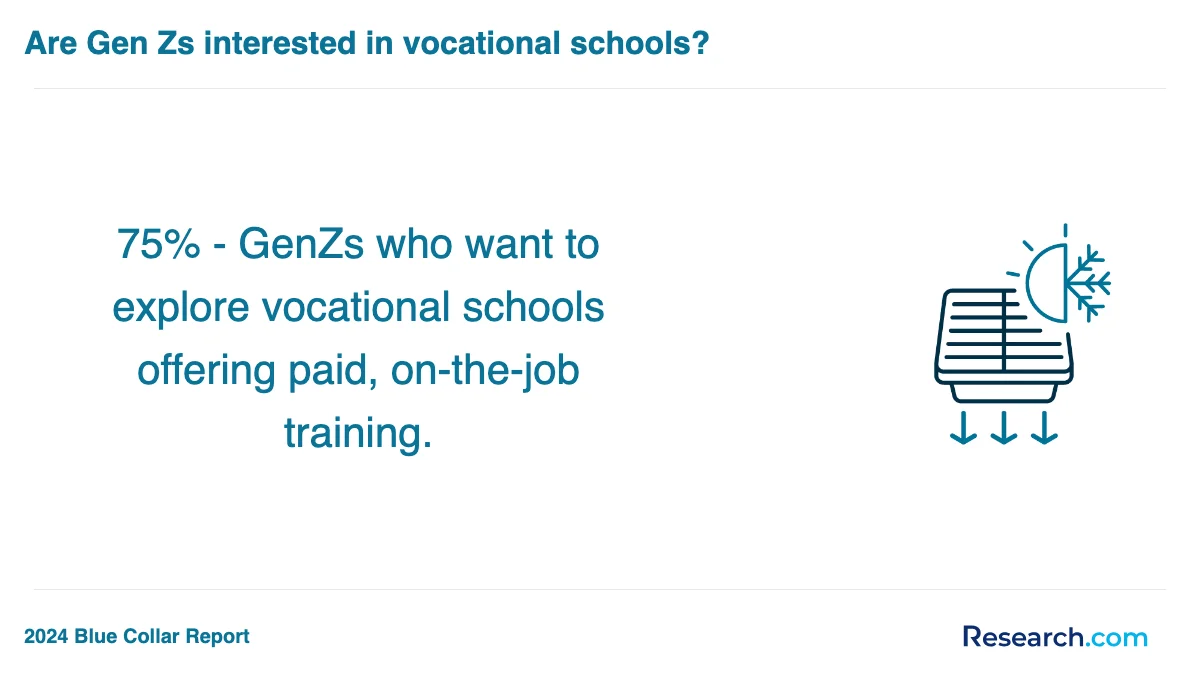
Many HVAC technician students in Hillsboro find financial aid through their trade schools, which often offer scholarships, need-based grants, and flexible payment plans tailored to local learners. Graduates from popular Hillsboro schools share how these options eased their journey, allowing them to focus on hands-on training without the heavy burden of upfront tuition.
State and local workforce programs also play a vital role. If you're unemployed or underemployed, Oregon's workforce development boards can help cover tuition costs, making it easier to step into a rewarding HVAC career. Students often tell stories of how visiting local career centers opened doors to funding they hadn't expected.
For those facing additional challenges, vocational rehabilitation funding provides crucial support, covering training expenses for eligible individuals with disabilities. Many Hillsboro students have found this aid empowering, turning obstacles into opportunities.
Industry groups like the Air Conditioning Contractors of America offer scholarships that recognize dedication and skill, inspiring students to reach their goals. Plus, participation in government assistance programs can free up resources to ease living costs, adding another layer of support during training.
To enroll in an HVAC technician trade school program in Hillsboro, students typically need a high school diploma or equivalent, which lays the foundation for technical learning. Many trade schools in Hillsboro emphasize a genuine passion for hands-on work and problem-solving, essential qualities for success in this field.
Graduates often share how their initial curiosity about how heating and cooling systems work fueled their determination to meet these prerequisites. Some Hillsboro trade schools require basic math and reading skills to ensure students can confidently handle technical manuals and perform precise measurements.
Common prerequisites include:
- High school diploma or GED
- Basic proficiency in math and reading
- Physical ability to handle manual labor and lift equipment
- Strong work ethic and willingness to learn
For example, many students recall their first day at a Hillsboro trade school, feeling excited yet prepared because they met these entry requirements. This readiness helps them dive into hands-on training with confidence, turning challenges into rewarding achievements.
Students at Hillsboro HVAC trade schools dive into courses that build confidence and expertise from day one. Graduates often recall how mastering Basic Electricity empowered them to troubleshoot real HVAC systems, turning complex circuit diagrams into understandable, hands-on skills. They learn to navigate the electrical heart of heating and cooling units, an essential foundation for every technician's success.
Core courses typically include:
- Principles of Refrigeration, where learners explore the refrigeration cycle and refrigerant handling, essential for safe and efficient system repairs.
- Sheet Metal Fabrication and Piping and Design, teaching students to create and install ductwork and piping with precision, following mechanical codes.
- HVAC/R Installation Techniques, focusing on system startup and customer service skills that ensure smooth jobsite experiences.
Hands-on labs at popular Hillsboro schools let students use electrical testers and brazing tools, simulating real-world challenges with supportive instructors. Many finish their programs ready to earn certifications like OSHA 30 or EPA Section 608, stepping confidently into a rewarding career.
In Hillsboro, HVAC technician specializations open doors to exciting and rewarding career paths. Many graduates from popular trade schools thrive by mastering key areas such as mechanical refrigeration, where hands-on training with refrigerant handling and sheet metal operation creates real confidence in tackling complex systems. Others embark on career journeys focused on HVAC/R electrical systems, gaining essential expertise in wiring and diagnostics that powers up their careers.
Students in Hillsboro HVAC trade school career paths also find success specializing in furnace and heating system work, learning practical skills like combustion air requirements and routine maintenance that become second nature. Emerging fields such as ductless systems and zone control offer students opportunities to innovate and support energy-efficient buildings, helping them stand out in the local workforce.
Many graduates share how industry certifications, including EPA Section 608, enhance their job prospects and legal readiness. Specializations in indoor air quality through duct cleaning and filtration reflect a growing community focus on health and safety.
Consider exploring affordable online maintenance technician trade school programs that complement Hillsboro's practical learning environment, offering flexible pathways to certification and success.
Choosing the best HVAC technician programs in Hillsboro means focusing on accreditation and hands-on experience. Graduates from local schools appreciate programs like those at Portland Community College's Rock Creek Campus, where practical training brings classroom theory to life. Imagine working directly with advanced HVAC systems in well-equipped labs, gaining the confidence needed to excel in real-world settings.
Consider top-rated HVAC schools near Hillsboro that offer strong apprenticeship opportunities, combining thousands of hours on the job with valuable classroom instruction. This blend builds skills and connections, easing the path toward licensing with the Oregon Construction Contractors Board. Many students find encouragement in knowing they are part of programs recognized by industry leaders.
Financial concerns are a reality, but many schools offer flexible payment options and scholarships, softening the burden. Exploring job placement rates and local industry ties also helps ensure a smooth transition to employment after graduation. For further guidance on finding quality trade programs, check out top vocational trade online schools.

Graduates of HVAC technician trade schools in Hillsboro step into a vibrant job market full of exciting opportunities. Many begin as HVAC installers or maintenance technicians, gaining hands-on experience by installing and servicing systems in homes and businesses. This foundational work often leads to rewarding roles with competitive salaries starting around $55,000 annually. As they grow confident, technicians move into service or senior technician positions, where they troubleshoot complex system issues and mentor newcomers, expanding their expertise and leadership skills.
For those seeking specialized paths, opportunities abound as HVAC/R service technicians or mechanical technicians, working with commercial refrigeration and large industrial systems. Union-affiliated roles like HVAC apprentice or chiller mechanic present additional career routes, offering structured on-the-job training through popular HVAC apprenticeship programs Hillsboro OR, leading to enhanced wages and stability.
Many graduates praise the practical, supportive environment at Hillsboro trade schools, which cultivates skill and confidence. For those looking for accessible options, low cost hvac trade school programs online expand possibilities further, making a promising HVAC career achievable.
The HVAC technician job market in Hillsboro is thriving with more than 200 positions currently open, offering a promising future for graduates of local trade schools. Many recent graduates share stories of landing their first job quickly after completing hands-on training at Hillsboro's well-regarded programs. They often start in entry-level roles such as HVAC service technician or installer, gaining valuable experience working with residential and commercial systems.
Here are some encouraging realities graduates often experience:
- Starting salaries around $55,000 per year provide a solid foundation.
- Hourly wages ranging from $25 to $55, with specialized roles paying even higher.
- Apprenticeships lasting three to five years that blend classroom learning with real-world training.
- Both union and non-union jobs which offer career growth and benefits.
Many grads appreciate the variety of industries hiring in Hillsboro-from large commercial entities to industrial maintenance opportunities-allowing people to pursue paths that fit their strengths and interests. For students wondering what's the best trade school to attend, programs here are tailored to help prepare for these vibrant job prospects. This strong demand and competitive pay clearly outline exciting HVAC technician salary trends Hillsboro Oregon offers to those ready to build their careers.
Best HVAC Technician Training Programs & Trade Schools - Top HVAC Tech Schools in Hillsboro for 2026
# 1 position
Hill College - Heating, Air Conditioning, Ventilation and Refrigeration Maintenance Technology/Technician.
associateHill College offers a hybrid program in Heating, Air Conditioning, Ventilation and Refrigeration Maintenance Technology/Technician that prepares students to repair, install, service, and maintain HVAC and refrigeration systems. The curriculum includes diagnostic techniques, testing equipment usage, and principles of mechanics, electricity, and electronics relevant to these systems. Annual in-state tuition is $3,570. The program is accredited by the Southern Association of Colleges and Schools Commission on Colleges.
# 2 position
Hill College - Heating, Air Conditioning, Ventilation and Refrigeration Maintenance Technology/Technician.
certificate or diplomaHill College offers a hybrid program in Heating, Air Conditioning, Ventilation and Refrigeration Maintenance Technology/Technician. The curriculum trains students to repair, install, service, and maintain heating, air conditioning, and refrigeration systems. Instruction covers diagnostic techniques, testing equipment, and mechanical, electrical, and electronic principles. Annual in-state tuition is $3,570. The program is accredited by the Southern Association of Colleges and Schools Commission on Colleges.
Frequently Asked Questions about HVAC technician
After completing an HVAC technician trade school in Hillsboro, preparing for the job market involves several key steps. First, obtaining industry certifications, such as EPA Section 608 certification, is essential for legal compliance and improves employability. According to the U.S. Bureau of Labor Statistics, HVAC jobs in Oregon are projected to grow by 12% through 2030, signaling a strong local demand.
Networking with local contractors and attending Hillsboro job fairs can help graduates connect with employers. Additionally, creating a clear résumé that highlights hands-on training and any internships gained during schooling strengthens job prospects. Finally, staying updated on the latest HVAC technologies and safety standards ensures competitiveness in the evolving market.
Employers in Hillsboro seek HVAC technician graduates with a strong foundation in technical skills such as system installation, maintenance, and repair. According to the U.S. Bureau of Labor Statistics, proficiency in electrical systems and refrigeration is critical for success in this trade. In addition to hands-on abilities, employers value knowledge of local building codes and safety regulations, which are essential for compliance and efficient work.
Communication skills are increasingly important as technicians often explain issues and solutions to customers. Problem-solving and critical thinking are also top priorities, enabling technicians to diagnose complex HVAC system failures quickly. The Oregon Employment Department highlights that teamwork and adaptability are highly sought-after traits in the Hillsboro HVAC job market.
Finding internships in Hillsboro relevant to HVAC technician trade school programs involves several practical steps. Start by contacting local trade schools and community colleges, such as Portland Community College, which often have established partnerships with HVAC employers. These institutions can provide internship placements or direct students to companies actively seeking HVAC interns.
Additionally, visit Hillsboro-based HVAC contractors and service companies to inquire about internship opportunities. According to the U.S. Bureau of Labor Statistics, the HVAC field is growing nationally by 5% annually, suggesting steady local demand for trained interns.
Online job boards focused on trades, such as Apprenticeship.gov, also list internships and apprenticeships in the Hillsboro area. Networking through local trade associations like the Oregon Mechanical Contractors Association can further increase chances of finding relevant placements.
Obtaining a diploma from an HVAC technician trade school in Hillsboro can significantly enhance career mobility and advancement opportunities. Employers in the region often prefer candidates with formal training, as it demonstrates both technical competence and a commitment to the profession. According to the U.S. Bureau of Labor Statistics, HVAC technicians with postsecondary education tend to earn higher wages, with median annual salaries around $52,000 nationally as of 2023.
In Hillsboro, where the construction and technology sectors are growing, an HVAC diploma can open doors to specialized roles, supervisory positions, and increased job stability. Trade schools also often connect students with local apprenticeships and employers, facilitating smoother transitions into the workforce.
Additionally, certification eligibility following diploma completion, such as EPA Section 608 certification, improves employability and career progression. Overall, the diploma serves as a foundational credential that supports both entry and upward mobility within the HVAC industry in Hillsboro.
Part-time job opportunities in Hillsboro that complement HVAC technician trade school education often focus on hands-on experience and industry knowledge. Students may find entry-level roles such as HVAC helper or apprentice technician, which allow them to apply classroom skills in real-world settings. According to the U.S. Bureau of Labor Statistics, the Portland metropolitan area, which includes Hillsboro, is expected to see a 5% growth in HVAC-related jobs through 2031, indicating steady demand for skilled workers.
Additionally, retail positions at home improvement stores or HVAC supply centers can provide valuable exposure to tools and equipment. These roles help students familiarize themselves with product specifications and customer service in the HVAC sector. Local contractors sometimes offer part-time labor or maintenance assistant jobs, which further enhance technical skills and understanding of HVAC systems.
To choose the best HVAC Technician degree program near me in Hillsboro, TX, start by researching accredited technical schools and community colleges near Hillsboro, TX that offer HVAC programs, ensuring they provide comprehensive training and hands-on experience. Consider visiting Research.com as a resource to evaluate local programs’ reputations, curriculum specifics, and potential job placement support. Additionally, attending local open houses or career fairs will help you make an informed decision by speaking directly with faculty and alumni about the quality of the programs available.
- HVACR Technician Apprenticeship | HCC https://www.hccfl.edu/academics/associate-science/apprenticeships/hvacr-technician-apprenticeship
- How To Become an HVAC Technician in Hillsboro, Missouri - HVAC Schools & Training in Hillsboro, Missouri https://hvactechnician.careers/hvac-school/missouri/hillsboro/
- HVAC Trade Schools in Hillsboro, OR - Get Training! https://hvaccareernow.com/hvac-training/hillsboro-or
- HVAC/R Installation, Career Pathway certificate | Facilities Maintenance Technology - HVAC at PCC https://www.pcc.edu/programs/facilities-maintenance/pathway-hvac/
- HVAC Trade Schools in Portland, Oregon - Training & Certification https://www.hvacclasses.org/schools/oregon/portland
- HVAC https://www.hillcollege.edu/Courses%20and%20Programs/Business-Industry/HVAC.html
- Trade Schools and Technical Colleges - Hillsboro, OR & Online https://careerschoolnow.org/colleges/cities/hillsboro-or
- Heating, Refrigeration, & Air Conditioning - Jefferson College https://www.jeffco.edu/program/heating-refrigeration-air-conditioning/
- Online HVAC/R Technician (Voucher Included) from Hillsborough College https://careertraining.ed2go.com/tctc/training-programs/hvacr-technician/
- How Do I Start a Career in HVAC? - FTC Florida Technical College https://ftccollege.edu/trade-blog/how-do-i-start-a-career-in-hvac/