
Best HVAC Technician Training Programs & Trade Schools - Top HVAC Tech Schools in Arkansas for 2026

Co-Founder and Chief Data Scientist
Choosing the right HVAC technician trade school in Arkansas can be overwhelming, but this article is here to help. We present a carefully crafted ranking of HVAC technician trade school programs developed by the Research.com team of data scientists. This ranking highlights programs worth considering, making your decision easier and more informed.
Whether you’re starting a new career or seeking certification, earning a diploma in HVAC technology opens doors to rewarding job opportunities. Explore the best options available and take a confident step toward a skilled, in-demand profession.
Key benefits of finishing HVAC technician trade school in Arkansas
- Graduates of HVAC technician trade schools in Arkansas can expect starting salaries around $42,100, with experienced technicians earning up to $76,000 annually, offering a strong return on investment for their training.
- Career paths for HVAC graduates include roles as residential or commercial technicians, system installers, or maintenance specialists, with many advancing to supervisory or contractor positions after gaining experience.
- Completing an HVAC program online provides flexibility and faster completion times, as seen with graduates from popular Arkansas online trade schools who balance work and study while entering the workforce confidently and quickly.
- Best HVAC Technician Training Programs & Trade Schools - Top HVAC Tech Schools in Arkansas for 2026
- What can I expect from HVAC technician trade schools in Arkansas?
- Where can I work after finishing HVAC technician trade schools in Arkansas?
What can I expect from HVAC technician trade schools in Arkansas?
Enrolling in an HVAC technician trade school program in Arkansas means diving into a blend of classroom learning and hands-on training that many graduates describe as both challenging and rewarding. Students at popular Arkansas schools often share how working directly with modern HVAC systems in well-equipped labs helped them build confidence early on.
Expect to explore key topics like thermodynamics and fluid mechanics while also gaining real-world experience through internships or field assignments. Many find that balancing evening classes with part-time work is manageable, making it easier to stay motivated while advancing their skills.
Certification preparation is a major focus, with programs guiding students toward earning credentials like the EPA Section 608 Universal License and the NATE Ready to Work Certificate. Graduates often mention how these certifications opened doors to diverse roles, from refrigeration technician to energy auditor, fueling a sense of pride and readiness for Arkansas's growing HVAC job market.
Where can I work after finishing HVAC technician trade schools in Arkansas?
After finishing an HVAC technician trade school program in Arkansas, graduates often find themselves welcomed by a variety of employers across the state. Many begin working for local contractors or larger companies in cities like Little Rock and Conway, where demand for skilled technicians is high. These roles typically involve installing, maintaining, and repairing HVAC systems in homes, schools, and businesses, offering hands-on experience that builds confidence and expertise.
Some graduates recall starting their careers with paid training programs that quickly turned into full-time positions, enjoying benefits like sign-on bonuses and regular weekday hours. Others find opportunities with property management firms or public agencies, where teamwork and problem-solving skills are essential. For those eager to specialize, commercial HVAC work with brands like Carrier in Northwest Arkansas provides a challenging and rewarding path.
As experience grows, many envision advancing into supervisory roles or branching out into self-employment, reflecting the flexible and promising career trajectory that Arkansas trade schools help launch.
Graduates of HVAC technician trade school programs in Arkansas often start their careers with an average annual salary of about $42,100. Many recent graduates from popular Arkansas trade schools share stories of quickly landing entry-level jobs where they feel confident applying what they learned in hands-on training. These starting salaries give them the financial footing to support themselves while gaining valuable field experience.
As they build skills and earn certifications, technicians typically see their pay rise steadily. For example, those with 2 to 4 years of experience often report making around $50,700, and by 4 to 6 years, salaries commonly reach near $56,900. Some graduates recall feeling proud when their hourly wage climbed to about $25, reflecting their growing expertise and reliability on the job.
Experienced technicians, especially those with a decade or more in the field, can earn up to $76,000 or more annually. In urban Arkansas areas or specialized roles, wages can even reach $35 per hour or $95,000 yearly. Many graduates appreciate that Arkansas's lower cost of living means these salaries translate into a comfortable lifestyle and opportunities for further advancement.
- Applicants must have a high school diploma or GED and be at least 18 years old to enter HVAC technician programs in Arkansas.
- Program lengths range from six months to two years, offering certificates, diplomas, or associate degrees with day and evening classes available.
- EPA Section 608 Certification is required for handling refrigerants, with most programs including preparation and testing for this exam.
- Tuition for certificate programs typically costs between $2,000 and $7,000, excluding textbooks and exam fees, with financial aid options often available.
- Job growth for HVAC technicians in Arkansas is projected at 24% through 2024, with entry-level salaries starting around $32,000 to $38,000 annually.
Completing an HVAC technician trade school program in Arkansas typically takes about 6 to 12 months, depending on the school and the intensity of the curriculum. Many graduates from well-known Arkansas trade schools share how this timeframe felt just right to balance hands-on training with classroom learning, allowing them to quickly enter the workforce with confidence.
For example, students often describe their experience at schools offering accelerated programs that wrap up in less than a year-these programs are designed for those eager to start their careers swiftly while still mastering essential skills. Others appreciate programs that extend closer to a year because they provide additional opportunities to practice troubleshooting real HVAC systems, which builds a strong foundation for future job challenges.
Imagine spending your days in a workshop setting learning to install and repair heating and cooling units, then transitioning to internships that simulate actual job environments. This hands-on approach at Arkansas trade schools makes the completion timeline feel both productive and rewarding, fueling excitement about stepping into a stable, growing industry.
The difference between online and on-campus HVAC technician trade school programs in Arkansas often comes down to how students experience their training. Graduates from the University of Arkansas at Little Rock appreciate the flexibility of online courses, which let them balance family and work while accessing video lectures and virtual simulations. This setup is ideal for those needing to learn at their own pace, yet some express a desire for more hands-on practice to feel fully prepared.
On the other hand, students at North Arkansas College and Pulaski Technical College highlight the value of direct interaction with HVAC systems in labs and internships. They describe the confidence gained from working with real equipment under instructor guidance as crucial for entering the workforce. Many find that this immersive environment not only sharpens technical skills but also builds a strong sense of community and support.
Both pathways aim to prepare students for certification, but the choice depends on whether flexibility or hands-on experience fits a student's current life and career goals better.
The average tuition fees for HVAC programs in Arkansas vary widely depending on the type of educational institution chosen. Most trade schools offering HVAC technician training charge between $1,200 and $15,000. For example, graduates from schools like the HVACr Arkansas Academy report paying about $1,750 per semester, plus a one-time supplies fee of $500, which many find to be a manageable investment given the quality of hands-on instruction and real-world experience provided.
Students at community colleges pursuing more comprehensive HVAC training, often leading to associate degrees, typically face higher costs ranging from $15,000 to $35,000. Graduates often highlight the longer duration and broader curriculum as factors that contribute to these increased costs, yet they appreciate the credential's added value and the enhanced career readiness it offers in the evolving trade landscape.
Alongside tuition, budgeting for additional expenses such as books, supplies, housing, and food is crucial. Many students find themselves allocating an extra $500 to $1,000 for educational materials and $5,000 to $10,000 annually for living costs. However, numerous trade schools in Arkansas, including the HVACr Arkansas Academy, provide flexible payment options and scholarships that help ease these financial burdens, allowing aspiring technicians to focus on their training and future.
Those exploring the cost of HVAC technician training in Arkansas can benefit from comparing program lengths, accreditations, and financial aid availability. It's also insightful to consider career prospects post-graduation by reviewing resources on top paying trades, ensuring the time and money invested lead to a rewarding profession.
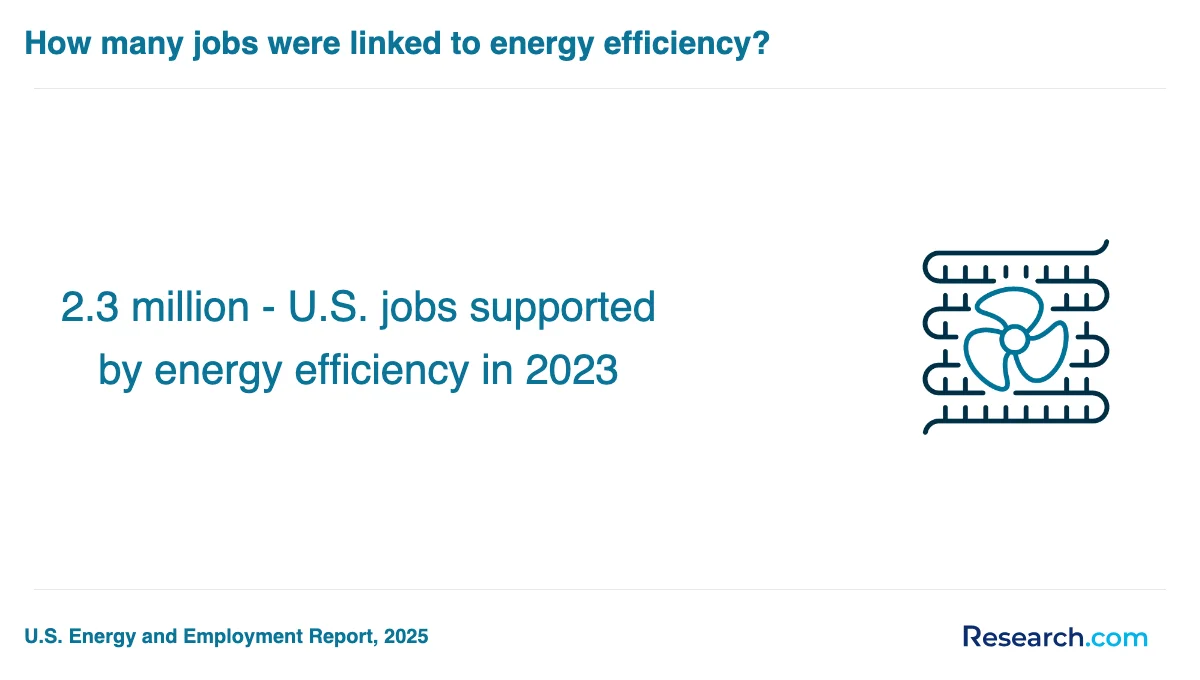
Students pursuing HVAC technician training in Arkansas often find significant financial support through the Arkansas Future Grant (ArFuture), which many graduates credit with making their education affordable. This grant covers tuition and fees for high-demand technical fields like HVAC, easing worries about upfront costs. For instance, those attending Southern Arkansas University Tech recall how institutional scholarships and need-based aid helped them cover expenses beyond tuition, such as tools and supplies.
Federal aid is another major option. Many Arkansas HVAC students successfully leverage Pell Grants and Federal Direct Loans after completing the FAFSA, with Pell Grants offering awards up to $7,395 for full-time study in the 2025-2026 year. This funding often transforms the financial outlook for students balancing work and school.
Some students in non-credit or continuing education programs turn to Arkansas Workforce Development Boards or vocational rehabilitation programs. These resources, designed for career changers and those facing employment challenges, provide additional pathways to afford training without overwhelming debt.
To enroll in an HVAC technician trade school program in Arkansas, students generally need a high school diploma or GED as a basic prerequisite. Many graduates recall that having a solid foundation in math and science, especially algebra and physics, made the hands-on training much smoother and more enjoyable.
Some trade schools in Arkansas also ask for the following:
- Proof of residency or citizenship status
- Passing a basic entrance exam or placement test
- Physical ability to handle the demands of HVAC work, such as lifting and working in confined spaces
- Basic computer literacy to manage modern diagnostic tools
Graduates often share that meeting these prerequisites felt like a confidence booster, preparing them well for the fast-paced learning environment at schools like those in Little Rock or Fort Smith. For example, a former student described how their prior experience in a high school shop class helped them quickly grasp HVAC concepts, making the transition into trade school less intimidating.
In Arkansas, these entry requirements ensure students are ready to thrive, combining practical skills with theoretical knowledge to jumpstart their careers in HVAC technology.

Students enrolled in HVAC technician trade school programs in Arkansas, such as those at Southern Arkansas University Tech and NorthWest Arkansas Community College, typically dive into a mix of foundation-building and hands-on courses that prepare them for real-world challenges. Graduates often recall how learning the principles of thermodynamics and heat transfer helped them understand why a system cools or heats a space, making troubleshooting feel less like guesswork and more like science in action.
Core courses often include:
- Electrical fundamentals covering wiring, motors, and control systems that graduates describe as empowering when fixing equipment on the job.
- Refrigeration theory focused on installation and repair, essential for handling residential and light commercial units.
- Air conditioning system design and heat pump operation, where students experience practical labs simulating real installations and maintenance scenarios.
Many find learning smart diagnostics and energy-efficient techniques exciting because these skills align with growing industry trends in Arkansas, offering a competitive edge. Preparation for certifications like EPA Section 608 and NATE "Core" is integrated seamlessly, allowing students to feel confident stepping into technician roles upon graduation.
HVAC technician specializations in Arkansas programs typically cover Residential HVAC Systems, Commercial HVAC Systems, and Refrigeration Technology, each tailored to real-world needs. Graduates from the University of Arkansas - Pulaski Technical College find themselves confident installing and maintaining home heating and cooling units, gaining hands-on experience that prepares them for common household challenges.
Those pursuing Arkansas HVAC training program specializations at Arkansas Tech University often engage with cutting-edge green technology, such as photovoltaic arrays and wind turbines, aligning their skills with sustainable commercial HVAC projects. Meanwhile, students attending Southern Arkansas University Tech benefit from focused training on refrigeration systems, equipping them to handle both residential and commercial refrigeration needs with confidence.
A popular theme across programs, like Northwest Arkansas Community College, is energy efficiency and sustainable practices. Graduates frequently highlight the value of green installation techniques and preparation for the EPA exam, which opens doors to environmentally conscious HVAC careers.
Exploring whether is college better than trade school can help prospective students decide the best path for their HVAC ambitions in Arkansas.
Choosing the best HVAC schools in Arkansas means focusing on programs that combine strong accreditation with practical training. Graduates often praise schools like Arkansas Tech University in Russellville and the University of Arkansas Community College in Morrilton for their hands-on learning opportunities and supportive campus environments. These schools typically offer certificates and associate degrees tailored to different career paths, allowing students to pick the credential that suits their goals.
Location matters too; attending a school nearby can ease balancing classes with personal life. Many students appreciate the community feel and employer connections at institutions like Arkansas State University-Newport, which help with internships and job placements. To compare HVAC program costs in Arkansas effectively, consider tuition alongside available financial aid and program outcomes. For those seeking flexible options, exploring the most affordable online hvac courses with certificates can be a smart step toward career advancement without overwhelming expenses.
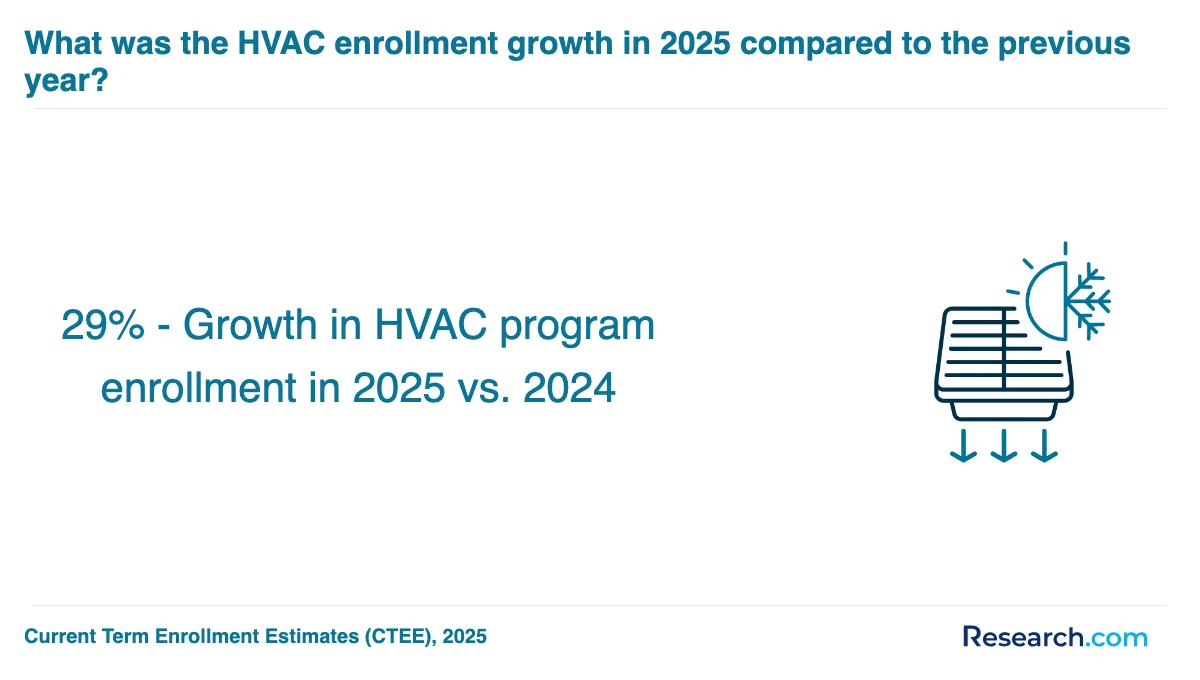
Graduates from HVAC technician trade schools in Arkansas often find themselves stepping directly into thriving HVAC technician jobs after trade school in Arkansas, starting as HVAC service technicians responsible for installing and repairing climate control systems in homes and businesses. Many recall feeling confident after hands-on training at popular Arkansas trade schools, ready to meet the strong local demand fueled by an 18% job growth projection.
Beyond entry-level roles, HVAC career opportunities in Arkansas broaden, including:
- Refrigeration service technician positions focusing on specialized systems
- HVACR drafter and designer roles, where graduates utilize technical certificates to develop system layouts
- Energy auditors and building inspectors who help improve environmental efficiency and compliance
For ambitious graduates, becoming a licensed HVACR contractor is an exciting path, often supported by education substituting required experience. Many alumni from Arkansas trade programs also transition into business-related roles such as warehouse management or parts specialists, leveraging their field knowledge.
Those interested in growth can explore the requirements to become an hvac technician for guidance on advancing within this robust industry in Arkansas.
The HVAC technician job outlook in Arkansas is promising, particularly for graduates from well-regarded trade schools in the state. Many recent graduates share experiences of landing positions soon after completing their programs at popular Arkansas institutions, encouraged by local employers who recognize the solid training provided. These schools not only equip students with hands-on skills but also build confidence to meet the demands of Arkansas's unique climate challenges, where heating and cooling expertise is essential year-round.
Salary trends mirror this positive outlook, with starting pay for entry-level technicians around $42,100 annually and experienced professionals earning up to $76,000 or more. Many find job listings offering competitive wages, sometimes exceeding $95,000 for advanced roles. Graduates highlight benefits such as health insurance and retirement plans, contributing to the overall appeal of this career path.
For those exploring options, it's wise to research what are the best trade schools that offer HVAC training in Arkansas to maximize opportunities and earnings potential. Key factors include hands-on experience, employer connections, and internships.
- Strong local demand driven by residential and commercial growth
- Wide salary range increasing with experience and overtime
- Supportive benefits package boosting job satisfaction
- Active recruitment by Arkansas HVAC companies
Best HVAC Technician Training Programs & Trade Schools - Top HVAC Tech Schools in Arkansas for 2026
# 1 position
Arkansas State University-Newport - Heating, Air Conditioning, Ventilation and Refrigeration Maintenance Technology/Technician.
associateThe Heating, Air Conditioning, Ventilation and Refrigeration Maintenance Technology/Technician program at Arkansas State University-Newport offers a hybrid format with some distance education options. It prepares students to repair, install, service, and maintain heating, air conditioning, and refrigeration systems. Instruction covers diagnostic techniques, testing equipment use, and principles of mechanics, electricity, and electronics. Annual in-state tuition is $2,856. The program is accredited by the Higher Learning Commission.
# 2 position
Arkansas State University-Mountain Home - Heating, Air Conditioning, Ventilation and Refrigeration Maintenance Technology/Technician.
associateThe Heating, Air Conditioning, Ventilation and Refrigeration Maintenance Technology/Technician program at Arkansas State University-Mountain Home offers a hybrid format with some distance education options. It prepares students to repair, install, service, and maintain heating, air conditioning, and refrigeration systems. Instruction covers diagnostic techniques, testing equipment use, and the principles of mechanics, electricity, and electronics. Annual in-state tuition is $3,168. The program is accredited by the Higher Learning Commission.
# 3 position
North Arkansas College - Heating, Air Conditioning, Ventilation and Refrigeration Maintenance Technology/Technician.
associateNorth Arkansas College offers a hybrid program in Heating, Air Conditioning, Ventilation and Refrigeration Maintenance Technology/Technician. The curriculum prepares students to repair, install, service, and maintain HVAC and refrigeration systems, focusing on diagnostic techniques, testing equipment, and the mechanics, electricity, and electronics principles involved. The annual in-state tuition is $3,168. The program is accredited by the Higher Learning Commission.
# 4 position
University of Arkansas Community College-Morrilton - Heating, Air Conditioning, Ventilation and Refrigeration Maintenance Technology/Technician.
associateThe Heating, Air Conditioning, Ventilation and Refrigeration Maintenance Technology/Technician program at University of Arkansas Community College-Morrilton offers hybrid learning with some distance-education options. It trains students to repair, install, service, and maintain heating, air conditioning, and refrigeration systems. Instruction covers diagnostic techniques, testing equipment use, and principles of mechanics, electricity, and electronics. The program's annual in-state tuition is $3,504 and it is accredited by the Higher Learning Commission.
# 5 position
University of Arkansas-Pulaski Technical College - Heating, Air Conditioning, Ventilation and Refrigeration Maintenance Technology/Technician.
associateThe Heating, Air Conditioning, Ventilation and Refrigeration Maintenance Technology/Technician program at University of Arkansas-Pulaski Technical College offers a hybrid format with some distance education options. It trains students to repair, install, service, and maintain heating, air conditioning, and refrigeration systems. Instruction covers diagnostic techniques, testing equipment, and principles of mechanics, electricity, and electronics related to these systems. The annual in-state tuition is $4,848. The program is accredited by the Higher Learning Commission.
# 6 position
Arkansas Tech University - Heating, Air Conditioning, Ventilation and Refrigeration Maintenance Technology/Technician.
associateArkansas Tech University offers a hybrid program in Heating, Air Conditioning, Ventilation and Refrigeration Maintenance Technology/Technician. The curriculum covers repairing, installing, servicing, and maintaining heating, air conditioning, and refrigeration systems. Students learn diagnostic techniques, use of testing equipment, and principles of mechanics, electricity, and electronics related to these systems. The program’s annual in-state tuition is $8,508 and it is accredited by the Higher Learning Commission.
# 7 position
NorthWest Arkansas Community College - Heating, Air Conditioning, Ventilation and Refrigeration Maintenance Technology/Technician.
certificate or diplomaNorthWest Arkansas Community College offers a hybrid program in Heating, Air Conditioning, Ventilation and Refrigeration Maintenance Technology/Technician. The curriculum covers repair, installation, service, and maintenance of HVAC and refrigeration systems, including diagnostic techniques and use of testing equipment. Instruction also includes principles of mechanics, electricity, and electronics. The annual in-state tuition is $2,982. The program is accredited by the Higher Learning Commission.
# 8 position
Phillips Community College of the University of Arkansas - Heating, Air Conditioning, Ventilation and Refrigeration Maintenance Technology/Technician.
certificate or diplomaPhillips Community College of the University of Arkansas offers a hybrid program in Heating, Air Conditioning, Ventilation and Refrigeration Maintenance Technology/Technician. This program prepares students to repair, install, service, and maintain heating, air conditioning, and refrigeration systems. Instruction includes diagnostic techniques, testing equipment use, and principles of mechanics, electricity, and electronics. Annual in-state tuition is $3,230. The program is accredited by the Higher Learning Commission.
# 9 position
Arkansas Northeastern College - Heating, Air Conditioning, Ventilation and Refrigeration Maintenance Technology/Technician.
certificate or diplomaArkansas Northeastern College offers a hybrid program in Heating, Air Conditioning, Ventilation and Refrigeration Maintenance Technology/Technician. The curriculum prepares students to repair, install, service, and maintain heating, air conditioning, and refrigeration systems. It includes training in diagnostic techniques, testing equipment, and principles of mechanics, electricity, and electronics. The annual in-state tuition is $2,570, and the program is accredited by the Higher Learning Commission.
# 10 position
Arkansas State University Three Rivers - Heating, Air Conditioning, Ventilation and Refrigeration Maintenance Technology/Technician.
certificate or diplomaArkansas State University Three Rivers offers a program in Heating, Air Conditioning, Ventilation and Refrigeration Maintenance Technology/Technician. This program prepares students to repair, install, service, and maintain heating, air conditioning, and refrigeration systems. Instruction covers diagnostic techniques, testing equipment, and principles of mechanics, electricity, and electronics relevant to these systems. The annual in-state tuition is $3,568. The program is accredited by the Higher Learning Commission.
Frequently Asked Questions about HVAC technician
After completing an HVAC technician trade school in Arkansas, preparing for the job market involves several key steps. First, obtaining EPA Section 608 certification is essential, as it is federally required for handling refrigerants. Arkansas also values the North American Technician Excellence (NATE) certification, which can improve job prospects and earning potential.
Networking with local HVAC companies during or after training can lead to apprenticeships or entry-level positions. According to the U.S. Bureau of Labor Statistics, HVAC technician jobs in Arkansas are projected to grow about 8% from 2022 to 2032, reflecting steady demand.
Additionally, developing soft skills like communication and problem-solving is important, as employers seek technicians who can interact well with clients and troubleshoot effectively.
Employers in Arkansas prioritize several key skills when hiring HVAC technician trade school graduates. Technical proficiency with heating, ventilation, air conditioning, and refrigeration systems is essential. Graduates must demonstrate the ability to install, maintain, and repair these systems safely and efficiently.
Strong troubleshooting skills are highly valued. According to the U.S. Bureau of Labor Statistics, HVAC technicians in Arkansas need to diagnose mechanical and electrical issues quickly to minimize downtime. Communication skills also matter, as technicians often explain problems and solutions to customers.
Knowledge of local building codes and safety regulations is critical. Arkansas employers expect familiarity with EPA certification requirements due to the handling of refrigerants. Additionally, teamwork and dependability are important soft skills that improve job performance in this field.
Finding internships in Arkansas related to HVAC technician trade school programs involves targeted research and networking. Start by contacting your trade school's career services, as many schools partner with local HVAC companies to provide internship opportunities. The Arkansas Department of Workforce Services also offers resources and listings for apprenticeship and internship programs in the HVAC field.
Industry associations like the Air Conditioning Contractors of America (ACCA) Arkansas chapter can connect students with employers offering practical training. Additionally, explore local businesses through online job boards such as Arkansas JobLink, which often list HVAC internships. According to the U.S. Bureau of Labor Statistics, internships improve employment prospects by 20%, highlighting their importance for hands-on experience.
Obtaining a HVAC technician trade school diploma in Arkansas significantly enhances career mobility and advancement opportunities within the state's growing HVAC industry. According to the U.S. Bureau of Labor Statistics, Arkansas expects a 6% employment growth for HVAC technicians through 2031, slightly above the national average. This growth creates demand for trained professionals with recognized credentials.
A diploma from an accredited Arkansas trade school demonstrates foundational skills and knowledge employers seek, often leading to higher starting salaries and eligibility for specialized roles. Additionally, many employers in Arkansas require EPA certification, which is typically integrated into diploma programs, further increasing job prospects.
Trade school graduates benefit from local industry connections and apprenticeships facilitated by schools, which support career advancement. Data from Arkansas's Department of Workforce Services shows that diploma holders report faster job placement and wage increases compared to those without formal training.
Students enrolled in HVAC technician trade schools in Arkansas can benefit from part-time jobs that provide relevant hands-on experience. Positions such as HVAC helper or maintenance assistant allow students to apply classroom knowledge while earning income. These roles often involve equipment cleaning, basic repairs, and assisting certified technicians, which builds practical skills.
The U.S. Bureau of Labor Statistics reports that Arkansas employed approximately 2,130 HVAC technicians as of 2022, with a steady job growth rate of 6% projected over the next decade. Gaining part-time experience in local HVAC companies can improve employability after graduation.
Other complementary positions include warehouse work for HVAC supply companies or customer service roles in hardware stores, where students learn about parts and industry standards.
Yes, there are HVAC technician degree programs available near Arkansas, offering a variety of certifications and degrees to aspiring professionals. Many technical colleges and universities provide hands-on training opportunities in HVAC technology with programs specifically located near me. For more information on finding these programs, Research.com can be a helpful resource to explore educational institutes near you.
- Best HVAC Technician Training Programs & Trade Schools - Top HVAC Tech Schools in Missouri for 2026
- Best HVAC Technician Training Programs & Trade Schools - Top HVAC Tech Schools in Oklahoma for 2026
- Best HVAC Technician Training Programs & Trade Schools - Top HVAC Tech Schools in Texas for 2026
- Best HVAC Technician Training Programs & Trade Schools - Top HVAC Tech Schools in Kentucky for 2026
- Best HVAC Technician Training Programs & Trade Schools - Top HVAC Tech Schools in Alabama for 2026
- Best HVAC Technician Training Programs & Trade Schools - Top HVAC Tech Schools in Illinois for 2026
- Best HVAC Technician Training Programs & Trade Schools - Top HVAC Tech Schools in Nebraska for 2026
- Best HVAC Technician Training Programs & Trade Schools - Top HVAC Tech Schools in North Carolina for 2026
- Best HVAC Technician Training Programs & Trade Schools - Top HVAC Tech Schools in West Virginia for 2026
- Best HVAC Technician Training Programs & Trade Schools - Top HVAC Tech Schools in Michigan for 2026
- Commercial HVAC Journeyman Service Technician - Union - Northwest Arkansas at Carrier https://jobs.carrier.com/en/job/arkansas/commercial-hvac-journeyman-service-technician-union-northwest-arkansas/29289/82353032352
- How to Become a HVAC Technician in Arkansas | Dreambound https://dreambound.com/blog/how-to-become-a-hvac-technician-in-arkansas
- HVAC Technician Salary: Guide to Wages, Jobs, & More | Faraday https://faradaycareers.com/careers/hvac-technician-salary
- Heating, Air Conditioning, and Refrigeration Mechanics and Installers : Occupational Outlook Handbook: : U.S. Bureau of Labor Statistics https://www.bls.gov/ooh/installation-maintenance-and-repair/heating-air-conditioning-and-refrigeration-mechanics-and-installers.htm
- HVAC Technician Salaries: 2025 U.S. State-by-State Guide - Housecall Pro https://www.housecallpro.com/resources/hvac-technician-salary/
- What is an HVAC Technician: Career Guide & FAQs | Penn Foster https://www.pennfoster.edu/blog/what-is-an-hvac-technician
- HVAC Certificate of Completion | NorthWest Arkansas Community College https://www.nwacc.edu/academicdivisions/trailstrades/trades/hvac.aspx
- Online HVAC/R Technician (Voucher Included) from Arkansas State University https://ed2go.degree.astate.edu/training-programs/hvacr-technician/
- Online HVAC/R Certified Technician (Voucher Included) from University of Arkansas - Little Rock https://onlinecareertraining.ualr.edu/training-programs/hvacr-certified-technican/
- How to Become an HVAC Tech in Arkansas for 2025 | Research.com https://research.com/careers/how-to-become-an-hvac-tech-in-arkansas


