
Best Electrical Technician Training Programs & Trade Schools - Top Electrical Tech Schools in Grand Island for 2026

Co-Founder and Chief Data Scientist
Choosing the right electrician trade school in Grand Island can shape your future career. This article introduces a carefully crafted electrician trade school programs ranking created by the Research.com team of data scientists. It helps you identify the best programs based on reliable data and meaningful insights.
Reading this guide will simplify your decision-making process and highlight schools that offer valuable training for a rewarding career. Earning a diploma or certification in this growing field opens doors to exciting opportunities and job stability.
Explore your options with confidence and take the next step toward success.
Key benefits of finishing electrician trade school in Grand Island
- Graduates of electrician trade schools in Grand Island can expect competitive salaries, with averages around $66,788 annually and potential to earn up to $93,762 as experience grows.
- Career paths for graduates include becoming journeyperson electricians, supervisors, or specialists in residential and commercial electrical work, offering diverse and rewarding job opportunities.
- Completing an electrician trade school online provides flexibility and convenience, allowing students to balance work and study while still gaining the skills needed for local job markets.
- Best Electrical Technician Training Programs & Trade Schools - Top Electrical Tech Schools in Grand Island for 2026
- What can I expect from electrician trade schools in Grand Island?
- Where can I work after finishing electrician trade schools in Grand Island?
What can I expect from electrician trade schools in Grand Island?
Students enrolling in electrician trade school programs in Grand Island, such as those at Central Community College, can expect a comprehensive mix of classroom learning and hands-on training. Graduates often describe their experience as engaging and practical, spending significant time in labs practicing wiring, circuit installation, and troubleshooting, which builds confidence for real-world applications.
Programs typically cover reading blueprints, installing electrical components, and working with both residential and commercial systems while adhering to local electrical codes. This approach ensures students gain relevant skills needed for entry-level roles or apprenticeships.
Time commitments vary; certificate programs may be completed in under a year, while associate degrees usually require about two years. Many graduates appreciate the clear pathway toward journeyman licensure, combining classroom education with on-the-job training as mandated by Nebraska.
Financially, in-state tuition at Central Community College is around $3,000 annually, with additional costs for materials near $1,500. Students often find the career preparation and industry-relevant curriculum rewarding, helping them secure positions as electricians or related roles after graduation.
Where can I work after finishing electrician trade schools in Grand Island?
Graduates from electrician trade school programs in Grand Island often find immediate employment as Apprentice Electricians or Journeyman Electricians, roles frequently advertised by local employers. Many report satisfaction in hands-on work installing and maintaining electrical systems across residential, commercial, and industrial sites. For example, graduates from popular trade schools have shared how starting as apprentices with companies like Chief Industries quickly led to gaining practical skills and confidence on diverse projects.
Beyond entry-level roles, career paths include advancing to Electrical General Foreman or specialized positions such as Electrical and Instrumentation Technician. These roles demand more experience and responsibility and tend to come with higher compensation and benefits, reflecting the competitive packages offered by firms like IES Commercial, Inc.
Employment settings are varied: electricians work for construction firms, manufacturing plants, public utilities, or local government agencies. Some graduates find rewarding roles maintaining electrical systems in hospitals or schools. Securing a State of Nebraska Journeyman or Apprentice license, often supplemented by a City of Grand Island license, is essential to unlock many of these opportunities.
Graduates from electrician trade schools in Grand Island typically start with an hourly wage around $29.49 to $29.63, which translates to an annual salary of about $61,000 to $62,000 when working full-time. Many recent graduates from popular local trade schools share how this starting pay allowed them to confidently cover living expenses and begin saving early in their careers.
Overtime opportunities are common, with electricians earning an additional $9,438 per year on average by working extra hours. This extra income often makes a significant difference, helping graduates afford things like reliable transportation or professional tools needed for career growth.
As electricians gain experience and certifications, their pay tends to increase. For example, journeyperson electricians in Grand Island earn around $72,221 annually, reflecting the value of advanced skills and years on the job. Graduates recall that progressing to this level brought both pride and financial stability, reinforcing the investment in their trade education.
- Electrician trade programs in Grand Island offer certificates, diplomas, and Associate of Applied Science degrees, with certificates focusing on foundational skills and associate degrees providing broader education.
- Most programs require a high school diploma or GED, and some may need placement tests in math or reading due to the importance of math skills.
- Tuition at Central Community College is about $3,000 per year for in-state students and $4,320 for out-of-state, with additional costs of around $1,500 for materials and textbooks.
- Starting salaries for graduates range from $46,000 to $52,000 annually, while experienced electricians in Nebraska can earn up to $69,000 or more depending on specialization.
- After education, graduates must complete an apprenticeship and pass the Nebraska journeyman electrician exam to become licensed, with opportunities to advance to master electrician status.
Completing an electrician trade school program in Grand Island typically takes between 9 months and 1 year for full-time students. Graduates from popular local trade schools often describe the timeline as intense but rewarding, emphasizing how the structured schedule helped them quickly gain hands-on skills essential for entry-level electrician roles.
Many students appreciate that programs in Grand Island balance classroom instruction with practical lab work, allowing them to apply concepts immediately. For example, one graduate shared how learning wiring techniques one day and practicing them in workshops the next accelerated their confidence and readiness for apprenticeships.
Some part-time options extend the program length to around 18 months, which suits individuals balancing work or family commitments. These flexible paths still deliver comprehensive training, and graduates report feeling proud of managing their time effectively while progressing steadily toward certification.
Overall, the completion times in Grand Island's electrician trade schools align well with industry expectations, giving students a clear, achievable timeline to enter the workforce equipped with solid skills and practical experience.
Online and on-campus electrician trade school programs in Grand Island differ primarily in delivery and practical training. Graduates from Central Community College often highlight how on-campus programs blend classroom theory with hands-on lab work, allowing them to physically engage with wiring systems and electrical tools. This direct experience builds confidence for real-world tasks like troubleshooting and installation, which online formats struggle to replicate.
In contrast, online programs focus on flexible access to lectures and quizzes, appealing to those balancing jobs or family. However, students report that while the theoretical knowledge gained online is valuable, the lack of consistent in-person labs means they must seek local apprenticeships or periodic campus visits to meet Nebraska's licensing requirements. This hybrid approach can feel challenging but rewarding as it combines convenience with essential practical skills.
Many local graduates appreciate the supportive environment of in-person classes for immediate feedback and networking, which helps them feel prepared and connected in their electrician careers.
The average cost of electrician trade school in Grand Island typically centers around Central Community College's Electrical Technology program. Graduates from this popular trade school often report that tuition fees for electrician programs in Grand Island Nebraska average about $11,302 per year for an Associate of Applied Science degree. This figure applies to students from families earning between $75,000 and $110,000 annually, making it a relatively affordable option compared to other technical programs.
Beyond tuition, graduates note that essential expenses for books, supplies, and equipment range broadly from $500 to $1,500. Hands-on training demands specific tools, which add another $200 to $1,000 to the budget. For those pursuing licensing, the Nebraska Journeyman Electrician fee varies by year-$25 in even years and $50 in odd years-allowing students to reasonably anticipate these additional costs. Such detail helps students plan effectively without financial surprises.
Many students express relief upon discovering financial aid options available in Grand Island, including Pell Grants and the Nebraska Opportunity Grant. Some even share positive experiences with employer sponsorships or tuition reimbursement that made completing the program more accessible. For those interested in expanding their skill set in related fields, exploring the top online wind turbine technician certification can complement electrician training and improve job prospects while managing costs wisely.

Electrician trade school students in Grand Island primarily access financial aid through federal programs like the Pell Grant, which offers need-based support without requiring repayment. Completing the FAFSA is essential, as it unlocks eligibility for most federal aid. Graduates from Central Community College, a well-known local institution, often share how Pell Grants significantly reduced their tuition burden, making the $3,000 annual in-state cost more manageable.
Nebraska residents benefit from state grants and scholarships targeting skilled trades students, especially those enrolled in community colleges such as Central Community College. Many students find these state funds crucial when balancing expenses like $1,500 for materials and tools. Some schools provide scholarships and flexible payment plans, which students often describe as lifesavers during tight financial periods.
Work-study programs on campus also help students earn while they learn, easing financial stress. Apprenticeships stand out by allowing students to gain paid hands-on experience, transforming education costs into income. Additionally, private loans, employer tuition reimbursement, and local union scholarships round out the available resources, as advised by financial aid offices familiar with electrician programs in Grand Island.
Enrolling in an electrician trade school program in Grand Island typically requires a few key prerequisites that set students up for success. Most programs expect applicants to have a high school diploma or equivalent, which ensures foundational skills in math and reading-essential for understanding electrical codes and blueprints.
Graduates from popular Grand Island trade schools often recall how their basic algebra and physics knowledge helped them grasp complex concepts quickly, boosting their confidence early on. Additionally, many programs look for applicants with a genuine interest in hands-on work, demonstrated through prior experience in related fields or personal projects.
- High school diploma or GED
- Basic proficiency in math and reading
- Demonstrated interest or experience in electrical work
- Passing a background check or drug screening, depending on the school
Some schools also recommend physical fitness since the work involves climbing ladders and handling equipment. Students often describe the feeling of accomplishment when applying their classroom knowledge on real job sites during internships or apprenticeships, which many programs in Grand Island integrate as part of their curriculum.
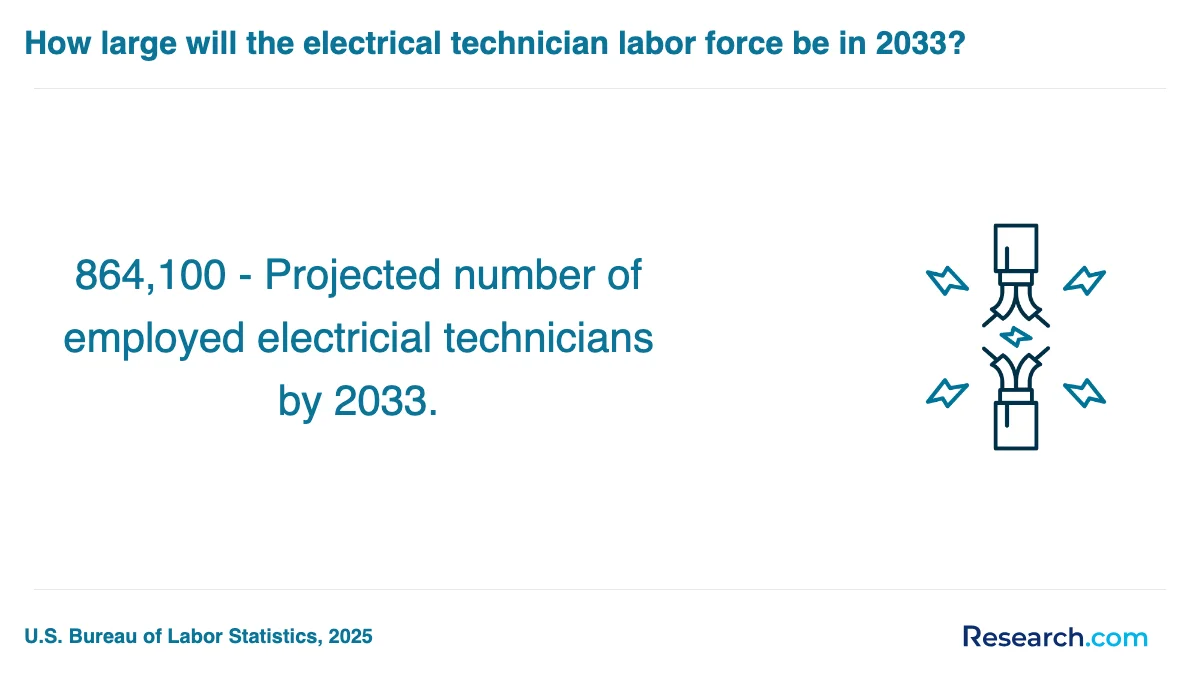
Electrician trade school programs in Grand Island typically include a core set of courses that equip students with essential theoretical knowledge and practical skills. Graduates from popular local trade schools often highlight the value of starting with electrical theory, which covers key concepts such as direct and alternating current, basic circuitry, and electrical mathematics. These foundational courses enable students to confidently troubleshoot and design electrical systems.
Blueprint reading is another crucial course, teaching students to interpret electrical plans accurately-a skill graduates say is indispensable when installing wiring and components according to code.
Hands-on training involves:
- Running and connecting wiring
- Inspecting and replacing faulty parts
- Ensuring compliance with the National Electrical Code (NEC) and local regulations
Safety courses on industrial procedures and workplace protocols also play a vital role, helping students develop a strong safety mindset crucial for real-world job sites.
Advanced students often take specialized classes such as motor controls, transformers, and rotating machinery-key for industrial and construction roles. Trade school labs provide immersive experiences where graduates apply classroom lessons to practical challenges, fostering confidence and readiness for electrical careers in Grand Island.
Electrician program specializations in Grand Island typically include focused pathways designed for practical career readiness as evidenced by graduates of Central Community College's Electrical Technology program. Students often choose from construction electrician, industrial electrician, electrical motor service, equipment sales and estimating, or controls and automation, each catering to dynamic local industry needs.
- Construction Electrician: Graduates recount hands-on experience in residential and commercial wiring, blueprint reading, and code adherence, preparing them for roles in new builds and renovations that are in steady demand.
- Industrial Electrician: This specialization equips students with skills in motors, controls, and programmable logic controllers (PLCs), essential for factory environments, with alumni praising its relevance in manufacturing sectors.
- Electrical Motor Service Person: Many who pursued this track highlight their confidence in motor repair and diagnostics, critical in both commercial and industrial contexts.
- Equipment Sales and Electrical Estimating: For those oriented towards business, the program builds expertise in component knowledge and cost assessment, helping graduates thrive in competitive markets.
- Controls and Automation: Emerging technologies and smart systems dominate this area, which students find exciting and future-proof.
Students can select from certificate, diploma, and associate degree options to align their education with personal goals and time availability, reflecting the flexible electrical technology diploma options Grand Island offers. This adaptability supports varied career paths while meeting regional workforce demands effectively.
Graduates frequently share stories about transitioning smoothly into apprenticeships, mandatory for Nebraska licensure, solidifying foundational knowledge into real-world competence. For those considering the duration of comprehensive training, insights into how many years is electrical engineering can complement their planning process.
Choosing the best electrician trade schools in Grand Island requires evaluating several critical factors that graduates frequently highlight. Accreditation stands out as essential; programs like Central Community College offer recognized credentials that assure employers and licensing boards of quality education. Many electrician training programs in Grand Island emphasize a balance of theory and hands-on experience, with real-world lab work and apprenticeship opportunities that former students praise for boosting confidence and skill readiness. Licensing exam preparation is another key metric, as successful graduates often attribute their exam pass rates to schools that integrate state-specific code training and dedicated test preparation. Additionally, considering program duration and flexibility ensures alignment with personal schedules, a common concern among working students. Financial aspects, including tuition costs and aid, play a decisive role, and exploring options like cheap online electrician training may provide valuable alternatives. Selecting a program with strong employer ties typically improves job placement, an outcome many graduates report with satisfaction.

Electrician trade school graduates in Grand Island have access to a variety of electrician jobs in Grand Island NE, spanning residential, commercial, and industrial sectors. Many graduates start as Apprentice Electricians, gaining hands-on experience installing and maintaining electrical systems before progressing to Journeyperson Electrician roles. This step is crucial as it leads to independent work and higher earnings. Popular trade schools in Grand Island prepare students effectively for apprenticeships by emphasizing technical skills and safety compliance.
Experienced graduates often pursue supervisory positions such as Electrical General Foreman or specialize in fields like Industrial Electrician or Electro-Mechanical Technician, especially in local manufacturing plants. Others explore electrical technician careers in Grand Island, including roles as Electrical and Instrumentation Technicians, maintaining sophisticated control systems.
Some graduates choose utility company pathways, starting as Lineworker Apprentices and advancing to First Class Lineworkers, with competitive wages of $32.11 to $51.76 per hour. Success stories from local trade schools highlight the importance of communication skills and passing background checks. For flexible education options, many turn to affordable online maintenance technician programs to complement their training.
The current electrician job openings in Grand Island NE remain strong, with over 35 positions reported by mid-2025. Graduates of popular trade schools in Grand Island often find themselves quickly employed, moving into roles such as apprentices, journeypersons, and even electrical foremen. Hands-on training is emphasized, matching employer demands for skills in reading schematics, installing systems, and troubleshooting technical issues. Many graduates share positive experiences about starting in entry-level jobs that offer manageable learning curves combined with opportunities to advance.
The Grand Island electrician employment outlook is encouraging, bolstered by ongoing infrastructure projects requiring skilled workers. Average wages hover around $20.75 per hour, but more specialized roles, such as Lineworker Apprentice/First Class, pay between $32.11 and $51.76 hourly, reflecting the value placed on experience and certifications. Benefits like health insurance and 401(k) matching add to the appeal.
Graduates from well-regarded trade schools often highlight the importance of securing certifications and continuous education to maximize earnings and job options. For those seeking to specialize quickly, programs offering the cheapest and fastest wind turbine tech certificate programs online complement local electrician training and can broaden career prospects within the energy sector.
Best Electrical Technician Training Programs & Trade Schools - Top Electrical Tech Schools in Grand Island for 2026
# 1 position
Central Community College - Electrician.
associateCentral Community College offers a hybrid Electrician program designed to prepare students to install, operate, maintain, and repair electric apparatus and systems in residential, commercial, and industrial settings. The curriculum includes instruction on electronics, wiring, power transmission, safety, job estimation, testing, inspection, and relevant codes. The program’s annual in-state tuition is $3,360, and it is accredited by the Higher Learning Commission.
# 2 position
Central Community College - Electrician.
certificate or diplomaCentral Community College offers a hybrid Electrician program that prepares students to install, operate, maintain, and repair electrical systems in residential, commercial, and industrial settings. The curriculum covers electronics principles, wiring, power transmission, safety, electrical testing, and applicable codes. The program is accredited by the Higher Learning Commission. Annual in-state tuition is $3,360, providing a cost-effective option for technical training in this field.
Frequently Asked Questions about electrician
After completing an electrician trade school in Grand Island, preparing for the job market involves several important steps. First, obtaining necessary licenses is crucial, as Nebraska requires electricians to be licensed for most professional work. Graduates should research local requirements through the Nebraska Department of Labor or the Nebraska State Electrical Division.
Next, gaining hands-on experience through apprenticeships or entry-level positions helps build practical skills employers seek. According to the U.S. Bureau of Labor Statistics, the demand for electricians in Nebraska is expected to grow by 8% through 2030, signaling strong job prospects.
Networking with local electrical contractors and attending job fairs in Grand Island can improve employment opportunities. Additionally, maintaining certifications such as OSHA safety training enhances a candidate's profile. Staying informed about industry standards and continuing education is also recommended for long-term career growth.
Employers in Grand Island value electrician trade school graduates who demonstrate strong technical skills, including proficiency in wiring, circuitry, and electrical code compliance. According to the U.S. Bureau of Labor Statistics, hands-on experience with electrical systems and safety practices is crucial for job readiness.
Problem-solving abilities and attention to detail are also highly sought after, as electricians must diagnose issues quickly and work precisely to avoid hazards. Communication skills are important for collaborating with contractors and clients effectively.
Trade schools in Grand Island often emphasize training on the National Electrical Code (NEC), which is a key requirement for employers. Additionally, familiarity with the latest tools and technology improves a graduate's employability in this evolving field.
Finding internships in Grand Island relevant to an electrician trade school program often begins with connecting to local electrical contractors and unions. The Nebraska State Electrical Division collaborates with many employers to offer apprenticeship opportunities that combine paid work experience with classroom instruction.
Students should also explore partnerships between their trade schools and area businesses. Many schools maintain relationships with companies in Grand Island's construction and utilities sectors, helping place students in internships that meet program requirements.
Additionally, job boards such as Nebraska Career Connections and local workforce centers list electrician internships specific to the Grand Island area. According to the U.S. Bureau of Labor Statistics, internships contribute significantly to skill development and job readiness in this trade.
Networking through trade associations like the International Brotherhood of Electrical Workers (IBEW) Local 325 can further enhance opportunities by providing access to union-sponsored apprenticeship programs and industry events in Grand Island.
Obtaining an electrician trade school diploma in Grand Island significantly improves career mobility and advancement opportunities. Graduates gain essential technical skills and certifications required by local employers, which increases their chances of securing apprenticeships and journeyman positions.
The Nebraska Department of Labor reports that electricians in the Grand Island area earn a median annual wage of approximately $55,000, higher than many other trade professions. This reflects the value employers place on formal training credentials.
Trade schools also prepare students for the National Electrical Code (NEC) certification and state licensing exams, which are often prerequisites for higher-level roles and specialized electrical work.
Career advancement is further supported by the practical experience and industry connections students develop during their diploma programs, facilitating entry into supervisory or contractor positions.
Students attending electrician trade schools in Grand Island can benefit from several part-time job opportunities that enhance their practical skills. Positions such as electrical helpers or apprentices with local contractors provide hands-on experience with wiring, installations, and safety protocols. These roles often pay between $12 and $18 per hour, according to Nebraska Department of Labor data. Additionally, retail jobs at hardware stores like Home Depot or Lowe's offer exposure to electrical tools and materials, helping students understand product specifications and customer needs.
Another option includes working in maintenance roles within local businesses, which allows students to apply theoretical knowledge in real-world settings. These part-time jobs help solidify classroom learning, making students more competitive in the job market upon graduation.
To find the best Electrician degree program near me, one approach is to research local community colleges and trade schools that offer electrician training. Near Grand Island, NE, programs may be available at institutions such as Central Community College, which provides relevant courses in electrical technology. Utilizing resources like Research.com can help you evaluate and compare these programs based on factors such as curriculum, faculty, and hands-on training opportunities.
- How Much Do Electricians Make: Electrician Salary Guide 2025 https://www.getjobber.com/academy/electrical/how-much-do-electricians-make/
- Electrician | Explore Careers | National Careers Service https://nationalcareers.service.gov.uk/job-profiles/electrician
- Electrician Salary Guide: How Much Do Electricians Earn? https://www.lincolntech.edu/news/skilled-trades/electrical/electrician-salary-guide-how-much-do-electricians-earn
- Average Electrician Salary (Annually & Hourly) | Faraday https://faradaycareers.com/careers/electrician-salary
- Electricians : Occupational Outlook Handbook: : U.S. Bureau of Labor Statistics https://www.bls.gov/ooh/construction-and-extraction/electricians.htm
- A Guide to Skilled Trades Apprenticeships and Internships | BestColleges https://www.bestcolleges.com/trades/guide-to-skilled-trades-apprenticeships-internships/
- Electrical Apprenticeships Near You | IECI https://ieci.org/apprenticeship/
- Opportunities For Students - O’Connell Electric https://www.oconnellelectric.com/careers/students/
- Should You Choose a Trade School or an Apprenticeship? Exploring the Electrical Training Path - InterCoast Colleges https://intercoast.edu/articles/trade-school-apprenticeship/
- Apprenticeship Finder | Apprenticeship.gov https://www.apprenticeship.gov/apprenticeship-job-finder


