
Best CNC Machinist Training Programs & Trade Schools - Top CNC Schools in Illinois for 2026

Co-Founder and Chief Data Scientist
Choosing the right CNC machinist trade school in Illinois can shape your future career in manufacturing and precision engineering. This article introduces a carefully crafted ranking of CNC machinist trade school programs developed by the Research.com team of data scientists to guide you through the best options available.
By exploring these top programs, you’ll discover valuable insights to help you make an informed decision. Earning a diploma or certification in this field opens doors to rewarding job opportunities and skill mastery. Take the first step toward a promising career with confidence.
Key benefits of finishing CNC machinist trade school in Illinois
- Graduates of CNC machinist trade schools in Illinois can expect an average salary of around $49,000 per year, with hourly wages ranging from $19.09 to $29.05 depending on location and experience.
- Career paths include roles in manufacturing, quality control, and machine operation, as shown by successful graduates from popular Illinois trade schools who quickly find rewarding jobs in local industries.
- Completing a CNC machinist trade school online offers flexibility and hands-on learning, as experienced by online graduates who balance work and study while gaining skills faster than with traditional degrees.
- Best CNC Machinist Training Programs & Trade Schools - Top CNC Schools in Illinois for 2026
- What can I expect from CNC machinist trade schools in Illinois?
- Where can I work after finishing CNC machinist trade schools in Illinois?
What can I expect from CNC machinist trade schools in Illinois?
Expect a hands-on, immersive experience from a CNC machinist trade school program in Illinois. Graduates from schools like Rock Valley College describe starting with practical skills such as blueprint reading and manual machining before advancing to programming CNC machines with G-code and CAM software. Classes often run Monday through Thursday, allowing students to balance learning with other responsibilities.
At John Wood Community College, students dive into technical math and CAD drafting, then apply those skills to real-world CNC milling and turning projects. This approach builds confidence through doing, not just watching.
Southwestern Illinois College's certificate program emphasizes working on industry-standard HAAS machines, giving students a feel for the equipment they'll use on the job. Elgin Community College takes it further with multi-axis machining and automation programming, preparing students for complex manufacturing environments.
Overall, students can expect a curriculum that blends theory with practice, preparing them for roles as machinists, programmers, or operators in Illinois's advanced manufacturing sector.
Where can I work after finishing CNC machinist trade schools in Illinois?
Graduates of CNC machinist trade schools in Illinois often find strong job prospects immediately after completing their programs. Many secure positions in precision machine shops that produce custom parts for industries like aerospace and automotive. This hands-on experience from schools such as the Illinois Institute of Technology or Lincoln Tech prepares students to confidently operate CNC mills or lathes right away.
Some graduates quickly land roles as CNC operators or programmers at manufacturing firms around Chicago, Rockford, or Peoria, where the demand for skilled machinists remains consistently high. Working at companies like Pedco or Sterling Engineering is common, offering the chance to apply skills learned in trade school to real-world production challenges.
Others find satisfying careers in job shops or tool and die making, enjoying the variety of tasks and steady pay. Entry-level wages ranging from $19 to $40 per hour reflect the value employers place on practical training. Many graduates appreciate the direct path from their Illinois trade school to a rewarding career in manufacturing.
After finishing a CNC machinist trade school program in Illinois, graduates typically start earning between $19 and $27 per hour. For example, those coming from well-known trade schools around Chicago have reported starting near the lower end but quickly moved up to around $25 per hour within their first year on the job.
In Chicago, where manufacturing is a key industry, the average wage is about $23.18 per hour, but it's not unusual for skilled machinists to earn between $24 and $31, especially if they pick up specialized skills or take on extra responsibilities. Graduates often share that landing a job with a $24 hourly rate felt like a solid stepping stone, giving them confidence to grow their careers.
Statewide, the average CNC machinist wage is $26.98 per hour, translating to roughly $56,000 annually for full-time work. This is noticeably higher than CNC operators, who earn around $22.70 per hour, showing the value of completing a trade program and mastering CNC machining.
- CNC machinist programs in Illinois require a high school diploma or GED for enrollment.
- Programs are offered at community colleges and technical schools, often accredited by the National Institute for Metalworking Skills (NIMS).
- Training focuses on hands-on experience with CNC machines, blueprint reading, shop safety, and CAM software.
- Certificate programs typically require 16 to 21 credits and can be completed in one year or less.
- Tuition ranges from $11,500 to $14,500, with financial aid and apprenticeships commonly available.
- Entry-level CNC machinists earn $39,000 to $45,000 annually, while experienced workers can make $55,000 to $65,000 per year.
In Illinois, completing a CNC machinist trade school program typically takes between 9 months and 1 year. Many students attending well-known technical schools in the state find this timeframe both manageable and efficient for gaining hands-on skills and theoretical knowledge. Graduates often share how the structured schedule allowed them to balance part-time work while advancing their training, which made the experience feel practical and motivating.
For instance, a graduate from a popular Chicago-area trade school described how the intensive 12-month program rapidly built their confidence on CNC machines, preparing them for entry-level positions much faster than traditional college routes. The focused curriculum usually includes coursework on blueprint reading, machine setup, and computer programming, all designed to get students into the workforce promptly.
Many students appreciate that these programs are tailored for quick, immersive learning, enabling them to start earning a steady paycheck within a year. This approach resonates strongly with those who want to avoid prolonged schooling and jump straight into a skilled trade with solid demand in Illinois industries.
The main difference between online and on-campus CNC machinist trade school programs in Illinois is how hands-on training is delivered. On-campus programs at places like Richard J. Daley College and Rock Valley College immerse students directly in machine shops where they operate CNC mills and lathes daily. Graduates often recall the confidence gained from immediate instructor feedback and working side-by-side with peers, making complex skills like blueprint reading and safety protocols feel natural.
Online or hybrid programs, such as those at the College of Lake County, offer flexibility by letting students complete theory-heavy classes like G-code programming remotely. However, Illinois students quickly learn that the tactile experience-like physically setting up a CNC machine-still requires attending labs on campus or approved sites. This blend suits those balancing work or family, but graduates emphasize that in-person practice is crucial for mastering real-world machining, especially to meet certification standards like NIMS.
The average cost CNC machinist programs Illinois students consider varies significantly depending on the institution and program type. For example, graduates from Richard J. Daley College in Chicago often reflect on tuition fees ranging from $11,520 to $14,430, which covers extensive hands-on training and technical classes. Meanwhile, those attending the College of Lake County in Waukegan experience tuition between $9,842 and $13,118 for its Precision Machining Technology program, a cost many find reasonable given the skills and industry preparation they receive.
Many students appreciate that the CNC machinist trade school tuition fees Illinois require are often offset by additional financial assistance and scholarships, easing the burden of the total expense. A standout option comes from the Jane Addams Resource Corporation in Chicago, which provides a no-cost CNC machinist training program aimed at unemployed or low-income individuals, including vital certifications and job placement support. These real-life opportunities offer strong motivation and relief to those worried about upfront costs.
Graduates frequently emphasize the importance of budgeting beyond tuition because books, supplies, and fees can add to the total investment in their education. Exploring financial aid sources such as state grants and federal support, like the Workforce Equity Initiative Program (WEI) in Illinois, can be crucial steps. Prospective students aiming to maximize their return should also research pathways to secure a career in trade school highest paying jobs after completing their program.

CNC machinist trade school students in Illinois often rely on a mix of scholarships, grants, apprenticeships, and employer-sponsored programs to fund their education. For example, graduates from Rock Valley College have benefited from the Workforce Equity Initiative Program (WEI), which covers tuition and supplies while also providing career coaching and help with transportation or child care-making it easier to juggle school and life.
Many students at Illinois Central College and College of Lake County experience the advantage of apprenticeships, where they earn wages while learning on the job. These "earn and learn" programs often cover tuition and books through employer partnerships, removing financial stress and allowing students to focus on their skills.
Private scholarships like those from the Gene Haas Foundation also support Illinois CNC students, especially those at Illinois Central College. Numerous schools, including Symbol Training Institute in Chicago, offer additional scholarships and grants, so students are encouraged to reach out to admissions for personalized financial aid guidance.
To enroll in a CNC machinist trade school program in Illinois, applicants typically need a high school diploma or GED. This baseline ensures you have the foundational skills in math and reading, essential for understanding blueprints and machine operation.
Many trade schools in Illinois, such as those in Chicago and Springfield, also recommend or require:
- Basic proficiency in math, especially in fractions, decimals, and geometry
- Good hand-eye coordination and mechanical aptitude
- Ability to follow safety protocols strictly
- Some schools might ask for a background check or drug screening
Graduates often recall starting with little experience but found that schools provided hands-on training to build confidence quickly. For example, a graduate from a well-known Chicago trade school shared how mastering measurements and machine setups early made the rest of the course feel approachable and rewarding.
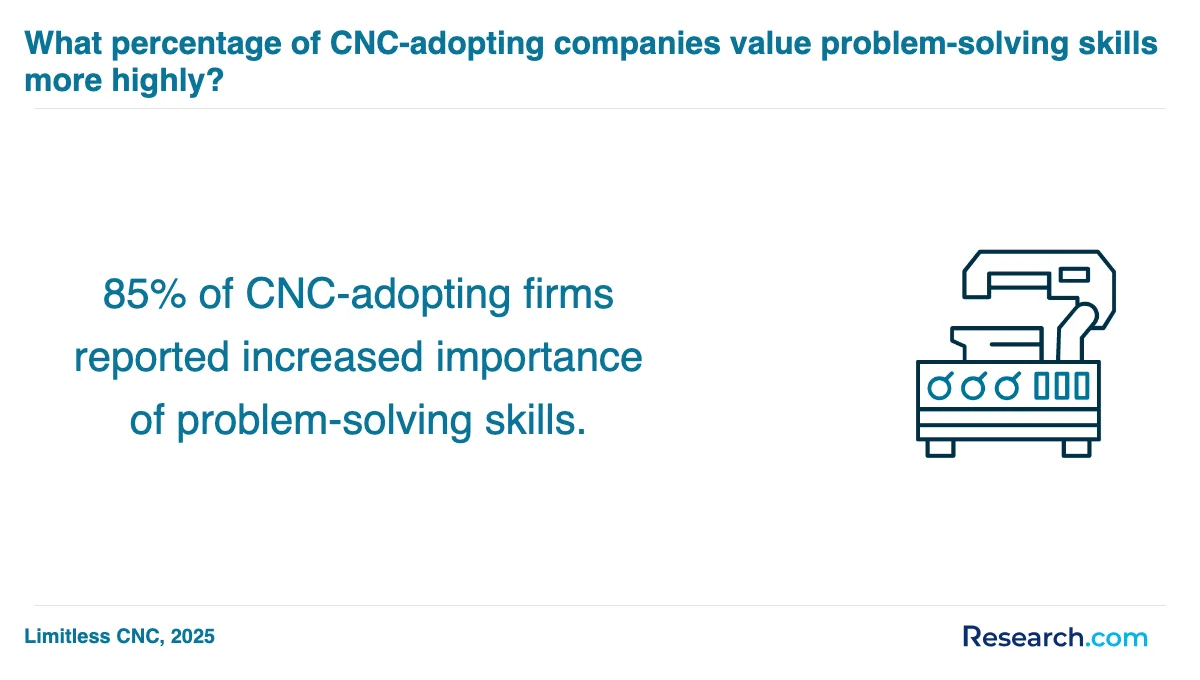
Being prepared for physical tasks and having a mindset geared toward problem-solving can help you thrive. Schools emphasize practical skills, so showing enthusiasm and willingness to learn can sometimes weigh as much as formal prerequisites.
Courses in CNC machinist trade school programs in Illinois focus on practical skills and essential knowledge to prepare students for real-world machining roles. Graduates from schools like Rock Valley College and John Wood Community College often highlight foundational classes such as blueprint reading, shop safety, and technical mathematics. These courses build confidence by teaching students how to interpret detailed technical drawings and perform precise calculations needed on the shop floor.
Hands-on experience is a crucial part of the curriculum. Early training usually involves manual machining operations-working on milling and turning machines manually-to establish a strong grasp of machining basics. For instance, students at McHenry County College and Southwestern Illinois College recall the value of direct interaction with CNC lathes and mills, learning setup, operation, and precision measuring tools in realistic lab environments.
Advanced courses dive into CNC programming and operation, including:
- Writing and interpreting G-Code
- Using CAM software for manufacturing
- Setting up three-axis mills and two-axis lathes
Southwestern Illinois College offers classes like "Introduction to CNC Operations" and "CNC Milling," while Elgin Community College covers complex topics such as M- and G-Code programming and probe system integration. Graduates appreciate these programs for teaching skills directly applicable to industry demands.
Quality assurance and continuous improvement are also emphasized, with some programs including manufacturing maintenance and physical metallurgy to round out technical expertise. Certificates typically require 7.5 to 18 credits, allowing motivated students to complete training quickly and confidently enter the workforce as CNC operators or programmers.
Illinois CNC machinist training program options offer practical, focused specializations to match the demands of modern manufacturing. Graduates from Oakton College's Advanced CNC Certificate often share how diving deep into industrial robotics and PLC systems gave them a competitive edge for roles like CNC programmer and manufacturing cell supervisor. Meanwhile, the College of Lake County's CNC Operator Certificate equips students in just one semester with essential skills for operating manual mills, lathes, and CNC machines, enabling smooth transitions into entry-level manufacturing jobs.
Elgin Community College tailors its CNC Programmer program toward hands-on troubleshooting and programming, suited for those who enjoy technical problem-solving and automation. Illinois Central College's comprehensive Machine Tool Technology program provides a two-year pathway combining CNC programming with model creation for CAM software, ideal for those targeting precision machinist and tool maker careers.
Typical student feedback highlights how the variety of CNC machinist program specializations in Illinois matches different career goals clearly and efficiently, supporting steady growth in the field. The practical, skill-focused nature of these programs shows why CNC machining ranks among the best paying trades that are easy to learn.
Choosing the best CNC machinist program in Illinois starts with checking program accreditation and industry recognition. Graduates from schools like College of Lake County and Illinois Central College often share how NIMS-accredited programs gave them confidence entering advanced manufacturing roles. These credentials matter because they align training with employer expectations, making job hunting smoother.
Next, compare CNC trade schools in Illinois by examining curriculum depth and flexibility. For example, Richard J. Daley College offers both certificate and associate degree options, which past students appreciated for fitting diverse career goals and busy schedules. Hands-on training is another must; graduates from Symbol Training Institute praise the real-world machine shop experience that made them job-ready.
Cost and financial aid options also impact decisions. Some find free programs like those at Jane Addams Resource Corporation invaluable for reducing debt. Don't overlook job placement support, as strong industry connections often lead to quicker employment. For a comprehensive look at affordable options, explore most affordable cnc machinist training programs online.

Graduates of CNC machinist trade school programs in Illinois find diverse career paths that match varying skill levels and interests. Many start in entry-level roles like CNC machine operator or rolling machine operator, gaining hands-on experience interpreting blueprints and operating precision machinery. Graduates from well-known trade schools in Chicago or Springfield often report quickly landing jobs with salaries around $45,000, which aligns with the steady demand shown by over 500 CNC machinist job openings statewide.
With added certifications such as those from NIMS, these graduates can advance to specialized positions including CNC programming jobs for trade school graduates in Illinois, where they write and optimize machine code, or to leadership roles like machinist shift leader managing workflow and teams. Some employers seek skills on advanced equipment like Mazak lathes, which graduates proficient in the latest trade school technologies handle confidently.
Beyond machining, career progression often leads to toolmaker or millwright roles or production supervisor positions overseeing manufacturing operations. For those aiming higher, some programs offer pathways to associate degrees-explore affordable options like cheapest online associate programs-opening doors to manufacturing engineering or industrial technology roles with strong growth potential.
The CNC machinist job demand in Illinois remains strong, with over 400 openings statewide as of early 2025, including 150 in manufacturing hubs like Rockford. Graduates from well-known Illinois trade schools often share how hands-on training and credentialing through programs aligned with industry standards, such as NIMS certification, have directly helped them secure roles as CNC machine operators or tool programmers. Employers in places like Decatur prioritize applicants with this practical background, appreciating skills in blueprint interpretation and safe machine operation.
Typical entry-level roles found by graduates include:
- CNC machine operator
- Turning and lathe machine setter
- Machinist
- CNC tool programmer
Regarding the Illinois CNC machinist salary outlook, wages range from $19 to $40 per hour, with average salaries around $45,177 annually in regions such as Peoria. These figures, combined with benefits like health insurance and retirement options, make pursuing training in Illinois trade schools a wise investment. For those considering flexible learning paths, exploring fast online associate degrees that lead to high paying jobs can also be valuable.
Best CNC Machinist Training Programs & Trade Schools - Top CNC Schools in Illinois for 2026
# 1 position
Lake Land College - Computer Numerically Controlled (CNC) Machinist Technology/CNC Machinist.
certificate or diplomaLake Land College offers a hybrid Computer Numerically Controlled (CNC) Machinist Technology program that trains students to operate CNC machine tools, including lathes and mills, for cutting, drilling, shaping, and finishing parts. The curriculum covers CNC setup, programming, blueprint reading, machining, CAD/CAM systems, and safety practices. The program’s annual in-state tuition is $4,280, and it is accredited by the Higher Learning Commission. Median earnings one year after completion are $27,808.
# 2 position
Wabash Valley College - Computer Numerically Controlled (CNC) Machinist Technology/CNC Machinist.
certificate or diplomaWabash Valley College offers a hybrid program in Computer Numerically Controlled (CNC) Machinist Technology/CNC Machinist. The curriculum covers CNC machine tool operation, programming, troubleshooting, blueprint reading, and technical mathematics. Students learn lathe and mill operations, CAD/CAM systems, shop safety, and equipment capabilities. The program is accredited by the Higher Learning Commission. Annual in-state tuition is $4,390.
# 3 position
William Rainey Harper College - Computer Numerically Controlled (CNC) Machinist Technology/CNC Machinist.
certificate or diplomaWilliam Rainey Harper College offers a hybrid Computer Numerically Controlled (CNC) Machinist Technology program that trains students to operate CNC machine tools like lathes and mills. The curriculum covers CNC programming, setup, troubleshooting, blueprint reading, machining, CAD/CAM systems, and safety practices. Annual in-state tuition is $3,822. The program is accredited by the Higher Learning Commission and includes instruction in technical mathematics and computer literacy.
# 4 position
Elgin Community College - Computer Numerically Controlled (CNC) Machinist Technology/CNC Machinist.
certificate or diplomaElgin Community College offers a hybrid Computer Numerically Controlled (CNC) Machinist Technology program that trains students to operate CNC machine tools, including lathes and mills. The curriculum covers CNC terminology, setup, programming, blueprint reading, machining, technical mathematics, CAD/CAM systems, and safety practices. The program’s annual in-state tuition is $3,180 and it is accredited by the Higher Learning Commission.
# 5 position
Illinois Valley Community College - Computer Numerically Controlled (CNC) Machinist Technology/CNC Machinist.
certificate or diplomaIllinois Valley Community College offers a hybrid Computer Numerically Controlled (CNC) Machinist Technology program that trains students to operate CNC machine tools for cutting, drilling, shaping, and finishing products. The curriculum covers CNC programming, setup, blueprint reading, technical math, CAD/CAM systems, and shop safety. The program’s annual in-state tuition is $4,060 and it is accredited by the Higher Learning Commission.
# 6 position
College of Lake County - Computer Numerically Controlled (CNC) Machinist Technology/CNC Machinist.
associateThe Computer Numerically Controlled (CNC) Machinist Technology program at College of Lake County offers hybrid learning to prepare students in operating CNC machine tools, including lathes and mills. The curriculum covers CNC programming, setup, operations, blueprint reading, technical math, CAD/CAM systems, and safety practices. The program’s annual in-state tuition is $4,494 and it is accredited by the Higher Learning Commission.
# 7 position
College of Lake County - Computer Numerically Controlled (CNC) Machinist Technology/CNC Machinist.
certificate or diplomaThe Computer Numerically Controlled (CNC) Machinist Technology/CNC Machinist program at College of Lake County prepares students to operate CNC machine tools including lathes and mills. Instruction covers CNC setup, programming, troubleshooting, blueprint reading, machining, technical math, CAD/CAM systems, and safety practices. The hybrid program offers some distance education options. Annual in-state tuition is $4,494. The program is accredited by the Higher Learning Commission.
# 8 position
Richland Community College - Computer Numerically Controlled (CNC) Machinist Technology/CNC Machinist.
certificate or diplomaRichland Community College offers a hybrid program in Computer Numerically Controlled (CNC) Machinist Technology, preparing students to operate CNC machine tools for cutting, drilling, shaping, and finishing products. The curriculum covers CNC terminology, setup, programming, blueprint reading, machining, lathe and mill operations, technical math, computer literacy, CAD/CAM systems, shop and safety practices, and relevant regulations. Annual in-state tuition is $4,590, and the program is accredited by the Higher Learning Commission.
# 9 position
Stautzenberger College-Rockford Career College - Computer Numerically Controlled (CNC) Machinist Technology/CNC Machinist.
certificate or diplomaThe Computer Numerically Controlled (CNC) Machinist Technology program at Stautzenberger College-Rockford Career College prepares students to operate CNC machine tools, including lathes and mills. The hybrid program covers CNC programming, setup, operations, blueprint reading, technical math, CAD/CAM systems, and safety practices. Annual in-state tuition is $16,699. Graduates have median earnings of $30,807 one year after completion. The program is accredited by the Accrediting Commission of Career Schools and Colleges.
# 10 position
City Colleges of Chicago-Wilbur Wright College - Computer Numerically Controlled (CNC) Machinist Technology/CNC Machinist.
certificate or diplomaThe Computer Numerically Controlled (CNC) Machinist Technology program at City Colleges of Chicago-Wilbur Wright College offers a hybrid format with some distance education options. It trains students to operate CNC machine tools, including lathes and mills, covering setup, programming, operations, and troubleshooting. Instruction includes blueprint reading, technical mathematics, CAD/CAM systems, and safety practices. The program’s annual in-state tuition is $4,380 and it is accredited by the Higher Learning Commission.
Frequently Asked Questions about CNC machinist
After completing a CNC machinist trade school in Illinois, preparing for the job market involves several key steps. First, obtaining industry-recognized certifications, such as those from the National Institute for Metalworking Skills (NIMS), can significantly enhance employability. According to the Illinois Department of Employment Security, CNC machinist positions are expected to grow by 6% through 2030, highlighting steady demand.
Networking is also crucial. Attending local industry events and joining professional groups, like the Illinois Manufacturing Association, connects graduates with employers. Additionally, gaining hands-on experience through internships or apprenticeships offered during or after schooling improves practical skills valued by Illinois manufacturers.
Finally, tailoring resumes to highlight technical skills and relevant software proficiency, such as CAD/CAM, increases chances of securing interviews in this competitive field.
Employers in Illinois seek CNC machinist trade school graduates with a strong foundation in precision machining and an understanding of computer numerical control programming. Key skills include the ability to read and interpret technical drawings accurately, which is essential for producing parts that meet exact specifications.
Proficiency in CAD/CAM software is increasingly important, as many manufacturers rely on digital tools to design and control machining processes. According to the Illinois Department of Employment Security, machinists with programming skills earn up to 15% higher wages than those without.
Problem-solving abilities and attention to detail are critical, since CNC machinists must troubleshoot machines and maintain quality standards consistently. Employers also value graduates who demonstrate knowledge of safety protocols and can work efficiently under production deadlines.
Finding internships in Illinois relevant to CNC machinist trade school programs involves several key steps. Start by connecting with your trade school's career services office, as many schools maintain partnerships with local manufacturers and machine shops offering internships. According to the Illinois Department of Employment Security, manufacturing internships in Illinois have grown by 5% annually, reflecting strong industry demand.
Additionally, explore online job boards like the Illinois workNet, which lists numerous CNC machinist internships specifically in Illinois. Networking through local trade associations, such as the Illinois Manufacturers' Association, can also uncover hidden opportunities.
Contacting employers directly and attending industry job fairs in cities like Chicago and Rockford can increase your chances of securing an internship.
Obtaining a CNC machinist trade school diploma in Illinois significantly enhances career mobility and advancement opportunities. According to the Illinois Department of Employment Security, skilled CNC machinists with formal training experience faster job placement and higher starting wages compared to those without diplomas.
Trade schools offer hands-on experience with industry-standard machinery, which employers highly value. Graduates often qualify for specialized roles in manufacturing, aerospace, and automotive sectors, where demand for CNC skills remains strong.
Additionally, a diploma can lead to certifications such as the National Institute for Metalworking Skills (NIMS), further boosting professional credibility and promotion prospects within Illinois's competitive job market.
Students enrolled in CNC machinist trade schools in Illinois can benefit from part-time jobs that provide practical experience and industry connections. Common opportunities include roles as machine operators, tool setters, or production assistants in local manufacturing facilities. These positions help students apply their classroom knowledge to real-world settings, enhancing their skillset.
The Illinois Department of Employment Security reports that manufacturing remains a strong sector, with over 500,000 jobs statewide, many requiring CNC skills. Part-time work in these environments often offers flexible hours suitable for students.
Additionally, internships or apprenticeships with Illinois-based companies can complement education, offering exposure to advanced machinery and quality control processes.
Yes, there are CNC Machinist degree programs available near Illinois, offering comprehensive training and certification in computer numerical control (CNC) machining. Many community colleges and technical institutes across the state provide these programs, focusing on both theoretical knowledge and practical skills relevant to the industry. For a detailed list of specific institutions offering CNC Machinist programs near you, Research.com can be a helpful resource.
- Best CNC Machinist Training Programs & Trade Schools - Top CNC Schools in Indiana for 2026
- Best CNC Machinist Training Programs & Trade Schools - Top CNC Schools in Wisconsin for 2026
- Best CNC Machinist Training Programs & Trade Schools - Top CNC Schools in Iowa for 2026
- Best CNC Machinist Training Programs & Trade Schools - Top CNC Schools in Michigan for 2026
- Best CNC Machinist Training Programs & Trade Schools - Top CNC Schools in Minnesota for 2026
- Best CNC Machinist Training Programs & Trade Schools - Top CNC Schools in Ohio for 2026
- Best CNC Machinist Training Programs & Trade Schools - Top CNC Schools in Tennessee for 2026
- Best CNC Machinist Training Programs & Trade Schools - Top CNC Schools in Oklahoma for 2026
- Best CNC Machinist Training Programs & Trade Schools - Top CNC Schools in Alabama for 2026
- Best CNC Machinist Training Programs & Trade Schools - Top CNC Schools in Georgia for 2026
- How to Become a CNC Machinist https://www.uti.edu/blog/cnc/how-to-become-a-cnc-machinist
- CNC Machinist | Minneapolis Community & Technical College https://minneapolis.edu/academics/school-trade-technologies/cnc-machinist
- How to Become a CNC Machinist https://www.datron.com/resources/blog/how-to-become-a-cnc-machinist/
- How to Become a CNC Machinist in CT | Goodwin College https://www.goodwin.edu/enews/how-to-become-a-cnc-machinist/
- CNC Machinist Technician | NAIT https://www.nait.ca/programs/cnc-machinist
- CNC Machinist Technician | Ogden-Weber Technical College https://www.otech.edu/cnc-machinist-technician/
- CNC Machinist Technician : RRC Polytech: Program Explorer https://www.rrc.ca/explore/program/cnc-machinist-technician/
- CNC Operator - What Do They Do and How Much Do They Earn? https://en.antal.pl/insights/article/cnc-operator-what-do-they-do-and-how-much-do-they-earn
- CNC machinist | Explore Careers | National Careers Service https://nationalcareers.service.gov.uk/job-profiles/cnc-machinist
- CNC Machinist - Salary, How to Become, Job Description & Best Schools https://www.onlinedegree.com/careers/manufacturing/cnc-machinist/


