Most Affordable Automotive Technician Schools, Colleges & Trade Certification Training Programs in Wilson for 2026

Co-Founder and Chief Data Scientist
Choosing the right automotive technician trade school in Wilson can feel overwhelming. This article aims to simplify that decision by featuring an automotive technician trade school programs ranking created by the Research.com team of data scientists.
By exploring this ranking, you’ll discover affordable options that offer quality education and valuable hands-on experience. Earning a diploma or certification can open doors to a rewarding career in automotive technology.
Whether you’re just starting out or looking to advance your skills, this guide helps you make an informed, confident choice for your future.
Key benefits of finishing automotive technician trade school in Wilson
- Graduates in Wilson can expect an hourly wage between $24.20 and $24.52, leading to an annual salary around $47,000 to $49,000, with opportunities for overtime boosting earnings further.
- Career paths include working at local shops like Firestone Complete Auto Care, dealerships, or specializing in areas such as diagnostics and repair, offering varied and rewarding job options.
- Completing automotive technician training online offers flexibility and faster completion times, allowing graduates to start earning sooner while balancing personal commitments effectively.
- Most Affordable Automotive Technician Schools, Colleges & Trade Certification Training Programs in Wilson for 2026
- What can I expect from automotive technician trade schools in Wilson?
- Where can I work after finishing automotive technician trade schools in Wilson?
What can I expect from automotive technician trade schools in Wilson?
In Wilson, automotive technician trade school programs typically last about one year for certificates and around two years for associate degrees. Graduates often share how the combination of classroom learning and hands-on lab work helped them confidently diagnose and repair real vehicles, covering everything from engines to climate control systems.
Expect to work closely with ASE/NATEF Certified instructors who emphasize practical skills like engine overhaul and computerized controls. Many students mention the importance of safety gear, such as work shoes and goggles, during lab sessions, which creates a professional and secure learning environment.
Local schools frequently partner with area dealerships, offering work-based learning like job shadowing and paid work-study through programs such as Automotive Youth Educational Systems (AYES). Graduates find these opportunities invaluable for gaining real-world experience and often secure employment directly through these connections.
Most students appreciate that upon completing their training, they're well-prepared to take the ASE Certification exam, a key step for enhancing job prospects in North Carolina's automotive industry.
Where can I work after finishing automotive technician trade schools in Wilson?
After completing an automotive technician trade school program in Wilson, graduates find themselves stepping into a strong job market with many options. Local employers frequently seek skilled technicians for roles such as Automotive Technician, Diesel Mechanic, and Heavy Equipment Mechanic. Graduates from popular Wilson trade schools often share how they quickly secured positions at car dealerships, independent repair shops, or national service centers like Bridgestone, which value the hands-on training these programs provide.
Many graduates describe the satisfaction of working in diverse environments-from busy dealership service bays to mobile mechanic services that bring repairs directly to customers. These opportunities offer competitive pay, typically ranging from $18 to $31 per hour, and benefits like health insurance and 401(k) plans. The demand remains consistently high, with more than 300 local automotive jobs posted regularly, making it encouraging for newcomers ready to start their careers.
Graduates appreciate the clear pathways for advancement and ongoing training, which help them build confidence and stability in their work. For those studying in Wilson, the region's vibrant automotive sector ensures that the skills learned are immediately valuable and in demand.
After finishing an automotive technician trade school program in Wilson, graduates typically earn between $24.29 and $24.52 per hour. This hourly wage translates to an annual salary of about $47,630 to $49,079 when working full time, which aligns closely with national averages. Many graduates from popular local trade schools share how this starting pay helped them quickly cover living expenses while gaining valuable hands-on experience.
Entry-level technicians, often titled Automotive Mechanic I, usually start near $36,301 annually, with potential to earn up to $60,967 as they gain experience and certifications. It's common for technicians at larger dealerships or service centers in Wilson to report slightly higher starting salaries than those at smaller shops.
Overtime is another way to boost income, with some technicians earning an extra $5,000 yearly. Graduates often find this flexibility rewarding, allowing them to increase their earnings while developing their skills in real-world settings.
Overall, earnings after trade school in Wilson offer a solid foundation, making it a practical choice for those looking to enter the automotive field with confidence.
- Programs typically take one year for a certificate or diploma and two years for an associate degree.
- Training covers diagnostics, repair, and service of modern automotive systems using industry-standard tools.
- Graduates are prepared for ASE certification exams, which improve job prospects significantly.
- Tuition at Wilson Community College is usually under $2,500 per year for in-state students, with total costs around $3,000 to $6,000 including supplies.
- Starting salaries range from $35,000 to $38,000 per year, with experienced technicians earning $45,000 to $55,000 or more.
- Job placement rates for graduates are often above 80%, with strong demand from local dealerships and repair shops.
Completing an automotive technician trade school program in Wilson typically takes about 12 to 18 months, depending on the school and course intensity. Many graduates from well-known trade schools in Wilson share that this timeframe feels just right to balance hands-on learning with classroom theory, helping them gain confidence quickly.
For example, students often describe their experience as a fast-paced but rewarding journey. They start by mastering basic engine diagnostics and then move on to complex repair techniques, all within a year or slightly more. This structure allows them to enter the workforce swiftly without sacrificing the quality of their training.
One graduate recalled how the practical workshops felt like real shop environments, making the transition to actual mechanic jobs smoother. The focused schedule means students can plan their education and career moves pragmatically, avoiding prolonged schooling without rushing through essential skills.
In Wilson, automotive technician programs are designed to fit busy lifestyles while delivering industry-relevant skills efficiently, making the 12-to-18-month commitment a smart and achievable goal for most aspiring technicians.
The key difference between online and on-campus automotive technician trade school programs in Wilson lies in hands-on training. Graduates from Wilson Community College often recall the value of working directly with vehicles in specialized labs, diagnosing and repairing real brake systems, drivetrains, and engines. This in-person experience builds confidence and skills that employers actively seek.
Online programs offer flexibility by delivering lectures and assignments remotely, which suits those balancing jobs or family life. However, students quickly find that without physical access to tools and vehicles, mastering practical skills becomes challenging. No fully online program in Wilson currently meets North Carolina's hands-on training standards, so many rely on hybrid models requiring some on-campus lab sessions.
For those serious about becoming proficient automotive technicians, the blend of direct supervision and real-world practice available through on-campus programs at Wilson's technical schools provides a meaningful, motivating learning environment that online options can't fully replicate.
The average tuition for automotive technician programs in Wilson typically varies depending on the length and type of course. At well-known trade schools like Wilson Community College, short-term training courses can cost $70 for programs lasting 1 to 24 hours, while longer courses of 51 or more hours run around $180. Graduates often share that while these fees are manageable, additional expenses such as a $5 technology fee and a $15 security/parking fee per semester should also be budgeted when planning your education path.
Many students find this pricing structure practical, allowing them to gain hands-on skills without overwhelming tuition debt. For example, graduates who invested in comprehensive programs noted that the reasonable fees paired with quality instruction made the financial commitment feel worthwhile as they started their careers as service technicians. When considering the cost of automotive trade school diplomas in Wilson, it's helpful to envision yourself paying these fees alongside gaining expertise in brake systems, engine repair, and transmission work, all of which are essential in today's job market.
For those weighing options about advanced education, exploring whether can you get a bachelor's degree in automotive technology might influence long-term planning and financial decisions.

Automotive technician students in Wilson commonly secure financial aid through federal programs like FAFSA, which opens doors to Pell Grants, federal loans, and work-study jobs. For example, graduates from Wilson Community College often share how federal work-study helped them earn while learning, easing the stress of balancing bills with classes.
In-house loans from Wilson Community College provide another lifeline, especially for those who don't qualify for federal aid or need extra support. These loans come with flexible payment plans, making tuition more manageable.
Scholarships are also a key resource. Many students pursuing automotive systems technology at Wilson Community College benefit from scholarships awarded by the college foundation or specific program scholarships available to second-year students, which many alumni have credited for reducing their financial burden.
Veterans studying automotive technology in Wilson tap into veterans services that guide them through GI Bill® benefits and tuition assistance, which past students have found invaluable.
During emergencies like the COVID-19 pandemic, CARES Act grants provided timely relief for expenses beyond tuition, such as housing and food, helping students stay on track.
Contacting the financial aid office at Wilson Community College is a practical first step to understanding eligibility and deadlines, a strategy that many successful graduates recommend to new students.
To enroll in an automotive technician trade school program in Wilson, you'll typically need a high school diploma or GED. This basic educational foundation ensures you have the essential math and reading skills required to grasp technical concepts effectively.
Many Wilson trade schools also expect applicants to demonstrate a genuine interest in automotive work, which can be shown through prior hands-on experience or a basic understanding of vehicle mechanics. Graduates often mention how volunteering at local repair shops or tinkering with cars at home gave them a confidence boost before starting classes.
- Proof of a high school diploma or GED
- Basic math and reading proficiency
- Some schools may require a placement test or interview
- Prior mechanical experience is a plus but not always mandatory
For example, students at popular Wilson programs find that preparing by watching online tutorials or shadowing a technician makes the transition smoother and more rewarding. This hands-on preparation often sparks excitement and motivation, key to powering through the program's challenges.

Automotive technician trade school programs in Wilson focus on practical skills and essential automotive knowledge. Graduates from local schools often highlight hands-on courses like brake systems, electrical systems, engine repair, and engine performance as key to their confidence in the shop.
Core courses typically include:
- Brake Systems and Brake Systems Lab
- Electrical Systems and Advanced Auto Electricity
- Engine Repair and Engine Performance I & II
- Suspension and Steering Systems with associated labs
- Automatic and Manual Transmissions and Drive Trains
- Heating and Air Conditioning Systems (transportation climate control)
Many students at popular Wilson schools also appreciate courses in auto shop management, which prepare them for leadership roles beyond technical work.
In addition, general education classes such as communication, algebra, and social sciences help graduates communicate effectively and think critically on the job.
Specialized topics like environmental regulations and sustainable transportation keep students up to date with industry trends, making them ready for professional licensing exams and diverse automotive careers.
Automotive technician trade school programs in Wilson specialize in key areas that align with industry demands, giving students real-world skills. Graduates from popular trade schools like Wilson Community College often highlight the benefit of hands-on training in automotive systems technology programs in Wilson, covering brake systems, engine repair, electrical components, and transmissions. This practical focus ensures students feel confident tackling everyday vehicle issues right after certification.
Another valued specialization is alternative fuel vehicle technology, which prepares students for the growing market of eco-friendly vehicles. Graduates from these programs appreciate learning how to maintain and repair alternative fuel systems, a skill set increasingly sought by employers as the automotive landscape shifts.
Students also benefit from a collaborative learning environment through Wilson Academy of Applied Technology, which emphasizes job shadowing and internships. This approach strengthens occupational skills and connects students directly with local industry needs, a feature beloved by many who prefer clear career pathways.
Typical specializations include:
- Brake, suspension, and steering system repair
- Engine performance diagnostics and repair
- Automatic and manual transmission service
- Alternative fuel vehicle maintenance and repair
- Heating and air conditioning system servicing
Prospective students looking to explore programs beyond Wilson can consult resources like top trade schools online to compare offerings and gain a broader perspective on training options.
Start by verifying the program's accreditation and certifications; for instance, Wilson Community College's Automotive Systems Technology prepares students for ASE certification, a key credential valued by local employers. Graduates often share how hands-on training with real vehicles and electronic systems boosted their confidence and job readiness. To find the best automotive technician program in Wilson NC, prioritize programs offering a blend of classroom theory and practical experience, including partnerships with dealerships through initiatives like Automotive Youth Educational Systems (AYES), which many Wilson students praise for networking and paid work-study opportunities.
Compare automotive trade school costs in Wilson by examining tuition rates and financial aid options available at local schools. Many graduates highlight how affordable tuition combined with scholarships helped them avoid heavy debt while gaining valuable skills. Also, consider program length and flexibility-whether you need part-time or evening classes to fit your schedule. Finally, explore support services such as job placement assistance and resume workshops that graduates found crucial in landing their first technician roles.
For a clearer perspective on the benefits of trade school vs college, researching these factors will guide your decision effectively.
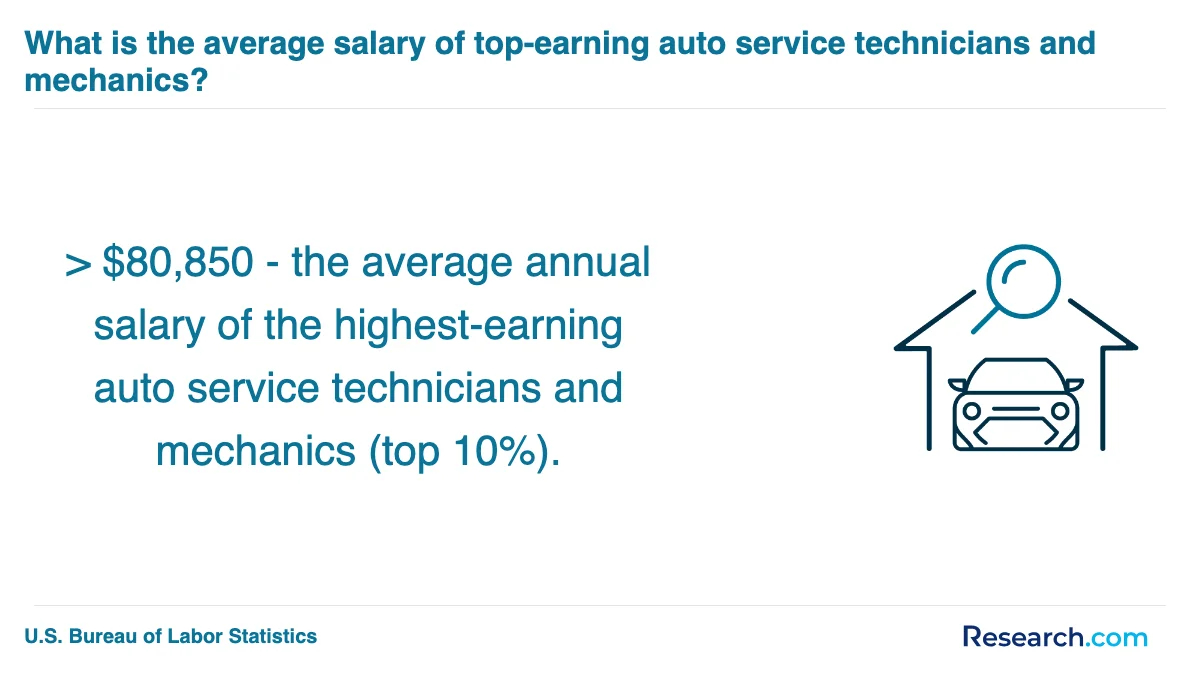
Graduates of automotive technician trade school programs in Wilson often start their careers as Automotive Technicians or Mechanics, where they apply hands-on skills to diagnose and repair everyday vehicle issues at local shops or dealerships. In Wilson, the automotive technician career opportunities in Wilson NC include specialized paths like Diesel Mechanic or Heavy Equipment Mechanic, which require further certification but open doors to working on trucks and construction machinery, reflecting local industry demand.
Many graduates from popular trade schools in Wilson report quickly finding roles due to over 100 job openings in the Wilson NC automotive technician job market, often with bonuses and strong benefits. Career progression is typical, with options such as:
- B-level or master technician roles involving leadership and advanced troubleshooting
- Service advisor or shop foreman positions that blend customer relations and shop oversight
- Roles in parts management, warranty administration, or automotive sales
For those eager to expand skills online before entering the workforce, exploring most affordable online mechanic programs can be an efficient way to prepare for these promising career routes in Wilson's automotive sector.
The demand for automotive technician jobs in Wilson NC is strong, with about 190 openings available across various specialties such as automotive, glass, and diesel technicians. Graduates from well-regarded local trade schools often find themselves quickly employed thanks to employers valuing hands-on skills and certifications. For example, many who complete programs at popular Wilson trade schools celebrate landing roles that provide not only competitive pay but also benefits like sign-on bonuses and paid training.
Wilson NC automotive technician salary and demand reflect a competitive market where senior technicians can earn between $18.00 and $30.46 per hour, highlighting the payoff for gaining experience and certification. Graduates have shared that employers often support ASE certification maintenance, which can include paid testing fees and bonuses, making it a wise investment during and after schooling.
New technicians report opportunities for on-the-job training and career growth in diverse settings-from dealerships to specialized diesel shops. With over 100 mechanic job listings recently, many find their skills in immediate demand. Those considering study options should explore automobile technician trade schools known in Wilson for preparing students effectively for this vibrant job market.
Most Affordable Automotive Technician Schools, Colleges & Trade Certification Training Programs in Wilson for 2026
# 1 position
Wilson Community College - Automobile/Automotive Mechanics Technology/Technician.
associateWilson Community College offers a hybrid program in Automobile/Automotive Mechanics Technology/Technician designed to prepare students with technical skills to repair, service, and maintain various automobile systems. The curriculum covers brake systems, electrical systems, engine performance and repair, suspension, steering, transmissions, drive trains, and HVAC systems. The program's annual in-state tuition is $2,572 and is accredited by the Southern Association of Colleges and Schools Commission on Colleges.
# 2 position
Wilson Community College - Automobile/Automotive Mechanics Technology/Technician.
certificate or diplomaWilson Community College offers a hybrid program in Automobile/Automotive Mechanics Technology/Technician that prepares students to repair, service, and maintain various automobiles. The curriculum includes brake systems, electrical systems, engine performance and repair, suspension and steering, transmissions, and heating and air conditioning systems. Annual in-state tuition is $2,572. The program is accredited by the Southern Association of Colleges and Schools Commission on Colleges.
Frequently Asked Questions about automotive technician
After completing an automotive technician trade school in Wilson, it is crucial to build a strong professional profile to enter the job market successfully. Many local employers prioritize candidates with up-to-date certifications, such as the National Institute for Automotive Service Excellence (ASE) credentials. According to the Bureau of Labor Statistics, ASE certification can increase job prospects and earning potential.
Networking within Wilson's automotive industry, including attending job fairs and connecting with local repair shops, helps graduates find opportunities. Additionally, gaining hands-on experience through internships or apprenticeships can improve practical skills and employability. Staying informed about emerging automotive technologies and continuing education is also recommended to remain competitive in this evolving field.
Employers in Wilson seeking graduates from automotive technician trade schools prioritize a mix of technical skills and practical experience. Proficiency in diagnosing and repairing modern vehicle systems, including computerized engine controls and hybrid technologies, is essential. According to the U.S. Bureau of Labor Statistics, automotive technicians with skills in electronic diagnostics are 20% more likely to secure employment.
Hands-on experience with tools and equipment, gained through internships or lab work, is highly valued. Additionally, strong problem-solving abilities and attention to detail are critical for identifying issues accurately and efficiently.
Communication skills also rank high, as technicians must explain repairs to customers clearly. Familiarity with safety protocols and industry regulations is expected to ensure workplace safety and compliance.
Finding internships in Wilson relevant to automotive technician trade school programs involves several practical steps. Start by contacting local trade schools or community colleges, as many have partnerships with area automotive shops and dealerships. The North Carolina Department of Commerce also offers resources about workforce development and internship opportunities in Wilson.
Networking is essential. Reaching out to local automotive repair shops, dealerships, and service centers directly can uncover hidden internship openings. In Wilson, many small businesses value hands-on experience and may offer internships to motivated students.
Online platforms like Indeed and local job boards often list internships specifically for automotive technician students. According to the U.S. Bureau of Labor Statistics, internships in automotive repair can increase job placement rates by up to 20%, highlighting their importance.
Obtaining an automotive technician trade school diploma in Wilson significantly enhances career mobility and advancement opportunities. According to the U.S. Bureau of Labor Statistics, automotive service technicians with formal training earn approximately 15% more on average than those without credentials. In Wilson, local dealerships and repair shops often prefer candidates with accredited diplomas, which demonstrates practical skills and knowledge.
Trade school graduates can access entry-level positions more easily and qualify for specialized roles such as diagnostics or hybrid vehicle repair. Additionally, a diploma can lead to certifications like ASE, further boosting employability. The Wilson workforce development board reports that diploma holders see faster job placement and higher retention rates in the local automotive industry.
Overall, a trade school diploma acts as a critical credential for upward mobility within Wilson's automotive sector, supporting both initial hiring and promotion prospects.
Students enrolled in automotive technician trade schools in Wilson can benefit from various part-time job opportunities that complement their education. Local auto repair shops and dealerships often hire part-time assistants or junior technicians, providing hands-on experience with vehicle diagnostics and repairs. According to the U.S. Bureau of Labor Statistics, automotive service technician roles in North Carolina are growing at an average rate of 5%, reflecting steady demand.
Additionally, positions in automotive parts stores allow students to learn about inventory management and vehicle components. Some students also find opportunities in tire shops or car wash services, gaining customer service skills relevant to the automotive field. These roles help reinforce classroom knowledge and build professional networks.
Yes, there are affordable Automotive Technician degree programs available near Wilson, NC, offered by local community colleges and technical institutions. These programs provide students with essential skills and knowledge in automotive repair and maintenance, often featuring flexible schedules and hands-on experience. Prospective students can use resources like Research.com to locate specific programs and institutions "near me" and compare their offerings based on factors like cost, course duration, and curriculum focus.
- How to Craft the Perfect Cover Letter After Auto Mechanic School https://www.autotrainingcentre.com/blog/craft-perfect-cover-letter-auto-mechanic-school/
- Sample Student Cover Letter – Automotive – Technical Writing for Technicians https://openoregon.pressbooks.pub/ctetechwriting/chapter/sample-student-cover-letter-for-automotive-weeks-9-10/
- Automotive Technician Cover Letter Examples | MyPerfectResume https://www.myperfectresume.com/cover-letter/examples/mechanics/automotive-technician
- Automotive Service Technician - Skilled Trades Ontario https://www.skilledtradesontario.ca/trade-information/automotive-service-technician/
- Automotive Service Technician https://www.sait.ca/apprenticeships-and-trades/programs/automotive-service-technician
- Automotive Technician : RRC Polytech: Program Explorer https://www.rrc.ca/explore/program/automotive-technician/
- Automotive Service Technician: School of Trades and Technology : Thompson Rivers University https://www.tru.ca/trades/trades-programs/automotive-service-technician.html
- Jobs You Can Only Get with an Automotive Technology Degree - Benjamin Franklin Cummings Institute of Technology https://franklincummings.edu/blog/automotive-technology/
- What Can You Do With An Auto Tech Degree? | MWCC https://mwcc.edu/blog/automotive-technology-faqs/
- What You Can Do With An Automotive Technology Degree 2021 https://www.neit.edu/blog/automotive-technology-degree