Most Affordable Automotive Technician Schools, Colleges & Trade Certification Training Programs in Puerto Rico for 2026

Co-Founder and Chief Data Scientist
Choosing the right automotive technician trade school in Puerto Rico can be overwhelming. This article simplifies that decision by presenting a ranking of the top programs, carefully created by the Research.com team of data scientists.
Whether you’re starting your career or looking to enhance your skills, earning a diploma or certification in automotive technology opens doors to rewarding job opportunities. Reading this guide will help you find affordable options that match your goals and budget.
Explore your future with confidence and take the first step toward a fulfilling career in automotive technology.
Key benefits of finishing automotive technician trade school in Puerto Rico
- Graduates of automotive technician trade schools in Puerto Rico can expect starting salaries around $16.70 per hour, with opportunities to earn up to $41,945 annually as they gain experience.
- Career paths include roles such as automotive technician, mechanic, or specialized technician, with many graduates from popular trade schools quickly finding rewarding jobs in local garages or dealerships.
- Completing an automotive technician program online offers flexibility and convenience, allowing students to learn at their own pace while preparing for hands-on work, as experienced by many successful online trade school graduates in Puerto Rico.
- Most Affordable Automotive Technician Schools, Colleges & Trade Certification Training Programs in Puerto Rico for 2026
- What can I expect from automotive technician trade schools in Puerto Rico?
- Where can I work after finishing automotive technician trade schools in Puerto Rico?
What can I expect from automotive technician trade schools in Puerto Rico?
Enrolling in an automotive technician trade school program in Puerto Rico means diving into a hands-on learning adventure where theory meets real-world experience. Imagine spending your days at places like Liceo de Arte y Tecnología in San Juan, where graduates talk about the excitement of mastering engine repair and brake systems in just 14 months. The blend of classroom lectures and lab sessions at schools such as Mech-Tech College in Caguas allows students to get their hands dirty on actual vehicles, sharpening skills that employers crave.
Expect to explore modern automotive electronics and diagnostic tools, sometimes with direct access to cutting-edge technology through partnerships with manufacturers. Many students find internships or apprenticeships at local dealerships, gaining paid, on-the-job experience that builds confidence and industry connections. Graduates from Colegio Mayor de Tecnología often share stories of a rigorous yet rewarding path, noting job placement rates as high as 87%, which makes the journey feel worth every challenge.
Ultimately, these programs prepare you for immediate entry-level roles in Puerto Rico's vibrant automotive service market and beyond, fueling your passion for cars with practical expertise and promising career opportunities.
Where can I work after finishing automotive technician trade schools in Puerto Rico?
After finishing an automotive technician trade school program in Puerto Rico, such as those offered at well-known institutions like Puerto Rico Technical College or the Automotive Technical Institute, graduates find themselves stepping into a vibrant job market full of exciting possibilities. Many start their careers in automotive repair shops or dealership service centers, where hands-on experience diagnosing and fixing vehicles becomes their daily adventure. Imagine the thrill of mastering complex repairs while working alongside seasoned professionals in bustling garages across San Juan or Bayamón.
Other graduates discover rewarding roles in car rental companies like Enterprise Mobility or National Car Rental, serving as Preparadores de Vehículos who ensure every rental car is safe and ready for the road. Some dive into specialized positions such as vehicle inspectors, combining technical know-how with safety expertise to keep Puerto Rico's roads secure.
Entry-level opportunities like oil change and lube technician roles provide a perfect starting point for those eager to build skills and confidence. With over 85 job postings for automotive technicians island-wide, graduates feel encouraged and hopeful, knowing their training opens doors to stable careers that pay around $40,160 annually.
Graduates from automotive technician trade schools in Puerto Rico often discover that their skills open doors to a rewarding pay range, typically between $16.70 and $19.60 per hour. Imagine finishing your program and landing a job where you start at around $16.70 hourly, just like many recent grads from well-known schools on the island. Some even enjoy overtime pay adding roughly $5,000 a year, turning their paycheck into a steady boost.
Others, especially those who specialize or gain experience, find themselves earning closer to $19.60 per hour with overtime pushing annual earnings above $46,000. Think of a graduate working at a busy shop in San Juan, steadily climbing the pay ladder while honing their craft.
In certain cases, particularly with established companies, automotive technicians can earn as much as $53,928 a year, reflecting the value of expertise and dedication. Starting out, some grads might see lower salaries, but with passion and persistence, the journey leads to financial growth and exciting career opportunities right here in Puerto Rico.
- Most automotive technician programs in Puerto Rico require a high school diploma or equivalent as the minimum entry requirement.
- Program lengths vary from about 14 months to 15 months, with most completing in less than two years.
- Tuition costs range between $11,430 and $12,834, including fees; additional expenses for books and supplies may add several hundred dollars.
- Colegio Mayor de Tecnología reports an 87% job placement rate for automotive technology graduates.
- Entry-level salaries are generally at the lower end of the U.S. national average, with higher pay possible through experience and certifications like ASE.
Completing an automotive technician trade school program in Puerto Rico typically takes about 12 to 18 months, offering a fast track to hands-on skills and career-ready expertise. Graduates from well-known trade schools on the island often share how the immersive learning environment kept them engaged and eager to master complex engine diagnostics, brake systems, and electrical repairs within this relatively short timeframe.
Imagine diving into practical workshops where you get your hands dirty from day one, repairing real vehicles under the guidance of seasoned instructors who understand the unique demands of Puerto Rico's automotive market. Many students find this duration perfectly balanced-long enough to build confidence but short enough to jumpstart their careers quickly.
For those eager to accelerate their journey, some programs even offer flexible schedules or intensive courses that can shave months off the typical completion time. This adaptability allows aspiring technicians to tailor their education to their lifestyle, making the dream of becoming a skilled automotive technician in Puerto Rico feel both exciting and achievable.
Online automotive technician programs in Puerto Rico mostly offer theory through virtual lessons, but they rarely provide the hands-on experience vital for mastering the craft. Imagine trying to learn engine repair or brake servicing without ever touching a real car-this is the challenge online students face. Graduates from on-campus programs at places like Liceo de Arte y Tecnología in San Juan or Mech-Tech College in Caguas often describe the thrill of working directly with live vehicles and professional tools under the watchful eye of ASE-certified instructors. This hands-on approach, spanning 14 to 15 months, builds confidence and sharp mechanical skills that online courses simply can't match.
On-campus students frequently share stories of real-time feedback, troubleshooting alongside mentors, and even internships at local dealerships, experiences that transform learning into adventure. For those in Puerto Rico aiming for a career as an automotive technician, the vibrant, practical environment on campus often feels like the best place to ignite their passion and prepare for a successful future.
The average tuition for automotive technician programs in Puerto Rico typically falls between $3,000 and $10,000 per year, covering essential expenses like tuition, books, and supplies. Graduates from Colegio Mayor de Tecnología in Arroyo often recall how their 72-week certificate program, costing around $12,834, felt like an investment that opened doors to hands-on careers in automotive repair. Meanwhile, those attending Mech-Tech College in Caguas, with tuition fees near $11,430 for a 15-month certificate, share stories of building confidence through practical training and industry connections.
For many students exploring the cost of automotive mechanic training in Puerto Rico, schools like Automeca Technical College, with campuses in multiple cities, provide programs at a lower tuition fee of about $8,000, making it a more budget-friendly option without sacrificing quality. Liceo de Arte y Tecnología in San Juan adds another layer of excitement with its comprehensive 14-month curriculum that balances coursework and hands-on challenges, creating an engaging path toward becoming a skilled automotive professional.
Financial aid, scholarships, and grants can make these programs more accessible, but it's vital for students to consider all expenses, including tools and certification exams, when budgeting. For those weighing their educational path, understanding the difference between trade schools and colleges can be a game-changer in decision-making, as explained in the resource on college vs vocational school.
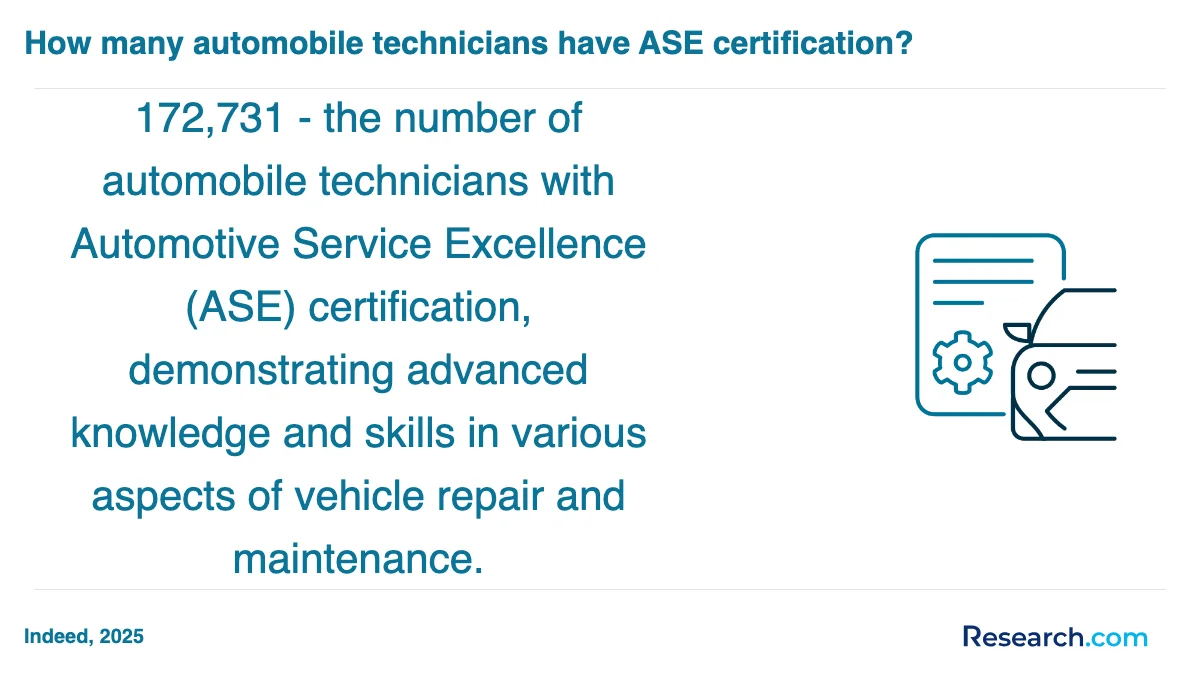
Imagine stepping into Automeca Technical College in Bayamón, eager to start your journey as an automotive technician, knowing financial aid is ready to fuel your dreams. Many students here discover that although tuition is around $8,800 per year, with fees adding roughly $395, their actual cost after aid drops dramatically. Graduates often share how the average net price of about $2,892 made pursuing their passion much more affordable.
Federal Pell Grants are a golden ticket for many, offering non-repayable help to those who qualify. At the same time, the Federal Direct Loan Program steps in, with around 10% of Bayamón students borrowing roughly $3,447 annually to bridge any gaps. Over in Caguas, similar stories unfold with a slightly higher loan uptake but still manageable costs.
Scholarships add another exciting layer. Whether tapping into national programs like the Automotive Aftermarket Scholarship or local private awards, many find unexpected support. Graduates often mention applying through FAFSA, which opens doors not only to grants and loans but also work-study opportunities, making the financial side feel less daunting and more like an adventure worth taking.
Ready to dive into an automotive technician trade school in Puerto Rico? Most programs expect you to have a high school diploma or GED, which sets the foundation for hands-on learning with engines and electronics. Imagine stepping into a bustling workshop at one of Puerto Rico's top trade schools, where graduates often share how their basic math and reading skills helped them quickly grasp complex diagnostics.
Some schools also ask for a clean driving record, since you'll be working with vehicles regularly-think about the thrill of driving a project car after class! Others might require placement tests to tailor the program to your skill level, ensuring you're not overwhelmed but challenged just right.
Here are common prerequisites you'll encounter:
- High school diploma or GED
- Basic math and reading proficiency
- Clean driving record in some cases
- Placement or entrance exams at select schools
Graduates recall how meeting these requirements was a small hurdle compared to the excitement of learning in Puerto Rico's vibrant trade school environment, where instructors connect classroom theory to real-world engine repairs. It's this blend of preparation and adventure that fuels a rewarding journey into the automotive world.

When diving into automotive technician trade school programs in Puerto Rico, expect a hands-on journey packed with essential courses that fuel your passion for cars and repair. Graduates from popular schools like Liceo de Arte y Tecnologia and Mech-Tech College often share how their days revolved around mastering core skills such as:
- Engine repair - getting under the hood to diagnose and fix engine problems
- Brake systems - learning to keep vehicles stopping safely and smoothly
- Electrical systems - decoding the wiring and electronics that power modern cars
- Steering and suspension - ensuring a smooth, controlled ride on Puerto Rico's diverse roads
These courses are not just theory; students spend hours in school-operated labs working on live vehicles, turning classroom lessons into real-world muscle memory. Many also experience internships at local dealerships, where they apply their skills while gaining confidence navigating the fast-paced service environment. Other vital topics include manual and automatic transmissions, fuel and emission systems, plus heating and air conditioning-each a piece of the puzzle to diagnosing complex automotive issues.
Graduates often recall how learning customer service and teamwork helped prepare them for the professional world, making the trade school experience well-rounded and exciting. This blend of technical and soft skills equips students to ace the ASE certification exams and jumpstart their automotive careers right here in Puerto Rico.
If you're diving into automotive technician trade school programs in Puerto Rico, you'll discover some exciting specializations that shape careers full of hands-on learning and real-world challenges. Many graduates from institutions like San Juan College rave about the Automotive Technology Programs in Puerto Rico, where they master skills such as diagnosing tricky vehicle issues and fine-tuning electrical systems, setting them up for rewarding entry-level jobs.
Others find a thrilling path in Diesel Technology, gaining expertise in powerful diesel engines found in trucks and heavy machinery - perfect for those eager to work in bulkier vehicles. Then there's the budding field of electric vehicles; completing specialized training in Electric Vehicle and Fuel Cell Certificates prepares students to support the future of sustainable transportation in Puerto Rico's evolving landscape.
At Automeca Technical College, students experience diverse vehicle technologies and mechanics, including air conditioning repairs and electronics - skills that truly open doors. For anyone looking to broaden their horizons, exploring the top trade school degrees nationwide can also inspire new ambitions in this vibrant field.
Choosing the best automotive technician trade school program in Puerto Rico means diving into programs that combine hands-on skills with solid classroom learning. Graduates from schools like Mech-Tech College often share how the blend of modern labs and real-world diagnostics sparked their confidence, making complex engine repairs feel like a thrilling challenge rather than a chore. When comparing schools, look closely at accreditation and job placement rates-an 87% placement at Colegio Mayor de Tecnologia is a strong sign of industry trust.
Thinking about how to compare automotive trade programs in Puerto Rico? Consider program length, cost, and whether externships are part of the experience, allowing you to earn while you learn. Some students recall how these opportunities led to immediate job offers. Also, keep in mind the quality of instructors, often industry-certified pros who turn learning into an adventure.
For those aiming higher, exploring a bachelor's in automotive technology can unlock advanced career paths and deepen your expertise beyond the trade school level.
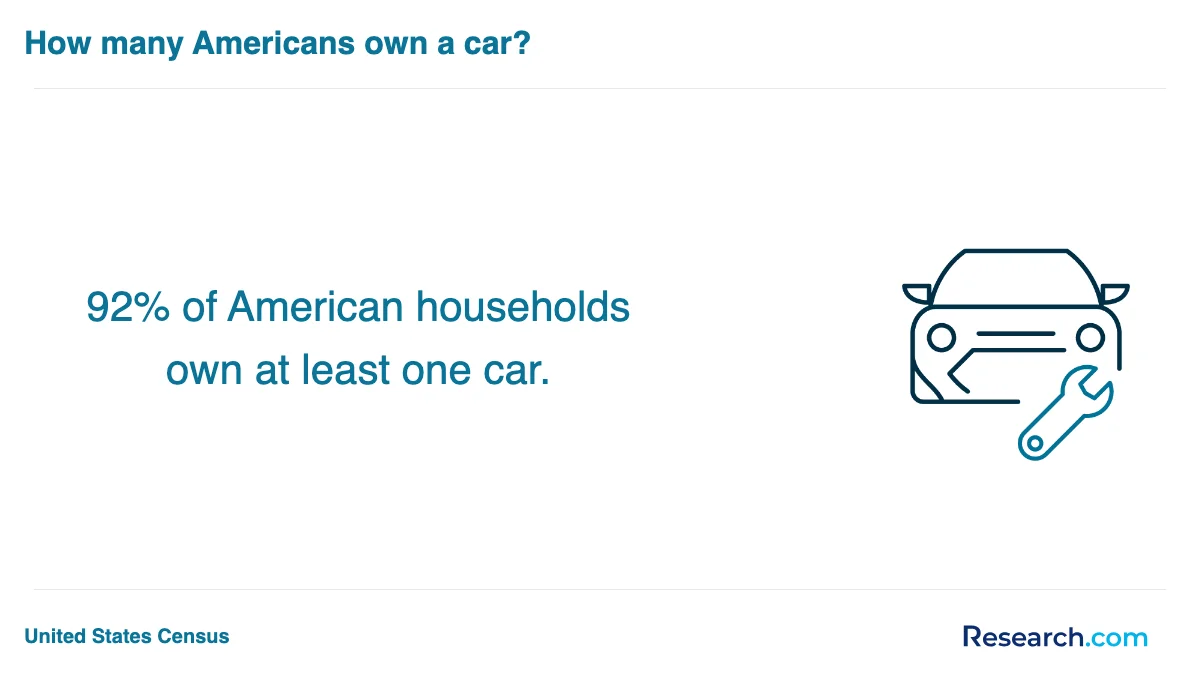
Graduates from popular automotive technician trade schools in Puerto Rico often find themselves stepping into a variety of exciting roles. Many start as entry-level mechanics or automotive technicians in bustling local dealerships and repair shops, where they tackle vehicle diagnostics and routine maintenance. These early jobs provide hands-on experience and a real sense of achievement by helping keep Puerto Rico's roads safe and smooth.
Beyond general repair, career paths branch out into specialized areas like oil change and lube technicians, hojalateros, or vehicle preparers working in rental car agencies and fleet operations. Some graduates choose to advance by earning licenses from the Puerto Rico Automotive Technician Examining Board to work as diesel or field mechanics handling heavy machinery.
Adventurous graduates discover opportunities in fleet management or even aircraft maintenance, leveraging their skills in unique ways. For those dreaming bigger, becoming supervisors or launching their own automotive businesses is a rewarding path. Curious about the auto mechanic career opportunities Puerto Rico offers? Many find inspiration by exploring how to be an auto mechanic and seeing where this vibrant industry can take them.
The landscape for automotive technician jobs in Puerto Rico is broad and growing, with an average annual salary near $40,000, making this a practical and adventurous future.
The automotive technician job market in Puerto Rico buzzes with opportunities fueled by a steady demand for skilled graduates from popular trade schools across the island. Many former students share how hands-on training helped them step confidently into roles where the average annual income hits around $41,945, making their new career both rewarding and stable. Imagine working in bustling cities like San Juan or Ponce, where dealerships and independent shops eagerly hunt for trained professionals to maintain a growing fleet of aging vehicles.
Trade school grads often highlight:
- Starting hourly wages near $16.70 with overtime potential
- Employers ranging from big companies offering salaries up to $53,928 annually to smaller local garages
- Strong growth prospects linked to advances in automotive tech
For those curious about affordable paths into this field, exploring the cheapest online auto mechanic training programs can provide flexible stepping stones. The automotive technician salary trends Puerto Rico reveals paint a picture of a vibrant career landscape fueled by ongoing learning and skilled hands, ready to tackle tomorrow's vehicles with pride.
Most Affordable Automotive Technician Schools, Colleges & Trade Certification Training Programs in Puerto Rico for 2026
# 1 position
Automeca Technical College-Aguadilla - Automobile/Automotive Mechanics Technology/Technician.
certificate or diplomaAutomeca Technical College-Aguadilla offers a hybrid program in Automobile/Automotive Mechanics Technology/Technician, focusing on repairing, servicing, and maintaining various automobile systems. The curriculum covers brake, electrical, engine, suspension, transmission, and heating/air conditioning systems. Annual in-state tuition is $8,895. Graduates earn a median income of $15,287 one year after completion. The program is accredited by the Accrediting Commission of Career Schools and Colleges.
# 2 position
Automeca Technical College-Ponce - Automobile/Automotive Mechanics Technology/Technician.
certificate or diplomaAutomeca Technical College-Ponce offers a hybrid program in Automobile/Automotive Mechanics Technology/Technician, preparing students to repair, service, and maintain various automobile systems. The curriculum covers brake systems, electrical systems, engine repair and performance, suspension, steering, transmissions, and heating and air conditioning. Annual in-state tuition is $8,895. Graduates have median earnings of $15,287 one year after completion. The program is accredited by the Accrediting Commission of Career Schools and Colleges.
# 3 position
Automeca Technical College-Bayamon - Automobile/Automotive Mechanics Technology/Technician.
certificate or diplomaAutomeca Technical College-Bayamon offers a hybrid program in Automobile/Automotive Mechanics Technology/Technician. The curriculum covers brake systems, electrical systems, engine performance and repair, suspension, steering, transmissions, drive trains, and heating and air conditioning. Annual in-state tuition is $8,895. Graduates earn a median salary of $15,287 one year after completion. The program is accredited by the Accrediting Commission of Career Schools and Colleges.
# 4 position
Automeca Technical College-Caguas - Automobile/Automotive Mechanics Technology/Technician.
certificate or diplomaAutomeca Technical College-Caguas offers a hybrid program in Automobile/Automotive Mechanics Technology/Technician with an annual in-state tuition of $8,895. The program trains students to repair and maintain various automobile systems, including brakes, electrical, engine, suspension, transmissions, and heating and air conditioning. Graduates earn a median salary of $15,287 one year after completion. The program is accredited by the Accrediting Commission of Career Schools and Colleges.
# 5 position
Industrial Technical College - Automobile/Automotive Mechanics Technology/Technician.
certificate or diplomaThe Industrial Technical College offers a hybrid program in Automobile/Automotive Mechanics Technology/Technician. This program trains students to repair, service, and maintain various automobile systems, including brakes, electrical, engines, suspension, transmissions, and heating/air conditioning. Annual in-state tuition is $8,400. The program is accredited by the Accrediting Commission of Career Schools and Colleges and includes some distance-education options.
# 6 position
Mech-Tech College - Automobile/Automotive Mechanics Technology/Technician.
associateMech-Tech College offers a hybrid program in Automobile/Automotive Mechanics Technology/Technician that prepares students to repair, service, and maintain various automobiles. The curriculum covers brake systems, electrical systems, engine performance and repair, suspension, steering, transmissions, and heating and air conditioning. Annual in-state tuition is $11,394. Graduates earn a median income of $17,011 one year after completing the program. The program is accredited by the Accrediting Council for Continuing Education & Training.
# 7 position
Mech-Tech College - Automobile/Automotive Mechanics Technology/Technician.
certificate or diplomaThe Automobile/Automotive Mechanics Technology/Technician program at Mech-Tech College prepares students to repair, service, and maintain various automobiles. The hybrid program covers brake systems, engine repair, electrical systems, transmissions, and heating and air conditioning. Annual in-state tuition is $11,394. Graduates earn a median salary of $17,011 one year after completion. The program is accredited by the Accrediting Council for Continuing Education & Training.
Frequently Asked Questions about automotive technician
After completing an automotive technician trade school in Puerto Rico, preparing for the job market involves several key steps. First, obtaining industry certifications such as ASE (Automotive Service Excellence) significantly increases employability. ASE certification is widely recognized across the U.S. and its territories, including Puerto Rico.
Next, gaining practical experience through internships or apprenticeships with local repair shops or dealerships helps build valuable skills and professional connections. Networking within Puerto Rico's automotive industry can lead to job opportunities not always advertised publicly.
Additionally, updating a resume to highlight technical skills, certifications, and hands-on experience is essential. According to the U.S. Bureau of Labor Statistics, automotive technician jobs in Puerto Rico are expected to grow moderately, making a strong application vital for standing out.
Employers in Puerto Rico highly value automotive technician graduates who demonstrate strong diagnostic skills. The ability to efficiently identify and troubleshoot complex vehicle issues is essential, especially as cars become more technologically advanced. According to the U.S. Bureau of Labor Statistics, technicians with expertise in computer diagnostics have better job prospects nationwide, including in Puerto Rico.
Technical knowledge of engine repair, brake systems, and electrical components remains fundamental. In addition, practical experience with hybrid and electric vehicles is increasingly sought after, reflecting industry trends on the island.
Soft skills like communication and teamwork also matter, as technicians often interact with customers and collaborate with service teams. The Puerto Rico Department of Labor highlights that employers prefer graduates who combine technical proficiency with reliability and strong work ethics.
Finding internships in Puerto Rico relevant to automotive technician trade school programs involves several strategic steps. Students should start by contacting their school's career services or internship coordinator, as many trade schools maintain partnerships with local automotive shops and dealerships. These connections often provide exclusive internship opportunities tailored to the program's curriculum.
Additionally, the Puerto Rico Department of Labor and Human Resources offers resources and job listings that include internship positions in the automotive sector. According to the latest labor reports, automotive service internships have grown by approximately 5% annually, reflecting industry demand.
Networking is also crucial. Attending local automotive trade shows and joining professional associations, such as the Puerto Rico Automotive Service Association, can open doors to internships and apprenticeships.
Online job platforms focused on Puerto Rico, like Indeed and LinkedIn, frequently list automotive technician internships. Students should tailor their applications to highlight relevant coursework and hands-on skills acquired during their training.
By combining school resources, government programs, and proactive networking, students can increase their chances of securing valuable internships that provide practical experience and industry contacts.
Obtaining an automotive technician trade school diploma in Puerto Rico significantly enhances career mobility and advancement opportunities. According to the U.S. Bureau of Labor Statistics, certified automotive technicians often earn higher wages and have better job stability compared to non-certified workers. In Puerto Rico, the demand for skilled automotive technicians is growing due to increased vehicle ownership and the need for specialized maintenance.
A diploma demonstrates practical skills and knowledge that employers highly value, making graduates more competitive in the job market. Many employers prefer candidates with formal training because it reduces onboarding time and improves service quality. Additionally, graduates can pursue certifications like ASE, which further improve career prospects and potential salary increases.
Trade schools also provide networking opportunities and access to internships, which can lead to quicker job placements. Overall, the diploma acts as a stepping stone for upward mobility within the automotive repair industry in Puerto Rico.
Students enrolled in automotive technician trade schools in Puerto Rico can find several part-time job opportunities that complement their education. Positions such as automotive service assistants or lube technicians provide hands-on experience with vehicle maintenance and repair. These roles help students apply classroom knowledge in real-world settings while earning income.
Additionally, jobs at local car dealerships or independent repair shops can offer exposure to diagnostic tools and customer service skills. According to the U.S. Bureau of Labor Statistics, Puerto Rico's automotive service technician employment is projected to grow moderately, increasing demand for trained workers.
Working part-time in these capacities allows students to build professional networks and improve technical abilities, which are valuable when seeking full-time employment after graduation.
Yes, there are affordable Automotive Technician degree programs available near Puerto Rico, providing residents with accessible education options in this field. Various local community colleges and technical institutes offer such programs, with tuition rates that are generally lower compared to out-of-state institutions. To find detailed information on programs near you, tools like Research.com can be helpful in identifying these educational opportunities and comparing costs effectively.
- How to Craft the Perfect Cover Letter After Auto Mechanic School https://www.autotrainingcentre.com/blog/craft-perfect-cover-letter-auto-mechanic-school/
- Sample Student Cover Letter – Automotive – Technical Writing for Technicians https://openoregon.pressbooks.pub/ctetechwriting/chapter/sample-student-cover-letter-for-automotive-weeks-9-10/
- Automotive Technician | Clover Park Technical College https://www.cptc.edu/programs/auto-tech
- Automotive Service Technician - Skilled Trades Ontario https://www.skilledtradesontario.ca/trade-information/automotive-service-technician/
- Automotive Service Technician | SkilledTradesBC https://skilledtradesbc.ca/automotive-service-technician
- Automotive Tech Programs | Auto Technician Training | South Texas https://www.stvt.edu/career-training-programs/skilled-trades/automotive-service-technician/
- Automotive Technology, A.A.S. - Montana Tech - Montana's Premier STEM University https://www.mtech.edu/automotive/
- Automotive Service Technology Program - DCTC https://www.dctc.edu/academics/programs-majors/transportation/automotive-service-technology/
- Jobs You Can Only Get with an Automotive Technology Degree - Benjamin Franklin Cummings Institute of Technology https://franklincummings.edu/blog/automotive-technology/
- What Can You Do With An Auto Tech Degree? | MWCC https://mwcc.edu/blog/automotive-technology-faqs/