Research.com is an editorially independent organization with a carefully engineered commission system that’s both transparent and fair. Our primary source of income stems from collaborating with affiliates who compensate us for advertising their services on our site, and we earn a referral fee when prospective clients decided to use those services. We ensure that no affiliates can influence our content or school rankings with their compensations. We also work together with Google AdSense which provides us with a base of revenue that runs independently from our affiliate partnerships. It’s important to us that you understand which content is sponsored and which isn’t, so we’ve implemented clear advertising disclosures throughout our site. Our intention is to make sure you never feel misled, and always know exactly what you’re viewing on our platform. We also maintain a steadfast editorial independence despite operating as a for-profit website. Our core objective is to provide accurate, unbiased, and comprehensive guides and resources to assist our readers in making informed decisions.
2026 Most Popular Speech Pathology Degree Programs Ranking in the USA
Choosing a speech pathology program is a high-stakes decision because the degree affects your cost, clinical training, licensure path, and long-term earning potential. The 2026 Most Popular speech pathology Degree Programs Ranking in the USA was created by the Research.com team of data scientists to help prospective students compare programs with a clearer view of value, accessibility, and career preparation.
This guide is designed for students comparing bachelor’s, master’s, online, and campus-based pathways in speech pathology. It explains what to expect from the degree, how licensure works, what graduates can earn, where they can work, and how to think about affordability and return on investment before applying.
Key benefits of getting a speech pathology degree in America
Strong earning potential: Graduates with a speech pathology degree can pursue roles with solid salary outcomes. Speech therapists make a mean annual wage of $96, 790, while speech-language pathology assistants earn about $47, 010 per year.
Multiple career settings: Graduates may work as speech therapists, clinical research coordinators, community outreach coordinators, or in related support and coordination roles, depending on degree level, licensure, and experience.
Meaningful clinical impact: Speech pathology professionals support people with communication, language, voice, fluency, and swallowing needs across childhood, adulthood, and aging.
Flexible education pathways: Online study options, including programs associated with universities such as the University of Florida, can help students balance coursework with work, family, or location constraints.
Clear professional structure: The field has defined licensure and certification expectations, which can help students plan their path from degree completion to practice.
What can I expect from speech pathology degree in America?
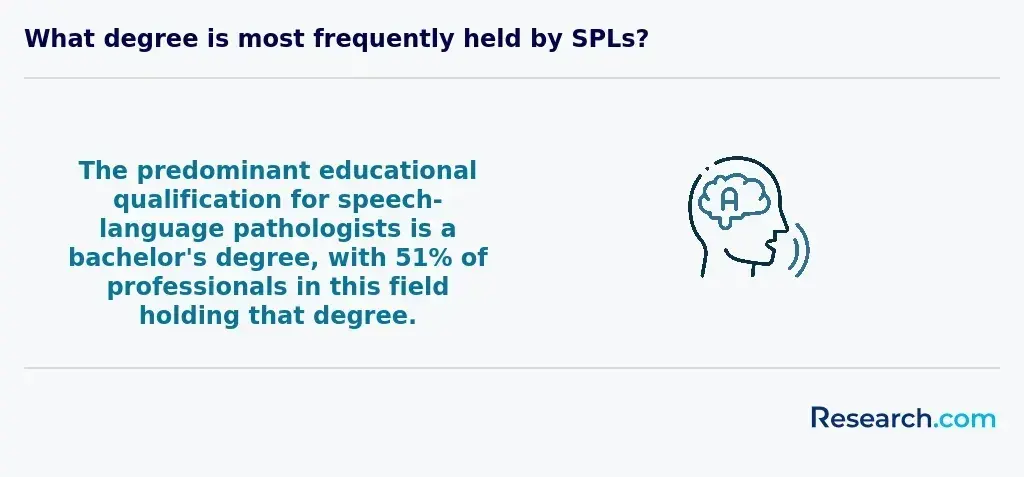
A speech pathology degree in America is academically demanding and clinically focused. Students should expect science-based coursework, applied communication disorder training, supervised clinical experiences, and preparation for licensure or certification requirements. The path is especially structured at the master’s level, which is the common route for students preparing for professional clinical practice.
The average cost varies by institution and residency status. Graduates from well-known programs at universities like the University of Iowa or the University of Wisconsin often report tuition ranging between $25,000 and $50,000 for their master's program. Students should compare this figure with financial aid, assistantships, program length, and clinical placement support rather than relying on tuition alone.
The student experience often combines intensive coursework with hands-on practice. During clinical rotations, students may work with children who have speech delays, adults recovering from strokes, or clients with voice, fluency, language, and swallowing concerns. These placements help students build professional judgment, documentation skills, and confidence in treatment planning.
Many students also rely on scholarships and assistantships offered by schools such as Boston University or the University of North Carolina. These opportunities can reduce financial pressure while allowing students to focus on academic performance, clinical readiness, and licensure preparation.
Where can I work with speech pathology degree in America?
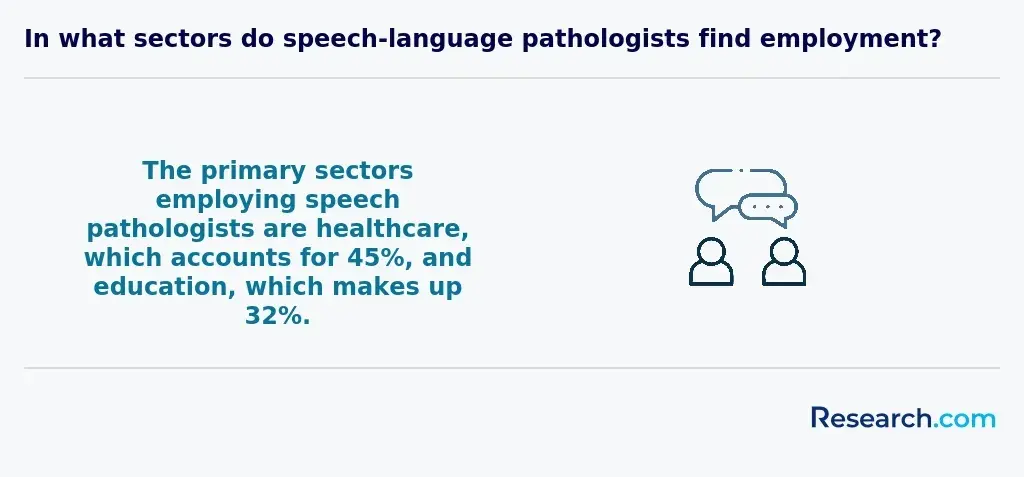
Speech pathology graduates in America can work in education, healthcare, private practice, early intervention, research, and community-based settings. The exact roles available depend on degree level, licensure status, certification, and state requirements.
Public and private schools: Speech-language pathologists support children with speech, language, fluency, and communication needs that affect learning and participation.
Hospitals and rehabilitation centers: Clinicians may help patients recovering from strokes, brain injuries, neurological conditions, or medical events affecting speech, language, cognition, or swallowing.
Skilled nursing facilities: Speech pathology professionals may work with older adults who need communication or swallowing support.
Private practices: These settings can offer specialized services and, in some cases, more control over caseload focus and scheduling.
Early intervention programs: Professionals may support infants and toddlers with developmental communication delays.
University clinics and research settings: Graduates interested in teaching, clinical supervision, or research may pursue roles connected to academic institutions.
The best work setting depends on your preferred population, pace, schedule, and clinical interests. Students who want school calendars may prefer education settings, while those drawn to medical complexity may look toward hospitals, rehabilitation centers, or skilled nursing facilities.
How much can I make with speech pathology degree in America?
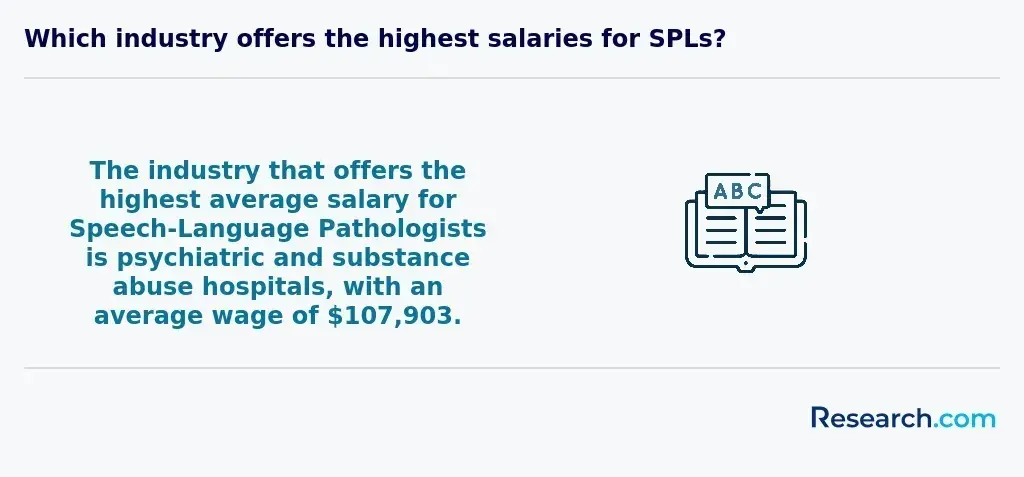
Earnings with a speech pathology degree in America depend on role, credential level, location, employer type, and experience. Entry-level support roles generally pay less than licensed speech-language pathologist positions, while specialized clinical or high-demand settings may offer stronger compensation.
Beginning as a Speech-Language Pathology Assistant, individuals often earn a mean annual wage of about $47, 010. Those advancing to roles as Speech Therapists see a significant increase, with mean annual earnings around $96, 790. Hourly wages can reach $46. 54 for therapists, reflecting the value of advanced clinical skills and professional licensure.
Some graduates from institutions such as the University of Wisconsin or Boston University move from assistant roles into licensed therapist roles after completing graduate education and licensure steps. This progression can improve both salary potential and professional autonomy.
Speech pathology graduates may also pursue adjacent roles such as Clinical Research Coordinator or Clinical Coordinator, especially if they are interested in research, operations, program administration, or interdisciplinary care. These roles provide mean annual wages near $43, 350.
Students should evaluate salary alongside debt, cost of living, required credentials, and employment setting. Urban centers may offer competitive compensation, but they may also come with higher living expenses.
The 2026 Most Popular Speech Pathology Degree Programs Ranking in the USA is developed to help students compare programs using structured, research-based information rather than marketing claims alone. Research.com evaluates available institutional and program data to support clearer education decisions.
The ranking draws from reputable data sources, including:
Students should use rankings as one decision tool, not the only one. Popularity can signal student interest, but applicants should also verify accreditation, clinical placement quality, licensure alignment, cost, financial aid, format, faculty expertise, and career support. For more information on our approach, visit the Research.com methodology page.
2026 Most Popular Speech Pathology Degree Programs Ranking in the USA
The University of California-San Diego offers a Doctoral program focused on speech pathology. With an acceptance rate of 25%, it is considered selective. The total cost of the program amounts to $62, 915. Approximately 70% of students enrolled receive financial aid, indicating moderate support for funding. The program attracts a large pool of applicants, with 130, 771 individuals competing for admission.
The Master's program in speech pathology at New York University is highly competitive, with an acceptance rate of just 9% from 113, 578 applicants. The total cost of the program is $84, 718. Nearly half of the students, 49%, receive mid-level financial aid, helping to moderate the overall expense for many attendees.
New York University offers a highly competitive Bachelor program focused on speech pathology, accepting only 9% of its 113, 578 applicants. The total cost of the program is $84, 718. Nearly half of the students (49%) receive mid-level financial aid, which can help offset expenses. This program is designed for those seeking an intensive and selective educational experience in the field of speech pathology.
The Master's program in speech pathology at Northeastern University is highly competitive with an acceptance rate of 6%. The total cost of the program is $82, 931. Approximately 80% of students receive high levels of financial aid, making it accessible to many applicants. The program attracts a large pool of candidates, with 96, 631 applicants for admission.
Northeastern University offers a highly competitive Bachelor program focused on speech pathology, with an acceptance rate of just 6%. The program's total cost is $82, 931. Approximately 80% of students receive financial aid, indicating high aid availability. The program attracts a large pool of applicants, with 96, 631 submitting applications, reflecting strong interest and selectivity in admission decisions.
# 6 position
Pennsylvania State University-Main Campus
Bachelor
Pennsylvania State University-Main Campus offers a Bachelor program focused on speech pathology. The total cost of attendance is $55, 476. The program has a less selective acceptance rate of 54%, with 85, 956 applicants competing for admission. Approximately 66% of students receive moderate levels of financial aid, helping to offset educational expenses for a majority of enrollees.
# 7 position
Pennsylvania State University-Main Campus
Master
Pennsylvania State University-Main Campus offers a Master's program focused on speech pathology. The program has a less selective acceptance rate of 54%, with 85, 956 applicants. The total cost amounts to $55, 476. Approximately 66% of students receive moderate financial aid, which can ease the cost burden for many enrollees.
# 8 position
Pennsylvania State University-Main Campus
Doctor
Pennsylvania State University-Main Campus offers a Doctor-level program focused on speech pathology with a total cost of $55, 476. The program has a less selective acceptance rate of 54%, with 85, 956 applicants competing for admission. Approximately 66% of students receive moderate financial aid, making this program accessible to many prospective students seeking advanced education in this field.
San Diego State University offers a moderately selective Bachelor program focused on speech pathology with an acceptance rate of 34%. The program attracts a large number of applicants, totaling 82, 800. The total cost to complete the degree is $38, 188. Financial aid is highly accessible, with 95% of students receiving some form of assistance, making it an affordable option for many applicants interested in this field.
San Diego State University offers a Master's program focused on speech pathology. The program is moderately selective with an acceptance rate of 34%. It has a large applicant pool of 82, 800 candidates. The total cost of the program is $38, 188. A high percentage of students, 95%, receive financial aid, indicating strong support for enrolled students.
San Diego State University offers a Doctoral program focused on speech pathology with a total cost of $38, 188. The program is moderately selective, accepting 34% of applicants from a pool of 82, 800 candidates. Students benefit from high financial support, with 95% receiving aid. This combination of accessibility and financial assistance makes it an attractive option for those pursuing advanced studies in speech pathology.
Boston University's Master program in speech pathology is highly competitive, with an acceptance rate of 11%. The total cost of the program is $84, 278. About 55% of students receive mid-level financial aid, helping to offset some expenses. The program attracts a large number of applicants, totaling 80, 495, reflecting its strong demand and reputation within the field.
Boston University offers a Bachelor program focused on speech pathology with a total cost of $84, 278. This highly competitive program has an acceptance rate of 11%, reflecting strong selectivity. About 55% of students receive mid-level financial aid, helping to offset costs. The program attracts a large number of applicants, with 80, 495 students applying, indicating its popularity and demand.
California State University-Long Beach offers a moderately selective Bachelor program focused on speech pathology, admitting 47% of its 79, 680 applicants. The total cost of the program is $37, 544. A significant 82% of students benefit from high levels of financial aid, making the program more accessible for many. This combination of selectivity and financial assistance may be important for prospective students considering this degree.
California State University-Long Beach offers a Master's program in speech pathology with a total cost of $37, 544. The program is moderately selective, admitting 47% of its 79, 680 applicants. A high level of financial aid is available, with 82% of students receiving assistance. This program is designed for students seeking advanced education in speech pathology within a well-regarded California public university setting.
Florida State University offers a Bachelor program focused on speech pathology with a total cost of $32, 446. The acceptance rate is 25%, classifying it as selective, and the program attracts a large number of applicants, totaling 74, 038. A high percentage of students, 95%, receive financial aid, indicating strong support for those enrolled in this program.
The Master program in speech pathology at Florida State University has a total cost of $32, 446. It is considered selective with an acceptance rate of 25% from 74, 038 applicants. The program offers a high level of financial aid, with 95% of students receiving support. This degree level is designed for those seeking advanced study in speech pathology within a competitive academic environment.
Purdue University-Main Campus offers a Bachelor's degree focused on speech pathology with a total program cost of $42, 214. The program is moderately selective, admitting 50% of its 73, 083 applicants. About 60% of enrolled students receive moderate financial aid, helping to offset expenses. This program combines accessibility with strong support, appealing to students aiming for an affordable pathway in speech pathology at a large public university.
Purdue University-Main Campus offers a Master's program focused on speech pathology with a total cost of $42, 214. The program is moderately selective, admitting 50% of its 73, 083 applicants. Approximately 60% of students receive moderate financial aid, which can help offset expenses for many enrollees. This program's size and cost make it a significant option for prospective students seeking advanced education in speech pathology.
Ohio State University-Main Campus offers a Bachelor's program focused on speech pathology with a total cost of $53, 209. The school has a less selective acceptance rate of 51%, admitting a significant number of the 70, 028 applicants. About 75% of students receive moderate financial aid, making the program accessible to many through funding support.
What speech pathology degree graduates have to say
Emily: Attending the University of Wisconsin-Madison for my speech pathology degree gave me strong clinical exposure and access to faculty who connected theory with practice. Working with diverse client populations helped me build confidence and understand how evidence-based care changes communication outcomes.
David: My experience at Boston University combined practical training with rigorous coursework. The program helped me sharpen my clinical reasoning, build a professional network, and feel prepared for the responsibilities of speech therapy practice.
Monica: Choosing the University of Iowa for speech pathology strengthened my understanding of evidence-based practice and interdisciplinary collaboration. The program helped me develop both technical knowledge and the empathy needed to support patients and families effectively.
Key Findings
Speech pathology degrees in the U.S. are mainly at the master's level and usually take two years to complete, including coursework and clinical practicum.
Tuition costs range from $25,000 to $60,000, with public universities offering lower rates for in-state students and private schools charging higher fees.
Graduates must obtain the CCC-SLP certification from ASHA and meet state licensure requirements, which often include passing the Praxis Exam and completing a clinical fellowship year.
The job market for speech pathologists is growing about 21% from 2021 to 2031, driven by an aging population and increased awareness of communication disorders.
Starting salaries typically range from $55,000 to $70,000 annually, with experienced professionals earning between $75,000 and $95,000 across various work settings.
The chart above shows the gender balance (men vs woman) for Stationary Speech Pathology graduates in 2024 in America. The plot shows the statistics of graduates summed over all institutions that were included in our ranking and that send the applicants information to IPEDS database.
How long does it take to complete speech pathology degree in America?
Completing the education and training pathway for speech pathology in America typically takes around six years before post-graduate supervised practice. Students commonly complete four years of undergraduate study followed by a two-year master’s program in speech-language pathology.
The bachelor’s stage often builds foundational knowledge in communication sciences, human development, linguistics, psychology, biology, and related areas. Graduates from universities such as the University of North Carolina or Boston University often describe this stage as the academic groundwork for later clinical training.
The master’s program is where students complete advanced coursework and supervised clinical experiences. This phase is more directly connected to assessment, treatment planning, ethics, documentation, and working with clients across communication and swallowing disorders.
After graduation, the Clinical Fellowship Year usually lasts about 9 to 12 months. Along with passing the Praxis exam and meeting state requirements, this supervised professional period helps graduates transition from student clinician to licensed practitioner.
The chart above shows the ethnicity balance for Stationary Speech Pathology graduates in 2024 in America. The plot shows the statistics of graduates summed over all institutions that were included in our ranking and that send the applicants information to IPEDS database.
Certification and Licensure Requirements
Certification and licensure requirements protect clients by ensuring that speech-language pathologists have completed appropriate academic and clinical preparation. Students should treat these requirements as part of program selection, not as an afterthought after graduation.
Earn a master’s degree from a Council on Academic Accreditation (CAA)–accredited program.
Accumulate a minimum of 400 supervised clinical practicum hours and finish a 9–12-month Clinical Fellowship Year (CFY).
Pass the Praxis® Examination in Speech-Language Pathology to demonstrate foundational knowledge.
Obtain the American Speech-Language-Hearing Association (ASHA) Certificate of Clinical Competence (CCC-SLP).
Secure state licensure by meeting specific board requirements and maintain it through regular continuing education.
Cost should be considered alongside accreditation and licensure readiness. Students comparing budget-conscious options can review the most affordable slp programs in arizona while confirming that any program they choose supports the credentials required for professional practice.
What's the difference between online and on-campus speech pathology degree?
The main difference between online and on-campus speech pathology degrees is delivery format, not necessarily academic seriousness. Both pathways can prepare students for clinical practice if the program is properly accredited, includes required coursework, and provides appropriate supervised clinical experiences.
Online speech pathology programs
Online programs can work well for students who need flexibility because of work, caregiving, military service, or location. Alumni from respected institutions such as Boston University often point to the ability to study while managing other commitments. However, online students must be proactive about time management, technology requirements, and clinical placement logistics.
On-campus speech pathology programs
On-campus programs may offer more direct access to faculty, campus clinics, peer collaboration, and in-person learning resources. Graduates from universities like the University of Wisconsin-Madison often value the structured environment and face-to-face interaction that can come with campus-based study.
What both formats must provide
Both online and on-campus pathways must address rigorous clinical practicum expectations set by ASHA when preparing students for professional practice. Before enrolling, confirm accreditation, clinical placement support, faculty access, licensure alignment, and whether the format fits your learning style.
Certification and Licensure Requirements
To practice as a Speech-Language Pathologist in America, graduates generally follow a structured pathway that verifies academic preparation, clinical competence, and readiness for independent practice. A CAA-accredited master’s program in speech pathology is typically the central academic requirement, along with the required 400 clinical practicum hours.
After completing graduate preparation, candidates must pass the Praxis® Examination in Speech-Language Pathology, administered by ETS. A passing score is commonly part of the process for applying for the Certificate of Clinical Competence in Speech-Language Pathology (CCC-SLP) through the American Speech-Language-Hearing Association (ASHA).
State licensure is a separate requirement. Most states require applicants to submit proof of degree completion, clinical hours, exam results, and supervised professional experience, often including a clinical fellowship year (CFY) under a certified SLP. Renewal commonly requires ongoing professional development, and clinicians often complete 20–30 continuing education units (CEUs) every two years to remain current with professional standards and practice expectations.
Students comparing programs should confirm that each option supports both certification and state licensure. If cost is a major concern, the Affordable Speech Pathology Degree Programs Ranking in Evanston, IL can help identify value-focused options while keeping accreditation and clinical quality in view.
What is the average cost of speech pathology degree in America?
The average cost of a speech pathology degree in America depends heavily on degree level, residency status, public versus private institution, and program format. Median total costs for completing a speech pathology program typically hover around $40,403, while in-state students benefit from significantly lower averages near $11,927.
Public universities such as the University of Florida and the University of North Carolina may offer more affordable in-state tuition, while private institutions and out-of-state enrollment can raise total costs. Many students pursue a Master's degree in speech pathology because it is essential for clinical practice certification. For these students, understanding 2026 speech pathology degree tuition fees USA is a practical part of planning.
Tuition ranges widely from around $12,000 to $45,000 per year depending on residency and institution. Because clinical training can affect both cost and timeline, students should ask whether placements are arranged by the program, whether travel is required, and whether additional fees apply.
Financial planning should include scholarships, grants, assistantships, loans, and part-time work options. Some students also consider an accelerated bachelor's degree online texas option to complete prerequisites more flexibly and at a potentially lower cost before moving into graduate study.
Licensure and Certification Process for Aspiring Speech Pathologists
Speech pathology students should understand licensure before choosing a program. In the United States, becoming a speech-language pathologist typically requires graduate education, supervised clinical experience, an exam, and state approval. Requirements can vary by state, so students should verify rules with the licensing board where they plan to practice.
Check state-specific requirements early. States may differ in required coursework, supervised hours, documentation, and renewal rules.
Complete supervised clinical practicum hours. Accredited programs include supervised clinical training so students can apply classroom knowledge with real clients.
Prepare for national examination requirements. Many licensing pathways include a standardized exam, such as the Praxis exam, to assess professional knowledge.
Plan for certification and continuing education. Professional certification can strengthen credibility, while continuing education helps clinicians maintain competence and meet renewal requirements.
Use flexible graduate options carefully. Students considering online speech pathology masters programs should confirm that the program is accredited, supports clinical placements, and meets the requirements of their intended state.
The common mistake is waiting until graduation to review licensing rules. A better approach is to map each requirement before enrolling, then confirm that the program’s curriculum, practicum structure, and advising support match your professional goals.
What financial aid is available to speech pathology degree students in America?
Speech pathology students in America may use several forms of financial aid, including federal aid, institutional scholarships, assistantships, state programs, employer support, and professional organization scholarships. The right mix depends on degree level, enrollment status, financial need, academic profile, and school policies.
FAFSA-based aid: Completing the FAFSA can help students access federal aid options, including Federal Pell Grants, which offer up to $7, 395 without requiring repayment.
Federal Direct Loans: Graduate students often use federal loans to manage tuition and living costs, though borrowing should be weighed against expected salary and repayment obligations.
Work-Study: Eligible students may use Work-Study to earn income while gaining campus or community experience.
University scholarships and grants: Schools such as the University of Wisconsin or Boston University may offer institutional support that reduces out-of-pocket costs.
Assistantships: Some graduate students may receive funding through teaching, research, or clinical support roles.
Professional and employer funding: Professional organization scholarships or employer tuition programs may help students who meet specific eligibility requirements.
Students should apply early, ask each program about department-level funding, and compare net cost after aid rather than focusing only on published tuition.
Affordability and Return on Investment in Speech Pathology Programs
Affordability matters in speech pathology because the professional path often requires graduate-level study before full clinical practice. Tuition is only one part of the total cost. Students should also budget for fees, books, clinical placement expenses, commuting or relocation, technology, background checks, and living costs during practicum or fellowship training.
A strong return on investment comes from choosing a program that is affordable, accredited, clinically rigorous, and aligned with your state’s licensure requirements. A lower-cost program is not automatically the best option if it lacks strong clinical placement support. Likewise, a higher-cost program should be evaluated carefully against financial aid, completion outcomes, licensure preparation, and career access.
Compare total cost, not just tuition. Include fees, housing, transportation, and clinical requirements.
Prioritize accreditation and licensure alignment. Cost savings do not help if the program does not prepare you for required credentials.
Ask about clinical placement support. Delays in placements can extend time to graduation and increase costs.
Look for assistantships, scholarships, and work-study. These can reduce borrowing and improve ROI.
The best financial decision is usually not the cheapest program by sticker price. It is the program that helps you graduate on time, qualify for licensure, complete clinical requirements, and enter the workforce with manageable debt.
What are the prerequisites for enrolling in speech pathology degree program in America?
Prerequisites for speech pathology programs in America vary by school and degree level, but competitive applicants usually need a strong academic foundation in communication sciences and related fields. Many students begin with a bachelor’s degree in communication sciences and disorders or a related area.
Common prerequisite courses include anatomy of speech mechanisms and developmental psychology, along with other coursework that helps students understand language, hearing, speech production, human development, and communication disorders. Graduates from programs at universities like the University of Wisconsin or Boston University often emphasize the importance of completing these foundations before entering more advanced clinical training.
Many programs expect a solid GPA, typically around 3. 0 or higher. Applicants may also need volunteer, observation, or clinical exposure with people who have speech, language, hearing, or swallowing challenges. These experiences help confirm interest in the profession and strengthen applications.
Some institutions require GRE scores, while others may place more emphasis on transcripts, prerequisite performance, statements of purpose, and letters of recommendation. Students planning to pursue ASHA certification should choose graduate programs that are designed to support the academic and clinical preparation required for that pathway.
Licensure and Certification Requirements
To practice as a speech-language pathologist in the USA, students must complete a defined sequence of education, supervised training, examination, certification, and state licensure steps. Requirements can vary by state, so always confirm details with the licensing board where you plan to work.
Graduate from a CAA-accredited master’s program. Some students compare online slp master's programs to balance flexibility, quality, and cost.
Pass the Praxis® exam in Speech-Language Pathology with scores that satisfy your state’s licensing board.
Complete a 9–12 month Clinical Fellowship Year (CFY) under ASHA supervision.
Apply for state licensure by submitting transcripts, exam scores, and CFY verification to your state board.
Earn the ASHA Certificate of Clinical Competence (CCC-SLP) after fulfilling CFY and exam requirements.
Maintain licensure and CCC-SLP through regular renewal and required continuing education credits.
Before enrolling, ask each program how it supports exam preparation, clinical placement, CFY planning, and state-specific documentation. These services can make the transition from graduate student to practicing clinician smoother.
What courses are typically in speech pathology degree programs in America?
Speech pathology degree programs in America combine science, clinical methods, communication theory, and supervised practice. The curriculum is designed to help students understand how communication and swallowing work, how disorders are assessed, and how treatment plans are developed.
Anatomy and Physiology of Speech and Hearing: Students study the physical systems involved in speech, hearing, voice, respiration, and swallowing.
Phonetics and Phonology: Coursework focuses on speech sounds, sound patterns, transcription, and how sound systems develop or become disordered.
Language Development and Disorders: Students examine typical language development and communication disorders across childhood and adulthood.
Voice and Fluency Disorders: Courses address assessment and intervention for voice concerns, stuttering, and related communication challenges.
Swallowing Disorders: Students learn about dysphagia, medical considerations, and intervention approaches for swallowing safety and function.
Neurological Bases of Communication: Coursework covers how the brain and nervous system support speech, language, cognition, and swallowing.
Clinical Practicum and Supervised Fieldwork: Students apply assessment and treatment skills under supervision in real-world or clinic-based settings.
The strongest programs connect coursework with supervised practice so students can move from theory to clinical decision-making with appropriate guidance.
What types of specializations are available in speech pathology degree programs in America?
Speech pathology degree specializations in USA allow students to focus on the populations or disorders that match their clinical interests. Specialization options vary by program, faculty expertise, clinic partnerships, and placement availability.
Pediatric speech pathology: Students focus on children with speech delays, language challenges, developmental communication needs, and school-based support.
Adult neurogenic communication disorders: This area prepares students to work with adults recovering from strokes, brain injuries, or neurological conditions.
Voice disorders: Students learn to assess and treat voice problems, including concerns affecting professional voice users such as singers.
Fluency disorders: This specialization focuses on stuttering and related fluency concerns.
Swallowing disorders: Students develop knowledge that combines medical understanding with communication-focused care.
Graduates from colleges like the University of Iowa and the University of Wisconsin often choose specializations based on clinical rotations, faculty mentorship, and the populations they most want to serve. Students exploring broader credential options may also review certification programs that pay well, but speech pathology licensure and certification requirements should remain the priority for clinical practice.
How do you choose the best speech pathology degree in America?
The best speech pathology degree in America is the one that fits your career goal, meets accreditation and licensure expectations, offers strong clinical preparation, and is financially realistic. For students seeking to become licensed speech-language pathologists, accreditation by the Council on Academic Accreditation is a critical factor.
Confirm accreditation first. Accreditation is essential for many certification and licensure pathways.
Review clinical practicum quality. Ask where students train, how placements are secured, and whether support is available if placement problems arise.
Compare total cost and aid. Consider tuition, fees, living expenses, assistantships, scholarships, and borrowing.
Evaluate licensure alignment. Make sure the program prepares you for the state where you plan to work.
Consider format and location. Online programs may offer flexibility, while campus programs may provide more direct access to clinics and faculty.
Look at class size and advising. Smaller cohorts and accessible faculty can support stronger mentorship and clinical readiness.
Some students begin with lower-cost foundational study before progressing to advanced speech pathology training. For example, affordable online associate degree programs may help certain learners complete early coursework more economically, depending on transfer policies and prerequisite needs.
What career paths are available for speech pathology degree students in America?
Career paths for speech pathology degree students in America depend on degree level, licensure, certification, and specialization. Licensed speech-language pathologists commonly work in schools, hospitals, rehabilitation centers, private practices, early intervention programs, and community settings.
In schools, professionals help children with speech delays, language disorders, fluency concerns, and communication needs that affect classroom participation. In hospitals and rehabilitation settings, they may work with patients recovering from strokes, injuries, or medical conditions that affect communication or swallowing. Early intervention roles focus on infants and toddlers with developmental delays, while private practice can offer opportunities to specialize or serve a targeted client population.
Speech pathology graduates may also move into corporate roles, including voice coaching and accent modification, or into research, program coordination, and clinical leadership depending on their education and experience.
The job outlook for speech pathology degrees in America is strong, with a 21% growth projected by the U.S. Bureau of Labor Statistics through 2031. This demand is connected to needs across healthcare, education, and research settings.
Students concerned about costs can compare funding-friendly options, including cheap online schools that accept financial aid, while still confirming that any chosen pathway supports their long-term speech pathology goals.
What is the job market for speech pathology degree in America?
The job market for speech pathology degree graduates in America is strong because communication, language, swallowing, and cognitive-communication needs appear across many age groups and care settings. Demand is supported by an aging population and increased awareness of communication disorders.
Graduates may find roles in schools, hospitals, rehabilitation centers, skilled nursing facilities, private practices, and community programs. Universities with established speech pathology programs, including those in California and New York, prepare students for a range of employment settings and client populations.
The median salary, around $80,000, reflects the professional value of speech pathology expertise. Location can influence pay, and graduates working in high-demand areas like California may see stronger earning potential. However, students should compare salary with cost of living, caseload expectations, and workplace support.
Some students pursue broader academic combinations to strengthen their career profile. Those considering joint degree programs undergraduate should evaluate whether an additional credential supports their intended speech pathology role or a related interdisciplinary career.
Frequently Asked Questions About speech pathology
How can speech pathology degree students in America maximize their learning experience?
Speech pathology degree students in America can maximize their learning experience by engaging deeply in both theoretical and practical coursework. Accredited programs, typically certified by the American Speech-Language-Hearing Association (ASHA), ensure students meet essential academic and clinical standards. Gaining the required 400 clinical practicum hours under supervision helps students apply classroom knowledge to real-world settings, boosting competence.
Joining professional organizations such as ASHA connects students with networking and continuing education opportunities. Utilizing university career services to secure internships in diverse environments broadens exposure. Additionally, keeping updated on evidence-based practices through journals like the American Journal of Speech-Language Pathology enhances academic growth.
What are the emerging niches within the speech pathology field?
The field of speech pathology in the United States is evolving with several emerging niches gaining attention. Telepractice has become a significant area, especially after the COVID-19 pandemic, allowing clinicians to provide remote therapy to patients across various settings. According to the American Speech-Language-Hearing Association (ASHA), nearly 60% of speech pathologists incorporated telepractice by 2023.
Another growing niche is the specialization in swallowing disorders, known as dysphagia. This is particularly important for aging populations and those recovering from strokes. Pediatric feeding and swallowing issues also present expanding opportunities.
Cognitive-communication disorders, often related to brain injuries or neurological diseases, are an increasing focus in rehabilitation settings. Additionally, there is increasing demand for speech pathologists skilled in working with Autism Spectrum Disorders (ASD), supported by federal initiatives promoting early intervention.
How do I choose the right concentration within a speech pathology degree program in America?
Choosing the right concentration in a speech pathology program involves assessing your career objectives and interests. Common concentrations include pediatric speech-language pathology, neurogenic disorders, or swallowing and voice disorders. Understanding each concentration's focus can help align your educational path with your intended career goals.
What are the top skills employers look for in speech pathology degree graduates in America?
Employers in America highly value several core skills in graduates with speech pathology degrees. Strong communication abilities are essential, as speech pathologists must interact effectively with patients, families, and healthcare teams. Critical thinking and problem-solving skills are also crucial for designing and adjusting treatment plans based on individual needs.
According to the American Speech-Language-Hearing Association (ASHA), proficiency in clinical knowledge and evidence-based practice ranks as a top priority for employers. Additionally, empathy and patience are key soft skills that help professionals support clients with diverse challenges.
Technical competence, including familiarity with modern diagnostic tools and technology, is increasingly important for candidates entering the U.S. job market.
How to find internships in America relevant to a speech pathology degree?
Finding internships relevant to a speech pathology degree in America typically begins with your university's communication sciences and disorders department. Most Accredited Programs listed by the Council on Academic Accreditation (CAA) in Audiology and Speech-Language Pathology require practicum experiences as part of their curriculum, which often connect students with local clinics, schools, or hospitals.
Students can also explore opportunities through the American Speech-Language-Hearing Association (ASHA), which provides resources and a database for clinical practicum placements nationwide. According to ASHA, approximately 70% of students secure internships via these networks.
Additionally, networking at conferences or joining professional groups at the state level expands access to internship listings. Early planning is key, as deadlines for placements can be competitive and occur months before the internship begins.
How does a speech pathology degree influence career mobility and advancement in America?
Obtaining a speech pathology degree in America significantly enhances career mobility and advancement opportunities. According to the U.S. Bureau of Labor Statistics (BLS), employment of speech-language pathologists is projected to grow 21% from 2021 to 2031, much faster than average.
With a master's degree, which is the entry-level credential for clinical practice, graduates are qualified to obtain certification through the American Speech-Language-Hearing Association (ASHA) and state licensure. These credentials open doors for diverse roles in schools, healthcare settings, and private practice.
Advanced degrees such as a doctorate can lead to leadership, research, and academic positions, offering higher salaries and more responsibility. Overall, a speech pathology degree provides a clear pathway toward sustained career growth in the U.S.
How does studying for a speech pathology degree in America prepare for interdisciplinary roles?
Studying for a speech pathology degree in America equips students with skills to work collaboratively across healthcare, education, and social service fields. Coursework emphasizes understanding communication disorders within diverse populations, preparing graduates to engage with professionals like audiologists, educators, and occupational therapists.
Many programs require clinical practicum experiences, offering real-world interdisciplinary settings where students interact with teams addressing complex patient needs. According to the American Speech-Language-Hearing Association (ASHA), over 80% of certified speech-language pathologists routinely consult with other specialists, highlighting the profession's collaborative nature.
Additionally, U.S. accredited programs integrate evidence-based practice and cultural competence, fostering adaptability in various professional environments. This interdisciplinary preparation enhances job readiness in schools, hospitals, and rehabilitation centers nationwide.
What professional certifications can I pursue with a speech pathology degree?
In 2026, speech pathology graduates can pursue certifications such as the Certificate of Clinical Competence in Speech-Language Pathology (CCC-SLP) from ASHA, state licensure, and specialized certifications in areas like bilingual service delivery, augmentative communication, and swallowing disorders. These certifications showcase expertise and enhance job prospects.
What options do students based in America have for studying speech pathology abroad?
American students interested in studying speech pathology abroad have several routes to consider. Some U.S. universities offer exchange programs or dual-degree opportunities with institutions in countries like the United Kingdom, Australia, and Canada, where speech pathology programs are well established. These options allow students to gain international experience while earning credits transferable to their U.S. degree.
Additionally, students may enroll directly in foreign universities accredited by bodies such as Speech Pathology Australia or the Royal College of Speech and Language Therapists. It is important for students to verify that these programs meet the standards of the American Speech-Language-Hearing Association (ASHA) to ensure eligibility for U.S. certification.
According to the ASHA 2023 report, around 10% of American speech pathology graduate students explore international study options to diversify their training. Careful planning and advisor consultation are crucial to navigating licensure requirements after studying abroad.
What are the networking opportunities for speech pathology students in America?
Speech pathology students in America have access to numerous networking opportunities that help build professional connections essential for their careers. Many universities partner with organizations like the American Speech-Language-Hearing Association (ASHA), which has over 200,000 members nationwide. ASHA offers conferences, workshops, and student special interest groups where aspiring speech pathologists can meet seasoned professionals and peers.
Additionally, clinical placements and internships provide direct networking with licensed clinicians in hospitals, schools, and private practices. These hands-on experiences are crucial for referrals and job leads after graduation.
Local and regional speech-language-hearing associations also host networking events, providing opportunities to connect in smaller groups closer to home.
How do alumni networks benefit speech pathology degree students in America?
Alumni networks play a vital role for speech pathology degree students in America by providing valuable professional connections. These networks often include graduates working across clinical, educational, and research settings nationwide. According to the American Speech-Language-Hearing Association (ASHA), networking is crucial for securing internships and job placements in a competitive market.
Through alumni events and online platforms, students gain mentoring opportunities and insights into industry trends. This guidance helps them navigate certification processes and licensure requirements specific to states, which can vary. Alumni can also share job leads and recommend positions in hospitals, schools, and private practices.
Moreover, active alumni communities foster continuous learning, encouraging graduates to stay updated on evidence-based practices and evolving treatment techniques. This ongoing support enhances career development and professional growth over time.
How can I customize my speech pathology degree program in America to fit my career goals?
Customizing your speech pathology degree program in America involves selecting courses and clinical experiences that align with your career goals. Most programs offer elective classes in areas like pediatric speech disorders, audiology, or neurogenic communication disorders, allowing you to focus on your preferred specialty.
Additionally, gaining diverse clinical practicum placements can help you specialize by working with specific populations or settings. Accreditation by the Council on Academic Accreditation in Audiology and Speech-Language Pathology (CAA) ensures the program meets professional standards.
According to the American Speech-Language-Hearing Association (ASHA), tailoring your education supports certification and licensure requirements in different states, aiding in career flexibility and advancement.
What are the typical challenges that speech pathology students in America are facing?
Speech pathology students in America often face significant academic and practical challenges during their studies. One major difficulty is managing the heavy coursework, which typically includes anatomy, phonetics, and linguistics, alongside clinical practice requirements. According to the American Speech-Language-Hearing Association (ASHA), students must complete at least 400 supervised clinical hours before graduation, which can be time-consuming and demanding.
Financial strain is another common hurdle. Graduate programs are expensive, and additional costs such as certification exams and licensing fees add to the burden. Moreover, balancing clinical hours with paid employment can be difficult for many students.
Finally, securing quality clinical placements remains a challenge, especially in rural or underserved areas where fewer opportunities exist. This can delay graduation and certification, impacting career entry.
What professional certifications can I pursue with a speech pathology degree?
With a speech pathology degree in the United States, you can pursue professional certifications that enhance your career prospects and clinical credibility. The most recognized certification is the Certificate of Clinical Competence in Speech-Language Pathology (CCC-SLP) offered by the American Speech-Language-Hearing Association (ASHA). Earning the CCC-SLP requires completing a master's program, a supervised clinical fellowship, and passing the Praxis exam in speech-language pathology.
Another key credential is state licensure, which is mandatory for practicing speech pathology in nearly all U.S. states. Requirements vary but usually include holding a master's degree and maintaining continuing education. Additionally, some professionals may seek specialty certifications in areas like fluency disorders or swallowing disorders to deepen expertise.
How to write a winning application for a speech pathology program in America?
To write a winning application for a speech pathology program in America, start with a clear, focused personal statement. Highlight your passion for communication sciences and any relevant volunteer or work experiences. Programs accredited by the American Speech-Language-Hearing Association (ASHA) value applicants who demonstrate strong interpersonal skills and commitment to the profession.
Ensure your academic record meets the competitive standards; many top programs require a minimum GPA of 3. 0 or higher. Take the GRE if required and prepare carefully, as some programs weigh these scores heavily. Include strong recommendation letters from professionals or professors familiar with your abilities.
Lastly, familiarize yourself with program prerequisites and tailor your application to address specific requirements. According to ASHA data, the number of applicants is growing yearly, so a well-prepared application is essential to stand out.
How can I gain practical experience while studying for a speech pathology degree in America?
Gaining practical experience while studying for a speech pathology degree in America is essential for developing clinical skills and meeting certification requirements. Most accredited programs require students to complete supervised clinical practicum hours, typically starting in the second year.
Students can gain hands-on learning by working in university-affiliated clinics, hospitals, schools, or community health centers under the guidance of licensed speech-language pathologists. According to the American Speech-Language-Hearing Association (ASHA), students must complete a minimum of 400 supervised clinical hours before graduation.
Additionally, internships and externships offer real-world settings that help students apply theoretical knowledge to diverse patient populations. Many schools also encourage participation in research or volunteer programs to further enhance practical skills.
Speech-Language Pathology Personal Statement Examples and Tutoring | Vince Kotchian Test Prep | GRE, SAT, & ACT Tutoring in San Diego, Near You, and Online https://vincekotchian.com/slp-personal-statements