2027 Best Public Health Degree Programs Ranking in Nashville

Co-Founder and Chief Data Scientist
Are you considering a public health degree in Nashville? This article introduces the 2027 Best Public Health Degree Programs Ranking in Nashville, created by the Research.com team of data scientists. It offers valuable insights to help you identify top programs that fit your goals.
Choosing the right degree can open doors to meaningful careers that impact communities. By exploring this ranking, you'll feel more confident making informed decisions about your education and future.
Embarking on a public health path is rewarding, and this guide supports you every step of the way.
Key benefits of getting public health degree in Nashville
- Graduates with a public health degree in Nashville can earn competitive salaries, such as Environmental Health Specialists making about $86,710 annually and Health Educators earning around $69,790 per year.
- A degree opens doors to diverse careers, from working as Medical Assistants to Occupational Health and Safety Specialists, offering many ways to make a positive impact on community health.
- Online public health programs offer flexibility and convenience, allowing students in Nashville to balance studies with work or family, just like graduates from popular local universities who value this adaptable learning style.
- 2027 Best Public Health Degree Programs Ranking in Nashville
- What can I expect from public health degree in Nashville?
- Where can I work with public health degree in Nashville?
What can I expect from public health degree in Nashville?
The average cost of pursuing a public health degree in Nashville varies significantly depending on the institution and degree level. Graduates from well-known schools like Vanderbilt University report tuition fees typically ranging from $40,000 to $60,000 per year for full-time MPH programs. Public universities and community colleges offer more affordable options, with annual costs often between $10,000 and $25,000, making education more accessible for a broad range of students.
Many students emphasize the value they gain through extensive hands-on experiences, internships, and networking opportunities within Nashville's strong healthcare sector, which justifies the investment. For example, those enrolled in Vanderbilt's MPH program describe a rigorous but rewarding path, where program costs are balanced by scholarships and assistantships that help ease financial burdens.
Local graduates often highlight how their education, combined with affordable living expenses in Nashville, creates a promising pathway toward stable careers in public health, reflecting both passion and pragmatic financial planning in their academic journey.
Where can I work with public health degree in Nashville?
Graduates holding a public health degree in Nashville find abundant opportunities across government agencies, healthcare systems, nonprofits, and private companies. Many graduates from Vanderbilt University or Tennessee State University secure positions at the Tennessee Department of Health, contributing to vital roles in disease prevention and epidemiological surveillance. These real-life career paths often involve impactful community health initiatives that directly improve local populations.
Healthcare institutions such as Vanderbilt University Medical Center and Saint Thomas Health frequently hire graduates as health educators and public health analysts. Alumni share that their academic training prepared them well for roles coordinating population health programs and promoting preventive care, creating a rewarding sense of purpose.
Nonprofit organizations focused on addressing health disparities, like the Nashville Area Hispanic Chamber of Commerce, actively recruit public health professionals to develop community interventions. Graduates describe their work here as deeply fulfilling-bridging gaps and fostering equity. In the private sector, health insurance firms and consulting agencies in Nashville offer opportunities in data analysis and wellness program management, areas where graduates utilize their skills in practical, impactful ways.
Graduates with a public health degree in Nashville can expect competitive earnings aligned with local job market realities. For example, community health workers typically earn about $52,610 annually, reflecting entry-level opportunities available through local health departments and nonprofit organizations. Health educators report a higher mean wage, around $69,790 per year, often found in roles connected to Nashville's growing public health initiatives and university-affiliated programs.
Those pursuing specialized careers like environmental health specialists or occupational health and safety specialists can anticipate salaries near $86,710 and $85,570 respectively. These roles are common for graduates from reputable Nashville institutions known for their health sciences programs, who appreciate the practical experience and local employer connections these schools offer.
Graduates recall that internships at institutions such as Vanderbilt University Medical Center significantly increase their prospects of securing these well-paying jobs. The real-life impact of these efforts often brings a sense of accomplishment and optimism about establishing a lasting, meaningful career in public health within Nashville's supportive community.
- The annual tuition for public health programs in Nashville ranges from $10,000 to $25,000 for in-state students and can exceed $30,000 for out-of-state students.
- Nashville offers strong job prospects in public health, with about 11% expected growth in related occupations over the next decade.
- Starting salaries for recent graduates typically range from $45,000 to $55,000 per year, increasing to $65,000-$85,000 for mid-career professionals.
- Internships and practical training are widely available in Nashville, helping students gain hands-on experience in healthcare and community health settings.
- Public health programs in the city focus on regional issues like chronic diseases, opioid addiction, and health disparities to prepare students for local job markets.
Completing a public health degree in Nashville generally follows established timelines but offers flexibility to accommodate diverse student needs. For instance, graduates from popular institutions like Vanderbilt University and Lipscomb University often complete their Bachelor of Science in Public Health in approximately four years as full-time students. These programs allow students to engage deeply with health promotion and policy coursework while benefiting from supportive campus resources.
Master's degrees, such as the Master of Public Health (MPH) offered at Tennessee State University, usually require one to two years for full-time learners. Many graduates appreciate part-time options, which stretch the program up to three or four years, enabling working professionals to balance career and study effectively.
Doctoral candidates pursuing PhD or DrPH degrees in Nashville typically spend four to six years completing their research and comprehensive exams. The extended timeline reflects the rigorous academic and practical experience required, which many graduates describe as challenging yet rewarding, helping them build exceptional expertise in public health.
Evaluating the true value of a Public Health degree requires balancing total educational costs against expected post‐graduation earnings. On average, in‐state tuition for an MPH in Nashville ranges from $10,000 to $30,000 per year, while graduates can anticipate starting salaries between $49,900 (Community Health Worker) and $83,820 (Environmental Health Specialist). When factoring in additional fees and living expenses, the typical total investment for a two-year master’s degree can approach $60,000–$80,000. Based on median earnings, most graduates break even within 2–3 years after entering the workforce. For example:
- A Health Educator earning $66,710 annually would recoup a $65,000 program investment in just under one year of full‐time work.
- Even at the lower end, a Community Health Worker’s $49,900 salary yields a payback period of approximately 1.5 years. To further reduce your break‐even timeline, explore scholarships, assistantships, and in‐state tuition waivers. For those prioritizing affordability, consider reviewing our neighboring city’s options in the Cheapest Public Health Degree Programs Ranking in Houston, TX, which highlights programs with lower tuition and comparable career outcomes.
Online and on-campus public health degree programs in Nashville differ mainly in their mode of delivery and student experience. Graduates from Vanderbilt University and Tennessee State University often recall that attending classes on campus provided them with direct access to campus facilities, in-person discussions, and local internships within Nashville's healthcare sector, which enriched their practical understanding. This immersive setting fosters strong networking opportunities among peers and faculty, a vital advantage in a city known for its concentration of healthcare companies.
Conversely, online programs offer flexibility highly valued by working professionals or those managing family commitments. Students pursuing their degrees remotely benefit from asynchronous coursework through video lectures and virtual collaboration, enabling them to balance studies with other responsibilities. However, online learners must exhibit self-motivation to engage actively with faculty and classmates despite the physical distance.
The tuition costs for these programs also vary, with on-campus degrees in Tennessee typically ranging from $8,000 to $14,000 annually for residents, while online tuition may be competitive but can differ based on the institution. Each format suits different personal and professional needs within the Nashville public health community.
The average cost of a public health degree in Nashville varies depending on residency status and program level, with the median total cost approximating $42,472. For in-state students, the median total cost is more affordable at around $25,578, making public health education accessible for many local residents. Graduates from popular institutions such as Vanderbilt University and Tennessee State University often reflect positively on their investment, noting the strong career preparation and community impact their degrees have afforded them despite the financial commitment.
Graduate programs, especially Master of Public Health degrees, typically command a higher tuition rate, which aligns with the rigorous curriculum and specialized training required. Many students balance tuition with living expenses and fees related to lab work or practicum placements, which can add to the overall financial picture. The combination of tuition and these additional costs is important when evaluating the public health degree tuition and fees Nashville students face.
Financial aid plays a crucial role in managing these expenses. Scholarships, assistantships, and federal aid programs often alleviate the burden, contributing to graduates' satisfaction and allowing them to focus on their studies and fieldwork. Prospective students wanting to explore cost-saving options should consult resources like the cheapest public health programs in tennessee, where affordable pathways are outlined, ensuring informed decisions are made grounded in accurate, up-to-date information.

Public health students in Nashville can access a range of financial aid options to ease the cost of their education. Most students begin by applying for federal aid via FAFSA, which opens the door to Pell Grants, federal student loans with favorable interest rates, and work-study programs. These opportunities often form the backbone of a student's funding, helping graduates from institutions like Vanderbilt University and Tennessee State University manage expenses while gaining valuable experience.
State-specific aid, such as the Tennessee Student Assistance Award (TSAA), offers additional grant support to residents attending eligible Nashville colleges. Many students share how these grants provide crucial relief, allowing them to focus more on their studies and less on financial stress.
Furthermore, institutional scholarships and assistantships at Nashville universities-particularly for graduate public health students-can cover tuition and offer stipends through teaching and research roles. These positions not only reduce financial burdens but also enhance professional skills, contributing to confident career starts in public health.
Finally, involvement with professional organizations like the American Public Health Association (APHA) brings scholarship and travel grant opportunities, reflecting a strong community network supporting Nashville's aspiring public health professionals.
Prospective students often ask about acceptance rates and selectivity when considering a Public Health degree in Nashville. Programs like Vanderbilt University maintain an overall acceptance rate below 10%, reflecting their rigorous standards and high applicant volume. Tennessee State University and Belmont University, by contrast, report acceptance rates closer to 60–70%, making them more accessible options for many applicants. Understanding these figures helps you tailor your application strategy, from strengthening your GPA to gathering impactful recommendation letters. Key factors influencing admission decisions include: • Academic Performance: A cumulative GPA of 3.0 or higher on prerequisite coursework (biology, statistics, social sciences) significantly enhances your candidacy. • Relevant Experience: Volunteer hours or internships in community health, epidemiology, or health education demonstrate commitment and practical insight. • Application Materials: A compelling personal statement that outlines your passion for public health and clear career objectives can tip the scales in your favor. • Standardized Tests & Interviews: While some schools have adopted test-optional policies, strong GRE scores (when required) and polished interview skills remain valuable differentiators. For a deeper dive into program selectivity and insights on whether are bachelor in public health programs easy, explore our specialized guide. Armed with this knowledge, you can strategically target institutions that match your academic profile and career goals, improving your chances of acceptance into a top Nashville Public Health program.
Enrolling in public health degree programs in Nashville requires a solid academic foundation and relevant experience, tailored to the program level. Undergraduate applicants typically need a high school diploma with a strong GPA around 2.5 to 3.0 and coursework in biology, chemistry, and math. Graduates from Nashville universities often recall how this preparation eased their transition into rigorous public health studies.
For graduate-level programs such as the MPH, prospective students must hold a bachelor's degree-preferably in health sciences or related fields-with at least a 3.0 GPA. Many graduates from local institutions found submitting GRE scores helpful, though this is becoming optional at some schools. Practical experience is valued highly; internships, volunteer roles, or employment in public health or allied sectors deepen understanding and demonstrate commitment.
Personal statements, recommendation letters, and interviews are common requirements that allow admission committees at Nashville's renowned colleges to assess motivation and program fit. Graduates often emphasize that meeting these prerequisites not only built their confidence but also made their educational journey rewarding and enriching.

Public health degree programs in Nashville typically include courses such as epidemiology, biostatistics, environmental and occupational health, health policy and management, and social and behavioral sciences. Graduates from institutions like Vanderbilt University and Tennessee State University often recall how epidemiology classes deepened their understanding of disease patterns in urban settings, relevant to Nashville's diverse population.
Students frequently highlight the value of biostatistics for analyzing community health data, which proves essential when engaging with local health departments on projects concerning air and water quality-topics especially pertinent to the city's environment.
Courses in health behavior and promotion prepare learners to design effective interventions that resonate with Nashville's unique cultural landscape, fostering a sense of purpose through community outreach initiatives.
Additionally, health policy classes provide insight into state and federal regulations impacting Tennessee's healthcare system, empowering students to navigate real-world challenges. Electives in global health and public health ethics offer flexible pathways for graduates eager to specialize or address pressing issues such as the opioid crisis affecting the region.
Public health degree specializations Nashville students pursue frequently include Epidemiology, which delves into disease patterns and their impact on populations. Graduates from local universities often reflect on hands-on experiences with Tennessee Department of Health initiatives, reinforcing their understanding of infectious disease control. Another key concentration is Health Policy and Management, ideal for those aiming to influence health legislation or lead healthcare organizations within Nashville's robust medical sector.
Environmental Health also stands out as a vital specialization, addressing regional challenges such as pollution and workplace hazards connected to Tennessee's industrial landscape. Behavioral Health and Health Promotion concentrate on encouraging wellness and mental health, preparing students to contribute meaningfully to community efforts against obesity and stigma, common topics in Nashville public health program concentrations.
Popular colleges in the city sometimes offer Global Health, equipping students for international work. For those wondering if these programs are accessible, resources explain that are bachelor in public health programs easy to enter. Many graduates appreciate how these specializations provide practical skills aligned with both local needs and broader public health trends.
To choose the best public health degree in Nashville, start by evaluating institutions known for their robust programs, such as Vanderbilt University and Tennessee State University. Graduates from these schools often highlight the importance of program accreditation by the Council on Education for Public Health (CEPH), which ensures high academic standards and valuable research opportunities. Many students find that selecting a degree level aligned with their career aspirations-whether bachelor's, master's, or doctoral-greatly impacts their professional trajectory.
Prospective students pursuing one of the best public health degree programs Nashville offers should also weigh the curriculum's relevance to their interests, such as epidemiology or community health promotion, alongside practical experience gained through internships with Nashville health departments. Alumni frequently emphasize how these applied learning experiences build confidence and readiness for public health careers in the city's expanding healthcare sector.
Cost considerations are vital; while tuition at private institutions can exceed $50,000, many view financial aid and assistantship opportunities as helpful support. Those focused on affordable public health schools in Nashville can also refer to resources like the Cheapest Public Health Degree Programs Ranking in Houston, TX for comparative insight, enhancing informed decision-making.
Graduates with a public health degree in Nashville have access to diverse job prospects for public health graduates Nashville. Career opportunities include becoming epidemiologists who analyze disease trends, a role vital in this healthcare innovation hub. Many graduates from well-known Nashville universities report rewarding experiences contributing to local health initiatives, such as outbreak management with the Tennessee Department of Health.
Other career paths include health educators and community health workers focused on improving health literacy in underserved populations throughout Nashville. Public health policy analysts are also critical, working closely with government agencies to craft effective public health interventions addressing local issues like opioid addiction. Graduates often find these roles inspiring as they directly impact community well-being.
Healthcare administration in Nashville offers dynamic leadership opportunities within hospitals and insurance organizations, where graduates combine clinical knowledge with management skills. For those seeking flexible study options, enrolling in an online accelerated bachelor's degree program can enhance career readiness while managing personal commitments.
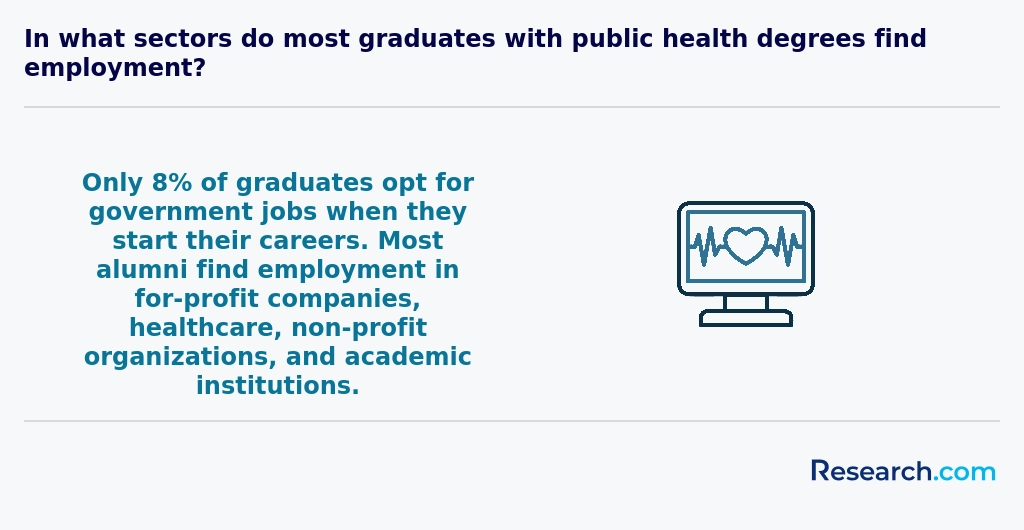
The job market for public health graduates in Nashville is robust, driven by the city's position as a healthcare hub with an industry valued at over $40 billion. Employment opportunities for public health graduates Nashville span various sectors including hospitals, government agencies, nonprofit organizations, and private health companies. Graduates from popular institutions such as Vanderbilt University and Tennessee State University frequently secure roles like Community Health Coordinators and Healthcare Program Managers, benefiting from strong partnerships with local public health departments that facilitate internships and job placements.
Many graduates find rewarding employment pathways with salaries ranging from $50,000 for entry-level positions to over $90,000 in advanced fields, reflecting the region's emphasis on preventive care and health equity. The public health job outlook Nashville is optimistic, supported by an 11% projected growth rate for related occupations nationally, which local trends mirror. For students curious about what is the easiest masters degree to get, public health offers practical, impactful career prospects grounded in Nashville's thriving healthcare ecosystem.
2027 Best Public Health Degree Programs Ranking in Nashville
Investing in your education is a significant decision that can greatly impact your career and life, and the Research.com team recognizes the importance of providing reliable and accurate information to support this choice. To help prospective students explore the best public health degree programs in Nashville, we have carefully developed the "2027 Best Public Health Degree Programs Ranking in Nashville." Our dedication to quality, credibility, and accuracy is demonstrated through thorough research and rigorous analysis.
We utilized the following reputable data sources to ensure a comprehensive evaluation of public health programs:
By reviewing this ranking, readers will gain valuable insights into top public health degree options in Nashville, enabling informed decisions about their educational futures. For further information on how the ranking was created, please visit our Research.com methodology page.


# 5 position
Meharry Medical College
Master of Public Health

Frequently Asked Questions About public health
Public health degree students in Nashville can maximize their learning by engaging with local health institutions such as the Nashville Metro Public Health Department. Hands-on experience through internships and community projects is essential to understanding public health challenges specific to the region. Nashville has a growing healthcare sector with over 300 health companies, offering diverse opportunities for practical exposure, according to the Nashville Area Chamber of Commerce.
Students should also take advantage of partnerships between universities and healthcare providers to access current research and data. Attending local public health seminars and networking with professionals can deepen insight into regional health trends.
Finally, leveraging online resources and national data from the Centers for Disease Control and Prevention aids in building a well-rounded understanding of public health issues facing Tennessee and the U.S.
The public health field is rapidly evolving, with several emerging niches gaining importance in Nashville and nationwide. One notable area is epidemiology focused on infectious diseases, highlighted by recent pandemic responses. Professionals in this niche analyze disease patterns to control outbreaks effectively.
Another growing specialty is health informatics, which combines data analysis and technology to improve health outcomes. According to the Tennessee Department of Health, Nashville has seen increased investment in digital health tools, boosting demand for experts in this field.
Environmental health is also gaining attention as concerns about pollution and climate change rise locally. Public health programs increasingly emphasize these areas to address urban challenges specific to Middle Tennessee.
Preparing for the job market after earning a public health degree in Nashville involves several strategic steps. Graduates should focus on gaining relevant experience through internships or practicum placements, often available via local health departments or organizations like the Tennessee Department of Health.
Nashville's growing healthcare sector offers numerous opportunities, making networking particularly important. Joining professional groups such as the Tennessee Public Health Association can provide valuable connections and job leads.
Additionally, staying updated on local public health challenges, including the opioid crisis and infectious disease control, will make candidates more attractive to employers. According to the Bureau of Labor Statistics, Tennessee's public health jobs are expected to grow by around 8% through 2030, highlighting increasing demand.
Developing skills in data analysis and health communication can also improve job prospects in Nashville's evolving public health landscape.
Employers in Nashville highly value public health graduates who possess strong analytical skills. The ability to interpret data and apply it to real-world health challenges is critical, especially given Nashville's growing focus on addressing chronic diseases and health disparities, as highlighted by the Tennessee Department of Health.
Communication skills are also essential. Graduates must effectively convey complex health information to diverse audiences, including communities and policymakers. This demand aligns with Nashville's diverse population and its emphasis on community-based health initiatives.
Additionally, proficiency in program planning and evaluation stands out. Employers seek graduates capable of designing, implementing, and assessing public health programs.
Leadership and cultural competence are increasingly prioritized to serve Nashville's varied communities effectively.
Finding internships in Nashville relevant to a public health degree involves leveraging local healthcare organizations, government agencies, and nonprofits. Nashville is home to numerous hospitals and health departments that regularly offer internship opportunities. For example, the Nashville Metro Public Health Department provides placements focusing on community health initiatives.
Students should also explore collaborations with institutions like Vanderbilt University Medical Center and the Tennessee Department of Health. According to the Nashville Area Chamber of Commerce, healthcare services represent 20% of the local job market, creating significant internship openings in public health fields. Online platforms like Handshake and LinkedIn list relevant positions specifically tailored for Nashville-based students. Networking with professionals through local public health events further increases internship prospects.
Obtaining a public health degree in Nashville significantly enhances career mobility and advancement prospects. The city's growing healthcare sector, particularly in hospitals and public health agencies, demands skilled professionals with formal education. According to the Bureau of Labor Statistics, Nashville's metropolitan area employment of health educators and community health workers is expected to grow by 12% from 2022 to 2032, higher than the national average.
Graduates with public health degrees often find opportunities in diverse fields such as epidemiology, health policy, and environmental health, with local employers valuing accredited degrees from recognized institutions. Additionally, these credentials typically lead to higher salaries and eligibility for leadership roles in both government and private sectors. This degree also supports qualification for certifications like the Certified Health Education Specialist (CHES), which further improves job prospects and career development in Nashville's competitive health landscape.
Studying for a public health degree in Nashville equips students with diverse skills needed for interdisciplinary roles. Nashville's public health programs emphasize collaboration across fields such as medicine, social sciences, and policy, reflecting the city's growing healthcare industry. For example, Middle Tennessee experiences varied health challenges, making teamwork between epidemiologists, health educators, and policy makers essential. According to the Tennessee Department of Health, the city has prioritized integrated health strategies, which local universities incorporate into their curricula.
Students learn to analyze data, manage community health initiatives, and understand healthcare systems through practical experiences in Nashville's hospitals and community organizations. This broad training prepares graduates to work effectively with professionals across sectors.
Choosing between a thesis and a non-thesis public health degree program in Nashville depends on your career goals and time commitment. Thesis programs require conducting original research, suitable for those aiming for research roles or doctoral studies. Non-thesis options emphasize practical skills and often include internships or capstone projects.
In Nashville, public health graduate programs such as those at Vanderbilt University focus on research and community health initiatives. The city's public health workforce grew by over 8% from 2015 to 2023, highlighting a demand for applied skills.
Consider if you prefer structured research or direct fieldwork. Also, thesis routes can take longer but offer deeper expertise, while non-thesis programs typically allow faster completion.
Students based in Nashville who wish to study public health abroad have several pathways to consider. Many universities in the US, including those in Tennessee, offer exchange programs or partnerships with international institutions. These programs allow students to gain global public health perspectives while earning credits toward their degree.
The University of Tennessee system, accessible to many Nashville students, sometimes features study abroad options in countries with developing public health systems, offering valuable field experience. Additionally, organizations like the Council on Education for Public Health (CEPH) provide listings of accredited international programs recognized in the US.
Engaging in such programs can enhance cross-cultural skills and improve job prospects in global health careers.
Part-time job opportunities that complement public health degree education in Nashville focus on roles allowing students to apply their academic knowledge practically. Common positions include community health workers, who assist local populations in managing health issues. According to the Tennessee Department of Health, Nashville's growing public health workforce offers roles in health education and outreach within nonprofit organizations and city health departments.
Internships at hospitals or clinics provide hands-on experience with patient data and health promotion campaigns. Additionally, roles in research assistance at universities or public health agencies help students understand data analysis and epidemiology.
These part-time jobs enhance practical skills essential for a public health career and often offer flexible hours suitable for students balancing coursework.
Public health students in Nashville benefit from a variety of strong networking opportunities that connect them with professionals and organizations. The city hosts the annual Tennessee Public Health Association conference, attracting over 500 public health practitioners statewide. This event offers students the chance to engage with leaders in health policy, epidemiology, and community health. Additionally, many Nashville universities maintain partnerships with the Metro Public Health Department, providing internships and collaborative projects that enable students to build local contacts.
Students can also join professional groups such as the Nashville Public Health Network, which regularly sponsors workshops and seminars. These connections are valuable for job placement and career development within Tennessee's growing health sector. According to the Bureau of Labor Statistics, Nashville's healthcare and social assistance sector employed over 198,000 people in 2023, reflecting ample opportunities for future graduates.
Alumni networks play a crucial role for public health degree students in Nashville by providing valuable professional connections. Graduates often share job openings in local health departments, research institutes, and nonprofit organizations, which enhances employment opportunities. According to the Tennessee Department of Health, Nashville is a growing hub for public health careers, making networking especially beneficial.
These networks also offer mentorship, helping students navigate career paths and gain insights from experienced professionals. Events and workshops organized by alumni groups foster skill development and allow students to stay updated on public health trends specific to Middle Tennessee.
Participation in alumni networks can significantly improve job placement rates and support long-term career growth in the competitive Nashville public health sector.
Customizing a public health degree program in Nashville allows students to align education with their career objectives. Many Nashville institutions offer specialized tracks such as epidemiology, health policy, or community health. Selecting electives and internships focused on local health challenges, including opioid crisis management or urban health disparities, can enhance practical experience.
Students can often tailor their capstone projects and research to address Nashville's evolving public health needs. Collaboration opportunities with organizations like the Nashville Metro Public Health Department provide valuable fieldwork exposure. According to the Tennessee Department of Health, regional expertise in chronic disease prevention is increasingly emphasized, shaping curriculum choices accordingly.
Public health students in Nashville often face challenges related to balancing rigorous academic demands with fieldwork requirements. Many programs emphasize practical experience, requiring time-consuming internships in healthcare settings, which can be difficult to manage alongside coursework. Additionally, access to affordable housing and transportation is a concern for some students, given Nashville's rising cost of living. According to the U.S. Bureau of Labor Statistics, the healthcare sector in Tennessee is growing rapidly, intensifying competition for quality internship placements. Students must also navigate evolving public health crises, including addressing disparities in underserved communities prevalent in Nashville.
Graduates with a public health degree in Nashville can pursue several recognized professional certifications that enhance career opportunities. The most common is the Certified in Public Health (CPH) credential, offered by the National Board of Public Health Examiners. This certification demonstrates proficiency in basic public health knowledge and skills.
Other valuable certifications include Certified Health Education Specialist (CHES), which focuses on health promotion strategies, and the Registered Environmental Health Specialist (REHS) for those interested in environmental health roles.
These certifications often require passing an exam and maintaining continuing education, aligning with career growth in Nashville's expanding healthcare sector, supported by data from the Tennessee Department of Health.
To write a winning application for a public health program in Nashville, start by researching local universities such as Vanderbilt University and Tennessee State University, which offer accredited programs. Highlight your understanding of public health challenges specific to Nashville, including addressing health disparities in Davidson County, where recent data shows higher rates of chronic diseases.
Showcase relevant experience in community service, internships, or research related to public health. Strong letters of recommendation from professionals familiar with your dedication can greatly enhance your application.
Be clear and concise in your personal statement, explaining your goals and how the program aligns with your career plans in public health within the Nashville community.
Public health careers increasingly demand a global perspective due to interconnected health challenges like pandemics, climate change, and chronic diseases. Professionals trained in U.S. programs, including those in Nashville, often study international health trends alongside local concerns.
According to the Association of Schools and Programs of Public Health (ASPPH), nearly 30% of public health graduates seek employment with global organizations or in international settings. Nashville, home to major public health research centers and nonprofits, offers students exposure to global health issues through collaborations and internships.
Understanding diverse health systems and cultural contexts is vital. This global lens equips graduates to develop policies and interventions adaptable to varying populations worldwide, enriching career opportunities beyond the U.S.
Gaining practical experience while studying for a public health degree in Nashville is essential for career readiness. Many Nashville universities offer internships with local health departments, such as the Metro Public Health Department, which addresses key community issues like chronic disease and infectious outbreaks.
Students can also engage in service-learning projects or research initiatives linked to Vanderbilt University Medical Center, a leading facility in public health research. These opportunities provide hands-on experience in data analysis, program planning, and health education.
Additionally, the Tennessee Department of Health collaborates with educational institutions, creating pathways for students to complete practicum hours required for degree completion.
Choosing the right concentration within a public health degree in Nashville starts with understanding your career goals. Public health programs often offer focuses like epidemiology, health policy, community health, or environmental health. Research local health trends-Nashville, for example, faces challenges such as obesity and chronic disease prevalence, which may guide you toward specialties like community health or health promotion.
Consider job market data from the Tennessee Department of Labor, which highlights growth in healthcare administration and health education roles. Additionally, look at faculty expertise and practicum opportunities in Nashville's robust healthcare sector, including the Vanderbilt University Medical Center.
Accreditation and partnership with local health organizations are also key indicators of program quality and relevant experience.
- 2027 Best Public Health Degree Programs Ranking in Birmingham
- 2027 Best Public Health Degree Programs Ranking in Bloomington
- 2027 Best Public Health Degree Programs Ranking in Atlanta
- 2027 Best Public Health Degree Programs Ranking in Athens
- 2027 Best Public Health Degree Programs Ranking in Indianapolis
- 2027 Best Public Health Degree Programs Ranking in Saint Louis
- 2027 Best Public Health Degree Programs Ranking in Columbia
- 2027 Best Public Health Degree Programs Ranking in Statesboro
- 2027 Best Public Health Degree Programs Ranking in Chicago
- 2027 Best Public Health Degree Programs Ranking in Tallahassee
- Today’s Guide to Public Health Certifications https://www.publichealthdegrees.org/resources/public-health-certifications/
- Engaging students through service-learning opportunities in public health https://sneb.org/engaging-students-through-service-learning-opportunities-in-public-health/
- Health Department Employment Opportunities | Nashville.gov https://www.nashville.gov/departments/health/employment-opportunities
- Young WFPHA Initiative – Empowering Young Public Health Professionals https://www.wfpha.org/young-wfpha/
- Yes, the Public Health Job Market is Tough, But You're ... https://phspot.org/yes-the-public-health-job-market-is-tough-but-youre-tougher/
- Public Health https://disabroad.org/program/public-health/
- Public Health/Global perspective - Wikiversity https://en.wikiversity.org/wiki/Public_Health/Global_perspective
- How to Get Your First Public Health Job - PHERN https://phern.communitycommons.org/early-career-professional-learning-series/how-to-get-your-first-public-health-job/
- The Interdisciplinary Nature of Public Health https://www.cune.edu/news/interdisciplinary-nature-public-health
- For Academic Public Health https://globalnetworkpublichealth.org/