
2027 Easiest Online Organizational Leadership Degree Programs Ranking in the South

Co-Founder and Chief Data Scientist
Pursuing an online organizational leadership degree can open doors to exciting career opportunities in the South. Choosing the right program is key to making your educational journey smooth and rewarding.
This article presents the 2027 Easiest Online Organizational Leadership Degree Programs Ranking in the South, developed by the Research.com team of data scientists. It's designed to help you find programs that balance quality with flexibility and ease.
Reading this guide can boost your confidence and clarity as you take an important step toward advancing your leadership skills and future success.
Key benefits of getting online organizational leadership degree in the South
- Organizational leadership graduates in the South often enjoy competitive salaries similar to the national average of $70,000 to $90,000 annually, depending on the role and experience, providing strong financial stability and career growth.
- Graduates from Southern universities like the University of Alabama have diverse career paths available, including roles in management, human resources, and project leadership, offering exciting opportunities to impact organizations positively.
- Completing an organizational leadership degree online from schools like the University of Florida allows flexible learning that fits busy schedules, reducing costs and enabling faster entry into rewarding careers without sacrificing quality.
What can I expect from online organizational leadership degree in the South?
Graduates from well-known Southern universities often recall the accessibility afforded by lower tuition costs when pursuing their online organizational leadership degrees. In the South, you can generally expect to pay between $300 and $600 per credit hour at public universities, making these programs financially manageable alongside work and family commitments. For many, the affordable tuition turned what might have been a distant goal into an achievable step toward advancing their careers.
One graduate from a popular Texas university reflected on how this cost range allowed them to invest more in supplemental resources such as leadership workshops and technology tools, enriching their educational experience. Another from a North Carolina college mentioned the relief of finding scholarships tailored specifically for online learners, which eased financial pressure significantly.
Such affordability is especially important in the South, where students balance busy lives and often juggle multiple responsibilities. Knowing tuition is reasonable helps focus energy on mastering leadership skills that translate directly to workplace challenges, making the investment feel both practical and rewarding.
Where can I work with online organizational leadership degree in the South?
Graduates from online organizational leadership programs at Southern universities often find themselves stepping confidently into diverse and rewarding career paths. For instance, many who studied at institutions like the University of North Carolina or Florida State University move into healthcare administration roles, managing teams in bustling hospitals or community clinics, where their leadership directly impacts patient care quality. This practical experience fuels a strong sense of purpose and accomplishment.
Others embrace education leadership, taking on school administrative roles or coordinating programs in local districts across states such as Tennessee or Georgia. These positions not only call for sharp organizational skills but also allow graduates to shape the future of their communities, creating a deep connection to their work.
Business sectors in Southern metro areas like Houston and Atlanta attract graduates into project or operations management roles, often within major corporations. Here, leaders thrive by improving efficiencies and building dynamic teams, enjoying the daily momentum of growth and innovation.
Government and nonprofit roles provide avenues for those passionate about community impact, offering opportunities to direct programs that bring positive change. Graduates consistently express pride in applying their skills where they can see tangible results.
How much can I make with online organizational leadership degree in the South?
Graduates from online organizational leadership programs in the South often find rewarding salary prospects that reflect both regional and industry-specific dynamics. For example, many who studied at well-known Southern universities have shared that entry-level roles like leadership coordinators typically offer starting salaries between $50,000 and $60,000 annually in states such as Texas and North Carolina. These figures align with the practical experiences of those launching careers in bustling metropolitan areas like Atlanta and Houston, where demand for skilled leaders drives competitive compensation.
Mid-career professionals, often with five years or more of relevant experience, report earnings rising to the $75,000 to $90,000 range, especially in sectors like healthcare administration and business consulting. Healthcare administrators, for instance, can expect median salaries near $95,000, a number that reflects the complexity and leadership responsibility inherent in their positions.
Graduates appreciate how these salary trends embody opportunities to grow professionally while contributing meaningfully to organizations. The Southern regional economy's expansion in healthcare and business services supports a positive outlook for those holding organizational leadership degrees, fueling a sense of optimism among alumni pursuing this path.
- Key benefits of getting online organizational leadership degree in the South
- What can I expect from online organizational leadership degree in the South?
- Where can I work with online organizational leadership degree in the South?
- How much can I make with online organizational leadership degree in the South?
- How do we rank schools?
- 2027 Easiest Online Organizational Leadership Degree Programs Ranking in the South
- What online organizational leadership degree graduates have to say
- Key Findings
- How long does it take to complete online organizational leadership degree in the South?
- What's the difference between online and on-campus organizational leadership degree?
- What is the average cost of online organizational leadership degree in the South?
- What financial aid is available to online organizational leadership degree students in the South?
- What are the prerequisites for enrolling in online organizational leadership degree program in the South?
- What courses are typically in online organizational leadership degree programs in the South?
- What types of specializations are available in online organizational leadership degree programs in the South?
- How do you choose the best online organizational leadership degree in the South?
- What career paths are available for online organizational leadership degree students in the South?
- What is the job market for online organizational leadership degree in the South?
- Frequently Asked Questions About organizational leadership
- Top Trending Organizational Leadership Rankings
How do we rank schools?
Investing in your education is a significant decision that can shape your future, and the Research.com team understands the importance of making informed choices. To assist prospective students in the South, we have meticulously crafted the "2027 Easiest Online Organizational Leadership Degree Programs Ranking in the South." Our commitment to quality, credibility, and accuracy is reflected in the extensive research and analysis conducted to compile this ranking.
We utilized the following reputable data sources to ensure a comprehensive evaluation of online organizational leadership programs:
By exploring this ranking, readers will gain valuable insights into the easiest online organizational leadership degree programs in the South, helping them make informed decisions about their educational paths. For more details on our methodology, please visit our Research.com methodology page.
2027 Easiest Online Organizational Leadership Degree Programs Ranking in the South
# 1 position

The University of South Carolina-Columbia offers a Bachelor's degree in Business, designed to be completed in 48 months. The program has a less selective admission with a 60% acceptance rate and boasts a 79% graduation rate. The average total cost is $51,990, with 94% of students receiving high levels of financial aid. There are 18,955 online students currently enrolled in the program.
# 2 position
Regent University
Master
The Master's program in Public Relations at Regent University offers a 12-month curriculum with a graduation rate of 57%. The school has a moderately selective acceptance rate of 38%, admitting just over a third of applicants. Approximately 97% of students receive financial aid, indicating high aid levels. The average total cost for the program is $22,935, and the university enrolls 9,624 online students in this degree.
# 3 position

Western Kentucky University offers an 18-month Master's program focused on Business, featuring an open admission policy with a 94% acceptance rate. The program serves around 8,000 online students and has a graduation rate of 56%. Most students benefit from high financial aid availability, with 99% receiving support. The average total cost for completion is $20,910, making it a financially accessible option for many prospective students.
# 4 position
Western Kentucky University
BachelorWestern Kentucky University offers a Bachelor program in Communication focused on providing a comprehensive education over 48 months. The program has an open admission policy with a 94% acceptance rate, making it accessible for many applicants. About 99% of students receive financial aid, indicating a high level of support. The average total cost is $59,520. The graduation rate stands at 56%, and there are approximately 8,000 online students enrolled.
# 5 position
University of Louisville
Bachelor
The University of Louisville offers a Bachelor's degree program in Education lasting 48 months. The program has an open admission policy with a 79% acceptance rate, providing high levels of financial aid to 98% of students. The graduation rate stands at 61%, and the average total cost is $64,680. Additionally, there are 5,630 students currently enrolled in the online program.
# 6 position

Nova Southeastern University's Master program in Education spans 18 months and has a less selective acceptance rate of 73%. The program serves 2,883 online students and offers a high level of financial aid, with 100% of students receiving support. The graduation rate is 63%, and the average total cost is $31,124, making it a significant investment for prospective students seeking an advanced education degree.
# 7 position

Abilene Christian University offers a 24-month Master's program focused on Business. The program has a graduation rate of 59%, reflecting above-average completion success. It features less selective admissions, accepting about 66% of applicants, which may ease entry for many prospective students. Tuition averages $29,916, with high financial aid availability, as 100% of students receive some form of assistance, making it a financially accessible option.
# 8 position
Brenau University
Master
Brenau University offers a Master's degree program focusing on Finance and Business. The program spans 24 months and has an open admission policy with an 88% acceptance rate. The graduation rate is 33%, reflecting program completion challenges. Nearly all students, 99%, receive high levels of financial aid. The average total cost for the program is $32,970, making it a considerable investment for prospective students seeking advanced business education.
# 9 position
Abilene Christian University offers a doctoral program focused on education, designed to be completed in 60 months. The program has a graduation rate of 59%, indicating a moderate completion success. It is less selective with an acceptance rate of 66%. Students benefit from high aid levels, as 100% receive financial assistance. The average total cost for the entire program is $39,900.
# 10 position
Brenau University
BachelorBrenau University offers a Bachelor program focused on Business, designed to be completed in 48 months. The program has an open admission policy with an acceptance rate of 88%. The graduation rate stands at 33%, reflecting its challenges. The average total cost of the degree is $86,160. A significant 99% of students receive high levels of financial aid to support their education.
What online organizational leadership degree graduates have to say
- Maria: Earning my online organizational leadership degree from the University of Alabama was a game-changer. The flexible schedule allowed me to balance work and family, while professors offered personalized support. I gained practical leadership skills that boosted my confidence and career growth in the Southern business community.
- Jamal: Studying at Baylor University's online program opened doors I never imagined. The coursework focused on real-world applications, and networking with diverse peers enriched my experience. Completing my degree online gave me the freedom to learn at my own pace while still feeling connected and motivated.
- Ashley: My time with Liberty University's online organizational leadership program was inspiring. The Southern values and community vibe made learning enjoyable, and the curriculum emphasized ethical leadership and innovation. I felt supported every step of the way, making this degree a pivotal part of my personal and professional development.
Key Findings
- Tuition for online organizational leadership degrees in Southern public institutions typically ranges from $15,000 to $25,000, which is often lower than the national average.
- Many Southern universities offer fully online programs accredited by the Southern Association of Colleges and Schools Commission on Colleges (SACSCOC).
- Entry-level salaries for graduates usually start between $50,000 and $60,000 annually, increasing to $75,000-$90,000 with five to ten years of experience.
- Job growth in organizational leadership is strong in sectors like healthcare administration, education management, nonprofits, and corporate leadership across Southern cities such as Atlanta, Dallas, and Charlotte.
- Online programs often focus on practical skills like team management and strategic planning, with accelerated options available for faster degree completion.
How long does it take to complete online organizational leadership degree in the South?
Completing an online organizational leadership degree in the South typically spans two to four years, shaped largely by how students balance their course loads and life demands. Graduates from institutions like the University of Central Florida share how pacing their studies-sometimes taking full-time semesters, other times part-time-directly affected their timelines, often ranging from 18 to 36 months. This flexibility is a real advantage, allowing learners to tailor their progress around careers or family.
Many find that managing around 30 credit hours per year fits well with the South's traditional academic calendars, supporting a steady, manageable pace. Veterans of these programs express satisfaction in being able to accelerate when prior credits or work experience apply, often finishing sooner than expected. The varied program structures-from cohort models to fully self-paced options-offer encouragement for working adults aiming to complete degrees without sacrificing personal or professional growth.
What's the difference between online and on-campus organizational leadership degree?
Graduates from universities like the University of Southern Mississippi often reflect on the flexibility online organizational leadership programs provide. Being able to study remotely allows working professionals and parents throughout the South to balance jobs and family while progressing steadily toward their degrees. This freedom contrasts sharply with the structure experienced by those on campuses such as Louisiana State University, where attending fixed class times demands careful scheduling and commuting, sometimes leading to stress but also fostering a strong sense of routine.
Cost is another clear difference. Southern students pursuing on-campus degrees frequently mention expenses beyond tuition-commuting, housing, and campus fees-which can add up quickly. Conversely, online learners at institutions like Sam Houston State University appreciate how these costs are minimized, making their education more affordable and accessible.
Peers from both paths emphasize the value of interaction. On-campus programs offer spontaneous conversations and networking during classes or events, while online studies rely on discussion boards and virtual meetings that require self-motivation but still build connections. Regardless of format, graduates agree that regional accreditation ensures employers recognize their degrees equally, focusing more on the university's reputation than where the classes took place.
What is the average cost of online organizational leadership degree in the South?
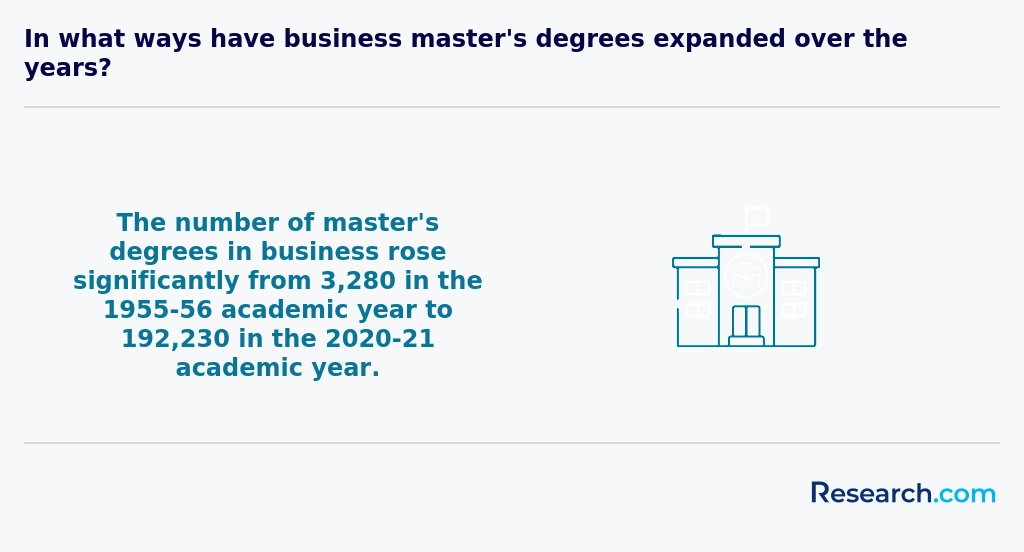
The average cost of an online organizational leadership degree in the South reflects a balance between quality education and affordability, often shaped by whether the student attends a public or private institution. Graduates from well-known Southern universities often share how in-state tuition rates, averaging around $37,697 total, make pursuing their degrees feel like a reachable goal without compromising quality. These programs, found at places such as the University of North Carolina or the University of Florida, typically keep costs manageable for residents while still offering robust online learning experiences.
Out-of-state students and those enrolled at private Southern universities encounter higher expenses, with median total costs nearing $63,842. Despite the increased financial investment, many graduates from institutions like Liberty University highlight the value they found in the specialized curriculum and community support, which often justify the higher tuition fees. For many considering affordable online organizational leadership programs Southern states provide, it's essential to weigh how program specifics align with career ambitions and personal circumstances.
Additional expenses can include fees for technology and course materials, but these are generally lower than traditional campus-based programs. Students seeking advanced degrees might also explore options such as a doctorate in organizational leadership online, broadening career opportunities with similar financial considerations.
What financial aid is available to online organizational leadership degree students in the South?
When pursuing an online organizational leadership degree in the South, many graduates reflect on how essential financial aid was to their success. Federal aid, accessed through FAFSA, often stands out as a dependable starting point, offering grants like the Pell Grant that ease the burden without the worry of repayment. For instance, students at universities like the University of Alabama or Florida State University have found federal support pivotal in managing costs that range widely from $250 to $600 per credit hour.
State-specific scholarships also play a crucial role, especially programs like the Tennessee HOPE Scholarship or the Georgia HOPE Scholarship. Graduates frequently mention how these scholarships, contingent on residency and GPA, made their education feel more within reach, providing tangible relief for Southern residents balancing work and study.
Institutions often extend merit-based awards or special scholarships for adult learners and veterans, recognizing the unique backgrounds of organizational leadership students. Many working professionals in cities such as Atlanta and Charlotte appreciate employer tuition reimbursement programs, which transform career development into a collaborative effort between student and company.
Lastly, private scholarships geared toward leadership ambitions provide an extra layer of support. Graduates advise exploring databases like Fastweb to find tailored opportunities that align with personal goals, creating a sense of encouragement and hope throughout their academic journey.
What are the prerequisites for enrolling in online organizational leadership degree program in the South?
Enrolling in an online organizational leadership degree program in the South typically begins with meeting clear academic requirements. Graduates from respected Southern universities often recall how having a high school diploma or an equivalent was their first step, especially for bachelor's programs. Many institutions, whether at public universities or private colleges in the region, asked for official transcripts that verified their educational background.
For those pursuing a master's degree, the experience shared by alumni highlights the importance of holding a bachelor's degree-usually connected to business or management, but sometimes diverse academic paths were accepted if paired with relevant experience. Several Southern schools adopt flexible approaches with test scores; while some still consider SAT, ACT, or GRE results, these are frequently waived based on professional history, which many found reassuring.
Letters of recommendation and purpose statements became key to illustrating motivation and leadership potential, helping graduates connect their real-life goals to academic expectations. Work experience, often of two to three years in leadership roles, was a common thread that empowered students to engage deeply with coursework, blending theory with practical insights they gained in Southern community organizations or businesses.

What courses are typically in online organizational leadership degree programs in the South?
Strategic planning and human resource management classes offer invaluable tools, helping students navigate the intricacies of workforce development and company goals, which proved essential for many balancing academics with professional careers. Ethics in leadership, communication, and conflict resolution courses cultivate a deeper awareness of the human element in leadership, something graduates frequently describe as transformative in handling workplace tensions.
Decision-making and problem-solving classes distinctly prepare students to approach challenges analytically, instilling confidence to lead change. Through project management and capstone experiences, learners at Southern colleges feel empowered to apply these concepts immediately, fostering both personal growth and effective team guidance in fast-paced Southern business environments.
What types of specializations are available in online organizational leadership degree programs in the South?
Online organizational leadership degrees in the South typically offer specializations that reflect the diverse regional workforce and industry demands. Graduates from universities renowned for Southern regional online leadership degree options often speak of the value found in areas like Healthcare Leadership, which equips them to navigate the complexities of managing patient care and regulatory challenges in local hospitals. Others appreciate the focus on Higher Education Leadership, where administrative roles at regional colleges are their career goals.
The specialization in Nonprofit Leadership resonates with those who want to make a difference in community organizations, while Business Leadership prepares students to excel in corporate environments, emphasizing strategic decision-making and human resource management. Particularly noteworthy is the Human Resource Leadership track, which many students pursuing the best online masters degree in human resource management programs in the South find crucial for workforce development in dynamic labor markets. These specializations create practical pathways that graduates use to impact their communities and organizations positively.
How do you choose the best online organizational leadership degree in the South?
Choosing the best online organizational leadership degree in the South means prioritizing accredited programs recognized by the Southern Association of Colleges and Schools Commission on Colleges (SACSCOC). Graduates from these programs often share how accreditation gave their degrees strong credibility in regional job markets. Schools like the University of Central Florida exemplify this balance through curricula focused on leadership theory combined with practical projects, creating effective preparation for real-world scenarios.
Affordability is a major consideration; many Southern public universities offer online programs with tuition between $6,000 and $10,000 annually, making them attractive for students seeking affordable online leadership programs in the South. Financial aid and flexible scheduling, such as asynchronous courses and multiple start dates, also enhance the student experience. Reflecting on peers' experiences, those who found success balanced these elements while leveraging robust academic advising and career services.
For students linking organizational leadership to related fields, exploring a project manager bachelor degree can be a complementary path. Ultimately, researching alumni outcomes in local leadership roles helps ground your choice in the realities of the Southern job market, inspiring confidence and clarity.
What career paths are available for online organizational leadership degree students in the South?
Graduates from organizational leadership programs at respected Southern universities often find themselves stepping confidently into diverse leadership roles. Many take on Human Resources Manager positions, where they apply their skills in employee relations and training within growing companies in Texas or Georgia. Others thrive as Project Managers, leading initiatives that drive innovation and efficiency in sectors like healthcare and technology. The flexibility of an online organizational leadership degree in the South means students can balance studies with real-world experience, making this career path both practical and rewarding. These graduates often point to their degree as a key factor in securing roles that require sharp leadership and strategic thinking.
Those curious about expanding their expertise sometimes combine their leadership degree with an online business administration degree, further broadening their job opportunities. Operations Managers and Business Consultants also benefit from the comprehensive leadership training offered by Southern colleges, enhancing workplace dynamics and organizational success. Nonprofit leadership roles attract graduates motivated by impact and community service, reflecting the growing importance of organizational leadership careers in the South.
What is the job market for online organizational leadership degree in the South?
Graduates pursuing online organizational leadership jobs in the South find a steadily expanding market, particularly in states like Texas, Florida, and Georgia, where industries such as healthcare and technology continue to fuel demand for skilled leaders. Alumni from popular Southern universities often share stories of landing roles as project managers or human resources directors, illustrating how their programs emphasize practical leadership skills that resonate with employers focused on efficiency and employee engagement.
While competition remains healthy, many Southern graduates credit internships and hands-on projects during their studies for giving them a competitive edge. For those considering cost-effective educational paths, Southern institutions generally offer tuition ranging from $15,000 to $30,000, which is notably lower than many alternatives. This financial advantage aligns with positive job prospects and salaries, frequently between $75,000 and $100,000 annually.
Students balancing their career aspirations with affordable education sometimes explore programs that blend leadership with entrepreneurship, such as an online MBA entrepreneurship, to further diversify their qualifications. Such pathways reflect the vibrant Southern job outlook for organizational leadership graduates navigating today's evolving marketplace.
Frequently Asked Questions About organizational leadership
Students pursuing online organizational leadership degrees in the South can enhance their learning by actively engaging with course materials and participating in virtual discussions. Research shows that students who contribute regularly to online forums perform better overall, according to the National Education Association.
Utilizing local professional networks can also provide valuable practical insights and internship opportunities. Southern states often offer regional leadership organizations that support emerging leaders.
Additionally, setting a structured study schedule helps maintain consistency, a critical factor in successful online learning environments reported by the Southern Regional Education Board.
Access to advisors and career services tailored to Southern job markets further strengthens student outcomes in this field.
The field of organizational leadership is expanding into several emerging niches, especially relevant for students pursuing online degrees in the South. One significant area is digital transformation leadership, focusing on guiding companies through technology adoption and remote work models. According to the Southern Regional Education Board, demand for leaders with skills in coordinating virtual teams has increased by 25% since 2020.
Another growing niche is inclusive leadership, which emphasizes diversity, equity, and inclusion initiatives. Organizations across the South are prioritizing leaders who can foster diverse workplaces to improve innovation and employee satisfaction.
Additionally, sustainability leadership is gaining traction, with businesses seeking leaders adept in corporate social responsibility. As Southern states invest more in green practices, expertise in sustainability is becoming highly valued. These niches highlight the evolving demands within organizational leadership roles tailored to Southern economic and cultural landscapes.
After earning an online organizational leadership degree in the South, preparing for the job market involves several key steps. First, graduates should build a strong professional network. According to the Southern Regional Education Board, connections in industries like health care, education, and business leadership improve job prospects significantly in Southern states.
Next, gaining practical experience through internships or volunteer leadership roles is essential. Employers value hands-on experience combined with academic knowledge. Additionally, obtaining certifications such as Certified Manager (CM) can enhance resumes.
Finally, tailoring resumes and cover letters to highlight leadership skills and regional industry needs will increase chances of success in the competitive Southern job market.
Employers in the South highly value organizational leadership graduates who demonstrate strong communication and interpersonal skills. These abilities are crucial for managing diverse teams and fostering collaboration in businesses across the region. According to the Southern Employers Association, 78% of companies prioritize effective problem-solving and decision-making skills in candidates.
Additionally, strategic thinking and adaptability stand out as essential skills due to the dynamic economic environment in Southern states like Texas, Florida, and Georgia. Leadership graduates proficient in data analysis and technology use also see increased job prospects, reflecting wider national trends reported by the National Association of Colleges and Employers (NACE).
Finding internships in the South related to an organizational leadership degree involves strategic research and networking. Many Southern universities offer career services portals where students can find internships posted specifically for leadership roles. For example, schools in Texas and Georgia often partner with local businesses to provide experiential learning opportunities.
Online students should also leverage professional organizations such as the Southern Management Association, which connects students to internships and leadership development programs. According to the U.S. Bureau of Labor Statistics, internships in organizational leadership fields have grown by 7% in Southern states from 2019 to 2023.
Additionally, students can search regional job boards like WorkInTexas.com or Georgia's Employ Georgia, filtering for internships that emphasize leadership skills. Engaging with alumni networks and attending virtual career fairs can also increase chances of securing relevant internships.
An online organizational leadership degree provides significant advantages for career mobility and advancement in the South. As businesses in states like Texas, Georgia, and Florida expand, leadership skills are increasingly vital. According to the U.S. Bureau of Labor Statistics, management roles in the South are projected to grow by 8% through 2031, faster than the national average.
Graduates with this degree gain expertise in team management, strategic planning, and decision-making. These skills align well with regional employers' needs in healthcare, manufacturing, and education sectors.
Online programs also offer flexibility, allowing working professionals to upgrade credentials without pausing their careers.
Studying for an online organizational leadership degree in the South equips students with skills applicable across multiple disciplines. Southern programs often integrate courses in business, communication, psychology, and management, fostering a broad understanding of how organizations operate. This interdisciplinary approach prepares graduates to work effectively in diverse sectors such as healthcare, education, and government.
According to the Southern Regional Education Board, many institutions in the region tailor their leadership curricula to meet local economic and cultural needs, ensuring relevance to various work environments. Students learn strategic decision-making, team leadership, and conflict resolution, valuable in numerous professional contexts.
Additionally, the practical focus of Southern programs encourages real-world application, helping students build competencies that employers across fields seek, increasing graduate adaptability and career mobility.
Choosing between a thesis and a non-thesis organizational leadership degree program in the South depends largely on your career goals and learning preferences. Thesis programs require conducting original research, which can be valuable if you plan to enter academia or pursue a doctoral degree. Many Southern universities, such as the University of Alabama and University of North Carolina, offer thesis options with strong research components.
Non-thesis programs typically emphasize practical leadership skills and may include capstone projects or internships. These are often preferred by working professionals aiming to advance in corporate or nonprofit sectors.
According to the Southern Regional Education Board, about 60% of online leadership students in Southern states choose non-thesis tracks for their flexibility and career focus.
Students based in the Southern United States seeking to study organizational leadership abroad generally face limited direct options through regional institutions. Most Southern universities offering online organizational leadership degrees focus on domestic accreditation and curriculum alignment with U.S. standards. However, some programs incorporate international leadership perspectives through global case studies and virtual exchange opportunities.
For those aiming to study overseas, enrolling in study-abroad partnerships facilitated by Southern universities can be an option. These partnerships often include short-term residencies or internships abroad rather than full-degree programs.
As of recent surveys, nearly 30% of Southern higher education institutions with leadership programs report some form of international collaboration, but fully online degrees designed specifically for foreign study remain rare. Students interested in global leadership may supplement their degrees with certificates or dual degrees from foreign universities after completing foundational coursework in the South.
Part-time job opportunities in the South that complement online organizational leadership degrees include roles such as administrative assistants, project coordinators, and human resources interns. These positions allow students to apply leadership theories in real-world settings while developing valuable skills. According to the U.S. Bureau of Labor Statistics, the South exhibits steady growth in management-related jobs, making these roles accessible and relevant.
Additionally, nonprofit organizations and small businesses in the region often seek part-time leadership support, providing experience in team management and strategic planning. Gaining hands-on experience alongside academic studies enhances career readiness and networking opportunities in organizational leadership fields.
Online organizational leadership students in the South have access to a variety of networking opportunities that support their academic and professional growth. Many universities offer virtual events, such as webinars and networking mixers, specifically tailored for online students.
Students can also join state-based leadership associations like the Southern Regional Leadership Association, which hosts conferences and online forums. Additionally, platforms like LinkedIn feature regional groups focused on leadership and management where Southern students can connect with peers and professionals.
According to the National Center for Education Statistics, online students in southern states increasingly benefit from these digital and in-person networks tailored to the region's industries and community needs.
Alumni networks offer significant benefits to students pursuing online organizational leadership degrees in the South. These networks provide valuable connections within regional industries, enhancing job prospects in key Southern markets such as Atlanta, Charlotte, and Dallas. Through alumni events and online platforms, students gain access to mentorship opportunities and professional guidance from experienced leaders who understand the unique challenges of Southern organizations.
Research from the Southern Regional Education Board shows that strong alumni engagement improves career advancement by 20% on average for graduates in leadership fields. Furthermore, alumni networks often share exclusive internships and job openings, making them essential resources for career growth.
Networking with fellow alumni also fosters collaboration on projects relevant to Southern business landscapes, helping students apply leadership theories in practical settings while expanding their professional influence.
Customizing an online organizational leadership degree in the South allows students to align their studies with specific career objectives. Many Southern universities offer electives and concentrations such as healthcare leadership, nonprofit management, or business administration. By selecting these focused areas, students can tailor their education to match industry demands.
Additionally, some programs provide flexible scheduling and practicum opportunities, enabling professionals to gain real-world experience relevant to their goals. For example, institutions in states like Florida and Georgia emphasize leadership skills applicable to growing regional sectors.
According to the Southern Association of Colleges and Schools, over 70% of online leadership programs in the South permit such customization to enhance employability. This flexibility helps students build expertise that directly benefits their future roles.
Online organizational leadership students in the South often face connectivity and technology challenges due to rural areas with limited broadband access. According to the Federal Communications Commission, approximately 22% of Southern rural residents lack high-speed internet, affecting their ability to participate in live lectures and submit assignments promptly.
Another common difficulty is balancing work, family, and school responsibilities, as many students juggle full-time jobs while studying. The Southern Regional Education Board highlights that adult learners in the South benefit from flexible course schedules but still struggle with time management.
Finally, students may encounter limited networking and mentorship opportunities compared to on-campus peers, impacting professional growth during and after their degrees.
With an online organizational leadership degree, graduates in the South can pursue several professional certifications to advance their careers. Popular options include the Certified Professional in Learning and Performance (CPLP), which emphasizes training and development skills. Another valuable credential is the Project Management Professional (PMP), recognized nationwide for leadership in project execution.
The Senior Professional in Human Resources (SPHR) certification is also relevant for those focusing on talent management and organizational development.
According to the Southern Regional Education Board, leadership roles in Southern states often require or prefer such certifications, enhancing employability and salary prospects.
Writing a winning application for an online organizational leadership program in the South requires clear focus and preparation. First, carefully review the program's prerequisites and tailor your resume to highlight leadership experience, especially in regional industries like healthcare, education, or business. Admissions committees value candidates showing practical leadership skills aligned with Southern economic trends.
Strong personal statements should emphasize your goals in organizational leadership and how the program fits your career path. According to the Southern Association of Colleges and Schools Commission on Colleges (SACSCOC), accredited programs emphasize leadership ethics and strategic thinking. Mentioning these aligns your application with regional priorities.
Additionally, secure recommendation letters from supervisors familiar with your leadership abilities. Emphasize your capacity for remote learning, a key trait for success in online degrees.
Organizational leadership careers increasingly engage with global perspectives as businesses and nonprofits expand internationally. According to the U.S. Bureau of Labor Statistics, leadership roles demand skills in cross-cultural communication and global strategic thinking, vital for Southern professionals working in multinational environments. Online organizational leadership degrees in the South often incorporate international case studies and practices to prepare students for diverse work settings.
Research from the University of Southern Mississippi highlights that 65% of graduates in organizational leadership enter roles requiring global awareness, reflecting a growing trend nationwide. These programs emphasize global ethics, collaboration, and adaptive leadership, essential for careers connected to worldwide markets.
Gaining practical experience while studying for an online organizational leadership degree in the South is achievable through multiple pathways. Many Southern universities encourage internships with local businesses and nonprofits, providing hands-on leadership experiences that complement coursework. According to the Southern Regional Education Board, nearly 70% of organizational leadership programs in the South offer internship opportunities or capstone projects.
Students can also engage in virtual internships and volunteer leadership roles, allowing flexible integration with online studies. Additionally, mentorship programs often connect students with regional leaders, fostering real-world insights and networking. These practical experiences are vital for developing skills employers seek in leadership roles across industries in the South.
Choosing the right concentration within an online organizational leadership degree in the South requires assessing your career goals and interests. Common concentrations include healthcare, education, business, and nonprofit leadership, each aligning with different industries. For example, healthcare leadership is growing rapidly in Southern states, reflecting industry demand highlighted by the Southern Regional Education Board (SREB).
Research the labor market in your state; Texas and Florida report significant leadership role growth in education and business sectors. Look at program curricula and specialization options that match these trends. Additionally, consider accreditation and flexibility to ensure the program fits your schedule and maintains regional recognition.
Top Trending Organizational Leadership Rankings
References
- How to build a strong alumni network & online community https://hivebrite.io/downloads/how-to-build-strong-alumni-network/
- Alumni Management through Engagement | Alumni engagement https://www.engage2serve.com/blog/alumni-management/
- Study abroad in Minneapolis, United States: Most popular universities for Management, Organisation & Leadership. https://englishtestportal.com/studyabroad/united-states/minneapolis/management-organisation-leadership
- Benefits of Organization Leadership Degrees in Management https://www.umassglobal.edu/blog-news/benefits-organization-leadership-degrees-management
- Writing an Outstanding Statement of Purpose https://theleadershipalliance.org/resource/writing-outstanding-statement-purpose
- Integrated Master’s Program in Management and Organizational Leadership | Choice Abroad https://www.choiceabroad.ie/courses/integrated-masters-program-in-management-and-organizational-leadership-suffolk-university
- Business and Organizational Skills Employers Look For | NU https://learn.neumann.edu/neuperspectives/business-and-organizational-skills-employers-look-for
- 5 Career Paths in Organizational Leadership https://www.jobconvo.com/blog/en/5-career-paths-organizational-leadership/
- 2025 Most Affordable Online Master's Degrees in Organizational Leadership https://www.onlineu.com/most-affordable-colleges/organizational-leadership-masters-degrees
- Online Bachelor's Degree in Organizational Leadership | CSU Global | Accredited https://csuglobal.edu/academic-programs/undergraduate-degrees/bachelors-degree-organizational-leadership


