2027 Most Popular Marketing Degree Programs Ranking in Kansas

Co-Founder and Chief Data Scientist
Choosing the right marketing degree program in Kansas can shape your future career and open exciting opportunities. This article introduces the 2027 Most Popular Marketing Degree Programs Ranking in Kansas, created by the Research.com team of data scientists to guide you through the best options available.
By exploring this ranking, you'll gain valuable insights to make an informed decision that fits your goals and interests. Earning a marketing degree can lead to rewarding and dynamic career paths, making this a smart step forward.
Key benefits of getting marketing degree in Kansas
- Salary for marketing degree graduates: Graduates can expect competitive salaries, such as a Marketing Assistant earning around $83,190 annually and a Public Relations Specialist making up to $159,420 per year, offering strong financial motivation.
- Potential career paths: A marketing graduate from the University of Kansas might pursue roles like Media Planner or Digital Marketing Specialist, both averaging $83,190 yearly, showcasing diverse opportunities in dynamic fields.
- Benefits of an online degree: Earning a marketing degree online from Kansas State University allows flexible scheduling and work-study balance, making it easier to gain practical experience while completing your education.
- 2027 Most Popular Marketing Degree Programs Ranking in Kansas
- What can I expect from marketing degree in Kansas?
- Where can I work with marketing degree in Kansas?
What can I expect from marketing degree in Kansas?
The average cost of obtaining a marketing degree in Kansas varies depending on the institution and residency status, but most public universities such as the University of Kansas and Kansas State University offer competitive tuition rates. For in-state students, annual tuition typically ranges from $10,000 to $15,000, which makes these programs financially accessible compared to national averages.
Graduates from these universities often share positive experiences regarding the value they received for their investment. Many describe the hands-on internships and cooperative education opportunities as crucial to their professional development, providing real-world insights that justify their tuition costs. These practical experiences, linked closely with Kansas's significant industries, such as agriculture and manufacturing, create tangible career advantages.
Online marketing degree options available to Kansas residents also offer flexible pricing and similar accreditation, often reducing additional costs like commuting or housing. This affordability and flexibility allow students balancing work or family responsibilities to pursue a quality education without excessive financial strain.
Where can I work with marketing degree in Kansas?
Graduates from marketing programs at Kansas State University and the University of Kansas often find themselves working in dynamic corporate marketing departments across Wichita, Overland Park, and Kansas City. These cities offer roles in industries like manufacturing, healthcare, and finance, where marketing specialists manage advertising and product promotion. According to the Bureau of Labor Statistics, Kansas employed over 6,000 marketing professionals in 2022, reflecting steady demand consistent with national trends.
Many alumni report thriving in digital marketing agencies, especially within Kansas City's growing tech scene, engaging in social media management and SEO. Others find rewarding careers in nonprofit organizations throughout the state, combining marketing skills with community impact, particularly in fundraising and awareness campaigns.
Small businesses also provide versatile career paths, where marketing graduates apply entrepreneurial skills to brand development and event planning. Additionally, state and local government agencies hire marketing specialists to lead public outreach, focusing on tourism and public health campaigns.
Graduates with a marketing degree from institutions like the University of Kansas or Kansas State University can expect varied earnings depending on their chosen roles. Entry-level positions such as Marketing Assistants typically earn a mean annual wage of around $83,190 in Kansas, which offers a solid starting point for recent graduates. Those pursuing specialized roles like Digital Marketing Specialists or Media Planners can anticipate similar salaries, also near $83,190, reflecting steady demand for digital skills in the state's evolving economy.
For graduates aiming for higher-level roles, salaries increase substantially. Public Relations Specialists, for example, earn a mean annual wage of approximately $159,420, demonstrating the financial growth potential with experience and expertise. These figures mirror real experiences of marketing graduates from local universities who quickly progress into these well-compensated positions within Kansas's metropolitan hubs such as Kansas City and Overland Park.
Students appreciate that while salaries in Kansas might slightly trail national averages, the lower cost of living and growing market demand create rewarding opportunities. These advantages help graduates confidently plan their careers, whether aiming for corporate roles or dynamic freelance projects.
- In-state tuition for marketing degrees at public universities in Kansas ranges from $7,000 to $10,000 per year, while private schools may charge over $20,000 annually.
- Marketing graduates in Kansas typically start with salaries between $45,000 and $50,000 per year, depending on job role and experience.
- Experienced marketing professionals can earn between $75,000 and $85,000 annually after several years in the field.
- Job opportunities are available in major Kansas cities like Wichita, Overland Park, and Kansas City, with steady growth expected in marketing roles.
- Internships and hands-on coursework in digital marketing and advertising are commonly offered to enhance practical skills during studies.
- Financial aid options such as Kansas Board of Regents scholarships and federal programs are available to help reduce education costs.
A full-time marketing degree in Kansas typically requires around four years to complete, aligning with the common three-to-four-year timeline nationwide. For example, students attending prominent institutions like the University of Kansas or Wichita State University generally finish their Bachelor of Science or Bachelor of Arts in Marketing in this timeframe after completing 120 to 130 credit hours.
Some graduates reflect on their ability to accelerate their studies by taking summer courses or enrolling in intensive programs, enabling completion in about three years. However, this path demands disciplined time management and a heavier course load.
Part-time students balancing work and study often stretch their degree duration to five or six years, yet many appreciate the flexibility and practical experience they gain along the way. Kansas colleges also offer online and hybrid formats, allowing students to tailor pacing without sacrificing quality.
For those pursuing advanced education, a marketing-focused MBA or specialized master's degree usually takes one to two years, providing career advancement opportunities within a condensed period.
Pursuing a marketing degree in Kansas offers more than just classroom learning-it opens doors to a wealth of opportunities that extend far beyond traditional academics. Students gain hands-on experience through real-world projects, internships, and networking events that help build vital industry connections. These programs also foster critical soft skills such as creative problem solving, effective communication, and strategic thinking, which are highly valued in today’s rapidly evolving job market. Moreover, many Kansas institutions balance quality education with cost-effectiveness, making them an excellent choice for students looking for affordable marketing programs in kansas without compromising academic excellence. By choosing a marketing degree in this state, you invest in a dynamic learning environment that not only prepares you for a diverse range of career paths but also equips you with the resilience and adaptability required to thrive in the competitive world of marketing.
Online marketing degrees in Kansas, such as those offered by the University of Kansas and Wichita State University, provide flexibility highly valued by working professionals and parents. Graduates highlight the convenience of accessing coursework anytime, which eliminates commuting and supports balancing studies with family or job commitments. This flexibility is supported by data from the National Center for Education Statistics showing a 20% growth in online enrollment nationwide.
On-campus programs at these universities emphasize face-to-face interaction with professors and peers, fostering networking and mentorship opportunities. Graduates often recall hands-on group projects and active participation in marketing clubs, experiences less accessible online. The traditional setting also offers valuable access to career centers and local internships, which enhance job placement prospects.
Tuition costs for both formats are comparable in Kansas public institutions, typically ranging from $7,000 to $10,000 annually for residents. However, online students may save additional money by avoiding housing and commuting expenses. Both formats cover key marketing topics like consumer behavior and digital marketing but differ in study dynamics and community engagement.
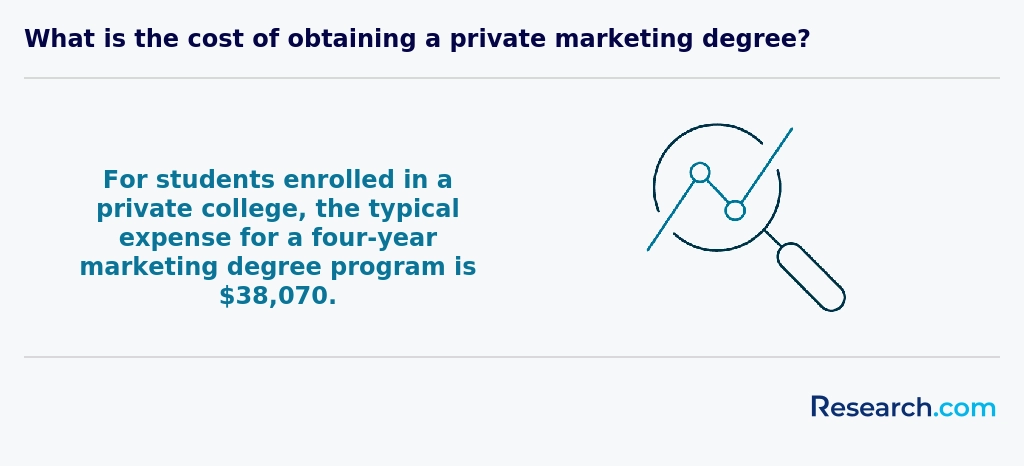
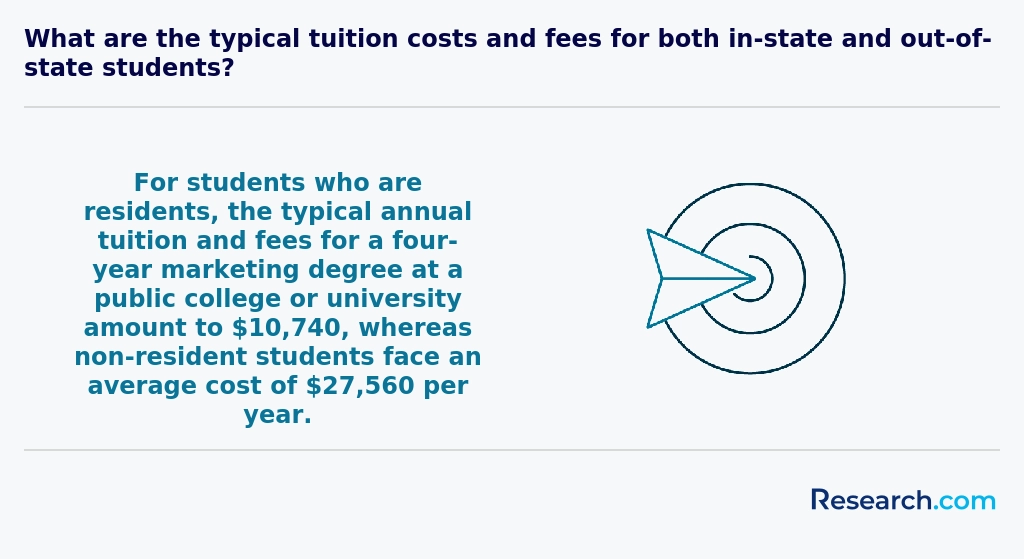
The average cost of obtaining a marketing degree in Kansas varies depending on residency and institution type. In-state students pursuing a bachelor's in marketing at public universities generally face total tuition and fees around $10,583 annually, leading to a cumulative expense close to $36,482 for the entire degree. This aligns with the median total cost data for these programs.
Graduates from popular Kansas universities often share how managing expenses through in-state tuition helped them balance their education with personal finances. Many start at community colleges to save on general education costs, which typically run between $3,000 and $4,000 per year, before transferring to four-year public universities. This approach significantly reduces the average cost of marketing degree in Kansas and provides an invaluable sense of relief for students mindful of budget constraints.
Out-of-state students, however, face considerably higher rates, often two to three times more than residents, dramatically increasing the total investment. Private colleges in Kansas may charge upwards of $25,000 per year, pushing total expenses beyond $100,000, though scholarships can offset some of these costs.
Additional expenses, including textbooks and technology fees, add roughly $1,000 to $1,500 annually. Kansas students looking for assistance should explore financial aid options available through the Kansas Board of Regents and specific programs. For those seeking affordable alternatives, check out affordable marketing programs in kansas that offer competitive tuition without compromising quality.
Marketing students in Kansas typically access financial aid through a combination of federal, state, institutional, and private sources. The Free Application for Federal Student Aid (FAFSA) is essential, unlocking opportunities such as Pell Grants, which provide up to $7,395 annually for students demonstrating financial need. Graduates from the University of Kansas or Kansas State University frequently highlight how Pell Grants significantly reduced their tuition burden, making their marketing degrees more affordable.
State aid through the Kansas Board of Regents further complements federal support. Programs like the Kansas Comprehensive Grant provide need-based assistance for public university attendees, while merit-based options like the Kansas Ethnic Minority Scholarship reward academic excellence and diversity. Many marketing students from these institutions report receiving scholarships targeting leadership and community engagement, which help alleviate costs.
Work-study options allow students to gain relevant marketing experience while offsetting expenses. Additionally, private scholarships from local businesses and organizations, although competitive, offer valuable financial boosts. Kansas marketing graduates often advise using loans cautiously, prioritizing grants and scholarships to minimize debt.
A Marketing degree in Kansas combines foundational theory with hands-on practice, preparing students for a range of industry roles. While each institution tailors its curriculum, most programs include the following core courses: • Principles of Marketing: An introduction to market segmentation, targeting, and positioning, laying the groundwork for all subsequent coursework. • Consumer Behavior: In-depth study of psychological, social, and cultural factors influencing purchasing decisions. • Marketing Research Methods: Quantitative and qualitative techniques for collecting and analyzing market data. • Digital Marketing Strategies: Tactics for SEO, email marketing, and paid advertising across online channels. • Advertising and Promotion Management: Development of integrated campaigns, media planning, and budgeting. • Brand Management: Strategies for building and maintaining strong brand equity. • Marketing Analytics: Use of analytics tools (Google Analytics, CRM platforms) to track performance and ROI. • Social Media Marketing: Crafting content and community engagement strategies on major social platforms. • Sales Management: Techniques for sales forecasting, territory management, and client relationships. • Marketing Ethics and Law: Overview of regulatory frameworks, intellectual property, and ethical considerations. • Capstone Project or Internship: Real-world application through industry partnerships or on-campus labs. Elective options may include influencer marketing, nonprofit marketing, or global marketing. Many programs also offer online sections-if affordability is a priority, explore our Low Cost Online Marketing Degree Programs Ranking in the West to compare flexible, budget-friendly course offerings.
Enrollment in marketing degree programs in Kansas typically requires meeting clear academic standards that ensure student readiness. For undergraduate admissions at institutions like the University of Kansas or Wichita State University, applicants must hold a high school diploma or equivalent with a GPA generally between 2.5 and 3.0. A majority of these schools have adopted test-optional policies, so submitting SAT or ACT scores may not be mandatory. Graduates reflect positively on their experience meeting these criteria, noting the value of strong foundations in English and math demonstrated through their transcripts.
Graduate marketing programs demand a completed bachelor's degree with a minimum GPA near 3.0 from an accredited institution. Schools such as Kansas State University commonly require GRE or GMAT scores, although many programs waive these. Applicants often enhance their profiles with marketing-related work experience, resumes, and detailed statements of purpose. These prerequisites align with students' ambitions to enter competitive marketing fields confidently and prepared.
Earning a marketing degree in Kansas offers a host of advantages that extend far beyond classroom knowledge, providing both tangible returns on investment and intangible professional assets. First, the state’s affordable tuition rates-averaging between $10,000 and $30,000 per year for in-state students-coupled with robust financial aid packages, ensure that your educational outlay remains competitive. When balanced against average starting salaries of $50,000–$60,000 for entry-level marketing roles, the long-term return becomes clear. Second, Kansas institutions emphasize hands-on learning through local internships, live client projects, and well-connected alumni networks. These experiential opportunities not only hone essential skills-data analysis, campaign planning, creative storytelling-but also yield early access to job offers and mentorships. Engaging directly with regional businesses, from Wichita tech startups to Kansas City media firms, positions graduates to hit the ground running. Third, the marketing discipline’s inherent versatility empowers you to pivot across specialties-digital marketing, brand management, market research, and more-without starting over. This adaptability reinforces the question every prospective student asks: is marketing degree worth it? In Kansas, the answer is underscored by a projected 23% job growth in marketing occupations by 2031, well above national averages. Finally, earning a degree in Kansas means access to smaller class sizes, personalized faculty mentorship, and community-focused networking events-factors that contribute to higher retention rates and stronger alumni satisfaction. Whether you envision leading a statewide digital campaign or analyzing consumer trends for a Fortune 500 company, a marketing degree in Kansas equips you with cost-effective credentials, real-world experience, and a professional network primed to launch your career.
Marketing degree programs in Kansas commonly combine foundational business courses with specialized marketing classes that reflect industry demands. Graduates from universities like the University of Kansas report that their coursework included key subjects such as consumer behavior, marketing research, and strategic brand management, which helped them understand how to analyze market trends and create effective campaigns.
In these programs, students typically start with general education and business fundamentals like principles of management and financial accounting. As they advance, courses focus on market research techniques, digital marketing strategies including SEO and social media analytics, and advertising and promotion planning. For example, marketing students at Kansas State University describe gaining hands-on experience through case studies and internships that simulate real client projects.
Sales management and business-to-business marketing are also emphasized, teaching leadership and relationship-building skills vital for success. Additionally, marketing ethics and law courses ensure students grasp important legal frameworks affecting consumer privacy and advertising standards within Kansas and beyond.
Kansas marketing degree concentration options typically include specializations designed to meet regional industry demands and student career goals. Common tracks are Digital Marketing, emphasizing skills like SEO and social media strategy-valuable in Kansas' growing startup scene-and Marketing Analytics, focusing on data interpretation tools such as Google Analytics, relevant to the state's expanding tech sector. Graduates from universities like the University of Kansas often share how hands-on projects in these areas boosted their confidence entering the workforce.
Other popular specializations include Brand Management, which aligns well with Kansas' manufacturing and service industries, and Sales and Business Development, critical for those aiming to excel in Kansas' logistics-driven economy. Advertising and Public Relations complete the suite, preparing students for roles in media and corporate communications across the state.
Students exploring marketing degree specializations in Kansas report positive experiences tailoring their studies to local market needs. This practical focus, combined with internship opportunities, makes it easier to see why so many ask if an is marketing degree worth it for launching a successful career here.
Choosing the best marketing degree programs in Kansas involves evaluating accreditation, curriculum relevance, and local industry connections. Graduates from well-known Kansas universities often highlight how programs integrating digital marketing, sales management, and brand development prepared them for dynamic roles. Tuition costs matter, with public universities offering affordable marketing degrees Kansas 2027 data suggest average annual rates around $9,000 to $12,000 for residents, significantly lower than national figures. This financial advantage makes in-state options compelling. Select programs with internship opportunities in Kansas's growing agribusiness and tech sectors, providing students practical experience and job placement advantages.
Class size and teaching methods also influence student satisfaction. Smaller classes at Kansas institutions enable personalized mentoring, which many graduates attribute to their strong industry readiness. Flexible formats like online or hybrid classes cater to working students balancing commitments. For cost-conscious learners, the Low Cost Online Marketing Degree Programs Ranking in the West offers guidance on programs that balance quality and affordability while still connecting students to vibrant local markets.
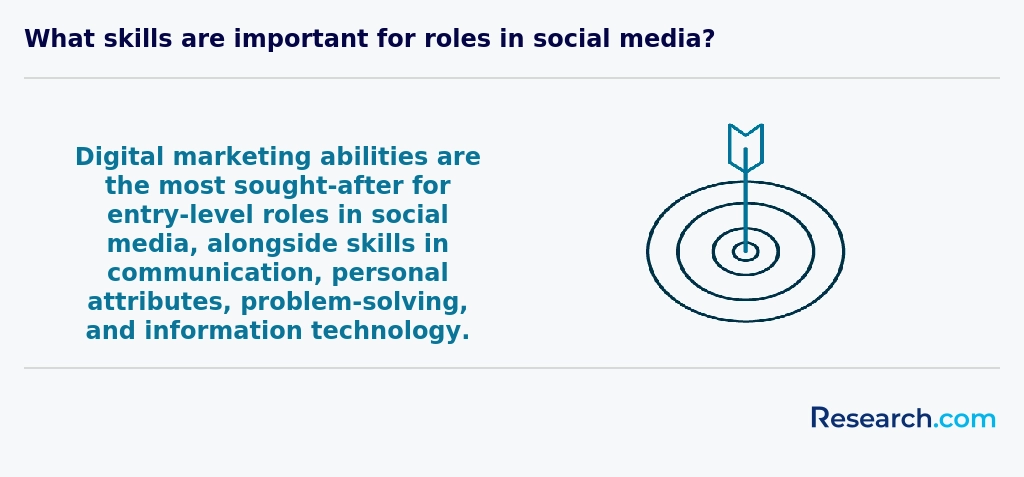
Marketing degree career opportunities in Kansas span a variety of industries including agriculture, manufacturing, and a growing service sector. Graduates from popular Kansas universities often find roles as marketing coordinators, market research analysts, sales managers, or digital marketing specialists in corporate offices, advertising agencies, and tech startups. Entry-level positions typically start around $45,000 to $55,000 but can increase substantially with experience and specialization, reflecting strong job market demand.
Jobs for marketing graduates in Kansas also include emerging fields like SEO, social media management, and content marketing, driven by the growth of e-commerce and digital platforms. Institutions such as the University of Kansas and Kansas State University provide students with practical experience and connections to major employers like Koch Industries and Sprint, enhancing career prospects. Many graduates highlight the benefit of affordable tuition paired with hands-on opportunities, making local education a solid investment. For those wanting to accelerate their studies, exploring fast bachelor degrees could be advantageous.
The marketing degree job outlook in Kansas remains steady, supported by diverse industries in cities such as Wichita and Overland Park. Graduates from well-known institutions in the state often find opportunities in sectors like healthcare, manufacturing, and finance, where marketing skills help businesses grow their customer base. Employment for advertising and marketing specialists is expected to rise by about 7% by 2030, aligning with national trends and signaling moderate growth for new professionals entering the field.
Many marketing graduates report positive experiences securing roles in digital marketing and data analytics within regional branches of national firms or innovative startups. The average salary for marketing managers in Kansas stands around $110,000 annually, reflecting the demand for experienced professionals. Those completing programs at Kansas universities appreciate the state's competitive tuition rates, often lower than national averages, which encourages enrollment and reduces student debt. Students seeking flexible options might explore an accelerated associates degree online to enter the workforce sooner.
Overall, Kansas marketing career opportunities 2027 look promising as local companies increase investment in marketing strategies. Hands-on internships and networking remain vital components for students to translate academic knowledge into practical success within the state's dynamic job market.
2027 Most Popular Marketing Degree Programs Ranking in Kansas
Investing in your education is a significant decision that can shape your career, and the Research.com team is fully aware of the importance of making well-informed choices. To assist prospective students in Kansas, we have carefully developed the "2027 Most Popular Marketing Degree Programs Ranking in Kansas." Our dedication to quality, credibility, and accuracy is demonstrated by the thorough research and analysis involved in creating this ranking.
We utilized the following reputable data sources to ensure a comprehensive evaluation of marketing degree programs:
By reviewing this ranking, readers will gain valuable insights into the most popular and reputable marketing degree options in Kansas, empowering them to make confident and informed educational decisions. For a detailed explanation of our ranking process, please visit our Research.com methodology page.


# 10 position
Washburn University
Bachelor of Business Administration in Marketing

Frequently Asked Questions About marketing
Marketing degree students in Kansas can maximize their learning by engaging in internships with the state's diverse industries, such as agriculture, manufacturing, and healthcare. Practical experience complements classroom theory, improving job readiness. Participating in local business competitions and marketing clubs at universities also builds real-world skills and networking opportunities. According to the Kansas Department of Labor, the demand for marketing professionals in the state is expected to grow by 5% through 2030, emphasizing the value of hands-on experiences. Students should also leverage online marketing analytics tools and seek mentorship from local marketing experts to stay current with industry trends.
The marketing field is evolving rapidly, with several emerging niches gaining prominence. In Kansas, growing digital adoption has spurred demand for expertise in data analytics and social media marketing. According to the Kansas Department of Labor, jobs related to digital marketing are expected to grow faster than the national average over the next decade.
Content marketing and influencer marketing are also gaining traction, driven by consumer preferences for authentic brand interactions. Additionally, sustainability marketing is emerging as businesses respond to environmental concerns, aligning campaigns with eco-friendly values.
Marketing degrees in Kansas increasingly include these specializations to meet local industry needs and trends.
After earning a marketing degree in Kansas, preparing for the job market involves strategic steps that improve employability. Networking is crucial; connecting with local marketing professionals through events or Kansas-based organizations like the American Marketing Association's Wichita chapter can open doors. Internships or cooperative education programs during studies provide real-world experience, with many Kansas employers valuing hands-on skills.
The Kansas Department of Labor reports steady growth in marketing-related jobs, especially in Kansas City and Wichita, highlighting the importance of digital marketing skills. Graduates should develop proficiency in data analytics and social media marketing to meet this demand. Additionally, obtaining certifications such as Google Analytics or HubSpot can strengthen resumes.
Finally, tailoring applications to specific sectors in Kansas, like manufacturing or healthcare, increases relevance and hiring prospects in the state's diverse economy.
Employers in Kansas highly value marketing graduates who demonstrate strong communication skills, both written and verbal. Clear messaging is crucial for effective branding and customer engagement. Analytical ability is another top skill, as companies increasingly rely on data to guide marketing strategies. According to the Kansas Department of Labor, proficiency in digital marketing tools and social media platforms is in high demand due to the growing emphasis on online presence.
Creativity and adaptability are also essential, allowing graduates to develop innovative campaigns that respond to fast-changing market trends. Additionally, teamwork and project management skills are frequently sought after, facilitating collaboration in diverse work environments.
Finding internships in Kansas relevant to a marketing degree requires strategic planning and local networking. Start by exploring university career centers, such as those at the University of Kansas or Kansas State University, which often partner with regional businesses to offer internship listings.
The Kansas Department of Labor reports that marketing internships are growing especially in cities like Wichita and Overland Park, where industries such as healthcare and finance increasingly seek marketing interns to support digital campaigns.
Professional organizations, including the American Marketing Association's Kansas chapter, provide valuable networking opportunities and job boards tailored to marketing students.
Online platforms like Handshake and KansasWorks also list internships specifically for Kansas students, allowing targeted searches by location and industry.
A marketing degree in Kansas significantly enhances career mobility and advancement opportunities. According to the U.S. Bureau of Labor Statistics (BLS), positions in advertising, promotions, and marketing management in Kansas show steady growth, with a 5% increase forecasted through 2030. Earning a degree equips graduates with essential skills like market research, digital marketing, and strategic planning, all valued by local employers. Kansas companies, particularly in sectors like manufacturing and agriculture, increasingly seek marketing professionals who can adapt to evolving consumer trends.
Completing a marketing program also often leads to higher starting salaries. The Kansas Department of Labor reports that marketing managers in the state earn a median annual wage above the national average, improving prospects for financial advancement. Graduates with a degree are more likely to access leadership roles or specialized careers such as brand management or market analysis, facilitating upward career movement within regional businesses.
Studying for a marketing degree in Kansas equips students with skills that bridge multiple disciplines, essential for today's diverse business environment. Kansas universities often incorporate courses in data analytics, communication, and business strategy alongside core marketing subjects. This interdisciplinary approach prepares students to collaborate effectively with professionals in finance, information technology, and management.
According to the Kansas Board of Regents, many programs emphasize real-world projects and internships, fostering practical experience in cross-functional teams. This hands-on learning develops adaptability and critical thinking, skills valued across industries.
Moreover, Kansas's growing sectors such as agriculture technology and manufacturing increasingly rely on marketing experts who understand both product development and consumer behavior, making interdisciplinary training crucial.
Choosing between a thesis and a non-thesis marketing degree program in Kansas depends largely on your career goals and learning preferences. A thesis option is research-intensive, ideal for students aiming for academic or research careers, involving original research and a formal written thesis. Meanwhile, a non-thesis program focuses more on practical skills and coursework, suitable for those seeking immediate employment in Kansas's growing marketing sector.
According to the Kansas Board of Regents, programs with thesis options often take longer to complete due to research demands. The state's marketing job market, growing at 6% annually per the U.S. Bureau of Labor Statistics, values practical experience, making non-thesis paths appealing for many.
Consider your future plans, whether pursuing a PhD or entering Kansas's competitive marketing workforce directly, when making your choice.
Students based in Kansas who wish to study marketing abroad have various pathways through U.S. universities that partner with international institutions. Many Kansas-based schools, including the University of Kansas and Kansas State University, offer study abroad programs focused on business and marketing. These programs often last a semester or summer and provide immersive experiences in countries like the United Kingdom, Spain, and China.
Additionally, students can pursue dual degree or exchange programs, allowing them to earn credits that count toward their marketing degree at home. Financial aid and scholarships for study abroad are frequently available to Kansas students, helping to offset costs.
According to the Institute of International Education's 2022 Open Doors report, U.S. study abroad participation reached nearly 350,000 students, with business and management among the most popular fields. Although specific Kansas data is limited, these trends reflect growing interest among marketing students in global exposure.
Students pursuing marketing degrees in Kansas can benefit from a variety of part-time job opportunities that enhance their practical skills. Common roles include social media assistant, marketing intern, and customer service representative. These positions help students build essential skills such as digital marketing, data analysis, and client communication.
According to the U.S. Bureau of Labor Statistics, Kansas has a growing demand for marketing professionals, with job openings increasing by 5% annually. Internships at local firms, especially in Kansas City and Wichita, provide hands-on experience with brand management and advertising campaigns.
Part-time work at nonprofit organizations or small businesses also offers valuable networking opportunities critical for marketing careers.
Marketing students in Kansas have access to numerous networking opportunities that can enhance their educational experience and career prospects. Many universities, such as the University of Kansas and Wichita State University, host marketing clubs and organizations where students connect with peers and industry professionals. These groups often organize guest speaker events, workshops, and career fairs.
Additionally, Kansas is home to the Kansas Marketing Executives Networking Group (KMENG), which offers students chances to meet local marketing leaders and potential employers. The state's strong business sectors, including agriculture and manufacturing, provide relevant internship opportunities that further expand professional networks.
According to the Kansas Department of Commerce, nearly 15,000 marketing-related jobs are expected in the state by 2030, highlighting the value of building connections early. Utilizing these networks can give students a competitive edge when entering the job market.
Alumni networks play a crucial role in supporting marketing degree students in Kansas by offering valuable connections within the industry. Graduates from Kansas universities often remain active in local marketing sectors, which helps students access internships and job opportunities more easily.
According to the Kansas Board of Regents, networking through alumni can increase a student's chance of employment by up to 35% due to referrals and insider knowledge. These connections also provide mentorship, guiding students through career decisions and skill development in an evolving field.
Furthermore, alumni frequently host workshops and guest lectures, exposing current students to real-world marketing trends and strategies specific to the Kansas market.
Customizing a marketing degree program in Kansas allows students to align their education with specific career goals. Many universities in Kansas offer elective courses in areas such as digital marketing, consumer behavior, or sales management. Selecting these electives can build specialized skills tailored to industries prevalent in the state, including agriculture, aviation, and healthcare.
Internship opportunities within Kansas companies also play a crucial role in customizing learning experiences. Programs often partner with local businesses, providing practical experience that enhances resumes and networks. According to the Kansas Department of Labor, marketing roles in the state are expected to grow by about 6% through 2030, highlighting the importance of skill-focused education.
Students can further personalize their degrees by engaging in leadership roles or research projects, enhancing teamwork and analytical skills valued by employers statewide.
Marketing students in Kansas face several challenges as they pursue their degrees. One major difficulty is gaining practical experience. While Kansas has a growing business sector, many students find limited local internship opportunities compared to larger metropolitan areas. According to the Kansas Department of Labor, competition for marketing internships in cities like Wichita or Overland Park is increasing, making real-world exposure harder to secure.
Another challenge involves staying updated with rapidly evolving digital marketing trends. Students must continuously adapt to new platforms and tools, a demand highlighted in a 2023 report by the American Marketing Association. Additionally, balancing theoretical coursework with hands-on skills often requires strong time management practices, which many students find challenging early in their studies.
With a marketing degree in Kansas, students can enhance their credentials by pursuing professional certifications that improve job prospects. Popular certifications include the American Marketing Association's Professional Certified Marketer (PCM), which validates skills in digital marketing, content marketing, and marketing management. Another valuable option is the HubSpot Content Marketing Certification, useful for those focusing on inbound marketing strategies.
Certified Digital Marketing Professional (CDMP) from the Digital Marketing Institute is also recognized nationwide. These certifications complement academic knowledge and signal practical expertise to employers.
According to the Kansas Department of Labor, professionals holding marketing certifications often experience faster career advancement and higher salaries compared to non-certified peers. Many Kansas universities also support students in preparing for these credentials.
To write a winning application for a marketing program in Kansas, focus on showcasing your passion for marketing and understanding of the field. Highlight any related coursework, internships, or work experience that demonstrates your skills in communication, analytics, and creativity.
Many universities in Kansas, like the University of Kansas or Wichita State, value strong personal statements explaining your career goals and how their program fits into these objectives. According to the Kansas Board of Regents, programs seek candidates with a clear vision and commitment to the marketing industry.
Additionally, maintain competitive GPA and standardized test scores if required. Letters of recommendation from professionals familiar with your marketing potential can strengthen your application further.
The global perspective on a marketing career reflects increasing demand for professionals who understand diverse markets and digital trends. In the United States, marketing jobs are expected to grow by 10% from 2022 to 2032, according to the U.S. Bureau of Labor Statistics. Kansas, with its growing business sectors in agriculture, manufacturing, and technology, offers unique opportunities for marketing graduates to apply both local and global strategies.
Marketing professionals must adapt to trends like social media, data analytics, and international consumer behavior. Many Kansas universities incorporate these global concepts into their curricula, preparing students for careers that reach beyond regional markets.
Gaining practical experience while studying for a marketing degree in Kansas is crucial for building a strong career foundation. Many universities in Kansas, such as the University of Kansas and Wichita State University, offer internship programs that connect students with local businesses and marketing firms. These internships provide students with real-world experience in campaign management, digital marketing, and market research.
Additionally, students can join campus marketing clubs or participate in case competitions to sharpen their skills. Some programs also offer cooperative education (co-op) opportunities that alternate classroom study with full-time work experience. The Kansas Department of Labor reports that marketing internships in the state often lead to higher job placement rates after graduation.
Choosing the right concentration within a marketing degree program in Kansas starts with understanding your career goals and interests. Popular concentrations include digital marketing, brand management, and market research, each offering specialized skills for different roles.
Kansas job market data from the Bureau of Labor Statistics shows a growing demand for digital marketing professionals, reflecting the rise of e-commerce and online advertising locally.
You should also consider programs' faculty expertise, internship opportunities in Kansas cities like Wichita or Overland Park, and connections with local industries.
Additionally, reviewing course content and certifications included in each concentration can guide your decision toward areas with strong job placement rates.
- 2027 Most Popular Marketing Degree Programs Ranking in Nebraska
- 2027 Most Popular Marketing Degree Programs Ranking in Oklahoma
- 2027 Most Popular Marketing Degree Programs Ranking in Missouri
- 2027 Most Popular Marketing Degree Programs Ranking in Colorado
- 2027 Most Popular Marketing Degree Programs Ranking in Iowa
- 2027 Most Popular Marketing Degree Programs Ranking in Arkansas
- 2027 Most Popular Marketing Degree Programs Ranking in Minnesota
- 2027 Most Popular Marketing Degree Programs Ranking in Illinois
- 2027 Most Popular Marketing Degree Programs Ranking in Louisiana
- 2027 Most Popular Marketing Degree Programs Ranking in Mississippi
See What Experts Have To Say About Studying Marketing
Read our interview with Marketing experts

Sonya A. Grier, Ph.D.
Marketing Expert
Professor, Department of Marketing
American University

John R. Meindl
Marketing Expert
Adjunct Assistant Professor of Marketing
Hofstra University

- Women in marketing: Career growth through education | Esade https://www.esade.edu/beyond/en/women-marketing/
- Niche Digital Marketing Roles: Exploring Specialized Career Paths https://www.cellainc.com/insights/blog/niche-digital-marketing-roles-exploring-specialized-career-paths/
- The skills that will get you a graduate job in marketing https://targetjobs.co.uk/careers-advice/marketing-advertising-and-pr/skills-will-get-you-graduate-job-marketing
- Effective Marketing for Higher Education | Further https://further.ai/blog/effective-marketing-strategies-for-higher-education
- Marketing, B.S.B.A. - Avila University https://www.avila.edu/academics/college-of-professional-schools/school-of-business/undergraduate-majors-school-of-business/marketing-bsba/
- Marketing Manager Salaries State-by-State https://www.allbusinessschools.com/marketing/salary/
- Master of Science (M.S.) Major in Marketing Research and Analysis (Non-thesis Option) https://mycatalog.txstate.edu/graduate/mccoy-business-administration/marketing/marketing-research-analysis-ms/
- Top 5 marketing skills employers are looking for in 2025 https://www.konkergroup.com/top-5-marketing-skills-employers-are-looking-for-in-2025/
- Best Marketing Certifications for Your Marketing Career https://www.business.com/articles/guide-to-marketing-certifications/
- Digital Marketing Major https://www.kozminski.edu.pl/en/digital-marketing-major