2027 Most Popular Logistics Degree Programs Ranking in the South

Co-Founder and Chief Data Scientist
Choosing the right logistics degree program in the South can shape your future career and open many doors. Our article introduces the 2027 Most Popular Logistics Degree Programs Ranking in the South, created by the Research.com team of data scientists to guide you through the best options available.
By exploring this ranking, you'll gain valuable insights into programs worth considering. A logistics degree offers strong career prospects and skills that matter in today's interconnected world. Let this guide help you make an informed, confident decision.
Key benefits of getting logistics degree in the South
- Graduates with logistics degrees can earn strong salaries, such as Logistics Coordinators and Specialists making around $84,640 annually, and Customs Brokers earning about $63,130 per year, offering financial stability in the South job market.
- A logistics degree opens doors to diverse career paths including roles like Transportation Planner or Supply Chain Coordinator, providing flexibility and growth opportunities based on real alumni success stories from Southern universities.
- Completing a logistics degree online from a respected Southern school offers convenience and balance for busy students, often allowing them to advance their careers without sacrificing current work or personal commitments.
- Key benefits of getting logistics degree in the South
- What can I expect from logistics degree in the South?
- Where can I work with logistics degree in the South?
- How much can I make with logistics degree in the South?
- 2027 Most Popular Logistics Degree Programs Ranking in the South
- Key Findings
- How long does it take to complete logistics degree in the South?
- Professional Certifications to Enhance Your Logistics Career
- What's the difference between online and on-campus logistics degree?
- What is the average cost of logistics degree in the South?
- What financial aid is available to logistics degree students in the South?
- Emerging Trends and Future Opportunities in Logistics Education
- What are the prerequisites for enrolling in logistics degree program in the South?
- Emerging Trends in Logistics Education
- What courses are typically in logistics degree programs in the South?
- What types of specializations are available in logistics degree programs in the South?
- How do you choose the best logistics degree in the South?
- What career paths are available for logistics degree students in the South?
- What is the job market for logistics degree in the South?
- Top Trending Logistics Rankings
What can I expect from logistics degree in the South?
The average total cost of earning a logistics degree in the South ranges widely depending on the institution and program level, with associate degrees typically costing between $6,000 and $15,000, while bachelor's programs at prominent Southern universities can range from $20,000 to $50,000 in tuition and fees. Graduates from institutions near the Port of Savannah or Texas' major urban centers often highlight the balance between affordable tuition and valuable industry connections through internships with firms like UPS and FedEx.
Students value how these programs integrate real-world logistics challenges, from managing supply chains linked to international ports to navigating regional freight networks. This practical approach enhances their learning experience and job readiness, justifying the investment in tuition. Career outcomes reported by EMSI Economic Modeling suggest that graduates earn median wages starting around $48,000, making the cost of education a pragmatic step toward a growing field with expanding regional opportunities.
Where can I work with logistics degree in the South?
Graduates with a logistics degree in the South find abundant opportunities in transportation and warehousing, particularly in states like Texas, Georgia, and North Carolina. For instance, those who studied at Georgia Tech often start careers near major hubs like the Port of Savannah, one of the fastest-growing container ports, where thousands work in shipping, freight handling, and supply chain coordination.
Manufacturing is another strong sector. Graduates from universities like the University of Alabama frequently secure positions in automotive plants across Alabama and Tennessee, managing supply chains to enhance production efficiency and cut costs through roles such as supply chain analysts and inventory managers.
Retail and e-commerce firms, including Amazon and Walmart, offer expanding roles for managing last-mile delivery and inventory. Students from popular logistics programs report enthusiasm for entering this dynamic field, especially given a 6% annual job growth since 2020 reported by the National Retail Federation.
Additionally, government, military logistics, and consulting roles are common in the South. Graduates aiming to work near military installations like Fort Bragg find specialized opportunities in managing supplies and transportation, reflecting the broad career paths available regionally.
How much can I make with logistics degree in the South?
Graduates with logistics degrees from Southern universities often enter roles with competitive salaries reflecting regional industry strength. For example, logistics coordinators, a common entry-level position, earn a mean annual wage of about $84,640 according to BLS data, which aligns with the increasing demand observed in logistics hubs such as those near major ports in Georgia and South Carolina. Students from institutions like the University of Georgia or North Carolina State University report starting salaries in the $45,000 to $55,000 range, gaining momentum as they advance.
Supply chain coordinators and transportation planners in the South typically earn mean annual wages near $46,690, demonstrating steady opportunities across logistics functions. Specialized roles like logistics specialists see higher earnings, with a mean annual salary around $84,640, highlighting how certifications and focused experience can boost income.
Customs brokers earn approximately $63,130 annually, reflecting the importance of trade activities in port cities. Graduates in Southern programs value certifications such as CSCP or Lean Six Sigma for improving salary potential and career mobility in this growing field.
2027 Most Popular Logistics Degree Programs Ranking in the South
How do we rank schools?
Investing in your education is a significant decision that can shape your future, and the Research.com team understands the importance of making informed choices. To assist prospective students in the South, we have meticulously developed the "2027 Most Popular Logistics Degree Programs Ranking in the South." Our dedication to quality, credibility, and accuracy is demonstrated through rigorous research and analysis carried out to compile this ranking.
We utilized the following reputable data sources to ensure a comprehensive evaluation of logistics programs:
By exploring this ranking, readers will gain valuable insights into the top logistics degree programs available in the South, empowering them to make well-informed decisions about their educational futures. For more details on our methodology, please visit our Research.com methodology page.
# 1 position
The University of Texas at Austin
Bachelor of Science in Supply Chain Management and Analytics


# 16 position
Florida International University
Bachelor of Business Administration in Logistics and Supply Chain


Key Findings
- Tuition for public universities in the South ranges from $8,000 to $12,000 per year for in-state students, while private colleges can cost between $25,000 and $40,000 annually.
- Community colleges in the South offer lower-cost associate degrees or certificates in logistics and supply chain management as alternatives.
- Entry-level logistics managers typically earn between $45,000 and $55,000 per year, with salaries rising to $80,000 to $100,000 after five to ten years of experience.
- Employment in transportation, warehousing, and logistics in Texas, Georgia, and Florida is expected to grow by about 10% over the next decade.
- Southern logistics programs often include internships and partnerships with regional employers for practical experience.
How long does it take to complete logistics degree in the South?
Completing a logistics degree in the South typically requires about four years of full-time study for undergraduates, aligning with traditional programs at well-known universities like the University of Georgia and Texas A&M. These programs usually demand around 120 credit hours, allowing students to engage deeply with supply chain concepts while benefiting from regional industry connections that enhance learning and career opportunities.
Some Southern institutions offer accelerated tracks that allow motivated students to finish in three years by taking year-round courses. Graduates often report that this intensive pace provides a rewarding challenge and quicker entry into the workforce.
For graduate students pursuing a master's degree in logistics or supply chain management, full-time study generally spans one to two years. Part-time and online formats at colleges such as Florida State University enable flexibility, letting working professionals balance job responsibilities while advancing their careers.
This combination of traditional and flexible scheduling reflects the strong logistics industry presence in Southern states, which supports tailored and practical education paths for students striving to succeed in this dynamic field.
Professional Certifications to Enhance Your Logistics Career
Earning industry-recognized certifications can significantly boost your employability and complement a logistics degree. Many employers in the South value credentials from organizations like APICS (now part of the Association for Supply Chain Management), which offers the Certified in Planning and Inventory Management (CPIM), Certified Supply Chain Professional (CSCP), and Certified in Logistics, Transportation and Distribution (CLTD) designations. These certifications validate your expertise in areas such as demand forecasting, global supply chain strategy, and transportation optimization. Certification Benefits:
- Demonstrated Expertise: Holding a CSCP or CLTD certification signals to employers that you possess advanced knowledge of end-to-end supply chain processes and best practices in logistics technology.
- Career Advancement: Graduates with professional credentials often secure higher-level roles-such as Logistics Manager or Supply Chain Analyst-more rapidly and negotiate higher starting salaries.
- Ongoing Learning: Preparation for these exams requires deep engagement with case studies, software tools, and emerging trends like IoT integration and blockchain tracking. Pathways to Certification: 1. Educational Prerequisites: A bachelor’s degree in logistics or a related field is typically required, though some certifications allow work experience to substitute for academic prerequisites. 2. Exam Preparation: Many Southern universities and online platforms offer targeted study materials and boot camps. Prospective candidates can maintain flexibility by exploring our Low Cost Online Bachelor’s in Logistics Degree Programs Ranking in the South to find affordable options that support exam readiness alongside degree coursework. 3. Renewal and Continuing Education: Certifications must be renewed every three years through professional development units (PDUs), ensuring you stay current with innovations in robotics automation, predictive analytics, and sustainable logistics strategies. By integrating a respected certification into your academic journey, you’ll demonstrate commitment to excellence and position yourself as a forward-thinking logistics professional in the Southern job market.
What's the difference between online and on-campus logistics degree?
Online logistics degrees in the South offer notable flexibility, allowing students to juggle work and family while studying. Many working adults appreciate this, especially those balancing jobs or caregiving. Graduates from online programs report benefiting from digital platforms that facilitate lectures and discussions without relocating. For example, students enrolled remotely from Georgia can access courses from Georgia Tech's logistics program while maintaining their current jobs.
On-campus programs at universities like the University of Tennessee provide a contrasting experience with hands-on labs, face-to-face mentorship, and direct access to local logistics firms. Graduates highlight how in-person networking led to internship offers with regional transportation companies, an advantage less accessible online.
Cost differences also matter. Public Southern universities charge $8,000-$12,000 annually for in-state tuition, while online options may reduce facility costs but add technology fees. Both formats require strong self-discipline; however, on-campus students benefit from immediate resource access such as libraries and career services.
What is the average cost of logistics degree in the South?
The average cost of a logistics degree in the South reflects a balance between affordability and quality, with median total tuition and fees around $35,211. In contrast, the median in-state total cost is significantly lower at about $10,120, illustrating the financial advantage for Southern residents attending public universities. Graduates from schools in the South often share that attending a public university provided them a manageable path to entering the logistics field without overwhelming debt.
For example, students pursuing logistics degrees at universities in states like Georgia or Texas can benefit from these in-state rates, making it feasible to complete a comprehensive program. In addition, community colleges in the region offer cost-effective alternatives with associate degrees or certificates that typically cost between $3,000 and $6,000 yearly. These programs are popular among students who want to start their career quickly or later transfer to a four-year institution to finish a bachelor's degree.
Logistics students from private schools in the South, which generally charge higher tuition in the $30,000 to $40,000 range, often emphasize how scholarships and aid reduced their net costs significantly. Considering these aspects, prospective students interested in logistics programs should review detailed options and financial assistance at individual schools to find the best fit and value.
Those researching the average cost of logistics degree programs in the South may also explore the fastest online logistics schools in georgia as flexible and affordable ways to earn their degree while managing expenses effectively.

What financial aid is available to logistics degree students in the South?
Logistics students in the South commonly access financial aid through federal programs like the FAFSA, which opens doors to grants such as the Pell Grant offering up to $7,395 annually-funds that students at well-known institutions like the University of Georgia or Texas A&M find essential in reducing tuition burdens. Federal work-study allows students to gain hands-on experience while earning, effectively balancing income with education costs.
State scholarships also play a key role; for example, Georgia's HOPE Scholarship can provide up to $4,000 per year to students attending public colleges, making it a vital resource for logistics majors at Georgia Tech. Graduate students often benefit from assistantships granting tuition waivers alongside stipends, easing financial strain during advanced studies.
Private scholarships from organizations such as the Council of Supply Chain Management Professionals further supplement funding but require proactive application efforts. Many logistics graduates attest that employer tuition assistance programs in hubs like Atlanta or Dallas significantly enhance affordability while supporting career growth within the region's dynamic logistics sector.
Emerging Trends and Future Opportunities in Logistics Education
The logistics industry is evolving at a rapid pace, and current degree programs are increasingly integrating emerging technologies and innovative methodologies to stay ahead of the curve. Today’s curriculum goes beyond traditional classroom learning by incorporating modules on automation, real-time data analytics, and digital supply chain management. Students are encouraged to engage with cutting-edge tools and platforms that simulate real-world logistics challenges, preparing them for the dynamic future of global trade. As industry leaders embrace technologies such as blockchain for transparent supply chains and AI-powered systems for predictive maintenance, graduates are expected to be versatile professionals equipped with both technical acumen and strategic thinking. Several top institutions now offer specialized courses and workshops that focus on these areas, ensuring that students not only grasp current trends but also anticipate future shifts in market demands. For those who are keen on leveraging technology in their careers, exploring programs at the fastest online logistics schools in georgia can provide a competitive advantage. Moreover, networking with alumni and industry experts through seminars and virtual conferences is proving invaluable, as these interactions foster continuous learning and professional growth. Emphasizing hands-on projects and interdisciplinary collaboration, today’s logistics programs are paving the way for a workforce that is adaptable, innovative, and ready to lead in an increasingly complex global marketplace.
What are the prerequisites for enrolling in logistics degree program in the South?
Applicants to logistics degree programs in the South generally need a high school diploma or equivalent, a baseline consistent across institutions like those in Texas, Georgia, and Florida. Graduates from these programs often recall that maintaining a GPA of around 2.5 to 3.0 was key to initial acceptance, with many schools requesting SAT or ACT scores, although test-optional policies have become more common in recent years.
Strong math skills surfaced as a decisive factor; courses in algebra, statistics, or calculus proved invaluable when students tackled supply chain modeling and operational research at colleges known for logistics like those in Atlanta or Dallas. Several alumni highlight how problem-solving and quantitative reasoning built early confidence and ease in mastering complex logistics software.
Graduate students pursuing advanced logistics degrees typically present a bachelor's degree, frequently in business or engineering, along with GRE or GMAT scores. Practical logistics experience or familiarity with management tools was often credited with improving admission prospects at renowned Southern universities, enhancing students' readiness for real-world challenges.
Emerging Trends in Logistics Education
As the logistics industry undergoes rapid transformation, Southern programs are increasingly integrating advanced technologies and sustainable practices into their curricula to prepare graduates for tomorrow’s challenges. Key trends include: • Digitalization and Big Data Analytics: Programs now emphasize data-driven decision-making, teaching students to leverage predictive analytics and machine learning for demand forecasting, route optimization, and inventory management. • Automation and Robotics: Hands-on courses on warehouse automation and autonomous vehicles equip students with the operational know-how to implement smart forklifts, drones, and AGVs (Automated Guided Vehicles). • Blockchain and Supply Chain Transparency: Curricula are incorporating blockchain pilots to teach secure, immutable record-keeping, enhancing traceability and compliance in global supply chains. • Green Logistics and Sustainability: With environmental stewardship at the forefront, courses on carbon footprint reduction, reverse logistics, and circular supply chain models are becoming standard, aligning education with corporate ESG goals. • Omni-Channel Fulfillment Strategies: In response to e-commerce growth, students learn to coordinate multi-modal networks and hybrid last-mile delivery solutions, ensuring seamless customer experiences across retail channels. By staying current with these innovations, graduates gain a competitive edge and clear insight into practical career paths-if you’re curious about specific roles and industries, explore what can i do with a logistics degree for a comprehensive guide.
What courses are typically in logistics degree programs in the South?
Logistics degree programs in the South typically include courses that build a solid foundation in supply chain management, transportation strategies, and inventory control. Graduates from well-known Southern universities report that mastering these core areas enabled them to confidently manage real-world challenges such as optimizing warehouse operations or coordinating large-scale distribution in manufacturing hubs.
Students often engage with business analytics and data-driven decision-making courses, which provide vital skills for forecasting demand and improving efficiency. For example, learners at colleges popular in Georgia and Texas use case studies involving regional shipping industries to sharpen their analytical capabilities and apply software tools effectively.
Courses in information systems and logistics technology-covering ERP and transportation management systems-are essential for keeping pace with industry advances. Additionally, Southern programs emphasize business communication and leadership, preparing students to lead teams and solve problems within fast-moving logistics environments common in North Carolina and surrounding areas.
Ethics and sustainability are integrated into curricula, reflecting growing industry demand for responsible supply chain practices and aligning with positive post-graduate experiences reported by many students focusing on green logistics initiatives.
What types of specializations are available in logistics degree programs in the South?
Logistics degree specializations in the South commonly include Supply Chain Management, Transportation Management, Logistics Analytics and Technology, Warehouse and Distribution Management, and Global Logistics. Graduates from leading Southern universities have found Supply Chain Management especially relevant, as it involves managing the flow of goods from raw materials to end customers-a skill set in high demand with a projected 27% growth in related jobs through 2029. Transportation Management leverages the South's strategic assets, such as major ports in Savannah and Houston, where students learn to optimize multimodal freight movement that supports millions of tons of cargo annually.
Programs with a focus on Logistics Analytics and Technology train students to apply AI and data analysis tools, reflecting the region's increasing reliance on advanced systems after recent global disruptions. Warehouse and Distribution Management addresses the booming e-commerce industry, preparing students for roles in managing large-scale distribution centers. Global Logistics covers international trade, crucial for the South due to expanding commerce with Latin America and Asia. Students interested in career options might explore what can i do with a logistics degree as a next step to understand these concentrations better.
Southern logistics management concentrations thus align with regional economic strengths and emerging industry trends, offering practical expertise that graduates consistently find rewarding and directly applicable in the workforce.
How do you choose the best logistics degree in the South?
Choosing the best logistics degree programs in the South requires analyzing program accreditation and curriculum rigor. Graduates from top Southern universities often highlight how AACSB or ACBSP accreditation provided assurance of respected academic standards. Practical coursework including transportation management, supply chain analytics, and internships with regional distribution hubs like Atlanta's Hartsfield-Jackson Airport or the Port of Houston help students build real-world skills and industry connections.
Affordability also plays a critical role; public Southern universities typically charge between $8,000 and $15,000 annually for in-state logistics programs, whereas private schools may exceed $30,000. Many students found applying for scholarships and financial aid essential in managing these costs, underscoring the value of researching affordable logistics degrees Southern US offers. For those seeking low tuition with quality outcomes, the Low Cost Online Bachelor's in Logistics Degree Programs Ranking in the South provides valuable guidance.
Finally, program outcomes such as job placement and alumni networks strongly influence the degree's value. Graduates frequently report higher job readiness when programs emphasize internships and local industry partnerships, reinforcing how strategic campus location within key Southern logistics hubs accelerates career success.

What career paths are available for logistics degree students in the South?
Graduates with a logistics degree in the South find diverse career paths across supply chain management, transportation, and logistics technology. Popular roles include Supply Chain Analyst, Logistics Coordinator, and Inventory Manager. Many Southern graduates report quickly securing positions in regional distribution centers and manufacturing plants due to the area's growing transportation infrastructure, including key hubs like Savannah and Houston. These logistics careers in the South offer both operational and strategic opportunities, satisfying the demand for professionals who optimize movement and reduce costs.
Transportation management is another significant field, with roles such as Transportation Manager and Fleet Supervisor benefiting from the South's extensive network of highways and ports. Logistics technology positions, including Logistics Systems Analyst and Operations Research Analyst, appeal to graduates with technical expertise eager to engage in automation and data analytics. Multiple alumni from universities known for logistics programs express satisfaction with how the South's expanding industry supports career growth.
Students seeking the easiest degree to get with practical career outcomes often choose logistics, given the strong job opportunities. Those interested in leadership can advance to roles like Logistics Manager or Supply Chain Director, commanding median wages near $77,030 annually. Overall, South region logistics degree job opportunities are both broad and promising for motivated graduates.
What is the job market for logistics degree in the South?
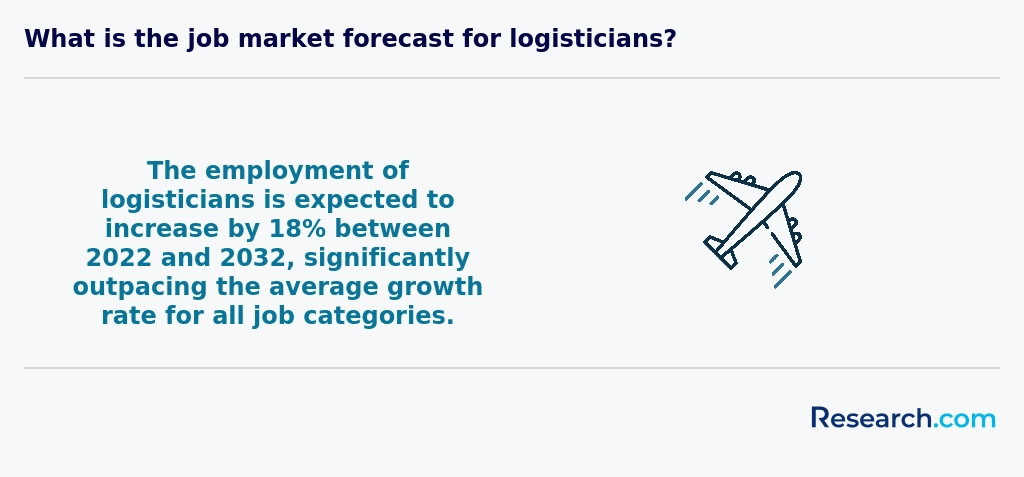
The logistics degree job outlook in the South remains very promising due to the region's role as a major logistics and transportation hub. Graduates from universities in states like Georgia and Texas report smooth transitions into roles such as supply chain analysts and warehouse managers, benefiting from proximity to major ports including Savannah and Houston. The strong regional demand is supported by a 23% projected growth rate for logisticians nationwide, according to BLS data, reflecting widespread industry expansion in manufacturing and distribution.
Many students appreciate the affordability of logistics degree programs at Southern public institutions, which often charge between $8,000 and $12,000 annually for in-state tuition. This accessibility encourages more local talent to pursue careers in logistics, reinforcing the South region logistics career opportunities. Graduates often find themselves working with innovative technologies like automation and data analytics, skills which boost their employability and salary potential, typically ranging from $50,000 to $90,000 annually.
For those considering further education options, programs such as what phd does not require a dissertation appeal to logistics professionals seeking to enhance expertise without traditional dissertation demands, enabling continued career growth within the Southern job market.
Frequently Asked Questions About logistics
Logistics degree students in the South can maximize their learning by engaging actively with regional industries, which remain vital to the U.S. economy. Southern states like Texas, Georgia, and Florida host major transportation hubs and ports, offering valuable internship and cooperative education opportunities. According to the Bureau of Labor Statistics, these states account for a significant portion of logistics employment nationwide.
Students should also leverage partnerships between universities and local businesses to gain real-world experience. Joining professional organizations such as the Council of Supply Chain Management Professionals (CSCMP) chapters in the South provides networking and mentorship benefits. Finally, staying updated with the latest supply chain technology through workshops and certifications enhances career readiness.
Emerging niches within the logistics field in the Southern United States reflect trends in technology and sustainability. One fast-growing area is e-commerce logistics, driven by the region's expanding warehousing and distribution centers. According to a 2023 report from the Georgia Department of Economic Development, e-commerce logistics jobs in the South have grown by over 15% since 2020.
Another niche gaining momentum is green logistics, focusing on reducing carbon footprints through cleaner transportation and energy-efficient supply chains. Universities like the University of North Carolina are integrating sustainability modules into logistics curricula.
Supply chain data analytics also stands out, with businesses seeking experts in big data to optimize operations. The increasing use of AI and automation in Southern logistics hubs highlights a need for skilled professionals familiar with these technologies.
Graduates with logistics degrees in the South should focus on building practical skills alongside academic knowledge to successfully enter the job market. Employers value experience in supply chain software like SAP or Oracle, which can be gained through internships or certification programs. According to the U.S. Bureau of Labor Statistics, Tennessee, Georgia, and Texas show higher-than-average job growth in logistics roles due to their large distribution centers and ports.
Networking with regional industry professionals through organizations such as the Council of Supply Chain Management Professionals (CSCMP) chapters in the South can open job opportunities. Additionally, participating in career fairs at local universities helps connect graduates to transport, warehousing, and retail companies actively hiring.
Strong communication and problem-solving skills remain critical, so students should consider workshops or courses enhancing these areas. Staying informed about trends like e-commerce growth in Southern hubs further prepares candidates for a competitive market.
Employers in the South highly value logistics graduates who demonstrate strong analytical and problem-solving skills. These abilities help navigate the complexities of supply chain management and optimize operations efficiently.
Communication skills are essential, as logistics professionals often coordinate with suppliers, clients, and internal teams. The Council of Supply Chain Management Professionals highlights that employers seek graduates fluent in both verbal and written communication.
Technical proficiency with software such as ERP systems and data analysis tools is also critical; more than 60% of Southern logistics firms expect graduates to be comfortable with technology.
Leadership and adaptability are increasingly in demand due to dynamic changes in transportation and warehousing sectors.
Finding internships in the South related to logistics degrees involves targeted research and networking. The Southern U.S. hosts many logistics hubs, notably in Georgia, Texas, and Tennessee, where companies like Delta Air Lines, FedEx, and UPS offer practical opportunities. According to the Bureau of Labor Statistics, logistics employment in these states is growing faster than the national average, making internships more accessible.
Students should explore university career centers and employer partnerships. Regional logistics conferences and local chapters of professional organizations such as the Council of Supply Chain Management Professionals (CSCMP) can also provide leads. Online platforms like Handshake and LinkedIn offer Southern-specific internship listings when filtered properly.
Engaging with alumni networks from Southern universities and attending job fairs held by logistics companies in major Southern cities improves chances of securing an internship aligned with your logistics studies.
A logistics degree significantly enhances career mobility and advancement opportunities in the South, a region experiencing rapid growth in transportation and distribution industries. According to the Bureau of Labor Statistics, the Southern states account for nearly 30% of all U.S. logistics and supply chain jobs as of 2023. A formal education in logistics equips graduates with skills in supply chain management, data analysis, and operations planning, which are highly demanded by regional employers such as manufacturing firms, port operators, and retail distributors.
Graduates often find accelerated career progression in roles like logistics coordinator, supply chain analyst, and operations manager. The Southern Logistics Association reports a 12% annual increase in logistics-related job openings, offering strong prospects for degree holders. Furthermore, many regional colleges emphasize internships and partnerships with local companies, facilitating direct industry access and networking.
Studying for a logistics degree in the South equips students with skills that span multiple disciplines, reflecting the region's diverse economic landscape. Programs emphasize supply chain management, transportation, technology, and business principles, preparing graduates to work across sectors. According to the U.S. Bureau of Labor Statistics, Southern states like Texas and Georgia have some of the highest concentrations of logistics jobs, encouraging curricula to focus on practical and regional industry needs.
Southern universities often incorporate coursework in information systems, economics, and project management, fostering an interdisciplinary approach. This broad knowledge base helps students navigate roles that require collaboration between operations, finance, and IT departments, which are increasingly common in logistics careers.
Additionally, partnerships with regional companies provide internships and experiential learning, reinforcing real-world problem-solving and leadership skills across business functions.
Choosing between a thesis and a non-thesis logistics degree program in the South depends on your career goals and learning preferences. Thesis programs emphasize research, ideal for students considering doctoral studies or careers in academia. These programs typically require original research, which can deepen understanding but often take longer to complete.
Non-thesis options focus on practical skills through coursework and internships. They appeal to professionals aiming for immediate workforce entry or advancement in logistics roles. In Southern states like Georgia and Texas, where logistics hubs are growing, hands-on experience is highly valued by employers.
According to the Council of Supply Chain Management Professionals, about 60% of logistics degree seekers prioritize applied knowledge, supporting the non-thesis choice. Evaluate program structure, time commitment, and career alignment to decide which fits best.
Students based in the South seeking to study logistics abroad have several pathways through U.S. universities offering international exchange programs. Many Southern institutions, such as the University of Alabama and Georgia Tech, maintain partnerships with European and Asian universities renowned for supply chain management studies. These exchanges usually last a semester and allow students to experience diverse logistics strategies.
Another option is enrolling in study abroad programs integrated within logistics degree curricula. According to NAFSA, over 20% of logistics students nationwide participate in some form of international study, with Southern universities increasingly promoting global exposure to match the region's growing role in international trade.
Financial aid and scholarships specific to study abroad are often available through university logistic departments or study abroad offices, which can reduce costs and encourage participation. This international experience is valued by employers in the South's expanding logistics market.
Students pursuing logistics degrees in the South can benefit from various part-time jobs that enhance their academic learning and career prospects. Positions such as warehouse assistants, inventory clerks, and distribution center coordinators are common in this region, given the South's strong presence in manufacturing and transportation industries.
According to the Bureau of Labor Statistics, logistics and supply chain management roles in Southern states like Texas, Georgia, and Florida are growing at a rate above the national average. This growth increases part-time opportunities in trucking companies, port authorities, and e-commerce fulfillment centers.
Working in these roles helps students develop practical skills in inventory management, data analysis, and supply chain optimization. Additionally, some logistic firms in the South offer internships or co-op programs tailored for degree candidates.
Such positions not only provide income but also valuable industry experience that complements classroom education, making students more competitive upon graduation.
Logistics students in the South benefit from numerous networking opportunities through university partnerships with local and regional industries. Many Southern schools are located near major ports and transportation hubs, such as Savannah, Houston, and Charleston, which facilitates strong connections with businesses in shipping, warehousing, and supply chain management.
The Council of Supply Chain Management Professionals (CSCMP) has multiple local chapters in Southern states that regularly host events, workshops, and conferences, providing students with valuable industry contacts. According to the U.S. Bureau of Labor Statistics, the Southeast leads the nation in logistics employment, increasing networking possibilities for students during internships and job fairs.
Several universities also organize career fairs focused on logistics and supply chain roles, where students can interact directly with recruiters from prominent companies like UPS, Amazon, and FedEx, all active employers in the region. Online platforms and alumni networks further enhance connections by allowing ongoing engagement beyond campus.
Alumni networks provide crucial support for logistics degree students in the South by connecting them with experienced professionals across industries like transportation, warehousing, and supply chain management. These networks often offer mentorship opportunities, which help students gain practical insights and career guidance tailored to the region's logistics landscape.
Many Southern universities with logistics programs collaborate with local companies in major logistics hubs such as Atlanta, Dallas, and Memphis, enabling alumni to facilitate job placements and internships. According to the Council of Supply Chain Management Professionals, over 70% of logistics professionals find jobs through networking, highlighting the value of these connections.
In addition, alumni events and social platforms create a community that encourages knowledge sharing and keeps students informed about industry trends specific to the South, such as the growth of e-commerce distribution centers. This resource is invaluable for students aiming to build careers in a competitive, evolving field.
Students in the South can tailor their logistics degree programs to align with specific career goals by selecting concentrations such as supply chain management, transportation, or warehouse operations. Many Southern universities offer elective courses and internships with regional companies, allowing practical experience in booming logistics hubs like Atlanta and Houston. According to the Bureau of Labor Statistics, these areas have seen a 5% growth in logistics-related jobs over the past five years, emphasizing the demand for specialized skills.
Additionally, students can pursue certifications such as APICS or Six Sigma alongside their degree to boost employability. Customizing courses in data analytics or international trade can further refine expertise relevant to their target industries in the South.
Logistics students in the South often face challenges related to limited local internship opportunities, especially in rural areas where transportation hubs are less common. According to data from the Bureau of Labor Statistics, Southern states have fewer large-scale logistics employers compared to regions like the Midwest, which can limit practical experience options.
Another challenge is the rapid change in supply chain technology. Students must keep pace with evolving software and automation tools, yet many Southern institutions have varying levels of access to up-to-date resources. This disparity can impact hands-on learning.
Additionally, balancing costs and access to quality programs remains a hurdle. While some Southern universities offer strong curricula, tuition and living expenses can be high relative to local wages.
With a logistics degree, you can pursue several professional certifications that enhance your career prospects in the South's growing supply chain industry. A widely recognized option is the Certified Supply Chain Professional (CSCP) credential offered by APICS, which focuses on end-to-end supply chain management.
The Certified Logistics Associate (CLA) and Certified Logistics Technician (CLT), provided by the Manufacturing Skill Standards Council, are valuable for entry-level logistics roles, particularly in Southern manufacturing hubs.
Another important certification is the Six Sigma Green Belt, popular among logistics managers aiming to improve operational efficiency.
According to the Council of Supply Chain Management Professionals, demand for certified logistics professionals in Southern states like Texas and Georgia is expected to grow by over 7% through 2030.
Writing a winning application for a logistics program in the South requires clear focus and preparation. Start by highlighting any experience related to supply chain management, transportation, or warehouse operations, as Southern states like Georgia and Texas are major logistics hubs, according to the Bureau of Labor Statistics.
Emphasize your understanding of regional industries such as shipping through the Port of Savannah or Dallas-Fort Worth's distribution networks. Showcase relevant skills like data analysis and technology use, which are increasingly valued. Include strong letters of recommendation from professionals familiar with logistics or business.
Finally, tailor your personal statement to explain why you want to study logistics specifically in the South, referencing growth in the region's logistics sector from sources like the Southern Growth Policy Board.
The logistics industry operates on a global scale, making careers in this field highly dynamic and interconnected. According to the U.S. Bureau of Labor Statistics, logistics-related jobs, including supply chain management, are expected to grow by 11% nationally from 2020 to 2030, faster than average for all occupations. In the Southern United States, ports such as Savannah and Houston serve as major international trade hubs, increasing demand for logistics professionals with global expertise.
Global perspectives emphasize the importance of understanding international regulations, cross-border transportation, and cultural differences. Many Southern universities incorporate global supply chain management into their logistics degree programs, preparing students to work with worldwide networks.
Industry reports from the Council of Supply Chain Management Professionals highlight that firms increasingly seek graduates who can manage complex global operations, a trend particularly relevant given the South's role in U.S. import and export activities.
Students pursuing logistics degrees in the South have several options to gain practical experience alongside their studies. Many Southern universities partner with local businesses and major distribution hubs, such as the Port of Savannah, the fourth busiest in the U.S., providing valuable internship opportunities.
Cooperative education programs, or co-ops, integrate paid work terms into the academic schedule, allowing students to apply classroom knowledge in real-world logistics settings.
Additionally, career centers in Southern institutions often host job fairs focused on supply chain and transportation industries, connecting students with regional employers.
According to a 2023 report by the Council of Supply Chain Management Professionals, internships in the South increase job placement rates by nearly 30% upon graduation.
Choosing the right concentration within a logistics degree program in the South involves assessing both your career goals and the regional industry strengths. Logistics concentrations often include supply chain management, transportation, warehousing, or global logistics. According to the Bureau of Labor Statistics, the Southern US has a growing demand for professionals skilled in supply chain and distribution, driven by major ports like Savannah and Houston.
Research local job markets and seek programs aligned with sectors thriving in the South, such as manufacturing, retail, or energy. Additionally, evaluate opportunities for internships or partnerships with regional companies, as hands-on experience is vital for career success in logistics.
Top Trending Logistics Rankings
References
- What a career in logistics looks like https://gradireland.com/careers-advice/what-career-logistics-looks
- 2025 Most Affordable Online Supply Chain Management Degrees https://www.onlineu.com/most-affordable-colleges/supply-chain-management-degrees
- Scholarships and Financial Aid https://www.maritimeeconomics.com/en/admissions/scholarships-and-financial-aid
- IIE BBA in Logistics & Supply Chain Management https://www.rosebankcollege.co.za/qualifications/iie-bachelor-of-business-administration-in-logistics-and-supply-chain-management/
- Logistics & Supply Chain Course - South Africa | Boston City Campus https://www.boston.ac.za/business-administration-service/higher-certificate-logistics-supply-chain-management-practice/
- Logistics Salary, Earnings & Influencing Factors | CBS https://www.cbs.de/en/blog/logistics-salary
- Why Attend – transport logistic SEA https://transportlogisticsea.com/why-attend/
- International Trade and Logistics Graduate Program (With / Non-Thesis) | Beykoz Üniversitesi https://www.beykoz.edu.tr/icerik/2251-international-trade-and-logistics-graduate-program-with-without-thesis
- How to Get Your First Logistics & Supply Chain Job https://www.logisticsbureau.com/how-to-secure-your-first-supply-chain-or-logistics-job/
- 4 Reasons Why Supply Chain Management is a Good Career Path https://www.michiganstateuniversityonline.com/resources/supply-chain/4-reasons-to-choose-career-in-supply-chain/