2027 Easiest Online Master's in Library Science Degree Programs Ranking in the Northeast

Co-Founder and Chief Data Scientist
Considering a Master's in Library Science but unsure which program suits you best? This article offers the 2027 Easiest Online Master's in Library Science Degree Programs Ranking in the Northeast, thoughtfully created by the Research.com team of data scientists.
Designed to guide you through your options, this ranking simplifies the decision-making process, helping you find flexible and accessible programs tailored to your needs.
Discover how earning this degree can open doors to fulfilling careers, community impact, and lifelong learning opportunities in the vibrant Northeast region.
Key benefits of getting online library science degree in the Northeast
- Salary benefits: Graduates with an online library science degree in the Northeast can expect strong salaries, such as $68,570 annually for academic or reference librarians and $65,700 for archivists, offering rewarding financial stability.
- Career paths: Alumni from Northeastern schools often pursue diverse roles like records managers earning around $104,810 yearly or user interface designers at $108,820, showing versatile job opportunities.
- Online degree advantages: Completing a library science degree online provides convenient scheduling and access to top Northeastern programs, making it easier to balance work and study while gaining quality education.
- 2027 Easiest Online Master's in Library Science Degree Programs Ranking in the Northeast
- What can I expect from online library science degree in the Northeast?
- Where can I work with online library science degree in the Northeast?
What can I expect from online library science degree in the Northeast?
When considering the average cost of an online library science degree in the Northeast, students often find that tuition ranges between $25,000 and $50,000 for the entire Master's program. Graduates from well-regarded institutions like those in New York or Massachusetts frequently share how this investment feels worthwhile given the quality of education and flexibility they experienced. Many highlight the support they received balancing coursework with professional and personal obligations, appreciating how schools here value student success beyond the classroom.
One graduate reflected on choosing a program accredited by the American Library Association, which offered both synchronous and asynchronous classes-critical for managing study alongside a day job. The hands-on practicums arranged locally allowed them to connect directly with their community library, enriching their learning in a deeply practical way. This localized experience makes Northeast programs uniquely valuable, creating pathways to employment in a region with strong library networks and higher-than-average wages.
Where can I work with online library science degree in the Northeast?
Graduates from online library science programs in the Northeast often find themselves immersed in dynamic work environments, from bustling public libraries to prestigious academic settings. For instance, those who studied at Boston University or Rutgers have stepped into roles at major public libraries, helping diverse communities navigate digital archives or organize literacy initiatives. Many recall the rewarding challenge of assisting patrons with digital research tools, an experience that brings both connection and professional satisfaction.
Others have discovered fulfilling careers in government agencies or historical societies, particularly in Pennsylvania, where digital preservation and records management are growing fields. These roles allow graduates to engage deeply with cultural heritage, blending technology and tradition.
Museums and nonprofit organizations in the region offer equally inspiring paths, often involving data curation and metadata management. Alumni frequently highlight how their training enabled them to support educational programs that truly make a difference.
These varied opportunities echo a common theme: an online library science degree in the Northeast opens doors to meaningful work centered on community impact, technology, and lifelong learning.
Graduates with online library science degrees in the Northeast often find themselves earning competitive salaries reflective of the region's vibrant academic and cultural landscape. For example, academic librarians in this area, like those from well-regarded programs at universities such as Syracuse or Rutgers, can expect mean annual wages around $68,570. Reference librarians earn a similar mean wage, highlighting a consistent earning potential in foundational library roles.
Those specializing in archival work see mean salaries near $65,700, which aligns well with Northeast institutions valuing the preservation of historical records. Meanwhile, graduates branching into related fields like records management can see substantial financial rewards, with mean annual wages exceeding $104,000, and user interface designers reaching even higher, with salaries around $108,820. These examples reflect how combining library science expertise with technology skills can boost earning power.
Many graduates share stories of steady growth in roles where benefits and workplace stability add to overall satisfaction. Networking connections through associations in Massachusetts or New York often help secure these rewarding positions. The financial outlook here marries well with local demand, especially in urban centers, creating a strong incentive for online students investing in their futures.
- Online library science master's programs in the Northeast typically cost between $25,000 and $45,000.
- Many programs are accredited by the American Library Association (ALA), ensuring recognized quality.
- Starting salaries for graduates range from $45,000 to $55,000 annually, rising to $65,000-$75,000 mid-career.
- Employment for librarians is projected to grow about 5% nationally from 2022 to 2032, consistent with regional demand.
- Programs usually include courses in digital libraries, archival management, cataloging, and information technology.
- Hybrid formats with online classes and local internships are common to meet accreditation standards and provide practical experience.
Completing an online library science degree in the Northeast often takes between 1.5 to 3 years, a timeline shaped by the student's pace and program structure. Graduates from esteemed institutions like Syracuse University or the University of Rhode Island commonly report finishing full-time studies in around two years, appreciating the balanced workload. For those juggling careers or family commitments, part-time study extends this period to about three years but offers the invaluable flexibility to learn without overwhelming daily life.
Some driven students embrace accelerated options, completing their degrees in as little as 12 to 18 months. While demanding, these tracks reward strong time management and dedication, appealing to those eager to enter the field swiftly. Many recall feeling proud of navigating internships and coursework while managing personal responsibilities, a testament to programs designed with real-world challenges in mind.
Ultimately, the Northeast's online library science programs blend rigorous academic standards with adaptable formats, supporting each student's unique journey toward earning their degree in a way that fits their lifestyle and goals.
Any quality Online Master’s in Library Science degree in the Northeast must hold American Library Association (ALA) accreditation and regional institutional accreditation. ALA accreditation ensures curricula meet rigorous standards for collection development, information technology, and leadership training that employers trust. Additionally, regional accreditation from bodies like the New England Commission on Higher Education (NECHE) guarantees transferability of credits and eligibility for federal financial aid. When evaluating options, students often look for a library science degree program easy to navigate; accreditation status should be the first checkpoint. Graduates from ALA-accredited programs benefit from professional recognition that can streamline state certification processes for roles in public, academic, and school libraries. Many Northeast states require graduation from an ALA-accredited master’s program to qualify for librarian certification or school media specialist endorsements. Employers also prefer candidates from accredited programs, citing consistent preparation in emerging technologies, metadata standards, and user services. Thus, accreditation not only enhances academic quality but also bolsters career prospects. For lifelong learning and career advancement, accredited programs often participate in ALA-approved continuing education and networking events. Graduates can earn professional development credits and stay current with industry standards through conferences, workshops, and webinars-ensuring they remain competitive in a rapidly evolving information landscape.
The core difference between online and on-campus library science degrees in the Northeast lies in how you engage with learning and your environment. Graduates from Simmons University often recall the vibrant energy of collaborating in person with faculty and peers, surrounded by bustling campus libraries and archives. This hands-on immersion can cultivate deep connections and firsthand experiences vital to practical skills.
Conversely, graduates from online programs appreciate the flexibility to study from anywhere in the Northeast, balancing coursework with jobs or family life. For many, this accessibility transforms education from a stressful challenge into an empowering journey, making the pursuit of a degree feasible despite busy schedules.
Costs reflect these differences too. Some find that online formats reduce commuting and housing expenses, though on-campus learners might value the access to physical resources and community events unique to institutions like the University of Rhode Island.
Both paths require ALA accreditation to ensure employers respect the degree's legitimacy, but online learners must embrace digital tools confidently, while on-campus students benefit from in-person mentoring and campus resources readily at hand.
When evaluating online Library Science master’s programs, it’s critical to assess both upfront costs and long‐term return on investment (ROI). By strategically selecting programs with lower tuition rates, robust financial aid, and strong career placement, you can significantly reduce your debt burden while boosting your earning potential. Below are key strategies to help you maximize affordability and ROI: • Compare Net Price Calculators: Use each school’s net price calculator to estimate your real out‐of‐pocket expenses after grants and scholarships. This tool reveals tuition discounts you might qualify for based on income, residency, and academic merit. • Explore Low‐Cost Rankings: Consider institutions featured in our Low Cost Online Library Science Degree Programs Ranking in Pennsylvania to find accredited, budget‐friendly options without sacrificing quality. • Leverage Employer Tuition Reimbursement: Many public libraries, school districts, and government agencies offer tuition assistance for employees pursuing library science credentials. Confirm eligibility before enrollment to maximize your benefits. • Seek Graduate Assistantships and Scholarships: Assistantships often waive tuition entirely in exchange for teaching, research, or digital archiving support. Likewise, targeted scholarships from the American Library Association and state library associations can reduce costs by thousands of dollars. • Balance Part‐Time Enrollment: Stretching your program over a longer period can lower per‐semester expenses and allow you to continue working full time, enabling continuous income flow and minimizing student loans. By combining these tactics-comparing true costs, tapping low‐cost program rankings, and optimizing financial aid-you can ensure your online Library Science degree is not only affordable but also delivers a strong ROI as you advance your career.
The average cost of an online library science degree in the Northeast typically centers around a median total tuition of approximately $29,844. Many graduates from well-regarded public universities in this region recall paying between $18,500 and $20,000 when benefiting from in-state tuition rates, which often feel like a wise investment given the flexibility and respected accreditation of these programs. These figures can rise significantly for out-of-state students, whose total costs usually reach closer to $30,000 or more, reflecting the premium placed on residency status.
Private colleges known for their online library science degrees tend to maintain tuition costs upward of $28,000, sometimes exceeding $40,000. Graduates frequently highlight how these fixed tuition rates, unaffected by residency, provide clarity in financial planning, helping them focus fully on academic growth and career preparation. The affordability and comprehensive nature of these programs attract many seeking an affordable online master's in library science Northeast options.
Beyond tuition, additional fees for technology and materials might add several hundred dollars. However, graduates often appreciate how many programs bundle digital resources, reducing unforeseen expenses. When exploring prospective programs, students should compare this overall cost carefully and consider consulting financial advisors to uncover scholarships or employer assistance. For those curious about expanding their academic pursuits, exploring history degree specializations can offer appealing pathways related to their interests in information and archives.

Financial aid for online library science degrees in the Northeast can truly transform the student experience. Many graduates recall how completing the FAFSA unlocked federal resources like Direct Unsubsidized Loans, allowing them to borrow up to $20,500 annually. While Pell Grants might not be available for graduate students, programs such as FSEOG and work-study opportunities still provide essential support.
Scholarships offered by institutions like the University at Albany and Simmons University often made a decisive difference. These merit-based awards, ranging from $1,000 to $5,000, eased financial pressures and rewarded academic dedication. Graduates frequently emphasize how applying through the department or during admission simplified access to these funds.
State grants in New York, Massachusetts, and Pennsylvania also play a key role by aiding continuing education and offering benefits like loan forgiveness for public librarians. Additionally, employer tuition assistance is a common boon; professionals working in local libraries find this to be a practical way to lessen costs while advancing their careers.
Finally, specialized support from organizations like the American Library Association offers scholarships targeted at those committed to serving underserved communities, reinforcing both financial relief and a sense of purpose among recipients.
Enrolling in an online library science degree in the Northeast often starts with holding a bachelor's degree from an accredited institution. Many graduates from well-known Northeastern programs recall how their diverse academic backgrounds-from humanities to education-offered a solid foundation, even if not directly related to library science. This flexibility opens doors while emphasizing the importance of critical thinking and research skills.
Maintaining a minimum GPA around 3.0 is also a common expectation at institutions throughout the region, such as those connected with the Empire State Library Network. Graduates often reflect on how this benchmark assured them they were prepared for the demanding coursework ahead, fostering confidence as they balanced studies with personal and professional commitments.
Applicants should be ready to submit official transcripts, personal statements, and letters of recommendation. These documents bring to life the passion and professionalism that admissions committees seek, much like successful applicants from Boston area colleges who shared stories of how volunteering in local archives enriched their applications and deepened their understanding of the field.
While standardized test scores like the GRE remain optional in many programs, especially after recent waivers, having relevant work or volunteer experience in libraries or information centers remains a strong asset. Students often describe how hands-on roles helped bridge theory and practice, making the learning experience more meaningful and personally rewarding.

For many prospective students, the value of an online Library Science degree extends far beyond the classroom. A robust network of professional contacts, dedicated mentorship programs, and active alumni associations can significantly enhance your career growth and job placement prospects. When researching programs, look for institutions that provide extensive career support services, such as dedicated career counseling, regular industry networking events, and access to a thriving alumni community that can offer both guidance and connections in the field. Many top programs actively foster these supportive communities to ensure that, from admission to graduation and beyond, students continually receive the resources necessary to transition smoothly into professional roles. Moreover, some schools even feature specialized career fairs and virtual meet-ups that connect you with leaders in the field. For instance, if you’re interested in exploring opportunities in Pennsylvania, you might consider checking out the best online library science school in pennsylvania, known for its strong alumni network and career placement services. This comprehensive approach not only enriches your educational experience but also lays a solid foundation for long-term professional success in the evolving landscape of Library Science.
Online library science degree programs in the Northeast commonly include courses that ground students in the core principles of information management. Graduates from well-known institutions in this region often reflect on how foundational classes in cataloging and classification transformed their ability to organize diverse resources, from physical books to digital archives.
Information retrieval and research methods are essential parts of the curriculum, teaching students practical strategies to assist library users effectively. These courses mirror real-world challenges faced by library professionals, preparing students to guide patrons in navigating complex information landscapes.
Many Northeast programs also emphasize digital libraries and information technology, covering key skills like database management and digital preservation. Graduates frequently share how these courses helped them handle electronic resources confidently, a necessity in today's evolving information environment.
Specializations in archives and records management attract students interested in preserving history for museums or government archives. Leadership and management coursework further equips students to oversee library operations, cultivating skills in budgeting and policy-crucial for advancing in the field.

Online library science specializations Northeast programs commonly offer reflect the dynamic and multifaceted nature of the field. Graduates from well-known universities in states like New York and Massachusetts often recount choosing tracks such as Archival Studies, which immerses them in preserving and managing historical records-skills vital in cultural institutions and government agencies. Others gravitate to Digital Libraries and Information Management, mastering the organization of electronic resources to meet modern information demands. School Library Media specialization appeals to those passionate about shaping youth literacy and instructional technology in educational settings.
Students have shared how the Health and Medical Librarianship focus opened doors to rewarding careers supporting clinicians with specialized research services. The emerging Data Curation and Management track equips learners with essential expertise to handle complex datasets in academic and research libraries. Reflecting on these varied paths highlights how library science degree focus areas Northeast prepare professionals for vibrant roles, resonating with individual career goals. For those interested in advancing their credentials, exploring digital degrees ineducation can also complement their library science journey.
Choosing the best online library science degree in the Northeast means starting with accreditation-the American Library Association's seal is a must, as graduates from popular universities here often share how it unlocked job opportunities. Many report feeling confident knowing their degree met rigorous standards. Programs in this region typically offer specialization options like digital libraries or archival studies, letting students tailor their experience to career goals. One graduate praised a school's support in securing a practicum at a local public library, highlighting how these hands-on connections enriched learning and professional readiness.
Affordability can vary widely, so comparing tuition costs along with scholarships and aid is essential. Several alumni speak warmly about finding affordable online library science programs Northeast-wide that balanced quality and cost, enabling them to study without financial strain. Moreover, a robust online platform and responsive student support made studies more manageable, maintaining engagement despite remote learning challenges.
For those balancing work and study, considering programs that align with your schedule is key; many choose a part-time doctorate route as a model for flexibility. Reviewing graduation rates and job placement helps ensure your investment is wise in a field with steady 5% growth projected through 2030.
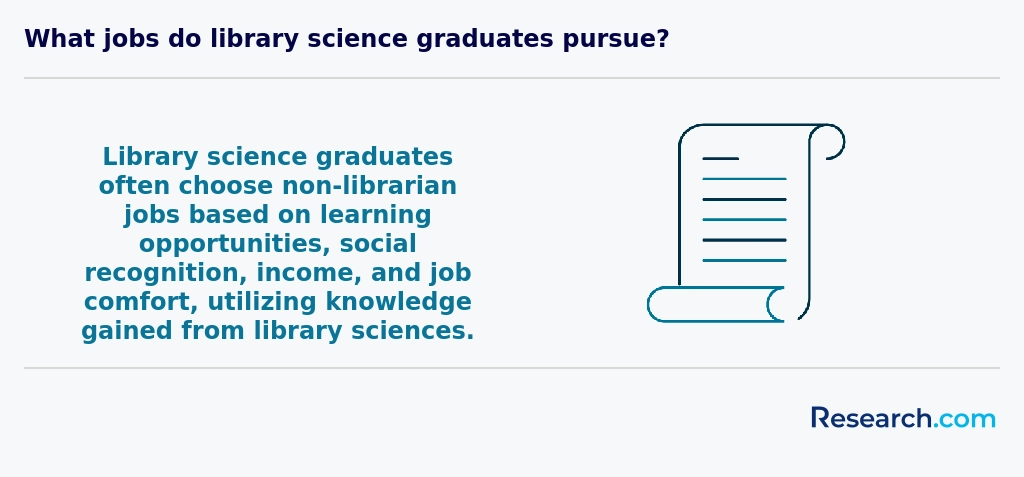
Graduates with an online library science degree in the Northeast discover diverse career options deeply tied to the region's rich academic and cultural environment. Many alumni from prominent programs at SUNY and Rutgers find rewarding roles as public librarians, where they manage vast collections and engage communities. These positions offer a fulfilling chance to connect with a broad audience and foster lifelong learning.
Others have pursued academic librarian positions at well-known universities, blending research support with digital resource management. These roles often provide higher salaries and specialized challenges that emphasize advanced skills and collaboration with scholars.
For those embracing emerging industries, pathways in information technology and knowledge management also abound. Graduates report excitement working in digital asset management or records oversight within government agencies and corporate settings in the Northeast, leveraging both their technical training and understanding of information organization.
Additional roles that many find gratifying include archivist and school librarian, each offering a distinctive chance to preserve history or inspire young minds. Those seeking more creative fields sometimes explore related options in media and education, occasionally guided by links to top music degree programs for interdisciplinary interests.
Indeed, choosing this degree unlocks a wealth of online library science jobs Northeast region graduates value for the stable career outlook and meaningful impact on communities they serve.

The job market for online library science degree graduates in the Northeast remains reliably strong, reflecting steady growth and diverse opportunities. Graduates from well-regarded institutions in Boston or New York often share how the vibrant cultural and academic scenes fueled their passion and opened doors to roles in prestigious public and academic libraries. With urban centers offering median wages between $60,000 and $70,000, many find this region competitive for building a fulfilling career.
The library science job outlook Northeast region shows particular promise as information professionals are needed in traditional and evolving roles such as digital librarianship and archival management. Graduates speak positively about the flexibility gained from an online education, allowing them to pursue roles in public libraries, museums, or corporate archives without relocating, which adds to their satisfaction and work-life balance.
Many who considered shifting careers appreciate how an online degree complements other qualifications, similar to those found in Illinois teacher preparation programs, by offering a convenient path to professional growth and stability.
2027 Easiest Online Master's in Library Science Degree Programs Ranking in the Northeast
Investing in your education is a significant decision that can shape your future, and the Research.com team understands the importance of making informed choices. To assist prospective students in the Northeast, we have meticulously crafted the "2027 Easiest Online Master's in Library Science Degree Programs Ranking in the Northeast." Our commitment to quality, credibility, and accuracy is reflected in the extensive research and analysis conducted to compile this ranking.
We utilized the following reputable data sources to ensure a comprehensive evaluation of library science degree programs:
By exploring this ranking, readers will gain valuable insights into the most accessible online master's in library science programs, helping them make confident and informed decisions about their educational paths. For more details on our methodology, please visit our Research.com methodology page.



Frequently Asked Questions About library science
Online library science degree students in the Northeast can maximize their learning by actively engaging with virtual resources and professional networks. Many accredited programs encourage participation in internships at regional libraries, which provide practical experience alongside academic theory.
Students should also leverage digital libraries and databases specific to the Northeast, such as the New York Public Library's digital collections. According to the American Library Association, collaboration with local library associations like the New England Library Association can enhance understanding and professional growth through webinars and conferences.
Lastly, consistent communication with faculty and peers via discussion boards ensures a richer online learning environment and support system.
The library science field in the Northeast is expanding into several emerging niches that reflect changing technology and user needs. One significant area is digital asset management, where professionals organize and preserve digital content for academic and public libraries. Another growing niche is data curation and archiving, critical as research institutions generate vast amounts of digital information.
Information technology integration also plays an increasing role, with librarians supporting advanced database systems and virtual reference services. According to a 2023 report from the New England Library Association, job postings related to digital librarianship grew by 18% in the last two years.
Additionally, specializations in health informatics and community engagement are gaining attention, offering librarians new roles in public health and outreach programs across the Northeast.
After earning an online library science degree in the Northeast, preparing for the job market involves targeted steps to enhance employability. Networking through regional organizations like the New England Library Association can provide valuable connections and job leads. According to the Bureau of Labor Statistics, library employment in the Northeast is projected to grow modestly by 5% through 2030.
Gaining relevant experience through internships or volunteer positions in local libraries strengthens a resume. Additionally, obtaining the American Library Association (ALA) accreditation can increase job prospects, as most Northeast employers prefer graduates from ALA-accredited programs. Developing technical skills in digital archives and information management is increasingly important in this evolving field.
Employers in the Northeast highly value library science graduates who demonstrate strong skills in information technology and digital resource management. With the rise of digital archives, proficiency in database software and metadata standards is essential.
Effective communication is another key skill, as librarians often collaborate with diverse community groups and educators. Critical thinking and problem-solving abilities rank equally high, enabling graduates to adapt to evolving information challenges in public, academic, and special libraries.
According to the New York Library Association, candidates with experience in outreach programs and digital literacy instruction have a competitive edge in the regional job market.
Finding internships in the Northeast relevant to a library science degree involves tapping into a network of academic, public, and special libraries, many of which offer formal internship programs. Major cities like New York, Boston, and Philadelphia have libraries associated with universities and government agencies that frequently seek interns. According to the American Library Association, New York State alone hosts over 700 public and academic libraries, creating abundant opportunities.
Students should explore internship listings on university career portals, library association websites such as the New England Library Association, and platforms like the Internship Clearinghouse. Networking through virtual job fairs and contacting library science departments directly can also enhance chances.
Additionally, many master's programs in library science based in the Northeast have partnerships with local libraries, which facilitates internship placements tailored to distance learners.
An online library science degree significantly enhances career mobility and advancement opportunities in the Northeast, a region with a dense concentration of libraries and information centers. According to the Bureau of Labor Statistics, employment for librarians in states like New York and Massachusetts is projected to grow steadily, driven by expanding digital archives and community programs. This trend underscores the value of specialized credentials, such as a Master's in Library Science (MLS), which can now be earned online from regionally accredited institutions.
Holding an MLS degree online allows professionals to qualify for leadership roles, including library directors and information specialists, often requiring advanced knowledge of digital cataloging and management. Additionally, regional employers increasingly recognize online degrees as equivalent to traditional programs when obtained from accredited universities, boosting graduates' competitiveness.
Regional salary data from the U.S. Department of Labor also indicate that librarians with advanced degrees in the Northeast earn approximately 10-15% more than those without. This financial benefit, combined with flexible learning options, makes online degrees particularly attractive for working adults seeking career growth.
Studying for a library science degree in the Northeast equips students with skills that extend beyond traditional librarianship, preparing them for interdisciplinary roles. Programs often emphasize information management, digital literacy, and research methodologies relevant to sectors like education, healthcare, and technology.
Many Northeastern universities collaborate with local institutions, offering hands-on experiences that connect library science with other disciplines. For example, the iSchool at the University of Maryland highlights partnerships that improve healthcare data accessibility.
According to the Bureau of Labor Statistics, library jobs in the Northeast are expected to grow 5% through 2031, especially in digital and archival roles requiring interdisciplinary knowledge.
Choosing between a thesis and a non-thesis online library science degree in the Northeast depends on your career goals and learning preferences. Thesis programs typically require conducting original research, suitable for students considering doctoral studies or research-focused roles. Non-thesis options emphasize practical skills through coursework, appealing to those aiming for direct employment in public or academic libraries.
In the Northeast, universities like the University at Albany offer both tracks, reflecting regional demand for flexible education paths. According to the American Library Association, 65% of library science graduates in this region pursue non-thesis degrees for faster completion and workforce readiness.
Consider how much time you can commit, preferred learning style, and future ambitions when deciding your path.
Students in the Northeast seeking library science degrees abroad face limited formal options within the U.S. higher education system. Most accredited programs with specialized library science curricula are offered domestically through institutions like the University of Rhode Island and Simmons University in Massachusetts. While true study-abroad programs focused specifically on library science are uncommon, students may explore international partnerships or exchange programs through their home schools. The American Library Association (ALA) accredits programs primarily within the U.S., affecting recognition of foreign degrees. Therefore, Northeast students usually pursue online or hybrid programs accredited by ALA for guaranteed credential value.
Part-time jobs in the Northeast that complement library science education often involve roles in public libraries, archives, and educational institutions. Positions such as library assistant, archival technician, or research aide provide practical experience while studying. According to the American Library Association, these roles help students develop essential skills in cataloging, information management, and customer service.
Many public libraries in states like New York and Massachusetts offer flexible part-time work or internships linked to local universities. Working in school libraries or community centers also enhances understanding of information organization and digital resource management.
This real-world experience is crucial for online library science students aiming to enter the field with competitive skills.
Online library science students in the Northeast benefit from access to numerous professional networks and regional organizations that foster connection and career growth. The Northeast houses active chapters of the American Library Association (ALA), including the New England Library Association, which regularly hosts virtual and in-person events.
Many institutions also offer alumni networks and mentorship programs that help students engage with practicing librarians and information professionals. According to the Bureau of Labor Statistics, the Northeast employs over 30,000 librarians, providing a strong local community for networking.
Additionally, students can join state library associations such as the New York Library Association or the Massachusetts Library Association for specialized opportunities.
Alumni networks provide vital support to online library science degree students in the Northeast by connecting them with experienced professionals and potential employers in the region. These networks often offer mentorship opportunities, enhancing students' understanding of local library systems and emerging trends. According to the American Library Association, networking significantly improves job placement rates, which is especially important in competitive Northeast job markets like New York and Boston. Alumni groups also facilitate access to exclusive internships and continuing education resources, helping students stay current with industry standards. Strong regional connections can increase career advancement opportunities for graduates entering the library science field.
Customizing an online library science degree in the Northeast allows students to align studies with specific career goals. Many programs in this region offer concentrations such as digital libraries, archives management, and school media, providing tailored coursework. According to the American Library Association, approximately 75% of Northeast programs include practicum or internship options that give hands-on experience in diverse settings.
Students can often select electives relevant to their interests, like data curation or information technology. Some schools also provide certificate add-ons to enhance expertise. Flexible scheduling and part-time enrollment further enable learners to balance work while advancing their education.
Online library science students in the Northeast face several common challenges. Balancing coursework with professional or personal commitments is often difficult, especially for mid-career students managing full-time jobs. Connectivity issues and varying access to high-speed internet can affect participation, particularly in rural areas. Clinical components and internships require coordination with local libraries, which may be complicated by geographic limitations in states like Maine or Vermont.
Moreover, students must navigate state-specific certification requirements if they plan to work as librarians, adding complexity to their studies. According to the American Library Association, the Northeast has a growing demand for specialized skills, which increases pressure on students to excel in both theory and technology-related subjects.
With an online library science degree, especially from programs in the Northeast, graduates can pursue several professional certifications to boost their career. The Certified Public Library Administrator (CPLA) credential is recognized in several Northeastern states, validating skills in library management. Another key certification is the Academy of Health Information Professionals (AHIP), ideal for those focused on medical librarianship.
The American Library Association (ALA) accreditation of your degree also opens doors to state-level certifications, which often enhance job prospects and salaries. According to the New York State Library, certified librarians earn on average 12% more than non-certified peers. Additionally, some states in the Northeast require certification to serve in public or academic libraries, making these credentials important for career advancement.
Writing a winning application for an online library science program in the Northeast requires clear focus and preparation. Start by researching accredited programs recognized by the American Library Association, as accreditation is crucial for job prospects after graduation. Highlight your relevant experience and skills in your personal statement, emphasizing any work with digital archives, cataloging, or information management.
Include strong letters of recommendation, ideally from professionals in education or library fields. Many Northeast programs value community involvement, so mention volunteer work or leadership roles. According to the Bureau of Labor Statistics, the Northeast has a growing demand for information professionals, making a well-crafted application timely and important.
Library science careers are increasingly valued worldwide for their role in managing information in diverse formats. In the United States, including the Northeast, the profession is shaped by global trends such as digital information management and data curation. According to the U.S. Bureau of Labor Statistics, employment for librarians is expected to grow 9% from 2020 to 2030, reflecting steady demand.
Globally, countries emphasize digital literacy and information accessibility, influencing library science curricula in the U.S. Northeast. Many programs integrate international perspectives on knowledge organization, preservation, and user engagement to prepare graduates for evolving challenges.
The Northeast, home to numerous prestigious universities, offers online degrees that reflect these global standards, helping students remain competitive in local and international job markets.
Gaining practical experience while pursuing an online library science degree in the Northeast is essential for career readiness. Many programs encourage students to complete internships or fieldwork at local libraries, archives, or information centers. These partnerships provide hands-on experience with cataloging, digital resources, and patron services.
Some universities support remote internships, allowing students to work with regional institutions virtually. The American Library Association emphasizes the importance of field experience, and Northeast states like New York and Massachusetts have numerous cultural institutions eager to host interns.
Additionally, joining professional groups such as the New England Library Association can offer networking and project opportunities that enhance practical skills.
Choosing the right concentration within an online library science degree in the Northeast involves assessing your career goals and regional job market trends. Common concentrations include archives management, digital libraries, and public librarianship. According to the American Library Association, public and academic libraries in the Northeast increasingly seek professionals skilled in digital content management and information technology.
Researching local job postings can provide insight into in-demand skills. For example, Massachusetts and New York show strong demand for archivists and digital librarians due to numerous cultural institutions and universities. Additionally, accreditation by the ALA ensures programs meet professional standards, which is crucial when selecting a concentration that aligns with your goals.
See What Experts Have To Say About Studying Library Science
Read our interview with Library Science experts

Beatrice C. Baaden
Library Science Expert
Associate Professor
Long Island University

Kay Anne Cassell
Library Science Expert
Professor Emerita of Library and Information Science
Rutgers University

Maura Madigan
Library Science Expert
School Librarian
Book Author
Book Author

- Massachusetts Library Science Degree Programs, Online Included https://www.librarysciencedegrees.org/schools-by-state/massachusetts
- 5 Concentrations For A Master’s In Library Science Degree - GradSchoolHub.com https://www.gradschoolhub.com/lists/5-concentrations-masters-library-science-degree/
- Types of Library & Information Science Degree Programs https://www.librariancertification.com/types-of-library-information-science-degree-programs/
- Online Master of Library and Information Studies https://www.ualberta.ca/en/school-of-library-and-information-studies/programs/online-mlis.html
- Global Perspectives on Library and Information Science https://www.routledge.com/Global-Perspectives-on-Library-and-Information-Science/book-series/GPLIS
- Library and Information Science Graduate Certificates - Library Science Degrees Online https://librarysciencedegreesonline.org/library-and-information-science-graduate-certificates/
- Tips for Networking – Core News https://alacorenews.org/2021/12/07/tips-for-networking/
- Library and Information Science: Answering the call https://www.libraryjournal.com/story/library-and-information-science-answering-the-call-lj251112
- Client Challenge https://www.slideshare.net/slideshow/the-future-of-library-and-information-science-education-a-global-perspective-by-clara-m-chu/53908262
- 48 Institutions offering Library Studies Courses Abroad https://www.hotcoursesabroad.com/study/training-degrees/international/library-studies-courses/cgory/l7-3/sin/ct/programs.html