2027 Most Affordable Online Master's in Information Technology Management Degree Programs Ranking in the Northeast

Co-Founder and Chief Data Scientist
Choosing the right online master's program in Information Technology Management can feel overwhelming, especially with so many options available. This article introduces the 2027 Most Affordable Online Master's in Information Technology Management Degree Programs Ranking in the Northeast, created by the Research.com team of data scientists. Their careful analysis helps you identify programs that offer both quality and affordability.
By exploring this ranking, you'll gain valuable insights to make an informed decision that aligns with your goals and budget. Earning this degree opens doors to exciting career opportunities and professional growth in a rapidly evolving field.
Key benefits of getting online information technology management degree in the Northeast
- Salary: Graduates with an information technology management degree often earn competitive salaries, with many IT management roles in the US offering average annual wages well above $90,000, reflecting strong financial rewards in this growing field.
- Career Paths: A graduate from a well-known Northeast university might pursue diverse roles such as IT project manager, systems analyst, or technology consultant, providing exciting opportunities to lead innovation and influence business strategy.
- Online Degree Benefits: Earning this degree online from a respected Northeast school offers flexibility to balance work and study while accessing the same quality education and career support as traditional programs, making it an empowering choice for busy learners.
- Key benefits of getting online information technology management degree in the Northeast
- What can I expect from online information technology management degree in the Northeast?
- Where can I work with online information technology management degree in the Northeast?
- How much can I make with online information technology management degree in the Northeast?
- 2027 Most Affordable Online Master's in Information Technology Management Degree Programs Ranking in the Northeast
- Key Findings
- How long does it take to complete online information technology management degree in the Northeast?
- Return on Investment
- What's the difference between online and on-campus information technology management degree?
- What is the average cost of online information technology management degree in the Northeast?
- What financial aid is available to online information technology management degree students in the Northeast?
- What are the prerequisites for enrolling in online information technology management degree program in the Northeast?
- What courses are typically in online information technology management degree programs in the Northeast?
- What types of specializations are available in online information technology management degree programs in the Northeast?
- How do you choose the best online information technology management degree in the Northeast?
- What career paths are available for online information technology management degree students in the Northeast?
- What is the job market for online information technology management degree in the Northeast?
- Top Trending Information Technology Management Rankings
What can I expect from online information technology management degree in the Northeast?
If you're curious about how much an online information technology management degree will set you back in the Northeast, here's the scoop: on average, tuition ranges from around $15,000 to $40,000, depending on your school and program length. For example, graduates from well-known universities in New York or Massachusetts often mention how competitive the costs feel compared to traditional on-campus programs. One student shared how the flexible online setup allowed balancing a full-time job while slowly working through coursework without busting the bank.
Many schools in cities like Boston and Philadelphia offer financial aid, employer tuition reimbursement, or even military benefits, which lightens the financial load quite a bit. Imagine managing your studies around work shifts, tapping into virtual resources, and not having to worry about sky-high campus fees or commuting-this is the kind of real-life advantage students value most.
Where can I work with online information technology management degree in the Northeast?
If you're earning an online information technology management degree in the Northeast, you're in a great spot for landing exciting jobs. Graduates from schools like Northeastern University or Boston University often find themselves managing IT projects for big players in New York City's finance world, or helping healthcare giants in Pennsylvania keep patient data safe and systems running smoothly. Imagine working for a hospital like Massachusetts General Hospital, where your skills help improve telehealth services-that's the kind of impact grads talk about with pride.
Many also jump into tech consulting gigs in Boston or Philly, helping businesses modernize their IT systems. Others get hired by state governments in Connecticut or New Jersey, where they make digital services secure for millions of users. Pay tends to be solid, with managers in the Northeast often earning well above $120K-just the kind of reward that lets grads feel confident about their future in tech management.
How much can I make with online information technology management degree in the Northeast?
Graduates with an online information technology management degree in the Northeast can look forward to some pretty solid paychecks. Since the Northeast is packed with big companies, banks, and tech hubs, salaries here tend to be higher than in many other parts of the country. For instance, if you wrap up your degree at a well-known school like one in Boston or New York, you might expect to start around $80,000 to $100,000. That's a great jump-start right out of the gate.
As you gain experience, especially with extra certifications or a master's degree, those numbers climb fast. Many grads report earning anywhere from $130,000 to $180,000, especially in cities like New York or Boston, where the living costs and tech demand are through the roof. It really pays off to study in this region because employers value the combination of your online degree and the local business environment.
Plus, bonus perks like stock options and profit sharing from tech firms or financial institutions in the Northeast make the total package even sweeter. So, if you're thinking about an online IT management degree here, you're likely to find a career path that's both exciting and financially rewarding.
2027 Most Affordable Online Master's in Information Technology Management Degree Programs Ranking in the Northeast
How do we rank schools?
Investing in your education is a significant decision that can shape your future, and the Research.com team understands the importance of making informed choices. To assist prospective students seeking affordable online master's degrees in Information Technology Management in the Northeast, we have meticulously crafted the "2027 Most Affordable Online Master's in Information Technology Management Degree Programs Ranking in the Northeast." Our commitment to quality, credibility, and accuracy is reflected in the extensive research and analysis conducted to compile this ranking.
We utilized the following reputable data sources to ensure a comprehensive evaluation of programs:
By exploring this ranking, readers will gain valuable insights into affordable and high-quality online IT management programs, enabling them to make well-informed decisions about their educational investment. For more information on how we developed this ranking, please visit our Research.com methodology page.

# 2 position
Penn State University Park
Master of Homeland Security - Information Security and Forensics Option




Key Findings
- Master's degrees in online IT management in the Northeast typically cost between $20,000 and $40,000 at regionally accredited schools.
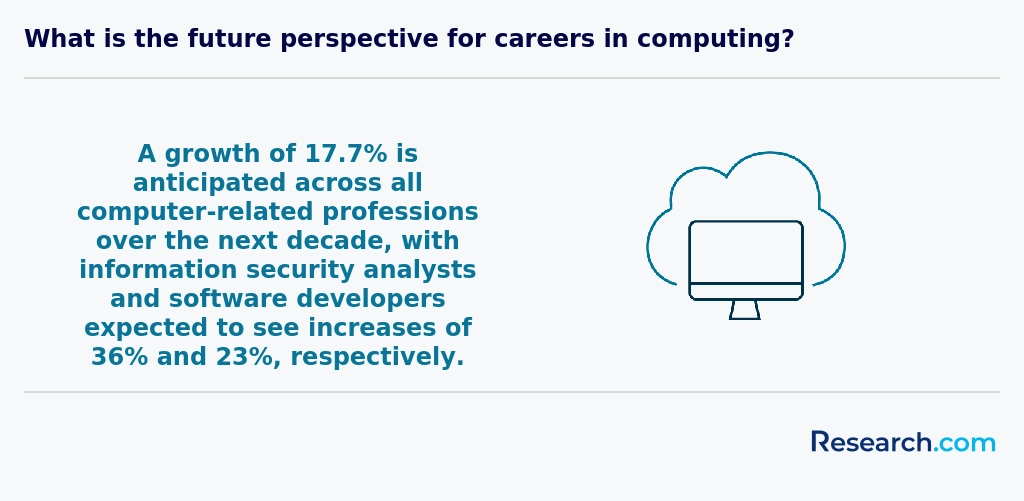
- IT management jobs in the Northeast are expected to grow about 10% over the next decade, faster than the national average for all occupations.
- Starting salaries for graduates usually begin around $80,000 annually and can rise to $120,000 or more with experience.
- Programs often include courses in cybersecurity management, data analytics, and IT project management to match industry needs.
- Admission usually requires a bachelor's degree and relevant work experience, but specifics vary by program.
How long does it take to complete online information technology management degree in the Northeast?
If you're thinking about an online Information Technology Management degree in the Northeast, most grads find the typical finish time ranges from about 18 months to 3 years. It really depends on your pace and how many credits you take each semester. For example, students at popular schools like Northeastern University often finish in 18 to 24 months if they're studying full-time. They love the flexibility of asynchronous classes, which means you can fit coursework around a busy job or family life.
Some folks choose to speed things up with accelerated options that let you graduate in as little as 12 to 18 months, but be prepared to handle a heavier load each term. Others might take it slower to balance work and finances, especially since tuition can run from $15,000 to $30,000 a year in the region.
Plus, programs sometimes include capstone projects or internships that add a few extra months, but many grads say it's totally worth it for the hands-on experience.
Return on Investment
Evaluating the ROI of an online IT management master’s degree helps you understand the value of your educational investment.
- Total program cost: $15,000–$30,000 in tuition and fees
- Expected salary increase: $20,000–$30,000 in the first year after graduation
- Typical payback period: 12–18 months, influenced by role, location, and employer support
- Key factors: total tuition, average salary bump, employer tuition reimbursement, certification premiums
- ROI calculation: (Annual salary increase ÷ Total program cost) × 100% = ROI percentage
For a side-by-side comparison of investment and outcomes in related fields, see online mba programs.
What's the difference between online and on-campus information technology management degree?
If you're juggling work or family, online information technology management degrees in the Northeast, like those from Northeastern University or Rutgers, offer the flexibility you'll appreciate. Graduates often say it felt like having class on their own terms-no commuting, no stress about fitting in fixed schedules. You watch lectures after the kids are asleep or during lunch breaks, which makes progress feel achievable.
On-campus programs, on the other hand, give that buzz of real-time interactions and immediate networking. Imagine sitting in a Rutgers classroom, exchanging ideas face-to-face with professors and classmates-that's something online can't fully replicate. Many grads mention how those connections turned into job leads or collaborations.
Costs play a big role too. Online degrees usually cut down on expenses like commuting or housing. In the Northeast, online IT management master's programs can land between $15,000 and $25,000 total, while on-campus degrees might hit $30,000 or more yearly, especially at private schools.
Both options meet accreditation standards, so quality isn't a worry, but it's really about what fits your lifestyle and career goals in this busy region.
What is the average cost of online information technology management degree in the Northeast?
The average cost of an online information technology management degree in the Northeast hovers around $27,550, which makes it a solid investment for career growth without breaking the bank. Many students find this range reasonable, especially when compared to pricier private options that can push total costs above $45,000. Public universities in states like Pennsylvania and New York offer more affordable paths, often closer to $15,000 for in-state students. Out-of-state learners usually pay a bit more, but some programs offer discounts tailored to online students, which helps keep tuition in check.
Graduates from well-known Northeast colleges often share how the cost felt worth it, thanks to great networking opportunities and resources that come with top-tier programs. A lot of folks pursuing affordable online information technology management programs Northeast find that balancing study with their jobs is smoother with flexible online schedules, making the tuition money feel well spent. Some even mention how avoiding relocation and commuting costs made the online route particularly attractive.
If you're curious about what jobs after mba in information technology might come from these programs, there are plenty of success stories from Northeast grads landing strong roles in IT management. Exploring options through jobs after mba in information technology can also give you a clearer sense of the ROI as you consider your own next steps.

What financial aid is available to online information technology management degree students in the Northeast?
If you're going for an online information technology management degree in the Northeast, there's a solid mix of financial aid to help ease the cost. Federal aid is usually the first stop-think FAFSA unlocking grants, work-study gigs, and federal loans that often come with better rates than private ones. Many grads from places like Northeastern University found federal Direct Unsubsidized Loans and Grad PLUS loans super helpful to cover tuition bills.
On top of that, a lot of schools offer merit-based scholarships, especially if you're knocking it out of the park academically or showing real leadership in IT. Pace University, for example, has scholarships that can chop tuition costs by up to half-now that's a game changer.
Living in states like New York or Massachusetts? Don't miss out on state grants tailored to online students-you might score extra cash just for being a local.
And here's a pro tip: many Northeast tech companies sweeten the deal with tuition reimbursement programs if you're already working. Just keep up good grades, and your employer could pick up part of your tab. It's like getting paid to learn!
Lastly, dig into private scholarships from groups like AITP or databases like Fastweb-those little extras add up fast and can make a real difference.
What are the prerequisites for enrolling in online information technology management degree program in the Northeast?
If you're aiming to enroll in an online IT Management degree in the Northeast, you'll want to have a bachelor's degree tucked under your belt, usually in something close to IT, business, or management. Graduates from well-known Northeast schools often share how important it was to have that foundation before diving into specialized courses. Some programs at places like Northeastern or Boston University might ask for a few prerequisite IT classes if your undergrad was in a different field-nothing too scary, just basics like databases or programming fundamentals.
Another common ask is a solid GPA, usually around a 3.0, because these programs want you ready to handle the challenge. A couple of years of work experience in tech or management isn't uncommon either-think of it as showing you can bring real-world smarts to the virtual classroom.
Oh, and if you're an international student, you'll need to prove your English skills with TOEFL or IELTS scores. For most folks from the Northeast, that's a non-issue. Letters of recommendation and a personal statement about your goals can really boost your application, just like many grads recall doing to stand out.
Standardized tests like the GRE or GMAT are mostly optional nowadays, especially since a lot of schools moved away from them after COVID-19. But if your GPA dips a bit, having those scores might help.
What courses are typically in online information technology management degree programs in the Northeast?
If you're diving into an online IT management degree in the Northeast, expect courses that mix the technical with the leadership side of things. Graduates from well-known schools here often share how classes like Information Systems Management made it clear how technology keeps businesses running smoothly-think managing a company's entire IT setup without breaking a sweat.
Project management also pops up a lot, teaching you Agile and Scrum methods that graduates say really prepped them for real-world IT team leadership, especially in fast-paced environments like Boston or New York.
With cybersecurity becoming huge in the Northeast-home to finance giants and hospitals-courses in Cybersecurity Management have students feeling ready to tackle cyber threats head-on. Plus, hands-on lessons in Data Analytics and Business Intelligence help students make sense of huge data sets, a skill that's super valuable in places like Philadelphia's tech scene.
Plus, many schools here offer electives on cloud computing and IT ethics, making sure you're up to date with the latest trends while managing tech responsibly. These programs really prepare you to lead tech projects that match the Northeast's fast-changing business world.
What types of specializations are available in online information technology management degree programs in the Northeast?
If you're exploring online information technology management specializations Northeast schools offer, you'll find options that really fit what today's tech world needs. Graduates from popular universities around here often rave about tracks like Cybersecurity Management, which is perfect if you want to protect companies in busy hubs like New York City or Boston from cyber threats. Others dive into Data Analytics and Business Intelligence, a smart pick especially with the Northeast's strong financial and healthcare scenes.
Some folks really enjoy the hands-on feel of Project and IT Service Management, mastering Agile and ITIL to lead tech teams smoothly. Then there's Cloud Computing Management, which sets you up to handle the growing cloud tech that Northeast companies are jumping on. Plus, Enterprise Architecture and Systems Integration helps you design tech systems that actually fit business goals - something grads tell me gives them a real edge.
For a practical look at your options in IT management degree concentration options in Northeast colleges, you might want to check out this handy guide to the easiest information technology online degrees, which also touches on how specializations keep things relevant for today's tech challenges.
How do you choose the best online information technology management degree in the Northeast?
When picking the best online information technology management degree in the Northeast, start by checking if the program has solid regional accreditation like MSCHE. Graduates from well-known schools in New York or Massachusetts often mention how it helped them score better jobs and secure financial aid. Then, think about what really excites you-maybe cybersecurity or project management-and find courses that match those interests. Many students at popular colleges in the region appreciate how tailored specializations boosted their confidence and job readiness.
Cost is another biggie. If you're searching for affordable IT management master's programs Northeast universities offer some awesome options, especially if you qualify for in-state tuition. One grad shared how choosing a public university saved them thousands while still getting quality education. Flexibility matters too-online programs with asynchronous classes make it easier to juggle work and study without stress.
Lastly, consider faculty who are not just teachers but connected pros offering real-world insights. Alum from top Northeast programs often rave about networking chances through faculty contacts and partnerships. Also, if you want a clear idea of how IT fits compared to computer science, check out this handy guide on computer science vs information technology.
What career paths are available for online information technology management degree students in the Northeast?
If you're diving into an online information technology management degree in the Northeast, you're opening doors to some pretty exciting career paths. Graduates from schools like Northeastern University or Boston University often step into roles as IT managers, where they get to lead teams and shape tech strategies that actually impact big companies in cities like New York and Boston. It's rewarding work, blending tech know-how with leadership.
Another popular path is becoming a systems analyst or business analyst, especially in bustling metro areas where businesses constantly need sharper IT solutions. Graduates in these roles love how they can spot opportunities to improve systems and make organizations run smoother.
Project management in IT is a solid option too, with many grads taking on projects that juggle resources and deadlines. A PMP certificate is a nice bonus here, boosting job chances. Plus, if cybersecurity excites you, the Northeast has a growing need for information security managers, especially around the financial and healthcare hubs.
For those just starting out, becoming an IT consultant or network administrator provides great hands-on experience while studying online at your own pace. And if cost is a worry, check out affordable online information technology degree programs to find options that fit your budget.
Overall, the information technology management careers Northeast offers really blend strong job opportunities with flexible learning, fitting perfectly for anyone balancing work and study.
What is the job market for online information technology management degree in the Northeast?
The job market for online information technology management jobs Northeast is looking pretty bright right now. Graduates from well-known schools in the area are landing roles in finance hubs like New York City and tech centers like Boston, where companies crave a mix of tech know-how and leadership skills. Many grads share stories about quickly moving up in firms thanks to the practical skills they picked up, whether it's managing data analytics projects or leading cloud computing initiatives.
Schools in the Northeast often tap into strong regional networks that connect students with Fortune 500 companies and emerging startups alike. This proximity provides great internships and job leads, making the whole career growth process feel more natural and exciting. Plus, the growing demand for cybersecurity and other specialized tech management roles means grads often find themselves in high-demand positions without too much hassle.
Tuition prices can vary, but many find programs in the range of $15,000 to $30,000 a smart investment considering starting salaries often top $120,000. If you're looking for an affordable mba in information systems online, this region offers some strong options to boost your career growth Northeast style.
Frequently Asked Questions About information technology management
Students pursuing online information technology management degrees in the Northeast can enhance their learning by engaging actively with virtual resources. Utilizing synchronous class sessions and discussion boards helps build connections with peers and instructors, which supports deeper understanding and networking. According to the National Center for Education Statistics, collaboration increases retention rates by up to 25% in online programs.
Additionally, students should take advantage of regional internship opportunities within tech hubs like Boston and New York City. These experiences provide real-world insight into IT management challenges and trends. The Bureau of Labor Statistics notes the Northeast houses nearly 20% of the nation's IT management roles, offering robust job market prospects.
Staying updated with industry certifications, such as PMP or CISSP, alongside coursework can also improve career readiness and salary potential.
Emerging niches within information technology management reflect the growing demand for specialized skills in the digital economy. Areas such as cybersecurity management, data analytics leadership, and cloud infrastructure strategy are rapidly expanding. According to the U.S. Bureau of Labor Statistics, the Northeast shows a 12% growth in IT management roles between 2022 and 2032, with cybersecurity management leading the increase due to rising cyber threats in financial and healthcare sectors.
Additionally, IT project managers with expertise in agile methodologies and AI integration are sought after as organizations digitalize operations. Regional reports by CompTIA highlight a surge in demand for professionals who can align technical solutions with business goals, especially in New York and Massachusetts.
Graduates with online information technology management degrees in the Northeast should focus on developing both technical and soft skills to succeed in the job market. Employers value expertise in project management, cybersecurity, and data analysis, alongside leadership and communication abilities. According to the U.S. Bureau of Labor Statistics, IT management roles in this region are expected to grow around 11% through 2031, higher than the national average. Networking through regional IT organizations and attending virtual industry events can enhance job prospects. Additionally, earning certifications like PMP or CISSP can increase employability by demonstrating specialized knowledge relevant to IT management.
Employers in the Northeast increasingly seek graduates with strong technical expertise and leadership skills in information technology management. Key abilities include proficiency in cybersecurity, cloud computing, and data analytics, reflecting industry demands. According to the Bureau of Labor Statistics, IT management roles in the region grew by 8% from 2020 to 2030, indicating strong job prospects.
Communication and project management skills are also essential, as companies value graduates who can lead diverse teams and align technology strategy with business goals. Familiarity with compliance standards such as HIPAA and GDPR further enhances a candidate's appeal. Recent regional surveys highlight adaptability and problem-solving as top soft skills favored by employers.
Finding internships in the Northeast for an information technology management degree involves targeting industries with strong tech and management needs. Major metropolitan areas like New York City, Boston, and Philadelphia host numerous firms seeking IT management interns. According to the National Association of Colleges and Employers (NACE), about 60% of IT management internships in these cities offer paid positions.
Students should utilize university career centers and connect with online platforms such as Handshake and LinkedIn to identify local internship opportunities. Networking through professional organizations like the Northeastern Information Systems Association (NISA) can also provide vital connections.
Additionally, applying to internships in tech hubs and financial institutions known for IT infrastructure needs increases chances. Many Northeastern universities partner with regional businesses, so leveraging these relationships is essential.
An online information technology management degree significantly enhances career mobility and advancement opportunities in the Northeast, where IT roles are expanding across sectors such as finance, healthcare, and education. According to the Bureau of Labor Statistics, the region shows a 12% growth rate for IT management jobs from 2022 to 2032, outpacing the national average. Completing an accredited online program offers flexibility for working professionals to upskill without interrupting their careers.
The degree equips graduates with leadership, project management, and technical expertise crucial for higher-level positions. Employers in metropolitan hubs like Boston, New York, and Philadelphia increasingly prefer candidates with formal IT management credentials. Additionally, networking opportunities via regional online programs connect students with local industry professionals, further aiding career advancement.
Studying for an information technology management degree in the Northeast equips students with skills that bridge technology, business, and management. Many regional programs emphasize interdisciplinary coursework, blending IT fundamentals with leadership, finance, and communication.
According to the National Center for Education Statistics, Northeastern universities have increased offerings in interdisciplinary tech management programs by 15% since 2018. This shift reflects the demand for professionals who can manage complex IT projects while understanding organizational dynamics.
Students often engage in case studies and group projects involving diverse departments, preparing them for roles that require collaboration across marketing, operations, and IT.
The Northeast's growing tech hubs, like Boston and New York, create opportunities to apply interdisciplinary knowledge directly within various industries.
Choosing between a thesis and a non-thesis online information technology management degree in the Northeast depends on your career goals and learning preferences. A thesis option typically requires conducting original research and writing a detailed report. This path suits students aiming for research, doctoral studies, or roles involving innovation and development. The non-thesis track usually emphasizes coursework and projects, appealing to professionals seeking practical skills for immediate application in IT management roles.
In the Northeast, many accredited universities offer both formats, with tuition averaging between $600 and $1,200 per credit. According to the National Center for Education Statistics, nearly 40% of IT graduate students in this region choose the non-thesis option due to greater flexibility.
Consider your time commitment and preferred learning style when deciding. Thesis programs may take longer but enhance critical thinking and problem-solving skills. Non-thesis degrees often allow faster completion and focus on applied knowledge useful in industry settings.
Students in the Northeast interested in studying information technology management abroad generally face limited direct options through U.S.-based online programs. Most online IT management degrees offered by Northeastern universities focus on domestic accreditation and coursework. However, many institutions provide international study opportunities through exchange programs or partnerships that complement online studies.
For instance, some universities in the Northeast have collaborations with European and Asian institutions, enabling students to take select courses abroad while remaining enrolled in their home program. This hybrid model suits working professionals aiming to gain global exposure without interrupting their online degree pathway.
According to the National Center for Education Statistics, around 14% of U.S. students engage in study abroad, though this figure is lower for fully online learners. Students considering this route should consult advisors about credit transfer policies and program accreditation to ensure global coursework aligns with degree requirements.
Part-time job opportunities that complement an online information technology management degree in the Northeast often align with the region's robust tech and business sectors. Positions such as IT support specialist, help desk technician, or junior systems administrator provide practical experience managing networks and troubleshooting, which are crucial skills for management roles.
Internships or part-time roles in project management or data analysis also enhance organizational and analytical capabilities, valued in IT management careers. According to the U.S. Bureau of Labor Statistics, the Northeast has a higher-than-average concentration of IT jobs, especially in metropolitan areas like Boston and New York City, where part-time roles are more accessible.
Networking or cybersecurity assistant roles frequently appear in local government and healthcare organizations, sectors growing rapidly in the region. Engaging in these positions while studying offers valuable real-world insights and strengthens resumes for future management positions.
Online information technology management students in the Northeast benefit from various networking opportunities despite the virtual nature of their programs. Many universities facilitate connections through virtual career fairs, alumni groups, and regional chapters of professional IT organizations such as the New York City Chapter of ISACA or the Boston ACM chapter. These platforms enable students to build relationships with peers, industry experts, and potential employers across the region.
The Northeast is home to a dense concentration of technology companies and startups, especially in cities like Boston, New York, and Philadelphia. This creates ample chances for online students to attend local meetups, workshops, and conferences when possible. According to the Bureau of Labor Statistics, over 500,000 IT management roles exist in the region, highlighting strong industry demand and the value of local networking for job placements.
Alumni networks play a crucial role for students pursuing online information technology management degrees in the Northeast. These networks provide access to experienced professionals who can offer mentorship and career guidance. According to the National Association of Colleges and Employers, 85% of jobs in information technology are secured through networking connections, highlighting the value of these communities.
In the Northeast, where tech hubs are expanding, alumni networks often facilitate exclusive local job opportunities and internships. They also host events and webinars tailored to emerging trends in IT management, aiding students in staying updated and competitive.
Overall, these networks support career development and professional growth beyond the virtual classroom.
Many online information technology management degree programs in the Northeast offer flexible curricula that allow students to tailor their studies to specific career goals. Customization options often include choosing electives in areas such as cybersecurity, data analytics, project management, or cloud computing. Some programs also provide opportunities for industry certifications alongside degree credits, enhancing career readiness.
In the Northeast, where IT job growth is strong-projected at 11% through 2031 according to the U.S. Bureau of Labor Statistics-selecting specialization tracks aligned with these industries can boost employability. Regional universities frequently collaborate with local tech firms, offering practical projects and internships.
Students should review program details carefully to ensure alignment with personal ambitions and emerging technology trends in the area.
Online information technology management students in the Northeast often face challenges balancing rigorous coursework with professional and personal responsibilities. According to a 2023 report by the National Center for Education Statistics, about 65% of online graduate students in this region juggle full-time jobs alongside their studies.
Connectivity issues can pose significant obstacles, especially in rural areas of states like Maine and Vermont, limiting access to reliable high-speed internet necessary for online learning platforms and virtual collaboration.
Another challenge is the adaptation to self-directed learning. Without regular in-person interaction, students may struggle with motivation and time management, which are critical for success in IT management programs.
Additionally, navigating accreditation and program quality amidst numerous online offerings requires careful research. The Council for Higher Education Accreditation highlights that ensuring employers recognize online credentials is vital for career advancement in the IT sector, especially in competitive Northeastern markets like New York and Massachusetts.
With an online information technology management degree, professionals in the Northeast can pursue several valuable certifications that enhance career prospects. Popular options include the Certified Information Systems Manager (CISM) and the Project Management Professional (PMP), both recognized nationwide and highly relevant to IT management roles.
Other certifications such as the Certified Information Systems Security Professional (CISSP) are ideal for those focusing on IT security management. According to data from CompTIA, IT management certifications can increase salary potential by up to 20% in the Northeast region.
These certifications demonstrate expertise and commitment to employers, which is critical in a competitive job market like New York, Massachusetts, and Pennsylvania.
To write a winning application for an online information technology management program in the Northeast, start by clearly demonstrating your professional experience and technical knowledge. Admissions committees often look for applicants with a background in IT, business, or related fields. Highlight specific projects or leadership roles that relate to managing IT systems.
Next, tailor your personal statement to emphasize your goals and how the program aligns with the Northeast's growing tech industry. According to the U.S. Bureau of Labor Statistics, IT management jobs in this region are projected to grow by 11% through 2032.
Ensure your application includes strong letters of recommendation from supervisors or professors who can vouch for your skills and dedication.
Finally, be mindful of application deadlines and submit all required documents, such as transcripts and standardized test scores, if applicable.
Information technology management careers have a growing global focus, especially in high-tech hubs like the Northeast United States. According to the U.S. Bureau of Labor Statistics, IT management jobs are expected to grow 11% from 2022 to 2032, faster than average. This growth reflects the increasing worldwide demand for digital transformation and cybersecurity expertise. Employers seek graduates who understand both technological innovation and business strategy, skills commonly emphasized in Northeastern online degree programs.
Globally, organizations prioritize IT managers who can navigate cross-cultural teams and international regulations. Northeastern states benefit from diverse industries and access to multinational companies, offering students practical perspectives on managing IT across borders. Research from EDUCAUSE highlights online education's role in expanding these global competencies for working professionals seeking flexible learning options.
Gaining practical experience while studying for an online information technology management degree in the Northeast is crucial for career readiness. Many universities partner with local tech companies, offering virtual internships and cooperative education (co-op) programs. These opportunities allow students to apply theoretical knowledge in real-world IT environments while balancing coursework.
Additionally, students can engage in project-based learning through capstone projects focused on regional business challenges. Some programs also provide access to specialized labs and technology platforms remotely. According to the National Center for Education Statistics, nearly 60% of Northeastern online IT students participate in experiential learning during their studies.
Networking through regional IT associations and online industry events also enhances practical skills and job prospects in this competitive field.
Choosing the right concentration within an online information technology management degree in the Northeast requires understanding your career goals and local industry demands. Popular concentrations may include cybersecurity, data analytics, project management, and IT governance. According to the U.S. Bureau of Labor Statistics, IT management jobs in the Northeast are expected to grow by 11% through 2032, indicating robust demand for specialized skills.
Research regional employer needs by reviewing job postings and LinkedIn profiles in states like New York, Massachusetts, and Pennsylvania. For example, the Boston metropolitan area has a high demand for cybersecurity professionals due to its strong finance and healthcare sectors, as reported by Burning Glass Technologies.
Also, consider how your concentration aligns with the curriculum offered online, ensuring you gain both technical knowledge and management experience vital for leadership roles. Accredited programs through regional bodies like NEASC provide trustworthy options.
Top Trending Information Technology Management Rankings
References
- BS in Information Technology https://www.umassglobal.edu/academic-programs/bs-information-technology
- Information Technology, MS - Master's Degree Program https://www.neit.edu/academics/graduate-degrees/information-technology-ms
- How long does it take to complete an IT program? https://wcc.ca/blog/how-long-does-it-take-to-complete-an-it-program/
- Explore the Best IT Management Degree Programs https://www.cyberdegrees.org/listings/it-management/best-programs/
- Using Technology to Transform Higher Education https://upcea.edu/using-technology-to-transform-higher-education/
- IT Careers: Top-Paying Fields for Grad Students https://www.onlinemastersdegrees.org/careers/information-technology-it/
- 7 Ways Technology Improves Learning Outcomes https://www.explorance.com/blog/7-ways-technology-in-the-classroom-enhances-student-success/
- Information Technology https://northeast.edu/degrees-and-programs/information-technology
- Information Technology Project Management, MS Online https://www.nec.edu/programs/information-technology-project-management-ms-online
- Information Technology Management https://www.ycp.edu/academics/programs/information-technology-management