2027 Best Information Technology Management Master's Specializations for Career Growth

Co-Founder and Chief Data Scientist
Career growth in information technology management increasingly hinges on selecting specializations aligned with evolving workforce needs and organizational priorities. Rapid technological advances and regulatory shifts are reshaping employer expectations, emphasizing skills in areas like cybersecurity governance, data-driven decision-making, and agile project leadership. These trends highlight stark differences in how various master's specializations influence access to leadership roles, industry influence, and cross-sector mobility. Not all concentrations generate equivalent opportunities; the most advantageous paths depend on how well they address emerging skill shortages and professional credential requirements identified by recent labor market analyses. This article critically examines which specializations best position graduates for sustained career advancement and increased responsibility in dynamic IT environments.
Key Benefits of the Best Information Technology Management Master's Specializations for Career Growth
- Specializations emphasizing cybersecurity trade technical depth for narrower roles, limiting cross-functional leadership development critical for senior IT management positions, forcing students to weigh immediate expertise against broader career flexibility.
- A 2024 workforce study shows 68% of employers prefer candidates with specialization-aligned project experience, reflecting a shift toward applied skills over general credentials, influencing hiring and promotion in IT management sectors.
- Part-time master's candidates face extended timelines, affecting opportunity costs and skill relevancy; balancing work and coursework requires realistic planning to avoid delayed career impact despite credential acquisition.
Which Information Technology Management Master's Specializations Offer the Best Career Growth?
Choosing a specialization within an information technology management master's program should be viewed primarily as a long-term career strategy rather than a simple academic preference. Career growth largely depends on how a specialization aligns with shifting industry demands, leadership trajectories, and the ability to develop transferable skills that sustain advancement across evolving roles. Graduates who select concentrations that systematically enhance their capacity to lead, adapt, and influence organizational outcomes position themselves for stronger professional upward mobility over time.
- Cybersecurity Management: This specialization facilitates access to executive-level roles such as Chief Information Security Officer by embedding deep risk assessment, incident response, and compliance expertise. With regulatory landscapes intensifying and cyber threats becoming more sophisticated, professionals who master these competencies often experience accelerated promotion velocity and command premium compensation, reflecting the critical business priority placed on secure digital environments.
- Data Analytics and Business Intelligence: Focused on data governance and strategic analytics, this path equips graduates to influence high-stakes decision-making and operational efficiency in diverse sectors from finance to healthcare. Because data-driven insights underpin competitive advantage, specialization here supports a sustainable career trajectory by fostering skills that scale across industries and open pathways to leadership roles that bridge IT functions and business strategy.
- Cloud Computing Management: Specializing in cloud infrastructure and vendor management enhances capability in managing scalable, resilient IT environments-a core priority for enterprises pursuing digital transformation. This expertise not only aligns with growing market demand for multi-cloud and hybrid solutions but also positions professionals to lead critical technology deployments, expanding their influence and leadership prospects in fast-evolving technological ecosystems.
- Enterprise Architecture and Project Management: This combined specialization develops cross-disciplinary capabilities that transcend narrow technical roles, emphasizing the orchestration of complex IT initiatives aligned with business goals. Mastery here accelerates access to senior managerial roles by fostering a holistic view of technology governance, strategic alignment, and effective stakeholder management, which are essential for sustained leadership advancement.
When evaluating top information technology management master's concentrations for job demand, it is crucial to factor in the integration of practicum opportunities and strong industry networks that amplify employability and job placement success. Prospective students can benefit from exploring programs that emphasize these career-enabling features alongside their chosen specialization. For those contemplating broader discipline shifts, reviewing programs that offer practical exposure can be as impactful as curriculum content.
While selecting a specialization, it is equally important to consider the scalability of skills across sectors, particularly given the interdisciplinary nature of modern IT challenges. Cross-functional expertise facilitates long-term career growth by broadening the contexts in which professionals can contribute and lead, thus increasing the velocity of career progression and earning potential.
For professionals seeking guidance on program choices that fit evolving career goals, there are accessible resources such as the accelerated bachelor's degree in psychology site which, while focused on psychology, exemplifies the data-driven approach to selecting degree pathways that reconcile academic investment with career outcomes.
Which Information Technology Management Master's Specializations Are Most In Demand?
Demand across information technology management master's specializations is shaped by shifting industry priorities, evolving regulatory environments, and the pace at which organizations adopt new technologies. Rather than a fixed hierarchy, workforce needs vary by sector and economic context, reflecting which technical and managerial skills best address current operational challenges and strategic imperatives.
- Cybersecurity: Persistent cyber threats and stricter regulatory compliance drive strong demand for professionals skilled in securing digital assets. Information security analysts are increasingly valued not only for technical defense capabilities but also for coordinating enterprise risk strategies, making this specialization crucial in industries dealing with sensitive data.
- Data Analytics: The ability to extract actionable insights from large, complex datasets remains a key differentiator for organizations navigating digital transformation. Specializing in data analytics equips graduates to combine technical proficiency with business understanding, addressing employer expectations for versatile roles that integrate machine learning, statistical analysis, and project leadership.
- IT Project Management: The widespread adoption of agile methodologies elevates the need for managers who can translate technical architecture into successful project outcomes. Graduates focusing here develop skills in stakeholder communication, resource coordination, and strategic planning, fulfilling a critical gap in delivering IT initiatives on time and within budget.
- Cloud Computing and Infrastructure Management: As cloud services become foundational to enterprise architecture, expertise in migrating, securing, and optimizing cloud environments is increasingly required. This specialization responds to growing automation trends and the need for scalable, flexible IT operations.
- Artificial Intelligence Integration: Emerging demands for AI-driven solutions are expanding roles that blend IT management with familiarity in AI frameworks and ethical considerations. Master's students in this area position themselves to support innovation initiatives and the governance of intelligent systems in various sectors.
What Skills Are Developed in Different Information Technology Management Master's Specializations?
Choosing a specialization within an information technology management master's program shapes the precise competencies students develop, which in turn affects their practical effectiveness and career horizons. Different specializations cultivate varied blends of technical acumen, strategic leadership, analytical insight, and sector-specific expertise that determine how graduates fit into complex organizational roles and evolving industry demands.
- Project Management: Emphasizes leadership in coordinating resources, timelines, and stakeholder communications to deliver IT initiatives reliably. Graduates master risk mitigation and adaptive strategy, making them valuable for roles requiring oversight of multi-disciplinary teams and balancing competing business priorities, enhancing promotion prospects in fast-paced environments.
- Cybersecurity Strategy: Focuses on developing anticipatory defense skills and policy formulation to protect enterprise assets from sophisticated threats. This specialization hones analytical rigor and regulatory knowledge, enabling graduates to fill crucial roles in risk assessment and compliance, sectors experiencing persistent talent shortages and heightened organizational scrutiny.
- Data Analytics: Builds technical expertise in interpreting complex datasets to inform strategic decisions, combining statistical methods with IT infrastructure understanding. These skills translate into vital positions in business intelligence and operational optimization, where turning raw data into actionable insights offers a competitive advantage.
- IT Governance: Cultivates competencies in aligning IT practices with business objectives, including policy development, auditing, and performance measurement. Graduates become key players in steering enterprise-wide technology investments and regulatory adherence, roles increasingly central as organizations prioritize accountability and transparency.
- Healthcare IT Management: Offers domain-specific knowledge combining IT solutions with healthcare regulations and patient privacy concerns. With rising digitization in health systems, graduates equipped here navigate interdisciplinary teams and compliance demands, positioning themselves well for sustained employment in a growth-oriented sector.
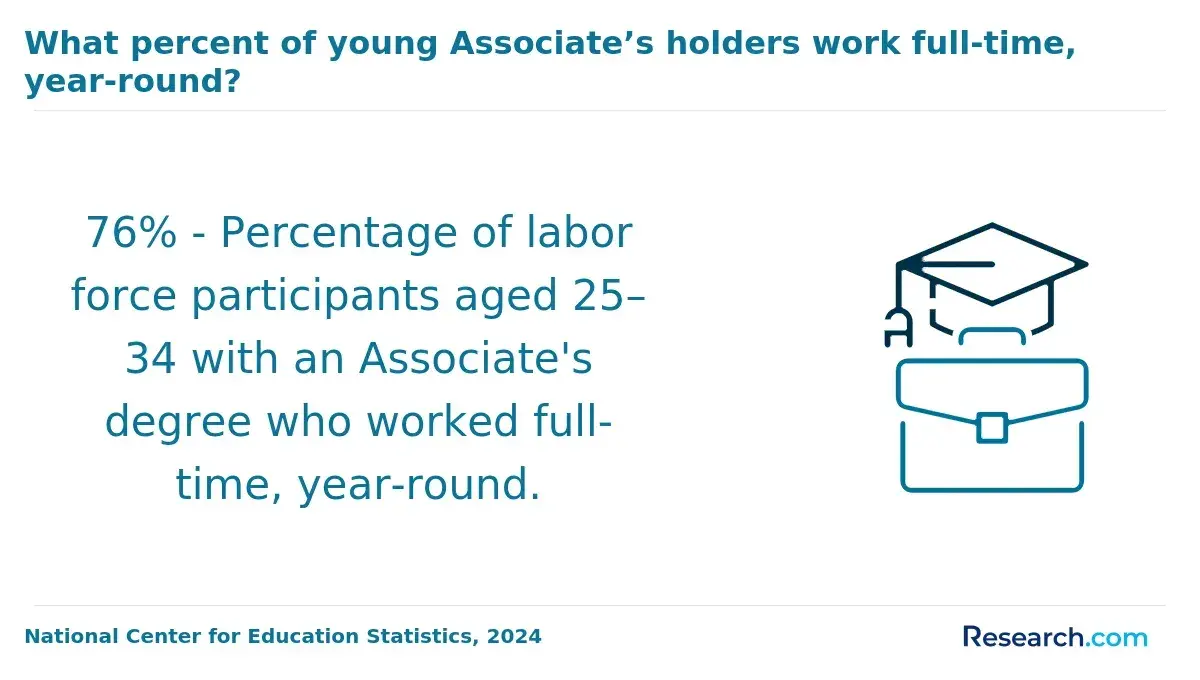
According to a 2024 report from the National Center for Education Statistics, nearly half of graduate students in technology management fields pursue part-time study, underscoring the importance of flexible skill acquisition tailored to ongoing employment demands.
A recent graduate specializing in cybersecurity strategy recalled the tension in managing application timelines during rolling admissions. They initially hesitated to apply too early, concerned about undermining current work commitments. The delay created uncertainty, but ultimately, submitting materials just before a deadline proved prudent, allowing them to present a more comprehensive profile and better navigate interactions with faculty-an experience that highlighted how strategic timing during admissions can parallel the calculated planning emphasized in their specialization.
Which Information Technology Management Master's Specializations Require Professional Licensure?
Professional licensure is a critical factor that influences specialization choices within information technology management master's programs. While many ITM concentrations do not demand formal licensure, certain areas intersect with regulated fields or industry-recognized credentialing that creates structured career trajectories and compliance obligations. Understanding these licensure dynamics is essential for students aiming to align their education with practical labor market requirements and long-term advancement potential.
- Cybersecurity Management: This specialization stands out due to its heavy reliance on certifications such as Certified Information Systems Security Professional (CISSP) or Certified Information Security Manager (CISM). Though not legally mandated licensure, these industry certifications function as de facto licenses, acting as professional gatekeepers to senior roles responsible for risk assessment, regulatory compliance, and safeguarding information assets. The requirement of these credentials shapes curriculum emphasis on both technical mastery and governance frameworks, reflecting employer demands for verified expertise that facilitates career entry and lateral mobility among highly regulated sectors.
- Health Informatics: Given its intersection with healthcare systems, this ITM specialization often requires adherence to regulatory standards related to patient data privacy and security, including frameworks like HIPAA. Credentials such as Certified Professional in Healthcare Information and Management Systems (CPHIMS) are integral to career progression, reflecting how the healthcare industry's compliance-driven culture necessitates specialized knowledge and formal validation. Licensure or certification in this domain not only impacts curriculum design by embedding legal and ethical mandates but also defines eligibility for employment in hospital systems and healthcare providers, where data stewardship carries elevated legal risks.
- Systems Auditing and Risk Management: Specializations overlapping with audit functions frequently align with certifications such as Certified Information Systems Auditor (CISA). While optional, these certifications offer crucial professional currency within regulatory governance, internal controls, and compliance sectors. Their presence influences program content to include auditing standards and risk assessment methodologies, positioning graduates for roles that require adherence to external and internal regulatory frameworks. This certification acts as a boundary for upward mobility, reinforcing employer expectations for formally credentialed oversight capabilities.
- Enterprise Architecture and IT Governance: Though typically not requiring traditional licensure, certifications like TOGAF or COBIT are commonly pursued to demonstrate recognized competency in designing and managing IT infrastructures aligned with organizational objectives. These credentials serve to standardize knowledge across disparate industries and add a layer of professional validation that improves career resilience. Inclusion of such certifications in curricula signals to employers a graduate's ability to navigate complex policy environments and compliance protocols, bridging technical strategy and regulatory expectations.
While many master's specializations in information technology management avoid formal licensure, these credential-focused areas underscore how professional licensure or certification requirements mold program frameworks and influence employability. Prospective students should evaluate whether their intended specialization aligns with these demands, as certain credentials directly impact career eligibility and progression. For those balancing career shifts or advancing within regulated fields, integrating these certifications into academic pathways enhances marketability and long-term professional responsibility. Additionally, comparative programs outside ITM, such as an online family counseling degree, illustrate the broader landscape of licensure's role in graduate education and employment readiness.
Which Information Technology Management Master's Specializations Are Best for Career Changers?
Selecting a master's specialization in information technology management can be pivotal for career changers aiming to align their prior experience with employer expectations while minimizing the time and effort required to build new competencies. The most effective specializations reduce redundant skill gaps by capitalizing on transferable abilities and provide accessible paths into IT roles with recognized industry demand.
- Project Management: This specialization often presents the lowest barrier for professionals transitioning from non-technical backgrounds, as it leverages communication, organizational, and stakeholder management skills common in many fields. Employers value candidates who bridge technical understanding with leadership capabilities, and projected job growth of 9% for IT project managers over the next decade, according to the 2024 Project Management Institute report, underscores sustained demand.
- Cybersecurity Management: Although this path requires acquiring more technical knowledge early on, its rapidly expanding market demands risk assessment and policy skills that career changers with strong analytical and regulatory experience can build on. The U.S. Bureau of Labor Statistics forecasts a 35% increase in cybersecurity roles by 2031, indicating significant opportunity for those willing to invest in near-term upskilling.
- Data Analytics and Business Intelligence: For individuals with backgrounds in data-driven or business analysis roles, this specialization offers a direct lever to reframe existing competencies toward IT applications. It emphasizes critical evaluation and translating technical insights into strategic decisions, aligning well with industries seeking hybrid professionals who can navigate both IT systems and business priorities.
- IT Strategy and Digital Transformation: Suited for those with previous business or management experience, these specializations focus on aligning technology initiatives with organizational goals at the executive level. While more demanding in foundational business knowledge, they equip students to step into leadership or consultancy roles that orchestrate change across complex enterprises.
One student who transitioned from healthcare administration recounted hesitating midway through their application process due to uncertainty about which specialization best matched their past experience with future labor market conditions. After monitoring rolling admissions timelines and employer trends closely, they ultimately opted for project management to capitalize on their organizational skills and secure earlier acceptance, feeling that this path offered the most pragmatic route to meaningful employment within a tighter timeframe.
Which Online Information Technology Management Master's Specializations Support Career Growth Most Effectively?
Online information technology management master's specializations can serve as strategic levers for accelerating career growth, particularly for working professionals balancing education with ongoing employment. The real impact of these specializations depends on how well they address evolving digital skill requirements, align with industry transformation, and equip students for leadership roles in both remote and hybrid work settings.
- Cybersecurity: This specialization offers career advancement driven by the urgent need to safeguard data and infrastructure against increasingly complex cyber threats. With cybersecurity roles projected to grow by 35% over the next decade according to the U.S. Bureau of Labor Statistics, graduates gain skills in risk assessment and compliance that directly enhance promotion potential and open pathways into executive security roles such as chief information security officer (CISO). The applied nature of cybersecurity training translates well into immediate workplace impact, reinforcing leadership credibility.
- Data Analytics: Data-driven decision-making fuels strategic initiatives across industries, making data analytics a high-value specialization within online information technology management master's programs. Professionals who master the interpretation and communication of complex datasets position themselves for leadership roles that integrate technical insights with business strategy. Growing enterprise investments in analytics tools, forecasted to rise by over 30% by 2025, indicate expanding demand for managers who can navigate both technology and organizational priorities effectively.
- IT Project Management: Given that about 70% of IT projects fail to meet their objectives due to poor management, acquiring project management expertise directly correlates with career pathways into senior operational roles. This specialization enhances one's ability to coordinate cross-functional teams and manage digital initiatives-a critical skill as organizations increasingly rely on hybrid collaboration models. Professionals gain practical frameworks that scale from managing individual projects to overseeing entire technology portfolios.
- Enterprise Architecture: Specializing in enterprise architecture strengthens a professional's capacity to align IT infrastructures with business goals, a crucial competency for advancing into strategic planning and executive technology leadership. The ability to design scalable, secure, and cost-effective systems supports roles with broad organizational oversight and integrates well with leadership functions in digital transformation projects.
- IT Governance and Compliance: With regulatory requirements intensifying across sectors, knowledge in IT governance fosters advancement into roles focused on policy implementation and risk mitigation. This specialization suits professionals targeting director-level positions that balance technical controls with organizational accountability, increasingly relevant in data-sensitive environments.
Choosing among these specializations requires evaluating which align with individual career trajectories and employer expectations, especially as work models evolve toward hybrid and digital formats. Those seeking to merge technological skillsets with executive responsibilities should consider how applied learning and the immediacy of online program content translate into tangible promotion opportunities. Prospective students may also compare these pathways to other professional degrees; for instance, examining options like online MBA entrepreneurship programs can provide perspective on leadership development outside of IT-focused education.
Identifying the best online IT management master's programs for professional growth hinges on matching specialization demand patterns with one's readiness to apply skills in dynamic, often remote, organizational contexts.
What Information Technology Management Master's Concentrations Lead to Management Careers?
Management roles in information technology are more a function of progressively greater decision-making authority than a simple credential. Various concentrations within an information technology management master's program build distinct leadership capacities that influence how readily graduates assume operational, financial, or strategic responsibilities typical of management tracks.
- Cybersecurity: Concentrations in cybersecurity foster leadership by developing expertise in risk mitigation and regulatory compliance, areas that require both technical acumen and strategic oversight. This specialization places graduates at the intersection of organizational security and governance, enabling them to influence enterprise-wide policies and risk management frameworks, which are critical elements for senior IT management roles.
- Project Management: Specializing in project management equips professionals with the skills to coordinate cross-functional teams, allocate resources, and align deliverables with business objectives. Such exposure cultivates operational leadership and sharpens stakeholder engagement, making these graduates natural candidates for positions that demand effective team orchestration and deadline accountability.
- Data Analytics and Business Intelligence: This concentration enhances the ability to translate complex data into strategic insights, a capability that drives evidence-based decision-making at higher organizational levels. Professionals with this focus often gain prominence as they inform C-suite strategy, positioning them for roles where analytical rigor supports broader corporate initiatives and innovation management.
- Enterprise Architecture and IT Governance: While more specialized, these concentrations build deep understanding of aligning technology infrastructure with business strategy and regulatory demands. Graduates in these areas develop a vantage point essential for overseeing comprehensive IT frameworks, thereby gaining authority over long-term planning and resource governance that senior management roles require.
According to 2024 data from the Bureau of Labor Statistics, IT managers with skills anchored in cybersecurity, project oversight, and data analytics experience notably faster employment growth and higher median wages compared to less specialized counterparts, underscoring how these concentrations translate into measurable career advantages.
How Does Earning Potential Vary by Information Technology Management Master's Specialization?
Earning potential within information technology management master's specializations varies notably depending on the focus area, with recent compensation data indicating a considerable range tied to skill demand and job scope. For instance, graduates specializing in cybersecurity management typically command median salaries 15-25% higher than their counterparts in general IT project management roles, with average earnings often ranging from $95,000 to $130,000 according to combined insights from Payscale and Glassdoor Economic Research. Specializations such as data analytics and business intelligence also report competitive salaries, frequently falling between $85,000 and $115,000, reflecting the premium placed on data-driven decision-making capabilities. Conversely, roles focused on IT governance or enterprise architecture tend to start with somewhat lower salaries-often in the $75,000 to $100,000 bracket-but may offer steady growth as professionals accrue experience managing complex organizational frameworks and compliance requirements.
The divergence in earnings can largely be attributed to structural factors including technical complexity, regulatory impact, and market scarcity. Cybersecurity roles address an escalating threat landscape where breaches impose direct financial and reputational risks, prompting employers to prioritize and financially reward these competencies robustly. In contrast, governance and architecture positions require a deep understanding of internal policy and systems optimization but often lack the urgent risk mitigation element that drives premium pay. Additionally, emerging specialization areas like cloud computing management have seen salary spikes due to rapid adoption but also demand continuous certification maintenance to remain competitive. Industry sector further modulates earning potential; positions in healthcare or financial services, for example, tend to offer premiums for knowledge of regulatory frameworks and risk controls, underscoring how external compliance pressures influence compensation structures.
Long-term salary trajectories also vary, and the highest initial salaries do not invariably correspond with the greatest cumulative earnings over a career. Specializations that provide pathways into senior leadership, such as enterprise architecture or business intelligence integrated with strategic management roles, often realize more substantial income growth over time by expanding responsibility and decision-making authority. Conversely, highly technical fields like cybersecurity may face plateau effects unless professionals transition into managerial roles or broaden their expertise. Geographic location and prior experience further influence these dynamics, making specialization choice a strategic decision that should weigh immediate financial rewards against anticipated career evolution and emerging market demands.
What Mistakes Do Students Make When Selecting a Specialization?
Selecting a specialization within information technology management is a critical strategic decision that shapes a graduate's career trajectory. Many students fall into common traps by focusing on short-term considerations, such as trending buzzwords or immediate salary potential, without examining long-term employability, skill relevance, and industry stability. These mistakes can hinder professional growth and limit leadership opportunities over time.
- Choosing Based on Popular Trends: Students often pick specializations that seem currently popular without investigating underlying job demand or employer needs. This approach can lead to skill sets that are less adaptable as technology and business models evolve, reducing career flexibility and advancement potential.
- Ignoring Essential Skills for Information Technology Management Career Growth: Overemphasizing technical specialization while neglecting interdisciplinary skills like cybersecurity awareness, data analytics, and project management undermines a student's ability to move into leadership roles. Employers prioritize candidates who blend technical depth with strategic and operational competencies.
- Overlooking Licensing or Certification Alignment: Failure to verify if coursework corresponds with industry certifications or licenses may leave graduates underprepared or ineligible for key positions. This misalignment restricts access to specialized roles and slows salary progression in regulated or highly structured sectors.
- Misjudging Geographic Job Market Variations: Not considering differences in regional demand and salary potential can result in unrealistic career expectations. Some specializations thrive only in specific locales, and ignoring this factor risks limiting job opportunities or forcing relocation without adequate preparation.
- Neglecting Industry and Alumni Insights: Students who do not seek advice from industry professionals or program alumni miss critical employer perspectives on emerging trends and skills gaps. This disconnect often results in specializations that do not match real-world requirements or that lack practical applicability.
According to a 2024 report by the National Center for Education Statistics, nearly 38% of graduate students switch specializations within their first year, signaling widespread initial miscalculations related to alignment with labor market realities. Avoiding these pitfalls requires a decision-making framework that integrates careful labor market research, personal strengths assessment, and certification planning.
For those considering interdisciplinary pathways or fields adjacent to it management, exploring options like a masters in child development online reflects how specialized degrees with practical application can vary widely in relevance and career impact. This underscores the importance of matching specialization choices with both current employer demand and future adaptability.
How Can Students Align Specialization Choices With Long-Term Career Plans?
Effectively aligning specialization choices with long-term career plans in information technology management requires a strategic approach grounded in detailed analysis of industry trends, essential competencies, and typical career progression pathways. Rather than treating specialization as a short-term academic decision, students must consider it a core component of a multi-year career strategy that influences their trajectory toward leadership or technical mastery. For example, data from the U.S. Bureau of Labor Statistics in 2024 shows demand for cloud computing and cybersecurity expertise growing annually at around 12%, underscoring the importance of selecting specializations with enduring employability. Incorporating easiest bachelor degree pathways into foundational knowledge can also support a smoother transition into advanced roles, particularly when aligned with strong market demand and emerging technology shifts.
Students can apply actionable decision frameworks such as mapping specialization outcomes to their targeted job roles and assessing how transferable skills are across different industries. Evaluating whether a specialization enhances progression into managerial or advanced technical positions clarifies which tracks align best with personal strengths and future aspirations. Common pitfalls include selecting specializations based on fleeting trends or immediate interest without considering how such choices will perform amid longer-term workforce shifts. A structured, data-informed approach ensures that specialization decisions optimize career resilience and growth potential, supporting deliberate long-term career alignment in information technology management that transcends initial academic appeal.
What Graduates Say About the Best Information Technology Management Master's Specializations for Career Growth
- Levi: "After completing my master's with a focus on information technology management, I quickly realized that employers prioritized hands-on experience and certifications over licensure. I leveraged internships and project portfolios to stand out in a competitive job market, which eventually led to a mid-level management role. The degree provided a solid foundation, but navigating the need for practical skills was key to advancing."
- Ahmed: "Graduating with a specialization in information technology management opened doors to remote work opportunities that I hadn't anticipated. While salary growth was somewhat modest at first, the flexibility and faster entry into the workforce outweighed the trade-offs. I made a conscious decision to focus on certifications and continuous learning post-graduation to keep pace with evolving technologies and stay competitive."
- Christopher: "The program gave me a strong theoretical base, but the real challenge emerged when competing for leadership roles that required both licensure and experience. I found myself pivoting toward roles emphasizing project management and process optimization, where my degree was highly valued without the strict licensure requirements. This experience shaped my approach to career progression, prioritizing strategic skills alongside academic credentials."
Other Things You Should Know About Information Technology Management Degrees
The structure and delivery of a master's program significantly influence how well the specialization prepares students for workplace demands. Programs heavy on case studies, live projects, and collaboration typically foster stronger problem-solving and team-management skills critical for IT leadership. Conversely, overly theoretical or self-paced formats may limit opportunities for practical application and networking, reducing immediate job-readiness and making employer expectations harder to meet. Selecting a specialization with a balance of hands-on experience and strategic frameworks often leads to stronger outcomes.
While aligning with current market demands can accelerate initial employment, emphasizing long-term adaptability often better supports sustained career growth. Specializations that integrate evolving technologies with core management principles enable graduates to pivot as industry priorities shift. Prioritizing specializations linked to fundamental leadership and system optimization skills usually outweighs short-lived trends, especially given technology's rapid evolution and the persistent need for strategic IT oversight.
In 2027, top specializations for career growth in IT management include Cybersecurity, Data Analytics, and Cloud Computing. These fields offer robust job prospects due to growing market demand and technological advancements. Specializing in these areas can significantly enhance employability and advancement opportunities.
Employers increasingly value candidates who demonstrate deep expertise within a relevant niche, such as cybersecurity management or data governance, rather than generalized IT management knowledge. However, too narrow a specialization may limit advancement opportunities in versatile leadership roles. Graduates who balance specialization depth with strategic breadth-showing both technical command and business acumen-are often best positioned for mid- to senior-level roles. Making specialization decisions with an eye toward this balance reflects a keen understanding of real-world employer priorities.
References
- Career Paths You Can Pursue With a Master’s in Information Technology (MSIT) https://www.callutheran.edu/programs/articles/career-paths-you-can-pursue-with-masters-in-information-technology/
- Setting Long-Term Goals for Students - Mackler Associates https://mackleradvantage.com/setting-long-term-goals-for-students/
- Common Mistakes Students Make When Picking a Masters in Data Science - IABAC https://iabac.org/blog/common-mistakes-students-make-when-picking-a-masters-in-data-science
- The most in-demand IT professions - ECE https://www.ece.fr/en/faq-all-the-answers-to-your-questions/what-are-the-most-sought-after-it-jobs/
- 5 Common Mistakes People Make When Choosing a Tech Career (And How to Avoid Them) : Mita School: Learn Tech Skills, Start A Tech Career - Web/App Development https://mitaschool.com/choosing-a-tech-career/
- Aligning Student Goals with Academic Opportunities https://www.liaisonedu.com/resources/blog/aligning-student-goals-with-academic-opportunities-for-greater-community-college-student-engagement/
- Best IT Management Master's Degree Programs, Jobs, and Salaries https://careerkarma.com/blog/best-it-management-masters-degrees/
- Top Benefits of a Master in Information Technology https://transformyourlearningpath.com/top-benefits-of-a-master-in-information-technology.html
- For Career-Driven Master's Students, a Flexible Program is Essential https://paloaltou.edu/resources/blog/career-driven-masters-students-flexible-program-essential
- How Would A Master’s In Information Technology Help Your Career? https://www.bentley.edu/news/how-would-master-s-information-technology-help-your-career