
2027 Fastest Online Information Systems Degree Programs Ranking in Kansas

Co-Founder and Chief Data Scientist
Choosing the right information systems degree program can feel overwhelming, especially with so many options available online. This article introduces the 2027 Fastest Online Information Systems Degree Programs Ranking in Kansas, created by the Research.com team of data scientists to guide you toward the best choices.
By exploring this ranking, you'll discover programs that combine quality education with flexibility, helping you advance your career without interrupting your life. Pursuing an information systems degree opens doors to exciting opportunities in tech and business, making your future brighter and more secure.
Key benefits of getting online information systems degree in Kansas
- Information systems graduates in Kansas can expect competitive salaries, with related US jobs averaging around $90,000 annually, providing strong financial security.
- Career paths include roles in IT management, systems analysis, and cybersecurity, as often seen in graduates from the University of Kansas, offering diverse opportunities and growth.
- Online degrees offer flexibility for working adults and save commuting time, as highlighted by success stories from Wichita State University graduates who balanced studies and jobs effectively.
What can I expect from online information systems degree in Kansas?
When examining the average cost of an online information systems degree in Kansas, graduates often note a significant financial advantage due to in-state tuition policies at many public institutions like the University of Kansas or Kansas State University. These rates can range widely, typically between $8,000 and $15,000 per year, depending on the specific program and credit load. Some students share a sense of relief discovering that online enrollment sometimes still qualifies them for these in-state benefits, easing the financial burden considerably.
However, costs may vary if the university's policies do not extend in-state tuition advantages to online students or if private colleges, such as Wichita State University, come into play, where fees might be higher. Beyond tuition, graduates recall budgeting for technology requirements and potential fees for virtual labs or internships integrated into the coursework. Yet, with scholarships and grants specifically aimed at Kansas residents, the financial strain can often be mitigated, making the investment feel worthwhile amidst positive career prospects.
Where can I work with online information systems degree in Kansas?
Graduates with an online information systems degree from institutions like the University of Kansas or Wichita State University often find themselves navigating a diverse job market in Kansas. Many report starting their careers in IT departments of major regional companies such as Sprint or Garmin, where they manage internal networks and software systems. One graduate shared how their role involved enhancing data security for a financial services firm in Overland Park, underscoring how practical skills gained through their degree translate directly into solving real business challenges.
Healthcare is another prominent sector, with information systems professionals supporting electronic health records and cybersecurity in hospitals-roles that graduates describe as both rewarding and impactful on community health. Those from urban areas, including Kansas City and Lawrence, often explore opportunities in tech startups, enjoying a dynamic work environment that encourages innovation and cloud service management.
Some graduates choose public-sector careers, contributing to digital modernization efforts at local government offices, citing a strong sense of purpose in improving public services. While the job market is competitive, the combination of Kansas's economic growth in technology and healthcare, along with a median wage exceeding $120,000 for managers, makes these paths attractive for ambitious students committed to leveraging their degrees locally.
How much can I make with online information systems degree in Kansas?
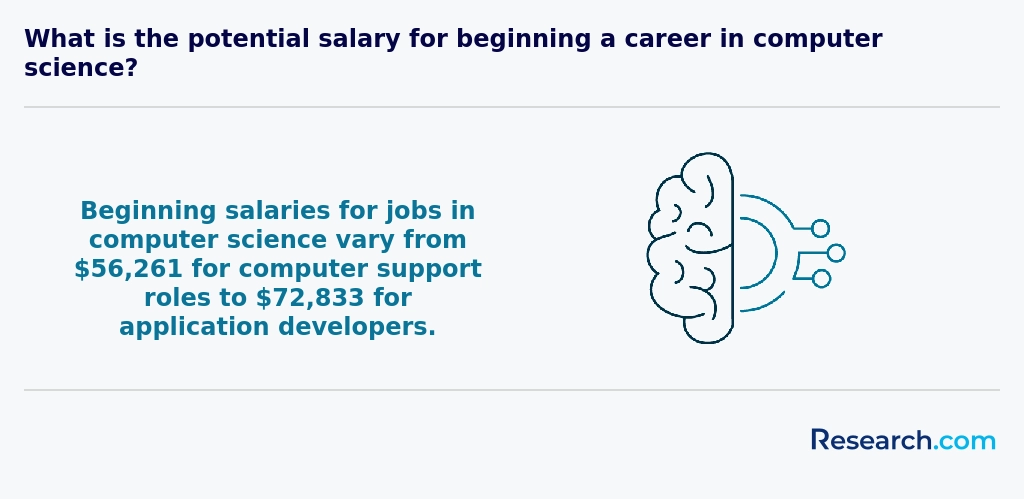
Graduates from online information systems programs at institutions like the University of Kansas or Wichita State University typically see entry-level salaries ranging between $55,000 and $75,000 annually. These roles include systems analysts, network administrators, and database managers who build foundational skills and gain essential industry experience. Many recent grads share enthusiasm about landing these positions, appreciating the balance of competitive pay and career growth potential within Kansas.
With additional certifications or experience, professionals can advance into senior analyst or IT project manager roles, where salaries increase to roughly $85,000-$110,000. Graduates often describe the value of combining their information systems degree with skills in cybersecurity or cloud computing, which opens doors to higher earnings especially in urban hubs like Overland Park and Kansas City.
Though precise data from the US Bureau of Labor Statistics for Kansas-specific jobs is limited, these salary insights align closely with national trends. This suggests that pursuing an online degree locally provides a strong economic opportunity supported by real workforce demand in the region.
- Key benefits of getting online information systems degree in Kansas
- What can I expect from online information systems degree in Kansas?
- Where can I work with online information systems degree in Kansas?
- How much can I make with online information systems degree in Kansas?
- How do we rank schools?
- 2027 Fastest Online Information Systems Degree Programs Ranking in Kansas
- What online information systems degree graduates have to say
- Key Findings
- How long does it take to complete online information systems degree in Kansas?
- What's the difference between online and on-campus information systems degree?
- What is the average cost of online information systems degree in Kansas?
- What financial aid is available to online information systems degree students in Kansas?
- What are the prerequisites for enrolling in online information systems degree program in Kansas?
- What courses are typically in online information systems degree programs in Kansas?
- What types of specializations are available in online information systems degree programs in Kansas?
- How do you choose the best online information systems degree in Kansas?
- What career paths are available for online information systems degree students in Kansas?
- What is the job market for online information systems degree in Kansas?
- Frequently Asked Questions About information systems
- Related Information Systems Rankings for Nearby States
- Top Trending Information Systems Rankings
How do we rank schools?
Investing in your education is a significant decision that can shape your future, and the Research.com team understands the importance of making informed choices. To assist prospective students in Kansas, we have meticulously crafted the "2027 Fastest Online Information Systems Degree Programs Ranking in Kansas." Our commitment to quality, credibility, and accuracy is reflected in the extensive research and analysis conducted to compile this ranking.
We utilized the following reputable data sources to ensure a comprehensive evaluation of information systems programs:
By exploring this ranking, readers will gain valuable insights into the fastest online information systems degree programs in Kansas, empowering them to make informed and timely decisions about their educational paths. For more details on our methodology, please visit our Research.com methodology page.
2027 Fastest Online Information Systems Degree Programs Ranking in Kansas
# 1 position
MidAmerica Nazarene University
Bachelor
MidAmerica Nazarene University offers a Bachelor program in Information Technology designed to be completed in 24 months. The program has an open admission policy with a 79% acceptance rate. It supports a high percentage of students receiving financial aid at 100%. The average total cost for the program is $54,000. About 185 online students are currently enrolled, and the graduation rate stands at 54%.
# 2 position

Fort Hays State University offers a master's program focused on Information Technology Management and Business. The program has an open admission policy with a 90% acceptance rate, making it accessible for many applicants. Approximately 96% of students benefit from high levels of financial aid. The average total cost of the program is $12,600. Currently, there are 6,604 students enrolled in online courses, and the graduation rate stands at 48%.
# 3 position
Fort Hays State University
BachelorFort Hays State University offers a bachelor's degree in Information Technology with an open admission policy, accepting 90% of applicants. The program has a graduation rate of 48%, showing moderate completion success. Students benefit from a high level of financial aid, with 96% receiving support. The average total cost to complete the degree is $27,225. The university enrolls 6,604 online students, highlighting its strong online presence.
# 4 position
Southwestern College
Bachelor
Southwestern College offers a Bachelor's degree program focused on Information Technology. The program has an open admission policy with a 76% acceptance rate, making it accessible to many applicants. The average total cost is $42,780, with 99% of students receiving high levels of financial aid. The graduation rate stands at 36%, and the program enrolls 538 online students, indicating a significant online presence.
# 5 position
Friends University
Master
Friends University offers a Master's program focusing on Information Technology Management and Business. The university has a less selective acceptance rate of 55%, with a graduation rate of 43%. Approximately 800 students study online in this program. The average total cost is $20,580, and 100% of students receive financial aid, indicating high aid availability for enrolled students.
What online information systems degree graduates have to say
- "Choosing Fort Hays State University for my online information systems degree was life-changing. The flexible schedule allowed me to balance work and study effortlessly, while the practical coursework prepared me for today's tech demands. I feel confident stepping into the IT world thanks to their supportive online community." - Alex
- "At Kansas State University, I found a perfect blend of rigorous curriculum and accessible online resources. The professors were genuinely invested, turning virtual classes into engaging experiences. This degree not only boosted my skills but also opened doors to career advancement, making me proud of my journey." - Maria
- "Pittsburg State's online program exceeded my expectations with its hands-on labs and real-world applications. The personalized feedback made me feel valued despite the distance learning format. Earning my information systems degree here gave me both technical expertise and a sense of accomplishment." - Jason
Key Findings
- Tuition for online bachelor's degrees in information systems in Kansas ranges from about $7,000 to $15,000 per year for in-state students.
- Kansas expects an 11% growth in employment for computer and information systems managers over the next decade.
- Early-career graduates typically earn between $55,000 and $65,000 annually, with experienced professionals making over $90,000.
- Programs often focus on practical skills like systems analysis, database management, and cybersecurity.
- Many online programs offer flexible scheduling to fit the needs of working students.
How long does it take to complete online information systems degree in Kansas?
Completing an online information systems degree in Kansas generally takes about four years for full-time students pursuing a bachelor's, but this timeline can vary significantly. Graduates from institutions like Wichita State University often mention how transfer credits and flexible scheduling helped them finish sooner than expected, allowing them to balance work and study effectively. Conversely, some part-time students find the extended timeline beneficial, giving them the space to absorb complex concepts without feeling overwhelmed.
Associate degrees typically require around two years, offering a solid foundation for those entering the field or planning to continue toward a bachelor's. Meanwhile, master's programs in Kansas can be completed in 1.5 to 2 years, with many universities providing accelerated options tailored for working professionals.
Factors such as course availability, transfer credits, and personal commitments significantly influence how quickly students progress. For example, a student juggling family responsibilities might favor a part-time pace at the University of Kansas, appreciating the program's flexibility despite a longer overall duration.
What's the difference between online and on-campus information systems degree?
Choosing between online and on-campus information systems degrees in Kansas often hinges on lifestyle and learning preferences. Graduates from the University of Kansas who chose on-campus programs recall the value of in-person collaborations and easy access to campus labs, which enhanced hands-on learning. Conversely, alumni from Wichita State University's online program highlight the flexibility of studying around work and family, noting how accessing lectures anytime helped them stay engaged without compromising their jobs.
Cost considerations also differ. While tuition at Kansas public universities typically ranges from $8,000 to $12,000 annually, online students often save on housing and commute expenses. Some institutions maintain the same tuition for both formats, while others offer discounts for online learners, which can ease financial strain.
Both formats maintain rigorous accreditation standards, such as ABET recognition, assuring comparable curriculum quality. Whether benefiting from face-to-face networking on campus or the convenience of remote access, students across Kansas find paths that match their unique circumstances and ambitions.
What is the average cost of online information systems degree in Kansas?
The average cost of an online information systems degree in Kansas generally centers around $27,120 for the total program, which aligns with what many graduates from well-known state universities report having experienced. This figure reflects tuition and fees combined, but students often emphasize that additional expenses such as textbooks and technology fees occasionally challenge their budgets. Many students pursuing the Kansas online information systems degree tuition fees find it helpful to compare public universities offering more affordable rates versus private colleges that may charge significantly more. For example, public institutions typically provide a more budget-friendly pathway, often charging about $300 to $400 per credit hour, making the total cost manageable for in-state learners who balance work and study.
Graduates from popular Kansas colleges often highlight the flexibility that online programs offer, allowing them to take courses part-time and stretch out tuition payments, which can reduce immediate financial pressure. However, prospective students should consider how this flexibility influences the overall timeline to completion and possibly increases costs over time. Financial aid, scholarships, and employer tuition assistance programs frequently play a crucial role in making the degree affordable, ensuring that many students feel optimistic and supported during their studies.
Those considering specialized programs might also explore related fields through health information management online programs, which sometimes offer alternative pathways with similar skill outcomes but different cost structures. Ultimately, understanding the nuances of tuition rates in Kansas and program-specific fees helps in making an informed decision about the investment required for an online information systems degree in this state.

What financial aid is available to online information systems degree students in Kansas?
Students pursuing online information systems degrees in Kansas frequently rely on a blend of federal, state, and institutional financial aid to manage costs. For instance, graduates from the University of Kansas have shared how Pell Grants provided critical support early on, as these grants do not require repayment and help bridge gaps based on financial need. Beyond federal aid, many turn to state-specific programs like the Kansas Comprehensive Grant or the Kansas Ethnic Minority Scholarship, which offer merit- or need-based funds that can significantly offset tuition fees.
Institutional scholarships at schools such as Wichita State University often focus on technology and business disciplines, rewarding students who maintain strong GPAs or meet program benchmarks. Moreover, working adults enrolled in these programs benefit from employer tuition assistance, a resource frequently cited by graduates balancing jobs and studies in the technology sector. These diverse funding streams reflect a practical approach for many Kansans navigating the costs of online education in information systems.
What are the prerequisites for enrolling in online information systems degree program in Kansas?
Enrolling in an online information systems degree program in Kansas commonly requires a high school diploma or equivalent, such as a GED, to ensure foundational readiness. Graduates from respected institutions in Kansas often mention how having completed high school algebra and geometry gave them confidence when tackling technical courses later. Some universities also look for basic computing knowledge; this prerequisite helps students adapt quickly to programming and systems analysis classes.
Standardized tests like the SAT or ACT may be required but are frequently waived, particularly for adult learners or those transferring credits. For example, a graduate from a popular Kansas community college recalls bypassing this step due to prior work experience, emphasizing how flexible admissions policies can support diverse applicants.
Those pursuing accelerated paths in Kansas universities typically need a previous bachelor's degree with a GPA around 2.5 to 3.0. Working students appreciate how submitting resumes or recommendation letters can showcase professional skills beyond academics, which many programs value.
Accreditation by bodies such as ABET or the Higher Learning Commission reassures applicants they'll receive quality education recognized by employers, an important consideration shared by many successful alumni.
Lower tuition rates for Kansas residents make meeting these prerequisites an attainable investment toward a rewarding career in information systems within the state's growing tech sector.
What courses are typically in online information systems degree programs in Kansas?
Online information systems degree programs in Kansas typically include core courses such as Introduction to Information Systems, Database Management Systems, Systems Analysis and Design, Networking Fundamentals, Information Security, and Project Management. Graduates from popular Kansas universities report that these courses provide a solid foundation by combining technical skills with business concepts - essential for managing complex organizational systems.
For instance, students often find the Database Management Systems course particularly practical, as it mirrors real-world tasks like organizing company data securely. Meanwhile, Systems Analysis and Design encourages problem-solving through teamwork, reflecting scenarios graduates encountered during their group projects. Some alumni mention how Networking Fundamentals and Information Security courses boosted their confidence in protecting digital assets, which is crucial given today's cyber threats.
While these programs cover essential areas, offerings differ slightly between institutions like Wichita State University and the University of Kansas. Electives such as cloud computing or data analytics allow students to customize their studies, tailoring skills to specific industry roles or personal interests, which many graduates find rewarding.
What types of specializations are available in online information systems degree programs in Kansas?
Online information systems specializations Kansas students encounter often reflect both the evolving tech landscape and regional employment needs. Many graduates from popular universities in the state recount the value of specializing in fields like cybersecurity, which equips them with practical skills to shield organizations from cyber threats-a critical asset given Kansas's growing tech and healthcare sectors. Others appreciate the focus offered by business intelligence or data analytics tracks, where coursework involves real-world applications of data interpretation to improve organizational decisions and strategies. Yet, there can be debate about how deeply these programs cover advanced topics versus providing broad overviews, potentially affecting readiness for specialized roles.
Students pursuing Kansas online information systems degree options also report benefits from database management and software development specializations, which help them develop hands-on abilities in managing enterprise data and building customized applications. One graduate described how the flexible online format allowed balancing work commitments while mastering skills relevant to the local job market. Moreover, students aiming for entry into healthcare IT fields may explore topics related to health information management salary entry-level opportunities, aligning academic choices with career objectives.
How do you choose the best online information systems degree in Kansas?
Choosing the best online information systems degree in Kansas requires weighing multiple factors carefully rather than relying on reputation alone. Many graduates recall that programs at well-known Kansas public universities offered affordable online information systems programs Kansas with in-state tuition rates lower than national averages, easing financial pressure significantly.
Accreditation is crucial, especially for online degrees, ensuring quality and meeting employer expectations. Graduates often emphasize how courses aligned with Kansas's local tech hubs, like Kansas City and Wichita, addressed practical skills in cybersecurity and systems analysis that directly benefited their careers. It's important to verify whether electives and curriculum reflect these evolving regional demands.
Flexibility also played a major role for many students balancing work and family obligations, highlighting asynchronous schedules and strong student support services. Some found it helpful to compare offerings through resources such as those listed in the accelerated bachelor's degree computer science online pathways. Taking these nuances into account will guide students toward meaningful, affordable online information systems programs Kansas suited to their needs.
What career paths are available for online information systems degree students in Kansas?
Graduates pursuing online information systems careers in Kansas find a range of opportunities reflecting the state's technology needs. Positions like systems analyst, IT project manager, database administrator, and cybersecurity specialist are common, each offering distinct day-to-day challenges. Graduates from popular institutions such as the University of Kansas or Kansas State University often share how their studies prepared them to effectively collaborate with stakeholders or manage data security in real-world environments. While roles in cybersecurity are expanding rapidly, it's important to consider whether the demand sustains long-term growth or faces shifts as technology evolves.
Entry-level IT support roles remain viable starting points, providing hands-on experience before specialization. The diverse job market in Kansas, spanning healthcare to manufacturing, allows graduates to tailor their career paths to personal strengths and interests. Some students have found that complementing their degree with certifications enhances their marketability. For example, those looking to deepen security expertise might pursue an accelerated cyber security degree online, blending academic knowledge with industry-recognized credentials.
Considering Kansas information systems degree job opportunities carefully can help students balance enthusiasm for a growing field with realistic expectations tied to local market dynamics and personal career goals.
What is the job market for online information systems degree in Kansas?
The job market for online information systems degree graduates in Kansas generally reflects a promising yet competitive environment. Many graduates from well-regarded institutions in the state find opportunities in diverse sectors such as healthcare, manufacturing, and agriculture technology, where their skills in managing data systems offer tangible benefits. For example, graduates often share positive experiences about working on projects that improve electronic health records or enhance supply chain efficiencies, which underline the practical impact of their knowledge.
While the average salary around $75,000 is slightly below the national median, graduates appreciate the balance it offers against the lower cost of living in cities like Wichita and Kansas City. This practical trade-off inspires many to pursue careers locally rather than relocating. However, some graduates acknowledge that urban centers offer more concentrated opportunities and potentially higher wages.
Those interested in expanding their qualifications sometimes choose to explore analytics masters programs, which align well with the data-driven demands of the Kansas job market. The overall Kansas information systems degree career outlook encourages students to weigh local advantages when planning their futures.
Frequently Asked Questions About information systems
Students pursuing online information systems degrees in Kansas can enhance their learning by actively engaging with course materials and participating in virtual discussions. Research shows that collaborative learning improves comprehension and retention, so joining study groups or online forums can be beneficial.
Kansas boasts strong connections to the tech industry, particularly in Kansas City, which offers internship opportunities that complement online studies. Leveraging local networking events or virtual career fairs can provide practical experience and professional growth.
Additionally, students should utilize academic resources provided by their institutions, including tutoring and career services, to stay on track. According to the Kansas Board of Regents, the state's emphasis on technology and innovation supports students in acquiring up-to-date skills relevant to the rapidly evolving information systems field.
The field of information systems is rapidly evolving, with several emerging niches gaining prominence. In Kansas, students pursuing online information systems degrees are increasingly focusing on cybersecurity, data analytics, and cloud computing. According to the Kansas Department of Labor, cybersecurity roles grew by over 20% from 2019 to 2023, reflecting strong demand.
Data analytics is another key area, driven by businesses seeking to leverage big data for better decision-making. Cloud computing skills are also in demand due to widespread adoption of cloud services by Kansas-based companies.
These niches offer promising career paths for graduates from Kansas online programs.
After completing an online information systems degree in Kansas, graduates should focus on gaining practical experience to enhance their job prospects. Internships and cooperative education programs with local tech companies can provide valuable hands-on skills. Networking is crucial; joining Kansas-based professional groups like the Kansas City Information Systems Security Association can connect students with industry experts.
Certifications such as CompTIA Security+ or Certified Information Systems Auditor (CISA) are highly respected and often required by employers in Kansas's growing tech sector. According to the U.S. Bureau of Labor Statistics, the demand for information systems analysts in Kansas is expected to grow by 8% through 2030.
Developing strong communication and project management skills also helps graduates stand out to local employers in both urban and rural areas throughout Kansas.
Employers in Kansas highly value information systems graduates who possess a strong foundation in technical skills such as database management, cybersecurity, and cloud computing. According to the Kansas Department of Labor, proficiency in programming languages like SQL and Python is increasingly demanded by local employers.
Beyond technical expertise, problem-solving and critical thinking abilities rank among the top soft skills sought. Communication skills also matter, as graduates often collaborate with both IT teams and business stakeholders.
Knowledge of data analytics tools is important too, reflecting a growing regional emphasis on data-driven decision making.
Finding internships in Kansas related to an online information systems degree involves targeting both local businesses and technology sectors. Kansas hosts a growing tech industry, particularly in cities like Wichita and Overland Park, creating opportunities for IT and information systems roles. Checking with university career centers, even for online students, can provide connections to internship listings tailored to this field.
Job platforms such as Handshake and LinkedIn often feature internship postings relevant to information systems in Kansas. Additionally, statewide initiatives like the Kansas Technology Enterprise Corporation promote tech workforce development and can be helpful resources.
Networking through local chapters of organizations like ISACA or the Kansas Technology Association can increase your chances of securing internships.
An online information systems degree in Kansas can significantly enhance career mobility and advancement opportunities. The state hosts a growing tech industry, with information systems roles expanding by approximately 8% annually, according to the Kansas Department of Labor. Graduates with this degree are prepared for diverse roles, from systems analysis to IT management, increasing their eligibility for promotions and higher salaries.
Employers in Kansas value candidates with up-to-date technical skills and formal education, which online programs provide in flexible formats. Additionally, earning this degree online allows working professionals to balance education with career commitments, accelerating their pathway to leadership positions.
Industry data from the Bureau of Labor Statistics indicates that IT occupations in Kansas typically earn above the state average wage, making educational advancement a key factor in career growth.
Studying for an online information systems degree in Kansas equips students with skills that cross traditional disciplinary boundaries. Programs combine core elements of technology, business, and management, fostering a broad understanding essential for interdisciplinary roles.
Kansas universities often emphasize practical experience with data analysis, cybersecurity, and systems design, supporting collaboration across fields like healthcare, finance, and logistics. According to the Kansas Department of Labor, the state's growing IT sector relies on professionals who understand both technical and organizational needs.
This blend enables graduates to effectively communicate between technical teams and business stakeholders. Online curricula frequently incorporate case studies and projects reflecting Kansas' diverse industries, helping students apply theory in multiple contexts.
When choosing between a thesis and a non-thesis information systems degree program in Kansas, consider your career goals first. Thesis options focus on research and require a significant project, ideal if you aim for roles in research or later pursue a PhD.
Non-thesis programs usually emphasize hands-on skills and coursework, catering to professionals seeking quicker entry or advancement in industry roles. According to the Kansas Board of Regents, several state universities offer both options online, with thesis tracks often demanding more credits and time.
Cost and program length can differ; thesis programs may extend by a semester. Evaluate faculty expertise, especially for thesis supervision, to ensure alignment with your interests.
Students in Kansas seeking to study information systems abroad have several pathways, primarily through partnerships between Kansas universities and foreign institutions. Many Kansas-based schools offer online information systems degrees with study-abroad components or exchange programs, allowing students to gain international experience without leaving the U.S. entirely. According to the Kansas Board of Regents, about 15% of students enrolled in online programs participate in such international opportunities.
Additionally, students can pursue joint degrees or certifications that include coursework completed at universities in Europe or Asia, often leveraging language and cultural studies alongside technical training.
Financial aid options and scholarships for studying abroad may be available, making these programs accessible. It is advisable for students to consult their home institutions' study-abroad offices to explore specific options tailored to information systems programs.
Students pursuing an online information systems degree in Kansas can benefit from part-time jobs that build practical skills. Common roles include IT support technician, data entry specialist, and junior web developer. These positions offer hands-on experience with networks, databases, and coding, aligning well with academic coursework.
Kansas employers, especially in cities like Wichita and Overland Park, often seek candidates with foundational IT knowledge. According to the Kansas Department of Labor, IT job openings in the state are projected to grow by 15% over the next decade, highlighting demand.
Internships and freelance roles in cybersecurity and systems analysis can also enhance a student's marketability, providing valuable exposure alongside studies.
Online information systems students in Kansas benefit from a variety of networking opportunities designed to connect them with industry professionals and peers. Several universities offer virtual events, workshops, and career fairs specifically tailored for technology and information systems students. For instance, the Kansas Technology Leadership Network regularly hosts online forums and mentorship programs accessible to students statewide.
Additionally, organizations such as the Kansas City Technology Council provide digital platforms for networking and collaboration. According to the Kansas Department of Labor, IT jobs in Kansas grew by 4.3% between 2021 and 2023, highlighting the importance of networking for job placement.
Students can also join national professional groups like ISACA and the Association for Information Systems (AIS), which have active local Kansas chapters offering webinars and virtual meetups. These resources greatly enhance career development and industry connections for online learners.
Alumni networks play a crucial role in supporting online information systems degree students in Kansas. These networks provide valuable opportunities for mentorship, helping students connect with experienced graduates who understand the local job market and industry demands. According to the Kansas Board of Regents, graduates within strong alumni communities often report higher employment rates within six months post-graduation.
Networking through alumni events and online platforms enables students to access internships and job openings in Kansas's growing tech sector, including companies in Wichita and Overland Park. Additionally, alumni connections can offer guidance on certifications and continuing education beneficial to information systems careers. Industry insights shared by alumni help students stay informed about evolving technologies and local trends.
Students pursuing an online information systems degree in Kansas can tailor their programs through elective courses and specialized tracks. Many institutions offer options in cybersecurity, data management, or software development, allowing learners to focus on areas aligned with their career goals.
Kansas employers in tech fields increasingly seek candidates skilled in analytics and network security, so selecting relevant electives can enhance job prospects. Some programs also provide opportunities for project-based learning or internships with local companies, which can be arranged remotely.
Advising services at Kansas universities help students design personalized study plans based on industry trends and labor market data from sources like the Kansas Department of Labor. This guidance ensures graduates leave with applicable skills for roles in IT management, systems analysis, or data science.
Online information systems students in Kansas often face challenges balancing coursework with professional and personal responsibilities. Many are working adults managing jobs and families while attending school remotely. Time management becomes critical, especially as information systems programs demand strong analytical and technical skills.
Connectivity is another concern. Rural areas in Kansas sometimes have limited high-speed internet access, which can affect participation in live lectures or accessing large data files. According to the Federal Communications Commission, about 20% of rural Kansans lack reliable broadband, creating obstacles for online learners.
Additionally, students may find fewer local networking and internship opportunities compared to in-person students, which impacts practical experience. Aligning program schedules with the fast-evolving technology sector also requires ongoing adaptability.
With an online information systems degree in Kansas, graduates can pursue various professional certifications to enhance their careers. Popular options include the Certified Information Systems Security Professional (CISSP), which is valuable due to the growing demand for cybersecurity roles in Kansas's tech industry. The Certified Information Systems Auditor (CISA) is another option, especially for those interested in IT auditing and control, aligning with industry needs reported by the Kansas Department of Labor.
Additionally, the Project Management Professional (PMP) certification is highly regarded and complements the management skills learned during information systems studies. The CompTIA certifications like Security+ and Network+ also remain relevant for entry-level IT positions across Kansas. According to recent state employment data, certified professionals hold a competitive edge in securing roles within Kansas's growing IT sector.
To write a winning application for an online information systems program in Kansas, start by clearly demonstrating your academic readiness and relevant experience. Many Kansas institutions value applicants who showcase strong quantitative skills and familiarity with technology. Highlight any previous coursework or professional roles related to information systems, as practical experience is often considered a plus.
Ensure your personal statement connects your career goals with what the program offers, emphasizing how completing the degree will impact your future in Kansas's growing tech sector. According to the Kansas Department of Labor, information systems roles are expected to grow by 15% through 2030, underscoring regional demand.
Submit all required documents on time, including transcripts and recommendation letters that can attest to your technical aptitude and work ethic. Finally, maintain clear and professional communication with admissions offices to clarify any questions.
The global outlook for careers in information systems is increasingly positive, driven by the rapid growth of technology across all industries. Information systems professionals are in demand worldwide to manage complex data, improve cybersecurity, and support digital transformation efforts.
Within the United States, including Kansas, employment in this field is projected to grow 16% from 2021 to 2031, much faster than the average for all occupations, according to the U.S. Bureau of Labor Statistics. This growth reflects the vital role of information systems in business, healthcare, and government sectors.
Kansas has seen a rising need for professionals who can bridge business processes with technology, especially in metropolitan areas like Wichita and Kansas City. This creates strong job prospects for graduates of online information systems degree programs.
Globally, skills in data analysis, cybersecurity, and cloud computing are highly valued, aligning closely with the curriculum offered by many accredited U.S. institutions. For Kansas students, this means an education that supports not only local but international career opportunities.
Gaining practical experience while studying for an online information systems degree in Kansas is essential for career readiness. Students can pursue internships with local tech firms, healthcare providers, or financial institutions, as Kansas has a growing tech sector, especially in Kansas City and Wichita. Many universities offer virtual or hybrid internships tailored for remote learners. Additionally, students can participate in capstone projects or simulations integrated into their online coursework, providing hands-on experience with real-world problems. Professional organizations like the Kansas Technology Enterprise Corporation (KTEC) also connect students with mentorship and networking opportunities to build practical skills.
Choosing the right concentration within an online information systems degree program in Kansas begins with evaluating your career goals. Common concentrations include cybersecurity, data analytics, and systems management, each catering to different industry demands. For instance, Kansas has seen a growing need for cybersecurity professionals, with the Bureau of Labor Statistics projecting a 15% growth in related jobs statewide through 2030.
Research local job markets and consult resources like the Kansas Department of Labor to identify which skills are most sought after. Additionally, consider concentrations that align with national trends but also fit the regional economic landscape, such as supply chain management.
Finally, review curriculum details from accredited Kansas institutions to ensure they offer concentrations supported by industry partnerships or certifications, enhancing your employability.
Related Information Systems Rankings for Nearby States
- 2027 Fastest Online Information Systems Degree Programs Ranking in Missouri
- 2027 Fastest Online Information Systems Degree Programs Ranking in Colorado
- 2027 Fastest Online Information Systems Degree Programs Ranking in Arkansas
- 2027 Fastest Online Information Systems Degree Programs Ranking in Texas
- 2027 Fastest Online Information Systems Degree Programs Ranking in Illinois
- 2027 Fastest Online Information Systems Degree Programs Ranking in Alabama
- 2027 Fastest Online Information Systems Degree Programs Ranking in Kentucky
- 2027 Fastest Online Information Systems Degree Programs Ranking in Michigan
- 2027 Fastest Online Information Systems Degree Programs Ranking in Georgia
- 2027 Fastest Online Information Systems Degree Programs Ranking in Florida
Top Trending Information Systems Rankings
References
- Association for Information Systems (AIS) - Association for Information Systems (AIS) https://aisnet.org/
- Emerging Trends in Information Systems – Introduction to Information Systems Management https://open.ocolearnok.org/informationsystems/chapter/chapter-11-emerging-trends-in-information-systems/
- Is a thesis always mandatory in a master's degree program? - EFMU: The Euler-Franeker Memorial University and Institute https://euler.euclid.int/is-a-thesis-always-mandatory-in-masters-degree-program/
- Information Technology Certification Programs https://www.isaca.org/credentialing/certifications
- (apply for a place in the Bachelor of Information Technology) Letter of Motivation https://essayforum.com/letters/apply-place-bachelor-information-technology-39720/
- 2025 Information Systems Analyst Cover Letter Example (+Free Template) https://www.tealhq.com/cover-letter-example/information-systems-analyst
- The Top IT Challenges Facing Universities (And How to Tackle Them) | Full Fabric https://www.fullfabric.com/articles/it-challenges-universities-face
- What Is Information Systems Management? A Career Guide https://www.manipaldubai.com/blogs/what-is-information-systems-management
- 10 Computer Information Systems Careers Worth Considering https://www.calmu.edu/news/computer-information-systems-career
- OCNews https://www.okanagancollege.ca/story/diploma-battles-is-computer-information-systems-worth-it


