2027 Most Affordable Online Bachelor's in Homeland Security Degree Programs Ranking in the USA

Co-Founder and Chief Data Scientist
Choosing the right online bachelor's degree in homeland security can feel overwhelming. To help, this article presents the 2027 Most Affordable Online Bachelor's in Homeland Security Degree Programs Ranking in the USA, created by the Research.com team of data scientists. It offers clear insights to guide your decision on the best programs to consider.
With homeland security careers growing, earning this degree opens doors to meaningful opportunities. This ranking helps you find affordable, quality options to start your journey confidently.
Key benefits of getting online homeland security degree in America
- Homeland security graduates can pursue careers in fields such as emergency management or cybersecurity, with average salaries around $75,000 to $98,000 annually, offering a stable and rewarding financial future.
- A degree from institutions like the University of Maryland shows graduates working in diverse roles including intelligence analysis, law enforcement, and disaster response, highlighting broad career opportunities.
- Online homeland security programs, like those from Arizona State University, offer flexibility to balance work and study, making education accessible and convenient without compromising quality.
- Key benefits of getting online homeland security degree in America
- What can I expect from online homeland security degree in America?
- Where can I work with online homeland security degree in America?
- How much can I make with online homeland security degree in America?
- 2027 Most Affordable Online Bachelor's in Homeland Security Degree Programs Ranking in the USA
- Key Findings
- How long does it take to complete online homeland security degree in America?
- What's the difference between online and on-campus homeland security degree?
- What is the average cost of online homeland security degree in America?
- What financial aid is available to online homeland security degree students in America?
- What are the prerequisites for enrolling in online homeland security degree program in America?
- What courses are typically in online homeland security degree programs in America?
- What types of specializations are available in online homeland security degree programs in America?
- How do you choose the best online homeland security degree in America?
- What career paths are available for online homeland security degree students in America?
- What is the job market for online homeland security degree in America?
- Top Trending Homeland Security Rankings
What can I expect from online homeland security degree in America?
The average cost of an online homeland security degree in America generally ranges between $15,000 and $40,000 for the entire program, depending on the institution and whether it is a public or private college. Graduates from well-known universities report that balancing tuition fees with flexible payment options made the financial commitment feel manageable, especially when they envisioned their future roles supporting national safety and resilience.
Many students embarking on this path find themselves excited by the prospect of learning key skills-from analyzing threats to mastering crisis response-all while navigating a cost effective, asynchronous learning environment. Schools popular among homeland security students often provide scholarships or financial aid packages that bring costs down further, making this adventure accessible to many eager learners.
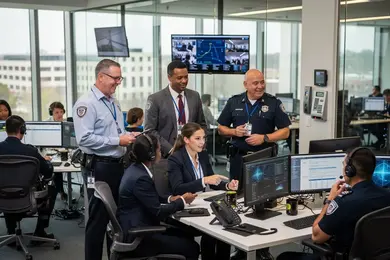
Imagine studying at a university known for its strong ties to federal agencies while engaging in virtual simulations that feel as real as stepping into a command center. The financial investment, for these students, is a gateway to thrilling and purposeful careers. This mix of affordability and practical experience encourages a confident leap toward securing the nation's future.
Where can I work with online homeland security degree in America?
Graduates with an online homeland security degree in America often find themselves stepping into thrilling roles at agencies like the Department of Homeland Security (DHS), where they contribute to border security, cybersecurity, and emergency response efforts daily. Imagine working at FEMA, coordinating aid after a hurricane or wildfire-graduates from universities known for homeland security programs share how this hands-on, impactful work fuels their passion for protecting communities.
State and local governments also eagerly welcome these graduates to develop threat assessments and enhance public safety, whether collaborating with police departments or managing critical infrastructure. Many alumni recall the excitement of designing real-world security strategies during their studies at institutions celebrated for online homeland security degrees.
Law enforcement agencies such as ICE and TSA offer dynamic career paths, putting graduates on the front lines of border control and airport security. On the private sector side, graduates often land roles in cybersecurity firms and consulting companies, leveraging their knowledge of federal compliance to safeguard sensitive operations.
The adventurous journey through this degree opens doors to diverse and meaningful careers nationwide, with steady growth promising both challenge and opportunity.
How much can I make with online homeland security degree in America?
Graduates from online homeland security programs in America often step into careers that pay between $50,000 and over $100,000 annually, a rewarding range that reflects their growing expertise and dedication. Imagine sitting in your apartment after completing a degree from a well-known university, feeling excitement as you scan the job listings-you'll find entry-level federal roles starting around $50,000 to $60,000, perfect for those ready to jump into action.
Several graduates from popular programs at American colleges have shared their journeys landing positions as emergency management specialists earning close to $79,000 a year. Others, more thrill-seekers at heart, pursued paths as information security analysts, capturing salaries soaring to about $105,000. As your career progresses, the federal GS pay scales offer enticing climbs to GS-13 or GS-14 levels with salaries ranging roughly from $90,000 to $120,000, bringing a real sense of achievement.
The adventure continues in cities like Washington, D.C., and Los Angeles, where paychecks can be fatter due to the vibrant job market, making an online homeland security degree from a reputable American school a passport to thrilling opportunities and satisfying rewards.
2027 Most Affordable Online Bachelor's in Homeland Security Degree Programs Ranking in the USA
How do we rank schools?
Investing in your education is a significant decision that can shape your future, and the Research.com team understands the importance of making informed choices. To assist prospective students interested in homeland security, we have meticulously crafted the "2027 Most Affordable Online Bachelor's in Homeland Security Degree Programs Ranking in the USA." Our commitment to quality, credibility, and accuracy is reflected in the extensive research and analysis conducted to compile this ranking.
We utilized the following reputable data sources to ensure a comprehensive evaluation of homeland security programs:
By exploring this ranking, readers will gain valuable insights into affordable and high-quality online bachelor's degree options in homeland security, empowering them to make well-informed decisions about their education and career paths. For more details on our methodology, please visit our Research.com methodology page.


# 3 position
Anderson University
Bachelor of Homeland Security and Emergency Services: Emergency Services Management

# 4 position
Arizona State University Campus Immersion
Bachelor of Public Service and Public Policy - Emergency Management and Homeland Security


# 6 position
University of Management and Technology
Bachelor of Homeland Security


# 10 position
Columbia Southern University
Bachelor of Homeland Security/Criminology

# 11 position
Arapahoe Community College
Bachelor of Emergency Service Administration


# 18 position
Jacksonville State University
Bachelor of Emergency Management, Public Safety Communications minor

# 19 position
Thomas Edison State University
Bachelor of Emergency Disaster Services

# 20 position
State University of New York College of Technology at Canton
Bachelor of Homeland Security

Key Findings
- Tuition for online homeland security bachelor's degrees typically ranges from $15,000 to $40,000 depending on the institution.
- Curriculum commonly includes emergency management, cybersecurity, terrorism prevention, and public safety topics.
- Entry-level salaries start between $45,000 and $55,000, rising to around $75,000 or more with experience.
- Job growth in security-related fields is projected at about 5% through 2031, matching the average job market growth.
- Accreditation by agencies like the Higher Learning Commission is important for program quality and federal financial aid eligibility.
How long does it take to complete online homeland security degree in America?
Yet, the timeline flexes beautifully for those with unique paths. Some graduates, fueled by prior credits or military experience, accelerate their adventure, finishing in as little as three years through intensive, fast-paced sessions lasting just eight weeks. Meanwhile, working professionals often sail their own course, taking up to five or six years to fit studies between work and life commitments.
Such flexible options echo the diverse lives of homeland security explorers nationwide. Whether rushing through or leisurely navigating, the learning voyage adapts to your pace, revealing new skills and unlocking opportunities along the way.
What's the difference between online and on-campus homeland security degree?
Imagine juggling a full-time job while pursuing a homeland security degree from a university like George Mason or Pennsylvania State-online programs make this adventurous balancing act possible. Graduates praise the flexibility to absorb complex topics like cybersecurity or emergency management on their own schedules, often late at night or during breaks. This remote approach eliminates daily commutes and invites students across America to join dynamic classes without uprooting their lives.
On the flip side, traditional on-campus programs at institutions such as the University of Maryland offer vibrant, face-to-face experiences. Students dive into hands-on labs, simulation centers, and real-time emergency drills-immersive moments that spark excitement and deep connections with peers and faculty. Many recall late afternoons spent in bustling security labs, exchanging ideas that only in-person collaboration can ignite.
Financially, online learners sometimes benefit from lower fees, but top schools occasionally keep tuition consistent across formats. Both routes hold solid accreditation, ensuring your homeland security journey is well-recognized whether from a dorm room or a home office.
What is the average cost of online homeland security degree in America?
The average cost of an online homeland security degree in America hovers around $55,590, a figure that gives many students a clear picture of what to expect when pursuing this exciting field. Those studying at popular universities-widely recognized for homeland security programs-often share stories of balancing engaging online coursework with real-world job experiences, all while keeping an eye on tuition costs. For many, attending a public institution can significantly reduce expenses, especially for in-state residents, where median costs are closer to $31,584. This makes an affordable online homeland security bachelor's degree 2027 goal well within reach for determined students.
Out-of-state learners, on the other hand, often encounter higher fees, with median costs near $72,876. Yet, these students find joy in the flexibility of online study, which allows them to continue working or managing family responsibilities while advancing their careers. Graduates often recall how scholarships, military benefits, and institutional aid in schools popular in America helped ease the financial burden. The balance between cost and education quality here feels like navigating an adventurous path worth every step.
For those eager to accelerate their journey, exploring the fastest online masters in homeland security offers a promising alternative. It provides a way to dive deeper into specialized topics without stretching tuition costs unnecessarily. Ultimately, students find that smart planning combined with exploring available financial options makes pursuing a homeland security degree a rewarding, achievable adventure.
What financial aid is available to online homeland security degree students in America?
Finding financial aid to fuel your journey in an online homeland security degree across America can feel like uncovering hidden treasure. Many graduates from well-known programs at public universities like Arizona State or Northeastern University share how the FAFSA opened doors to federal grants such as the Pell Grant, which can cover thousands-up to $7,395 for the 2023-2024 year-without the burden of repayment.
Imagine the relief of students balancing work and study who secured subsidized federal loans at about 5.5% interest for this year-much friendlier than private lenders. Some even tapped into scholarships offered by homeland security organizations, gaining $1,000 to $5,000 annually to ease expenses.
Veterans and active service members found the GI Bill indispensable; one graduate recounted how it covered their entire tuition, enabling online study alongside military duties.
State-based aid also brightens the path for those attending in-state schools like the University of Maryland Global Campus, where residency can unlock grants or tuition waivers even for online learners.
What are the prerequisites for enrolling in online homeland security degree program in America?
Diving into an online homeland security degree in America starts with a solid foundation-usually a high school diploma or GED. Imagine a prospective student from a well-known university eagerly preparing their application, knowing this basic credential unlocks the door to a world of specialized knowledge. Many programs also request standardized test scores like the SAT or ACT, although test-optional policies are becoming more common, offering flexibility that working professionals deeply appreciate.
Graduates from popular colleges often recall submitting official transcripts, especially if they transferred credits from criminal justice or emergency management courses. This pathway not only saves time but also fuels their excitement as they build on familiar ground. Additionally, some programs ask for background checks or security clearances, reflecting the trust and responsibility homeland security demands-a thrilling hurdle for those ready to serve.
Relevant job experience in law enforcement or the military often adds a vibrant layer to applications. Many students find joy in sharing résumés that narrate their dedication. This blend of academic preparation and real-world expertise helps learners confidently navigate the adventure of studying homeland security online in America.
What courses are typically in online homeland security degree programs in America?
Courses in online homeland security degrees in America open the door to thrilling worlds of national defense and public safety. Imagine diving into Introduction to Homeland Security, where graduates from top schools like American Public University get a clear picture of how the country protects itself from threats. Many recount how understanding the emergency management system felt like preparing for real disasters before they even happen.
Risk analysis and threat assessment courses bring a pulse-pounding edge, teaching you to spot vulnerabilities in everyday environments-skills graduates from places like Texas A&M cherish for practical fieldwork.
Cybersecurity fundamentals have become a fan favorite, especially as defending digital borders is as vital as physical ones. Students often share how these classes feel like stepping into a high-tech command center, ready to stop cyberattacks before they spread.
Electives such as counterterrorism and critical infrastructure protection turn theory into action, inspiring students to visualize real scenarios where decisions save lives and maintain security nationwide.
What types of specializations are available in online homeland security degree programs in America?
Diving into online homeland security degree specializations in America reveals a fascinating spectrum of options. Graduates from popular colleges often share the excitement of focusing on emergency management, where they learn hands-on tactics for disaster response and recovery, ideal for navigating intense hurricane seasons or public health crises. Others find their passion in cybersecurity, protecting vital national infrastructure from digital threats-skills that feel thrilling as if guarding secret digital fortresses.
Intelligence analysis offers another compelling path, training learners to decode complex security information, an adventure akin to piecing together a high-stakes puzzle that federal agencies like the FBI utilize daily. Many students appreciate border security and immigration enforcement concentrations, which immerse them in real challenges of customs and cross-border safety, directly tying their studies to frontline national service roles. The homeland security concentration options in America also include policy and management, where learners develop leadership finesse crucial for orchestrating collaboration across government agencies.
For those balancing budget or work commitments, exploring the cheapest online masters in homeland security can open doors to these exciting specializations without breaking the bank.
How do you choose the best online homeland security degree in America?
Choosing the best online homeland security degree in America feels like embarking on a thrilling journey, where each decision shapes your future role in protecting communities. Graduates from well-known colleges often share how verifying regional accreditation boosted their confidence, knowing their degree holds weight nationwide. Imagine diving into courses that cover everything from terrorism prevention to cybersecurity, just like students from popular universities who found that tailoring their studies with specializations helped them stay passionate and focused.
Many explorers of affordable homeland security bachelor's programs America discovered they could balance life and learning by selecting flexible online options offering part-time or asynchronous classes. Cost sometimes feels daunting, but the average tuition aligns with what public institutions charge, and those eager for savings often scout out the cheapest online emergency management bachelor's degree to make education accessible. Career support services have delighted graduates too, with connections to internships and government agencies sparking real-world opportunities and excitement for what lies ahead.

What career paths are available for online homeland security degree students in America?
Graduates exploring online homeland security careers USA find a thrilling range of paths that stretch from federal agencies like FEMA and TSA to dynamic roles in cybersecurity. Many who studied at popular colleges known for strong homeland security programs describe their transition into emergency management director positions with excitement, coordinating responses to natural disasters and crises. These experiences highlight how degree holders develop skills essential to tackling real threats.
Others dive into cybersecurity, protecting vital U.S. infrastructure from cyberattacks, a field where salaries can soar and new challenges arise daily. State and local roles also beckon, offering chances to work directly with communities on resilience and public safety, connecting classroom knowledge with tangible impact. The private sector is equally enticing, with firms seeking experts on risk and infrastructure protection, creating lucrative opportunities.
For students curious about the best routes to launch their careers, many turn to top online emergency management degree programs, blending theory and adventure into a rewarding profession with robust homeland security degree job opportunities in America.
What is the job market for online homeland security degree in America?
The landscape for online homeland security jobs in the USA is brimming with opportunity and adventure. Graduates from popular institutions offering dynamic programs often find themselves stepping into roles like emergency management coordinators or cyber intelligence analysts across federal agencies and private sectors. Imagine completing your degree while balancing life, then securing a career protecting critical infrastructure or analyzing threats in real time-it's a thrilling journey that many have described as both rewarding and empowering.
Colleges known for strong homeland security curricula frequently connect students to internships within agencies such as FEMA or local law enforcement, creating hands-on experiences that fuel confidence. Those pursuing this path can expect starting salaries typically ranging from $45,000 to $60,000, with seasoned professionals climbing well beyond $90,000 annually. The homeland security career outlook in America shines brightest in areas demanding cybersecurity skills, where experts earn median wages around $103,590.
For learners eager to expedite their progress, exploring options like the fastest online masters in emergency management can open doors faster and broaden career horizons.
Frequently Asked Questions About homeland security
Students pursuing online homeland security degrees in America can maximize their learning by actively engaging with their course material and instructors. Many programs, such as those accredited by the Council on Occupational Education, emphasize practical skills and case studies relevant to U.S. security challenges.
Utilizing resources like the Department of Homeland Security's website for up-to-date policies helps bridge theory and real-world application. Moreover, time management and participating in online discussions improve comprehension and networking opportunities.
Internships or volunteer work with local agencies enhance practical experience, which is crucial given the field's 8% projected job growth through 2032 (Bureau of Labor Statistics).
Emerging niches within homeland security reflect the evolving nature of threats facing the United States. Cybersecurity remains a top area of growth, as over 68% of reported breaches in 2023 involved critical infrastructure sectors, according to the Cybersecurity and Infrastructure Security Agency (CISA). Professionals specializing in cyber threat analysis and defense are increasingly in demand.
Another significant field is data analytics, where experts use big data to predict and prevent attacks. The integration of artificial intelligence and machine learning supports this trend, improving threat detection accuracy.
Additionally, biosecurity and pandemic response have gained focus since 2020, highlighting the need for specialists skilled in managing biological hazards.
Finally, border security continues to innovate through the use of advanced surveillance technologies and unmanned systems, creating roles focused on technology integration and intelligence gathering.
After completing an online homeland security degree in America, preparing for the job market involves several focused steps. First, gaining relevant certifications, such as Certified Homeland Protection Professional (CHPP), enhances your resume and shows specialized knowledge. According to the U.S. Bureau of Labor Statistics, employment for homeland security-related jobs is expected to grow 4% from 2021 to 2031.
Internships or volunteer opportunities with local or federal agencies provide practical experience and networking. Many agencies, including FEMA and the Department of Homeland Security, offer entry programs for graduates. Additionally, improving skills in data analysis, cybersecurity, and emergency management increases employability.
Joining professional organizations like the American Homeland Security Professionals also supports career growth through workshops and job listings.
Employers in the homeland security field highly value graduates who demonstrate strong analytical skills. The ability to assess risks and develop strategic responses to threats is essential in protecting national infrastructure. Communication skills, both written and verbal, are also critical, as professionals often collaborate with government agencies and private sectors.
Technical skills such as cybersecurity knowledge have become increasingly important due to the rise of digital threats. According to the U.S. Bureau of Labor Statistics, jobs in homeland security related to cyber defense are expected to grow by 18% through 2031.
Additionally, leadership and crisis management skills enable graduates to effectively coordinate responses during emergencies. Employers also look for familiarity with federal regulations and law enforcement protocols to ensure compliance and safety.
Finding internships relevant to a homeland security degree in America involves leveraging multiple resources. Many universities offering online homeland security programs have career services or internship placement offices that connect students with federal agencies, such as the Department of Homeland Security (DHS) or the Federal Emergency Management Agency (FEMA).
The USAJOBS website is a valuable platform where students can search for paid internships and fellowships specifically related to homeland security. In 2023, over 10,000 internships were listed across government departments that align with homeland security studies.
Additionally, professional organizations like the International Association of Emergency Managers (IAEM) provide networking opportunities and internship listings tailored to the field.
Building relationships with local law enforcement and emergency management offices can also open doors for experiential learning. Since practical experience is crucial in homeland security careers, internships offer hands-on exposure to national and community security challenges.
An online homeland security degree in America can significantly enhance career mobility and advancement. The U.S. Bureau of Labor Statistics projects a 3% growth in protective service occupations from 2022 to 2032, indicating steady demand for qualified professionals. Employers often prefer candidates with formal education in homeland security principles, risk assessment, and emergency management, skills commonly taught in online programs.
Graduates gain access to a broader range of roles, from federal agencies like FEMA and DHS to local law enforcement and private security firms. Many programs also prepare students for certifications such as Certified Homeland Protection Professional (CHPP), which can boost career prospects.
Online degrees offer flexibility for working professionals, allowing continued employment while studying, which supports smoother career transitions or promotions.
Studying for a homeland security degree in America equips students with skills from multiple disciplines, reflecting the broad nature of the field. Programs often combine coursework in emergency management, cybersecurity, law enforcement, and public policy.
According to the U.S. Department of Homeland Security, interdisciplinary knowledge is essential for responding to complex threats ranging from natural disasters to cyberattacks. Online degrees emphasize collaboration, critical thinking, and technical expertise.
Many programs also include studies in communication and leadership, which prepare graduates to work across agencies and sectors.
This integrated approach helps students adapt to diverse roles within federal, state, and local governments, as well as private industries.
Choosing between a thesis and a non-thesis online homeland security degree in America depends on your career goals and learning preferences. Thesis programs typically require original research, suited for students aiming for roles in policy analysis, research, or continued graduate studies. Non-thesis options focus more on practical skills and coursework, appealing to professionals seeking direct entry into homeland security agencies or emergency management.
Thesis tracks can take longer to complete due to the research component, often involving faculty mentorship. Non-thesis tracks might offer more flexibility and shorter duration. According to the Department of Homeland Security, strong analytical and practical skills are vital for 90% of homeland security jobs, which influences program choice.
Consider whether you prefer academic research or applied learning, and consult program curricula carefully before deciding.
American students interested in studying homeland security abroad face limited direct options, as most accredited programs in this field are offered domestically. However, some U.S. universities partner with international institutions to provide joint or dual degrees that include global perspectives.
Online programs endorsed by U.S. universities sometimes incorporate study-abroad components or international case studies to enhance global understanding. According to the National Center for Education Statistics, fewer than 5% of homeland security students pursue international education due to the specialized nature of the discipline and security concerns.
Students can also explore virtual exchange programs or internships affiliated with global security organizations to gain international exposure without leaving the U.S.
Students pursuing an online homeland security degree in America can benefit from part-time jobs that provide practical experience and complement their studies. Positions such as security officer, emergency management assistant, or cyber security analyst intern offer valuable skills directly related to homeland security fields.
According to the U.S. Bureau of Labor Statistics, jobs in security and protective services are expected to grow about 3% from 2022 to 2032. Working part-time in these roles can help students gain hands-on knowledge about threat assessment, crisis response, and public safety protocols.
Additionally, internships with local government agencies or private firms focusing on disaster preparedness offer insights into real-world homeland security challenges and networking opportunities within the industry.
Online homeland security students in America have multiple networking opportunities that can significantly enhance their educational experience and career prospects. Many universities offer virtual career fairs and webinars where students connect with professionals in federal, state, and local agencies such as FEMA, the Department of Homeland Security, and law enforcement organizations.
Students also gain access to alumni networks and online discussion forums dedicated to homeland security topics, fostering peer-to-peer engagement and mentorship.
Professional organizations like the American Society for Industrial Security (ASIS) and the International Association of Emergency Managers (IAEM) provide discounted memberships and virtual events for students pursuing homeland security degrees, offering access to industry leaders and job postings.
According to the Bureau of Labor Statistics, networking is crucial as homeland security jobs are expected to grow by 5% from 2022 to 2032, making connections essential for career advancement.
Alumni networks play a crucial role for students pursuing online homeland security degrees in America. These networks connect current students with graduates working in federal agencies, local law enforcement, and private security firms. According to the Homeland Security Studies and Analysis Institute, nearly 70% of homeland security professionals find jobs through professional connections.
Membership in alumni groups offers access to mentorship, career advice, and job opportunities that may not be widely advertised. Many universities with online programs organize virtual networking events, enhancing collaboration despite physical distance. This support is especially valuable in homeland security, where trusted professional relationships contribute significantly to career advancement and knowledge sharing.
Customizing an online homeland security degree in America allows students to align their education with specific career ambitions. Many programs offer elective courses focusing on areas such as cybersecurity, emergency management, intelligence analysis, or counterterrorism. This flexibility helps students develop relevant skills tailored to roles within federal, state, or local agencies.
Some universities provide internship opportunities or capstone projects that offer practical experience, enhancing job readiness. According to the Bureau of Labor Statistics, the homeland security field is expected to grow by 5% from 2021 to 2031, emphasizing the value of specialized knowledge.
When selecting a program, consider accreditation and faculty expertise to ensure quality education relevant to government and private-sector needs.
Online homeland security students in America often face challenges related to balancing work, family, and study. Many are working professionals who must manage rigorous coursework alongside job responsibilities. According to the National Center for Education Statistics, over 40% of online students juggle full-time employment during their studies.
Technical difficulties also present barriers, especially for students lacking reliable internet or up-to-date devices. Homeland security programs typically require access to specialized software and online simulations, which can be demanding.
Additionally, networking opportunities are limited compared to on-campus programs. This may affect career growth given the importance of connections in this field.
Finally, navigating complex federal topics remotely can challenge students who benefit from direct interaction with instructors and peers.
With an online homeland security degree, individuals can pursue several recognized professional certifications to advance their careers. Popular options include the Certified Homeland Protection Professional (CHPP) credential, offered by the National Sheriffs' Association. This certification focuses on emergency preparedness and security management.
Another valuable certification is the Certified Protection Professional (CPP) from ASIS International, which is widely respected in the security industry. Many graduates also consider the FEMA Professional Development Series (PDS) certifications, which emphasize disaster response and recovery skills relevant to homeland security roles.
These certifications align well with federal and state security agencies' requirements. According to the U.S. Bureau of Labor Statistics, certified professionals often earn higher salaries and have increased job opportunities in areas such as emergency management and cybersecurity.
To write a winning application for an online homeland security program in America, start by clearly articulating your career goals and how the degree aligns with your ambitions. Highlight any relevant experience, such as military service, law enforcement, or emergency management, as practical skills strengthen your application.
Emphasize your understanding of current homeland security challenges in the U.S., referencing national priorities like terrorism prevention and cybersecurity enhancement. The U.S. Department of Homeland Security's reports can provide credible data to support your statements.
Additionally, maintain a strong academic record and submit all required documents promptly. Tailor your personal statement to reflect your commitment to public safety and leadership potential, which are key in this competitive field.
Homeland security careers in the United States are influenced by global security challenges, as threats such as terrorism, cyberattacks, and pandemics require international cooperation. The U.S. Department of Homeland Security works closely with global partners to enhance intelligence sharing and strengthen border security.
According to the Bureau of Labor Statistics, employment in homeland security-related fields is projected to grow faster than average through 2031, reflecting ongoing global risks. Many online degree programs in the U.S. emphasize both national and global perspectives to prepare students for these complex challenges.
Understanding global security trends is essential for homeland security professionals to adapt strategies effectively. Academic programs often include studies on international law, policies, and cooperative frameworks to align U.S. efforts with worldwide initiatives.
Gaining practical experience while studying for an online homeland security degree in America is crucial for career readiness. Many programs encourage internships with federal, state, or local agencies such as the Department of Homeland Security, FEMA, or law enforcement. These internships offer hands-on exposure to emergency management, cybersecurity, and risk analysis.
Some schools partner with government and private organizations to provide virtual simulations and real-world scenario training. Online students can also join professional associations like the American Society for Industrial Security for networking and workshops.
According to the Bureau of Labor Statistics, work experience improves employment prospects significantly in homeland security roles.
Choosing the right concentration within an online homeland security degree program in America depends on your career goals and interests. Common concentrations include cybersecurity, emergency management, intelligence analysis, and counterterrorism. Each area addresses different threats and skills needed in the field.
According to the U.S. Bureau of Labor Statistics, jobs in homeland security related to cybersecurity are projected to grow much faster than average through 2031. If you prefer technology and protecting digital infrastructure, this may be ideal.
Emergency management focuses on disaster preparedness and response, suited for those interested in coordinating large-scale efforts during crises. Intelligence analysis involves gathering and interpreting critical information to prevent threats.
Researching programs accredited by bodies such as the Higher Learning Commission ensures quality education. Consider industry demand, curriculum details, and internship opportunities to make an informed decision.
Top Trending Homeland Security Rankings
References
- How I Got an Internship with the Department of Homeland Security https://resources.twc.edu/articles/how-i-got-an-internship-with-the-department-of-homeland-security
- ACADEMY | C4SEM | GLOBAL https://www.c4sem.org/homeland-security
- Homeland Security Requirements (Degrees, Jobs & Salary) https://www.allcriminaljusticeschools.com/federal-law-enforcement/homeland-security/
- Homeland Security Degree Online | Find Top Programs & Information https://www.firescience.org/homeland-security-degree-programs-online/
- Redefining Homeland Security: A New Framework for DHS To Meet Today’s Challenges - Center for American Progress https://www.americanprogress.org/article/redefining-homeland-security-new-framework-dhs-meet-todays-challenges/
- Homeland Security https://bowiestate.edu/academics/colleges/college-of-business/departments/management-marketing-and-public-administration/jobs-and-internships/homeland-security/
- What Is a Homeland Security Degree? https://www.trident.edu/articles/what-is-a-homeland-security-degree/
- Search icon https://waldorf.edu/degree-programs/bachelor-certificates/homeland-security-terrorism-certificate/
- For some D.C.-area high-schoolers, government IT offers hands-on experience https://fedscoop.com/high-schoolers-government-community-offers-hands-experience/
- What Are the Most Urgent Homeland Security Challenges for 2026? https://www.idga.org/federal/articles/what-are-the-most-urgent-homeland-security-challenges-for-2026