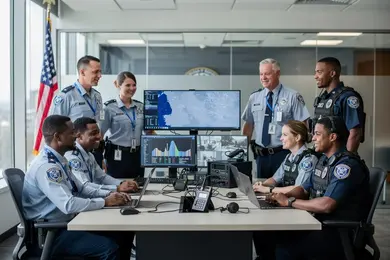
2027 Fastest Online Homeland Security Degree Programs Ranking in the West

Co-Founder and Chief Data Scientist
Choosing the right homeland security degree program can shape your future in this vital and growing field. Our article will introduce the 2027 Fastest Online Homeland Security Degree Programs Ranking in the West, thoughtfully created by Research.com's team of data scientists. This ranking is designed to help you discover the best programs that fit your goals and schedule.
By exploring these top programs, you can confidently decide where to invest your time and energy. Earning a homeland security degree opens doors to meaningful careers that make a real difference. Let this guide support your journey toward success.
Key benefits of getting online homeland security degree in the West
- Homeland security graduates in the West can expect competitive salaries, with many related roles in the U.S. offering average wages around $45,000 to $75,000 annually, providing financial stability and growth potential.
- Career paths include positions such as emergency management, cybersecurity, and federal security roles, with schools like the University of Southern California showcasing graduates thriving in diverse government and private sector jobs.
- Online degrees offer flexibility and accessibility, allowing students from the West, such as those at Arizona State University, to balance work and study while gaining the same respected credentials as traditional programs.
- Key benefits of getting online homeland security degree in the West
- What can I expect from online homeland security degree in the West?
- Where can I work with online homeland security degree in the West?
- How much can I make with online homeland security degree in the West?
- 2027 Fastest Online Homeland Security Degree Programs Ranking in the West
- Key Findings
- How long does it take to complete online homeland security degree in the West?
- What's the difference between online and on-campus homeland security degree?
- What is the average cost of online homeland security degree in the West?
- What financial aid is available to online homeland security degree students in the West?
- What are the prerequisites for enrolling in online homeland security degree program in the West?
- What courses are typically in online homeland security degree programs in the West?
- What types of specializations are available in online homeland security degree programs in the West?
- How do you choose the best online homeland security degree in the West?
- What career paths are available for online homeland security degree students in the West?
- What is the job market for online homeland security degree in the West?
- Top Trending Homeland Security Rankings
What can I expect from online homeland security degree in the West?
The average cost of an online homeland security degree in the West dances between opportunity and investment, often landing around $10,000 to $25,000 for a full bachelor's program, depending on whether you enroll in a public university like California State University or a private institution. Graduates tell tales of tuition fees offset by scholarships and federal aid, making the price tag feel less like a barrier and more like a stepping stone. Imagine logging into a virtual classroom from Seattle while balancing a day job, knowing the fees you pay unlock access to specialized courses shaped by regional crises-wildfires in Oregon or cyber threats buzzing through Silicon Valley.
Many students embrace the flexible cost structure, appreciating how in-state tuition rates at West Coast public colleges temper expenses. One graduate from a well-known Oregon school shared how this affordability allowed them to focus on mastering simulations of earthquake response without stressing over loans. The interplay of price and quality here doesn't just buy knowledge-it fuels a purposeful journey into protecting communities both near and far.
Where can I work with online homeland security degree in the West?
With an online homeland security degree in the West, you're stepping into a vibrant ecosystem where your skills meet real-world action. Imagine a graduate from a leading Western university coordinating disaster response alongside California's Office of Emergency Services, calmly managing chaos during wildfire season. Another, trained through a top Oregon college, dives deep into cybersecurity, protecting Seattle's tech hubs from hidden cyber threats that lurk in the digital shadows.
Federal agencies like DHS and TSA become your arenas, where graduates patrol border security in Arizona or streamline airport safety in Nevada. Some alumni find themselves at fusion centers, piecing together intelligence clues with a quiet intensity that safeguards entire communities from covert threats.
It's not all government-private sector roles bloom too. Graduates work with infrastructure firms securing bustling West Coast ports or consult in risk management, bridging the gap between technology and public safety with innovative solutions. The West's commitment to resilience means your homeland security degree opens doors to careers that blend adrenaline, intellect, and public service in uniquely Pacific Coast ways.
How much can I make with online homeland security degree in the West?
Graduates from Western universities offering online homeland security degrees often find themselves stepping into a world where opportunity meets reward. Starting salaries for entry-level roles like security analysts or emergency management specialists hover between $50,000 and $60,000, a welcome beginning for those balancing studies with real life.
As experience accumulates, many alumni from schools in California or Washington report climbing to mid-level wages ranging from $70,000 to $90,000. This jump often coincides with taking on supervisory responsibilities or specializing in vital sectors like emergency management or intelligence analysis.
In bustling cities such as Los Angeles or Seattle, the promises of earning above $95,000 annually become tangible, especially for graduates bringing certifications like Certified Protection Professional to the table. The blend of flexible online education from respected institutions with local demand creates a unique pathway, where passion for homeland security transforms into substantial financial potential.
These figures mirror the dynamic West, where public sector needs and private sector innovation converge, offering graduates not just jobs but thriving careers in safeguarding communities.
2027 Fastest Online Homeland Security Degree Programs Ranking in the West
How do we rank schools?
Investing in your education is a significant decision that can shape your future, and the Research.com team understands the importance of making informed choices. To support prospective students interested in Homeland Security programs in the western United States, we have carefully developed the "2027 Fastest Online Homeland Security Degree Programs Ranking in the West." Our dedication to quality, credibility, and accuracy is demonstrated through rigorous research and thorough analysis.
We utilized the following reputable data sources to ensure a comprehensive evaluation of these programs:
By examining this ranking, readers will gain valuable insights into the fastest online Homeland Security degree options in the West, empowering them to make informed educational choices with confidence. For further information on how the ranking was created, please visit our Research.com methodology page.


# 4 position
Arizona State University Campus Immersion
Master of Emergency Management and Homeland Security

# 5 position
Arizona State University Campus Immersion
Bachelor of Public Service and Public Policy - Emergency Management and Homeland Security
Key Findings
- Online homeland security bachelor's degrees in the Western US typically cost between $15,000 and $35,000 at public universities, with private schools sometimes charging over $40,000.
- Starting salaries for graduates usually range from $50,000 to $60,000, increasing to $75,000-$90,000 with experience, with California offering higher pay due to its economy and cost of living.
- Employment in security-related fields in the West is expected to grow about 7% through 2030, with jobs available in government agencies, private security, emergency management, and infrastructure protection.
- Degree programs cover topics like terrorism prevention, cybersecurity, emergency preparedness, and critical infrastructure, often including practical skills through simulations and case studies.
- Many schools offer flexible schedules and part-time options, and curricula are aligned with Department of Homeland Security standards to meet industry needs.
- Financial aid and scholarships for homeland security studies may be available through public universities and professional associations to help reduce costs.
How long does it take to complete online homeland security degree in the West?
Picture a student juggling life's chaos in California, enrolled full-time in an online homeland security degree at a top Western university. Four years is the familiar rhythm-120 credits dancing across their screens, semesters flowing like seasons in Seattle or sunny Portland. Yet, some graduates defy time, sprinting through accelerated courses and summer sessions, shaving their journey to two or three years, their clocks ticking faster with every condensed module.
Others embrace a slower tempo, weaving studies with full-time work, stretching their path to five or six years, savoring every lesson while earning paychecks. Graduate students from Western colleges often find themselves completing their master's in as little as one year when credits transfer or experience counts, each month a stepping stone cloaked in ambition and hustle.
Fieldwork or internships add an earthy texture-boots on the ground, not just pixels on screens-sometimes adding months but enriching the story with real-world grit. Between the evergreen forests and tech hubs, online homeland security degrees in the West morph to fit the students' pace, lifestyles, and dreams, making flex-time feel like a tailored suit, not a one-size-fits-all.
What's the difference between online and on-campus homeland security degree?
Imagine juggling a full-time job in bustling Los Angeles while pursuing a homeland security degree from a top Western university like California State University-online lets you log in after dinner, making deadlines without the traffic nightmare. Graduates praise this flexibility, especially those scattered across Oregon's vast rural expanses where campus commutes are hours-long ordeals. For them, online study is a game changer, blending family time with mastering emergency management and cybersecurity from home.
On-campus students at places like the University of Nevada relish the face-to-face pulse of live simulations and hands-on lab work, building camaraderie in real-time crisis drills. Yet, they also share stories of hefty housing costs and daily transit expenses, making the online route a financially lighter lift-sometimes slashing tuition by up to a quarter due to no dorm or parking fees.
Both worlds cherish rigorous, accredited curricula, but the key is picking the rhythm that syncs with your life's chaos and ambitions in the West's sprawling and diverse landscape.
What is the average cost of online homeland security degree in the West?
Imagine diving into your homeland security degree from the cozy corners of a popular Western university, where the median total tuition cost hovers around $34,710. This figure reveals much about studying in states like California or Oregon, where public schools offer online programs with a balance of quality and financial sense. Graduates often recall feeling the relief of tackling their courses without being buried in debt, especially when paying the median in-state total of roughly $31,584, a calming number compared to the often daunting out-of-state fees.
Out-of-state students shoulder a heftier bill, with a median total tuition nearing $48,150, yet many find regional agreements or scholarships that ease this burden, offering a financial safety net during their journey. Those attending private institutions in the West face a different financial landscape, with costs that can soar much higher but sometimes come bundled with accelerated tracks or certificates adding value. It's no surprise graduates cherish these tailored options, realizing the investment aligns with their career ambitions and an energized sense of purpose.
The average cost of online homeland security degree in the West is more than just a number-it's a stepping stone for students embracing thrilling challenges in law enforcement, emergency management, and national defense. Exploring the cheapest best online homeland security degrees helps many find options that blend affordability with quality, sparking optimism as they prepare for impactful careers.
What financial aid is available to online homeland security degree students in the West?
For those diving into an online homeland security degree in the West, financial aid often feels like a secret passage through a twisting canyon of tuition costs. Imagine a graduate from a popular California public university who unlocked the Cal Grant's $12,630 annual boost-enough to ease the weight of steep tuition bills and focus fully on mastering crisis management and cybersecurity tactics. Across the border in Oregon or Washington, fellow learners tap into state scholarships crafted specifically for public safety fields, wrapping their education in financial security.
Federal aid is another powerful ally. Completing FAFSA opens doors to Pell Grants-offering up to $7,395-which feel like a scholarship gift from an academic guardian angel. Veterans and active military students often share stories of the GI Bill covering nearly all their online tuition, transforming service into scholarship. Some graduates swear by employer reimbursements turning their workplace into a real-life benefactor, making lifelong dreams of homeland security degrees suddenly affordable and tangible.
What are the prerequisites for enrolling in online homeland security degree program in the West?
Imagine gearing up to join an online homeland security degree program offered by universities scattered across the scenic landscapes of the Western United States. To step into this world, you need more than just motivation-you need the right groundwork. Most Western grads recall starting with a simple high school diploma or GED, the trusty passport into associate's or bachelor's journeys. For those aiming higher, like master's aspirants, holding a bachelor's degree is non-negotiable.
Picture a cohort at a well-known Western college where the hunger to protect is matched by their academic track record-courses in criminal justice or emergency management are their armor. Standardized tests like the SAT faded into the background as schools embraced test-optional policies, but the GRE still lurks for some master's hopefuls, unless real-world experience spares them. Veterans or emergency responders often share stories of how their on-the-ground work replaced textbooks, opening doors without hurdles.
Financial worries melt away for many, thanks to average tuition nestled between $7,000 and $11,000 annually at public Western universities and flexible online options. Technical savviness is a must-graduates chuckle recalling late-night logins powered by reliable internet, blending online learning with life in California or Nevada's vibrant locales.

What courses are typically in online homeland security degree programs in the West?
Diving into an online homeland security degree in the West means stepping into a world where every course feels like training for real-life guardianship. Imagine navigating the intricate corridors of the U.S. Department of Homeland Security through "Introduction to Homeland Security," a course beloved by graduates from well-known Western universities, where history and strategy come alive like pages from a thriller novel. Others recount how "Emergency Management and Disaster Response" felt like gearing up for a high-stakes rescue mission, mastering skills to tackle wildfires or earthquakes that sweep across the Western landscape.
Courses like "Cybersecurity Fundamentals" transform abstract tech jargon into the pulse-pounding defense of critical infrastructure, perfectly reflecting the cutting-edge ethos of universities nestled among Silicon Valley and beyond. Risk analysts from these schools share stories about learning to detect unseen threats in "Risk Assessment and Threat Analysis," a vital skill for a region grappling with both natural and man-made risks.
Electives exploring border security and public health preparedness add layers of depth, making study feel immediate and personal for Western students aware of the unique challenges their communities face.
What types of specializations are available in online homeland security degree programs in the West?
Graduates of online homeland security degree programs in the West often rave about diving deep into specializations like Cybersecurity, where they simulate defending Silicon Valley's tech giants from relentless digital onslaughts. These programs, especially at well-known institutions such as California State University Online, bring the tension of real-life network breaches to your laptop, making theory feel thrillingly immediate. Emergency Management students, based in wildfire-prone regions, share stories of coordinating virtual crisis drills inspired by California's summer fire seasons-preparing for disasters that hit close to home with practical urgency.
Intelligence Analysis courses appeal to those wanting to unravel complex security puzzles from the comfort of their own space, inspired by the sprawling urban centers of Los Angeles and San Francisco. This specialization invites students to think like federal agents managing real-time alerts and threats, teaching how to sift through data chaos for patterns that matter. Exploring West region homeland security degree options reveals even more intriguing paths, like Critical Infrastructure Protection and Counterterrorism Studies-both focused on guarding the vital veins of society with steadfast vigilance.
For those eager to find the perfect fit, many turn to fastest best online homeland security degrees that blend flexible learning with robust, relevant coursework tuned to the West's unique security landscape.
How do you choose the best online homeland security degree in the West?
Diving into the best online homeland security degree programs West demands more than clicking "apply." Imagine juggling a full-time job in Seattle or family life near Phoenix while immersing yourself in courses that fuse real-world risk analysis with cutting-edge cybersecurity-all delivered online. Graduates from renowned Western universities often praise how accreditation from the Distance Education Accrediting Commission or the Western Association of Schools and Colleges assures their qualifications are rock-solid and recognized nationwide.
Choosing affordable homeland security degrees online Western US means exploring tuition nuances: a graduate from a California public university highlights how in-state rates made her dream feasible, while accessing flexible payment plans kept her afloat. The curriculum's relevance is another beacon-programs steeped in FEMA and Department of Homeland Security guidelines prepare you for critical moments, whether counterterrorism simulations or emergency response drills.
Faculty who've served on the frontlines become mentors, turning dry theory into vivid state-level security strategies. For those eager to accelerate, many institutions boast fast-track options you can uncover by checking out the fastest online public safety degree offerings, making your homeland security journey efficient and impactful.
What career paths are available for online homeland security degree students in the West?
Graduates with an online homeland security degree in the West unlock career pathways that are as dynamic as the region's sprawling landscapes. From the tech-centric hubs of Seattle and San Francisco to wildfire-prone California campuses, students step into roles like homeland security analysts, carefully weaving through digital and physical threats. These analysts, often products of Western universities, balance intricate data streams to foresee cyberattacks and natural disasters, embodying vigilance that protects communities at large.West region homeland security degree job prospects also shine in emergency management coordination. Imagine graduates orchestrating swift wildfire responses or deploying pandemic action plans, showcased by state agencies familiar with California's nerve-wracking fire seasons.
Law enforcement careers call to many graduates, with agencies like TSA and FEMA offering avenues that blend local resilience with federal reach. Many find the thrill of safeguarding borders or joining cybersecurity teams guarding critical infrastructure, fueled by the tech pulse of the West Coast. Many aspiring professionals research opportunities through resources such as fastest bachelor's degree emergency management online, chasing their dreams of making a tangible regional impact in public safety and crisis response.
What is the job market for online homeland security degree in the West?
The landscape of online homeland security jobs in the West gleams with opportunity, especially for those who have navigated programs from well-known Western universities and colleges. Graduates often find themselves stepping directly into roles such as emergency management coordinators or federal agents, energized by the real-world relevance cultivated during their online studies. Imagine completing your coursework late at night while California's coastline stretches miles away, knowing your efforts might soon protect those very shores.
In states like Washington and Arizona, where critical infrastructure and international borders demand vigilant guardians, the West region homeland security career outlook remains strong. Graduates celebrate the flexibility of online degrees paired with booming regional demand, making transitions into cybersecurity analyst roles or transportation security straightforward and promising. The journey to these roles frequently begins by leaning into the cheapest emergency management masters degree online, fueling affordable ambition without sacrificing quality.
Frequently Asked Questions About homeland security
Online homeland security degree students in the West can maximize their learning by combining structured coursework with real-world experiences. Many programs in Western states emphasize practical applications, so students should engage with local agencies through internships or volunteer opportunities. According to the California Employment Development Department, homeland security jobs in the state are projected to grow 5% by 2030, highlighting the value of regional experience.
Students should also leverage technology by participating in virtual simulations and discussion forums. Active communication with faculty and peers enhances understanding of complex topics like cyberterrorism and emergency management. Staying aware of federal and state policies impacting Western borders further enriches learning.
Emerging niches within the homeland security field are rapidly evolving, driven by advances in technology and shifting threats. In the Western United States, cybersecurity remains a top focus, as critical infrastructure faces increasing risks from cyberattacks. According to the National Initiative for Cybersecurity Careers and Studies, demand for cyber specialists is projected to grow by 31% through 2030.
Another growing area is drone and unmanned aerial system (UAS) security. States like California and Washington are investing in training professionals to manage UAS threats in urban and border environments. Additionally, climate change and natural disaster management have created new roles focused on emergency response planning and resilience, especially relevant to wildfire-prone Western regions as reported by the Federal Emergency Management Agency (FEMA).
These niches highlight the need for specialized knowledge within homeland security degrees, particularly in online programs offering flexible access to these fast-growing sectors.
After completing an online homeland security degree in the West, practical preparation is essential to enter the job market successfully. Start by gaining relevant experience through internships or volunteer opportunities with local agencies, such as state emergency management offices or regional law enforcement groups. These provide valuable insights and professional networking.
Additionally, obtaining certifications like FEMA's Professional Development Series or Certified Protection Professional can enhance your credentials. The Western region, including California and Washington, reports steady growth in homeland security jobs, with an expected 8% increase by 2030 according to the U.S. Bureau of Labor Statistics.
Engaging with professional associations like the Western Chapter of the International Association for Homeland Security also offers career resources and connections.
Employers in the Western United States prioritize a range of skills when hiring homeland security degree graduates. Critical thinking and problem-solving abilities are essential as professionals must analyze threats and develop effective response strategies.
Technical skills, such as proficiency in cybersecurity and emergency management software, are increasingly important due to rising digital threats. According to a 2023 report by the U.S. Department of Homeland Security, over 40% of Western agencies emphasize cyber defenses.
Communication skills, both written and verbal, are vital for coordination among agencies and public outreach. Additionally, familiarity with regional laws and policies improves job performance in states like California and Washington.
Leadership and adaptability help graduates manage crises and evolving security landscapes efficiently.
Finding internships in the Western United States relevant to a homeland security degree involves targeted research and networking. Look for opportunities with state and local government agencies, such as the California Office of Emergency Services or Washington Military Department. These organizations often provide internships focused on emergency management and cybersecurity, key homeland security areas.
University career centers for online programs can help connect students with internships in the West. Additionally, platforms like USAJOBS list federal internships available regionally, including Homeland Security roles.
According to the U.S. Bureau of Labor Statistics, states like California and Washington have significant demand for security-related roles, providing ample internship prospects.
Professional associations such as the Western States Chapter of the International Association for Emergency Management also offer internship listings and networking events.
In the Western United States, an online homeland security degree significantly enhances career mobility and advancement opportunities. Many government agencies and private firms value the specialized knowledge and skills these programs provide, especially in high-demand areas like cybersecurity and emergency management. According to the Bureau of Labor Statistics, employment in homeland security-related fields in the West is projected to grow faster than the national average, increasing the need for qualified professionals.
Online degrees offer flexibility to working adults, enabling them to gain credentials without pausing their careers. Graduates often qualify for promotions, higher salaries, or lateral moves into specialized roles.
Furthermore, regional demand in states like California and Washington boosts job prospects for those with accredited online credentials, making these degrees a strategic investment for long-term career growth.
Studying for a homeland security degree in the Western US offers a strong foundation for interdisciplinary roles by combining knowledge from criminal justice, emergency management, cybersecurity, and public policy. Western universities often emphasize practical skills alongside theory, reflecting the region's diverse challenges from natural disasters to border security concerns. According to the Western Interstate Commission for Higher Education, nearly 40% of homeland security graduates find roles in multidisciplinary teams focused on disaster response and critical infrastructure protection.
The curriculum typically integrates communication, leadership, and technology, preparing students to work across federal, state, and local agencies. This broad scope enhances adaptability in roles requiring coordination between law enforcement, public health, and IT sectors.
Choosing between a thesis and a non-thesis homeland security degree program in the West depends on your career goals and learning style. A thesis program emphasizes research, ideal for students aiming at advanced roles or doctoral studies. It involves writing an extensive research paper under faculty supervision. Non-thesis programs focus on practical skills and often include internships or projects, suitable for professionals seeking direct workforce entry.
In the Western U.S., schools like San Diego State University offer both options online. According to the National Center for Education Statistics, 65% of homeland security master's students in the West opt for non-thesis paths for faster completion.
Consider faculty expertise, program flexibility, and your future plans when deciding between the two.
Students based in the Western United States have several options for pursuing homeland security degrees from institutions abroad through online programs. Many accredited universities in Canada, such as the University of Calgary or Royal Roads University, offer online certificates and bachelor's degrees focused on emergency management and security studies. These programs align with U.S. security standards and emphasize cross-border collaboration.
Additionally, partnerships between U.S. and international universities enable Western students to enroll in dual-degree or exchange programs with online components, enhancing their global perspective.
Data from the Homeland Security Academic Advisory Council highlights increased interest in transnational security education, supporting these international opportunities.
Students pursuing online homeland security degrees in the Western U.S. can benefit from several part-time job opportunities that align with their studies. Positions such as security officers, emergency management assistants, and cybersecurity support roles are common and help build practical skills. According to the U.S. Bureau of Labor Statistics, the Western states have a projected 8% growth in security-related jobs through 2031.
Working with local law enforcement agencies or in critical infrastructure protection also offers valuable experience. Many regional agencies prefer candidates with hands-on knowledge, enhancing job prospects upon graduation.
These roles not only provide income but also deepen understanding of homeland security challenges in the West.
Online homeland security students in the Western US have access to a variety of networking opportunities tailored to their career goals. Many universities offer virtual career fairs and webinars connecting students with regional employers, including agencies like the California Office of Emergency Services and Washington State Patrol. Professional organizations such as the Western States Homeland Security Consortium provide forums and conferences that are increasingly accessible via online platforms.
Students can also benefit from LinkedIn groups dedicated to homeland security professionals in the West, fostering connections with peers and industry leaders. These networks are vital in a region that saw a 12% increase in homeland security job postings from 2020 to 2023, according to the Bureau of Labor Statistics.
Alumni networks offer critical support to online homeland security degree students in the Western US. These networks connect current students with experienced professionals, providing valuable mentorship opportunities. According to the National Homeland Security Consortium, networking increases job placement success by up to 30% for graduates in the region.
Through alumni events and online platforms, students gain insights into emerging threats and regional security practices. In states like California and Washington, where homeland security challenges are significant, local alumni connections help facilitate internships and job openings.
Moreover, alumni often share industry trends and career advice tailored to the West's unique security environment.
Customizing an online homeland security degree in the Western US involves choosing specializations aligned with your career goals. Many Western schools offer concentrations such as cybersecurity, emergency management, or intelligence analysis. These options allow students to tailor their studies to industries like law enforcement, government agencies, or private security.
Additionally, students can select electives that emphasize practical skills or policy knowledge depending on their interests. Some programs also provide internship opportunities with local agencies to gain hands-on experience. According to the Bureau of Labor Statistics, the Western states are seeing a steady rise in homeland security jobs, especially in California and Washington, emphasizing the value of focused training.
Advising services at institutions guide students in aligning courses with market needs, ensuring relevant skill development that supports career advancement in the region's evolving security landscape.
Online homeland security students in the Western US often face internet connectivity challenges, especially in rural areas where reliable broadband access remains limited. According to the Federal Communications Commission (FCC), nearly 20% of rural Western households lack high-speed internet, impacting timely participation in online coursework.
Additionally, balancing flexible study schedules with work and family responsibilities is a common difficulty. Since many students in this region are working professionals, managing time effectively can be stressful. The asynchronous nature of many programs helps but may reduce real-time interaction with instructors.
Another hurdle lies in accessing practical training and internships, which are vital for homeland security careers. Some students struggle to find opportunities nearby, as fewer agencies in rural Western states offer placements compared to urban centers.
Graduates with an online homeland security degree can pursue several professional certifications to enhance their career prospects. One widely recognized certification is the Certified Homeland Protection Professional (CHPP), which validates skills in emergency preparedness and threat assessment. Another valuable credential is the Certified Emergency Manager (CEM), offered by the International Association of Emergency Managers (IAEM).
In the Western US, agencies often seek candidates with certifications like the FEMA Emergency Management Institute certifications, which align closely with regional needs for disaster response and critical infrastructure protection. Holding such certifications can improve job placement opportunities in government or private security sectors.
These credentials require varying levels of experience and continuing education, so graduates should review specific requirements to plan accordingly.
Writing a winning application for an online homeland security program in the West requires clear focus and attention to details valued by admission committees. Start by highlighting your relevant experience, such as work in law enforcement, emergency management, or cybersecurity, which are key areas in Western states like California and Washington.
Include strong personal statements that explain your motivation and career goals within homeland security. Use statistics from the U.S. Bureau of Labor Statistics indicating a 5% job growth for homeland security occupations in Western states to demonstrate your awareness of the field's outlook.
Emphasize any academic achievements, particularly in related fields such as criminal justice or public administration. Ensure your application is complete, error-free, and tailored to the specific program's focus.
Homeland security careers in the West reflect a growing global emphasis on protecting infrastructure and managing risks. The United States remains a leader in this field, with over 100 institutions offering online homeland security degrees, especially in Western states like California and Washington, according to the U.S. Department of Education.
Globally, collaboration among nations increases demand for skilled professionals conversant with international policies. U.S. degrees often emphasize cyber threats, terrorism, and emergency management, aligning with worldwide security concerns outlined by organizations such as the United Nations.
Students in the West benefit from curriculum that integrates practical skills and policy knowledge relevant both locally and internationally, making them competitive in the global job market.
Gaining practical experience while pursuing an online homeland security degree in the West is essential for career readiness. Many universities partner with local agencies, such as state emergency management offices and law enforcement departments, to offer internships or cooperative education opportunities. These programs allow students to apply classroom knowledge in real-world settings.
Additionally, students can participate in virtual simulations and scenario-based training, which are widely used to mimic emergency response situations. The California Governor's Office of Emergency Services, for example, frequently collaborates with educational institutions to provide hands-on workshops.
Joining professional organizations like the Western States Homeland Security Consortium may also provide networking and volunteer options.
Choosing the right concentration within an online homeland security degree program in the West depends largely on your career goals and regional security priorities. The Western US faces unique challenges such as border security along the US-Mexico border and cyber threats targeting critical infrastructure. According to the Western Governors University and the Department of Homeland Security, concentrations in cybersecurity, emergency management, and border security are among the most relevant for this area.
Consider your background and interests. For example, if you have an IT background, a cybersecurity focus could lead to roles protecting systems from hacking or terrorism.
Review program curricula to ensure they cover local and federal security issues applicable to Western states. Also, check whether schools partner with regional agencies for internships or practical experience.
Lastly, look for programs accredited by bodies such as the Southern Association of Colleges and Schools (SACS) or the Western Association of Schools and Colleges (WASC), as this reflects quality education tailored to the region's needs.
Top Trending Homeland Security Rankings
References
- Bachelor of Science in Homeland Security https://www.trident.edu/bachelors-online/homeland-security-degree/
- 2026 Global Trends in Homeland Security https://www.milipol.com/en/newsroom-milipolparis/Global-trends-in-homeland-security
- Homeland Security (A.S.) https://www.sunyjcc.edu/programs/homeland-security-as
- Homeland Security Degree Programs https://www.criminaljusticedegreeschools.com/degrees/homeland-security-degree/
- Homeland Security https://bowiestate.edu/academics/colleges/college-of-business/departments/management-marketing-and-public-administration/jobs-and-internships/homeland-security/
- Search icon https://waldorf.edu/degree-programs/bachelors/ba-homeland-security/
- Homeland Security Degree Online | Find Top Programs & Information https://www.firescience.org/homeland-security-degree-programs-online/
- Online Bachelor's Degree: Homeland Security https://www.umgc.edu/online-degrees/bachelors/homeland-security
- Your Guide to Homeland Security Certification - ARES Security https://aressecuritycorp.com/2025/01/30/homeland-security-certification/
- What Are the Most Urgent Homeland Security Challenges for 2026? https://www.idga.org/federal/articles/what-are-the-most-urgent-homeland-security-challenges-for-2026