
2027 Most Popular Fine Arts Degree Programs Ranking in Colorado

Co-Founder and Chief Data Scientist
Choosing the right fine arts degree program in Colorado can be an exciting yet challenging decision. To support your journey, this article features the 2027 Most Popular Fine Arts Degree Programs Ranking in Colorado, developed by the Research.com team of data scientists.
By exploring this ranking, you'll gain clear insights into programs that combine quality and popularity, helping you find options that truly match your artistic goals.
Pursuing a fine arts degree opens doors to creativity, personal growth, and fulfilling career paths. Let this guide inspire and inform your next steps.
Key benefits of getting fine arts degree in Colorado
- Graduates with a fine arts degree in Colorado can earn competitive salaries, such as illustrators making around $71,420 and animators earning up to $109,630 annually, highlighting strong financial potential.
- Career paths are diverse, ranging from graphic artists and animators to art therapists, allowing graduates from schools like the University of Colorado Boulder to explore many creative and fulfilling opportunities.
- Obtaining a fine arts degree online from institutions like Colorado State University Global offers flexibility and accessibility, enabling students to balance studies with personal commitments while gaining skills that employers value.
- 2027 Most Popular Fine Arts Degree Programs Ranking in Colorado
- What can I expect from fine arts degree in Colorado?
- Where can I work with fine arts degree in Colorado?
What can I expect from fine arts degree in Colorado?
The average cost of pursuing a fine arts degree in Colorado varies, but students at institutions like the University of Colorado Boulder or Rocky Mountain College of Art + Design often share a common experience balancing quality education with manageable expenses. Tuition and fees typically range from about $12,000 to $40,000 per year, depending on whether you attend a public or private school. Graduates recall the feeling of stepping into studios filled with sunlight, surrounded by canvases and digital tools, appreciating that their investment also includes access to advanced technology and inspiring faculty guidance.
Beyond tuition, many students find creative ways to manage costs through scholarships, part-time work, or internships within Colorado's vibrant art scene. Those fresh out of Colorado State University remember the excitement of showcasing their work at local galleries, feeling that the moderate cost of living here made stretching their budgets more feasible. This balance between expense and opportunity fuels a sense of adventure and growth in every aspiring artist in the state.
Where can I work with fine arts degree in Colorado?
Graduates from Colorado's fine arts programs, such as those at the University of Colorado Boulder or the Rocky Mountain College of Art + Design, often dive into vibrant careers that stretch far beyond the traditional studio. Imagine yourself exhibiting your work in Denver galleries, or collaborating with local theaters on set design projects that bring stories to life. Many grads find fulfillment teaching art in Colorado's public schools, where over 9,000 institutions embrace creative education, sparking joy in young artists across the state.
Others tap into Colorado's bustling creative economy by freelancing in graphic design or animation, blending fine arts with cutting-edge digital media. Visualize contributing to multimedia productions fueled by the state's $300 million-plus film and media industry, expanding your portfolio with exciting ventures.
Entrepreneurial grads often open studios or galleries, thriving in Colorado's supportive communities that encourage artistic startups and collaborations, making every day an inspiring adventure fueled by creativity and connection.
If you graduate with a fine arts degree in Colorado, your earning potential can be an exciting adventure with rewarding milestones along the way. For instance, many graduates from the Rocky Mountain College of Art + Design discover that stepping into a role as a graphic artist can bring in a mean annual wage of about $64,700, opening doors to creative agencies in Denver's vibrant art scene.
Others who explore careers as illustrators in Colorado find themselves earning around $71,420 yearly, a path often chosen by graduates refining their storytelling talents through visual art. Imagine sharing your work at galleries in Boulder while building a fulfilling career around your passion.
Graduates venturing into art therapy enjoy a meaningful profession with an average salary close to $75,660. This role combines creativity with impact, perfect for those drawn to helping others through artistic expression.
For those who dream even bigger, animators from fine arts programs in Colorado can reach impressive heights, earning approximately $109,630 annually. This salary reflects the dynamic, high-demand world of animation where artistry meets technology, attracting graduates eager for innovation and growth.
- Colorado offers fine arts programs at public universities like the University of Colorado Boulder and Metropolitan State University of Denver, as well as private colleges with specialized fine arts education.
- For in-state students at public universities, undergraduate tuition ranges from $10,000 to $15,000 per year, while out-of-state tuition can reach around $30,000 annually.
- Private institutions often charge more than $35,000 per year, with additional costs for materials and supplies due to the practical nature of fine arts studies.
- Starting salaries for fine arts graduates in Colorado average between $35,000 and $40,000, increasing to about $50,000 to $60,000 with experience.
- The job market shows moderate growth, with opportunities in graphic design, gallery management, art education, and multimedia production, though competition remains strong.
In Colorado, chasing a fine arts degree usually unfolds over a vibrant four-year journey for bachelor's students, whether they're sketching in studio halls at the University of Colorado Boulder or exploring mixed media at Colorado State University. These years brim with both foundational courses and the freedom to dive deep into passions like painting or digital design. Many graduates recall the thrill of balancing campus life with late-night creative bursts-proof that the typical timeline is as much about discovery as it is about deadlines.
For those stepping into graduate territory, Colorado's MFA programs often span two to three years. Here, students at schools like the Rocky Mountain College of Art + Design dig into advanced techniques, often culminating in exhibitions that showcase their growth and vision. The sense of accomplishment from such a focused timeline keeps many inspired and eager to push boundaries.
Shorter pursuits, including associate degrees or certificates at community colleges, offer a quick, rewarding plunge into the arts, perfect for those craving foundational skills or fast-track professional development.
. While fine arts education focuses on developing technical skills and creative mastery, the vibrant campus life and community engagement play an equally crucial role in shaping well-rounded artists. Fine arts students in Colorado often find themselves immersed in a dynamic blend of student organizations, art clubs, and hands-on workshops that extend beyond classroom learning. Campus galleries, student-led exhibitions, and collaborative projects foster meaningful connections and provide a platform for emerging talent to thrive. Many institutions host regular events, from live performances and art festivals to interactive portfolio reviews, encouraging students to network with professionals and alumni alike. Moreover, students can participate in community outreach programs, gaining real-world experience by contributing to local art initiatives. For those seeking budget-friendly options, be sure to explore the cheapest fine arts schools in colorado, where an affordable education is paired with an enriching campus environment that sparks creativity and professional growth.
Choosing between online and on-campus fine arts degrees in Colorado sparks a journey of discovery. On-campus students at places like the University of Colorado Boulder dive into vibrant studio sessions, surrounded by classmates and instructors who offer hands-on critiques and spark creative energy. Imagine working on a sculpture in a sunlit studio, then joining a lively gallery exhibition in Denver-these experiences build skills and connections that feel immediate and inspiring.
Meanwhile, online learners enjoy the freedom to weave their art education into busy lives, accessing courses from anywhere in Colorado's stunning landscapes. They explore digital critiques and virtual studio visits, pushing their creativity through new platforms. Graduates often mention the challenge and thrill of managing self-discipline while gaining access to wider faculty expertise across several universities.
Financially, online programs can ease budgets with lower tuition and no commuting, while on-campus life offers rich social scenes and real-world art exposure. Both paths invite a unique adventure into Colorado's dynamic art community.
Choosing an accredited Fine Arts program in Colorado is crucial for ensuring academic rigor, financial aid eligibility, and seamless credit transfer. Regional accreditation bodies such as the Higher Learning Commission (HLC) and the Northwest Commission on Colleges and Universities (NWCCU) evaluate institutions on faculty qualifications, curriculum standards, and student outcomes. When a program meets these criteria, employers and graduate schools recognize the degree’s credibility, giving you a competitive edge. How to Verify Accreditation • Visit the U.S. Department of Education’s Database of Accredited Postsecondary Institutions and Programs. • Check each university’s accreditation status on its official website, under “About” or “Accreditation.” • Confirm program-specific accreditations-for example, National Association of Schools of Art and Design (NASAD) for fine arts curricula. Why Accreditation Matters • Financial Aid & Scholarships: Only accredited institutions can disburse federal aid, and many private scholarships require enrollment in an accredited program. • Credit Transfer: If you decide to switch schools or pursue a graduate degree, accredited credits are far more likely to transfer without loss. • Professional Licensure: Careers such as art therapy or art education often mandate graduation from an accredited program to obtain certification or state licensure. Exploring Alternatives For students seeking flexibility and cost savings, consider comparing traditional on-campus degrees with online options. Our guide to the most affordable mfa online programs offers insights into reputable online MFAs that carry robust accreditation and low tuition. By prioritizing accreditation, you safeguard your educational investment and pave the way for a successful Fine Arts career in Colorado and beyond.
The average cost of getting a fine arts degree in Colorado brings a blend of excitement and careful financial planning. Graduates from well-known institutions like the University of Colorado Boulder often recall balancing their creative passion alongside tuition fees that average around $12,894 annually for in-state students. This manageable investment allows students to immerse themselves in vibrant art communities without overwhelming financial stress.
Out-of-state students embarking on their creative journeys in Colorado can expect a steeper price, with costs nearing $48,282. Still, many find the experience worthwhile, appreciating the unique opportunities Colorado offers, from mountain-inspired landscapes to diverse artistic networks. This range reflects the true adventure of pursuing fine arts here, where quality education meets varied costs depending on residency and school type.
For those considering a more intimate setting, private art colleges sprinkle the state with specialized programs, though typically at a higher price point aligning with the $35,000 to $40,000 yearly tuition range. These schools offer smaller classes and rigorous training, perfect for artists seeking personal growth and direct mentorship.
Exploring the average fine arts degree cost in Colorado also means recognizing added expenses like art supplies and living costs in dynamic cities such as Denver. Graduates often talk about the thrill and challenge of managing budgets alongside creative breakthroughs. Students eager to find financial balance can check out the cheapest fine arts schools in colorado to customize their artistic and economic paths.
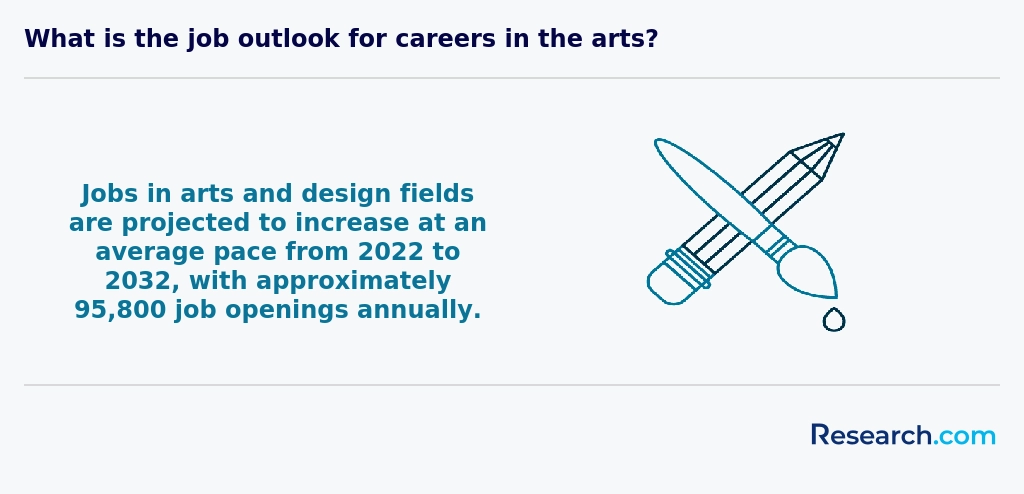
As the Fine Arts landscape evolves, Colorado’s programs are increasingly integrating cutting-edge technologies-think digital illustration, virtual reality installations, and AI-assisted design-into traditional studio practices. Graduates who master these hybrid skill sets will be well-positioned for roles in immersive entertainment, user-experience design, and interactive public art. Colorado institutions are expanding partnerships with tech startups and local galleries to offer students hands-on projects that reflect real-world demands. Sustainability and community impact are also shaping curricula. Expect more coursework in eco-friendly materials, large-scale public murals, and collaborative projects with nonprofits addressing social issues. These initiatives not only foster creative problem-solving but also strengthen graduates’ portfolios by showcasing work that resonates with contemporary audiences and civic stakeholders. For students planning advanced study, flexible online pathways are becoming crucial. Research.com’s data highlights cost-efficient options, such as the Most Affordable Online Master’s in Fine Arts Degree Programs Ranking in Florida, offering templates for affordability and accessibility that Colorado schools are adapting. As online fine arts education gains legitimacy, expect Colorado programs to offer more blended-learning MFA tracks and digital crit-sessions, catering to working professionals and remote artists. Looking ahead, demand for creative professionals with cross-disciplinary expertise will continue to rise. Fine Arts graduates who combine traditional techniques with digital fluency, sustainability awareness, and entrepreneurial acumen will find abundant opportunities in design firms, cultural institutions, and tech-driven media companies across Colorado and beyond.
Venturing into a fine arts degree in Colorado opens up a vibrant world of financial aid tailored just for adventurous creatives like you. Many graduates from the University of Colorado Boulder recall how Pell Grants lifted the weight of tuition, offering up to $7,395 a year without the looming worry of repayment. This federal support, accessed through FAFSA, often becomes the first beacon of hope for students hungry to explore their artistic talents.
Meanwhile, the Colorado Student Grant and the Opportunity Scholarship Initiative spark excitement among in-state students seeking local support. Imagine receiving need-based aid that fuels your passion while you paint or sculpt on campus. Colorado State University fine arts majors have shared stories of scholarships granted based on portfolios, making their dedication truly pay off.
Outside the institutional realm, private foundations and arts organizations serve as treasure troves of scholarships. Graduates often describe the thrill of stumbling upon funding through groups like the National Art Education Association, a real game-changer for aspiring artists ready to transform their dreams into reality.
While academic programs are a crucial part of earning a Fine Arts degree in Colorado, the vibrant campus life and student experience also play a significant role in shaping your creative journey. On many Colorado campuses, you'll find more than just classrooms – there are dynamic art clubs, interactive workshops, collaborative projects, and regular gallery exhibitions that bring the curriculum to life. For example, students at universities like the University of Colorado Boulder and Colorado State University often participate in on-campus art shows, public installations, and creative meetups that help foster strong community bonds and professional networking opportunities. These extracurricular activities not only enhance your artistic skills but also build a supportive network of peers and mentors, which is invaluable when transitioning into your professional career. Additionally, many campuses offer specialized support for students seeking affordable education options, combining academic excellence with enriching campus experiences. In fact, if you’re researching financially accessible options, be sure to check out our comprehensive ranking of cheapest fine arts schools in colorado for insights on balancing cost and campus culture. Ultimately, immersing yourself in the campus environment can boost your creative confidence, inspire new ideas, and provide lifelong connections that extend well beyond graduation.
Some programs, inspired by applicants at the Rocky Mountain College of Art + Design, might invite you to share your dreams through a personal statement, allowing admissions to glimpse your passion and aspirations. Others may ask you to step under the spotlight with an audition or interview, especially if your focus leans toward performance or theater arts.
While standardized tests like the SAT or ACT may still come into play, many Colorado programs embrace test-optional policies, reflecting a more holistic approach to admissions. These varied prerequisites open doors for students eager to dive into Colorado's vibrant artistic communities, ready to express themselves beyond the canvas or stage.

Beyond academics and career outcomes, a thriving campus culture plays a key role in shaping a well-rounded Fine Arts education in Colorado. Embarking on your artistic journey means immersing yourself in an environment that fuels creativity, collaboration, and personal growth. Students not only gain technical skills in the studio but also develop critical soft skills through extracurricular activities, networking events, and collaborative projects within their vibrant campus communities. In many Colorado institutions, student clubs, art exhibitions, and community projects create opportunities to showcase talent, experience diverse artistic perspectives, and build lasting relationships with peers and mentors. These experiences often extend beyond the classroom, with campus art fairs, guest lectures by industry professionals, and community partnerships that broaden horizons and fuel innovation. For instance, student-led groups at some of the cheapest fine arts schools in colorado organize workshops and collaborative art projects that foster a genuine sense of belonging and drive creative experimentation. The synergy between academic rigor and a dynamic student life not only enriches your educational journey but also prepares you for the diverse challenges of the professional art world. Whether you are an onsite enthusiast or enrolling in an online program that connects you virtually to lively campus initiatives, understanding and experiencing the student culture can be a game changer in your Fine Arts career trajectory.
Exploring a fine arts degree in Colorado means diving into a vibrant mix of courses that spark creativity and technical skill alike. Picture yourself at a university like the University of Colorado Boulder, where students eagerly tackle drawing and painting classes, mastering diverse techniques from charcoal shading to acrylic washes. Graduates often recall the thrill of shaping sculptures out of clay, metal, or wood, transforming raw materials into expressive, three-dimensional art right in their studio workshops.
Art history classes bring landscapes of classical to contemporary art into vivid focus, helping students connect their own work with centuries of creative expression. At institutions such as Colorado State University, learners journey through printmaking processes like etching and lithography, discovering the magic of crafting unique prints that carry their distinct artistic voice.
Digital arts courses open doors to graphic design and video art, where embracing new media technology fuels exciting projects that push creative boundaries. Graduates treasure the portfolio development guidance received, which transforms a collection of works into a professional showcase ready for artist residencies, gallery exhibitions, or graduate programs.
The adventure of pursuing a fine arts degree in Colorado opens doors to vibrant specializations that spark creativity and technical mastery. Graduates from popular institutions often speak of their immersive experiences in Visual Arts, exploring painting and sculpture amidst Colorado's inspiring landscapes. Others dive into Digital Arts and Animation, where cutting-edge technology meets artistic storytelling, perfect for students eager to shape multimedia worlds.
Photography enthusiasts thrive here, fueled by breathtaking scenery that turns every snapshot into a masterpiece. Ceramics and 3D Arts attract those who love transforming raw materials into tangible art, working in studios equipped with specialized tools. Interdisciplinary Arts encourage bold experimentation-combining performance, new media, and traditional techniques, reflecting the dynamic spirit of Colorado's creative scene.
These fine arts degree specializations in Colorado prepare students for diverse artistic journeys, bolstered by practical partnerships in Denver and Boulder. For a deeper dive into affordable routes, exploring the most affordable mfa online programs complements campus learning beautifully.
Choosing the best fine arts degree programs in Colorado means diving deep into the vibrant local art scene and finding a program that truly sparks your creativity. Imagine studying at the University of Colorado Boulder, where graduates rave about access to modern studios and the chance to showcase their work at Denver's famed galleries. Hands-on experience in disciplines like digital media or sculpture can shape your artistic journey in ways textbooks never could. Cost matters too-many look for affordable fine arts colleges Colorado offers, balancing tuition with art supply expenses and scholarships.
Faculty who actively exhibit work themselves bring an inspiring energy to classes, mentoring students into the bustling Colorado arts community. Alumni networks often open doors to internships and jobs at local museums or digital arts firms, fueling exciting career paths. If you want to explore flexible schedules or online options, check out the Most Affordable Online Master's in Fine Arts Degree Programs Ranking in Florida to compare opportunities and costs beyond your state.

Graduates with a fine arts degree in Colorado find themselves navigating a vibrant landscape of creative possibilities that reflect the state's dynamic spirit. Whether honing skills at the University of Colorado Boulder or Rocky Mountain College of Art + Design, many discover roles as visual artists, crafting paintings and sculptures that resonate within local galleries. Others venture into graphic design and digital art, where the evolving tech scene in Colorado provides thrilling opportunities to blend artistic vision with commercial demand.
For those drawn to education or community impact, becoming art educators or therapists offers a rewarding path, often inspired by experiences working with diverse communities throughout Colorado. Fine arts degree holders also explore careers as curators or art directors, shaping exhibitions and creative projects in Denver's rich cultural hubs, a clear example of the strong fine arts career opportunities in Colorado.
Excitingly, some graduates embrace entrepreneurship, navigating the state's energetic creative economy by launching businesses or participating in local art events. This spirit of innovation is encouraged by programs supporting accelerated online undergraduate degrees for working adults, making the journey even more accessible.
Colorado fine arts degree job prospects invite a fulfilling career adventure that combines passion with possibility.
The fine arts degree job prospects Colorado offers are as diverse as the vibrant cultural scenes in Denver and Boulder. Graduates from institutions like the University of Colorado Boulder or Colorado State University find themselves stepping into dynamic roles within arts education, galleries, and cutting-edge creative agencies. Many report that immersing themselves in local arts festivals or collaborating in studio collectives sparks not only career opportunities but also a joyful sense of belonging. The job market is enriched by demand for creative talent in multimedia and design, though graduates learn to navigate the balance between passion-driven gigs and steady income.
For those exploring Colorado fine arts career opportunities, freelance work and entrepreneurial ventures are common paths where personal expression and business often intertwine. While tuition investments can feel significant, considering options such as what is an easy associate's degree to get may help ease financial pressure during the journey. Overall, the interplay of Colorado's supportive arts ecosystems and its evolving creative economy illustrates a landscape brimming with potential for adventurous graduates.
2027 Most Popular Fine Arts Degree Programs Ranking in Colorado
Investing in your education is a significant decision that can shape your future, and the Research.com team understands the importance of making informed choices. To assist prospective students interested in fine arts in Colorado, we have meticulously crafted the "2027 Most Popular Fine Arts Degree Programs Ranking in Colorado." Our commitment to quality, credibility, and accuracy is reflected in the thorough research and analysis conducted to compile this ranking.
We utilized the following reputable data sources to ensure a comprehensive evaluation of fine arts programs:
By exploring this ranking, readers will gain valuable insights into the most popular fine arts degree programs in Colorado, empowering them to make well-informed decisions about their educational future. For more details on how this ranking was created, please visit our Research.com methodology page.


# 8 position
University of Colorado Denver/Anschutz Medical Campus
Bachelor of Fine Arts Art Practices


# 17 position
Fort Lewis College
Bachelor of Arts in Musical Theatre builds the triple threat of voice


# 20 position
Rocky Mountain College of Art and Design
Bachelor of Fine Arts

Frequently Asked Questions About fine arts
Fine arts degree students in Colorado can maximize their learning experience by actively engaging with the state's vibrant arts community. Participating in local galleries, public exhibitions, and artist-run spaces offers valuable real-world exposure. Schools such as the University of Colorado Boulder and Colorado State University provide access to experienced faculty and diverse studio opportunities, enhancing technical skills.
Internships with regional arts organizations are crucial, allowing students to build professional networks and gain practical experience. According to the Colorado Arts Alliance, nearly 30,000 residents work in arts-related jobs statewide, highlighting industry opportunities.
Additionally, students should consider attending workshops and lectures offered by Colorado's many art museums and cultural centers to broaden their creative perspectives.
The fine arts field in Colorado is evolving with several emerging niches gaining attention among students and professionals. One growing area is digital and interactive media arts, which blends traditional art skills with technology to create immersive experiences. This niche benefits from Colorado's expanding tech sector, providing collaborative opportunities. Another notable growth is in environmental and site-specific art, reflecting the state's strong emphasis on outdoor spaces and sustainability.
Additionally, arts entrepreneurship programs are becoming popular, equipping students to navigate the business side of the arts. According to the Colorado Department of Higher Education, enrollment in fine arts programs focusing on digital media has increased by 18% since 2019.
After earning a fine arts degree in Colorado, students should focus on building a professional portfolio that showcases their skills and creativity. Employers often value diverse and practical work evidence, so including projects completed during coursework or internships is crucial. Networking plays a key role in the Colorado art scene, which has strong connections to galleries, theaters, and public art initiatives, especially in Denver and Boulder.
Gaining experience through internships or part-time roles in local museums or design firms significantly improves employment prospects. According to the Colorado Department of Labor and Employment, arts-related jobs are growing steadily in the state. Further, engaging with local arts organizations or attending workshops can expand one's professional contacts.
Employers in Colorado prioritize a range of skills when hiring fine arts degree graduates. Creativity remains essential, as it drives innovation and original artistic expression. Additionally, technical proficiency in various mediums such as digital design, painting, or sculpture is highly valued. According to the Colorado Department of Labor and Employment, over 60% of fine arts-related jobs in the state require strong portfolio presentation skills.
Communication skills are also critical, enabling artists to effectively convey their ideas to clients and collaborators. Project management and the ability to work under deadlines often distinguish successful candidates. Familiarity with art history and contemporary trends further enhances employability, helping graduates stay culturally relevant in Colorado's competitive art scene.
Finding internships in Colorado relevant to a fine arts degree involves a mix of research, networking, and utilizing local resources. Students should start by exploring opportunities through university career centers, which often partner with galleries, theaters, and museums across cities like Denver and Boulder.
Colorado's vibrant arts scene includes institutions such as the Denver Art Museum and the Boulder Museum of Contemporary Art, which may offer internships for hands-on experience. Additionally, websites like Handshake and Colorado Department of Labor provide listings specifically for arts internships statewide.
Building connections with local artists and attending community art events can further open doors. According to the Colorado Creative Industries, nearly 92,000 people work in creative fields statewide, offering diverse opportunities for fine arts students seeking practical experience.
In Colorado, earning a fine arts degree can significantly enhance career mobility and advancement, particularly in creative industries such as design, media, and entertainment. Graduates with such degrees often find opportunities not only in artistic roles but also in education, marketing, and cultural institutions.
According to the Colorado Department of Labor and Employment, artistic occupations are projected to grow by around 6% through 2030, aligning with national trends. This growth supports expanding roles that demand both creative skills and formal education.
Fine arts graduates benefit from networking opportunities within vibrant urban centers like Denver and Boulder, where arts communities are strong. This networking, combined with formal credentials, often leads to higher wages and leadership roles compared to peers without a degree.
Studying for a fine arts degree in Colorado offers students a broad foundation that supports interdisciplinary career paths. Programs often emphasize collaboration across fields such as digital media, design, and performing arts. This prepares graduates to work in diverse environments including marketing, education, and technology.
Colorado institutions like the University of Colorado Boulder and Colorado State University incorporate cross-disciplinary projects, blending studio art with emerging technologies. According to the National Center for Education Statistics, Colorado awarded over 350 fine arts bachelor's degrees in 2021, reflecting strong regional interest.
Fine arts curricula also build critical thinking and problem-solving skills essential for roles that combine creativity with other professional areas.
Choosing between a thesis and a non-thesis fine arts degree program in Colorado depends on your career goals and learning preferences. Thesis programs typically require independent research and the creation of a significant project or exhibition, ideal for students considering further academic study or a professional art career. Non-thesis options focus more on coursework and practical experience, suitable for those seeking immediate employment or skills enhancement.
According to data from the National Center for Education Statistics, Colorado universities award about 150 fine arts master's degrees annually, with roughly 40% in thesis tracks. Understanding these pathways helps you align your education with your aspirations and workload preferences.
Students pursuing fine arts degrees in Colorado have several opportunities to study abroad through established exchange and study-away programs. Many Colorado institutions with strong fine arts departments, such as the University of Colorado Boulder and Colorado State University, offer partnerships with art schools in Europe and Asia. These programs allow students to earn credits that transfer back to their degrees.
Colorado fine arts students can explore destinations known for rich artistic heritage, including Italy and France. Participation in such programs enhances global artistic perspectives and practical skills. According to NAFSA's 2023 report, about 12% of Colorado undergraduates participate in study abroad, with arts students increasingly taking advantage of these options.
Financial aid and scholarships specific to study abroad are also commonly available for Colorado fine arts students, reducing barriers to international learning experiences.
Students pursuing fine arts degrees in Colorado can benefit from part-time jobs that closely align with their studies. Positions such as gallery assistants, art tutors, and museum docents offer practical experience and networking opportunities within the local arts community. According to Colorado Creative Industries, working in arts organizations enhances skills relevant to both creation and curation. Freelance roles like graphic design or photography also support artistic development while providing income. Additionally, Colorado's vibrant art scene, especially in cities like Denver and Boulder, creates numerous openings for event assistants and workshop coordinators linked to exhibitions and art fairs.
Fine arts students in Colorado benefit from numerous networking opportunities that connect them with local artists, galleries, and cultural institutions. Many universities, such as the University of Colorado Boulder and Colorado State University, host regular art exhibitions, workshops, and guest lectures featuring established artists and industry professionals.
Additionally, Colorado's active arts community includes organizations like the Colorado Visual Arts Guild and the Denver Art Museum, which offer events and memberships specifically designed to help emerging artists build professional relationships. According to the Colorado Department of Higher Education, participation in such networks significantly improves career prospects for fine arts graduates.
Students also gain exposure through statewide art festivals such as the Cherry Creek Arts Festival, providing valuable chances to showcase their work and meet collectors and curators.
Alumni networks significantly benefit fine arts degree students in Colorado by providing valuable professional connections and career opportunities. Graduates from institutions like the University of Colorado Boulder and Colorado State University often engage with active alumni groups that offer mentorship, internships, and job leads. According to the Colorado Department of Higher Education, 65% of fine arts graduates find employment within arts-related fields through contacts made via alumni networks.
These networks also facilitate workshops, exhibitions, and collaborative projects, enhancing students' real-world experience. Such connections help students navigate the competitive arts industry and access regional galleries, studios, and cultural organizations crucial for career growth in Colorado's art scene.
Students pursuing fine arts degrees in Colorado have various ways to tailor their education to align with career goals. Many institutions offer concentrations such as painting, sculpture, digital media, or art education, allowing specialization within a broad fine arts curriculum. Electives and interdisciplinary courses can expand skills in areas like graphic design or art history, enhancing marketability.
Colorado schools, including public and private universities, often provide opportunities for internships and community art projects, giving practical experience critical for career development. According to the Colorado Department of Higher Education, nearly 40% of fine arts graduates gain professional experience before graduation, improving employment prospects.
Advising services play a key role in helping students select courses and projects that align with their aspirations, whether in studio work, teaching, or arts management.
Fine arts students in Colorado often face financial challenges, as tuition and materials costs can be high. According to the Colorado Department of Higher Education, art supplies and studio fees add significant expense beyond standard tuition.
Time management is another common issue. Balancing studio work, critiques, and academic courses requires discipline, especially since hands-on projects are time-intensive.
Limited access to professional opportunities also poses challenges. While Colorado offers growing art scenes in cities like Denver and Boulder, internships and networking options remain competitive.
Lastly, students may struggle with subjective evaluation criteria, which can impact confidence and affect career development in a field marked by diverse artistic standards.
Graduates with a fine arts degree in Colorado can pursue several professional certifications to enhance their careers. One common path is obtaining teaching certification through the Colorado Department of Education, allowing graduates to become licensed art educators in K-12 schools. This requires completing a state-approved teacher preparation program and passing necessary exams. Additionally, some artists seek certification as Certified Professional Artists or Art Therapists, although these require specific additional training or graduate degrees beyond a bachelor's in fine arts. According to the Colorado Department of Higher Education, nearly 30% of fine arts graduates enter education or therapy fields, making certifications important for job security and advancement.
Applying to fine arts programs in Colorado requires a focus on both creative talent and clear presentation. Start by preparing a strong portfolio, showcasing diverse works that highlight technical skills and personal style. Many Colorado schools, such as the University of Colorado Boulder, recommend including 10-15 pieces that demonstrate breadth and depth.
In addition to artistic work, write a compelling personal statement explaining your artistic vision, career goals, and why you want to study in Colorado. Admissions committees value clear, sincere narratives supported by specific examples.
Colorado fine arts programs typically require letters of recommendation from instructors familiar with your artistic abilities. Aim for educators who can provide detailed insights rather than generic praise.
According to the National Center for Education Statistics, fine arts degrees in Colorado have grown steadily, making competition tighter. Early application and attention to detail in each component increase your chances of acceptance.
Globally, fine arts careers are viewed as both culturally valuable and economically viable in many regions, including the United States. In Colorado, fine arts graduates benefit from a growing creative economy, which contributed over $22 billion to the state's GDP in 2022, according to the Colorado Creative Industries report. The U.S. Bureau of Labor Statistics projects a 3% employment growth for artists and related workers through 2031, reflecting stable demand.
Internationally, the fine arts sector emphasizes interdisciplinarity and digital skills, trends also adopted by Colorado institutions to prepare students for global markets. Moreover, fine arts careers frequently intersect with technology, marketing, and education, expanding opportunities beyond traditional studios or galleries.
Gaining practical experience while studying for a fine arts degree in Colorado is essential for developing skills and building a professional portfolio. Many Colorado institutions encourage students to engage in internships with local galleries, theaters, and museums, offering hands-on exposure to real-world art environments. For example, the Denver Art Museum and the Boulder Museum of Contemporary Art frequently collaborate with nearby colleges to provide internship opportunities. Additionally, students can participate in on-campus exhibitions, artist residencies, and community art projects, which enhance both creative and professional development. According to the Colorado Department of Higher Education, around 45% of fine arts students in the state complete at least one internship before graduation.
Choosing the right concentration within a fine arts degree in Colorado involves considering your personal interests and career goals. Popular concentrations include painting, sculpture, digital media, and graphic design. According to the National Center for Education Statistics, Colorado colleges saw a 12% increase in fine arts enrollment between 2018 and 2022, reflecting growing student interest. You should also evaluate faculty expertise and available facilities; schools like the University of Colorado Boulder offer specialized studios that enhance learning. Additionally, think about local art markets and job opportunities, especially around Denver and Boulder, where creative industries are expanding. Visiting campuses and speaking with advisors can clarify options.
- 2027 Most Popular Fine Arts Degree Programs Ranking in Kansas
- 2027 Most Popular Fine Arts Degree Programs Ranking in Utah
- 2027 Most Popular Fine Arts Degree Programs Ranking in Arizona
- 2027 Most Popular Fine Arts Degree Programs Ranking in South Dakota
- 2027 Most Popular Fine Arts Degree Programs Ranking in Missouri
- 2027 Most Popular Fine Arts Degree Programs Ranking in Arkansas
- 2027 Most Popular Fine Arts Degree Programs Ranking in California
- 2027 Most Popular Fine Arts Degree Programs Ranking in North Dakota
- 2027 Most Popular Fine Arts Degree Programs Ranking in Mississippi
- 2027 Most Popular Fine Arts Degree Programs Ranking in Wisconsin
- Networking for Artists https://artquest.org.uk/how-to-articles/networking-for-artists/
- Art & Design Degrees https://www.coloradomesa.edu/art/degrees/index.html
- What is Fine Arts? Meaning, Scope & Careers Explained https://jgu.edu.in/opjgublog/what-is-fine-arts/
- Arts, History and Humanities in Global Perspective https://u-paris.fr/language/en/arts-history-and-humanities-in-global-perspective-en/
- Alumni Network at Moore https://moore.edu/alumni/
- Art Internships: Your Complete Guide | Sotheby's Institute of Art https://sothebysinstitute.com/articles/art-internships-your-complete-guide/
- Art Major Requirements https://www.coloradocollege.edu/academics/dept/art/requirements/updated-major-requirements.html
- MFA Statement of Purpose: The Artist Statement + Academic Goals Hybrid https://gradpilot.com/news/mfa-statement-of-purpose-artist-statement-guide
- Careers in the Arts: Who Stays and Who Leaves? https://snaaparts.org/findings/reports/careers-in-the-arts-who-stays-and-who-leaves
- 14 art niche ideas and how to determine yours https://www.gelato.com/blog/art-niche-ideas





