
2027 Best Finance Degree Programs Ranking in Rochester

Co-Founder and Chief Data Scientist
Choosing the right finance degree program can shape your future career and open doors to exciting opportunities. This article presents the 2027 Best Finance Degree Programs Ranking in Rochester, carefully developed by the Research.com team of data scientists. It's designed to guide you toward programs that offer the best combination of quality education and career prospects.
By exploring this ranking, you'll gain valuable insights to make a confident and informed decision. A finance degree is a powerful step toward personal growth and professional success.
Key benefits of getting finance degree in Rochester
- Finance degree graduates in Rochester can expect strong earning potential, with mean annual wages such as $150,670 for Financial Advisors and $112,950 for Financial Analysts, offering rewarding career opportunities.
- Popular Rochester schools show graduates pursuing careers as Credit Analysts, Insurance Underwriters, and Investment Banking Analysts, demonstrating diverse paths within the finance industry.
- Online finance degrees provide flexibility, allowing students to balance work and study while still gaining respected qualifications from reputable Rochester institutions, making education accessible and convenient.
- 2027 Best Finance Degree Programs Ranking in Rochester
- What can I expect from finance degree in Rochester?
- Where can I work with finance degree in Rochester?
What can I expect from finance degree in Rochester?
The average cost of earning a finance degree in Rochester typically ranges from $30,000 to $60,000 per year, depending on the institution and program level. Graduates from the University of Rochester's Simon Business School often note that while tuition is on the higher end, the investment pays off through access to strong career services, internships, and networking events that lead to opportunities with local financial firms and tech companies.
At Rochester Institute of Technology (RIT), students appreciate the balance of quality education and cooperative education programs, which often help offset costs by providing paid internships. Many finance students describe their hands-on experience as invaluable, enabling them to graduate confident and prepared for roles such as financial analysts or advisors in Rochester's growing finance sector.
Practical approaches to funding your degree-like scholarships, work-study programs, and local internships-are pivotal. These supports make attending Rochester's top programs financially manageable and allow students to build meaningful connections with regional employers early in their studies.
Where can I work with finance degree in Rochester?
Finance graduates in Rochester find a wide range of vibrant career paths aligned with the city's strong industries. Many alumni from Rochester Institute of Technology and University of Rochester start their careers in the healthcare sector, notably with organizations like the Mayo Clinic, where they apply financial planning skills to optimize budgets and revenue cycles. These roles provide hands-on experience managing complex financial operations, fostering confidence and professional growth.
Others leverage their finance education in Rochester's thriving tech companies, handling corporate finance or risk analysis. Graduates often share how projects at local startups allowed them to develop strategic budgeting skills vital for fast-paced environments. This practical exposure sets the foundation for continued success.
Manufacturing firms also seek finance graduates for cost analysis and supply chain finance roles. Students report that internships in these companies sharpen their financial reporting and analytical abilities, making them standout candidates for full-time positions. Additionally, banking, insurance, and real estate sectors offer diverse roles like loan officers and financial advisors, broadening employment options within Rochester's economy.
Finance graduates in Rochester, such as those from the University of Rochester or Rochester Institute of Technology, can expect starting salaries around $55,000 to $65,000, particularly in roles like financial analyst or credit analyst. These entry-level positions offer a solid foothold, with the median pay for financial analysts in the area at about $82,000 annually, aligning closely with the national average.
As experience builds, many mid-career professionals working locally report salaries ranging from $90,000 to $120,000. For instance, financial advisors and credit analysts in Rochester can see mean annual wages of $150,670 and $94,750 respectively, according to BLS data. This shows that pursuing certifications like CFA or gaining internship experience greatly boosts earning potential.
Senior roles, including financial managers or investment banking analysts, typically command salaries exceeding $130,000, reflecting the city's strong industries. Graduates often express enthusiasm about Rochester's reasonable cost of living combined with competitive wages, making their early career growth both rewarding and sustainable.
- Finance degree costs in Rochester range from $20,000 to $45,000 per year, including tuition and basic campus expenses.
- Entry-level salaries for finance graduates start around $55,000 annually, with mid-career median salaries near $75,000.
- Certified professionals with CFA or CFP credentials can earn more than $90,000 per year.
- The job market is strong, with opportunities in banking, corporate finance, investment analysis, and financial planning.
- Internships and cooperative education programs increase employability by providing practical experience.
- Rochester's location near major financial hubs in New York State offers valuable networking and career growth options.
Completing a finance degree in Rochester usually takes about four years for full-time students at well-known schools like the University of Rochester or Rochester Institute of Technology. Graduates often recall that staying enrolled full-time and planning their course load around the typical 120-130 credit hours helped them finish on time without feeling overwhelmed.
Some graduates share how accelerated programs at certain Rochester colleges made finishing in three years possible by taking heavier course loads and summer classes, though this required strong time management and dedication.
Part-time students or those balancing work frequently take longer, but Rochester's universities offer evening and online courses that helped many maintain income while progressing steadily.
Transfer credits and summer courses also played a crucial role for some graduates in shortening their timeline. Considering options like internships or cooperative education programs can add months but provide hands-on experience that many find rewarding and boost employability.
Understanding these options early and consulting advisers at Rochester's institutions can help you tailor your path to suit your learning style and life commitments.
Securing real-world experience through internships and experiential learning is crucial for finance degree students in Rochester, NY. Local firms such as ESL Federal Credit Union, Paychex, and regional investment banks regularly partner with universities to offer semester-long internships, summer analyst programs, and co-op placements. These structured opportunities allow students to apply classroom theory to tasks like financial modeling, credit risk assessment, and portfolio management, building a professional network before graduation. Many students report that their internships led directly to full-time offers, underscoring the competitive advantage that hands-on experience provides. Universities in Rochester enhance these partnerships through dedicated career centers and mentorship programs. At the University of Rochester, for example, the Career Center hosts an annual Finance Internship Fair, connecting over 50 companies with top candidates. Rochester Institute of Technology’s co-op program integrates paid work terms into the curriculum, ensuring that students gain a minimum of six months of industry experience before earning their degree. Faculty advisors guide students in selecting projects that align with their specialization-whether in fintech, risk management, or corporate finance-while alumni mentors provide insights on navigating professional environments. Capstone courses and consulting projects further enrich experiential learning. Finance students often collaborate with local nonprofits and startups on real financial challenges, from conducting market analyses to recommending investment strategies. These projects culminate in presentations to executive panels, allowing students to refine their communication skills and demonstrate problem-solving abilities to potential employers. Such experiential components not only reinforce technical knowledge but also highlight soft skills-teamwork, leadership, and ethical decision-making-that are highly valued by recruiters. For prospective students balancing cost and career readiness, exploring the most affordable programs with strong internship placement rates can be a game-changer. Our partner ranking Affordable Finance Degree Programs Ranking in Delaware showcases programs that deliver exceptional experiential learning at lower tuition, helping students maximize return on investment while launching successful finance careers.
Online finance degrees in Rochester offer unmatched flexibility, ideal for professionals balancing work or family. Graduates often appreciate studying at their own pace without the hassle of commuting, which frees up time for other priorities. For instance, someone pursuing an online finance program from a local university can manage coursework evenings after their day job.
On-campus programs, like those at the University of Rochester, provide dynamic face-to-face interactions and hands-on opportunities such as internships within Rochester's financial sector. Graduates frequently highlight how these experiences boosted their confidence and networking, landing them valuable connections and jobs.
Cost varies notably; while online programs may save on commuting and housing, on-campus tuition can be higher but includes richer in-person resources. Students should check accreditation, especially AACSB approval, to ensure their degree holds market value in Rochester's competitive finance job market.
Ultimately, consider your lifestyle, learning style, and career goals when deciding between these paths. Both paths cover core finance skills but offer different environments that shape your experience and future opportunities.
The average cost of a finance degree in Rochester typically ranges around $50,000 for in-state students, with total expenses climbing closer to $67,000 for out-of-state students. Many graduates from the University of Rochester and Rochester Institute of Technology report that tuition and fees are the largest factors, with private institution rates near $58,000 to $63,000 annually. Community colleges such as Monroe Community College provide a more affordable option, often costing between $5,000 and $15,000 per year, making them ideal for students seeking to minimize debt or earn an associate degree before transferring.
Finance degree tuition and fees in Rochester vary significantly based on residency and school type. For example, public schools outside Rochester but within New York State offer lower tuition for in-state students, typically between $10,000 and $15,000 annually. This can be an excellent way to reduce costs without sacrificing program quality. Many students find value in combining these savings with scholarships and financial aid, which are widely available across Rochester's institutions.
Graduates often emphasize the importance of budgeting beyond tuition, accounting for textbooks, fees, and living expenses, which can add several thousand dollars yearly. To make well-informed decisions, it's helpful to compare total costs and potential financial aid packages carefully. For those weighing learning formats, exploring online vs in-person accounting degrees may also provide flexibility and cost savings that fit personal schedules and budgets.
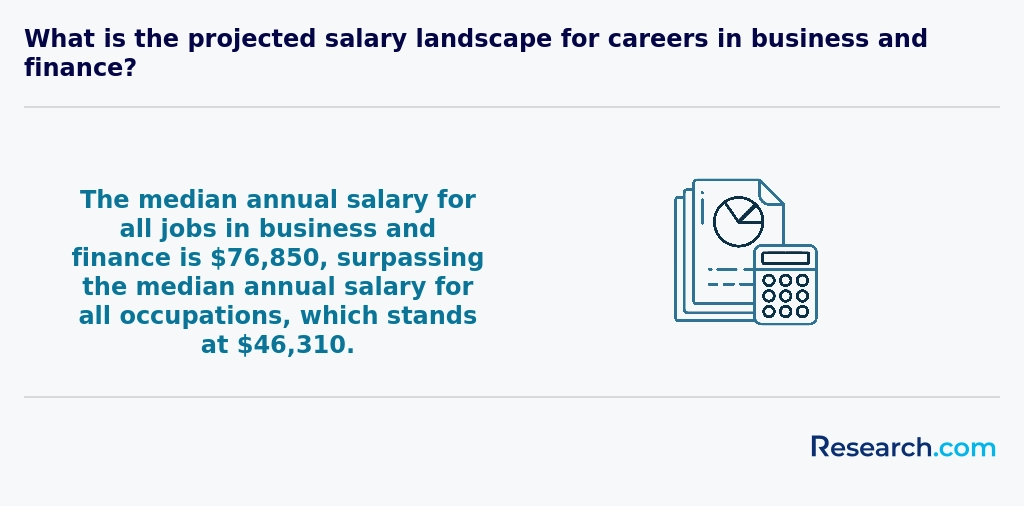
When evaluating finance programs in Rochester, NY, understanding the return on investment (ROI) is crucial for long-term financial planning. On average, tuition and fees for a bachelor’s degree in finance at local institutions range from $20,000 to $50,000 per academic year, with living expenses adding another $15,000 annually. By comparing these upfront costs against median starting salaries-approximately $66,000 for credit analysts and $70,000 for financial advisors in Rochester-you can project a break-even point within four to six years post-graduation. Moreover, factoring in potential loan interest rates (often between 4% and 6%) and average annual salary growth of 3% underscores the value of selecting a program with strong career support and internship pipelines. For example, graduates who complete internships at local banks or fintech startups frequently report job offers with signing bonuses, reducing their effective payback period. Students seeking a lower-cost entry point can also consider associate degrees, where total expenses often fall below $30,000. These programs can fast-track entry-level positions and can be stacked toward a bachelor’s later. For flexible, accredited options, many turn to the best rated online associates degrees in finance, which combine affordability with accelerated credit transfer opportunities. Ultimately, by aligning tuition investment, expected earnings, and available scholarships, prospective students can make data-driven decisions that maximize both educational outcomes and financial well-being over the life of their career.
Finance students in Rochester often rely on multiple financial aid sources to manage tuition costs, which average around $11,000 annually. A common starting point is the FAFSA, unlocking federal grants like the Pell Grant, which offers up to $7,395 yearly without the burden of repayment. Recent graduates from Rochester Institute of Technology highlight how work-study programs on campus helped them balance work and study, easing day-to-day expenses.
Local scholarships from organizations such as the Rochester Business Alliance provide valuable targeted support for finance majors, while many Rochester colleges offer their own merit- and need-based scholarships that students should actively pursue.
State aid, including New York's Tuition Assistance Program (TAP), can grant up to $5,665 per year, especially beneficial for residents attending schools like the University of Rochester. Additionally, working in Rochester's finance sector may open doors to employer tuition reimbursement, a practical option for students juggling jobs and classes.
To enroll in a finance degree program in Rochester, you'll need to meet some key academic requirements. Most undergraduate programs expect you to have a high school diploma or GED, with a solid GPA around 3.0 or higher. Graduates from Rochester's top schools often recall how focusing on math and economics during high school made their transition smoother. Courses in algebra, statistics, and basic economics are especially valued by admissions teams at institutions like the University of Rochester and Rochester Institute of Technology.
While some schools now follow test-optional policies, submitting SAT or ACT scores can still boost your application, as many local alumni found their scores helped during holistic reviews. For graduate finance programs, holding a bachelor's degree and having relevant coursework or work experience plays a big role. For example, MBA candidates typically bring two to five years of professional experience, which their Rochester cohort often credits with enhancing classroom discussions.
Preparing strong letters of recommendation and a clear statement of purpose is essential, reflecting your passion and readiness. Through this preparation, students often feel confident and excited stepping into Rochester's dynamic finance programs.
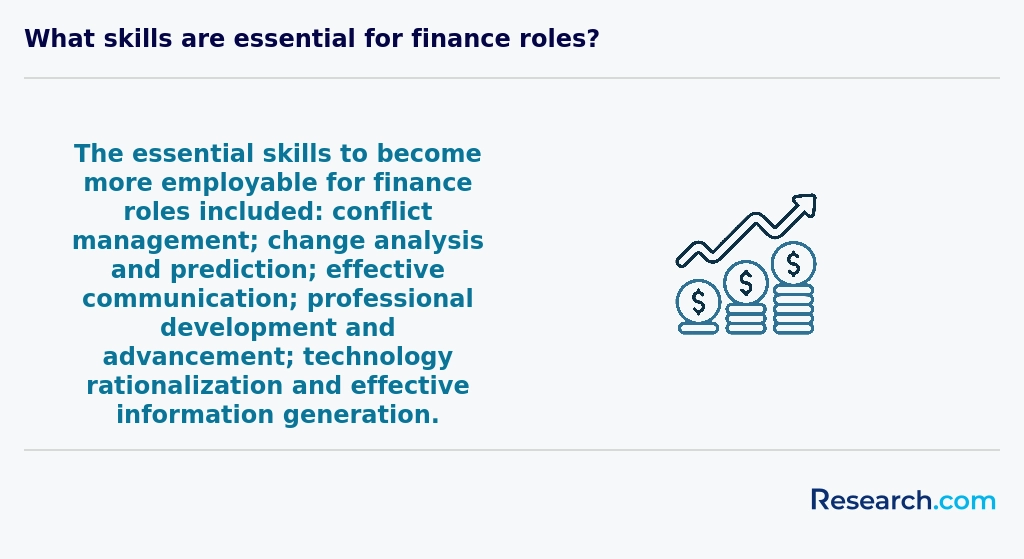
Finance degree programs in Rochester typically include courses designed to build a strong foundation and practical skills directly applicable to the financial sector. Students at popular institutions like the University of Rochester and Rochester Institute of Technology often begin with essential classes such as Financial Accounting and Principles of Microeconomics and Macroeconomics. These courses help clarify real-world financial documents and economic trends, essential for making informed decisions.
Graduates frequently highlight the value of core finance courses like Corporate Finance, Investment Analysis, and Financial Markets and Institutions. These subjects teach how to analyze company performance, evaluate investment opportunities, and grasp market behaviors-skills vital in today's job market.
Many Rochester programs incorporate Quantitative Methods for Finance and Financial Modeling, enabling students to confidently work with data sets and create forecasts. Electives such as International Finance and Risk Management prepare students to tackle global financial challenges and develop comprehensive strategies. This blend of coursework equips Rochester students with practical expertise, fostering excitement about their financial career paths.
Finance degree specializations in Rochester often include Corporate Finance, Investment Finance, Financial Planning, and Risk Management, tailored to meet the city's dynamic economic landscape. Graduates from local universities appreciate how Corporate Finance leverages Rochester's industrial environment, offering practical experience with budgeting and mergers alongside regional corporations.
Investment Finance is another favored path, where students work on portfolio strategy and securities analysis. Many find internships in Rochester's growing financial services, gaining hands-on exposure to equity and fixed income markets. Those pursuing Rochester finance program concentration options in Financial Planning benefit from coursework on retirement and tax strategies, preparing them for high-demand advisory roles with rewarding salaries nationally.
Risk Management and Insurance also attract students interested in mitigating financial risks, a vital skill in Rochester's insurance and healthcare sectors. To balance costs, learners often consider financial aid or explore a flexible online associate degree in paralegal studies as a complementary credential to boost their versatility in the job market.
Start by checking each program's accreditation; finance degrees from AACSB-accredited business schools in Rochester signal quality education and impress employers. Graduates often share how this recognition helped them secure internships at local banks and tech firms.
Next, weigh costs carefully. Schools like Monroe Community College offer affordable finance degrees in Rochester, while universities like the University of Rochester have higher tuition but may provide significant financial aid options. Some graduates found balancing cost with reputation key to their choice.
Look for programs that offer specializations fitting your career goals, such as corporate finance or FinTech, combined with practical experiences like internships. Many Rochester institutions provide these opportunities, helping students build networks and real-world skills.
Assess the strength of career services and alumni connections in the area, which are crucial for landing finance roles in Rochester's growing job market. Visiting campuses can also give insight into the environment and support available, making the decision more personal and informed.
For related insights on finance-related programs, consider exploring options similar to the accounting schools in Oklahoma.

Finance degree graduates in Rochester often find career opportunities across commercial banking, corporate finance, investment, and insurance sectors. Local banks and regional branches value skills in credit analysis and financial advising, where many graduates thrive managing loans and client portfolios. Corporate finance roles at Rochester's manufacturing and service companies require budgeting and forecasting expertise, offering salaries between $60,000 and $85,000 annually. Many finance students from prominent Rochester colleges feel motivated by hands-on internships with these companies, helping them build practical experience critical to landing these roles.
Investment careers such as financial advisor and portfolio manager are also popular, especially with Rochester's wealth management firms. Graduates often report satisfaction helping clients plan their financial futures, earning between $55,000 and $90,000. For those exploring the insurance industry, actuarial and underwriting positions are growing steadily due to Rochester's health and commercial industries. These steady-demand jobs appeal to graduates seeking stable, long-term careers in the area's evolving economy, perfectly matching their finance career opportunities in Rochester.
Prospective students weighing options should consider costs and outcomes carefully. Public institutions offer in-state tuition between $10,000 and $30,000 per year, while private colleges can exceed $40,000. Many Rochester graduates highlight accessible financial aid and scholarships as crucial in managing expenses. To explore the highest earning potential with a finance degree, visit here for detailed insights on jobs with finance degree Rochester NY.
The job market for finance degree holders in Rochester remains strong, backed by a diverse economy that includes sectors like healthcare, technology, and manufacturing. Graduates from local institutions often find opportunities as financial analysts, accountants, or advisors within well-established banks and corporate offices. Many report gaining practical advantages through internships and networking events on campus, which connect them directly to industry employers, enhancing their readiness for roles requiring skills in investment strategies and regulatory compliance. This positive environment aligns with the broader finance degree job outlook Rochester students evaluate when choosing their path.
Graduates benefit from competitive salaries, with entry-level positions starting around the mid-$50,000s and growing significantly with experience and certifications such as the CFA. Financing the degree is a key consideration; public university tuition in New York ranges from $10,000 to $20,000 annually, while private Rochester colleges may cost more. Still, the potential return on investment is strong given Rochester's ongoing economic growth. Many students also explore further education, sometimes pursuing the highest academic degree to boost their career potential.
2027 Best Finance Degree Programs Ranking in Rochester
Investing in your education is a significant decision that can shape your future, and the Research.com team understands the importance of making informed choices. To assist prospective students in Rochester, we have meticulously crafted the "2027 Best Finance Degree Programs Ranking in Rochester." Our commitment to quality, credibility, and accuracy is reflected in the extensive research and analysis conducted to compile this ranking.
We utilized the following reputable data sources to ensure a comprehensive evaluation of finance programs:
By exploring this ranking, readers will gain valuable insights into the top finance degree programs in Rochester, helping them make well-informed decisions about their educational and career paths. For more details on our methodology, please visit our Research.com methodology page.


Frequently Asked Questions About finance
Finance degree students in Rochester can maximize their learning by engaging with the city's strong financial sector, including prominent employers like Paychex and ESL Federal Credit Union. Networking through local industry events and internships provides practical exposure beyond classroom theory. Rochester's universities, such as the University of Rochester and Rochester Institute of Technology, offer specialized courses and access to financial research centers that students should utilize.
Students benefit from joining finance clubs and attending guest lectures by local finance professionals, which deepen understanding of market trends. Additionally, leveraging Rochester Public Library resources can support independent study and research.
Employers in Rochester report growth in financial services, suggesting demand for skills in data analysis and risk management, areas students should focus on to enhance employability.
The finance field is evolving rapidly, with several emerging niches gaining prominence, especially relevant for students pursuing finance degrees in Rochester. One key area is financial technology (fintech), driven by local startups and Rochester's growing tech scene. Fintech focuses on innovations like blockchain, digital payments, and automated investment platforms.
Another growing niche is sustainable finance, which integrates environmental, social, and governance (ESG) factors into investment decisions. With increasing regulatory attention in New York State, demand for professionals skilled in ESG analysis is rising.
Behavioral finance is also attracting interest, as understanding investor psychology helps companies tailor financial products effectively. Rochester's universities have begun to expand research and courses in this area, reflecting national trends.
According to the Bureau of Labor Statistics, finance-related jobs in New York State are projected to grow 7% by 2032, signaling strong demand for expertise in these specialized sectors.
After completing a finance degree in Rochester, preparing for the job market involves a strategic combination of skills development and networking. Graduates should focus on gaining practical experience through internships or cooperative education programs, which are widely offered by local institutions such as the University of Rochester and Rochester Institute of Technology.
Enhancing technical expertise in financial modeling and software like Excel, Bloomberg Terminal, and Python is crucial, as employers in Rochester's growing financial services sector often seek candidates with these skills. According to the Rochester Business Journal, finance roles have increased by 8% locally over the past five years.
Building a professional network through career fairs and local finance organizations, including the Rochester CFA Society, can improve job prospects significantly. Additionally, obtaining certifications like CFA or CPA may increase employment opportunities in competitive fields such as investment analysis or corporate finance.
Employers in Rochester prioritize strong analytical and quantitative skills in finance degree graduates. The ability to interpret financial data and create detailed reports is essential, as Rochester's finance sector heavily involves data-driven decision-making. Communication skills are also critical, allowing graduates to clearly present complex financial concepts to clients or management.
Technical proficiency with software such as Excel, Bloomberg Terminal, and financial modeling tools ranks highly. According to the Rochester Business Journal, over 70% of local employers seek candidates familiar with these platforms.
Additionally, problem-solving aptitude and ethical judgment remain key, reflecting broader trends in the U.S. finance industry. Practical internship experience in Rochester's banks or firms further boosts employability.
Finding internships in Rochester relevant to a finance degree involves a strategic approach combining local resources and networking. The Rochester metropolitan area hosts major financial institutions like ESL Federal Credit Union and Morgan Stanley, which often offer internships to finance students. Utilizing career services at institutions such as the University of Rochester or Rochester Institute of Technology is crucial; these offices maintain databases and partnerships with local companies.
Online platforms like Handshake and LinkedIn are widely used by Rochester students to identify internship opportunities. Additionally, attending local finance networking events and career fairs enhances chances for placements. According to RochesterWorks!, finance internships have grown by 7% annually, reflecting an active market.
A finance degree significantly enhances career mobility and advancement opportunities in Rochester's competitive job market. Graduates gain essential skills in financial analysis, risk management, and investment strategies that local employers seek. According to the U.S. Bureau of Labor Statistics, finance-related roles in the Rochester metropolitan area are expected to grow by 6% between 2022 and 2032, supporting strong employment prospects.
Rochester's diverse economy, with key sectors in banking, manufacturing, and technology, values finance professionals for strategic decision-making roles. A degree often serves as a prerequisite for promotion to managerial positions and specialized fields such as corporate finance or wealth management.
The Rochester Business Journal highlights that finance graduates can expect a median starting salary above the state average, directly influencing upward mobility in regional firms.
Studying for a finance degree in Rochester offers students a unique blend of quantitative skills and cross-disciplinary knowledge. Many local programs integrate courses in economics, data analytics, and management, helping students develop versatile expertise.
Rochester's finance degrees often emphasize real-world application by collaborating with businesses in industries like healthcare, manufacturing, and technology. This approach prepares graduates for roles that require finance knowledge combined with industry-specific insight.
According to recent data from the Rochester Regional Chamber of Commerce, over 45% of finance-related jobs in the area involve collaboration across sectors. Students trained locally benefit from partnerships with companies seeking professionals adept in both finance and other fields such as IT or supply chain management.
When choosing between a thesis and a non-thesis finance degree program in Rochester, students should consider their career goals. A thesis option typically suits those interested in research or pursuing a PhD, requiring original investigation and strong analytical skills.
In contrast, non-thesis programs focus on coursework and practical skills, often appealing to professionals aiming for immediate employment or certifications like the CFA.
Rochester's job market shows steady demand for finance analysts and advisors, with reports from the Rochester Business Journal highlighting a 5% employment growth in finance roles over the past three years.
Students should also assess the level of faculty support and the availability of local internships when deciding between the two paths.
Students in Rochester seeking to study finance abroad have several opportunities through exchange programs and partnerships offered by local universities. For example, the University of Rochester and Rochester Institute of Technology both maintain international agreements with institutions in Europe, Asia, and Australia, allowing finance students to spend a semester or year overseas. These programs provide exposure to global markets and diverse financial systems, enhancing practical understanding.
Additionally, financial aid and scholarships are often available for students enrolled in study abroad programs, making international education more accessible. According to the Institute of International Education, about 12% of Rochester-based business students participate in such programs annually, reflecting growing interest in global finance education.
Rochester offers several part-time job opportunities that align well with finance degree education. Many finance students find roles as financial clerks or bookkeeping assistants in local banks, accounting firms, or small businesses. The Rochester Metro Area reported an employment increase of 3.5% in financial services from 2021 to 2023, supporting ample entry-level openings (BLS data).
Internships with Rochester-based financial advisory firms provide practical experience in asset management and financial planning. Additionally, opportunities in data analysis or market research with companies like Paychex or Wegmans allow students to apply quantitative skills. These positions often offer flexible hours, accommodating academic schedules.
Working in retail banking or credit unions also develops client interaction and risk assessment skills, crucial for future finance professionals.
Finance students in Rochester benefit from diverse networking opportunities that connect them with local industry leaders and professionals. The Rochester Business Journal and the Rochester Chamber of Commerce regularly host events tailored to finance and business students. These gatherings provide valuable contacts within the city's financial sector, which is supported by firms like Paychex and Wegmans.
Local universities often facilitate networking through finance clubs, guest lectures, and career fairs featuring employers from Rochester's robust finance and insurance industries. According to the Greater Rochester Enterprise, the finance sector is expected to grow 5% by 2028, increasing demand for well-connected graduates.
Students can also engage with regional chapters of organizations such as the CFA Institute and Financial Management Association, enhancing both their professional network and credentials.
Alumni networks play a crucial role for finance degree students in Rochester by offering valuable career connections and industry insights. Graduates from local universities, such as the University of Rochester and Rochester Institute of Technology, often join these networks to stay connected professionally.
These networks provide mentorship opportunities, job referrals, and access to finance-related events, enhancing students' chances to enter Rochester's competitive finance sector. According to the Rochester Business Journal, alumni involvement in finance-related career fairs has increased by 15% in recent years.
Moreover, alumni can share firsthand experiences about working in Rochester's top financial firms, helping students build practical knowledge early. This direct access to professionals significantly boosts networking skills and employment outcomes for finance students in the area.
Customizing a finance degree program in Rochester enables students to align their education with specific career ambitions. Many institutions in Rochester offer elective courses in areas such as investment analysis, corporate finance, or financial technology. Choosing these electives helps tailor expertise toward fields like banking, asset management, or fintech innovation.
Internships and cooperative education opportunities with local firms provide practical experience and networking connections. Rochester's finance sector, including firms like ESL Federal Credit Union and local investment firms, supports hands-on learning.
Students can also pursue certifications alongside their degree, such as CFA or CFP, to enhance professional credentials tailored to desired roles.
Finance students in Rochester often encounter several common challenges during their studies. One major difficulty is the rigorous quantitative coursework, which includes advanced math, statistics, and financial modeling. Many students find these subjects demanding, requiring strong analytical skills and consistent practice.
Another challenge relates to the competitive job market in Rochester's finance sector. According to the Rochester Business Journal, internship opportunities are limited compared to larger metropolitan areas, making it essential for students to network effectively and seek experience early.
Additionally, students must adapt to rapidly evolving financial technologies, such as blockchain and AI-driven analytics. Staying current with these trends demands extra effort beyond standard coursework.
Financial pressures also play a role, as tuition and living costs in Rochester can strain student budgets, prompting many to balance part-time work alongside their studies.
With a finance degree in Rochester, graduates can pursue several professional certifications to enhance their careers. Popular options include the Certified Financial Planner (CFP), which focuses on personal financial advising, and the Chartered Financial Analyst (CFA), highly regarded in investment management. Both certifications require passing multiple exam levels and relevant work experience.
Another key certification is the Financial Risk Manager (FRM), ideal for those interested in risk analysis and management. The Certified Public Accountant (CPA) credential is also valuable for finance graduates, especially if they specialize in accounting-related finance roles.
Rochester's robust finance sector, including banking and insurance, often values these certifications to increase employability and salary potential, as noted in reports by the Rochester Chamber of Commerce and local job market analyses.
Writing a winning application for a finance program in Rochester requires careful preparation and clear focus. Start by researching each school's specific admission requirements, as many universities like the University of Rochester emphasize strong quantitative skills and relevant experience. Highlight your academic achievements, particularly in mathematics, economics, and any finance-related coursework. Admissions committees also value internships and practical exposure to the finance industry, which Rochester's local economy offers through its growing financial services sector.
Include a well-crafted personal statement that explains your career goals and why a finance degree in Rochester aligns with those ambitions. According to the U.S. Bureau of Labor Statistics, finance roles in Rochester are expected to grow steadily, which you can reference to show awareness of your field's prospects. Lastly, obtain strong letters of recommendation from faculty or professionals who can attest to your aptitude and commitment.
Finance careers offer increasingly global opportunities, shaped by advances in technology and interconnected markets. Professionals with finance degrees in Rochester often engage with international clients, as the city's financial services sector collaborates with firms worldwide. According to the U.S. Bureau of Labor Statistics, financial analysts and advisors show employment growth of 9% nationally through 2031, reflecting demand for skills applicable across borders.
The knowledge gained from a finance degree in Rochester, including understanding global markets, risk management, and international regulations, prepares graduates for diverse roles. Local institutions frequently incorporate global case studies and financial software used worldwide, ensuring graduates are competitive globally. This global perspective is crucial, as firms increasingly seek employees who can navigate complex financial systems beyond U.S. borders.
Gaining practical experience while studying for a finance degree in Rochester is essential for building valuable skills and enhancing employability. Many local colleges partner with Rochester businesses, offering internships that allow students to work in real financial settings. For example, the Rochester Business Alliance highlights numerous internship opportunities in banking, corporate finance, and investment firms within the region.
Additionally, finance students can participate in cooperative education (co-op) programs that integrate academic studies with paid work experience. These programs give hands-on exposure to market analysis, portfolio management, and financial planning.
Joining finance clubs or investment groups on campus can also provide practical insights and networking opportunities.
Choosing the right concentration within a finance degree program in Rochester depends on your career goals and the local market demand. Finance programs often offer specializations like investment analysis, corporate finance, financial planning, or risk management. Researching Rochester's economic landscape helps; for example, the city has a strong presence of financial services, healthcare, and manufacturing sectors, which influence job opportunities for graduates.
Consider concentrations aligned with Rochester's major employers, such as ESL Federal Credit Union or Paychex, to increase internship and employment prospects. Additionally, reviewing job postings on local platforms like Rochester Chamber of Commerce can clarify which skills are in demand.
Many Rochester colleges also provide career advising and alumni networks to help students explore concentrations matched to growth fields and salary trends. According to the Bureau of Labor Statistics, financial analysts in the Rochester metro earned a median annual wage above the national average in 2023, especially those with specialized skills.
- 2027 Best Finance Degree Programs Ranking in Scranton
- 2027 Best Finance Degree Programs Ranking in Pittsburgh
- 2027 Best Finance Degree Programs Ranking in Cleveland
- 2027 Best Finance Degree Programs Ranking in Jersey City
- 2027 Best Finance Degree Programs Ranking in New York
- 2027 Best Finance Degree Programs Ranking in Philadelphia
- 2027 Best Finance Degree Programs Ranking in Baltimore
- 2027 Best Finance Degree Programs Ranking in Washington
- 2027 Best Finance Degree Programs Ranking in Manchester
- 2027 Best Finance Degree Programs Ranking in Providence
See What Experts Have To Say About Studying Finance
Read our interview with Finance experts

Ekaterina Potemkina
Finance Expert
Assistant Professor of Finance
Indiana University

H. Kent Baker
Finance Expert
Professor at Department of Finance and Real Estate
American University

Andrew Karolyi
Finance Expert
Dean of the Cornell SC Johnson College of Business
Cornell University

- 10 Challenges of Financial Management & How to Overcome Them https://itservices.saglobal.com/blogs/10-challenges-finance-teams-face/
- Your Guide to Getting a Job in Finance https://www.mountunion.edu/academics/undergraduate-degrees/finance/your-guide-to-getting-a-job-in-finance
- How to Get a Finance Internship with No Experience – 365 Financial Analyst https://365financialanalyst.com/career-advice/how-to-get-a-finance-internship-with-no-experience/
- Why Alumni Networks Matter in Business School: 7 Reasons https://europe.ceibs.edu/article/why-alumni-networks-matter-business-school
- International Finance (English) Master Programme (Thesis and Non-Thesis) - GRADUATE SCHOOL OF TRADE AND FINANCE https://ticaret.edu.tr/ticaret-ve-finans-enstitusu/en/ma-in-international-finance/
- Exploring Alternative Finance Careers: Niche Opportunities in Cambridge's Dynamic Sector https://www.cavillrobinson.co.uk/blog/2023/07/exploring-alternative-finance-careers-niche-opportunities-in-cambridges-dynamic-sector
- Must-Have Skills for Accounting & Finance Graduates Entering Singapore’s Competitive Job Market https://www.lsbf.edu.sg/blog/accountancy-and-finance/must-have-skills-for-accounting-finance-graduates-entering-singapores-competitive-job-market
- Our Culture https://www.iif.com/Careers
- 2026 Finance Career Outlook: Top 7 Global Roles, Salaries & Skill Requirements | Saraf Academy https://saraf.academy/top-7-global-finance-careers-in-2025-skills-salaries-and-the-best-courses-to-get-you-there/
- Master of Science (M.S.) Major in Quantitative Finance and Economics (Non-thesis Option) https://mycatalog.txstate.edu/graduate/mccoy-business-administration/finance-economics/quantitative-finance-economics-nonthesis/





