2027 Most Affordable Online Master's in Educational Technology Degree Programs Ranking in the South

Co-Founder and Chief Data Scientist
Are you considering advancing your career with a master's degree in educational technology without breaking the bank? This article introduces the 2027 Most Affordable Online Master's in Educational Technology Degree Programs Ranking in the South, developed by the expert Research.com team of data scientists. It is designed to guide you in making an informed choice among quality programs that fit your budget and goals.
Discover degrees that combine flexibility, innovation, and value, helping you enhance your skills for the evolving educational landscape. Pursuing this degree can open new opportunities and empower your growth in meaningful ways.
Key benefits of getting online educational technology degree in the South
- Educational technology graduates in the South often find rewarding careers with average salaries around $60,000 to $70,000 annually, reflecting strong earning potential in roles like instructional coordinators and technology specialists.
- A graduate from the University of North Carolina highlights versatile career options, including instructional design, educational consulting, and e-learning development, all thriving fields in the region.
- Completing an online educational technology degree offers flexibility for busy professionals, allowing students from the South to balance work and study while gaining accredited skills recognized by employers.
- Key benefits of getting online educational technology degree in the South
- What can I expect from online educational technology degree in the South?
- Where can I work with online educational technology degree in the South?
- How much can I make with online educational technology degree in the South?
- 2027 Most Affordable Online Master's in Educational Technology Degree Programs Ranking in the South
- Key Findings
- How long does it take to complete online educational technology degree in the South?
- What's the difference between online and on-campus educational technology degree?
- What is the average cost of online educational technology degree in the South?
- What financial aid is available to online educational technology degree students in the South?
- What are the prerequisites for enrolling in online educational technology degree program in the South?
- What courses are typically in online educational technology degree programs in the South?
- What types of specializations are available in online educational technology degree programs in the South?
- How do you choose the best online educational technology degree in the South?
- What career paths are available for online educational technology degree students in the South?
- What is the job market for online educational technology degree in the South?
- Top Trending Educational Technology Rankings
What can I expect from online educational technology degree in the South?
The average annual cost for online educational technology master's degrees in the South ranges from $7,000 to $14,000, making these programs notably affordable compared to national rates. Graduates from institutions like the University of Florida and the University of North Carolina have shared how this cost-effectiveness allowed them to balance studies with personal and professional commitments without incurring excessive debt. Such pricing encourages more students to pursue advanced credentials while maintaining financial stability.
These programs often offer flexible tuition options based on residency status and institutional policies, which further benefits Southern residents. For example, some students report that lower in-state tuition fees significantly eased their financial burden, enabling access to cutting-edge curriculum focused on digital learning strategies and educational technology applications.
By investing in a reasonably priced program, students gain not only cost savings but also the opportunity to engage with practical coursework and technologies-such as learning management systems and AI-enhanced instructional design-supported by collaborative partnerships between universities and local school districts in the region.
Where can I work with online educational technology degree in the South?
Graduates with an online educational technology degree in the South find a wide array of career opportunities across multiple sectors. Many secure positions in K-12 public and private schools, where they support teachers in implementing digital learning tools, managing online classrooms, and developing innovative curricula. For instance, graduates from institutions like the University of Florida often report rewarding experiences helping school districts enhance remote learning environments.
Higher education also offers promising paths. Universities such as the University of Texas system employ instructional designers and educational technologists to create engaging online content and improve virtual student engagement. Graduates frequently highlight the satisfaction of collaborating with faculty members to modernize teaching methods.
Beyond academia, Southern edtech hubs like Austin and Atlanta attract professionals to educational publishing and e-learning startups, where skills in product development and user experience design are highly valued. Additionally, government and nonprofit sectors provide roles focused on workforce training and educational improvement, allowing graduates to make impactful contributions statewide.
How much can I make with online educational technology degree in the South?
Graduates with online educational technology degrees from Southern institutions such as the University of South Carolina or Florida State University can expect competitive salary opportunities reflective of regional demand. Entry-level instructional technology specialists typically start near $50,000 annually, gaining valuable hands-on experience in local school districts or universities. With several years of experience, especially in managerial roles, earnings can rise above $80,000, reflecting increased responsibility and expertise.
In states like Texas, Florida, and Georgia, salaries commonly range from $60,000 to $75,000, influenced by local economy and education funding. Graduates who secure positions in corporate training departments often benefit from median salaries between $60,000 and $85,000, according to industry reports, balancing flexibility and strong income potential. Many Southern graduates have leveraged online degrees to enhance their careers in digital curriculum development and learning management systems, celebrating the transformative impact of educational technology on regional education systems.
2027 Most Affordable Online Master's in Educational Technology Degree Programs Ranking in the South
How do we rank schools?
Investing in your education is a significant decision that requires careful consideration, and the Research.com team is dedicated to helping you make well-informed choices. To guide prospective students interested in educational technology, we have developed the "2027 Most Affordable Online Master's in Educational Technology Degree Programs Ranking in the South." Our commitment to quality, credibility, and accuracy is demonstrated through thorough research and data analysis.
We utilized the following reputable data sources to ensure a comprehensive and reliable ranking:
By reviewing this ranking, readers will gain valuable insights into affordable and quality online master's programs in educational technology across the South, empowering them to choose the most suitable path for their professional and academic goals. For a detailed overview of our approach, please visit our Research.com methodology page.
# 1 position
Appalachian State University
Master of Educational Media, New Media and Global Education


# 15 position
University of Maryland Global Campus
Master of Instructional Technology

# 16 position
Full Sail University
Master of Instructional Design & Technology

# 17 position
Wilmington University
Master of Applied Technology in Education


Key Findings
- In-state tuition for online educational technology degrees in the South typically ranges from $10,000 to $20,000, with programs usually requiring 30 to 36 credit hours.
- Out-of-state tuition is often higher, but many Southern schools offer competitive rates for all online students.
- Graduates start with an average salary between $50,000 and $55,000, which can rise to about $75,000 or more with experience.
- High job demand exists in states like Texas, Florida, Georgia, and North Carolina for roles such as instructional coordinators and technology integration specialists.
- Many Southern programs include practicum experiences, helping students gain practical skills while studying remotely.
- Regional accreditation is common among Southern institutions, ensuring recognized and quality education.
How long does it take to complete online educational technology degree in the South?
The typical completion time for online educational technology degrees in the South ranges from 18 months to 3 years, depending on enrollment status and program structure. For instance, many full-time students at universities like the University of Florida complete their Master of Education in Educational Technology in about two years, benefiting from a well-organized curriculum requiring 30 to 36 credit hours.
Part-time students, who often juggle work and family, may extend their studies up to three years or more, appreciating the flexibility to take fewer courses per semester. This adaptability is a common feature among Southern institutions such as Texas A&M and the University of Georgia, where students balance busy schedules and still progress steadily toward their degrees.
In some cases, accelerated or year-round course offerings enable motivated students to shorten their completion time while maintaining academic quality. Graduates frequently express satisfaction with this balance between pace and rigor, valuing how these programs accommodate their professional and personal responsibilities.
What's the difference between online and on-campus educational technology degree?
Online and on-campus educational technology degrees in the South differ primarily in delivery, flexibility, and cost. Graduates from online programs at institutions like the University of Florida or Texas A&M report the convenience of completing coursework from home, balancing jobs, family, and studies without commuting. This flexibility is especially valuable for rural learners across Southern states, where access to campus facilities may be limited.
In contrast, students attending institutions like the University of North Carolina at Chapel Hill often describe the vibrant campus environment, emphasizing face-to-face collaboration and immediate engagement with professors and peers. The immersive experience can enhance networking and practical opportunities but requires commuting or relocating, increasing expenses and time management challenges.
Cost differences also shape the decision. Online degrees commonly offer lower tuition and savings on housing or transportation, aligning with findings that Southern online programs typically run between $8,000 and $12,000 annually. On-campus options often carry additional fees for campus amenities, which some students view as an investment in a richer academic community.
What is the average cost of online educational technology degree in the South?
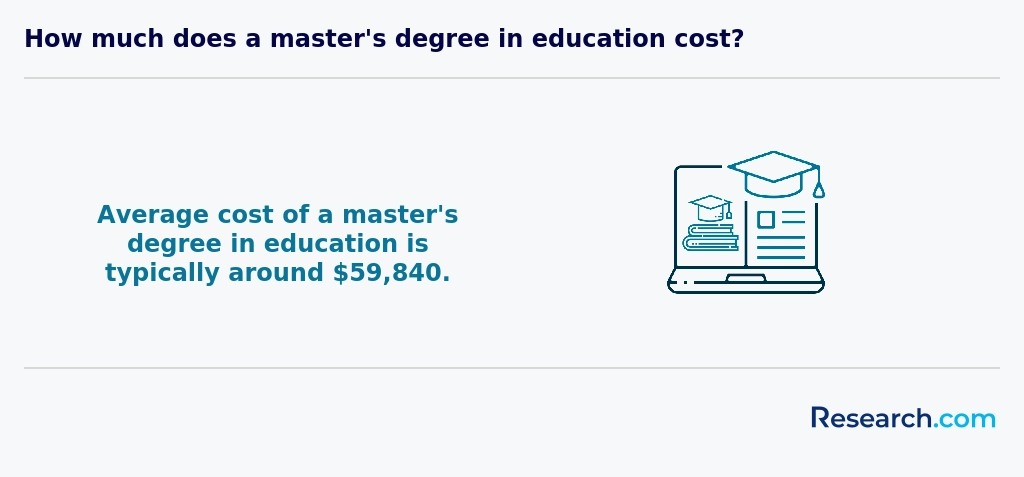
The average cost of pursuing an online educational technology degree in the South reflects a balance between affordability and quality. Median total costs usually hover around $17,850, with in-state students paying approximately $13,546 and out-of-state students closer to $29,663. These figures illustrate that many Southern universities strive to offer accessible options for those seeking an affordable online master's in educational technology Southern US.
Graduates from various popular Southern institutions often remark on the value they received, appreciating how their investments aligned with career-ready skills and practical knowledge. Public universities, for example, typically provide more economical tuition rates, making it feasible for many students to advance their education without overwhelming financial strain. This financial accessibility allows dedicated educators to confidently build their expertise in real classroom applications.
Additionally, students benefit from programs accredited by regional bodies such as the Southern Association of Colleges and Schools Commission on Colleges, ensuring rigor and maintaining eligibility for federal aid. Many alumni recall receiving substantial support through scholarships and assistantships, which alleviate costs significantly, making the prospect of earning an online degree more emotionally encouraging and realistic.
Prospective learners are advised to explore specific program details, including fees for materials or technology. Understanding these nuances alongside the technology in education definition helps clarify the full scope of commitment involved in earning a degree amid a cost-conscious environment.
What financial aid is available to online educational technology degree students in the South?
Students pursuing online educational technology degrees in the South benefit from a variety of financial aid options that alleviate tuition costs. Many graduates recall applying for federal aid through the FAFSA, which unlocked access to Direct Unsubsidized Loans and GradPLUS Loans featuring manageable interest rates and repayment plans tailored to working adults.
State-based programs further enhance affordability. For instance, scholars attending Florida State University have accessed state grants designed for education technology fields, while Texas students often leverage the Texas Higher Education Coordinating Board's loan repayment initiatives. These targeted supports provide significant relief for those committed to advancing in this growing sector.
Universities like the University of Alabama regularly award merit- and need-based scholarships to online learners balancing studies with professional responsibilities. Graduates frequently emphasize how such assistance made continued education feasible without sacrificing financial stability. Additionally, employer tuition reimbursement programs offer vital support, enabling professionals to enhance credentials while maintaining employment.
Private scholarships through organizations such as the International Society for Technology in Education also supplement funding, empowering ambitious students to pursue innovative graduate research within educational technology.
What are the prerequisites for enrolling in online educational technology degree program in the South?
Enrolling in an online educational technology degree in the South typically requires applicants to hold a bachelor's degree from an accredited institution. Many Southern universities, such as those popular in states like Georgia and North Carolina, prefer candidates with backgrounds in education or instructional design, though diverse academic experiences are often welcomed. Graduates from these programs frequently share how meeting these academic prerequisites gave them confidence to engage deeply with course material.
A minimum undergraduate GPA around 2.75 to 3.0 is commonly expected. For instance, accepted students at Southern public universities recall how their GPA and relevant work experience helped them secure admission even when standardized tests like the GRE were waived. Some programs request GRE scores but often offer flexibility for applicants with strong professional or academic credentials.
Applicants must usually submit official transcripts, recommendation letters, a statement of purpose, and a resume or CV showcasing relevant skills. Those with experience integrating technology in classrooms report this practical background made their applications more compelling. Such requirements ensure students from the South are well-prepared to succeed in the dynamic field of educational technology.
What courses are typically in online educational technology degree programs in the South?
Online educational technology degree programs in the South typically include a comprehensive curriculum designed to prepare students for the dynamic demands of modern education. Graduates from reputable institutions often highlight courses such as Instructional Design and Development, which equips them with skills to create engaging digital learning experiences tailored to diverse classrooms.
Other essential courses include Learning Theories and Technologies, helping students understand the intersection of pedagogy and technology, and Educational Media and Production, where they develop and critique digital content for effective teaching.
Students also benefit from classes like Technology Integration in Schools, offering practical strategies to implement tech solutions in both K-12 and higher education settings. Data-Driven Decision Making fosters the ability to analyze educational data for informed instructional improvements, a valuable skill praised by graduates from notable Southern colleges.
Additionally, courses on eLearning and Online Course Development provide hands-on experience building virtual classrooms, while Exploring Emerging Technologies exposes students to innovations such as AI and virtual reality, enhancing their readiness to lead in evolving educational landscapes.
What types of specializations are available in online educational technology degree programs in the South?
Online educational technology specializations in the South include a broad range of focused areas designed to meet diverse career goals. Popular concentrations include Instructional Design and Technology, where graduates gain expertise in crafting engaging digital learning materials and evaluating educational effectiveness. Educational Leadership and Technology Integration prepares students to spearhead technology initiatives within schools or districts, often highlighted by graduates from institutions like the University of Florida. Learning Analytics and Data Management has become increasingly vital, empowering students to utilize data for improving learning outcomes and institutional strategies.
Additional southern region educational technology degree concentrations often cover Distance Education and E-Learning, focused on managing virtual classrooms, and Multimedia and Instructional Development, which involves creating dynamic, interactive content. Graduates from the University of North Carolina system often praise the practical relevance of these tracks, noting how they feel confident stepping into roles that demand cutting-edge skills. Those looking for accelerated paths can explore the fastest master's degree in instructional design online, a route chosen by many aiming for swift advancement in this expanding field.
How do you choose the best online educational technology degree in the South?
When selecting an online educational technology degree in the South, accreditation is paramount. Graduates from prominent Southern universities emphasize how SACSCOC accreditation ensured their credits transferred smoothly or qualified them for advanced roles. Additionally, consider whether the curriculum offers training aligned with evolving digital tools and instructional design relevant to your career path. Many students appreciate programs that blend theory with real-world applications, reflecting the focus on current trends in affordable online educational technology degrees in the South.
Cost efficiency is critical; Southern institutions often provide quality programs under $12,000, making education accessible without sacrificing depth. Flexible scheduling, especially fully asynchronous options, allows working professionals to engage comfortably without campus visits. Graduates frequently highlight how hybrid models at popular Southern colleges balanced hands-on experience with flexibility.
Faculty expertise and comprehensive student support also differentiate top programs. Experienced instructors with robust educational technology backgrounds inspire confidence and foster growth. For detailed program comparisons and additional guidance on selecting the right path, consider exploring the online master's in education to find the best accredited online educational technology programs southern US offers.
What career paths are available for online educational technology degree students in the South?
Graduates with an online educational technology degree in the South have access to diverse career opportunities with online educational technology degree in the South that integrate education and technology leadership. Common roles include Instructional Coordinator, who develop and implement instructional materials for schools in Texas, Florida, and Georgia, enhancing blended and remote learning experiences. Educational Technology Specialists or Learning Technologists support digital platforms and train staff within universities and corporations, reflecting the growing use of learning management systems reported by Southern institutions.
Many graduates pursue roles as Instructional Designers, creating engaging digital course content for higher education or corporate clients, often working independently or in-house. Those aiming for leadership positions may become Educational Technology Directors responsible for district-wide technology strategy, budgeting, and innovation. Additional paths include academic technology support specialists and corporate training developers, ensuring graduates find fulfilling roles aligned with job prospects for educational technology graduates in southern US.
Those considering such careers can find affordable programs at institutions like the University of Florida or University of North Carolina. For students seeking an easy online degree education, these universities provide competitive, accessible options that encourage success and professional growth.
What is the job market for online educational technology degree in the South?
The job market for online educational technology degree graduates in the South is notably strong, driven by regional demand for digital learning solutions. Graduates from well-regarded institutions such as the University of North Carolina and Florida State University report smooth transitions into roles focused on instructional design, technology integration, and educational program development. These professionals are highly sought after in K-12 schools, universities, and corporate training environments throughout Southern cities like Atlanta and Dallas.
For students considering career prospects, the career outlook for educational technology degrees Southern US remains positive, with steady growth fueled by increasing investments in hybrid and remote learning platforms. Graduates often express enthusiasm about contributing to innovative educational projects while enjoying competitive salaries typically ranging from $55,000 to $75,000, depending on experience and location.
Prospective students looking for cost-effective programs can explore affordable options with average tuition from $10,000 to $25,000. Many benefit from flexible schedules offered by universities such as Georgia Tech. Those interested in accelerating their education might consider masters in education online 1 year programs to quickly enter this expanding job market.
Frequently Asked Questions About educational technology
Students pursuing online educational technology degrees in the South can maximize their learning by actively engaging with interactive course materials and participating in virtual discussions. Research from the Southern Regional Education Board highlights that programs with high student interaction see a 20% increase in completion rates. Utilizing regional professional networks, such as the Texas Distance Learning Association or the Georgia Educational Technology Consortium, helps build connections and gain insights specific to Southern educational environments.
Careful time management is essential; Southern online students benefit from structured scheduling amid diverse work and family commitments. Access to local state resources and virtual tutoring can further support academic success in these programs.
The field of educational technology is rapidly evolving, with several emerging niches offering new opportunities for professionals. One key area is adaptive learning systems, which use data analytics to personalize educational experiences. This technology is gaining traction in Southern universities adapting to diverse student needs.
Another growing niche involves virtual and augmented reality tools for immersive learning environments. Institutions in the South are increasingly integrating these technologies to enhance engagement in both K-12 and higher education sectors.
Additionally, the demand for specialists in data privacy and cybersecurity within educational platforms is rising, reflecting national trends noted by EDUCAUSE reports. These niches reflect the expanding role of technology in education across the Southern US.
After earning an online educational technology degree in the South, it is important to align your skills with local job market demands. According to the U.S. Bureau of Labor Statistics, employment in educational technology roles is growing by about 7% annually in Southern states. Focus on gaining practical experience through internships or projects related to instructional design and learning management systems, which are highly valued by Southern school districts and universities.
Networking with professionals via local educational technology associations can open pathways to employment. Additionally, consider obtaining certifications like the Certified Educational Technology Leader (CETL) to boost credibility. Staying current with regional education technology trends and attending Southern-focused conferences is also beneficial for your career preparation.
Employers in the South seeking graduates with online educational technology degrees prioritize a variety of skills to meet evolving educational challenges. Technical proficiency with learning management systems (LMS) like Canvas or Blackboard ranks highly. According to the Southern Regional Education Board, 78% of education employers emphasize adaptability in integrating new digital tools.
Strong instructional design abilities are essential, especially in creating engaging, accessible content for diverse learners. Data analysis skills to assess educational outcomes are increasingly valued as well.
Effective communication and project management skills frequently appear in regional job listings for educational technologists. These blend technical and soft skills to support both educators and students in digital environments.
Finding internships in the South relevant to an educational technology degree starts with leveraging university career centers, which often have partnerships with local school districts and ed-tech companies. Students should explore connections at institutions like the University of North Carolina's School of Education or the University of Georgia, known for strong educational technology programs.
Many Southern states, including Texas and Florida, host growing ed-tech markets with companies seeking interns familiar with digital learning tools. Websites like Handshake and internships.com list regional opportunities specifically related to educational technology. Networking through professional organizations such as the Southern Regional Education Board (SREB) can also provide valuable leads.
According to the National Center for Education Statistics, over 60% of Southern institutions offering education degrees incorporate internship placements, increasing hands-on experience. Internships in local K-12 schools or community colleges provide practical skills and build connections crucial for future employment in this field.
Obtaining an online educational technology degree significantly enhances career mobility and advancement opportunities in the Southern United States. According to the Southern Regional Education Board, demand for educational technology specialists is projected to grow by nearly 12% through 2030 in this region. This growth is fueled by increasing integration of digital tools in classrooms and corporate training.
Graduates with such degrees often qualify for roles like instructional coordinator, technology integration specialist, and e-learning developer, which typically offer higher salaries and leadership potential. The flexibility of online programs also allows professionals to balance ongoing employment while upskilling.
Moreover, many Southern school districts and universities actively seek candidates with expertise in educational technology to improve learning outcomes. This preference boosts hiring chances and promotes upward mobility within education and corporate sectors.
Studying for an educational technology degree online in the South equips students with skills valued across multiple fields such as education, design, and information technology. Southern universities emphasize practical application, combining pedagogy with technology integration that prepares learners for roles in curriculum development, corporate training, and instructional design.
According to the U.S. Bureau of Labor Statistics, roles related to educational technology are projected to grow by 10% in the Southern states by 2030. Programs often encourage collaboration with fields like psychology and communications, enhancing versatility. This interdisciplinary focus ensures graduates can adapt to diverse work environments beyond traditional classrooms.
Courses typically cover data analysis, multimedia tools, and user experience design, reflecting industry demands. Many institutions partner with local schools and businesses, offering hands-on projects that strengthen real-world problem-solving-key for interdisciplinary success.
Choosing between a thesis and a non-thesis educational technology degree in the South depends largely on your career goals and learning preferences. Thesis programs emphasize research, requiring a formal, original project, which suits those aiming for doctoral studies or R&D roles. Non-thesis tracks focus more on practical skills and coursework, appealing to professionals seeking immediate application in schools or corporate settings. According to the Southern Regional Education Board, many Southern universities offer both options, with non-thesis degrees often completed faster and costing less.
Data from the National Center for Education Statistics shows an increasing number of Southern students prefer the non-thesis route for faster entry into the job market.
Students in the Southern United States interested in studying educational technology abroad have limited direct options through US-based programs, as most offerings focus on domestic online degrees. However, several Southern universities maintain partnerships with international institutions, enabling students to participate in exchange or joint online programs while completing degrees from their home university.
According to the National Center for Education Statistics, less than 5% of Southern graduate students in educational technology pursue international study, partly due to the strong presence of affordable online master's programs locally. Institutions such as the University of Florida and the University of Georgia provide some international virtual collaboration opportunities within their curricula.
For those seeking purely foreign degree credentials, students must typically enroll directly in international universities or use private providers outside US accreditation, which can carry risks related to credit transfer and financial aid eligibility.
Part-time job opportunities in the South that complement educational technology degrees often include roles such as instructional designers, e-learning developers, and technology support specialists. Many K-12 schools and community colleges in southern states like Texas, Florida, and Georgia seek part-time professionals to help integrate digital tools into classrooms, reflecting the region's increasing investment in educational technology. According to the Southern Regional Education Board, demand for instructional technology roles is expected to grow by 8% through 2028. These roles provide practical experience with learning management systems and multimedia content development.
Additionally, tutoring companies and online education platforms based in the South frequently hire part-time staff with expertise in educational technology to assist in course design and delivery. These jobs offer valuable hands-on opportunities to apply theoretical knowledge while building a professional portfolio that supports future full-time employment.
Online educational technology students in the South benefit from a range of networking opportunities designed to enhance their learning and career prospects. Many Southern universities offering online degrees invite students to join virtual student organizations and LinkedIn groups focused on educational technology. These platforms enable interaction with peers, alumni, and professionals.
Additionally, organizations such as the Southern Regional Education Board (SREB) host webinars and conferences that online students can attend remotely. According to the National Center for Education Statistics, Southern states report strong growth in educational technology programs, increasing access to active professional networks.
Alumni networks offer significant benefits to online educational technology degree students in the South. Through these networks, students gain access to a broad community of professionals working in K-12 schools, universities, and ed-tech companies regionally.
Many Southern institutions report that active alumni groups help recent graduates find job opportunities quicker. For example, surveys from the Southern Regional Education Board highlight that 60% of graduates secure positions through alumni referrals.
Networking events and online platforms linked to alumni provide students with mentorship, industry insights, and collaboration prospects. This support helps students navigate careers in a rapidly evolving educational technology landscape.
Customizing an online educational technology degree in the South allows students to align their studies with specific career goals. Many Southern universities offer concentrations such as instructional design, administration, or digital learning that cater to diverse professional paths. According to the Southern Regional Education Board, over 70% of online programs in the region provide electives tailored to skills like multimedia development or educational leadership.
Students can also select practicum experiences or capstone projects based on preferred industries, from K-12 to corporate training. Advisors often help tailor course loads, ensuring relevance to local job markets, which are growing as schools and businesses increasingly utilize technology for training and education.
Online educational technology students in the South often face challenges related to reliable internet access. According to the Federal Communications Commission (FCC), approximately 22% of rural households in Southern states lack high-speed internet, affecting timely participation in coursework. Additionally, many students juggle work and family obligations, which can limit study time and increase stress.
Limited access to local technical support and networking opportunities is another issue. Unlike on-campus programs, online learners may struggle to connect with peers and faculty, which impacts collaboration and professional growth. Financial concerns also persist, as some Southern students find it difficult to secure funding or scholarships for online degrees.
With an online educational technology degree, professionals can pursue several respected certifications that enhance career prospects in the South. Popular options include the Certified Educational Technology Leader (CETL) credential, offered by the International Society for Technology in Education (ISTE). CETL is widely recognized for validating expertise in technology integration and leadership in education.
Another option is the Google Certified Educator program, which helps educators demonstrate proficiency with Google tools commonly used across Southern schools. Additionally, professionals may seek Project Management Professional (PMP) certification, valuable for managing educational technology projects.
These credentials typically improve job opportunities and salary potential within the region's growing EdTech sector, which the Southern Regional Education Board notes is expanding at a 4% annual rate.
Writing a winning application for an online educational technology program in the South requires clear focus and preparation. Applicants should highlight their experience with digital tools and instructional design, which are essential skills in this field. Strong letters of recommendation from academic or professional contacts familiar with your tech and teaching abilities improve credibility.
Many Southern universities, including those in Florida and Georgia, emphasize practical experience combined with academic success. Be sure to include a concise statement of purpose that outlines your career goals and why an online program fits your needs.
Official transcripts reflecting a solid GPA are required; the average GPA for accepted students in Southern online programs often exceeds 3.0. Finally, demonstrate awareness of current educational technology trends by referencing sources like the Southern Regional Education Board (SREB) data.
The career outlook for educational technology professionals is strong, reflecting global trends that emphasize digital learning and innovation. In the U.S., and particularly in the South, institutions are increasingly investing in online learning platforms, driving demand for skilled educational technologists.
According to the Southern Association of Colleges and Schools Commission on Colleges, many Southern universities expand online education programs, signaling opportunities for graduates in this field. Nationally, the Bureau of Labor Statistics projects a 7% growth in instructional coordination jobs from 2021 to 2031, which includes educational technology roles.
Globally, educational technology is crucial for expanding access and enhancing learning outcomes. Although the U.S. leads in technological adoption in schools, international cooperation and exchange help shape best practices, making the career path dynamic and globally relevant.
Gaining practical experience while pursuing an online educational technology degree in the South is essential for career readiness. Many Southern universities integrate virtual internships and practica into their programs, allowing students to work directly with local schools or education technology companies. For instance, programs in states like Georgia and North Carolina often partner with K-12 districts to provide hands-on experience.
Students can also engage with simulation tools designed to mimic real-world educational technology challenges, which some Southern institutions have adopted to enhance learning.
Research from the Southern Regional Education Board highlights that nearly 70% of educational technology students in the South benefit from these applied learning opportunities.
When choosing a concentration within an online educational technology degree in the South, start by assessing your career goals. Many Southern programs offer concentrations like instructional design, e-learning development, or educational leadership. Each focuses on different skills, from creating digital content to managing technology in schools.
Consider the job market in your state. According to the Southern Regional Education Board, states like Texas and Florida have growing demand for instructional coordinators who often hold educational technology degrees. Salary ranges and employment rates vary by concentration and location.
Finally, review program curriculum carefully. Look for concentrations with hands-on projects, relevant software training, and alignment with current educational technology trends.
Top Trending Educational Technology Rankings
References
- How to strengthen your school’s network by integrating alumni | Edusign https://edusign.com/blog/how-to-strengthen-your-schools-network-by-integrating-alumni
- Best Online Educational Technology Courses & Programs | edX https://www.edx.org/learn/educational-technology
- Educational Technology Certificate | York College of Pennsylvania https://www.ycp.edu/academics/programs/educational-technology-pk-12-certificate
- How to Choose a Concentration for Your Master of Education 3 Questions to Consider https://www.aiuniv.edu/degrees/education/articles/how-to-choose-an-education-specialization
- Know more about thesis vs non- thesis: what is the difference? https://studyfans.com/en/blogs/816
- Promising Niches in the Global EdTech Landscape - Blog https://rocketech.it/blog/post/global-edtech-landscape-what-niches-are-the-most-promising
- Educational Technology Master's Degree: 12 Top Programs https://www.notion4teachers.com/blog/educational-technology-masters-degree-programs
- Cengage Group Logo https://www.cengagegroup.com/careers/
- The 10 Biggest Challenges in Education Technology & How to Overcome Them | LEAD Group https://leadschool.in/blog/greatest-challenges-of-education-technology/
- Education Technology Internships to Jumpstart Your Career https://2u.com/careers/internships/