2027 Fastest Online Master's in Educational Leadership Degree Programs Ranking in Wisconsin

Co-Founder and Chief Data Scientist
For aspiring educational leaders in Wisconsin, finding the right online master's program is a crucial step toward advancing your career. This article presents the 2027 Fastest Online Master's in Educational Leadership Degree Programs Ranking in Wisconsin, developed by the Research.com team of data scientists.
This ranking offers clear, data-backed insights to help you identify top programs that fit your needs and schedule. Pursuing an educational leadership degree can open doors to meaningful work and leadership roles in schools and communities.
Explore these options to make a confident, informed decision about your future.
Key benefits of getting online educational leadership degree in Wisconsin
- Graduates with an educational leadership degree in Wisconsin can expect competitive salaries in related careers, such as school principals, where national averages range from $90,000 to $115,000 annually, reflecting rewarding financial prospects.
- Career paths often include roles in school administration, curriculum coordination, and educational consultancy, as seen with graduates from the University of Wisconsin-Madison, providing diverse opportunities to make a meaningful impact.
- Online degrees from institutions like the University of Wisconsin-Extension offer flexibility for working professionals, allowing graduates to balance studies with personal life while gaining relevant leadership skills faster than traditional programs.
- 2027 Fastest Online Master's in Educational Leadership Degree Programs Ranking in Wisconsin
- What can I expect from online educational leadership degree in Wisconsin?
- Where can I work with online educational leadership degree in Wisconsin?
What can I expect from online educational leadership degree in Wisconsin?
The average cost of an online educational leadership degree in Wisconsin typically ranges between $15,000 and $30,000 for the entire program. Graduates from well-known institutions in the state, such as the University of Wisconsin system schools, often praise the affordable tuition combined with financial aid opportunities that make their education accessible without overwhelming debt.
Many students report spreading payments over multiple semesters or benefiting from employer tuition reimbursements. This financial flexibility allows working educators to pursue leadership roles without sacrificing current income. For example, graduates who balanced full-time teaching jobs with part-time studies highlight how cost-effective programs at state universities supported their career growth.
Additionally, programs aligned with Wisconsin's Department of Public Instruction requirements ensure that every credit is meaningful, saving students from paying for unnecessary courses. This focused curriculum helps reduce total expenses and accelerates time to licensure, leading to quicker job readiness and salary increases in leadership positions.
Where can I work with online educational leadership degree in Wisconsin?
Graduates with an online educational leadership degree from institutions like the University of Wisconsin or Walden University find rewarding career options across Wisconsin's education sector. Many step into K-12 public school administration, taking on roles such as principals or curriculum coordinators in districts from Milwaukee to small rural towns. These positions offer a chance to directly shape student success and community development.
Others pursue leadership jobs in private or charter schools, where they apply skills in ethics and policy to improve academic programs and school culture. Graduates often share how their training made them confident to lead diverse teams and manage complex school operations effectively.
Higher education is another promising path. Alumni working in University of Wisconsin campuses mention roles in student services or academic administration that empower them to enhance faculty support and student engagement on a larger scale.
Additionally, educational leaders often find fulfilling positions in government agencies or nonprofits focused on education policy and program evaluation. Their work contributes to statewide improvements, which many describe as both challenging and deeply satisfying.
Graduates of online educational leadership programs in Wisconsin often step into roles with competitive salaries that reflect their advanced skills and responsibilities. For instance, many who complete degrees at well-regarded institutions like the University of Wisconsin or Marquette University report starting salaries around $70,000 to $95,000 as assistant principals or curriculum directors. These positions offer a solid financial foundation as these roles are crucial in shaping school policies and student success.
For school principals, who typically hold educational leadership degrees, the median annual wage in Wisconsin is about $101,000, according to Wisconsin's education sector reports. Graduates often share that earning a master's degree enhances their starting salary and opens opportunities for higher pay, especially in urban districts like Milwaukee or Madison where budgets and cost of living support increased wages.
Many graduates emphasize the value of additional certifications and continuing education, which Wisconsin districts reward with salary boosts. This means that actively pursuing professional growth after earning your degree can lead to steadily increasing income and more fulfilling leadership roles within schools.
- Online educational leadership programs in Wisconsin prepare students for roles like school principals and district administrators, meeting state licensure requirements.
- Tuition costs at public universities range from $12,000 to $20,000, while private universities may charge over $30,000, with in-state tuition breaks often available.
- Entry-level educational leaders in Wisconsin earn about $65,000 annually, with experienced professionals making upwards of $90,000 and the median principal salary around $90,500.
- The job market for education administrators in Wisconsin is expected to grow about 4% over the next decade, reflecting stable demand for leadership roles.
- Online programs offer flexible scheduling for working professionals and provide networking opportunities with local and state education agencies to support career growth.
Completing an online educational leadership degree in Wisconsin generally takes between one and three years, depending on whether you attend full-time or part-time. Many graduates from University of Wisconsin system schools share how balancing work and family was manageable thanks to flexible pacing options. Full-time students often finish in about two years, enjoying a steady but intensive schedule that keeps momentum high.
Part-time students, on the other hand, may take closer to three years, which allows them to carefully juggle career responsibilities without feeling overwhelmed. Programs typically require 30 to 36 credit hours, incorporating internships and capstone projects that make the learning practical and directly applicable to school leadership roles.
Several students highlight that using transfer credits and taking advantage of accelerated summer courses helped them reduce their completion time significantly. If you're cautious about time commitment yet eager to grow professionally, Wisconsin's flexible program structures from popular universities offer a realistic path that matches your unique pace and life demands.
Online educational leadership degrees in Wisconsin offer unmatched flexibility, perfect for working professionals or busy parents. Graduates from programs at the University of Wisconsin-Madison often mention how asynchronous classes allowed them to balance coursework with demanding jobs, while live discussions connected them to peers despite different schedules.
In contrast, on-campus programs like those at Cardinal Stritch University provide face-to-face interaction that builds strong professional networks through group projects and campus events. Students value having immediate access to faculty and local education resources, which can enhance hands-on leadership skills.
Cost is another difference: online degrees often reduce expenses related to commuting and housing but watch for additional technology fees. On-campus learners incur those travel costs but benefit from campus facilities and proximity to internship opportunities in nearby Wisconsin districts.
Both formats require in-person internships, so online students need to proactively arrange local placements, especially outside urban areas. Choosing between formats depends on your lifestyle and how you want to engage with Wisconsin's educational leadership community.
The average cost of an online educational leadership degree in Wisconsin typically centers around $26,880, reflecting a median total cost that balances in-state and out-of-state tuition. Graduates from popular programs at universities like the University of Wisconsin-Madison appreciate the manageable tuition paired with flexible course delivery. These programs usually charge between $600 and $850 per credit hour for in-state students, with total credit requirements ranging from 30 to 36 hours, allowing students to plan their budgets effectively without unexpected surprises.
Students pursuing a Wisconsin online educational leadership degree tuition and fees benefit from supporting factors such as scholarships, employer tuition reimbursements, and state financial aid. Graduates often share how these resources made a significant difference in easing financial pressure, helping them focus on coursework and leadership development. For example, one graduate described the relief of combining lower per-credit costs with employer assistance, making the journey financially feasible while advancing their career.
When planning for costs, it's crucial to consider additional fees for technology and course materials, which can add several hundred dollars per semester but are generally transparent upfront. Candidates can set themselves up for success by comparing tuition rates across institutions and exploring financial aid offers.
Those interested in broader outcomes will find value in exploring what can you do with a master's in education leadership, ensuring the investment is aligned with career goals and potential growth. Wisconsin's competitive pricing offers an attractive option for those seeking an accessible yet comprehensive educational leadership degree online.
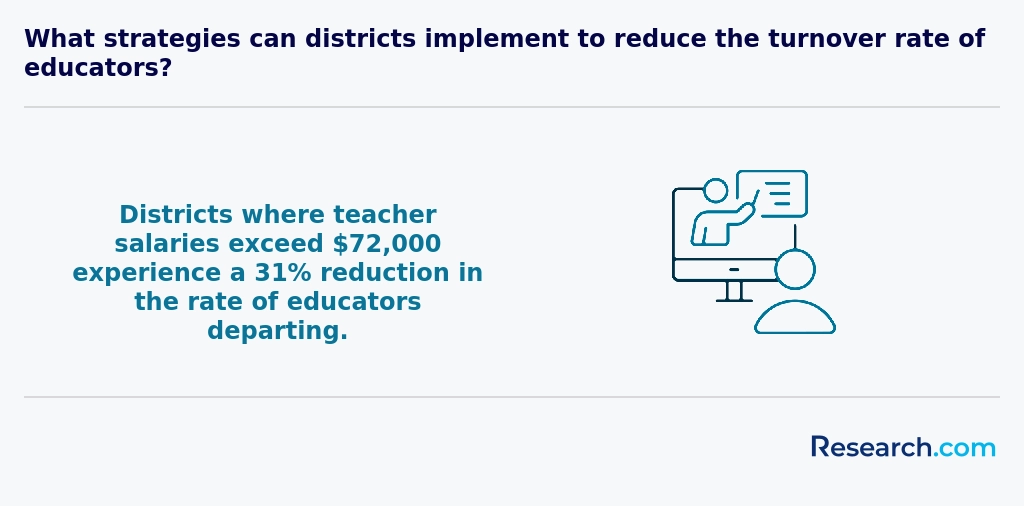
Online educational leadership students in Wisconsin often benefit from federal financial aid like Pell Grants and Federal Direct Loans, including subsidized and unsubsidized options. For example, a graduate from the University of Wisconsin-Madison found the $20,500 maximum unsubsidized loan per academic year crucial to managing tuition while working full-time. Completing the FAFSA early is essential to accessing these funds.
State aid also plays a vital role. The Wisconsin Higher Education Grant helps in-state residents with demonstrated financial need, offering up to about $4,570 annually. Students at institutions like Edgewood College have successfully combined WHEG with university scholarships to ease financial burdens.
Many universities in Wisconsin provide institutional scholarships and assistantships targeted at educational leadership students. Graduates from Marquette University often highlight merit-based awards and leadership scholarships that recognize both academic promise and professional potential.
Working professionals should explore employer tuition reimbursement programs, which can cover a substantial portion of costs and lessen debt. Additionally, private scholarships from organizations like the Wisconsin Association of School District Administrators provide extra funding opportunities tailored for those advancing in education leadership careers.
To enroll in an online educational leadership degree program in Wisconsin, you generally need a bachelor's degree from an accredited institution, preferably in education or a related field. For example, graduates from programs at universities like the University of Wisconsin-Madison often entered with an education background, but some came from other fields if they had relevant work experience.
Most programs require professional experience in education. This usually means holding a valid Wisconsin teaching license and having three or more years of classroom or education-related work. Many graduates share how demonstrating this experience made them confident in handling leadership challenges during their studies.
Applicants often submit standardized test scores such as the GRE; however, some schools are adopting test-optional policies, easing the admission process. Including a personal statement and letters of recommendation helps showcase leadership potential, a key factor highlighted by alumni from schools like Marquette University.
Meeting these prerequisites ensures you're prepared for roles in school administration and align with Wisconsin Department of Public Instruction standards.
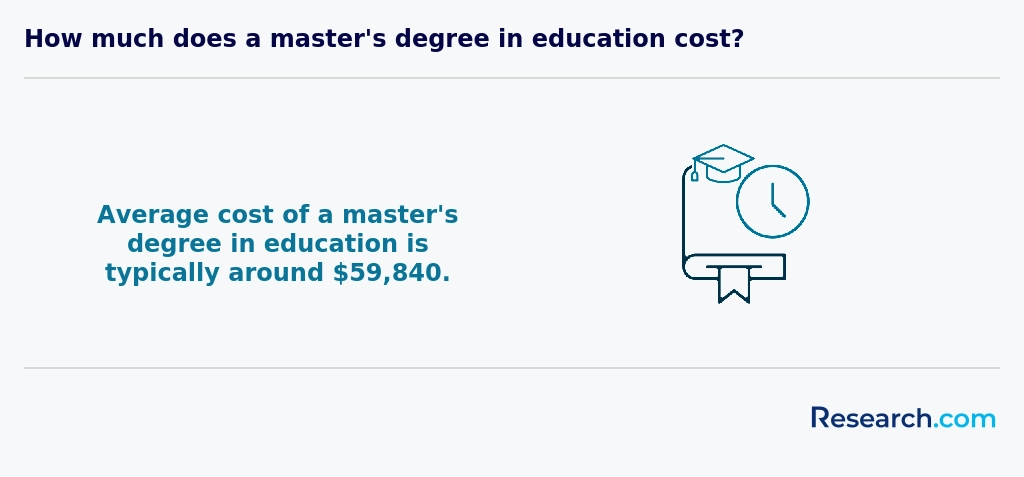
Online educational leadership degrees in Wisconsin typically include courses that build practical skills for real-world challenges in K-12 and higher education settings. Graduates from popular programs at universities like the University of Wisconsin-Madison share how courses such as School Law and Ethics helped them confidently navigate legal challenges and policy enforcement on the job.
Many students find courses like Educational Finance and Resource Management invaluable when managing school budgets or advocating for funding. These classes teach clear strategies for handling finances, ensuring leaders make informed decisions that directly impact students and staff.
Courses in Organizational Change and Innovation prepare candidates to lead initiatives effectively, whether launching new programs or improving existing practices, a skill highly praised by graduates from Wisconsin's notable colleges.
Instructional Leadership and Data-Driven Decision Making emphasize enhancing teaching quality and using educational data to guide improvements, giving students practical tools to foster meaningful progress in their schools.
These hands-on courses align with Wisconsin's licensure standards, ensuring graduates feel ready and confident to lead with impact in their communities.
Online educational leadership degrees in Wisconsin commonly include several practical specializations that prepare graduates for diverse roles in education. Many students choose school administration to gain skills in managing operations and policies at K-12 schools, a path popular among graduates from the University of Wisconsin system. Others prefer curriculum and instruction leadership, focusing on improving student outcomes through innovative teaching strategies, which often appeals to those affiliated with private Wisconsin colleges.
For those pursuing leadership in higher education, specializing in administration provides expertise in overseeing student affairs and institutional planning, aligning well with career goals of managing colleges and universities within the state. Graduates report enthusiasm for special education leadership, where they learn to navigate compliance and advocate effectively for students with disabilities in Wisconsin's schools.
Additionally, educational technology leadership is increasingly relevant, especially as digital tools reshape classrooms. Choosing a specialization tied to career goals and licensing requirements is crucial. Wisconsin students explore options through public universities known for strong accreditation and frequently consider the fastest teacher leadership masters degree programs to advance more quickly in their careers. This focus helps connect education to Wisconsin's evolving needs.
When choosing the best online educational leadership degree Wisconsin offers, start by verifying regional accreditation, such as from the Higher Learning Commission, which ensures quality and eligibility for Wisconsin state licensure. Graduates from well-known programs report that aligning coursework with Wisconsin Department of Public Instruction standards, especially those that prepare for administrative licensure, helped them confidently advance in K-12 leadership roles. Many find that programs offered by respected universities provide comprehensive curricula covering education law, school finance, and instructional leadership, complemented by practical internships within local school districts.
Affordability is key; look for affordable online educational leadership programs Wisconsin residents favor, often public universities with lower in-state tuition. Students have appreciated flexible online formats offering asynchronous classes, which fit busy schedules, along with strong support services. To deepen your understanding of leadership pathways, consider exploring an online doctorate in education administration, which some Wisconsin graduates found instrumental in expanding their career opportunities.

Graduates with an online educational leadership degree in Wisconsin have several viable career paths to consider. Many step into roles such as school principal or assistant principal, where they manage staff, address disciplinary issues, and work directly to improve student outcomes. For example, graduates from popular institutions like the University of Wisconsin's online programs often share how hands-on leadership training prepared them to confidently navigate daily school operations.
Other graduates pursue positions as curriculum or instructional coordinators, developing educational programs aligned with state standards. These roles, in demand across Wisconsin school districts, offer a rewarding way to influence teaching quality and student success. Additionally, educational leadership graduates frequently find opportunities in district or state education agencies, focusing on policy implementation and compliance.
For those seeking career advancement, many appreciate flexible options by enrolling in online masters degree programs in educational leadership. This approach allows busy professionals to grow their skills while maintaining current roles in education. Overall, pursuing online educational leadership careers Wisconsin provides offers a clear path to meaningful leadership within the education system.
The job market for online educational leadership degree graduates in Wisconsin is strong, with steady demand for qualified school administrators and education leaders. Graduates from popular state universities often find roles such as school principals, district supervisors, and instructional coordinators in K-12 and higher education settings. Many share that balancing work while earning their degree online boosted their confidence and appeal to employers who value experienced professionals.
Wisconsin's requirement for a valid administrator license means that completing an accredited online program helps graduates meet state certification standards, opening doors to leadership positions statewide. Rural districts particularly welcome candidates, as they face shortages of qualified educational leaders, presenting great opportunities outside urban areas like Milwaukee or Madison. This dynamic creates a rewarding job outlook for those pursuing online educational leadership jobs Wisconsin.
Students considering this path should explore flexible options such as one year online masters degree programs in education to efficiently advance their careers while maintaining current roles. This strategy aligns well with Wisconsin's focus on professional development and leadership certification.
2027 Fastest Online Master's in Educational Leadership Degree Programs Ranking in Wisconsin
Investing in your education is a significant decision that can profoundly impact your career and personal growth. The Research.com team recognizes the importance of making well-informed choices, which is why we have carefully developed the "2027 Fastest Online Master's in Educational Leadership Degree Programs Ranking in Wisconsin." Our dedication to quality, credibility, and accuracy is demonstrated through rigorous research and comprehensive data analysis.
We utilized the following reputable data sources to ensure a thorough evaluation of online educational leadership programs:
By reviewing this ranking, readers will gain clear insights into the fastest programs available, enabling them to select the best fit for their educational goals efficiently. To learn more about how this ranking was compiled, please visit our Research.com methodology page.

# 2 position
University of Wisconsin-La Crosse
Master of Student Affairs Administration in Higher Education


Frequently Asked Questions About educational leadership
Students pursuing online educational leadership degrees in Wisconsin can enhance their learning by actively engaging with course materials and participating in virtual discussions. Research from the Wisconsin Department of Public Instruction emphasizes the importance of collaboration in leadership skill development.
Utilizing state-approved resources and connecting with local education leaders through virtual internships or networking opportunities can deepen practical knowledge. According to the National Center for Education Statistics, Wisconsin ranks above the national average in educational leadership programs, providing strong local support.
Time management and setting consistent study schedules are crucial for success in asynchronous courses. Additionally, seeking out faculty with experience in Wisconsin's education system ensures relevant insights related to state policies and standards.
Online educational leadership degrees in Wisconsin increasingly focus on emerging niches that reflect current trends in education. One key area is technology integration, where leaders guide schools in adopting digital tools effectively. According to the Wisconsin Department of Public Instruction, districts are prioritizing leaders skilled in managing virtual and hybrid learning environments.
Another growing niche is equity and inclusion leadership, emphasizing culturally responsive practices to support diverse student populations. Wisconsin's demographic changes challenge educational leaders to foster inclusive school cultures professionally.
Additionally, data-driven decision-making is crucial, as leaders use analytics to improve student outcomes. The state's emphasis on accountability and performance metrics makes this skill highly valued in leadership roles.
Leadership in mental health support programs is also expanding, responding to growing awareness of student well-being in Wisconsin schools.
After completing an online educational leadership degree in Wisconsin, preparing for the job market involves several key steps. First, candidates should obtain Wisconsin's educational leadership license, required for most administrative roles in K-12 schools. This process typically includes passing the Wisconsin Administrator Exam and meeting state experience requirements.
Networking within local school districts is crucial. According to the Wisconsin Department of Public Instruction, nearly 20% of school administrators find jobs through professional contacts. Joining organizations like the Wisconsin Association of School District Administrators can provide valuable connections.
Additionally, building a strong resume that highlights leadership skills and relevant internships or practicum experiences gained during the program can increase employability. Staying informed about job openings through state education boards and local district websites is also recommended.
Employers in Wisconsin prioritize several key skills when hiring graduates with online educational leadership degrees. Strong communication and interpersonal abilities rank highly, as leaders must collaborate effectively with staff, students, and parents. Wisconsin school districts also value data-driven decision-making skills, enabling leaders to improve student outcomes based on measurable evidence. Budget management and resource allocation are important for running efficient programs, especially in districts facing funding challenges.
Leadership and change management abilities are essential, particularly given ongoing shifts in education policy. According to the Wisconsin Department of Public Instruction, successful candidates demonstrate a clear vision for inclusive and equitable school environments. Familiarity with state education laws and regulations further strengthens a graduate's candidacy in Wisconsin's competitive job market.
Finding internships in Wisconsin relevant to an educational leadership degree involves targeted research and networking. Start by exploring local school districts, as many offer administrative internships aligned with leadership programs. According to the Wisconsin Department of Public Instruction, districts like Milwaukee, Madison, and Green Bay frequently provide such opportunities.
Contact universities offering educational leadership programs; they often share internship openings with enrolled students. Additionally, professional organizations such as the Wisconsin Association of School District Administrators (WASDA) can connect candidates with internships and mentorships.
Online internship databases, including Handshake and the Wisconsin Education Career Access Network, list available positions that often suit those pursuing leadership roles. Early application is recommended, since demand for internships in educational leadership can be competitive across the state.
In Wisconsin, obtaining an online educational leadership degree significantly enhances career mobility within the education sector. According to the Wisconsin Department of Public Instruction, educational leadership roles such as principals and district administrators are in steady demand, with job growth expected to rise by 6% through 2030.
An online degree offers flexibility for working educators seeking to advance without interrupting their careers. It also provides the necessary credentials to meet Wisconsin's licensure requirements for school leadership positions.
Data from the U.S. Bureau of Labor Statistics show that individuals with master's degrees in educational leadership earn a median salary approximately 20% higher than those without. This degree can open doors to leadership roles in public and private schools across Wisconsin, increasing both responsibility and earning potential.
Studying for an educational leadership degree in Wisconsin equips students to handle interdisciplinary roles by integrating knowledge from education, management, and community engagement. Programs often emphasize collaboration across various sectors such as healthcare, social services, and business to address complex educational challenges. According to the Wisconsin Department of Public Instruction, leadership candidates develop skills in policy analysis, organizational behavior, and equity, which are essential in diverse settings.
The curriculum typically incorporates training in communication, data-driven decision making, and ethics. This broad approach prepares graduates to work effectively with professionals from different fields, fostering a holistic educational environment that supports student success and community growth.
When choosing between a thesis and a non-thesis educational leadership degree program in Wisconsin, consider your career goals and personal learning preferences. Thesis options often appeal to students aiming for research roles or doctoral studies, as they require completing a detailed research project. Non-thesis programs typically focus on practical leadership skills and coursework, fitting for professionals targeting administrative positions in schools or districts.
In Wisconsin, online educational leadership programs may vary in format. For example, the University of Wisconsin offers both options, aligning thesis programs with academic research interests. According to the Wisconsin Department of Public Instruction, strong leadership skills are critical for advancing in educational administration roles statewide.
Cost and time commitment are also important. Thesis tracks often take longer due to research requirements, while non-thesis tracks may allow for faster completion. Review program curricula carefully and consult academic advisors to align your choice with professional aspirations.
Students based in Wisconsin seeking to study educational leadership abroad often face limited direct options from U.S. institutions. Most online educational leadership programs for Wisconsin residents are offered domestically, ensuring alignment with state licensure requirements set by the Wisconsin Department of Public Instruction. However, some universities with global partnerships provide study-abroad components or international virtual collaborations that enrich the curriculum.
Wisconsin students interested in international perspectives may consider programs accredited by the Council for the Accreditation of Educator Preparation (CAEP), which often include global leadership standards. While fully online degrees with a study-abroad focus are rare, hybrid models might offer short-term overseas residencies.
According to the National Center for Education Statistics, Wisconsin awards numerous educational leadership degrees annually, but few involve formal overseas study, making online international options more accessible for flexible learning.
Part-time job opportunities in Wisconsin that complement an educational leadership degree often include roles such as teacher aides, substitute teachers, and administrative assistants in school districts. These positions provide practical experience in managing classrooms and understanding school operations, which align well with leadership training.
According to the Wisconsin Department of Public Instruction, school districts frequently seek substitute teachers, making it a flexible option for students balancing coursework. Additionally, working as a program coordinator for after-school or community education programs can develop organizational skills.
Positions in educational nonprofits or tutoring services also help build leadership and communication abilities relevant to district or school administration careers. These roles offer real-world contexts that reinforce academic learning in educational leadership programs.
Online educational leadership students in Wisconsin benefit from a variety of networking opportunities designed to enhance their professional growth. Many universities offering these programs provide virtual events like webinars, guest lectures, and discussion groups where students can connect with faculty and peers statewide. Additionally, professional organizations such as the Wisconsin Association of School District Administrators (WASDA) and the Wisconsin Educational Leadership Council (WELC) offer memberships, conferences, and workshops accessible online, helping students engage with experienced leaders.
Networking is further supported by practicum placements and internships facilitated by the institutions, linking students with local school districts. According to the Wisconsin Department of Public Instruction, active involvement in these opportunities often leads to better job prospects after graduation.
Alumni networks play a significant role for students pursuing online educational leadership degrees in Wisconsin. These networks offer valuable professional connections across the state's school districts and educational organizations. According to the Wisconsin Department of Public Instruction, strong relationships often accelerate career advancement for educational leaders.
Online students benefit from alumni events and mentoring programs that provide practical advice and leadership insights specific to Wisconsin's education system. Moreover, access to job postings and referrals within these networks can increase employment opportunities in the region. Institutions such as the University of Wisconsin system actively support alumni engagement to enhance graduates' career paths.
Active alumni communities also encourage collaboration on educational initiatives, fostering growth in leadership skills and knowledge relevant to Wisconsin's diverse school environments.
Online educational leadership degree programs in Wisconsin often offer flexible options that allow students to tailor their studies to specific career goals. Many universities provide elective courses focusing on areas such as curriculum development, special education administration, or superintendent preparation. This customization helps candidates gain skills relevant to their desired roles in educational settings.
Students can also choose programs offering various tracks or concentrations, which align with roles like principalship or district-level leadership. Credit transfer policies and flexible scheduling further support personalization. According to the Wisconsin Department of Public Instruction, these tailored approaches meet state licensing requirements and support career advancement in a competitive job market.
Online educational leadership students in Wisconsin often face several challenges related to the nature of remote learning and the specific demands of educational leadership programs. A primary concern is balancing coursework with existing professional and personal responsibilities, especially for those already working in school administration or teaching roles. According to the Wisconsin Department of Public Instruction, many candidates report difficulties managing time effectively while engaging in rigorous leadership training.
Another significant challenge involves limited face-to-face interaction, which can affect networking opportunities and access to mentorship-both crucial for leadership development. Technical issues and varying levels of digital literacy also impact student success, particularly for those in rural areas with less reliable internet access. The U.S. Census Bureau notes that nearly 12% of Wisconsin households lack high-speed internet, which may hinder some students.
Finally, ensuring the online curriculum aligns with Wisconsin's state leadership licensure requirements can be complex. Students must carefully select programs accredited and approved by Wisconsin Education Approval Board to meet professional standards. This ensures their degree supports advancement in local educational institutions.
With an online educational leadership degree in Wisconsin, graduates often pursue professional certifications to advance in school administration roles. One common certification is the Wisconsin Principal License, which qualifies candidates to lead elementary, middle, and high schools across the state. This license requires completion of an approved preparation program and passing specific state exams.
Additionally, educators may seek the Superintendent License, enabling them to manage entire school districts. Wisconsin also offers the Director of Instructional Leadership license for specialized administrative roles.
According to the Wisconsin Department of Public Instruction, these certifications are essential for career advancement and meet increasing employer demands in education leadership positions statewide.
To write a winning application for an online educational leadership program in Wisconsin, start by highlighting your relevant experience in education or administration. Wisconsin values applicants who demonstrate leadership potential in K-12 or higher education settings, supported by clear examples.
Strong recommendation letters from education professionals familiar with your skills can significantly boost your chances. Many programs also require a statement of purpose-use it to clearly outline your career goals and how the degree aligns with Wisconsin's educational leadership standards.
Ensure your academic transcripts meet the program's GPA requirements, generally around 3.0 or higher. According to the Wisconsin Department of Public Instruction, understanding state-specific educational policies can be an advantage in applications.
The career of educational leadership is increasingly valued worldwide, reflecting the growing demand for skilled leaders who can navigate complex school systems. In the United States, including Wisconsin, educational leaders are expected to guide schools toward equity, innovation, and effective management.
Globally, educational leadership shares common goals such as improving student outcomes and fostering teacher development, but practices vary based on cultural and policy differences. According to the Wisconsin Department of Public Instruction, the state requires strong leadership to meet its diverse student needs within a framework of accountability and standards.
In Wisconsin, principals and administrators with a master's in educational leadership typically see steady salary growth, with the Bureau of Labor Statistics reporting a median annual wage of about $98,000 for education administrators. This reflects the importance of qualified leaders to support both rural and urban schools in the state.
The global perspective highlights the role of leadership in adapting to technological advances and changing demographics, areas where Wisconsin's online educational leadership programs prepare students through flexible, research-based curricula aligned with national and state standards.
Gaining practical experience while studying for an online educational leadership degree in Wisconsin is essential for career readiness. Many accredited Wisconsin programs encourage students to complete internships or fieldwork in local K-12 schools. These placements allow students to apply leadership theories in real educational settings. Wisconsin's Department of Public Instruction often supports partnerships between universities and school districts to facilitate such experiences.
Additionally, students can participate in virtual practicums or mentoring opportunities, which have grown due to digital learning advances. According to the Wisconsin Association of School District Administrators, over 70% of leadership students in the state engage in hands-on projects during their programs, enhancing skills in administration, policy, and school improvement.
Networking with local educational leaders through online forums or professional associations also helps gain insight into leadership challenges specific to Wisconsin schools, complementing practical knowledge from coursework.
Choosing the right concentration within an online educational leadership degree program in Wisconsin depends on your career goals and interests. Common concentrations include K-12 administration, higher education leadership, and special education leadership. Each area prepares you for different roles, such as school principal, district administrator, or college dean.
Consider Wisconsin's job market: the Wisconsin Department of Workforce Development projects a 10% growth in education administration positions from 2020 to 2030. Aligning your concentration with in-demand roles can improve employment prospects.
Additionally, check if programs meet Wisconsin's DPI licensure requirements, especially for principal or superintendent certifications. Accredited programs ensure your degree is recognized statewide.
Lastly, review curriculum and faculty expertise to ensure it matches your professional interests and provides practical leadership skills relevant to Wisconsin's education system.
- 2027 Fastest Online Master's in Educational Leadership Degree Programs Ranking in Minnesota
- 2027 Fastest Online Master's in Educational Leadership Degree Programs Ranking in Illinois
- 2027 Fastest Online Master's in Educational Leadership Degree Programs Ranking in Michigan
- 2027 Fastest Online Master's in Educational Leadership Degree Programs Ranking in Indiana
- 2027 Fastest Online Master's in Educational Leadership Degree Programs Ranking in Missouri
- 2027 Fastest Online Master's in Educational Leadership Degree Programs Ranking in Ohio
- 2027 Fastest Online Master's in Educational Leadership Degree Programs Ranking in Kentucky
- 2027 Fastest Online Master's in Educational Leadership Degree Programs Ranking in Kansas
- 2027 Fastest Online Master's in Educational Leadership Degree Programs Ranking in Pennsylvania
- 2027 Fastest Online Master's in Educational Leadership Degree Programs Ranking in Virginia
- Know more about thesis vs non- thesis: what is the difference? https://studyfans.com/en/blogs/816
- College Persistence - https://www.studentleadershipnetwork.org/for-alumni/
- What Can You Do With a Master's in Education Leadership? https://www.salemu.edu/blog/educational-leadership-careers/
- Career Opportunities After Earning an Educational Leadership Graduate Degree https://aituedu.org/career-opportunities-after-earning-an-educational-leadership-graduate-degree/
- Real educational leadership challenges & practical ways to tackle them https://www.manchester.ac.ae/blog-post/real-educational-leadership-challenges
- EdD Salary - How much can you make with a Doctor of Education (EdD) degree? (2025 Update) https://www.onlineeddprograms.com/faqs/edd-salary
- Leadership Alumni Networks Making a Difference - Network Weaver https://networkweaver.com/leadership-alumni-networks-making-a-difference/
- The skills employers seek https://www.emerging.fr/post/the-skills-employers-look-for-in-new-university-graduates
- How to Pick Your Concentration for Your M.Ed. Degree | ACE Blog https://ace.edu/blog/how-to-pick-your-med-concentration/
- Alumni Network - Center for Leadership https://center-for-leadership.org/academy/alumni-network/