2027 Data Science Degree Job Posting Analysis: Skills, Credentials, and Experience Employers Request Most Often

Co-Founder and Chief Data Scientist
Choosing a data science degree or career path is harder when job postings ask for overlapping skills in analytics, programming, statistics, cloud tools, and AI. The stakes are high: the U. S. Bureau of Labor Statistics reported a $112,590 median annual wage for data scientists in 2024 and projects 34% employment growth from 2024 to 2034. This guide is for students, graduates, and career changers who want to understand what employers actually request, which qualifications matter most, and how to prioritize coursework, projects, internships, and certifications before applying.
Key Things You Should Know
- BLS data shows data science remains a high-growth U.S. career path, with a 2024 median annual wage of $112,590 and projected employment growth of 34% from 2024 to 2034.
- Across job postings, the strongest baseline combination is usually Python or R, SQL, statistics, machine learning, data visualization, business communication, and portfolio-ready project experience.
- A bachelor's degree is commonly treated as the minimum credential, while master's degrees, internships, cloud experience, and relevant certifications often help candidates compete for specialized or higher-responsibility roles.
- Which Industries Have the Highest Demand for Data Science Graduates?
- Which Job Titles Appear Most Frequently in Data Science Degree Job Postings?
Which Industries Have the Highest Demand for Data Science Graduates?
Data science graduates are hired wherever organizations collect, manage, and interpret large amounts of information. Demand is strongest in industries where data directly affects revenue, risk, operations, customer behavior, or compliance.
The table below summarizes the industries that most often create strong demand for data science degree holders and the employer expectations that tend to appear in their job postings. Use it to compare where your coursework, projects, and interests are most likely to fit.
| Industry | Common data science use cases | Skills employers tend to emphasize | Good fit for candidates who want to work on |
| Technology and software | Product analytics, recommendation systems, experimentation, platform optimization | Python, SQL, machine learning, A/B testing, cloud platforms, scalable data pipelines | Digital products, user behavior, automation, and model deployment |
| Finance, banking, and insurance | Fraud detection, credit risk, underwriting, portfolio analytics, regulatory reporting | Statistics, SQL, Python or R, risk modeling, explainability, data governance | Quantitative analysis, risk, compliance, and high-stakes decision systems |
| Healthcare and life sciences | Clinical analytics, patient outcomes, operations forecasting, genomics, medical research | Statistical modeling, privacy awareness, data cleaning, domain knowledge, visualization | Health outcomes, research, ethical data use, and regulated data environments |
| Retail, e-commerce, and consumer services | Demand forecasting, customer segmentation, pricing, churn prediction, supply chain analytics | SQL, dashboarding, predictive modeling, experimentation, business storytelling | Customer behavior, revenue growth, and operational decision-making |
| Consulting and professional services | Client analytics, strategy projects, transformation initiatives, reporting modernization | Communication, Python or R, SQL, visualization, problem framing, stakeholder management | Varied projects, client-facing work, and cross-industry problem solving |
| Government, defense, and public sector contractors | Operations analytics, cybersecurity analytics, economic modeling, mission support | SQL, statistical analysis, documentation, security awareness, sometimes clearance eligibility | Public-interest analytics, secure environments, and policy or mission-focused work |
Industry choice matters because "data science" is not one identical job market. A finance employer may value model explainability and risk controls more than a consumer technology employer, while a healthcare employer may care more about privacy, reproducibility, and domain-specific data quality.
Which Job Titles Appear Most Frequently in Data Science Degree Job Postings?
Data science degree job postings use many titles for related work. Some roles focus on building predictive models, while others emphasize analytics, reporting, experimentation, engineering, or business decision support.
The table below explains the job titles students are most likely to encounter and what each title usually signals about employer expectations. This can help you avoid applying to roles that sound similar but require different preparation.
| Job title | Typical focus | Common qualifications requested | Best preparation strategy |
| Data Scientist | Modeling, experimentation, insight generation, and decision support | Degree in data science, statistics, computer science, math, or related field; Python or R; SQL; machine learning | Build end-to-end projects that include data cleaning, modeling, evaluation, and business interpretation |
| Data Analyst | Reporting, dashboards, trend analysis, and operational insights | Bachelor's degree; SQL; Excel; Tableau, Power BI, or similar tools; communication skills | Emphasize SQL, visualization, stakeholder communication, and business metrics |
| Machine Learning Engineer | Productionizing models and integrating them into software systems | Computer science or related degree; Python; software engineering; cloud; MLOps; APIs | Develop coding depth, version control habits, deployment projects, and model monitoring knowledge |
| Business Intelligence Analyst | Dashboards, KPI reporting, data warehousing, and business performance analysis | SQL; BI tools; data modeling; business knowledge; reporting experience | Build dashboard portfolios and learn how data warehouses and metrics layers are structured |
| Analytics Engineer | Transforming raw data into reliable datasets for analysts and data scientists | SQL; dbt or similar transformation tools; data modeling; version control; documentation | Practice clean data modeling, testing, documentation, and pipeline reliability |
| Research Scientist or Applied Scientist | Advanced modeling, algorithm development, experimentation, and research translation | Often master's or PhD; strong statistics, machine learning, publications or research experience | Prioritize graduate-level coursework, research projects, and rigorous experimental design |
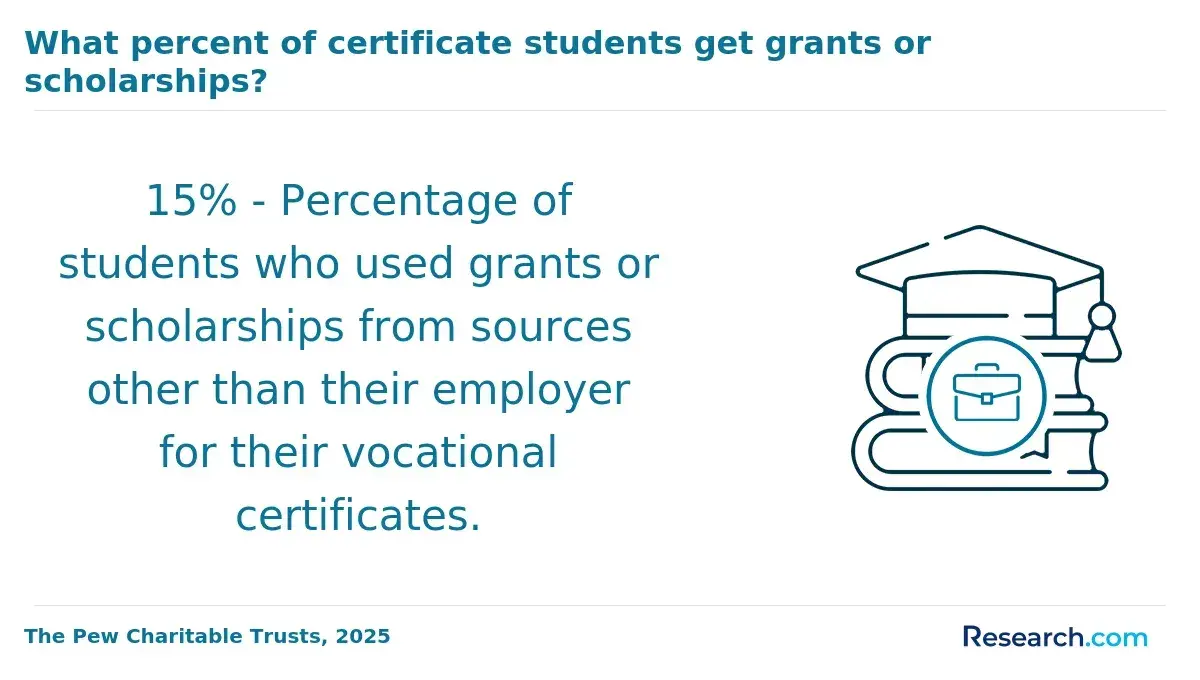
Employers rarely hire data science graduates for one isolated skill. The strongest candidates combine programming, statistics, business reasoning, and communication so they can turn messy data into decisions that other people can trust.
The table below groups the skills that appear most often in data science degree job postings by hiring importance. The categories are not guarantees, but they reflect the pattern students should use when prioritizing learning time.
| Skill area | Why employers request it | How it usually appears in postings | Priority level for students |
| Python | Used for data cleaning, modeling, automation, machine learning, and production workflows | Python, pandas, NumPy, scikit-learn, notebooks, scripting | Very high |
| SQL | Most business data lives in relational databases or warehouses | SQL queries, joins, window functions, data extraction, data validation | Very high |
| Statistics | Needed to interpret patterns, uncertainty, sampling, experiments, and model results | Hypothesis testing, regression, probability, statistical inference, experimental design | Very high |
| Machine learning | Supports prediction, classification, recommendations, anomaly detection, and automation | Supervised learning, unsupervised learning, feature engineering, model evaluation | High |
| Data visualization | Helps decision-makers understand results quickly and accurately | Tableau, Power BI, matplotlib, seaborn, dashboards, storytelling | High |
| Cloud and big data tools | Many employers store and process data in cloud environments | AWS, Azure, Google Cloud, Spark, Databricks, Snowflake, data lakes | Medium to high, depending on role |
| Communication | Data scientists must explain trade-offs, assumptions, and business impact | Stakeholder communication, presentations, written recommendations, collaboration | Very high |
| Domain knowledge | Models are more useful when candidates understand the business or scientific context | Finance, healthcare, marketing, operations, cybersecurity, logistics, policy | Role-dependent |
For most students, the best first priority is not an advanced deep learning course. It is fluency in SQL, Python, statistics, and clear communication, because these skills support nearly every data science specialization.
Soft skills are not optional in data science hiring. Employers often need candidates who can translate technical findings into decisions, especially when managers, clients, clinicians, executives, or regulators are involved.
| Soft skill | What it means in data science work | How to demonstrate it |
| Problem framing | Turning a vague business question into a measurable analytical task | Explain the business goal, assumptions, metric, and decision your project supports |
| Communication | Making technical results understandable to nontechnical audiences | Add executive summaries, visual explanations, and plain-language recommendations to projects |
| Collaboration | Working with engineers, analysts, product managers, researchers, or executives | Use team projects, peer-reviewed code, stakeholder-style presentations, and version control |
| Ethical judgment | Recognizing bias, privacy risks, and unintended consequences | Discuss limitations, fairness concerns, and data governance choices in your portfolio |
| Curiosity and debugging | Investigating unexpected results rather than accepting outputs blindly | Document data checks, model diagnostics, and alternative explanations |
Experience requirements vary widely because employers use "data science" to describe both entry-level analytics work and senior model-building roles. Students should read experience requirements carefully and look for signals about whether internships, class projects, research assistantships, or professional work can satisfy the expectation.
The table below shows how experience expectations typically change by job level. It can help you decide whether to apply now, build more evidence, or target a stepping-stone role first.
| Job level | Typical experience language in postings | What employers are usually testing for | Best evidence for candidates |
| Internship or co-op | Currently pursuing a degree; coursework in statistics, programming, or analytics | Foundational skills, curiosity, coachability, and ability to learn tools quickly | Course projects, GitHub notebooks, dashboards, class research, competitions |
| Entry-level analyst or junior data scientist | 0-2 years, internship preferred, academic projects accepted by some employers | Ability to clean data, write SQL, analyze results, and communicate findings | Internships, capstones, portfolio projects, part-time analytics work, research assistant roles |
| Mid-level data scientist | 2-5 years of applied analytics, modeling, or business data experience | Independent project ownership, model evaluation, stakeholder communication, measurable business impact | Work projects, deployed dashboards, documented model outcomes, cross-functional collaboration |
| Senior data scientist or lead | 5+ years plus leadership, strategy, mentoring, or architecture responsibilities | Technical judgment, influence, prioritization, governance, and business leadership | Project leadership, system design, mentoring, executive communication, production model oversight |
| Research scientist or applied scientist | Graduate research, publications, advanced modeling, or domain-specific expertise | Methodological rigor, experimental design, and ability to extend or adapt advanced techniques | Thesis work, publications, research labs, patents, open-source contributions, advanced prototypes |
For students without professional experience, the practical goal is to make academic work look like job-relevant evidence. A strong capstone should define a real problem, use messy data, explain modeling choices, evaluate results, and translate findings into recommendations.
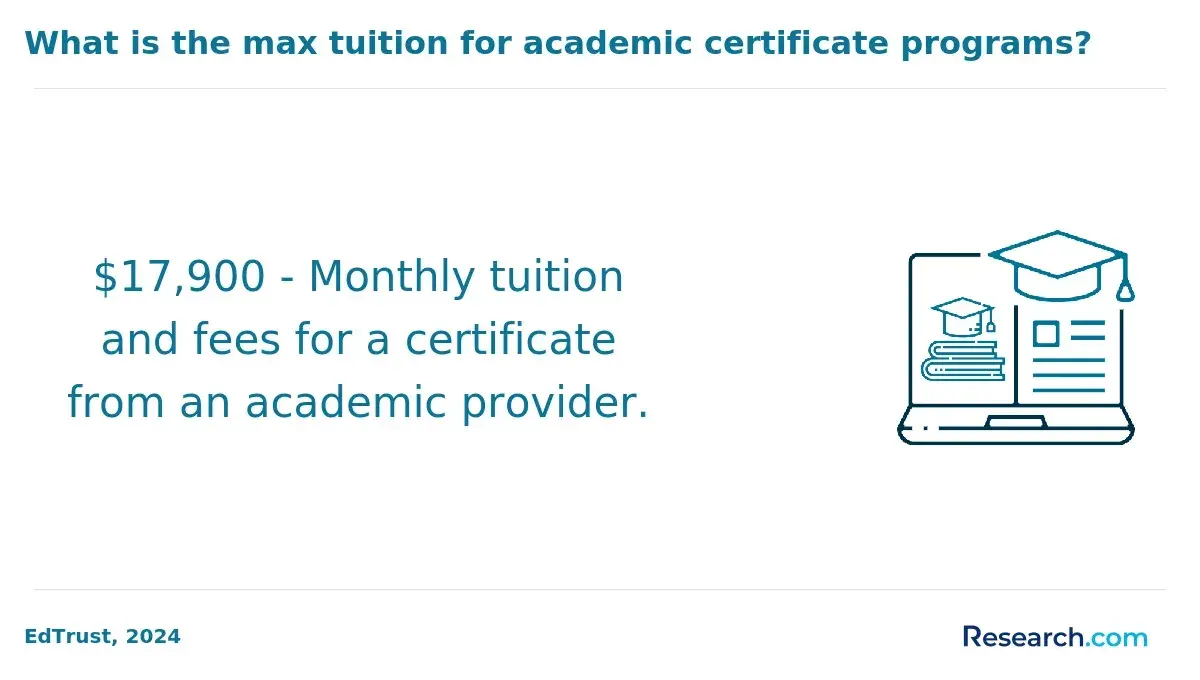
Certifications can increase competitiveness when they match the tools and platforms named in job postings. They are most useful as proof of applied skills, not as replacements for core knowledge in statistics, programming, databases, and communication.
The table below lists certification categories that are commonly relevant to data science candidates. Before paying for any certification, compare it with the postings you plan to target.
| Certification category | Examples employers may recognize | When it helps most | When it may not be worth prioritizing |
| Cloud data and machine learning | AWS, Microsoft Azure, Google Cloud data or machine learning credentials | Roles mentioning cloud platforms, data pipelines, model deployment, or MLOps | Early-stage students who have not yet built strong SQL, Python, and statistics foundations |
| Business intelligence and visualization | Tableau, Power BI, vendor-specific dashboarding credentials | Data analyst, BI analyst, operations analytics, marketing analytics, and reporting roles | Research-heavy or machine learning engineering roles where dashboarding is secondary |
| Data engineering and analytics platforms | Snowflake, Databricks, dbt, Spark-related credentials | Analytics engineering, data platform, and roles requiring warehouse or pipeline knowledge | Roles focused mainly on statistical analysis, experimentation, or business reporting |
| General data analytics certificates | University extension certificates, professional analytics certificates, short applied programs | Career changers who need structured practice and portfolio projects | Students already completing a rigorous data science degree with strong applied projects |
| Security, privacy, or governance credentials | Privacy, cybersecurity, or governance-oriented credentials relevant to the employer's domain | Healthcare, finance, government, defense, and regulated industries | General entry-level roles that do not mention governance, privacy, risk, or compliance |
A simple rule works well: earn certifications that pay well when they appear repeatedly in your target postings or when they help you complete a portfolio project you could not otherwise build. Avoid collecting unrelated credentials that do not connect to a role, tool, or employer requirement.
Employer expectations differ because each organization has different data maturity, risk tolerance, technology stacks, and business problems. A startup may value speed and product experimentation, while a regulated bank may prioritize documentation, controls, and model explainability.
The table below compares common employer patterns. Use it to tailor your résumé and interview preparation instead of sending the same application to every data science role.
| Employer type | What postings often emphasize | Candidate advantage | Potential red flag to watch |
| Large technology company | Experimentation, scalable systems, product metrics, machine learning, coding interviews | Strong algorithms, Python, SQL, product sense, and measurable project impact | Role may be highly specialized and competitive even when the title sounds entry-level |
| Startup | Generalist skills, speed, product analytics, ownership, ambiguous problem solving | Portfolio showing end-to-end work from raw data to recommendation | Limited mentorship or unclear data infrastructure can make the role hard for new graduates |
| Financial institution | Risk modeling, controls, documentation, governance, explainability, SQL | Statistics, regulatory awareness, model validation, and careful documentation | Some roles labeled data science may be closer to reporting or compliance analytics |
| Healthcare organization | Privacy, clinical or operational context, data quality, outcomes analysis | Ethical judgment, domain familiarity, careful interpretation, and reproducible workflows | Access to data may be restricted, and deployment cycles can be slower |
| Consulting firm | Client communication, presentation, flexible tools, rapid analysis, business framing | Storytelling, stakeholder management, and varied project examples | Travel, client deadlines, or broad responsibilities may not fit every candidate |
| Government contractor | Security, documentation, mission support, sometimes clearance eligibility | Reliability, documentation, citizenship or clearance fit when required, and public-sector interest | Clearance, citizenship, or contract-specific requirements may limit eligibility |
This variation is why students should not treat every job posting requirement equally. A "preferred" master's degree at one employer may be less important than domain knowledge, internship experience, or cloud deployment experience at another.
AI is changing data science hiring, but it is not eliminating the need for fundamentals. Employers increasingly want candidates who can use AI tools responsibly, evaluate model outputs, maintain data quality, and explain why an automated result should or should not be trusted.
The scale of investment helps explain the shift. Stanford's AI Index 2025 reported that U.S. private AI investment reached $109.1 billion in 2024. For students, that does not mean every role is a generative AI job; it means AI literacy is becoming a useful differentiator across more analytics, product, engineering, and decision-support roles.
The table below highlights emerging skills that are becoming more visible in data science job postings and related hiring conversations.
| Emerging skill | Why employers care | How students can show readiness |
| Generative AI literacy | Teams are experimenting with large language models for search, summarization, automation, and customer-facing tools | Build a project that evaluates outputs, documents limitations, and includes human review |
| Prompt engineering and evaluation | AI systems need careful instructions, test cases, and quality checks | Compare model responses against defined criteria instead of simply showing a chatbot demo |
| MLOps | Employers need models that can be deployed, monitored, retrained, and governed | Use version control, model tracking, testing, and simple deployment workflows in projects |
| Data governance | Organizations face privacy, security, lineage, and compliance requirements | Document data sources, permissions, quality checks, and ethical limitations |
| Cloud analytics | Modern data teams often work in cloud warehouses, lakehouses, and managed ML platforms | Complete a project using a cloud database, warehouse, or managed analytics service |
| Causal inference and experimentation | Employers want to know whether an action caused a result, not just whether variables are correlated | Design A/B tests, quasi-experimental analyses, or clear causal assumptions in portfolio work |
The common mistake is chasing every new AI tool before mastering the skills that make AI outputs useful. Students should learn enough AI to be current, but they should still prioritize statistical reasoning, data validation, SQL, programming, and communication. It may also be wise to search for what jobs can you get with an AI degree.
The best way to match your qualifications to employer expectations is to reverse-engineer postings for the roles you actually want. Instead of asking whether "data science" is in demand in general, compare the exact skills, credentials, tools, and experience requested by your target employers.
Use the following process to turn job postings into a practical preparation plan. It works for students choosing electives, graduates preparing résumés, and career changers deciding whether to pursue another credential.
- Collect 20-30 recent postings for one target role, such as data analyst, data scientist, machine learning engineer, or BI analyst.
- Separate requirements into four groups: must-have skills, preferred skills, education credentials, and experience evidence.
- Count repeated tools and concepts manually, but avoid overreacting to one unusual posting that lists every tool the team has ever used.
- Compare the repeated requirements with your transcript, projects, internships, work history, and portfolio.
- Pick the three highest-impact gaps to address first, usually SQL depth, Python project quality, statistics, visualization, cloud exposure, or applied experience.
- Rewrite your résumé so each target posting can quickly see relevant tools, project outcomes, data size or context, and business impact.
Students should also watch for common mistakes that weaken otherwise qualified applications. These errors are preventable, but they appear often because candidates focus on credentials without translating them into job-ready evidence.
- Do not assume a data science degree alone will carry your application; employers still want proof that you can solve applied problems with real data.
- Do not list every programming language you have touched; emphasize the tools you can use confidently in projects or interviews.
- Do not ignore communication skills; a strong model has limited value if you cannot explain assumptions, limits, and recommendations.
- Do not pursue certifications randomly; choose credentials that match target postings or help you build a stronger portfolio project.
- Do not wait until graduation to gain experience; internships, research projects, campus jobs, volunteer analytics work, and capstones can all create evidence.
- Do not send one generic résumé to every employer; tailor your skills and project descriptions to the role's actual language.
A strong application tells a clear story: the candidate understands the employer's problem, has practiced with relevant tools, can explain results, and has enough judgment to know when a model or dashboard is not ready to guide decisions.
Job posting trends should help students choose a career path, not just a list of skills. The right path depends on whether you prefer business analysis, statistical modeling, software systems, research, data infrastructure, or industry-specific decision-making.
The table below compares common data science career paths by the qualifications that tend to matter most. Use it to decide which electives, projects, and experiences deserve priority.
| Career path | Best fit for | Most important preparation | Credentials that can help | Practical next step |
| Data analyst or BI analyst | Students who enjoy business questions, dashboards, reporting, and stakeholder communication | SQL, Excel, Tableau or Power BI, business metrics, data storytelling | Bachelor's degree, BI tool certification, analytics certificate when needed | Build dashboards that answer real business questions and include written recommendations |
| Data scientist | Students who enjoy modeling, experimentation, statistics, and decision support | Python or R, SQL, statistics, machine learning, visualization, problem framing | Bachelor's or master's degree; cloud or ML certification when postings request it | Create end-to-end projects with data cleaning, modeling, evaluation, and business interpretation |
| Machine learning engineer | Students who enjoy coding, deployment, systems, and production model performance | Python, software engineering, APIs, cloud, MLOps, version control, testing | Computer science or data science degree; cloud ML certification may help | Deploy a model, monitor outputs, and document how the system would be maintained |
| Analytics engineer | Students who like data modeling, pipelines, documentation, and reliable datasets | Advanced SQL, dbt-style transformations, warehouse modeling, testing, version control | Data engineering or cloud platform credentials can help when relevant | Build a clean analytics pipeline with tested tables and clear documentation |
| Research or applied scientist | Students who want advanced methods, experimentation, or scientific research | Graduate-level statistics, machine learning theory, research design, domain expertise | Master's or PhD often matters more than short certifications | Join a research lab, complete a thesis-style project, or contribute to publishable work |
For many students, the smartest path is to start with a broader analytics role and move toward data science or machine learning as experience grows. That approach can be especially useful when entry-level data scientist postings ask for more experience than a new graduate has.
Before choosing a path, ask yourself a few practical questions: Do you want to write production code or analyze business decisions? Do you enjoy mathematical modeling or stakeholder presentations? Are you willing to pursue graduate school for research-heavy roles? Do your target postings repeatedly ask for cloud, domain knowledge, or internships? Your answers should guide your electives, projects, and credentials.
Most data science job postings treat a degree as evidence of quantitative, computational, and analytical preparation. However, employers differ in whether they require a data science degree specifically or accept related majors such as statistics, computer science, mathematics, economics, engineering, information systems, or applied analytics.
Cost also matters when deciding how far to go academically. College Board's Trends in College Pricing and Student Aid 2024 reported average published tuition and fees of $11,610 for in-state students at public four-year colleges and $43,350 at private nonprofit four-year colleges for 2024-25, before grants and scholarships. That gap is a reminder to compare total cost, aid, outcomes, and program fit rather than assuming a more expensive credential is automatically better.
The table below separates credentials that are commonly required from those that tend to be preferred or role-specific. This distinction helps students avoid overinvesting in credentials that may not be necessary for their target role.
| Credential | How employers usually treat it | Best fit | Important limitation |
| Bachelor's degree | Common minimum requirement for many data analyst, junior data scientist, and BI roles | Entry-level candidates seeking broad access to analytics and data science jobs | A degree alone is rarely enough without projects, tools, and applied experience |
| Master's degree | Often preferred for data scientist, applied scientist, research-oriented, or specialized roles | Candidates targeting advanced modeling, higher-responsibility analytics, or career changes from another field | May not be necessary for analyst roles if the candidate already has strong experience and portfolio evidence |
| PhD | Usually required or strongly preferred for research scientist and advanced algorithm roles | Candidates interested in research, experimentation, novel methods, or scientific computing | Can be excessive for business analytics, BI, or many applied corporate data roles |
| Bootcamp or certificate program | Usually viewed as supplemental evidence rather than a full substitute for a degree in postings that specify degrees | Candidates filling a skill gap in SQL, Python, visualization, machine learning, or cloud tools | Quality varies, and employers will still want proof through projects or work experience |
| Accredited degree program | Important for transferability, graduate admissions, employer screening, and financial aid eligibility | Students seeking a formal academic pathway with recognized institutional standards | Program reputation, curriculum quality, career support, and project depth still matter |
When comparing programs, review the curriculum against job postings before enrolling. Strong data science programs, including masters in data science online, usually include programming, databases, statistics, machine learning, data ethics, visualization, applied projects, and opportunities for internships or capstone work.
Other Things You Should Know About Data Science
A data science degree can meet the education requirement in many postings, but it is usually not enough by itself. Employers also look for applied evidence, especially SQL, Python or R, statistics, visualization, communication, and projects or internships that show you can work with real data.
SQL and Python are usually the best first technical priorities because they appear across many analyst, data scientist, and machine learning roles. Students should learn them alongside statistics so they can extract data, analyze it correctly, and explain what the results mean.
Certifications are worth it when they match your target postings or help you prove a specific tool skill, such as cloud analytics, machine learning platforms, Tableau, Power BI, Snowflake, or Databricks. They are less useful when collected randomly without projects or role alignment.
Yes, if you meet the core requirements and can show relevant skills through projects, internships, coursework, or work experience. Preferred qualifications are often flexible, but required credentials, work authorization, security clearance, or essential technical skills may be harder limits.
See What Experts Have To Say About Studying Data Science
Read our interview with Data Science experts

- Data Scientist Job Market 2024: Analysis, Trends, Opportunities – 365 Data Science https://365datascience.com/career-advice/data-scientist-job-market/
- 10 Skills Every Data Scientist Needs - Intuit Blog https://www.intuit.com/blog/innovative-thinking/data-science-skills/
- What are the top skills required for data scientist jobs? - Hays Global Technology - Hays PLC https://www.haystechnology.com/blog/-/blogs/what-are-the-top-skills-required-for-data-scientist-jobs-
- Most In Demand Data Science Technical Skills https://www.stratascratch.com/blog/most-in-demand-data-science-technical-skills
- Hiring a Data Scientist: A Step-by-Step Guide for Businesses - Redfish Technology https://www.redfishtech.com/hiring-a-data-scientist-a-step-by-step-guide-for-businesses/
- Evaluating the U.S. Labor Market for Data Scientists | Recruiting Trends | Acara Solutions https://acarasolutions.com/blog/recruiting-trends/evaluating-the-u-s-labor-market-for-data-scientists/
- Careers in Data Science | ComputerScience.org https://www.computerscience.org/careers/data-science/how-to-become/